Artwork
Judith and Holophernes
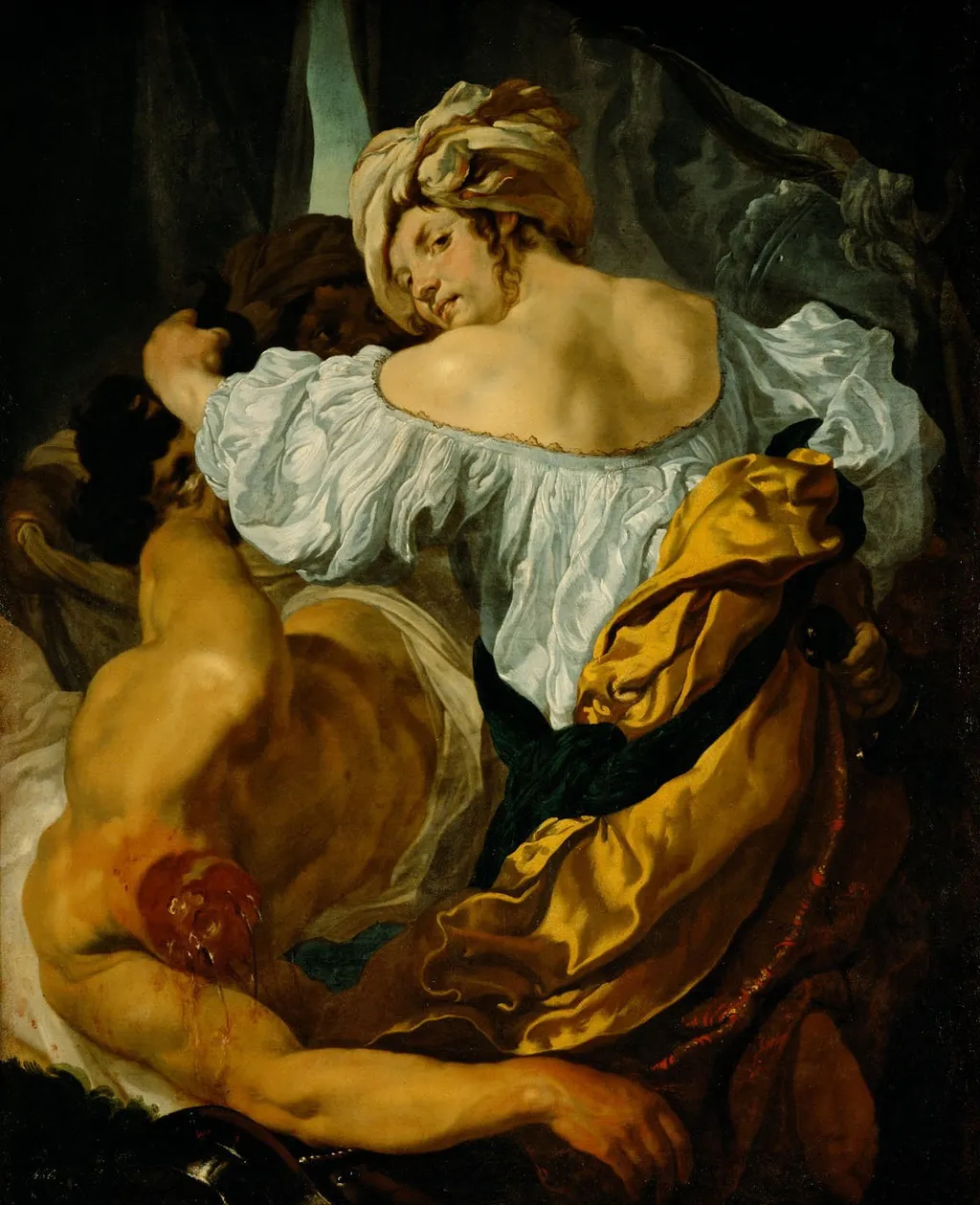
Judith and Holophernes is an oil painting by the Early Baroque Italian artist Johann Liss. It dates from 1628 and is held in the collection of the Kunsthistorisches Museum.
About this work
Overview
Painted in 1628 by Johann Liss, this oil on canvas work portrays a moment from the biblical Book of Judith. Liss, a German artist active in Venice, adapted the Italian Baroque approach to narrative intensity. The painting is part of the Kunsthistorisches Museum’s collection in Vienna, where it has remained since its acquisition in the early 19th century.
Subject & Meaning
The scene captures Judith, a Jewish widow, holding the severed head of Holophernes, the Assyrian general she slew to save her people. Her composed expression contrasts with his contorted agony, emphasizing moral resolve over violence. The act symbolizes divine justice and female courage, common themes in Counter-Reformation art that valued piety and sacrifice.
Technique & Style
Liss employs strong chiaroscuro to isolate the figures against a dark background, heightening the drama. Thick, tactile brushwork renders Judith’s pale skin and the blood on Holophernes’ neck with physical presence. The lighting directs focus to their faces and the severed head, while the drapery and turban add texture and cultural specificity to her attire.
History & Provenance
Created during Liss’s Venetian period, the painting entered the Habsburg collection before 1810. It was cataloged in the Imperial Gallery in Vienna and later transferred to the Kunsthistorisches Museum upon its founding in 1891. Its continuous presence in imperial holdings suggests early recognition of its artistic merit.
Context
In early 17th-century Venice, artists like Liss absorbed Caravaggio’s dramatic lighting and emotional realism. Judith’s story was popular among Northern and Italian painters as a symbol of virtuous resistance. Liss’s version reflects the fusion of German precision with Venetian color and atmosphere, characteristic of transalpine artistic exchange.
Legacy
Though less known than some contemporaries, Liss’s Judith exemplifies how Northern artists adapted Italian Baroque innovations. The painting contributes to the broader visual discourse on female agency and religious heroism in early modern Europe. Its preservation in a major public collection ensures ongoing scholarly engagement with its narrative and technique.
Artist & collection
Artist
Johann Liss or Jan Lys (c. 1590 or 1597 – 1629 or 1630) was a leading German Baroque painter of the 17th century, active mainly in Venice.

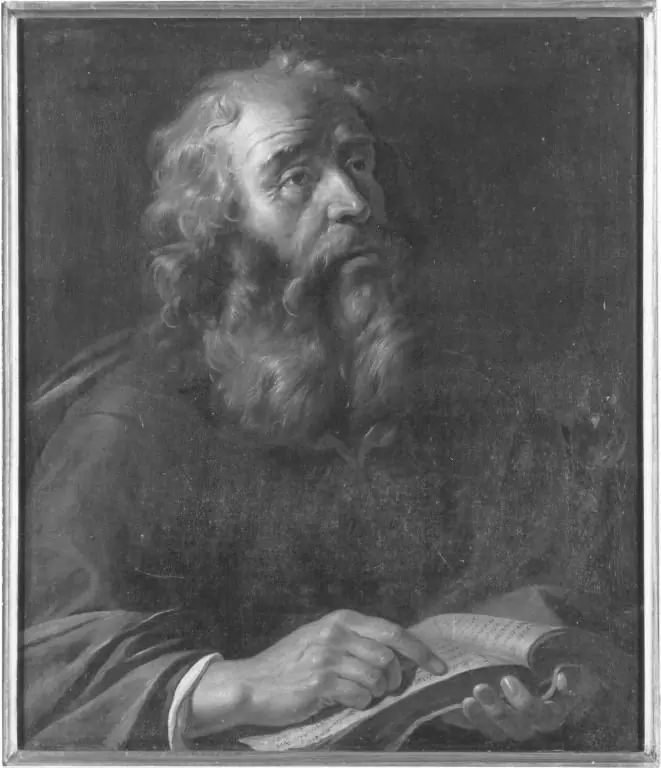
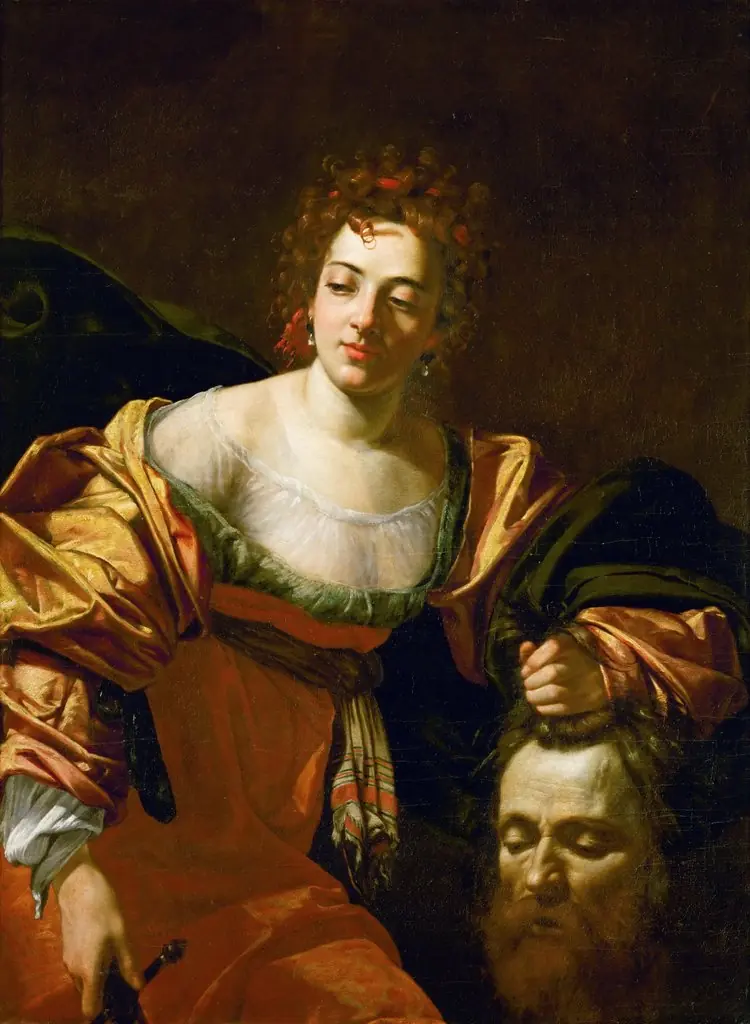 Judith with the Head of Holofernes
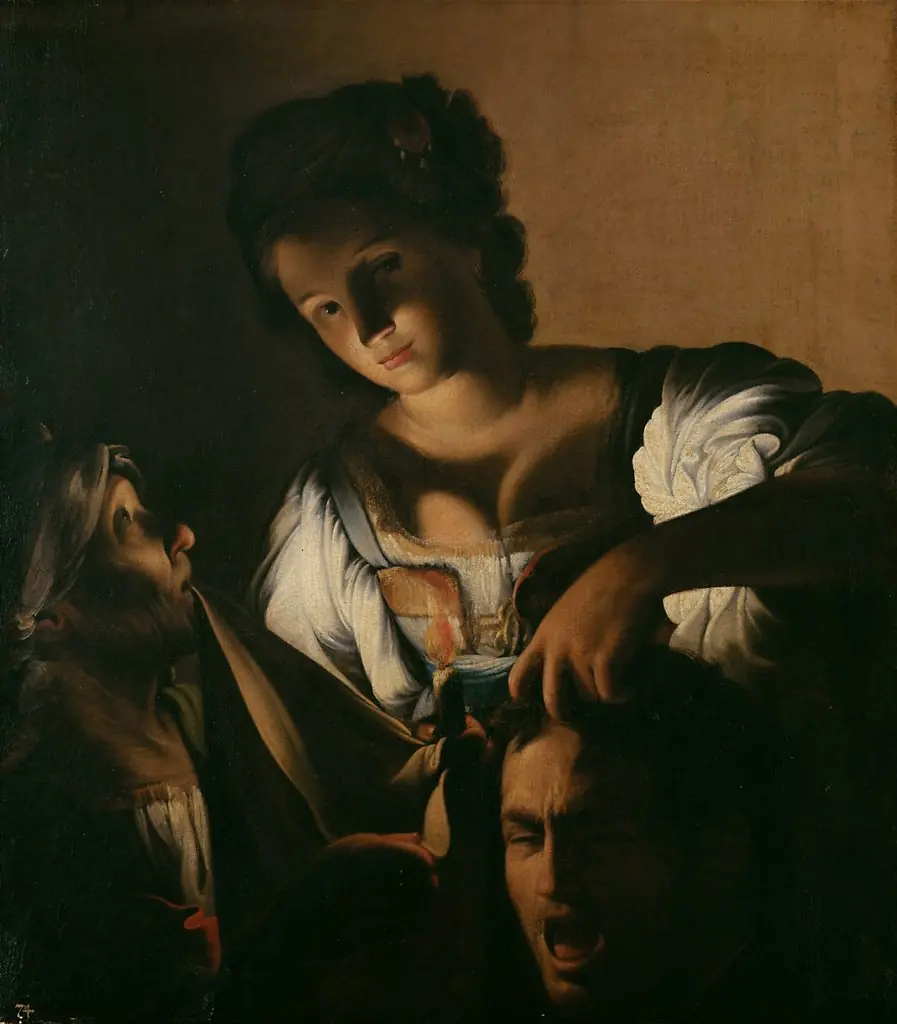 Judith with the head of Holofernes
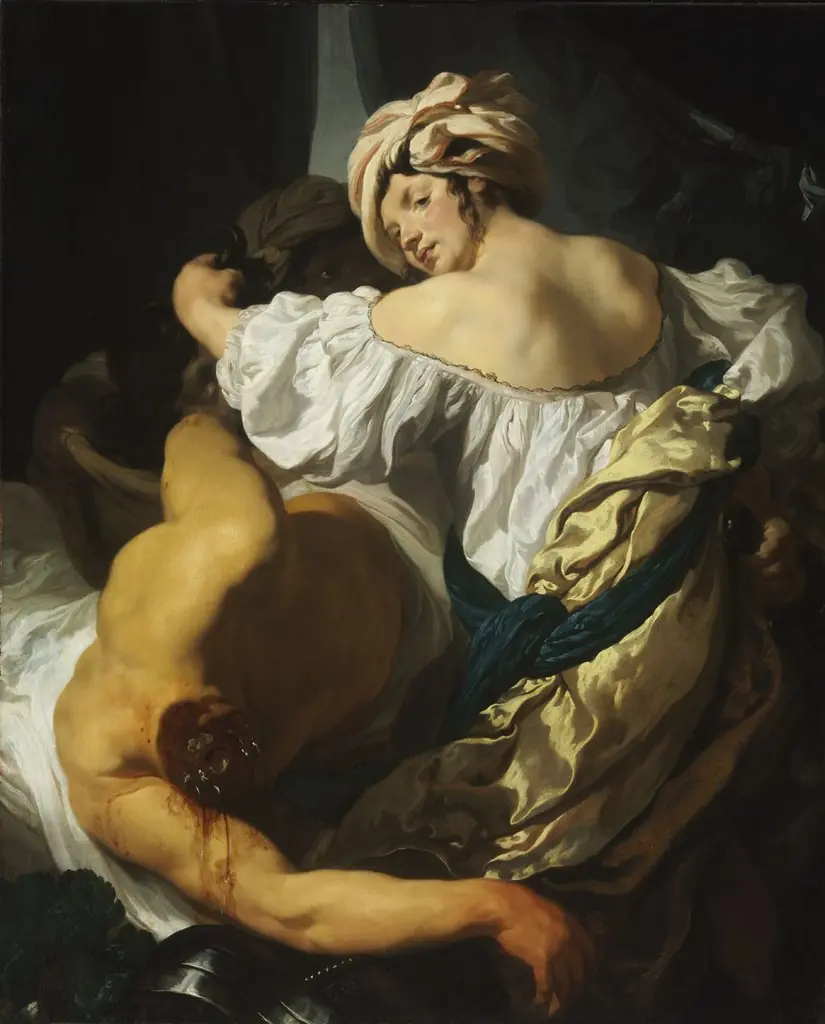 Judith in the Tent of Holofernes
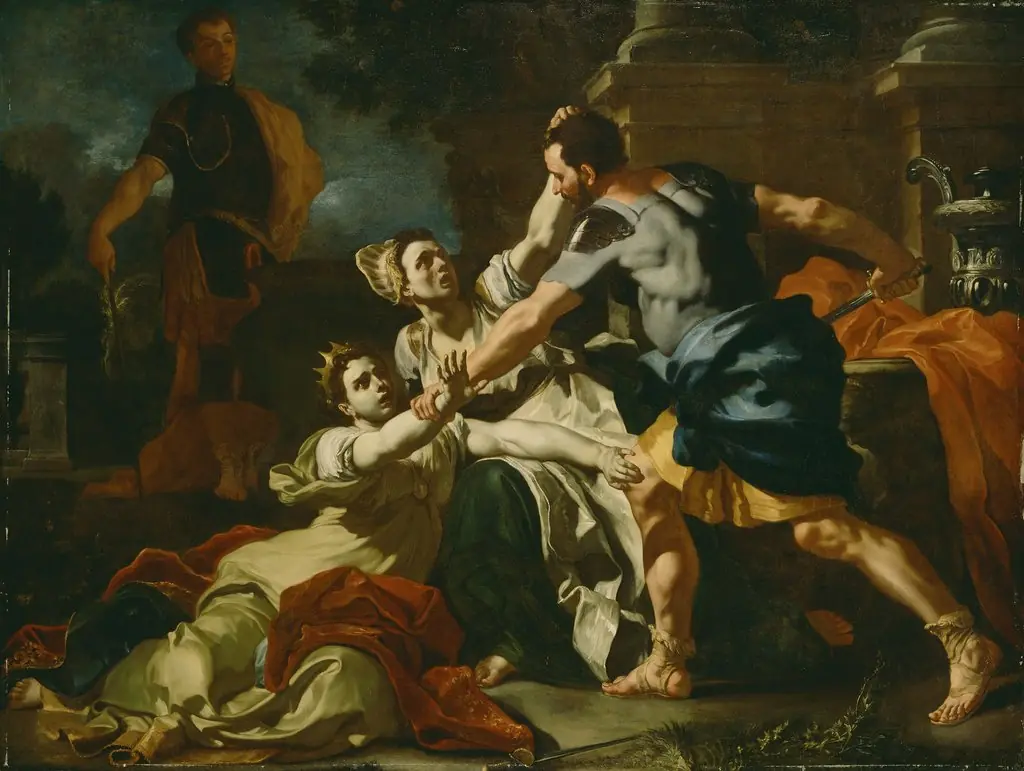 Death of Messalina
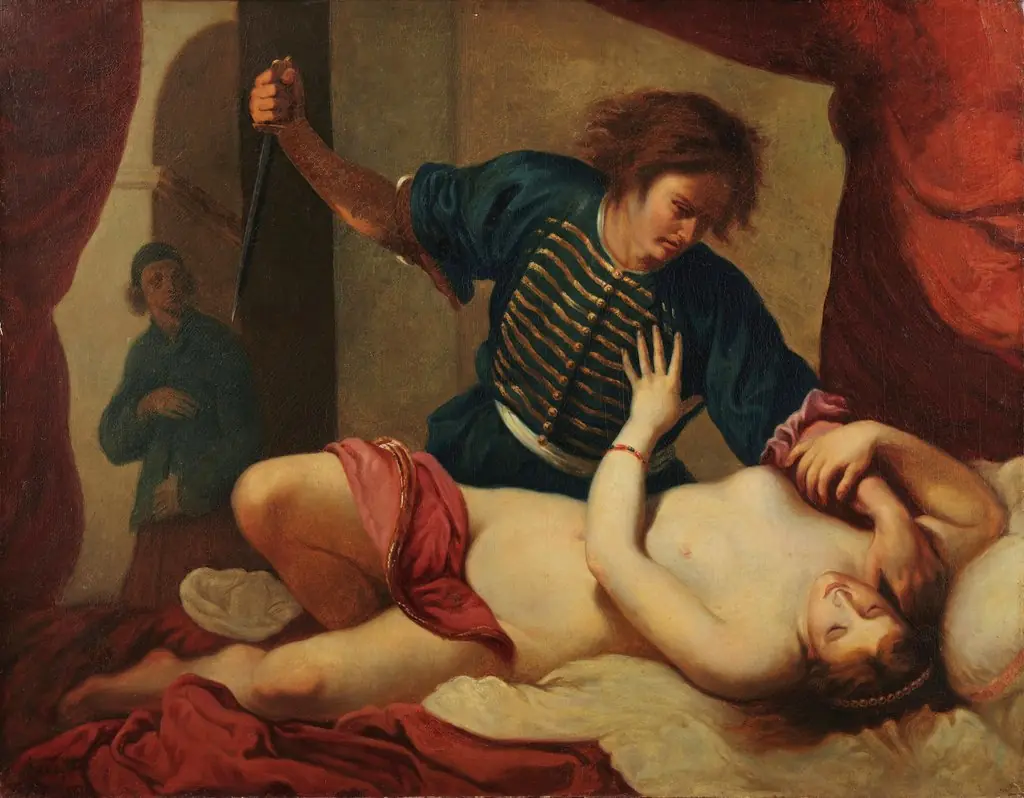 Tarquin and Lucretia
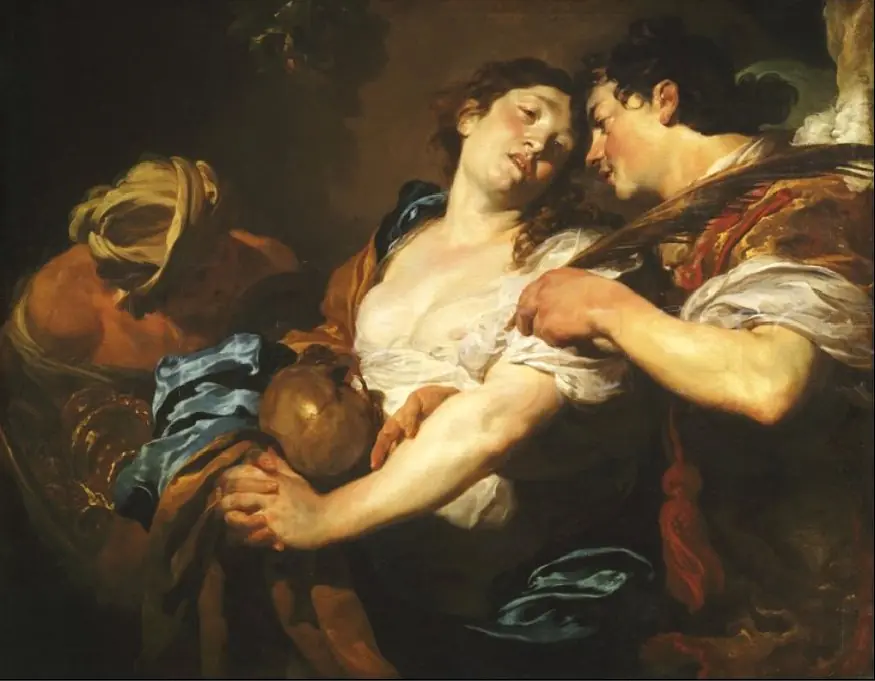 Temptation of Saint Mary Magdalen
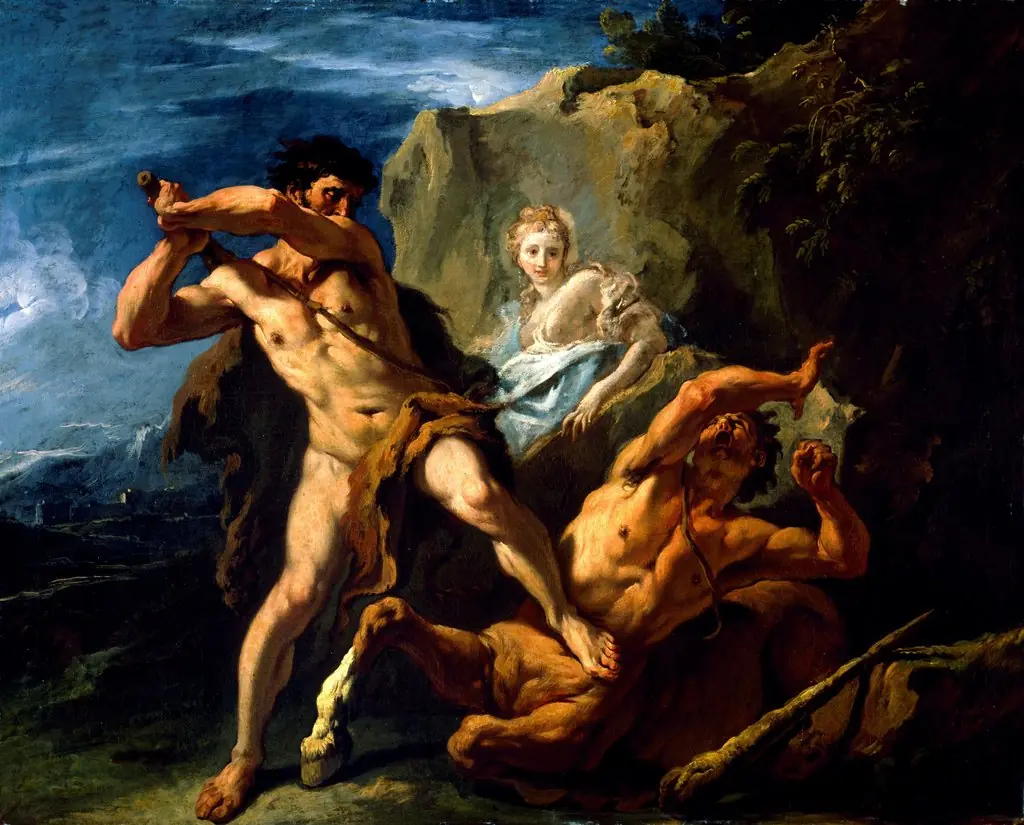 Hercules Killing the Centaur Nessus
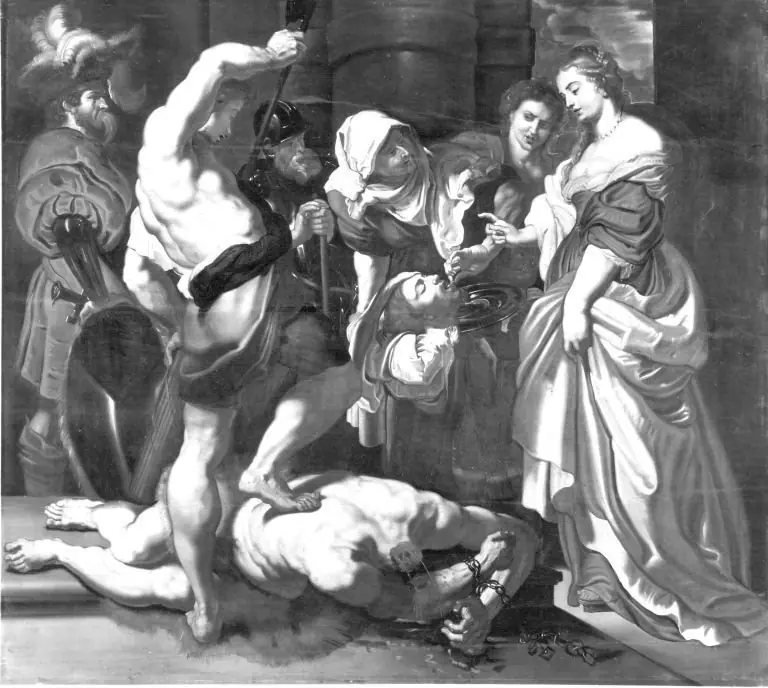 Salome is given the head of John the Baptist by the executioner
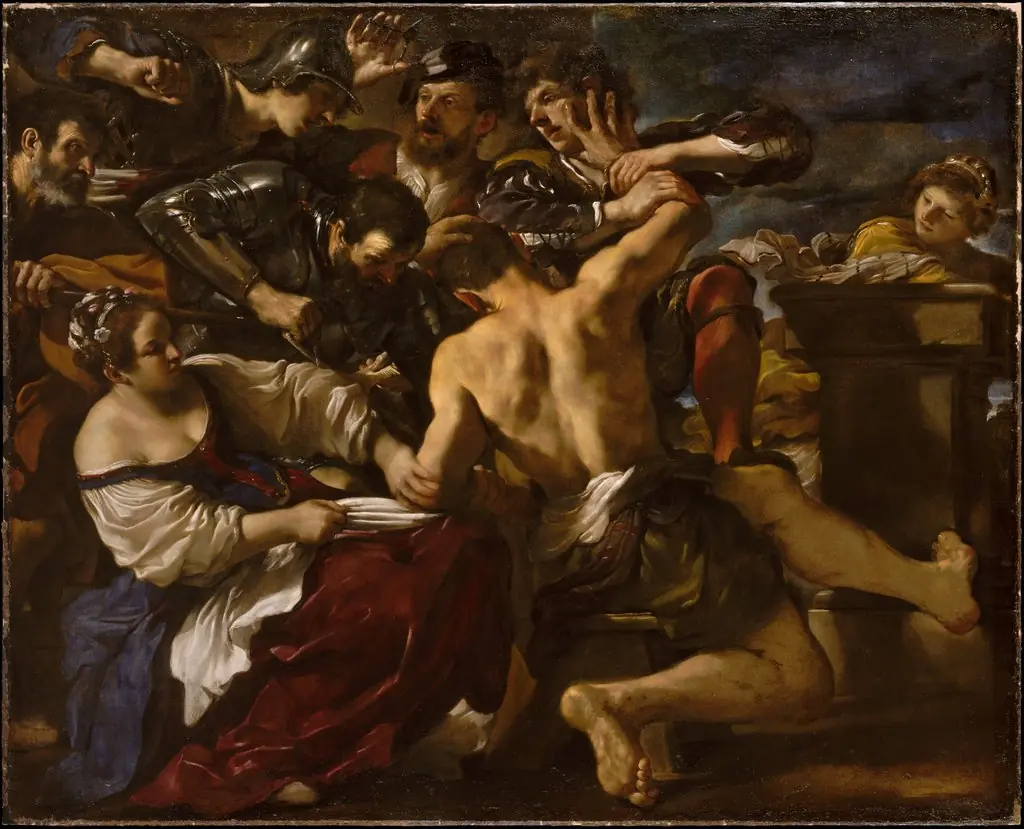 Samson Captured by the Philistines
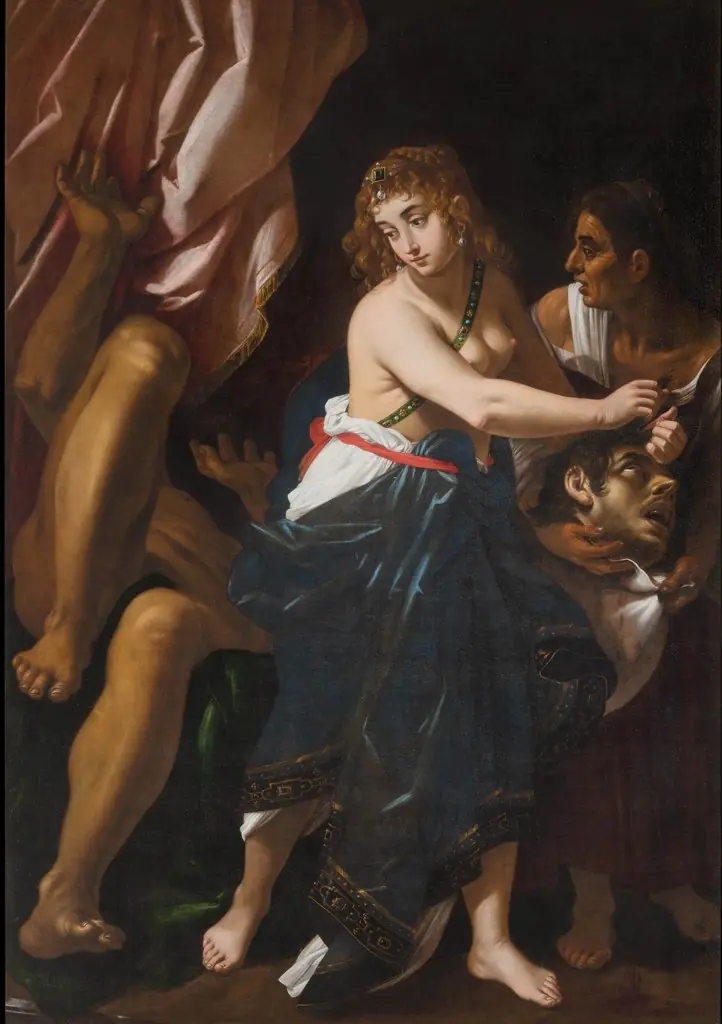 Judith and the Head of Holofernes