Artwork
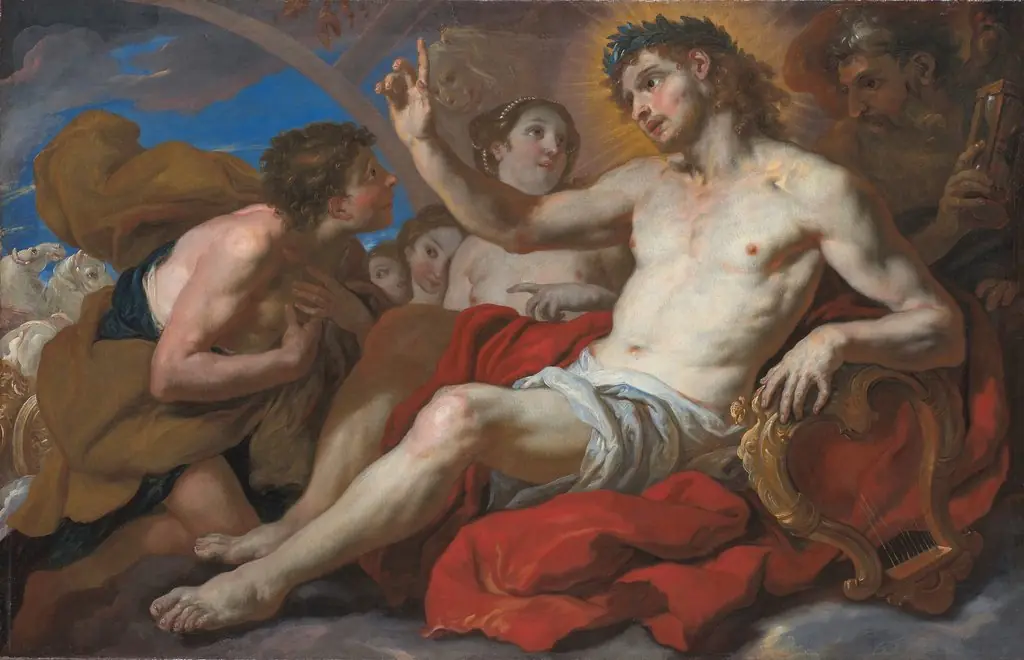
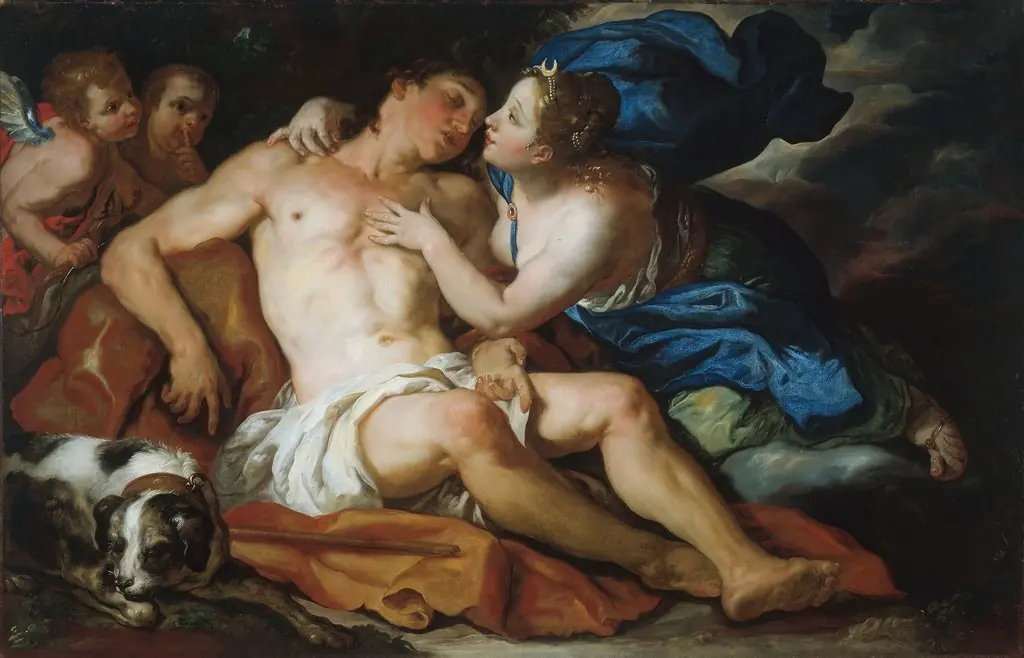
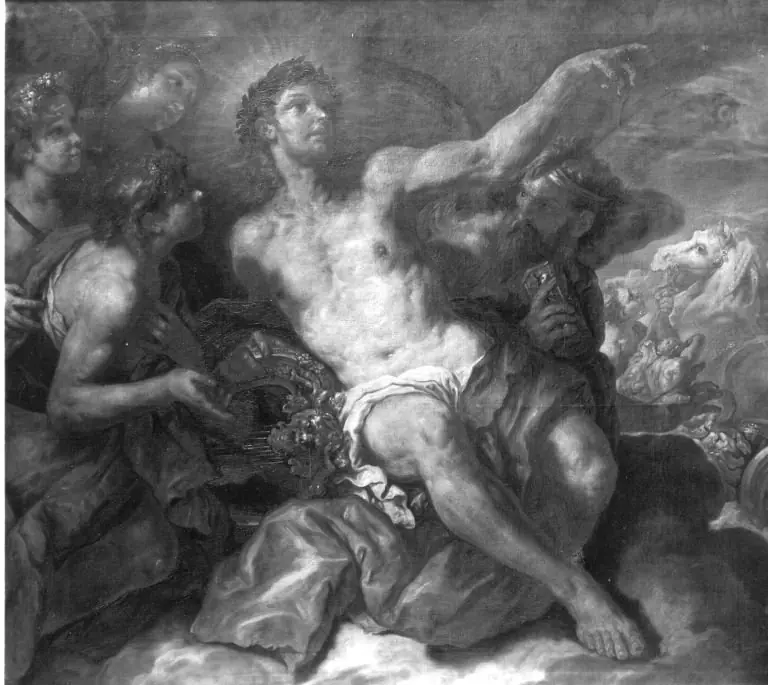
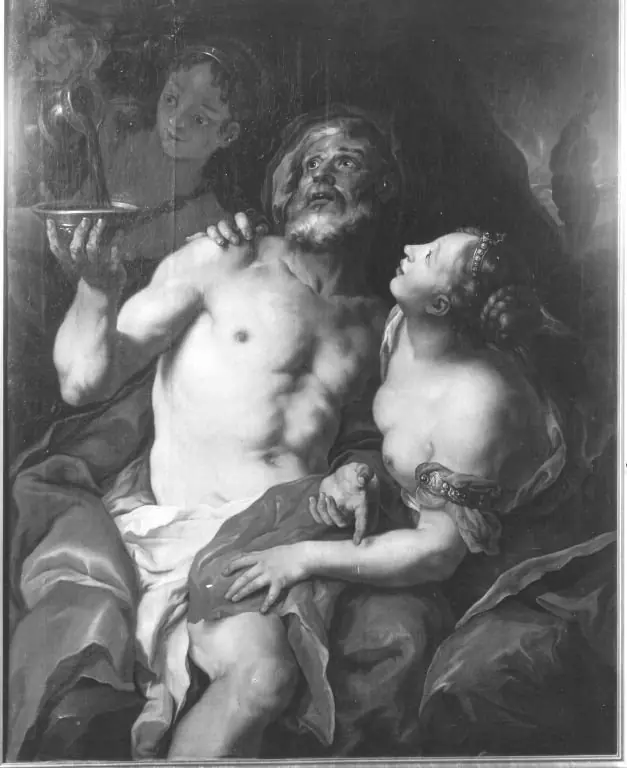
Mercury rescues the disguised Io after beheading Argus
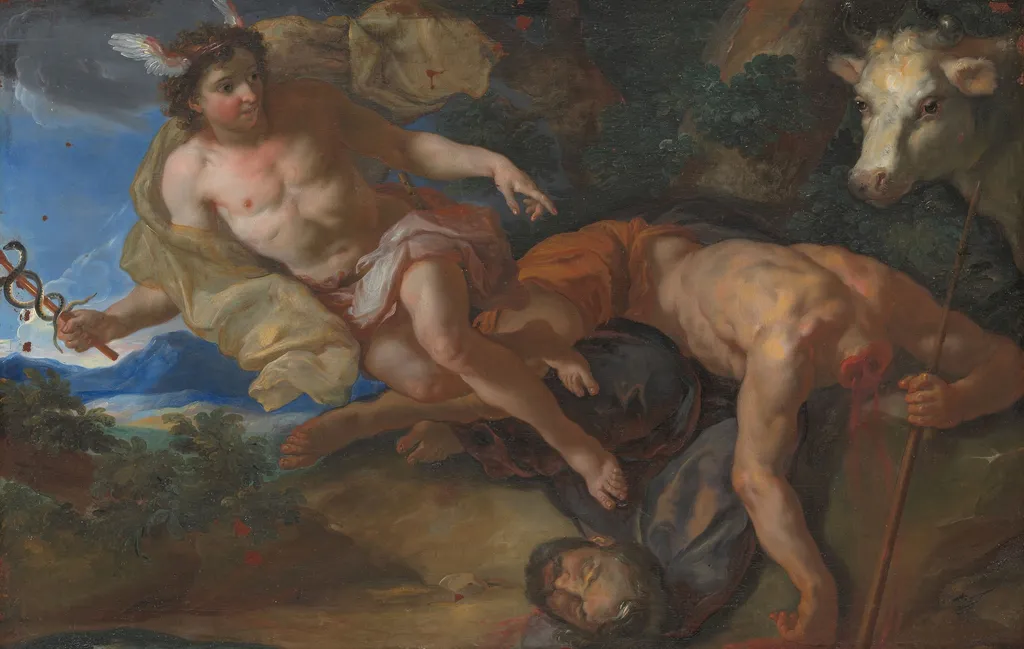
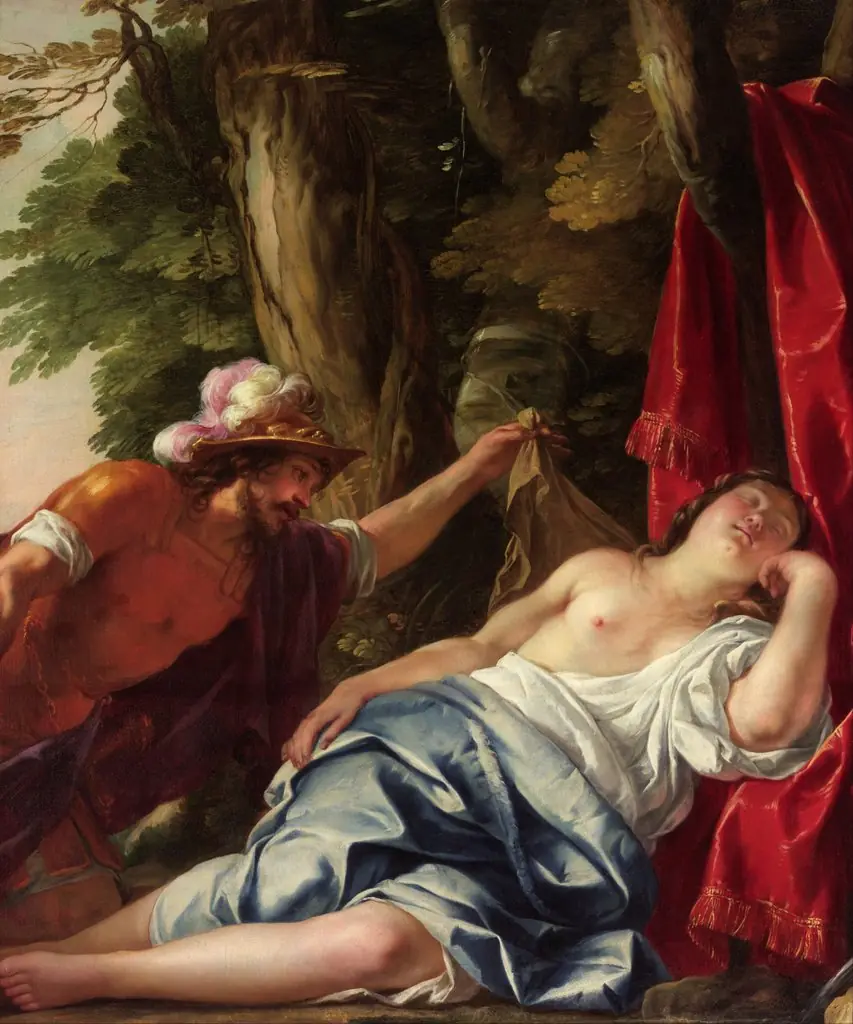
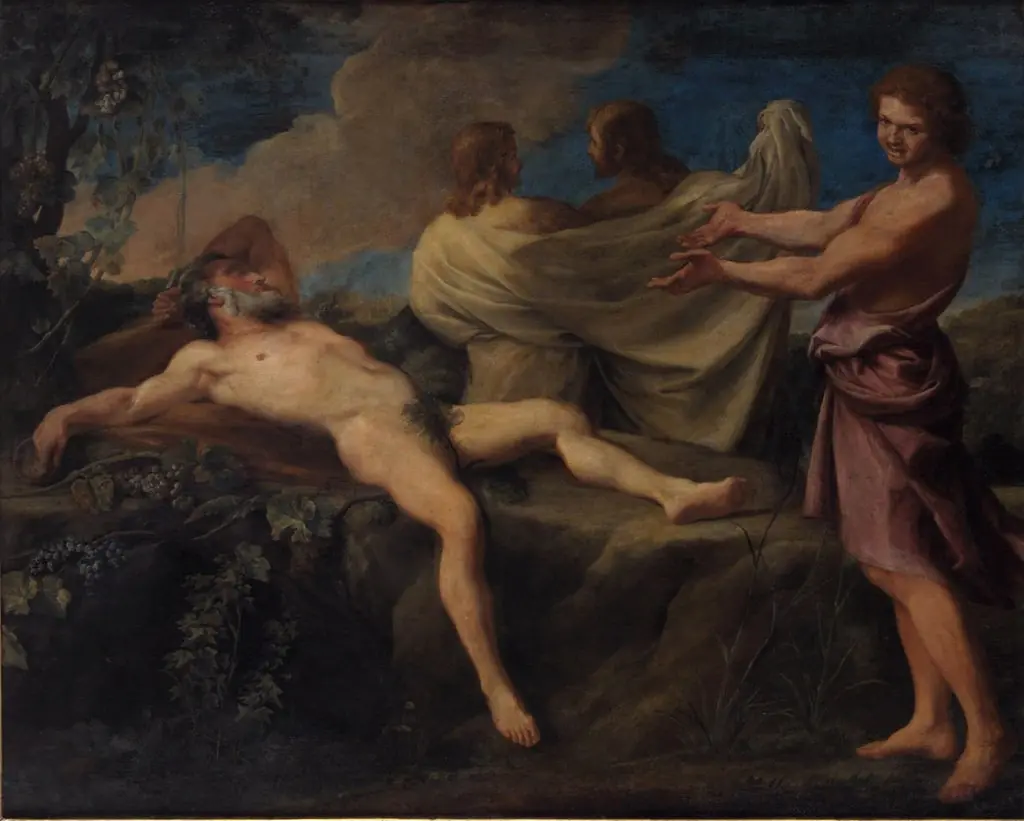
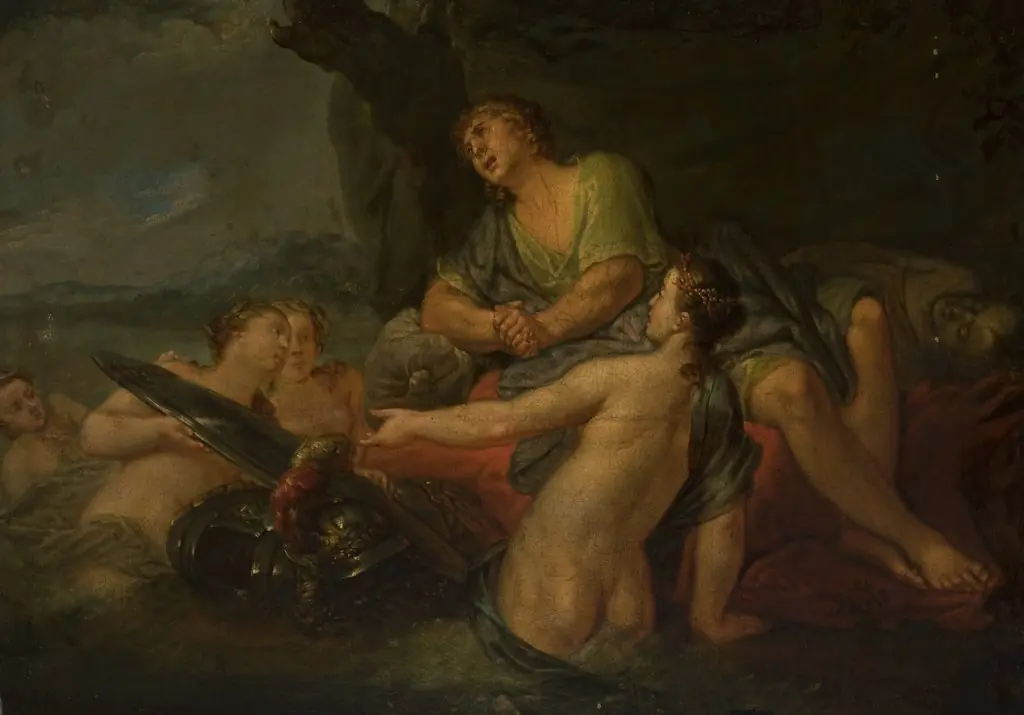
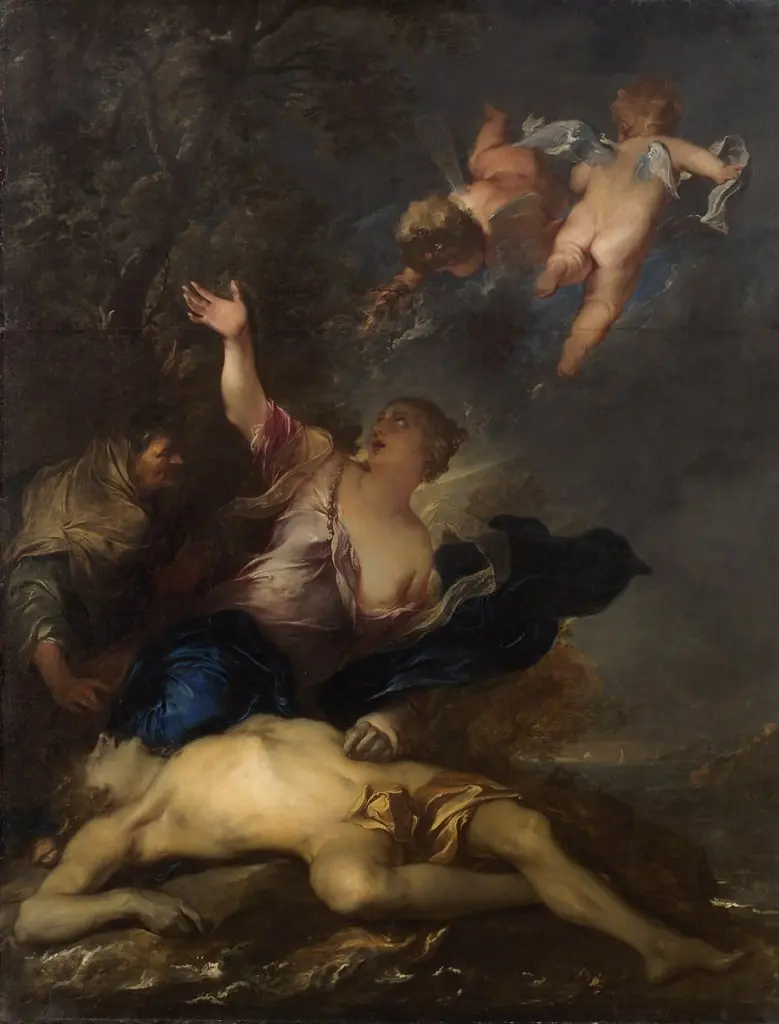
Mercury rescues the disguised Io after beheading Argus is an oil painting by Johann Michael Rottmayr. It dates from 1696 and is held in the collection of the Art Institute of Chicago.
About this work
Overview
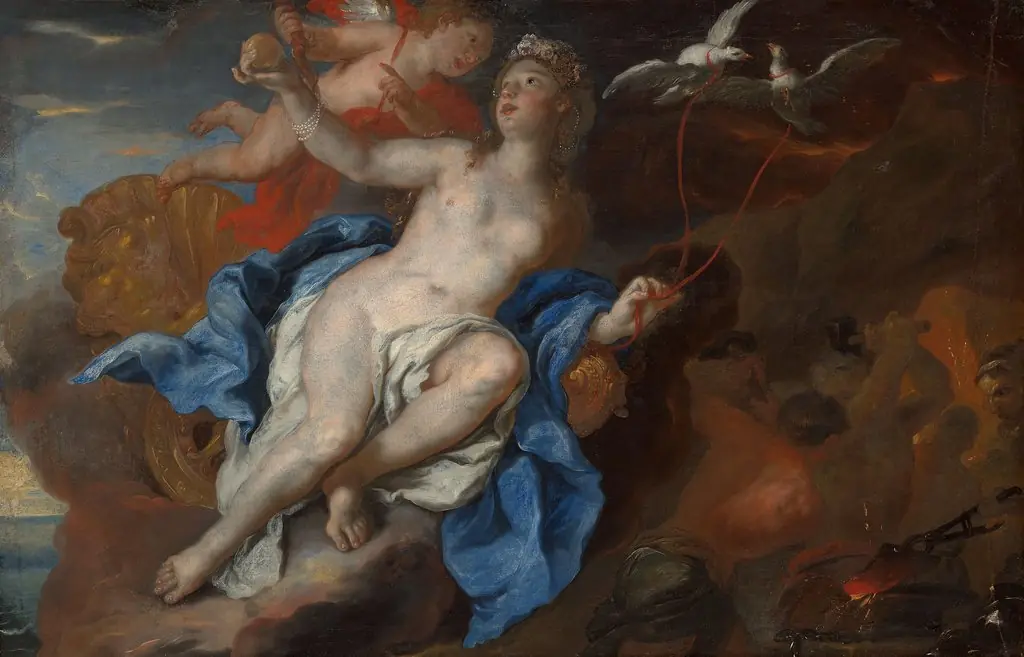
It captures the aftermath of Mercury’s slaying of Argus, the hundred-eyed guardian, as he prepares to lead the transformed Io to safety.
Painted in 1696 by Johann Michael Rottmayr, this oil work illustrates a moment from Ovid’s Metamorphoses. It captures the aftermath of Mercury’s slaying of Argus, the hundred-eyed guardian, as he prepares to lead the transformed Io to safety. The scene is rendered with dramatic lighting and fluid composition, characteristic of late Baroque narrative painting. The painting is part of the Art Institute of Chicago’s collection.
Subject & Meaning
The painting depicts Mercury, god of messengers, having just killed Argus, the watchman tasked with guarding Io. Io, once a mortal priestess, has been turned into a cow by Hera to conceal Jupiter’s affair. The cow’s head held by the figure on the right symbolizes Io’s cursed form. Mercury, crowned with leaves and wings, acts as liberator, guiding her from bondage, embodying divine intervention in human suffering.
Technique & Style
Rottmayr employs chiaroscuro to model the figures with soft, graduated shadows, lending them volume and presence against a turbulent sky. The contrast between golden ambient light and deep, swirling clouds heightens the scene’s emotional tension. Drapery and musculature are rendered with delicate precision, reflecting the artist’s training in Italian Baroque traditions and his attention to anatomical realism.
History & Provenance
Commissioned during Rottmayr’s early career, the painting likely originated in a Central European ecclesiastical or noble collection. It entered the Art Institute of Chicago’s holdings in the 20th century, though its exact path from Austria to Chicago remains undocumented. Its survival through centuries of political and cultural change underscores its enduring artistic value.
Context
Created in the late 17th century, the work reflects the continued influence of classical mythology in Habsburg court culture. Artists like Rottmayr drew from Roman and Greek texts to convey moral and divine themes. The emphasis on dramatic action and emotional intensity aligns with broader Baroque trends in Central Europe, where religious and mythological subjects often served as vehicles for political and spiritual allegory.
Legacy
Though not widely exhibited today, the painting remains a significant example of Austrian Baroque narrative art. It demonstrates Rottmayr’s skill in translating myth into visually compelling scenes, bridging Italian compositional principles with Northern European sensibilities. Its preservation allows ongoing study of how mythological themes were adapted in post-Reformation Central Europe.
Own this work as a print
Artist & collection
Artist
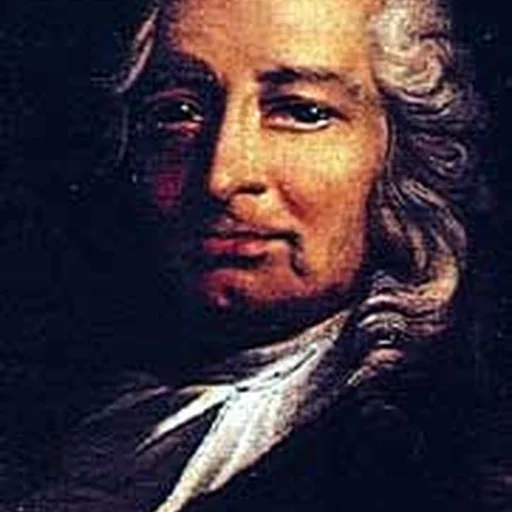
Johann Michael Rottmayr (1656–1730) was an Austrian artist, born in Laufen.