Artwork
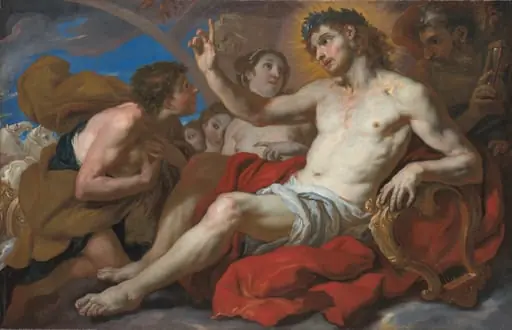
Apollo Granting Phaeton Permission to Drive the Chariot of the Sun
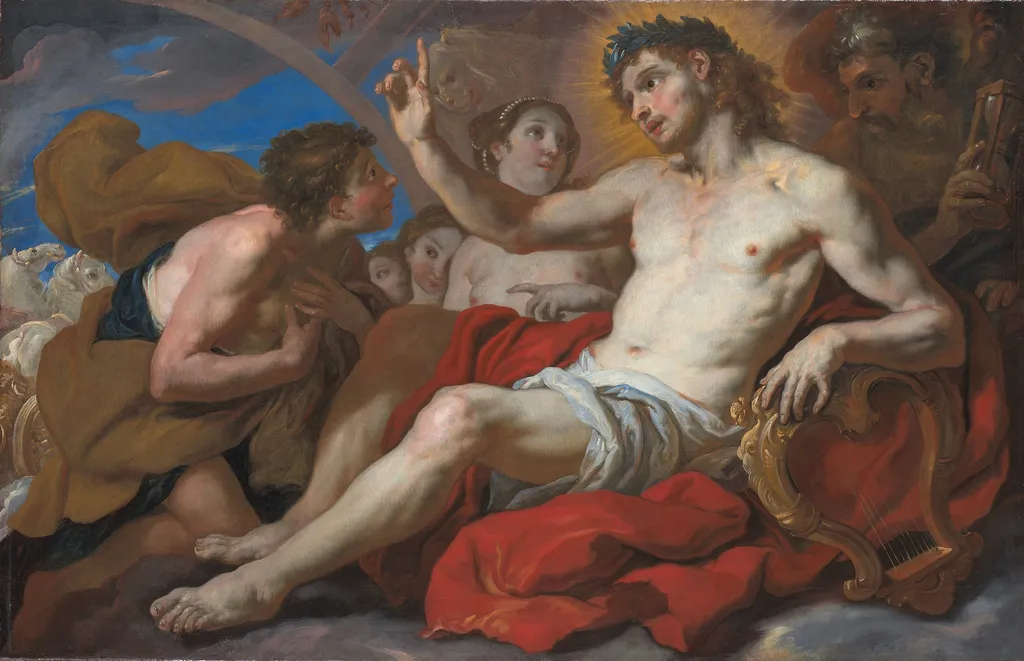
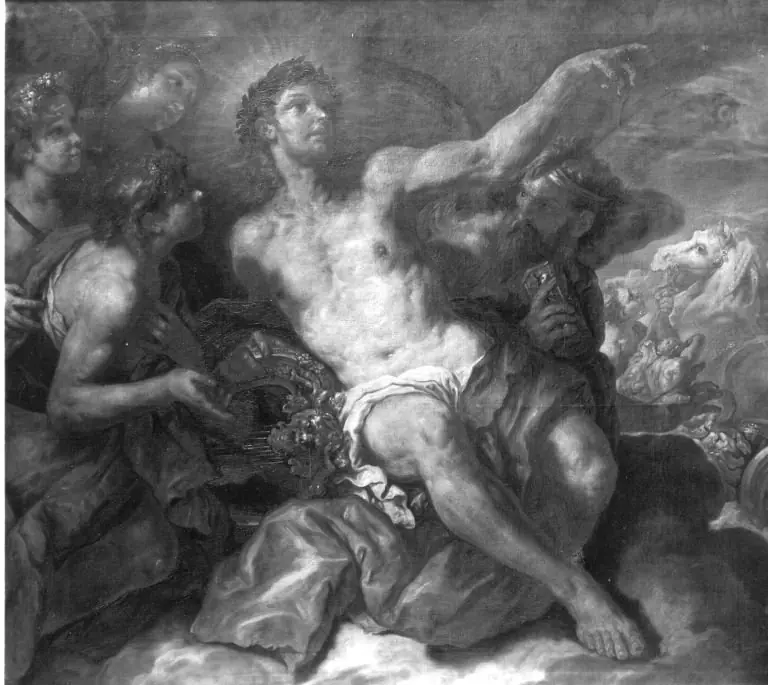
Apollo Granting Phaeton Permission to Drive the Chariot of the Sun is an oil painting by the Barbizon school artist Johann Michael Rottmayr. It dates from 1696 and is held in the collection of the Art Institute of Chicago.
About this work
Overview
Johann Michael Rottmayr’s 1696 oil painting, titled *Apollo Granting Phaeton Permission to Drive the Chariot of the Sun*, is part of the collection at the Art Institute of Chicago. The work presents a mythological scene centered on the sun god Apollo as he authorizes the mortal Phaëton to take the celestial chariot, rendered in a composition that balances narrative clarity with dramatic lighting.
Subject & Meaning
The central figure, a nude Apollo crowned with a laurel wreath, sits upon a richly draped red cloth, his illuminated face directing attention to the young Phaëton, who stands ready to assume the reins of the sun’s vehicle. Surrounding musicians and a sorrowful female figure underscore the tension between divine approval and the impending peril of hubris inherent in the myth.
Technique & Style
Rottmayr employs a pronounced chiaroscuro, allowing Apollo’s bright countenance to emerge from a darker, swirling blue sky. The contrast of light and shadow heightens the three‑dimensionality of the figures, while the inclusion of musical instruments—lyre, harp—adds texture and reinforces the classical atmosphere. The palette of deep reds, golds, and cool blues reflects Baroque sensibilities.
History & Provenance
Completed in 1696, the painting remained in private collections before entering the Art Institute of Chicago’s holdings in the early twentieth century. Documentation traces its acquisition through a series of European sales, confirming its attribution to Rottmayr, a prominent Austrian Baroque painter known for large‑scale religious and mythological commissions.
Context
The inclusion of musical figures aligns with the period’s practice of integrating allegorical elements to enrich visual meaning.
Rottmayr’s work reflects the Baroque era’s fascination with dramatic storytelling drawn from antiquity. By portraying Apollo’s consent to Phaëton, the artist engages with themes of divine authority and mortal ambition, resonating with contemporary moralistic narratives that warned against overreaching human desire. The inclusion of musical figures aligns with the period’s practice of integrating allegorical elements to enrich visual meaning.
Own this work as a print
Artist & collection
Artist
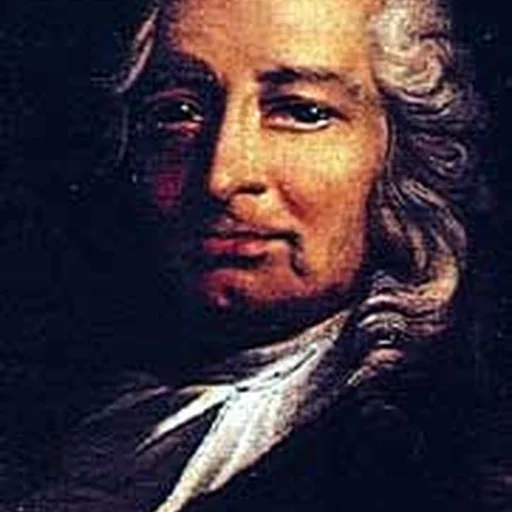
Johann Michael Rottmayr (1656–1730) was an Austrian artist, born in Laufen.

 Christ triumphant over Sin, Death, and the Grave
 Untitled
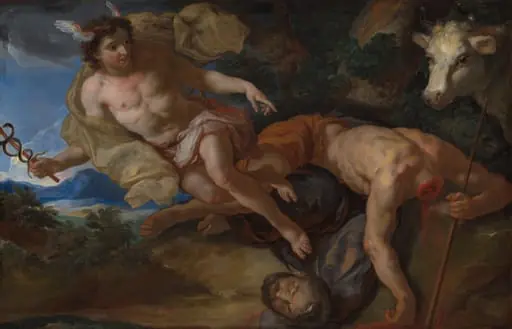 Mercury Rescues the Disguised Io after Beheading Argus
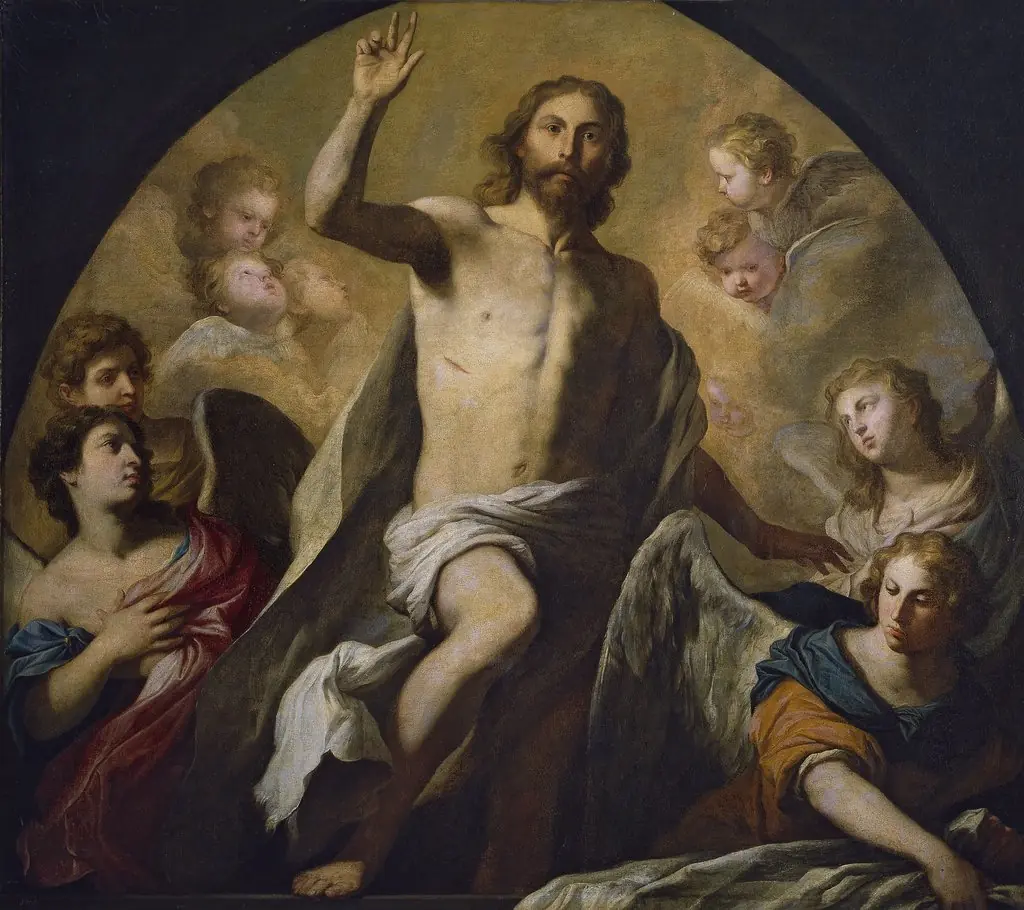 The Resurrection of Jesus Christ
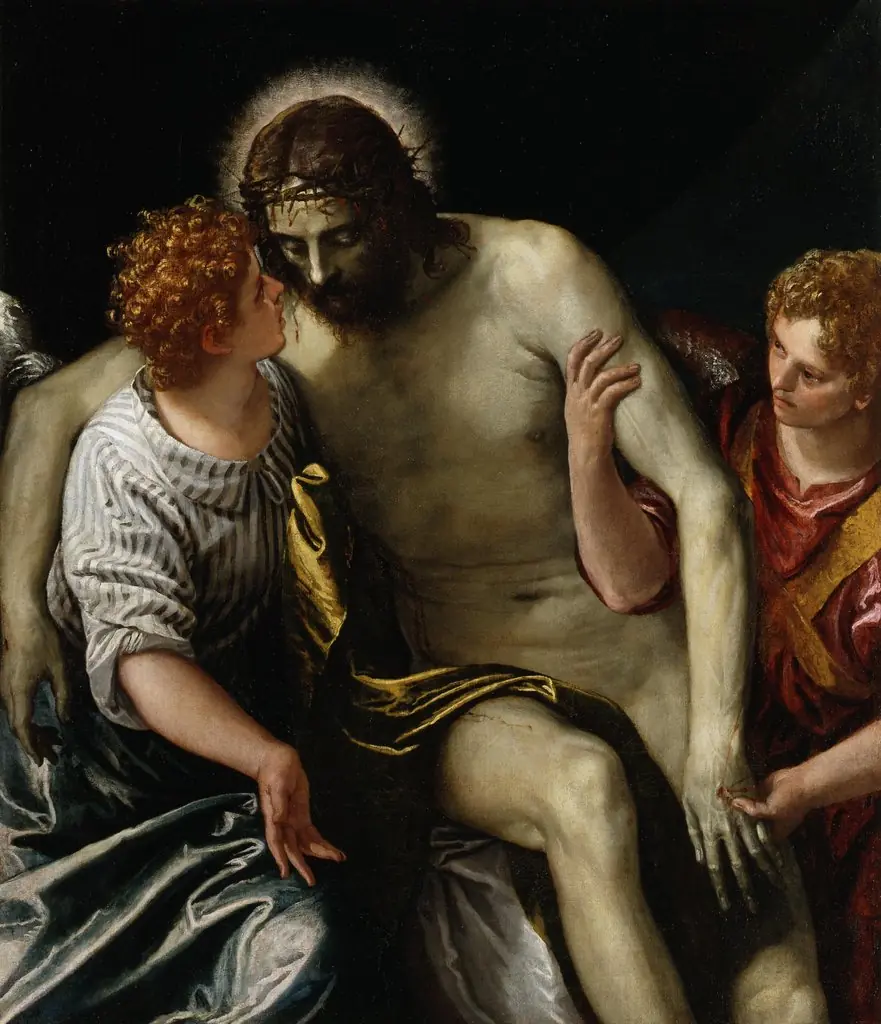 Dead Christ Supported by Two Angels
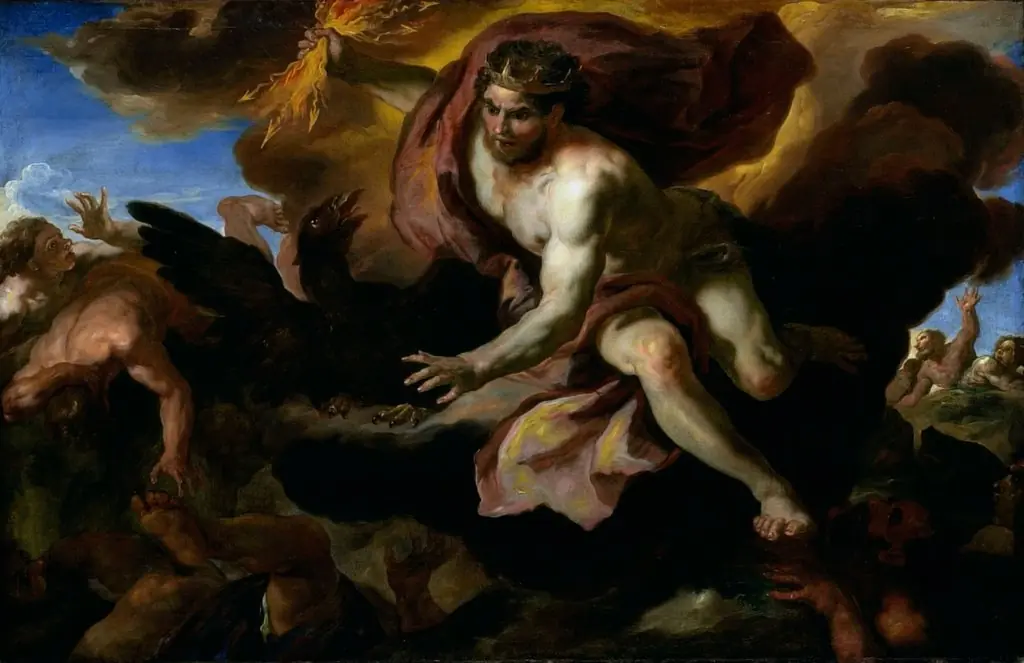 Jove casts his Thunderbolts at the Rebellious Giants
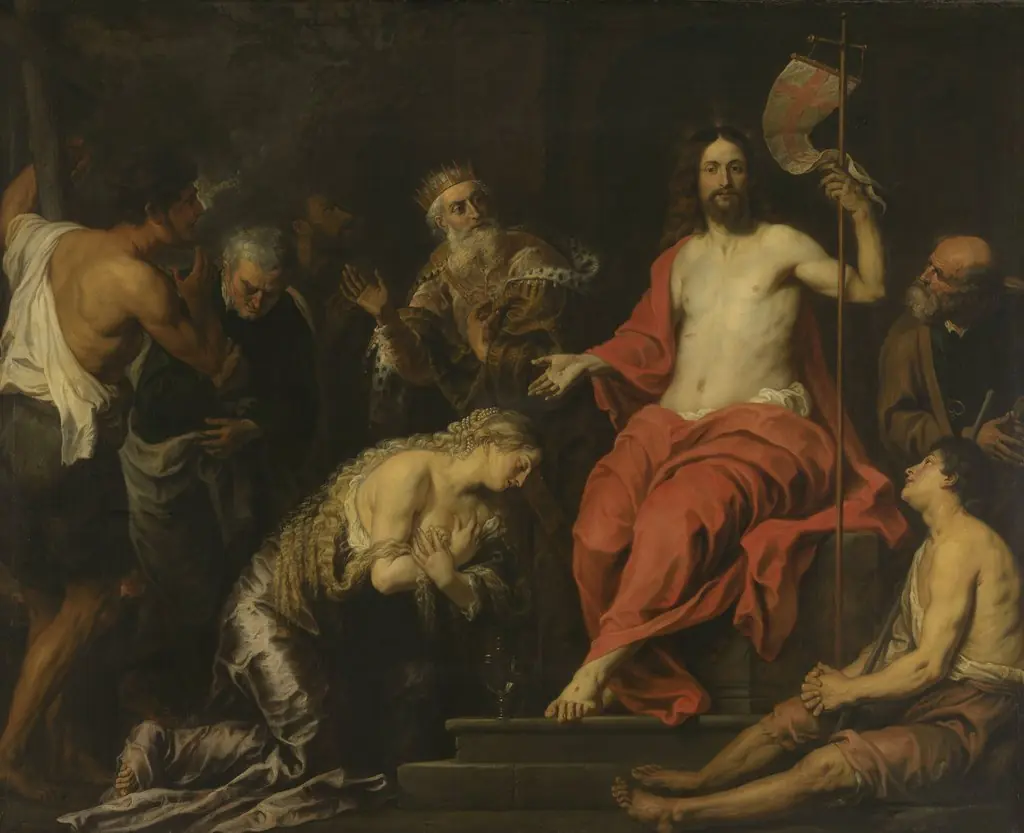 Christ and the repentant sinners
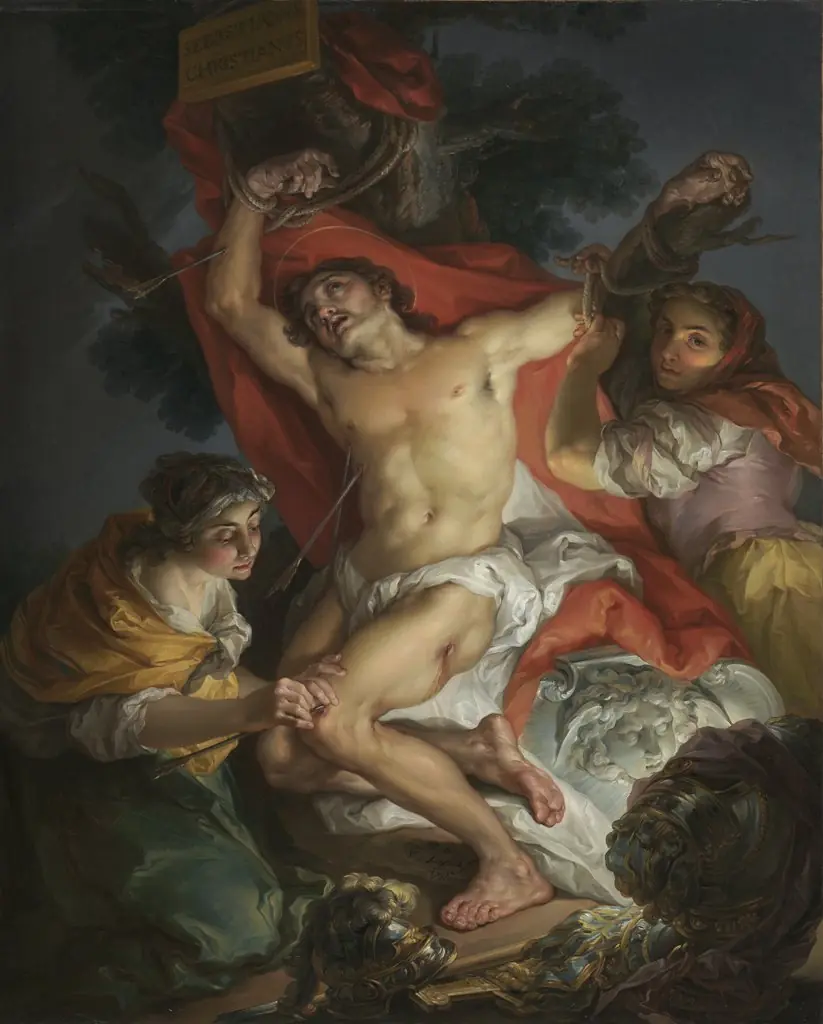 Saint Sebastian Tended by Saint Irene
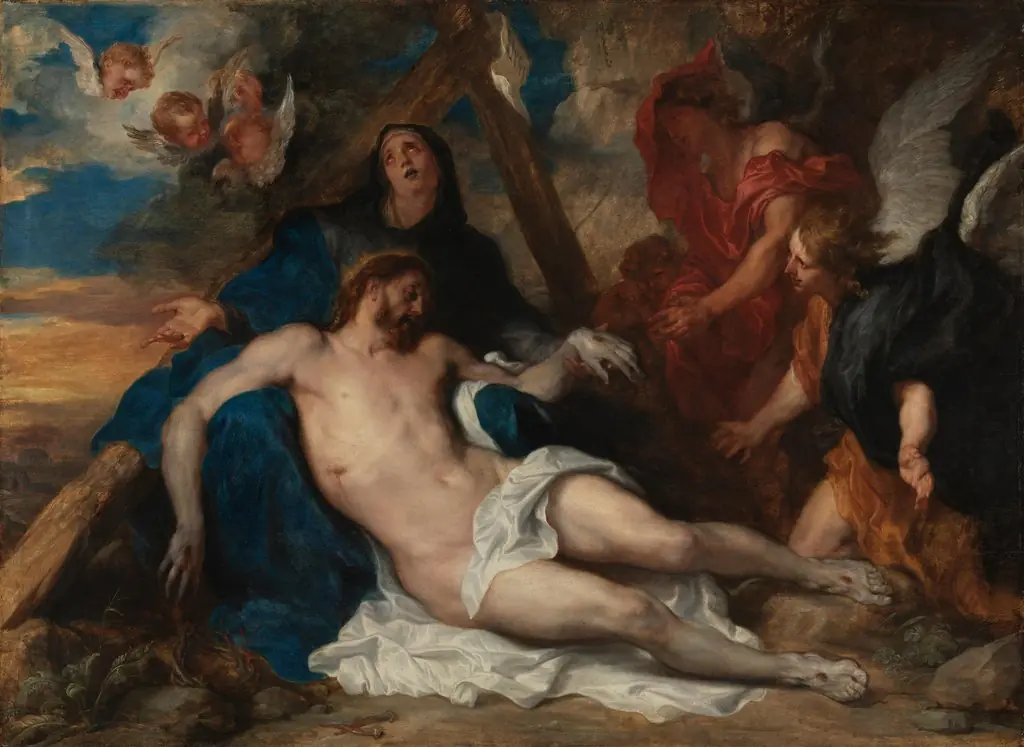 Lamentation of Christ
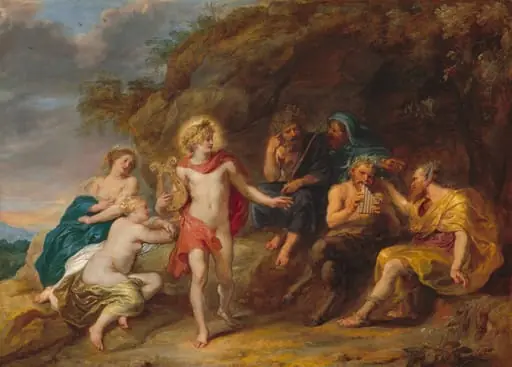 The Judgment of Midas
 Apollo Granting Phaeton Permission to Drive the Chariot of the Sun