Artwork
Reitergefecht
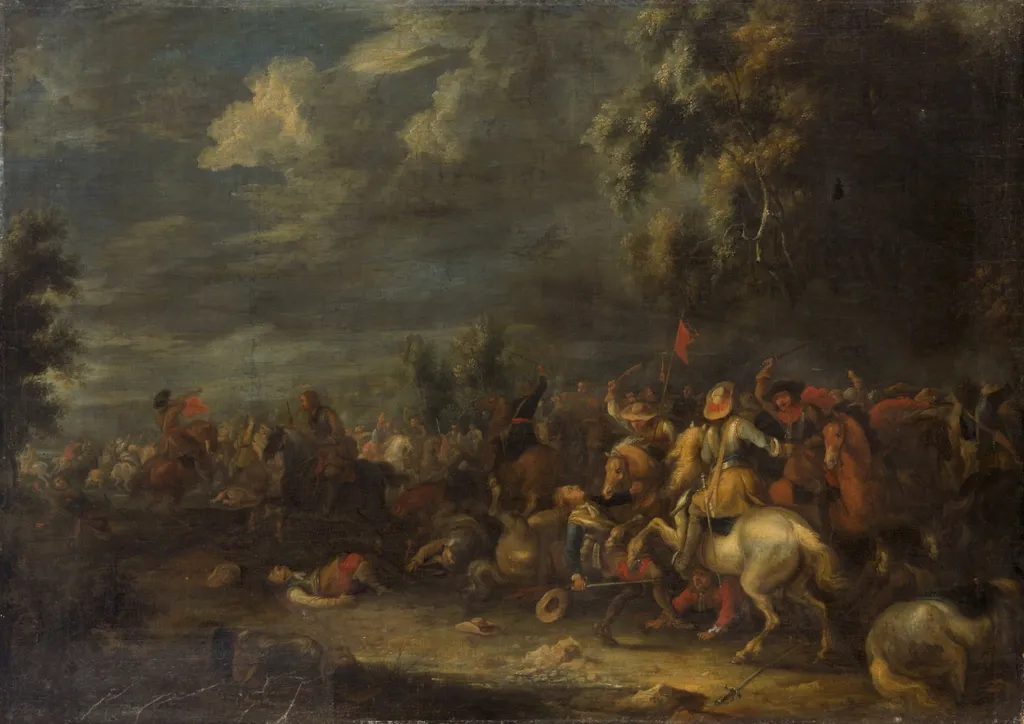
Reitergefecht is an unspecified painting by Johann Philipp Lemke. It dates from 1681 and is held in the collection of the Kunsthistorisches Museum.
About this work
Overview
Lemke, active in Nuremberg and later Stockholm, specialized in graphic and pictorial records of warfare.
Created around 1681 by Johann Philipp Lemke, a German-Swedish artist known for military subjects, *Reitergefecht* is a painted depiction of a cavalry engagement. Lemke, active in Nuremberg and later Stockholm, specialized in graphic and pictorial records of warfare. The work resides in the Kunsthistorisches Museum in Vienna, reflecting his broader output documenting battlefield dynamics through detailed, dynamic compositions.
Subject & Meaning
The painting captures a disordered cavalry skirmish, with riders and foot soldiers interwoven in motion. The figures wear mixed armor and clothing, suggesting an anachronistic or symbolic rather than historically precise scene. This deliberate temporal confusion may emphasize the timeless chaos of combat rather than a specific event, reinforcing the artist’s interest in the universal turbulence of war.
Technique & Style
Lemke employs strong contrasts of light and shadow to heighten the drama of the scene, with a white horse in the foreground acting as a focal point against darker, swirling masses. The brushwork is energetic, capturing movement through loose, expressive forms. Background clouds and muted tones deepen the sense of confusion, while the lack of clear spatial depth enhances the feeling of entanglement and urgency.
History & Provenance
The painting entered the collection of the Kunsthistorisches Museum in Vienna, likely through imperial or aristocratic acquisitions of the late 17th or early 18th century. Lemke’s career spanned Germany and Sweden, and his works were valued for their documentary quality. While few of his paintings survive, this piece remains a rare example of his painted output, distinct from his more numerous etchings.
Context
In the late 17th century, military imagery was in demand among European courts seeking to commemorate conflict and display martial prestige. Lemke’s work aligns with a tradition of battle painting that prioritized action over narrative clarity. His dual cultural background—German training and Swedish patronage—reflects the transnational nature of artistic practice during the post-Thirty Years’ War era.
Legacy
Though Lemke is better known for his etchings, *Reitergefecht* stands as a significant example of his painted approach to warfare. It contributes to the understanding of how battle scenes were visualized beyond official chronicles, blending observation with imaginative composition. The work remains a reference for studies of early modern military representation in Central European art.
Artist & collection
Artist
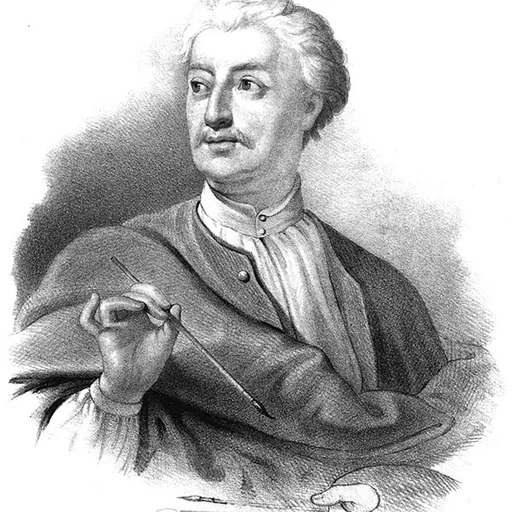
Johann Philip Lemke, also given as Lembke or Lemcke (19 May 1631, Nuremberg – 3 April 1711, Stockholm) was a German-Swedish graphic artist, etcher and battle painter.

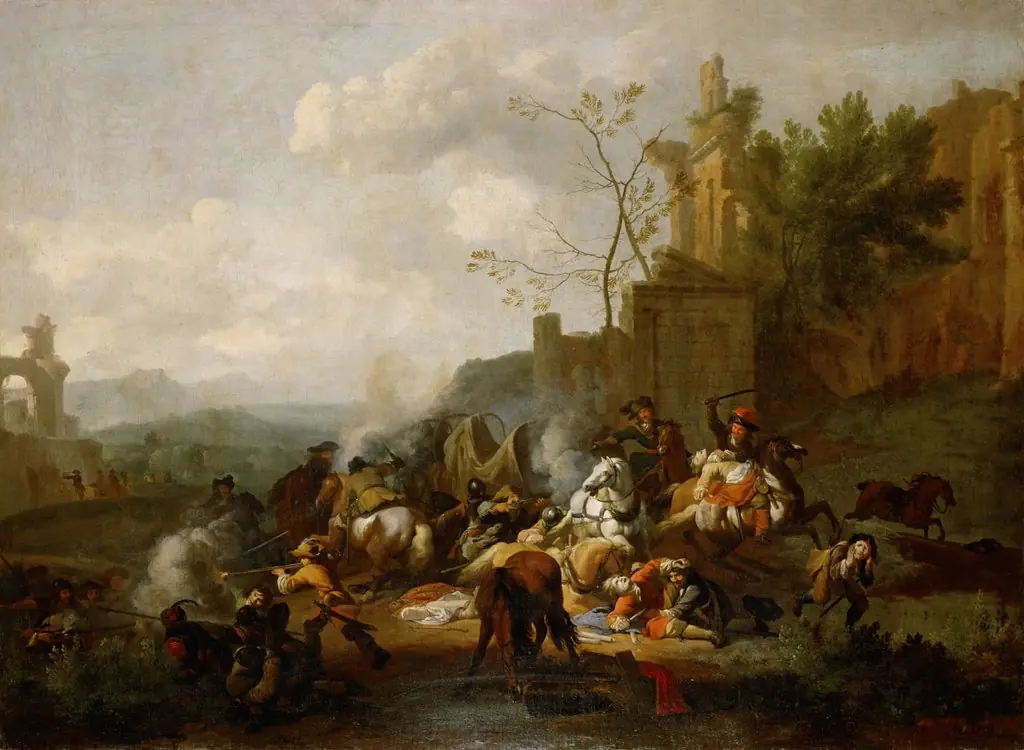 Reiterüberfall
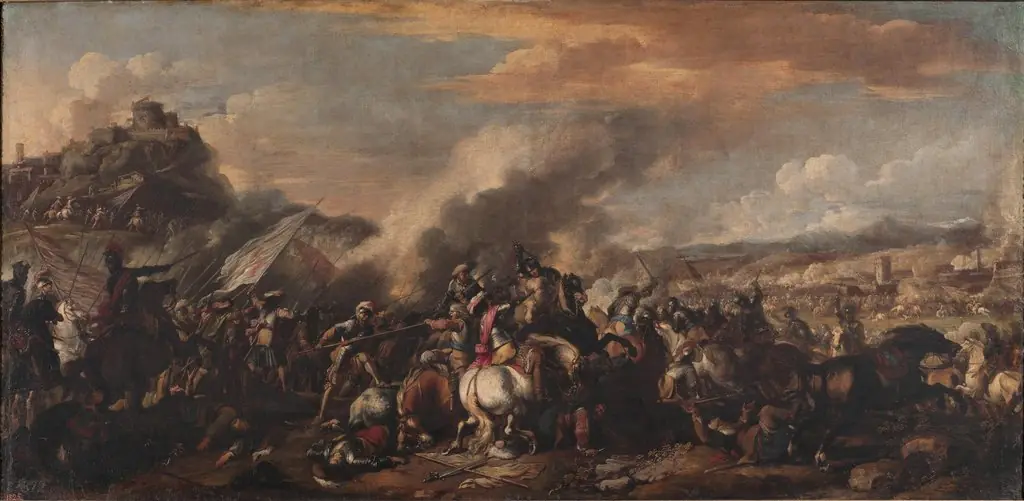 Lucha por la posesión de una fortaleza
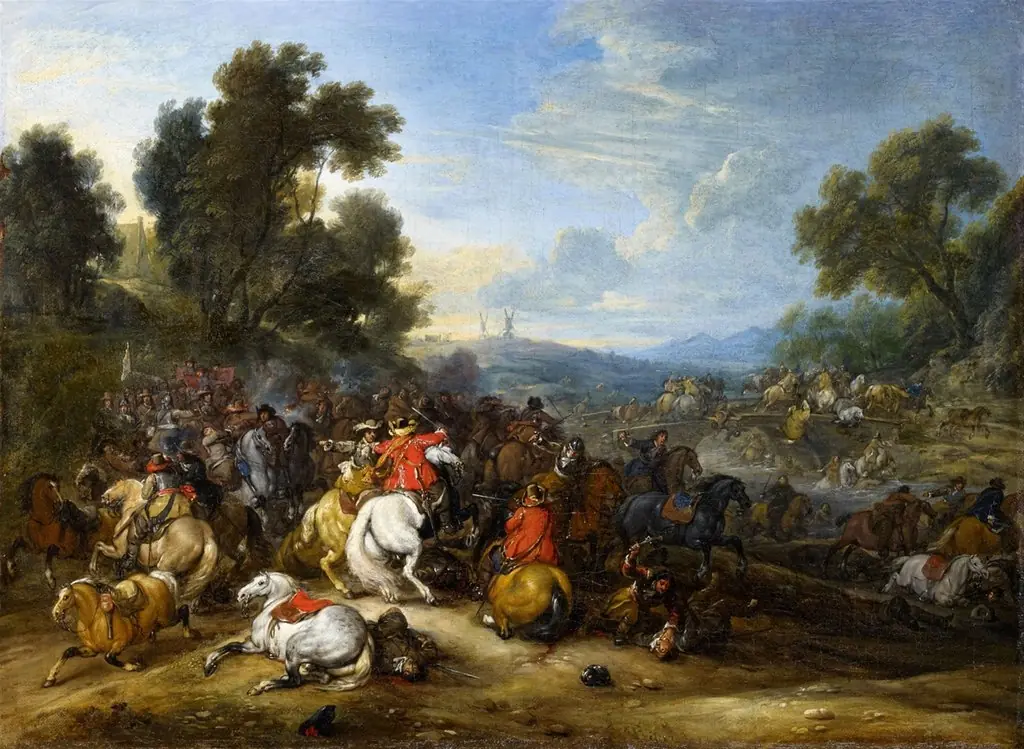 Cavalry engagement
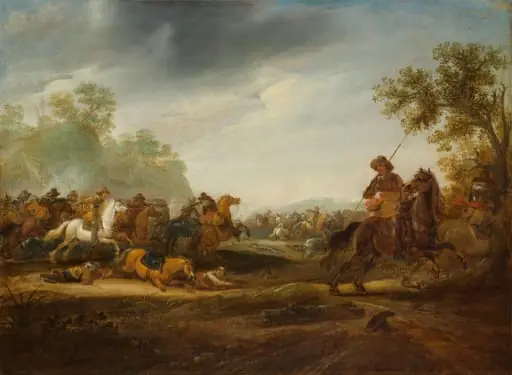 Cavalry Skirmish
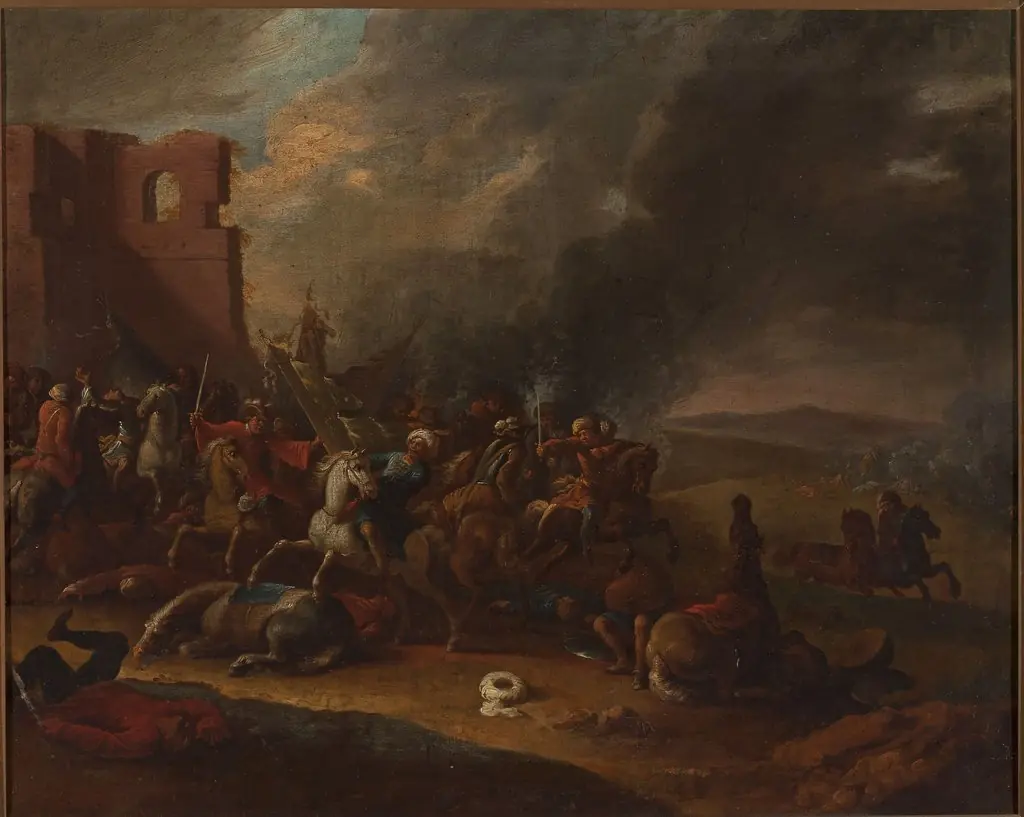 Battle with the Turks
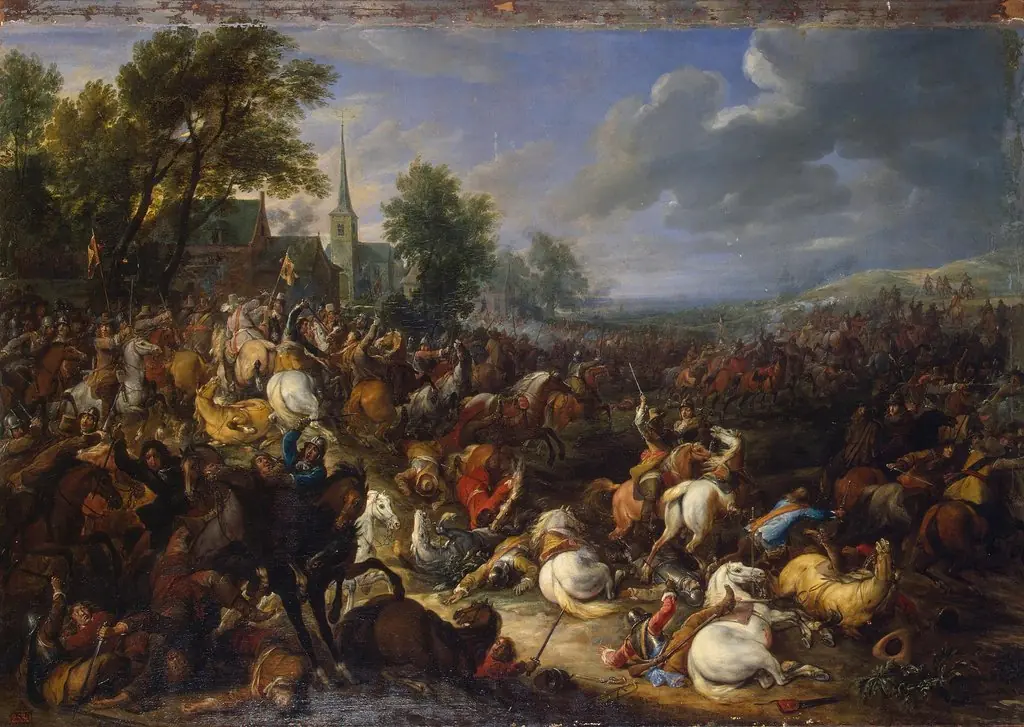 Cavalery in the Battle
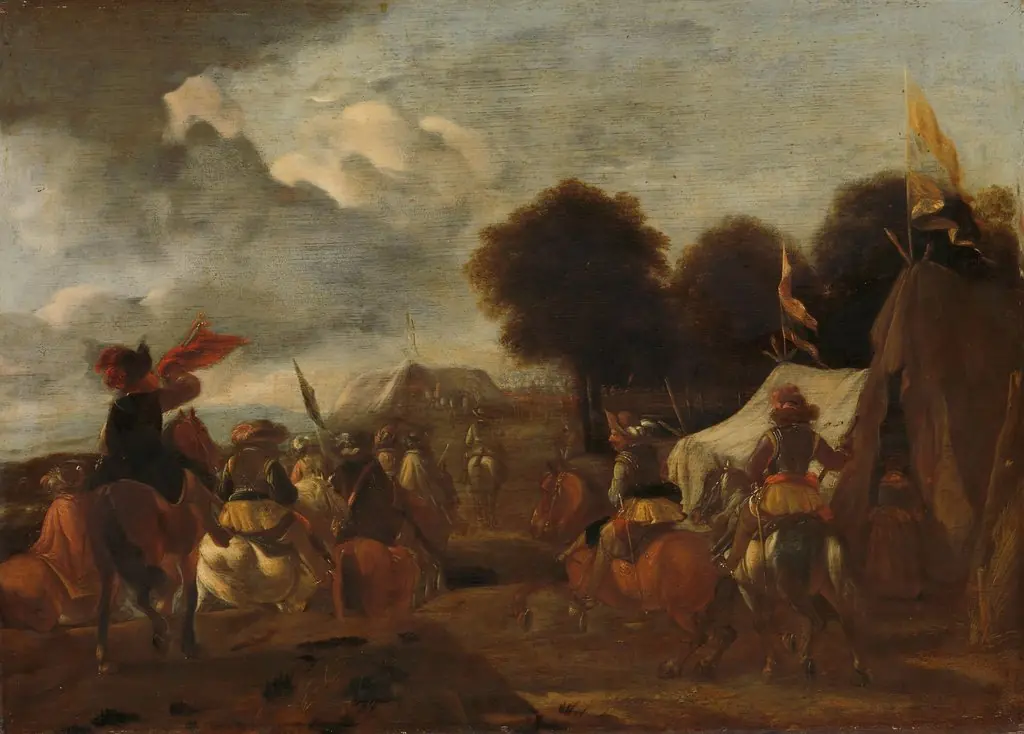 Army Camp
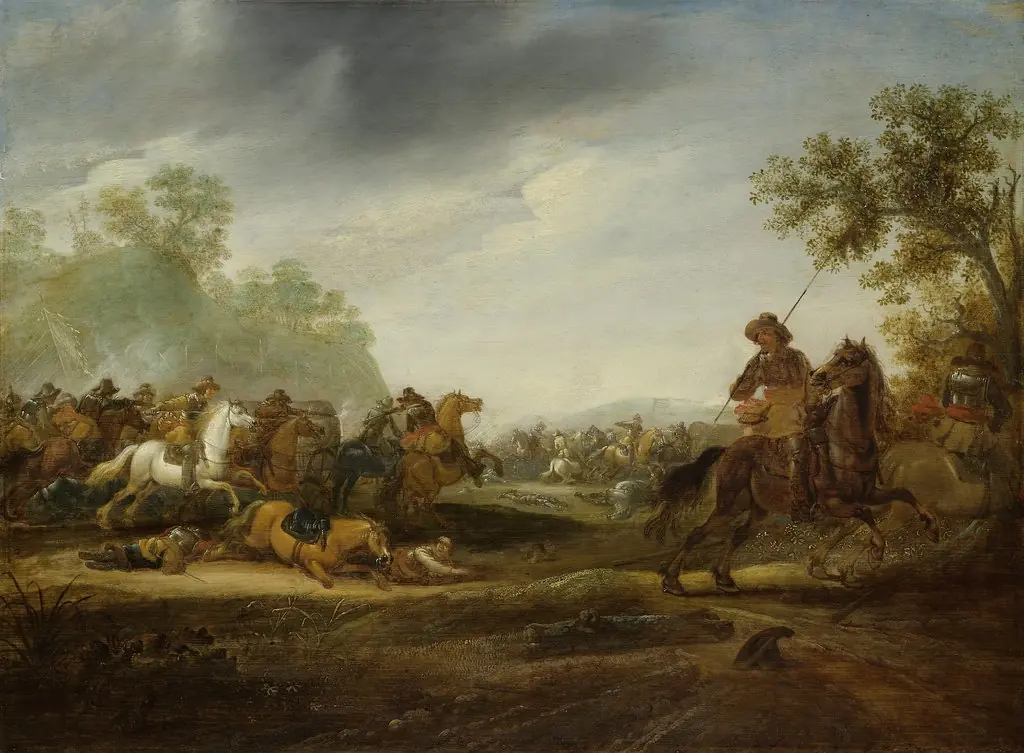 Cavalry Skirmish
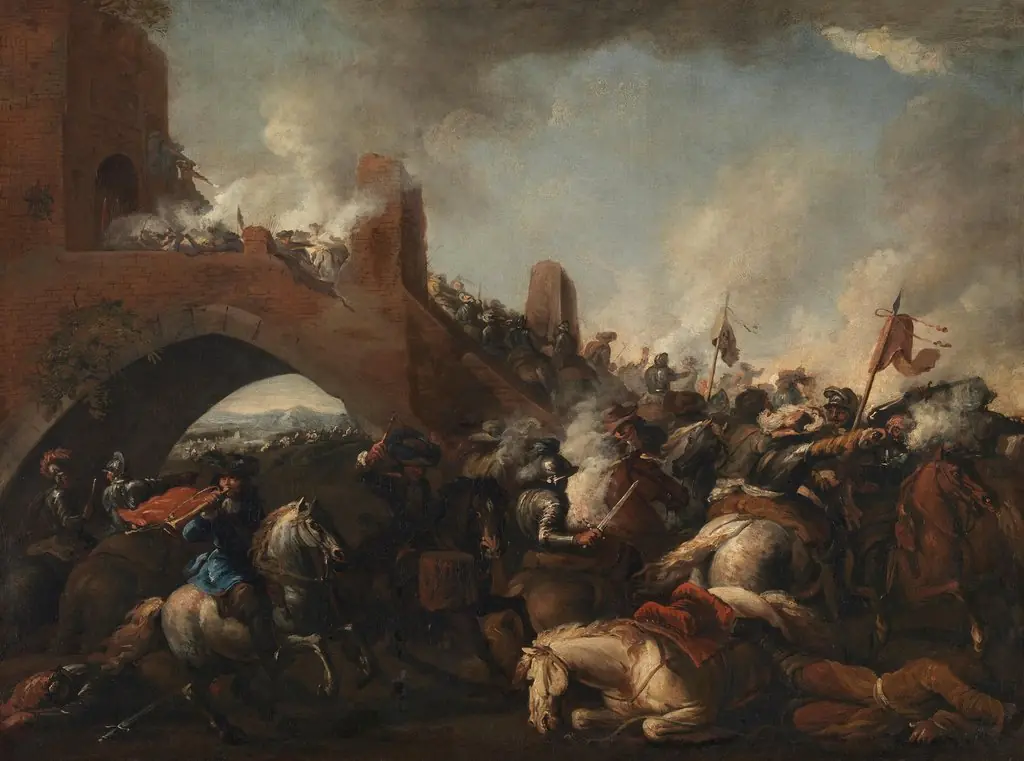 Storming of a castle
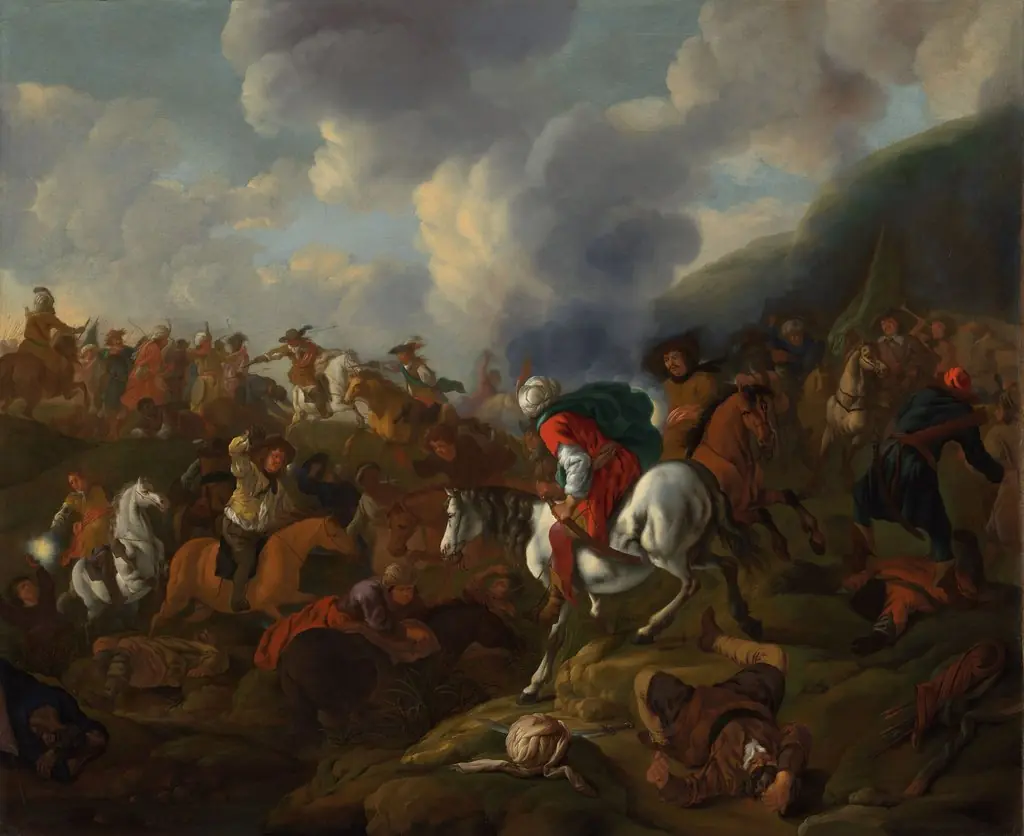 A Cavalry Encounter between Turkish Troops and the Troops of the Austrian Emperor
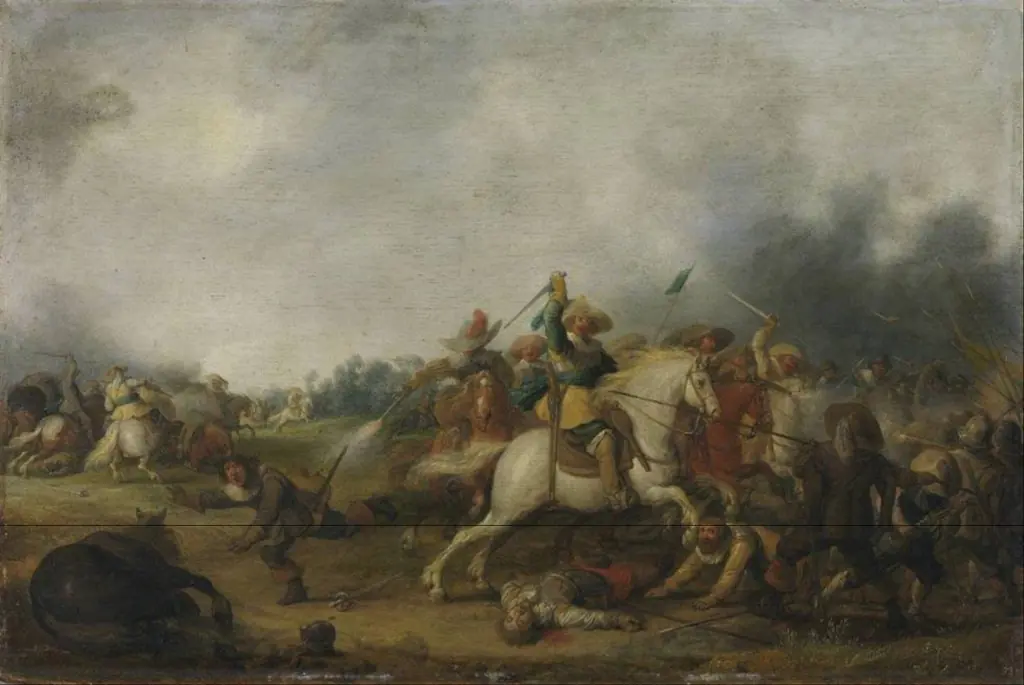 Cavalry skirmish
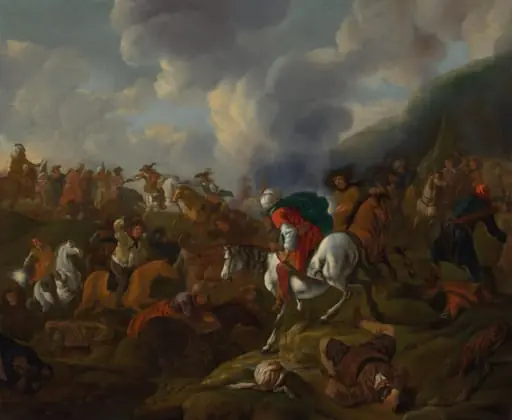 A Cavalry Encounter between Turkish Troops and the Troops of the Austrian Emperor