Artwork
Saul on the Road to Damascus
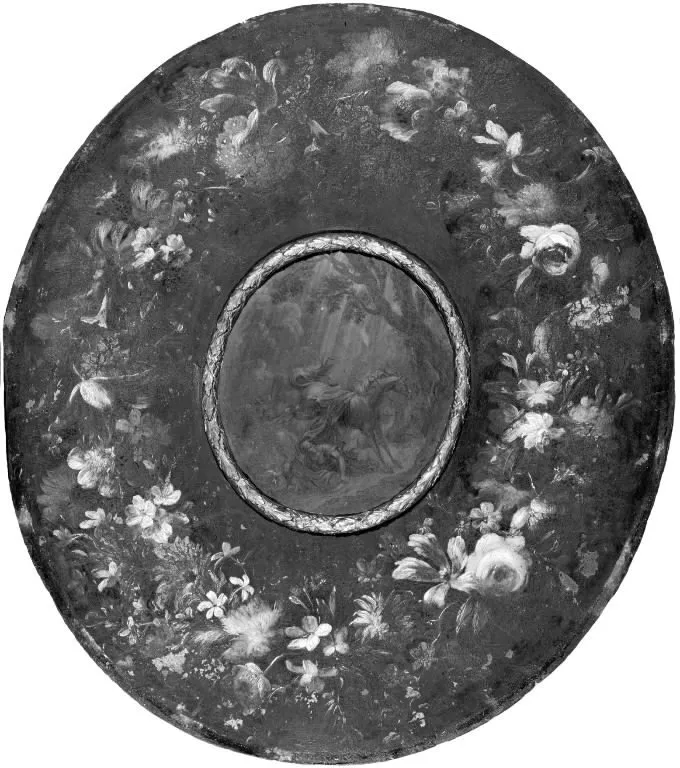
Saul on the Road to Damascus is an unspecified painting by Johann Sigismund Ebert. It dates from 1709 and is held in the collection of the Statens Museum for Kunst.
About this work
Overview
It is part of the collection at Statens Museum for Kunst in Copenhagen, where it is displayed as an example of early 18th-century ornamental painting.
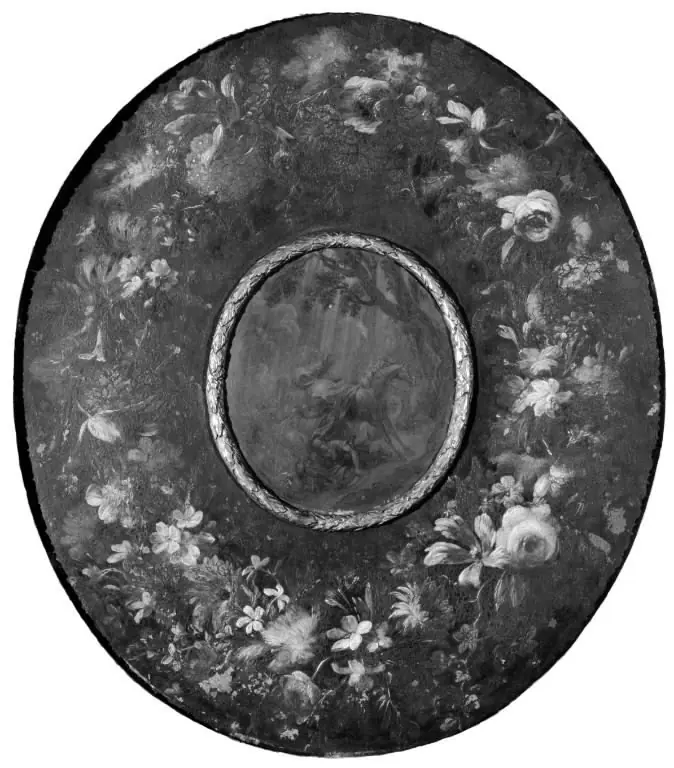
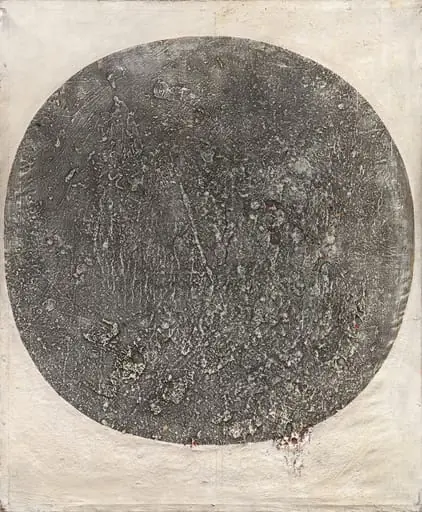
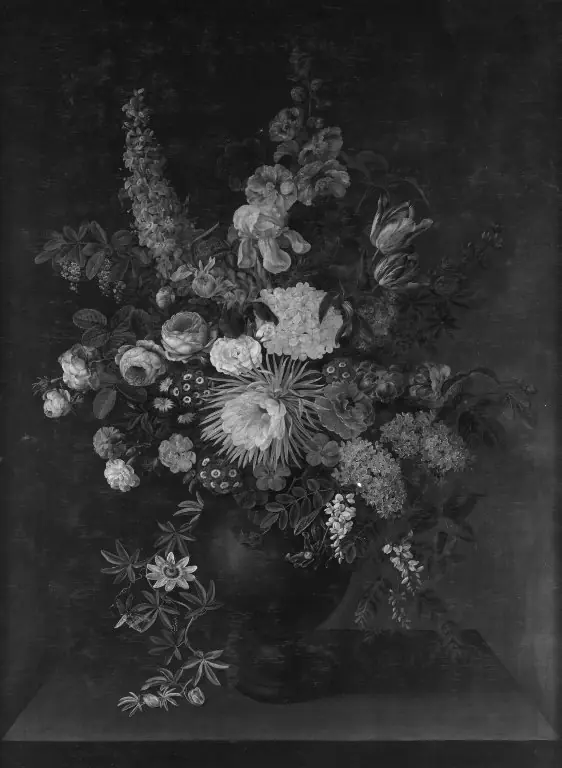
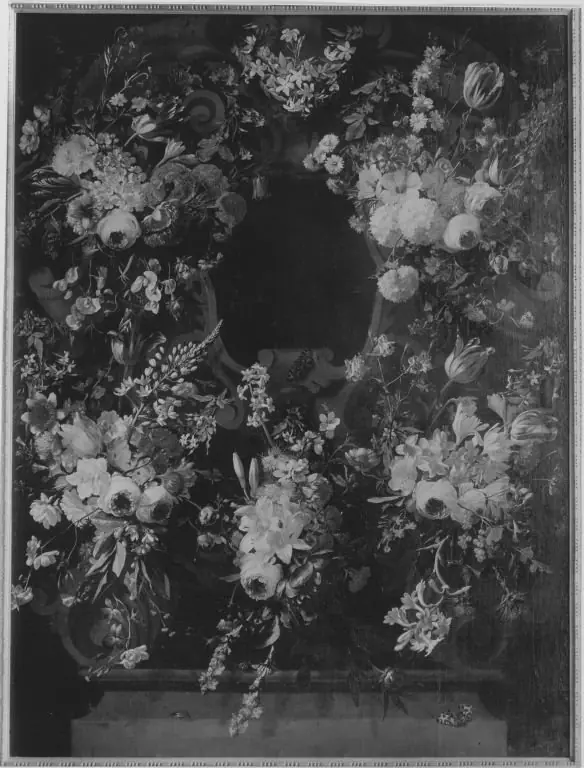
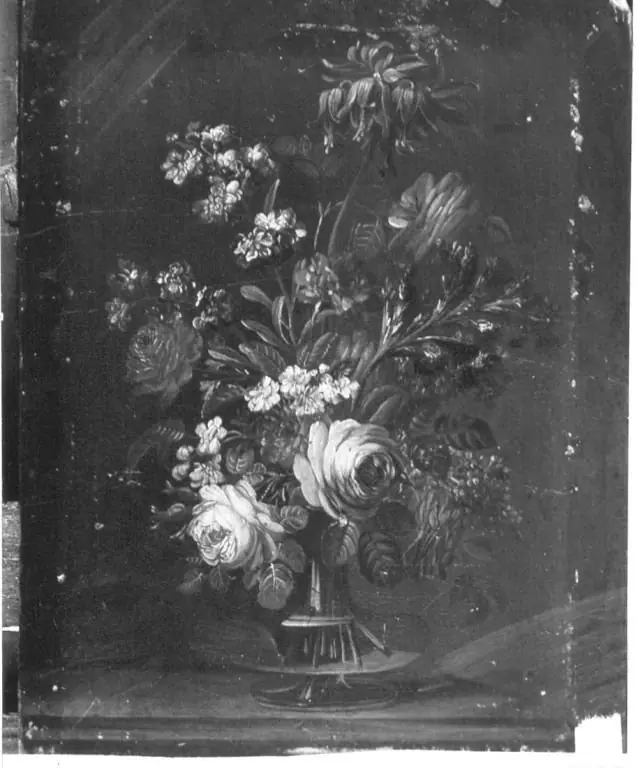
Painted in 1709 by Johann Sigismund Ebert, this work depicts the biblical moment of Saul’s conversion on the road to Damascus. Though the title suggests a narrative scene, the painting instead presents a decorative circular composition centered on floral motifs. It is part of the collection at Statens Museum for Kunst in Copenhagen, where it is displayed as an example of early 18th-century ornamental painting.
Subject & Meaning
The title references Saul’s divine encounter, yet the imagery avoids figural representation. Instead, the spiritual transformation is symbolized through the abundance of blossoms and swirling foliage, suggesting divine presence through natural abundance. The circular form may allude to eternity or divine order, aligning the visual rhythm with theological themes of revelation and renewal.
Technique & Style
Ebert employed a loose, expressive brushwork to render flowers and leaves, favoring fluid lines over precise detail. Light-colored blooms contrast with darker stems and foliage, creating depth without modeling. The braided border encircling the central motif adds structural rhythm, while the overall composition emphasizes texture and organic movement over narrative clarity.
History & Provenance
The painting was completed in 1709 and entered the collection of Statens Museum for Kunst at an early date, likely through royal or ecclesiastical acquisition. Its survival in good condition reflects its continued value as a decorative object rather than a major narrative work. No significant changes in ownership are documented between its creation and museum acquisition.
Context
In early 18th-century Denmark, religious themes were often rendered in ornamental forms for private or chapel interiors. Ebert’s work fits within a tradition where biblical stories inspired symbolic decoration rather than literal scenes. This approach aligned with Lutheran sensibilities that favored restraint and allegory over dramatic imagery.
Legacy
Ebert’s painting remains a rare example of devotional ornamentation from his oeuvre. While not widely reproduced or studied, it offers insight into how religious narratives were translated into non-figural art in northern Europe. Its presence in a national collection underscores its role as a cultural artifact of aesthetic and spiritual expression in its time.
Artist & collection