Artwork
A Biblical Scene
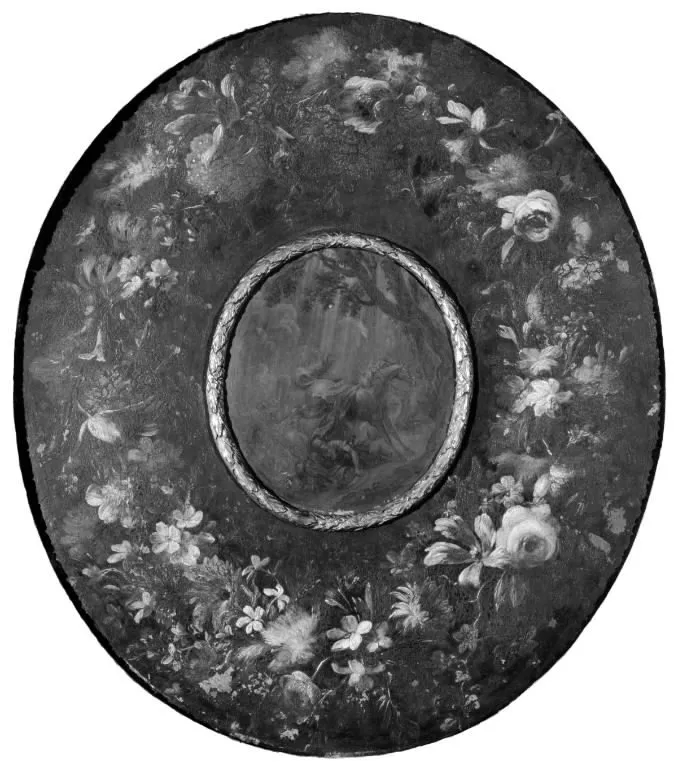
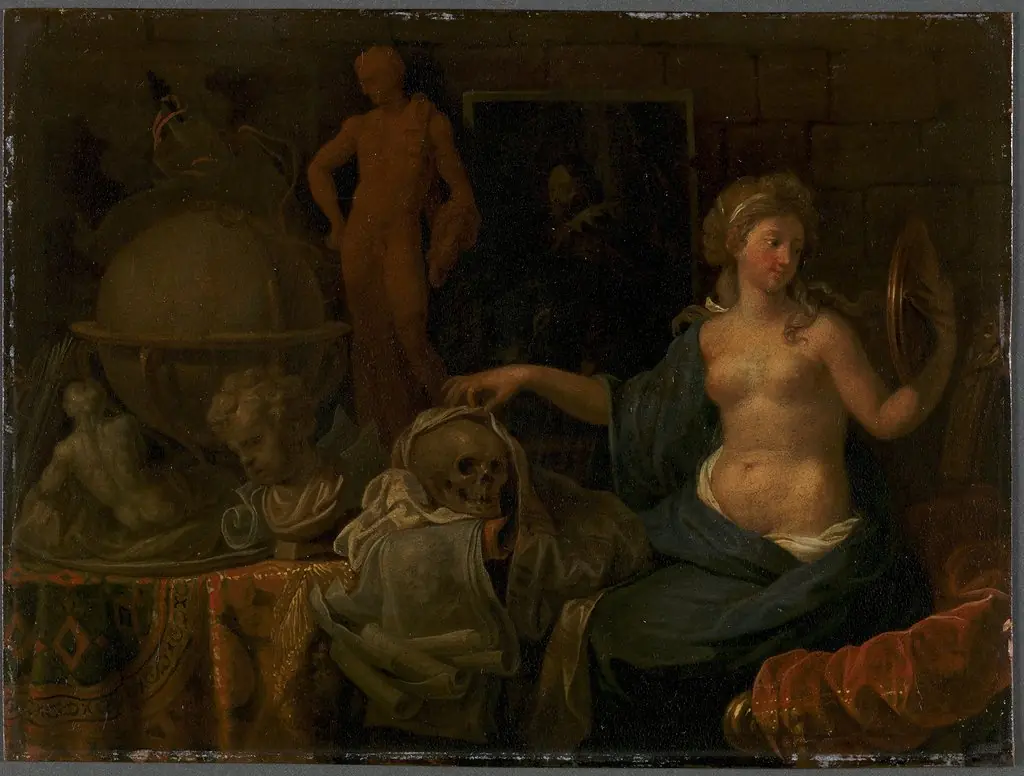
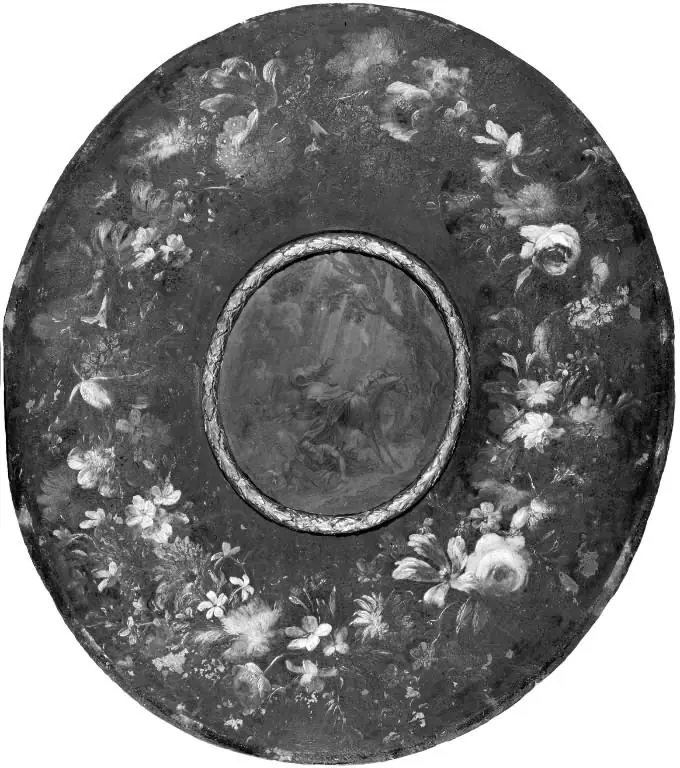
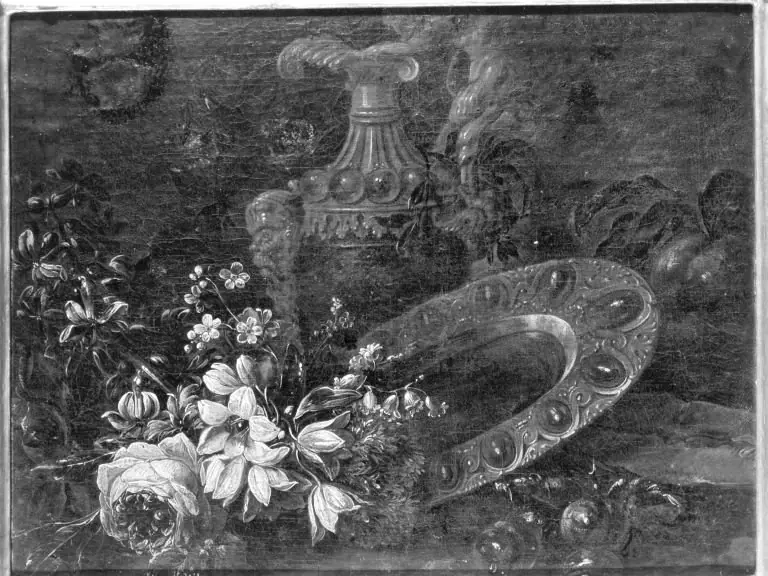
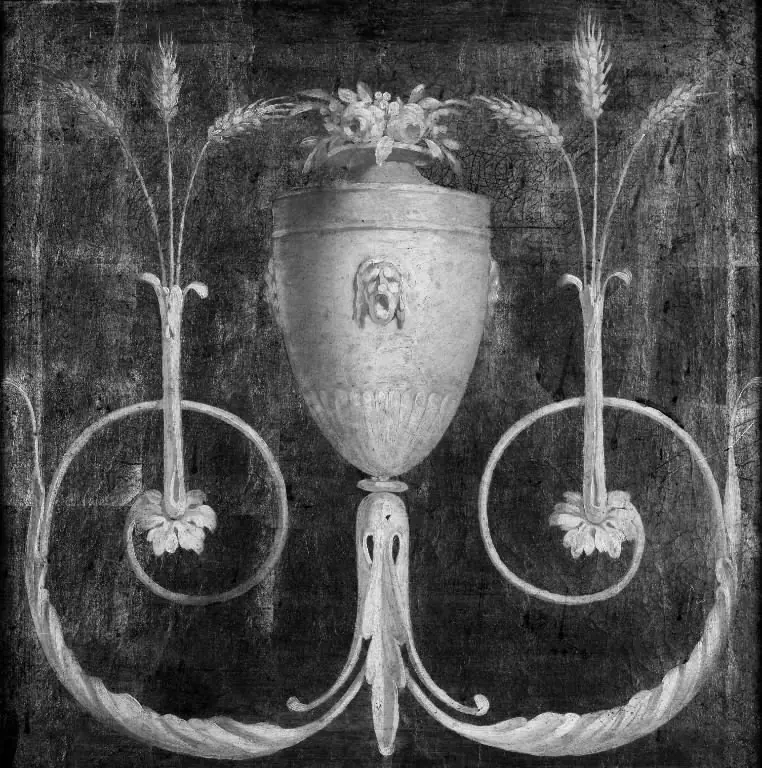
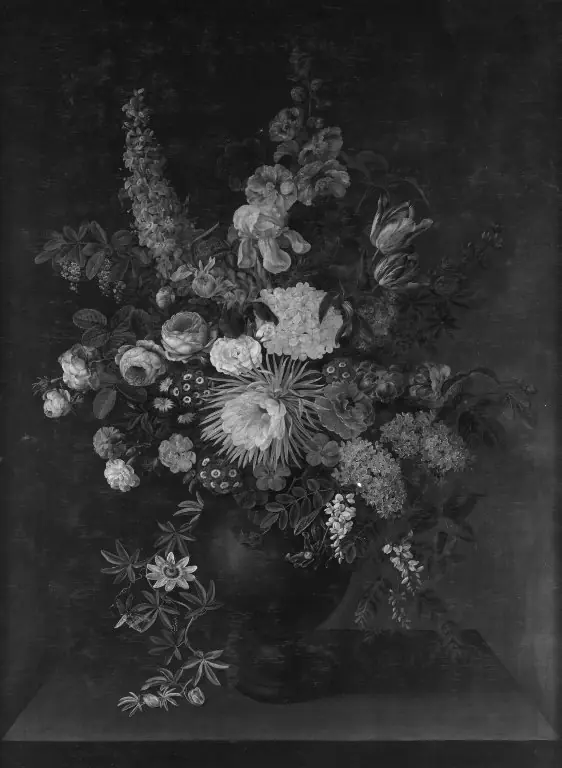
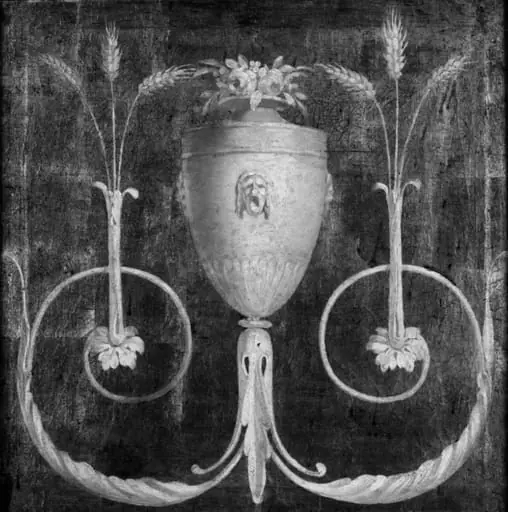
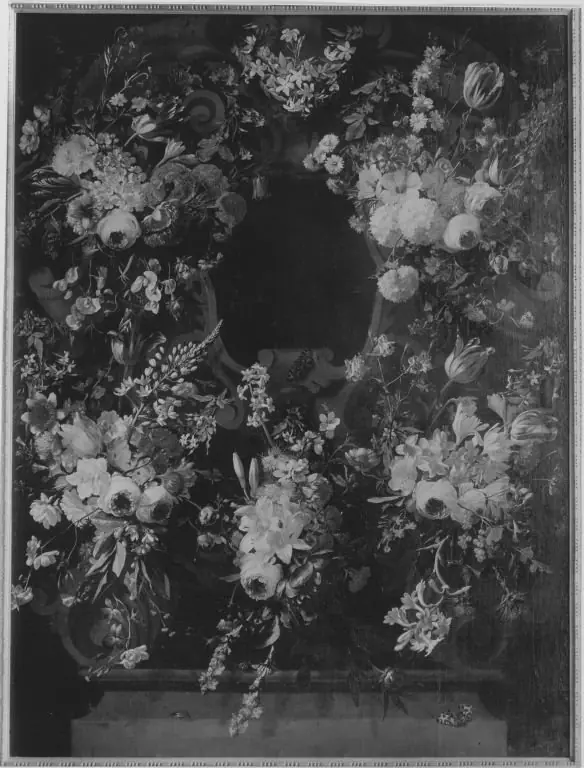
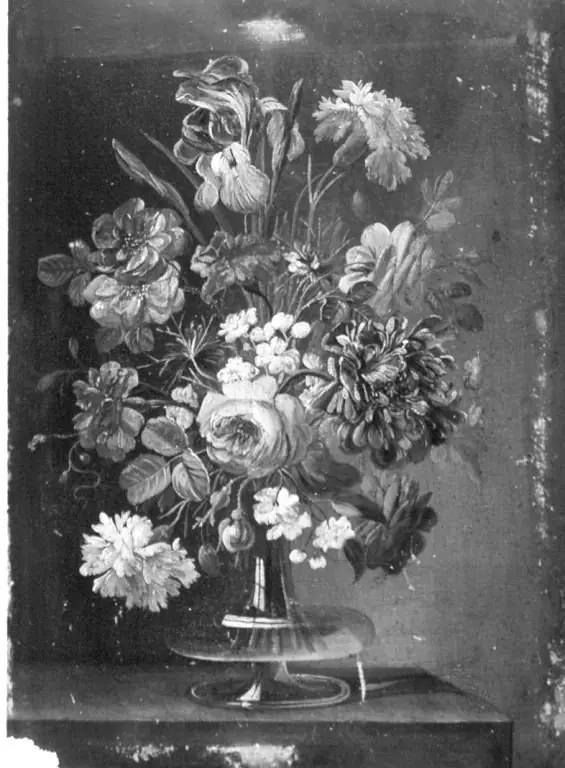
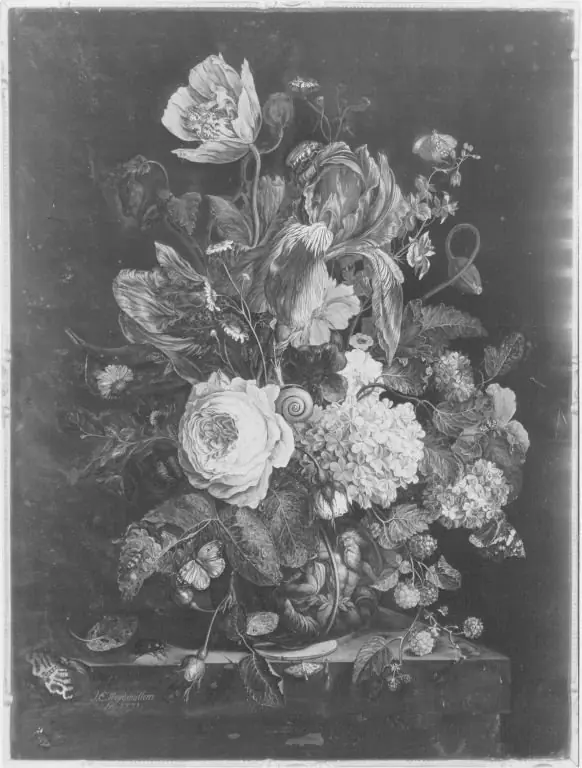
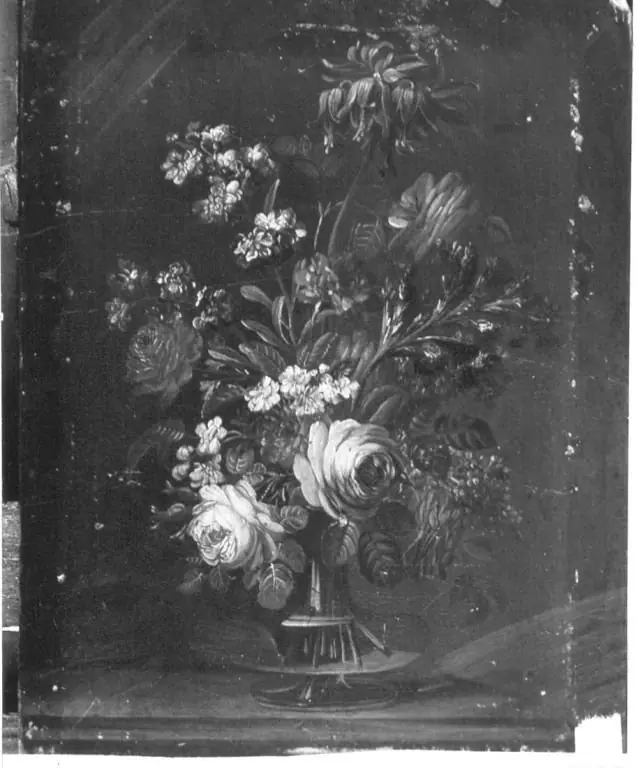
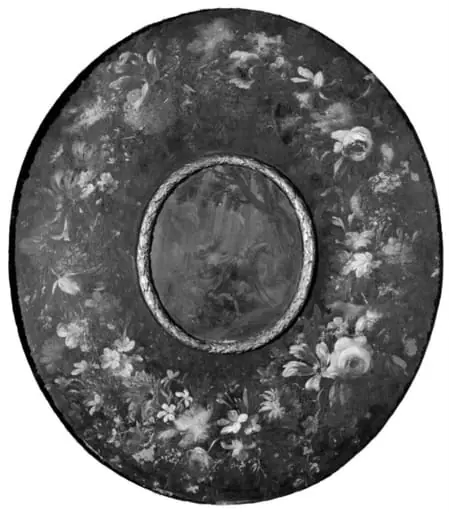
A Biblical Scene is an unspecified painting by the Barbizon school artist Johann Sigismund Ebert. It dates from 1709 and is held in the collection of the Statens Museum for Kunst.
About this work
Overview
The piece reflects the devotional artistic traditions of its time, though Ebert’s broader oeuvre remains relatively obscure in art historical records.
Painted in 1709 by Johann Sigismund Ebert, this work is a religious composition executed in oil on canvas. It resides in the collection of the Statens Museum for Kunst in Copenhagen, where it is cataloged as an example of early 18th-century German-Danish religious painting. The piece reflects the devotional artistic traditions of its time, though Ebert’s broader oeuvre remains relatively obscure in art historical records.
Subject & Meaning
The painting depicts a scene drawn from biblical narrative, likely intended for private or ecclesiastical contemplation. Without a specific episode identified, its imagery emphasizes moral or spiritual themes common in Protestant devotional art of the period. Figures are arranged to guide the viewer’s attention toward a moment of divine revelation or human response, consistent with Lutheran visual culture.
Technique & Style
Ebert employed a restrained palette and careful modeling of forms, typical of northern European religious painting in the early 1700s. Brushwork is precise but not ornate, favoring clarity over dramatic flair. The composition is balanced and hierarchical, with figures placed to suggest narrative progression rather than emotional intensity, aligning with the period’s preference for sober piety.
History & Provenance
The painting entered the Statens Museum for Kunst’s collection in the 19th century, likely through acquisition from a Danish ecclesiastical or private source. No documented ownership prior to its museum acquisition is known. Its survival suggests it was valued locally, though it never achieved widespread recognition beyond regional circles during Ebert’s lifetime or shortly after.
Context
Created during a period when Protestant regions favored modest religious imagery, the work reflects the lingering influence of Reformation-era aesthetics. While Italian and Flemish Baroque styles emphasized theatricality, northern artists like Ebert often prioritized quiet reverence. This piece fits within a broader trend of domestic and chapel art meant to support personal devotion rather than public spectacle.
Legacy
Johann Sigismund Ebert’s output is not widely studied, and this painting remains one of the few securely attributed works. It serves as a representative example of provincial religious art in early 18th-century Scandinavia, offering insight into the visual culture of smaller artistic communities. Its presence in a national collection underscores its role as a historical artifact rather than a celebrated work of art.
Artist & collection