Artwork
The Prodigal Son and a prostitute
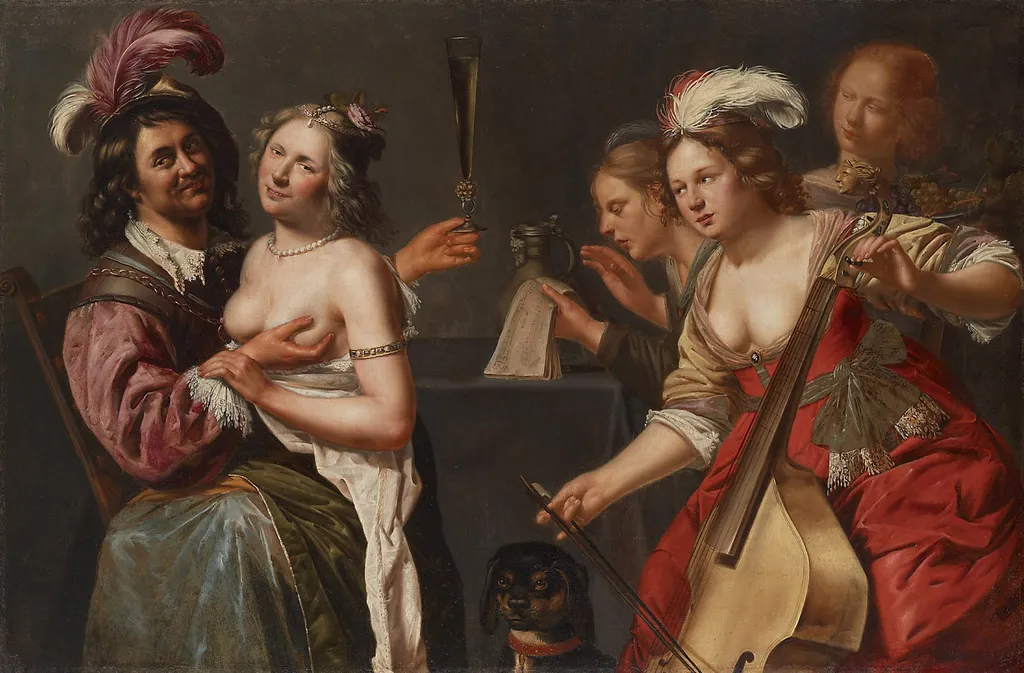
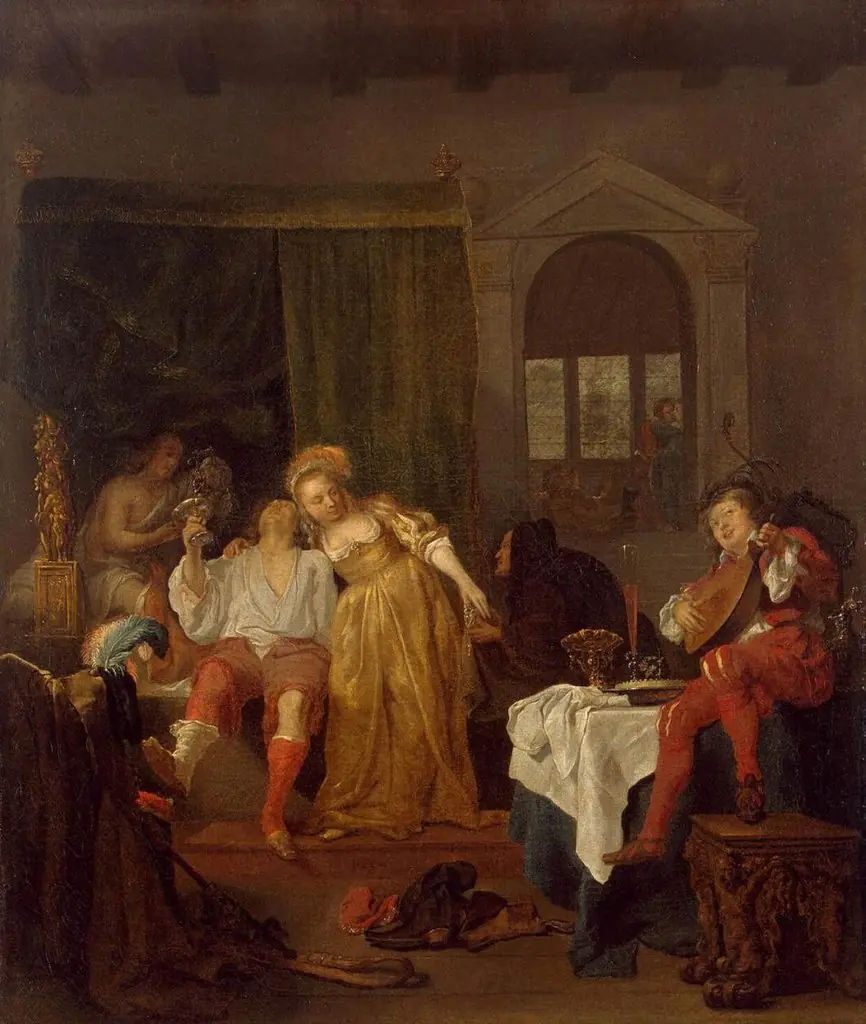
The Prodigal Son and a prostitute is an oil painting by the Dutch Golden Age artist Johannes Baeck. It dates from 1637 and is held in the collection of the Kunsthistorisches Museum.
About this work
Overview
The Prodigal Son and a prostitute is a 1637 oil painting by Johannes Baeck, housed at the Kunsthistorisches Museum. It portrays a scene of indulgence, referencing the biblical parable of the Prodigal Son.
Subject & Meaning
The painting depicts a man, identifiable as the Prodigal Son by his attire (red and blue), in a state of revelry with a prostitute (in white). Adjacent, two women engage in music—a cello player in red and a singer—while a dog sits by. The scene conveys a moment of lavish spending and moral deviation, as hinted at by the biblical narrative.
Technique & Style
Baeck employs chiaroscuro, evident in the contrast between the brightly lit figures and the darker, more subdued background, emphasizing the central characters and their activities. The composition balances dynamic elements (the musicians, the interaction between the main figures) with quieter details (the dog, the table setting).
History & Provenance
Created in 1637, the painting is part of the collection at the Kunsthistorisches Museum, though specific details about its commission or earlier ownership are not provided in the available information.
Context
The work reflects 17th-century Dutch interest in biblical themes with a focus on the human, emotional aspects of the stories. The inclusion of musical elements and a dog adds a layer of everyday life to the religious narrative.
Legacy
While specific influences or direct artistic lineage are not detailed, the painting contributes to the broader tradition of European religious art that incorporates elements of daily life and moral commentary.
Artist & collection

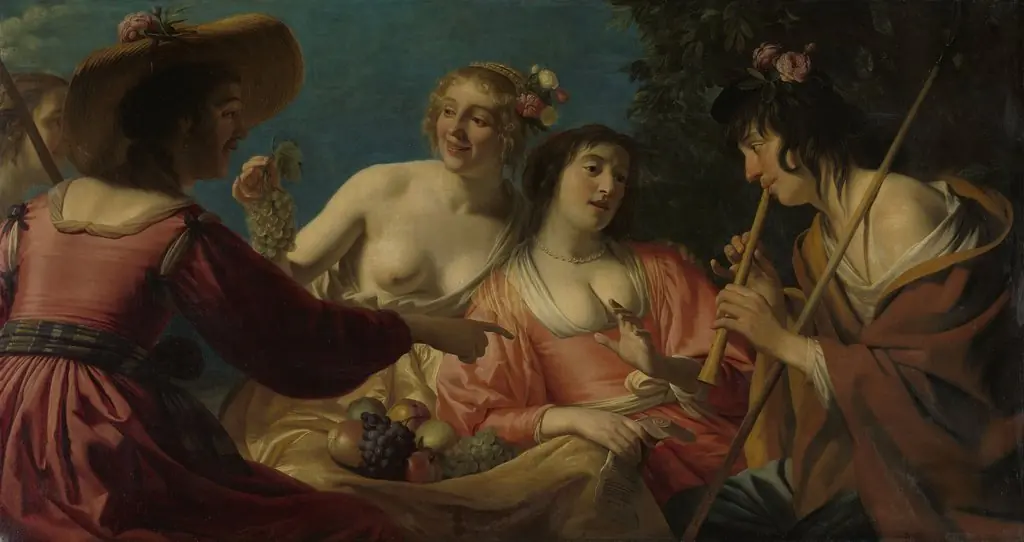 Shepherd playing the flute, and four shepherdesses
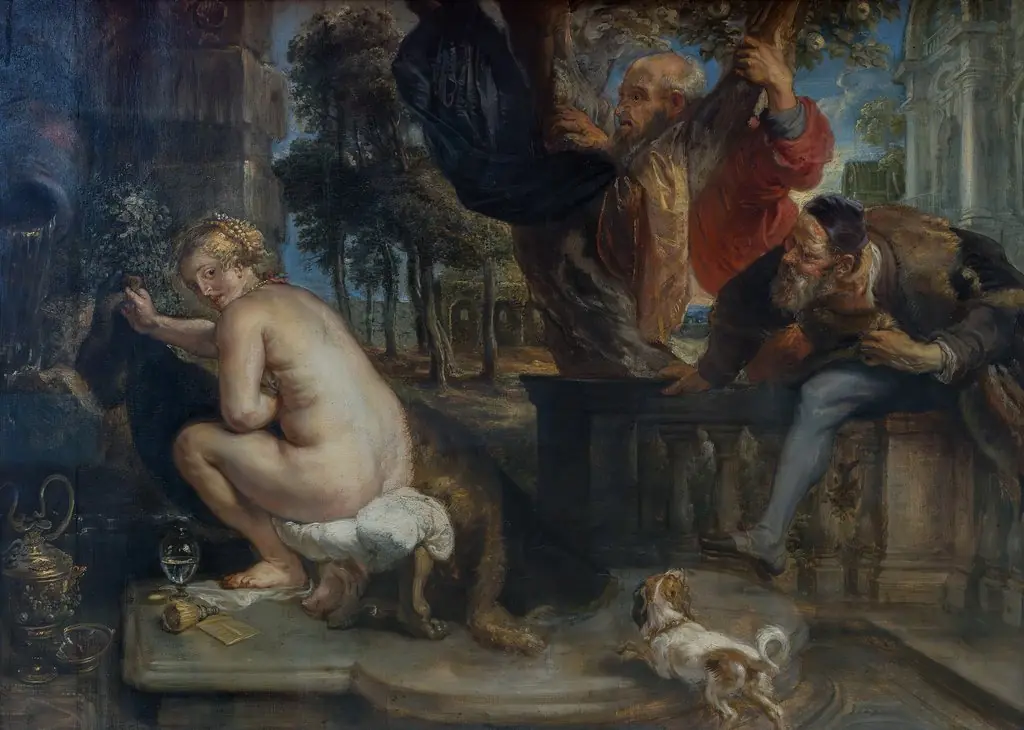 Susanna and the Elders
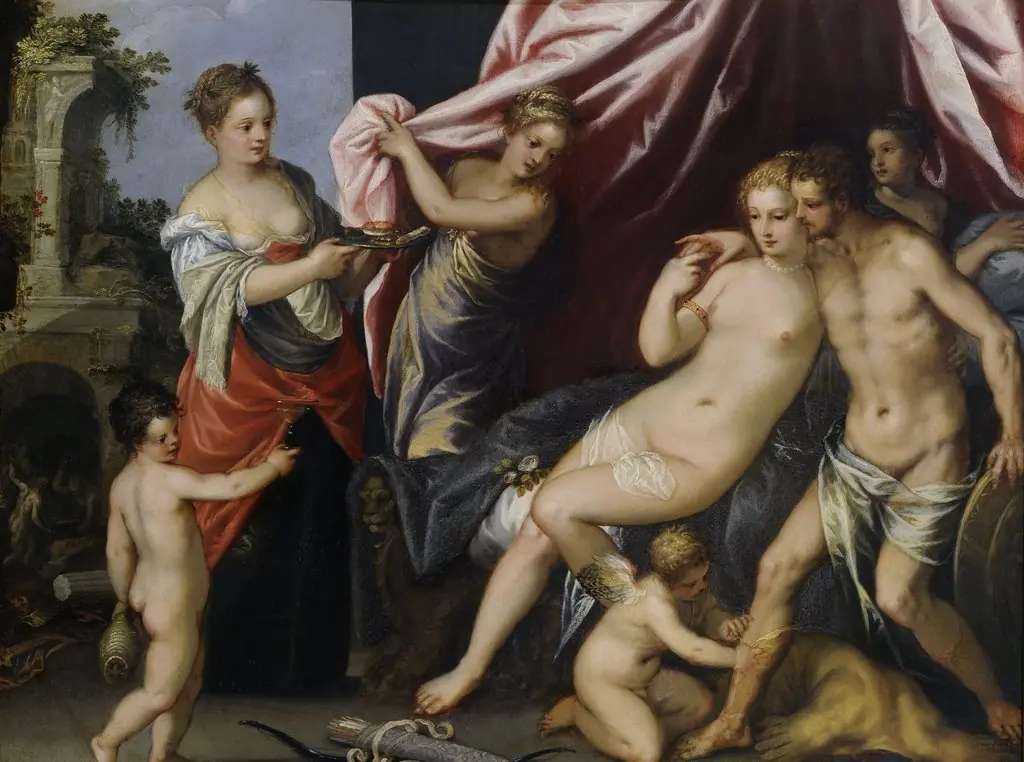 Venus and Mars
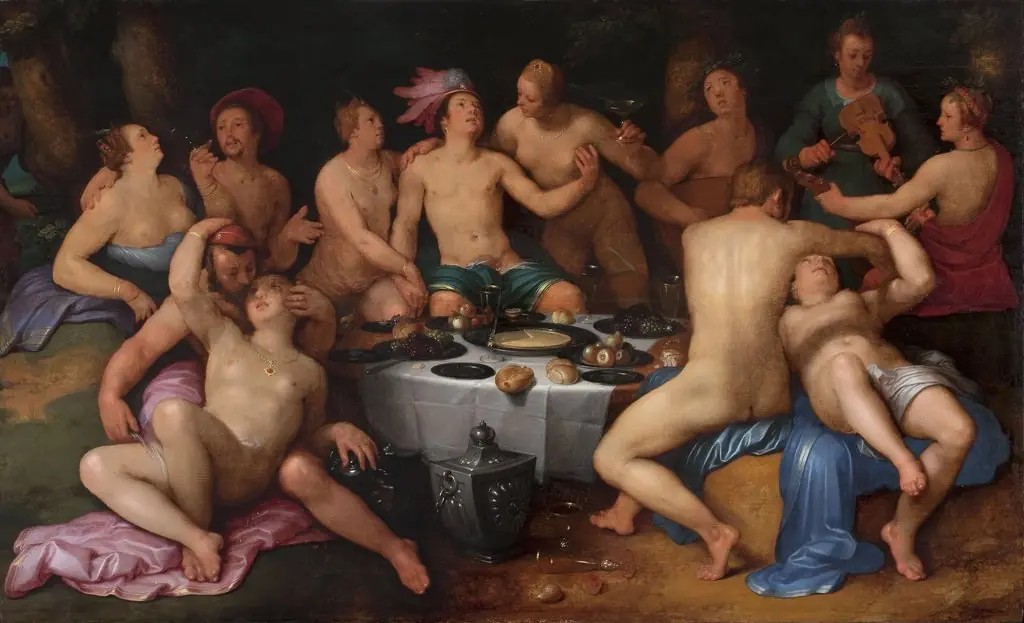 Feast of the prodigal son (Luke 15:11-13)
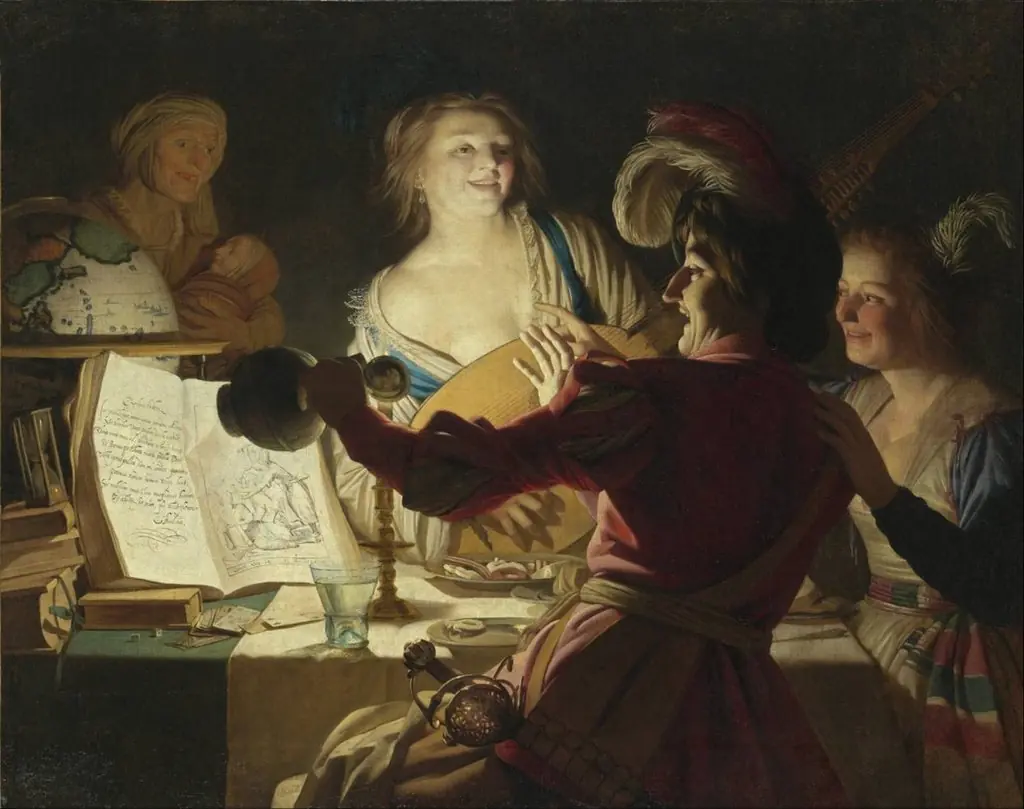 Merry Company
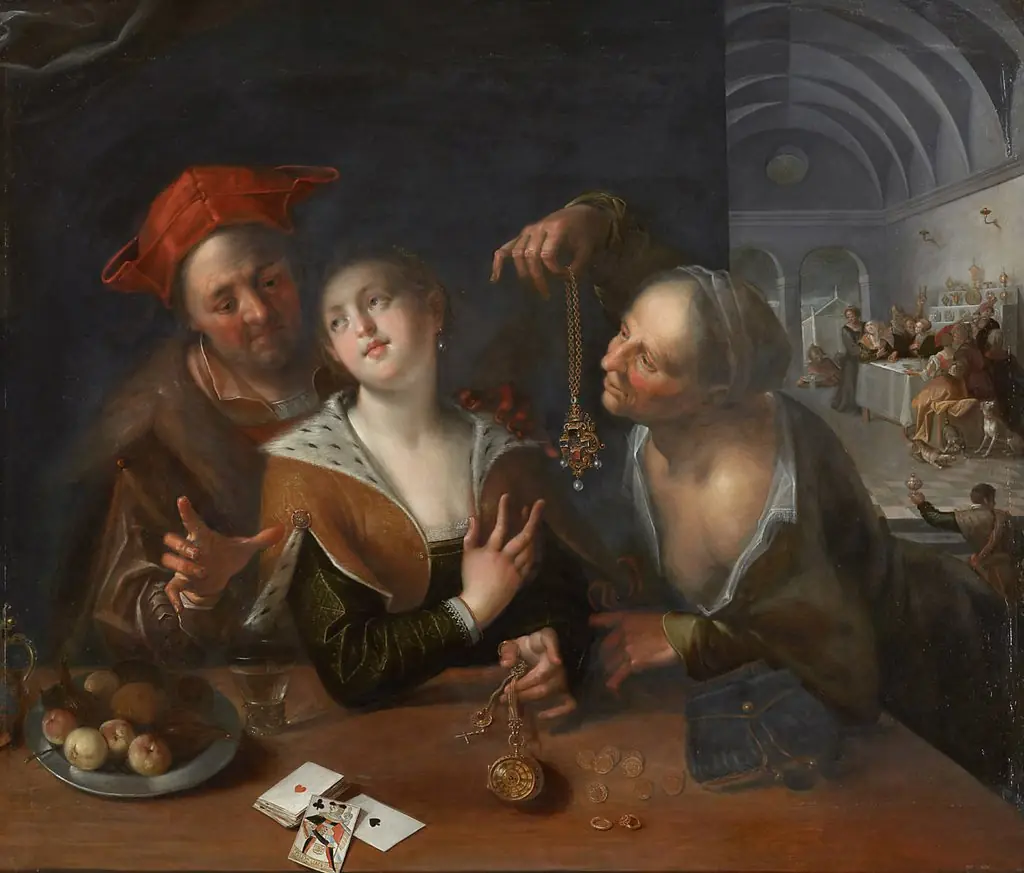 Couple Scene
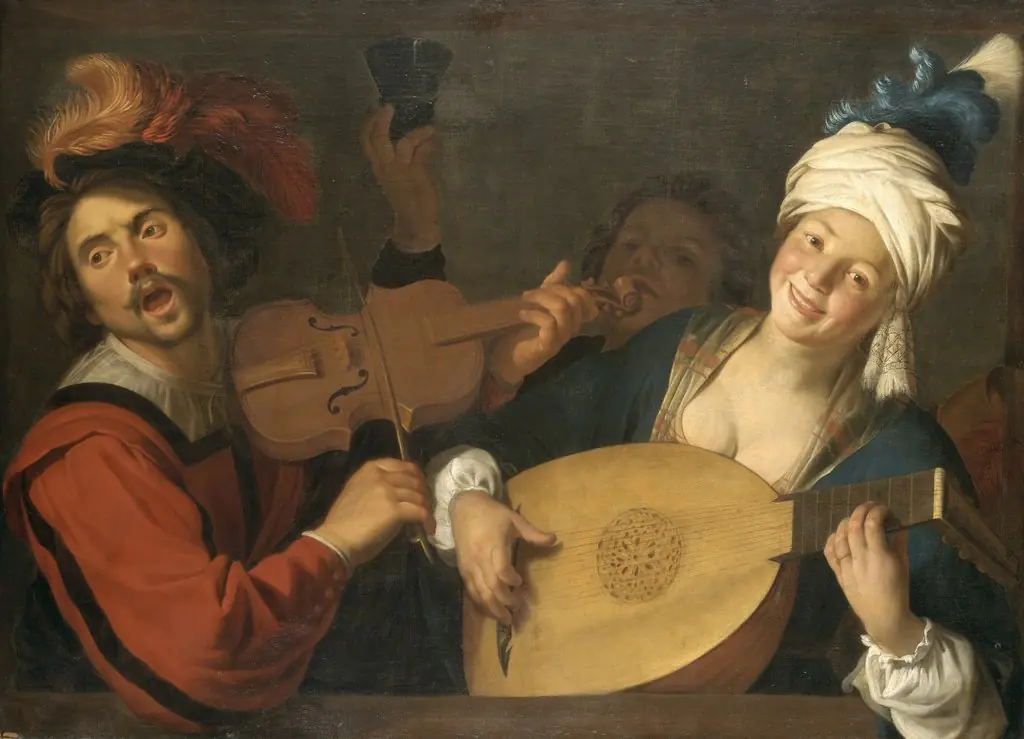 Couple making music behind a balustrade
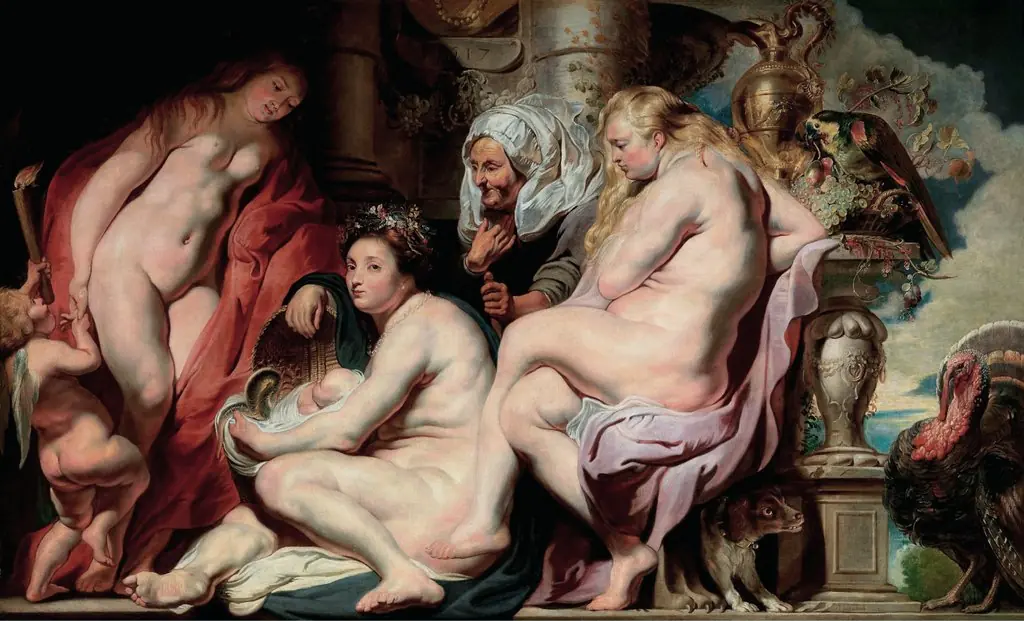 The Daughters of Cecrops Finding the Child Erichthonius
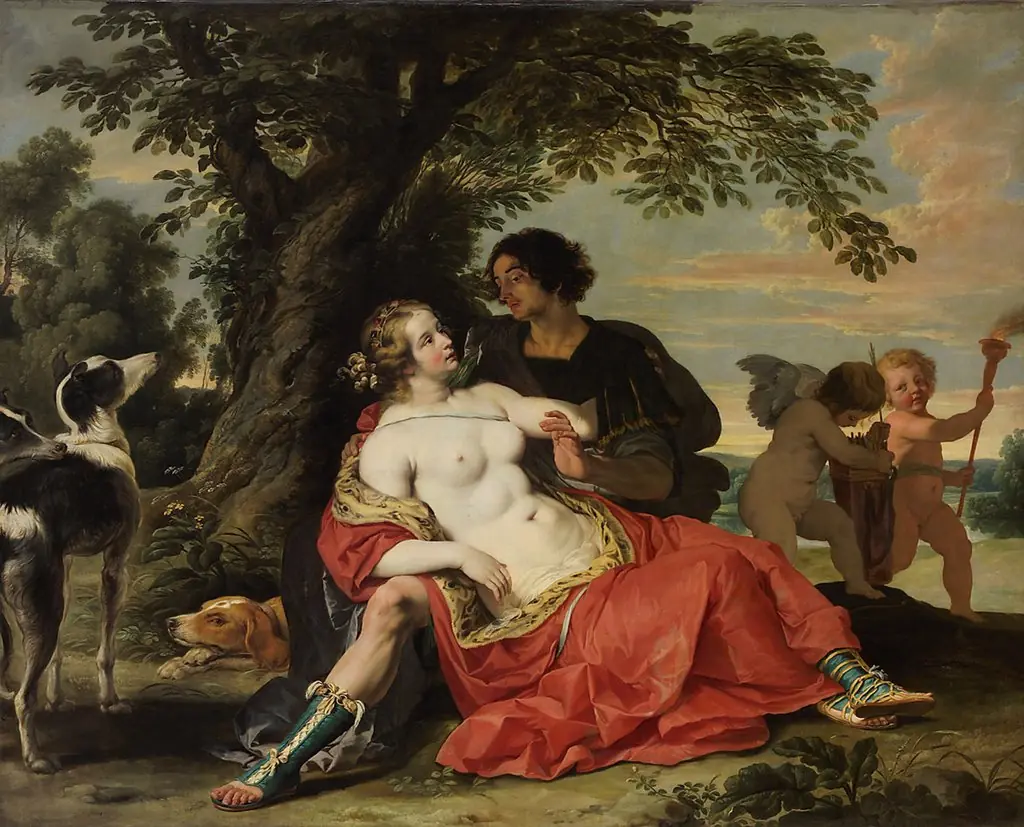 Venus   and  Adonis
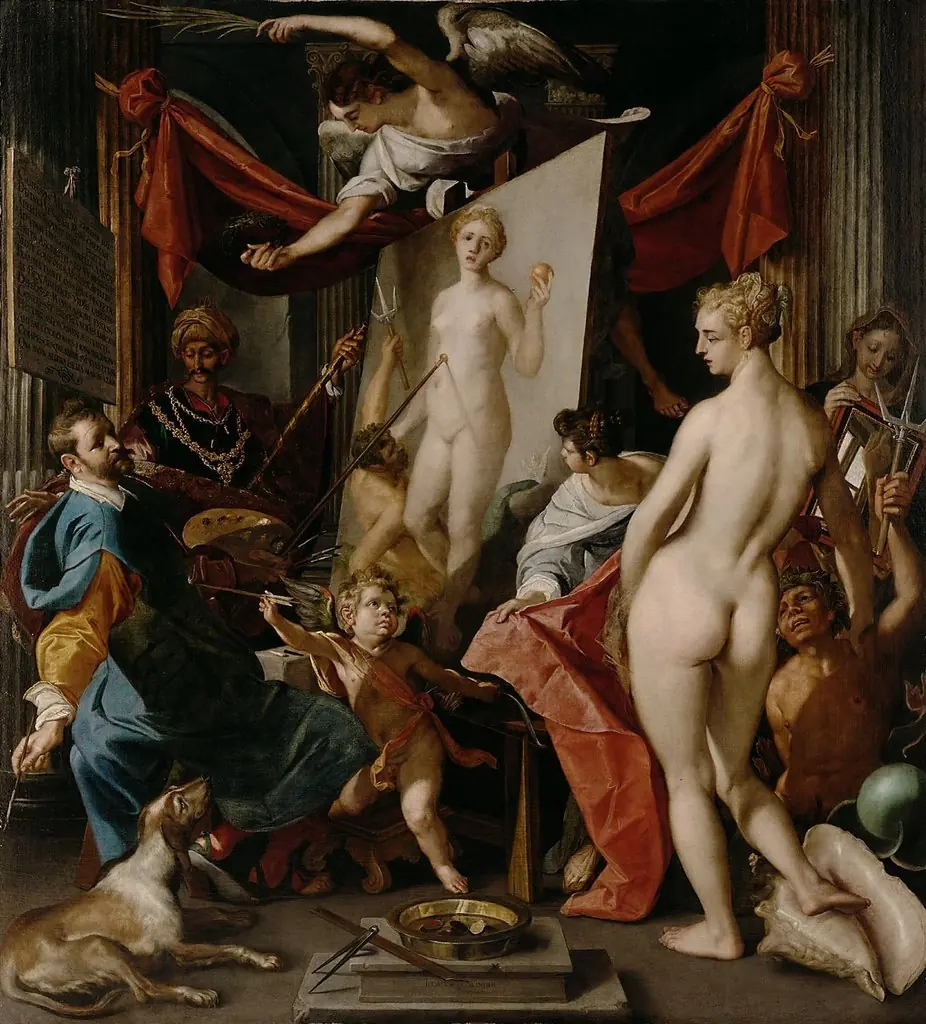 Apelles malt Kampaspe
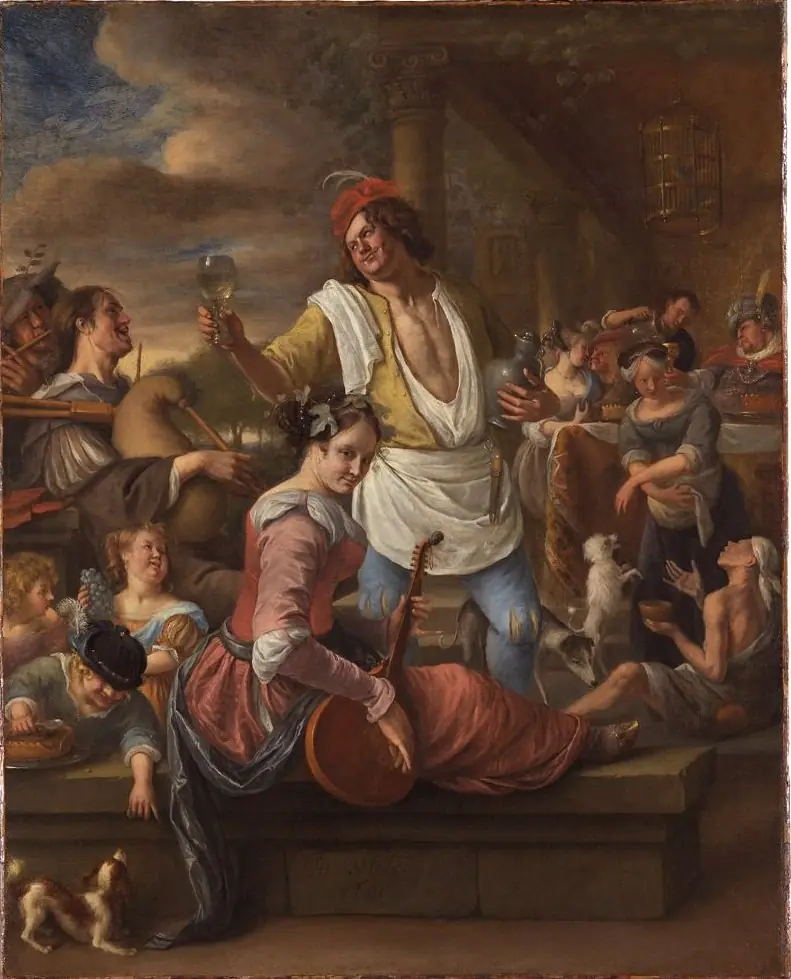 The Parable of the Rich Man and Lazarus
 Prodigal Son