Artwork
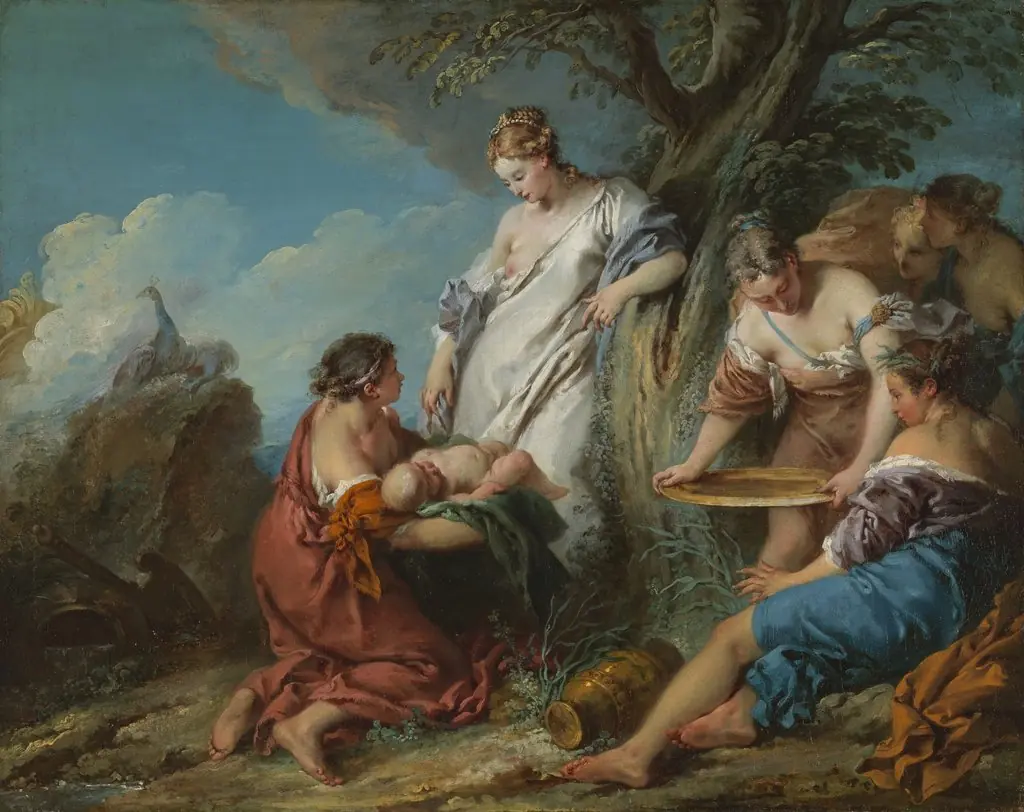
Pharaoh's Daughter Finds Moses
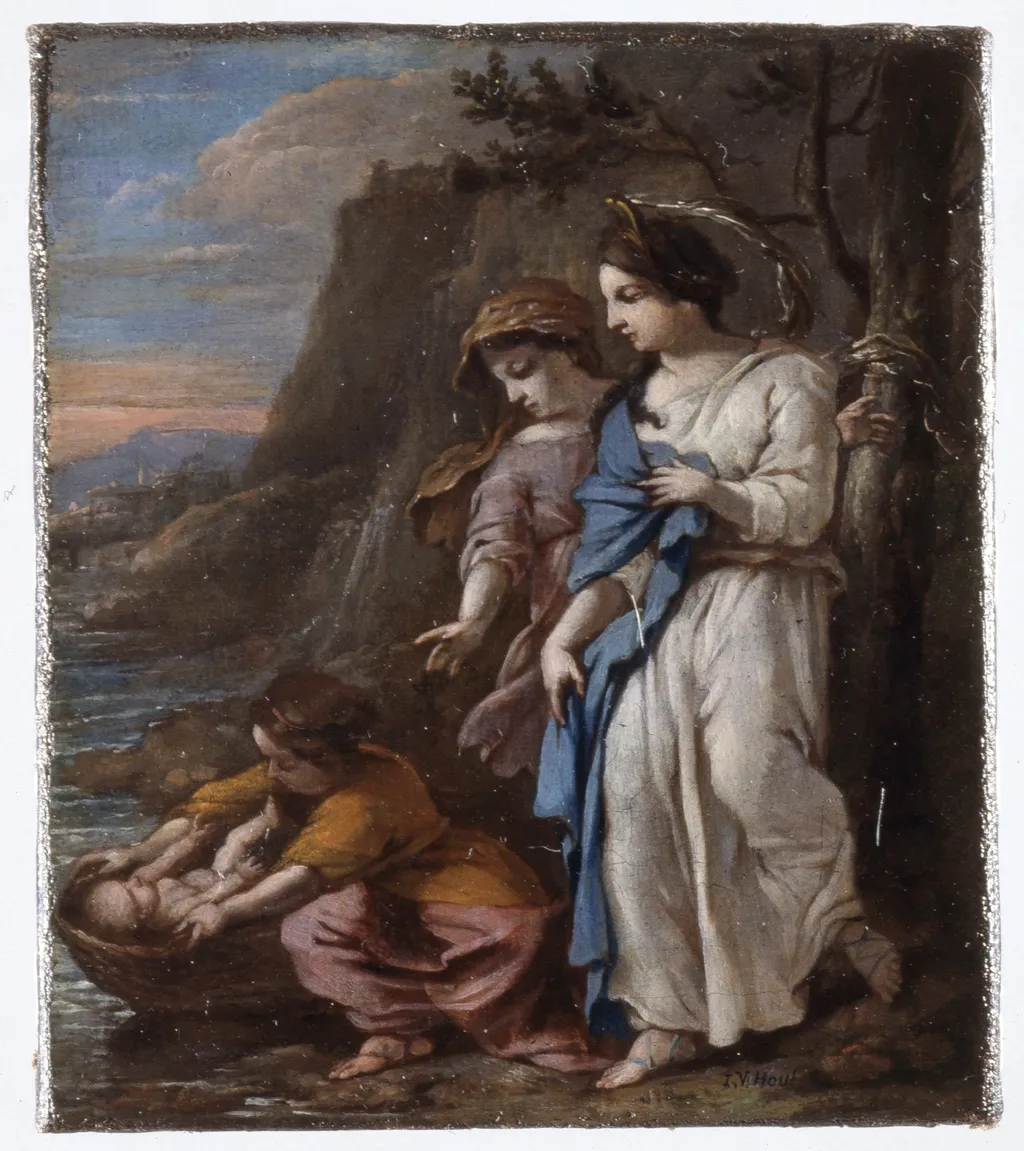
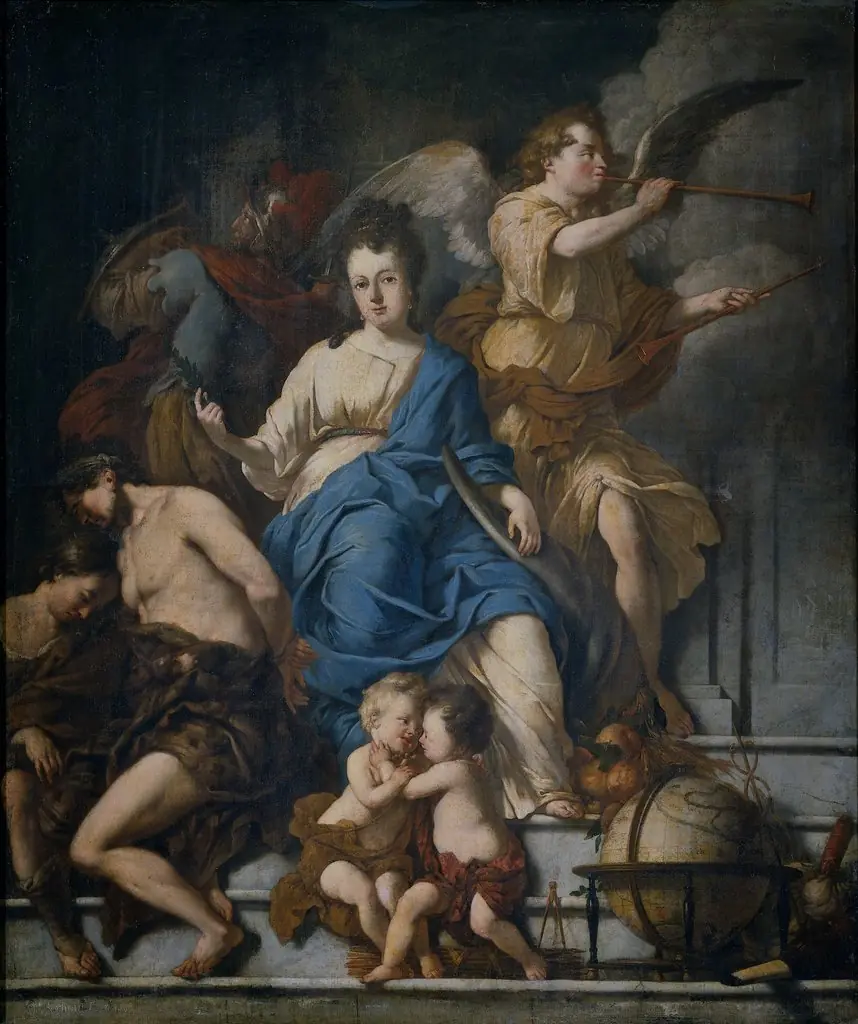
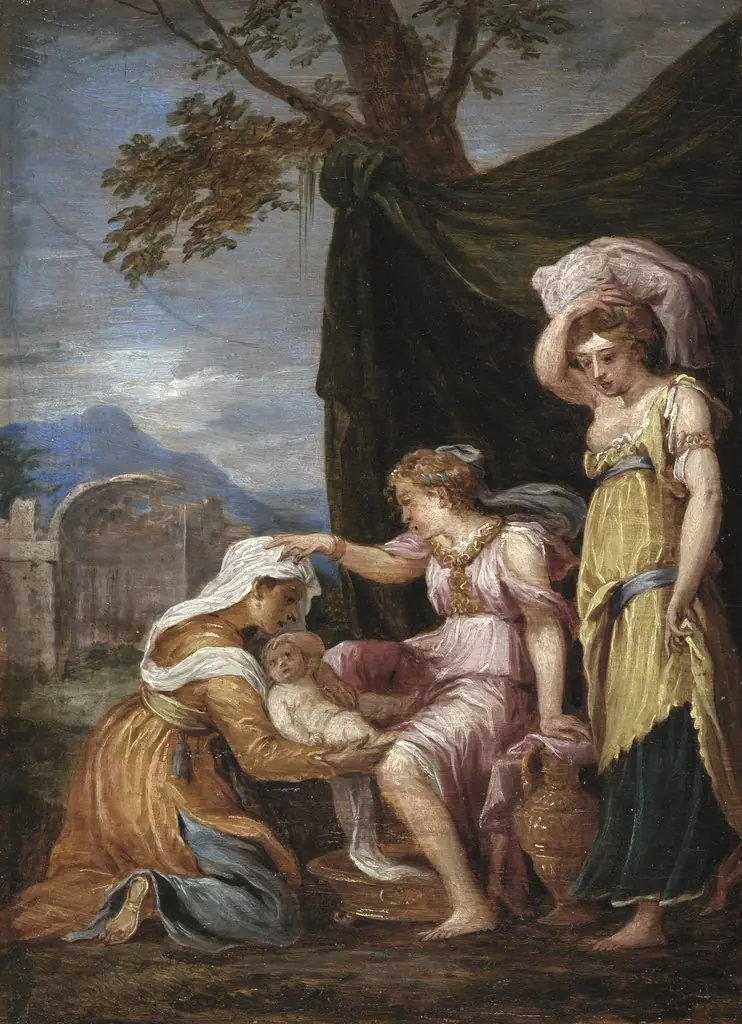
Pharaoh's Daughter Finds Moses is an oil painting by the Dutch Golden Age artist Johannes Voorhout. It dates from 1700 and is held in the collection of the Rijksmuseum.
About this work
Overview
Voorhout, active in the Dutch Republic and later in Hamburg and Amsterdam, produced this scene during the waning years of the Dutch Golden Age.
Painted in 1700 by Johannes Voorhout, this oil-on-canvas work captures a moment from the Book of Exodus. Voorhout, active in the Dutch Republic and later in Hamburg and Amsterdam, produced this scene during the waning years of the Dutch Golden Age. The painting is part of the Rijksmuseum’s collection, where it reflects the period’s enduring interest in biblical narratives rendered with naturalistic detail and emotional restraint.
Subject & Meaning
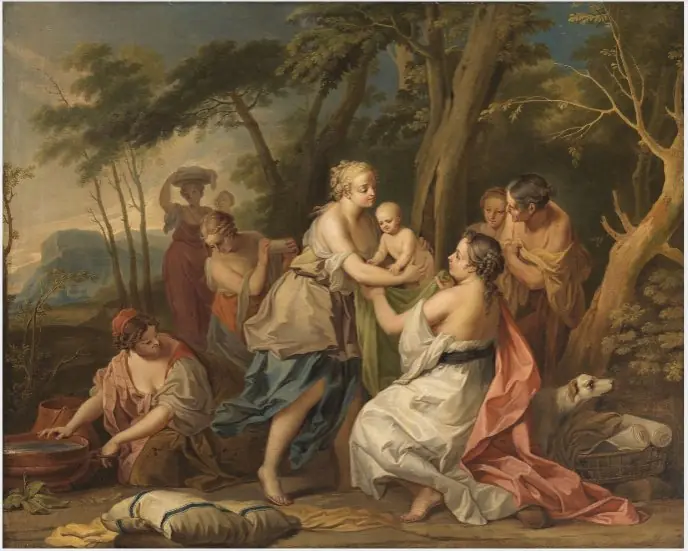
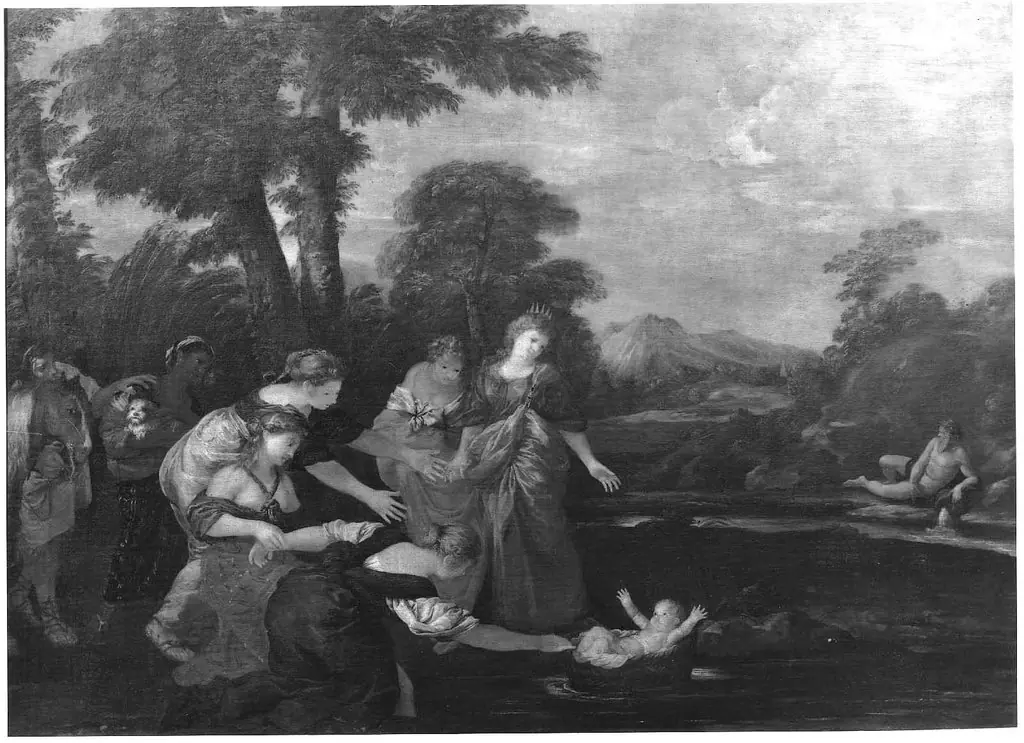
The scene illustrates Pharaoh’s daughter discovering the infant Moses, hidden in a basket among reeds along the Nile. Two women are depicted: one holding the swaddled child, the other leaning on a staff, observing. The gesture suggests a transfer of care, underscoring the moment’s moral weight—royal compassion intervening in a divinely ordained fate. The setting avoids overt grandeur, focusing instead on quiet human decision amid natural adversity.
Technique & Style
Voorhout employs chiaroscuro to isolate the figures against a dark, turbulent backdrop. Soft, directional light illuminates the cloth-wrapped child and the women’s faces, drawing attention to their expressions and gestures. The rough river, rocky shore, and partially submerged boat add texture and depth, while the stormy sky enhances the scene’s tension. Brushwork remains controlled, favoring clarity over dramatic flourish.
History & Provenance
Created in 1700, the painting entered the Rijksmuseum’s collection through documented acquisitions in the 19th century. Voorhout’s career spanned the Dutch Republic and northern German cities, but few of his works survive. This piece is among the best-preserved examples of his biblical scenes, offering insight into how Dutch artists adapted Old Testament stories for private and public devotion during the early 18th century.
Context
During the Dutch Golden Age, biblical subjects remained popular despite the Republic’s Calvinist leanings, which discouraged overt religious imagery in churches. Private collectors favored such scenes for their moral resonance and narrative clarity. Voorhout’s interpretation aligns with a broader trend of intimate, psychologically nuanced depictions of scripture, avoiding theatricality in favor of quiet realism.
Legacy
Though not widely reproduced or celebrated in mainstream art history, the painting exemplifies the quiet persistence of biblical storytelling in Dutch art beyond its 17th-century peak. Its preservation in the Rijksmuseum ensures continued study of how 18th-century artists maintained classical themes with restrained technique, bridging the gap between the Golden Age and later Enlightenment sensibilities.
Artist & collection
Artist
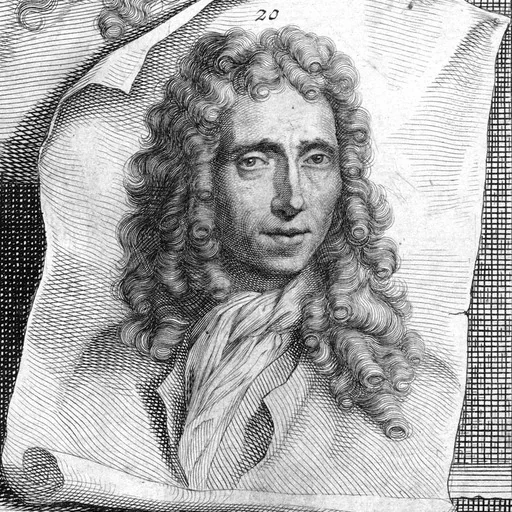
Johannes Voorhout (11 November 1647 – 25 August 1717) was a Dutch painter of history paintings, portraits and genre scenes.