Artwork
Moses Saved from the Waters
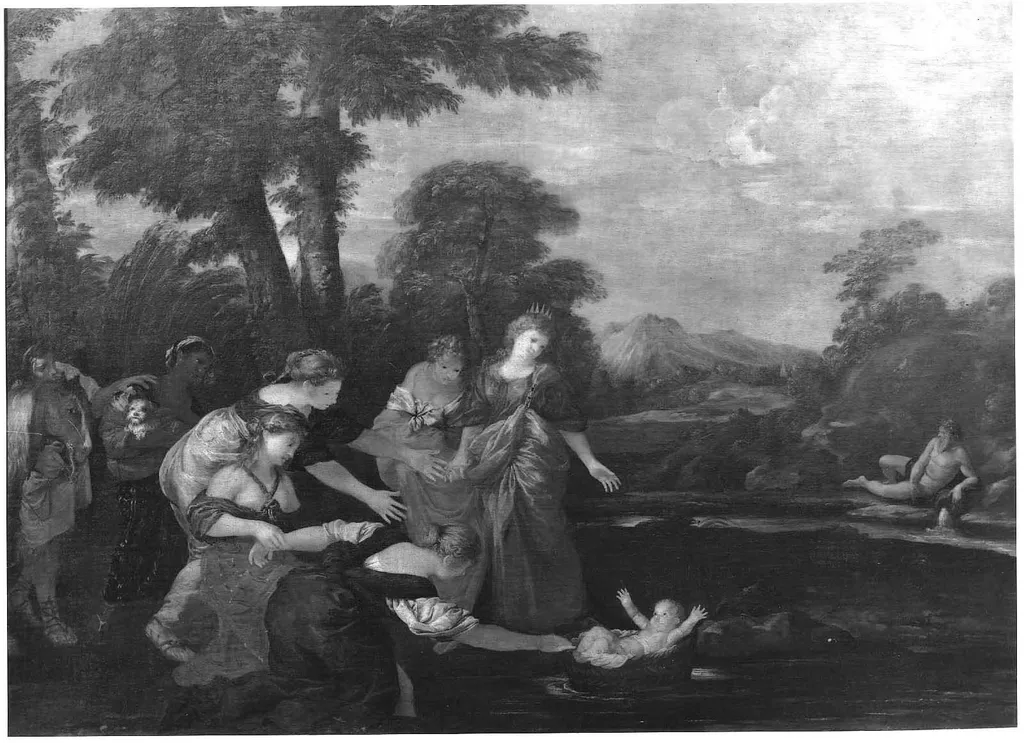
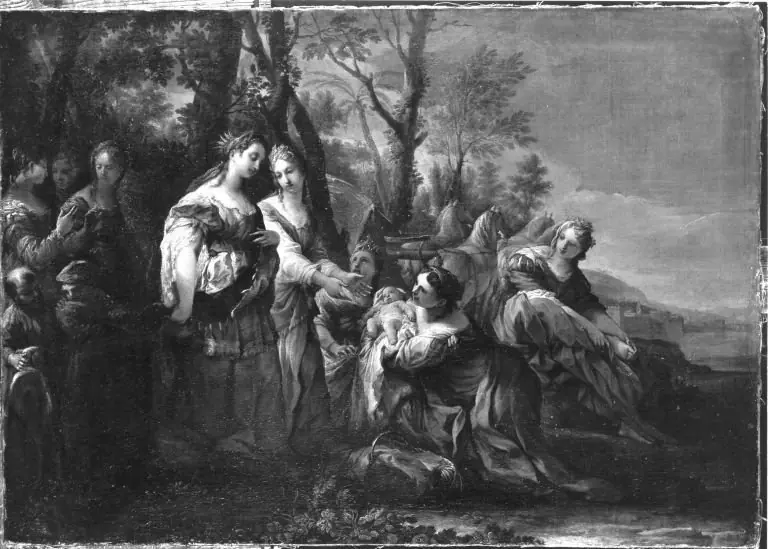
Moses Saved from the Waters is an oil painting by Andrea di Leone. It dates from 1657 and is held in the collection of the Museum of Fine Arts Boston.
About this work
Overview
The composition centers on the rescue of the infant Moses from the Nile, executed with attention to gesture and atmospheric depth.
Painted circa 1657, this oil-on-canvas work by Andrea di Leone captures a pivotal moment from the Book of Exodus. Di Leone, active in Naples during the mid-seventeenth century, rendered the scene with the emotional intensity and spatial complexity typical of southern Italian Baroque painting. The composition centers on the rescue of the infant Moses from the Nile, executed with attention to gesture and atmospheric depth.
Subject & Meaning
The painting illustrates the moment when Pharaoh’s daughter discovers the basket holding the Hebrew child Moses, defying her father’s decree to kill all Israelite boys. Two women are shown: one gently lifting the infant from the water, the other observing with guarded concern. The act of mercy here carries theological weight, signaling divine protection and the origins of Moses’ destined leadership.
Technique & Style
Di Leone employed chiaroscuro to model forms and heighten emotional tension, directing light toward the central figures while allowing surrounding areas to recede into shadow. Brushwork is fluid yet deliberate, with textured fabrics and rippling water adding tactile realism. The background, though simplified, suggests a landscape of hills and trees, anchoring the scene in a tangible, earthly setting.
History & Provenance
The painting’s early ownership is undocumented, but its style and date align with di Leone’s known output during his Naples period. It likely originated as a private devotional commission, common among Neapolitan patrons seeking biblical narratives for domestic or chapel settings. No major public records trace its movement before the 20th century.
Context
In mid-17th-century Naples, religious imagery dominated artistic production, fueled by Counter-Reformation piety and the influence of Caravaggio’s legacy. Di Leone, though less renowned than contemporaries like Ribera, contributed to a local tradition of emotionally charged biblical scenes. His work reflects the city’s vibrant, if commercially driven, art market centered on narrative clarity and dramatic impact.
Legacy
Andrea di Leone’s oeuvre remains largely understudied, with few works securely attributed or publicly displayed. This painting stands as a representative example of provincial Baroque practice in southern Italy — neither revolutionary nor exceptional, but indicative of the widespread demand for accessible, emotionally resonant religious art during the era.
Artist & collection
Artist
Andrea di Leone (8 September 1610 – 12 February 1685) was an Italian painter of the Baroque period, active in his native city of Naples.

 Die Auffindung Moses
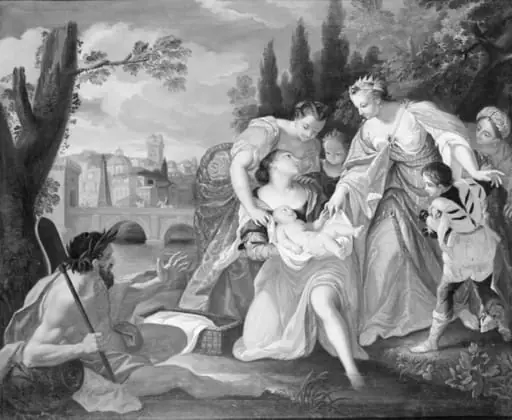 Moses findes i Nilen af Faraos datter
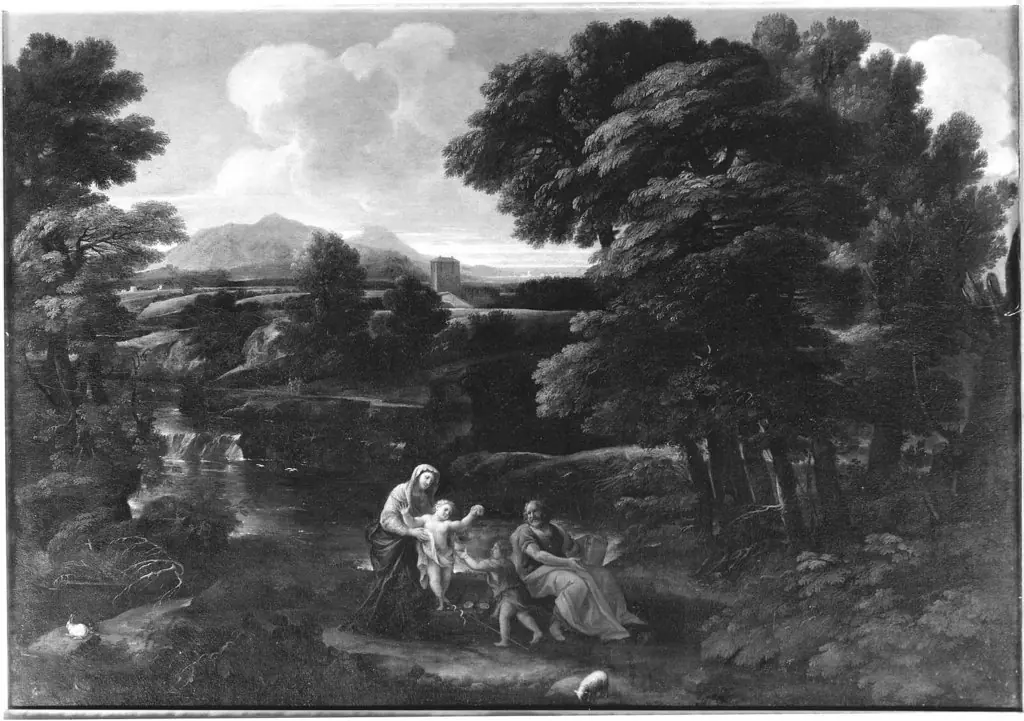 Landscape with the Holy Family and the Infant Saint John the Baptist
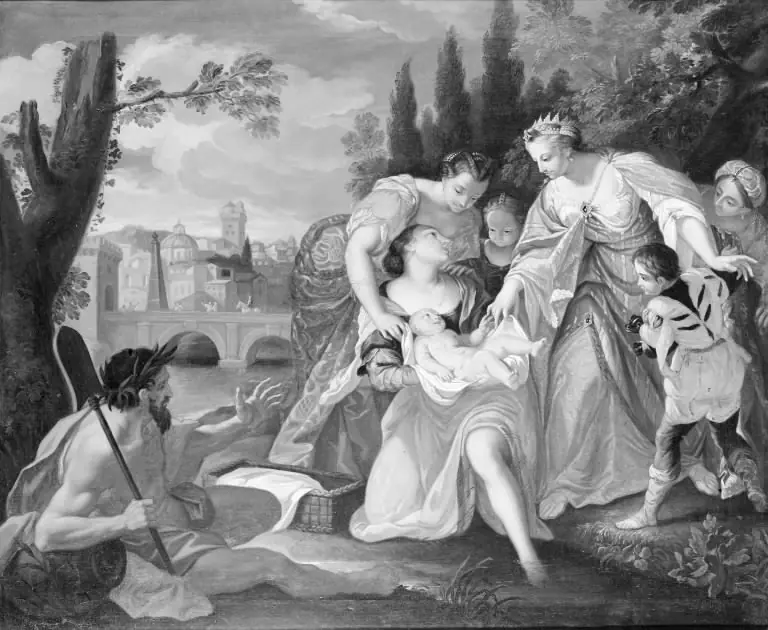 Moses findes i Nilen af Faraos datter
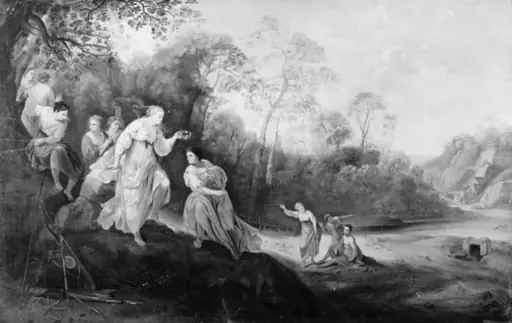 Diana med sit følge i et landskab
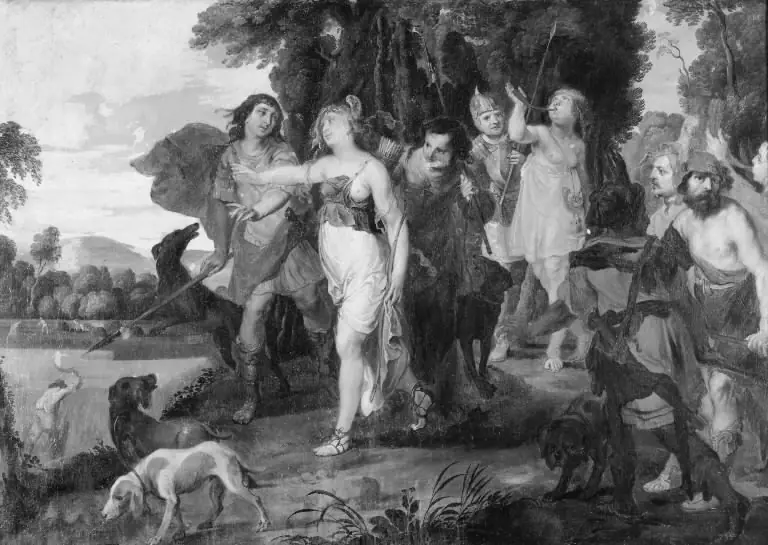 Hunting Party with Diana
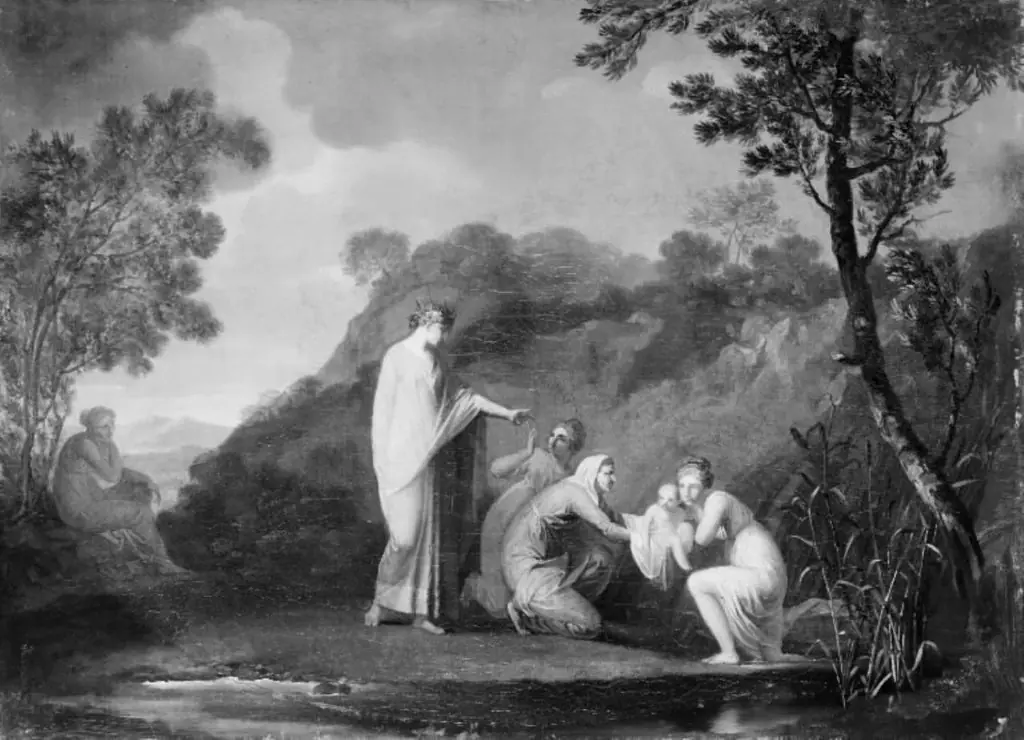 The Finding of the Infant Moses
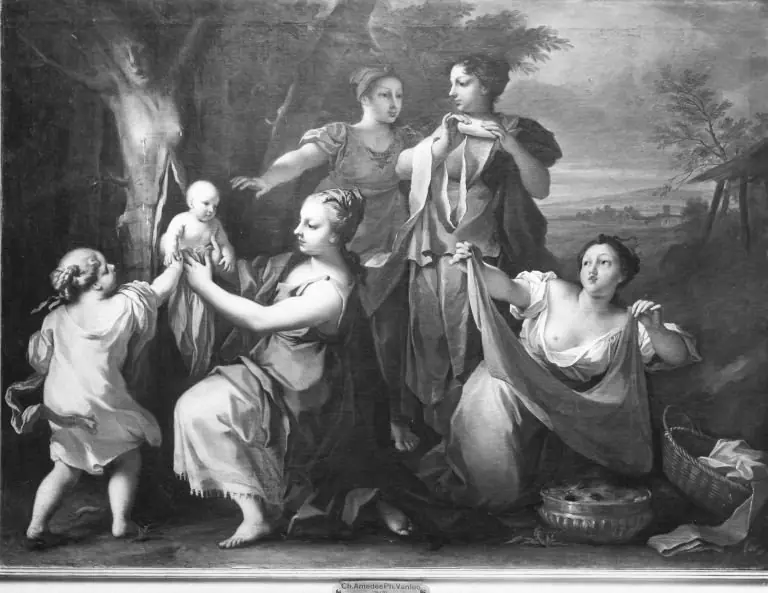 Die Geburt des Adonis
 The Finding of the Infant Moses
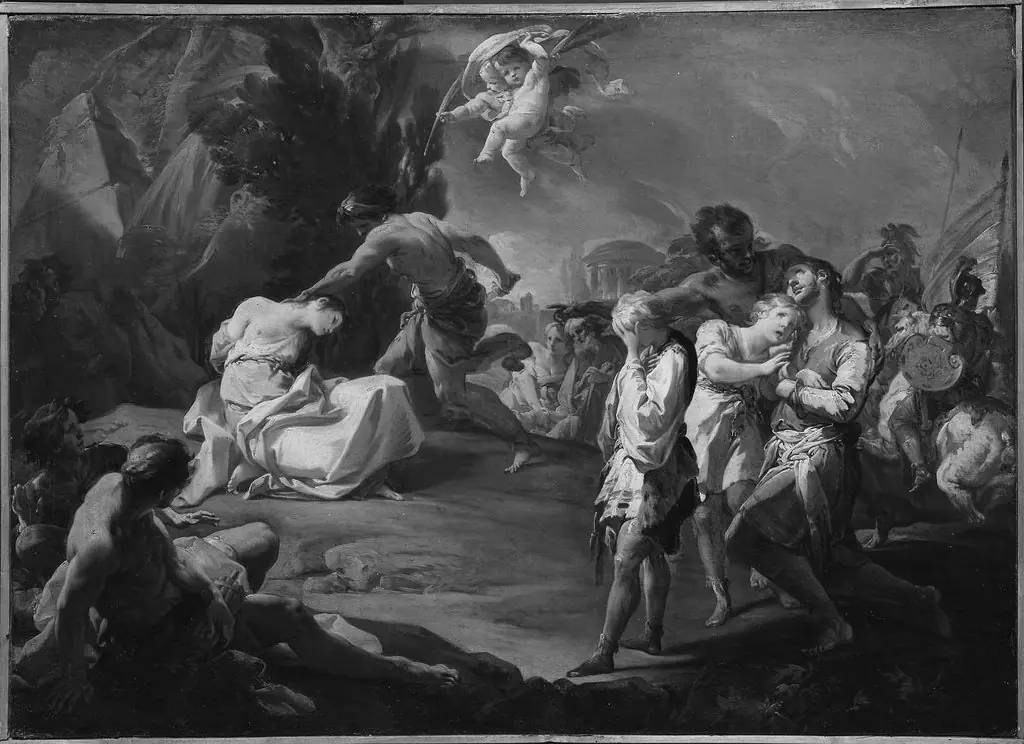 Martyrdom of Saint Marta
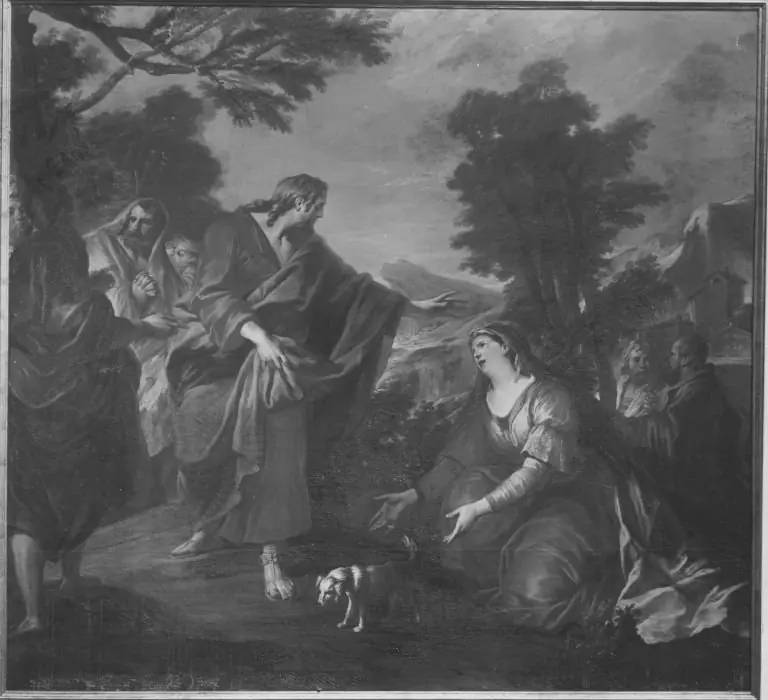 Christus und das kanaanitische Weib
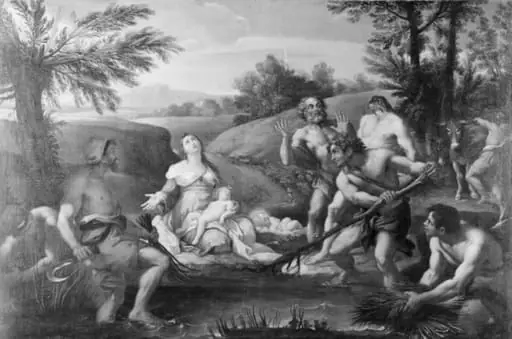 Latona forvandler Licias hyrder til frøer. Motiv fra Ovids "Metamorfoser", VI sang