Artwork
Allegory of the Treaty of Rijswijk, 1697
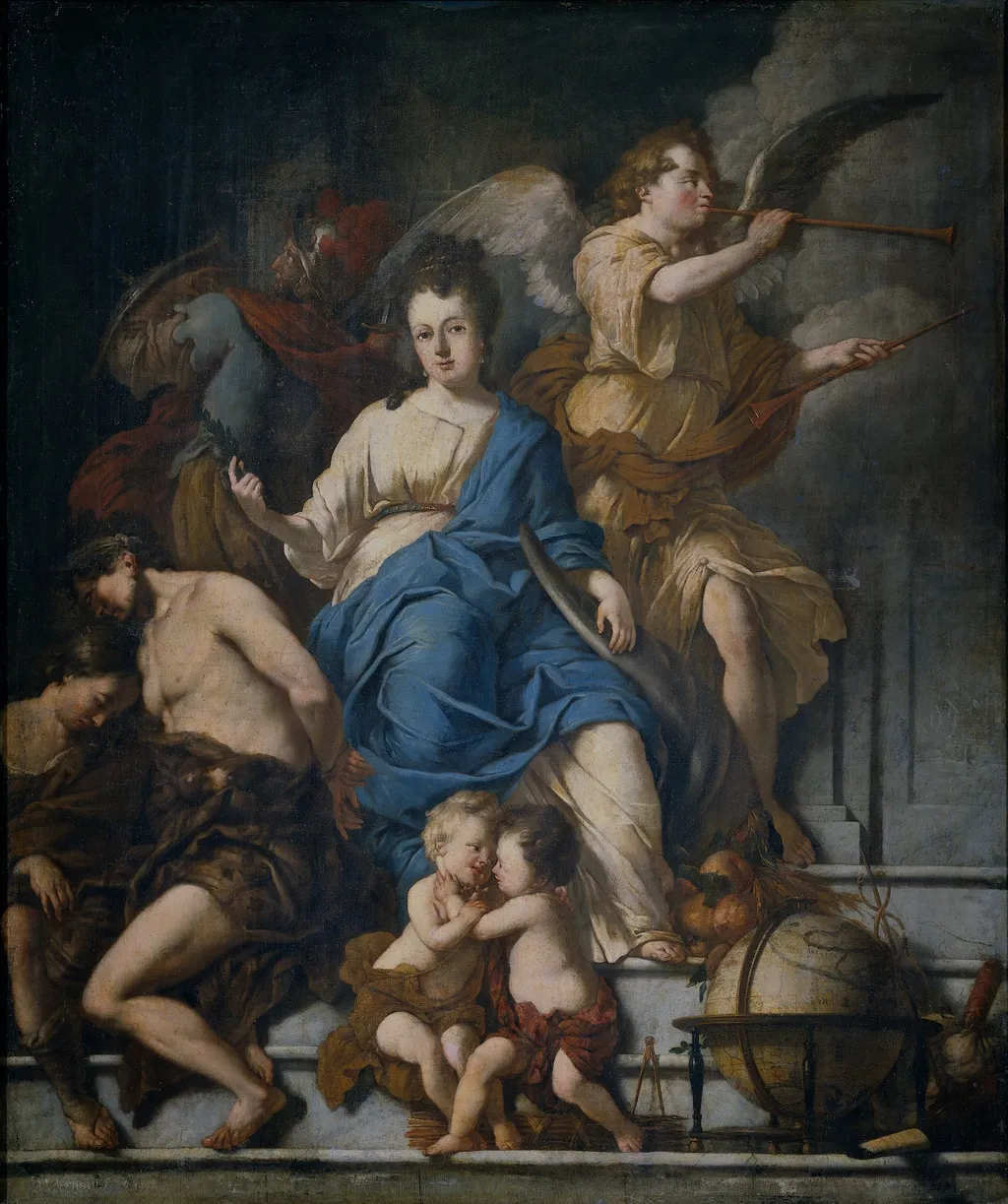
Allegory of the Treaty of Rijswijk, 1697 is an oil painting by the Dutch Golden Age artist Johannes Voorhout. It dates from 1700 and is held in the collection of the Rijksmuseum.
About this work
Overview
Allegory of the Treaty of Rijswijk, 1697 is a Dutch Golden Age oil painting by Johannes Voorhout, created in 1700. It is now part of the Rijksmuseum's collection.
Subject & Meaning
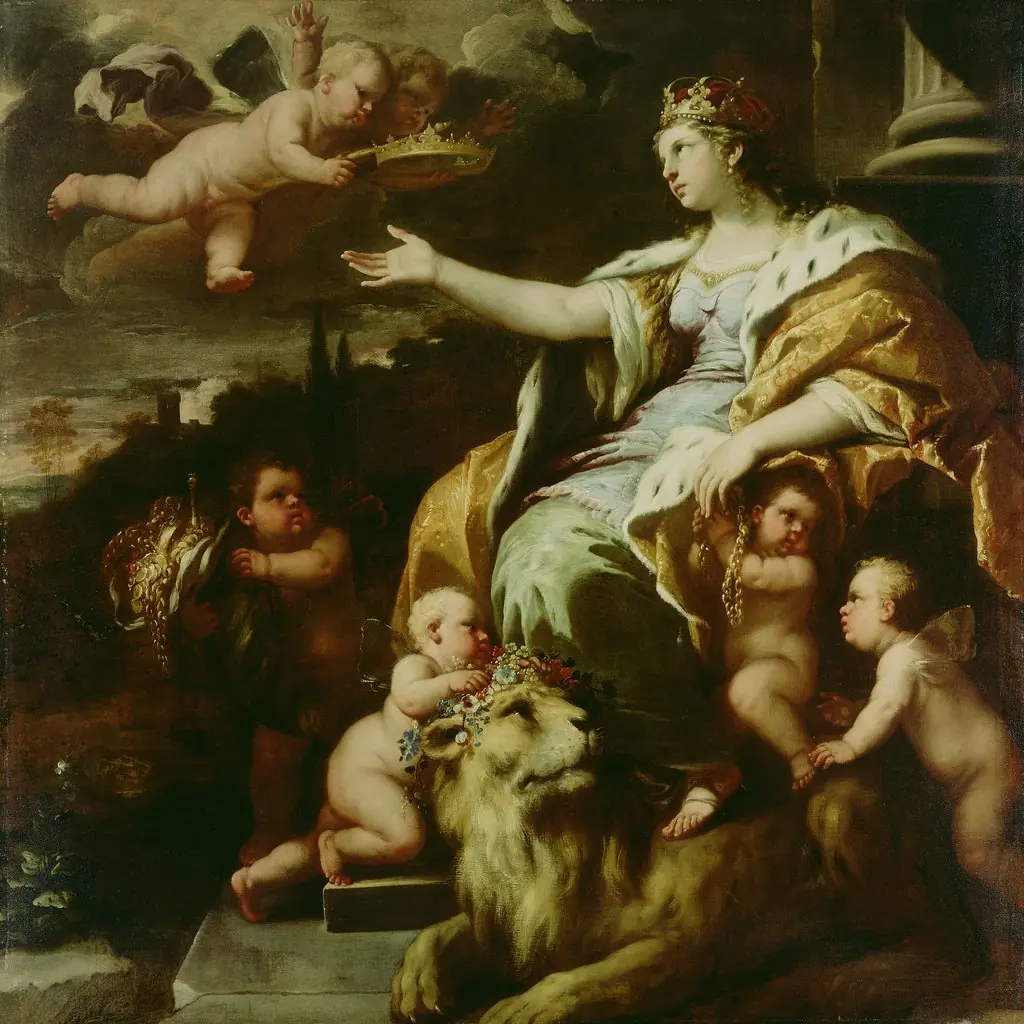
The painting allegorically represents the Treaty of Rijswijk (1697). A central woman in blue, surrounded by four children and two winged figures (one blowing a horn, the other holding a sword), conveys themes of celebration, triumph, and possibly peace or protection. Her extended right hand suggests an impending gesture of connection or bestowal.
Technique & Style
The work employs chiaroscuro, a technique using strong contrasts between light and dark to create a sense of volume and depth, enhancing the emotional tone of the scene. The composition's balance and the use of symbolic figures are characteristic of allegorical paintings from the period.
History & Provenance
Painted in 1700 by Johannes Voorhout, a Dutch Republic-trained artist who also worked in Hamburg and Amsterdam, the painting's early history is not detailed here, but it is currently held in the Rijksmuseum's collection.
Context
Created during the Dutch Golden Age, the painting reflects the era's penchant for allegory in art, often used to commemorate significant political events like the Treaty of Rijswijk, which ended the Nine Years' War.
Legacy
While specific influences or direct artistic descendants are not highlighted, the painting contributes to the broader legacy of Dutch Golden Age allegorical art, offering insight into 17th-century political commemoration through symbolic representation.
Own this work as a print
Artist & collection
Artist
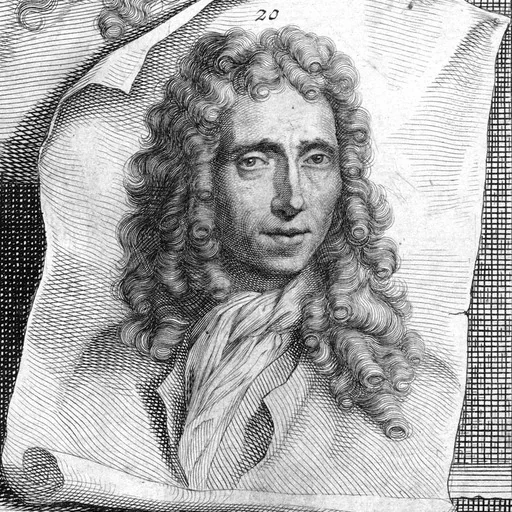
Johannes Voorhout (11 November 1647 – 25 August 1717) was a Dutch painter of history paintings, portraits and genre scenes.

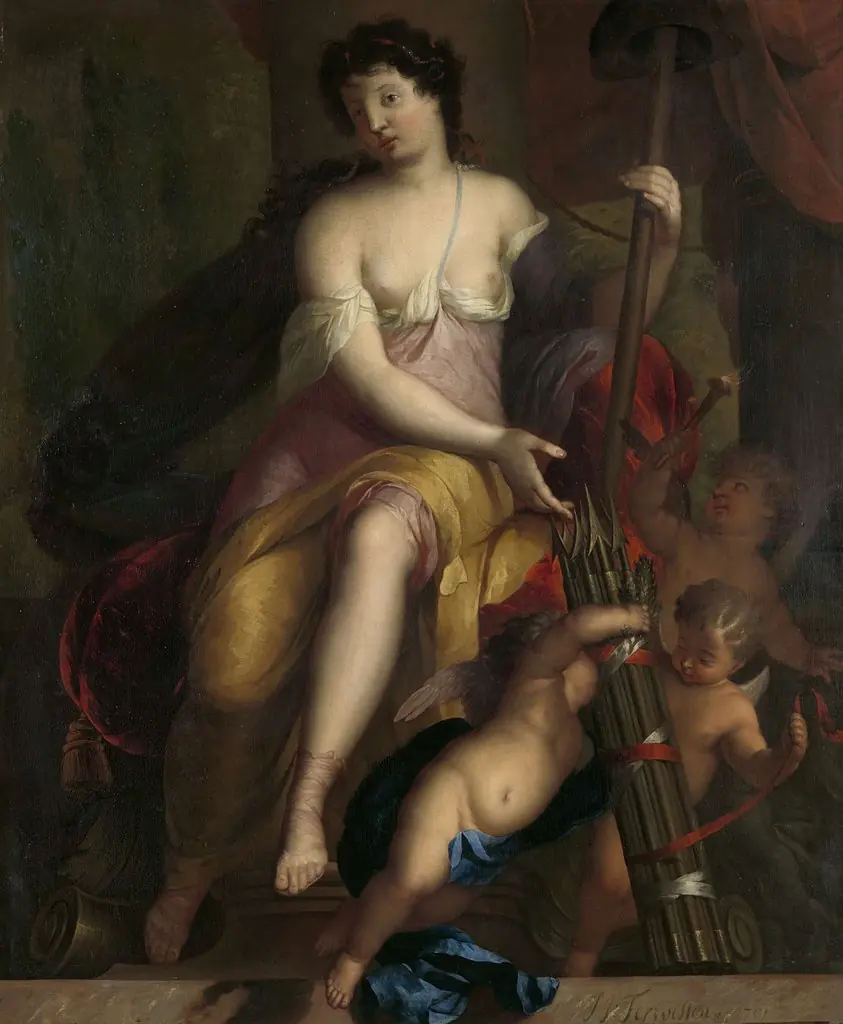 Allegory of Freedom
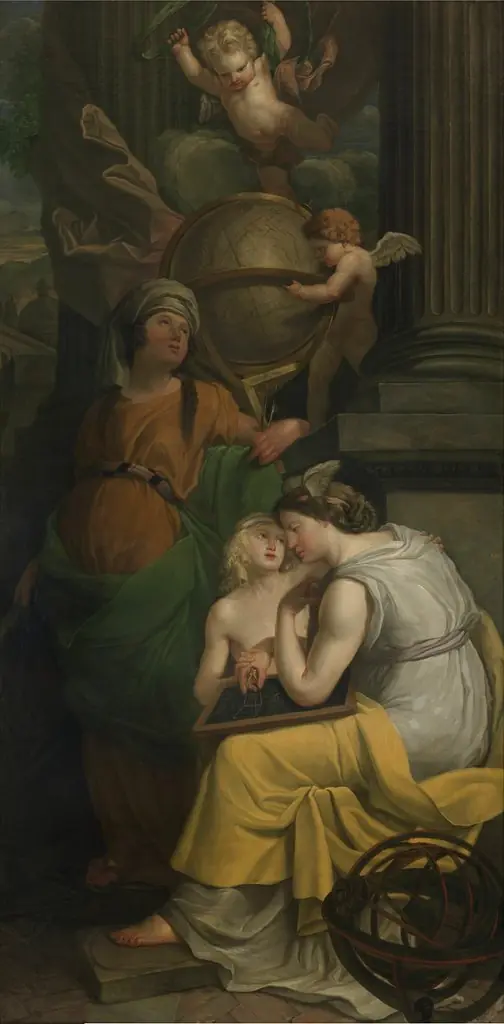 Geometry and Arithmetic
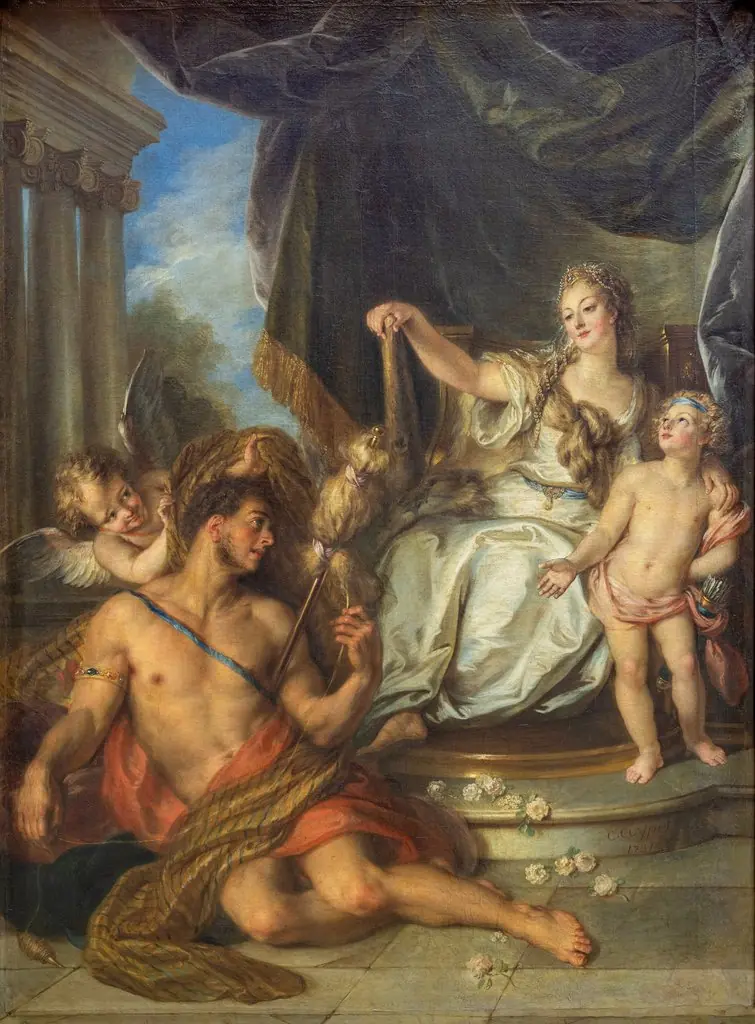 Hercules and Omphale
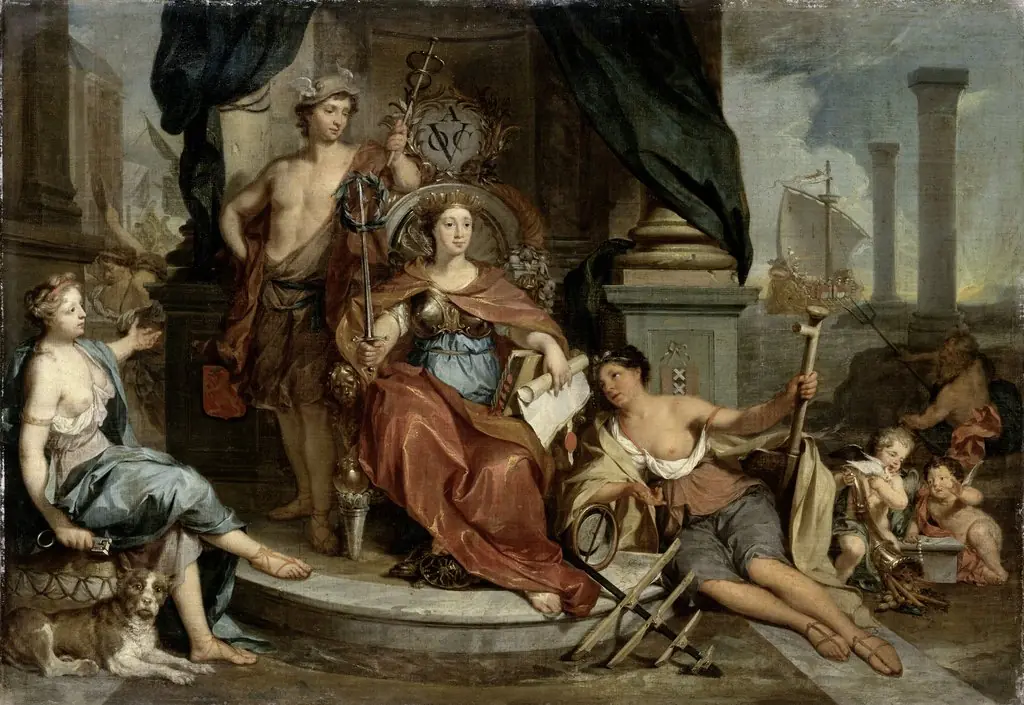 Apotheosis of the Dutch East India Company (Allegory of the Amsterdam Chamber of Commerce of the VOC)
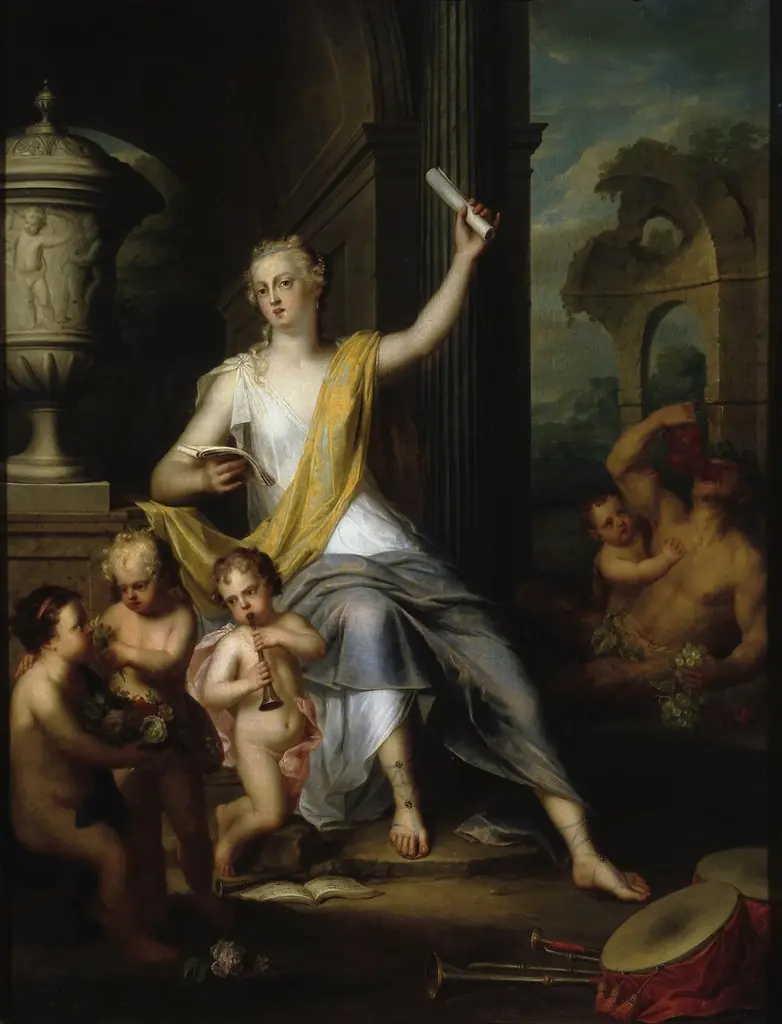 Allegory of the Hearing, the Taste and the Smell
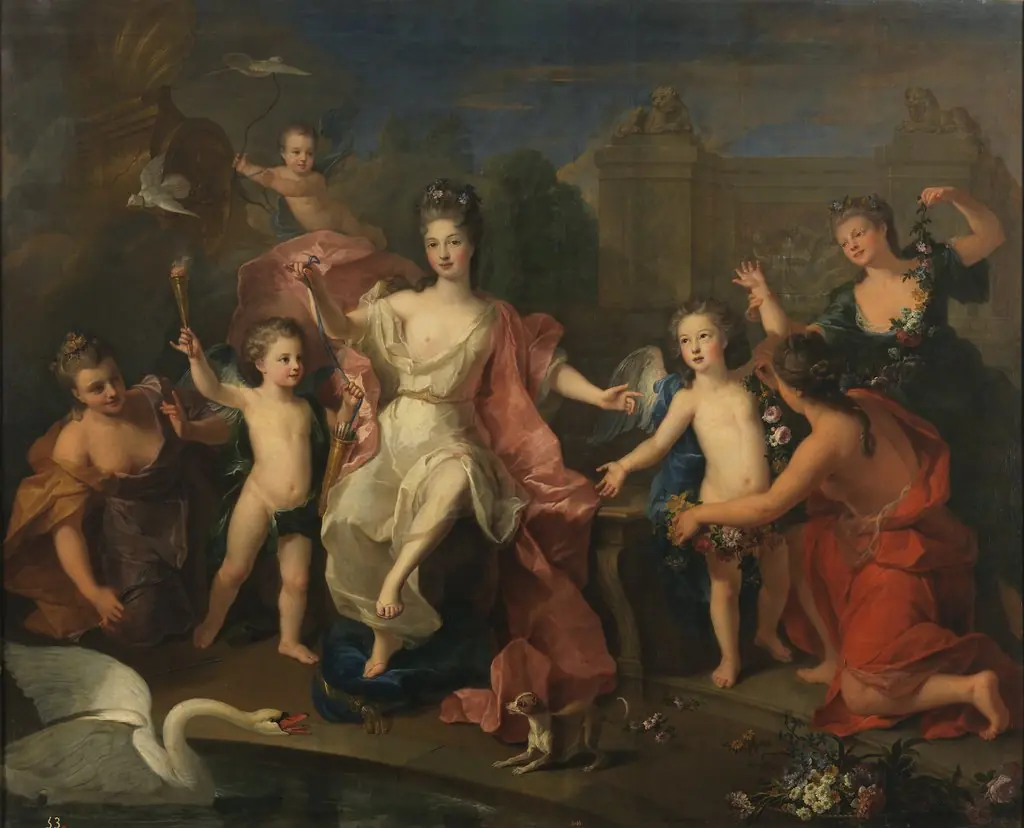 The Duchess of Burgundy with her two sons, the Dukes of Brittany and Anjou (future Louis XV)
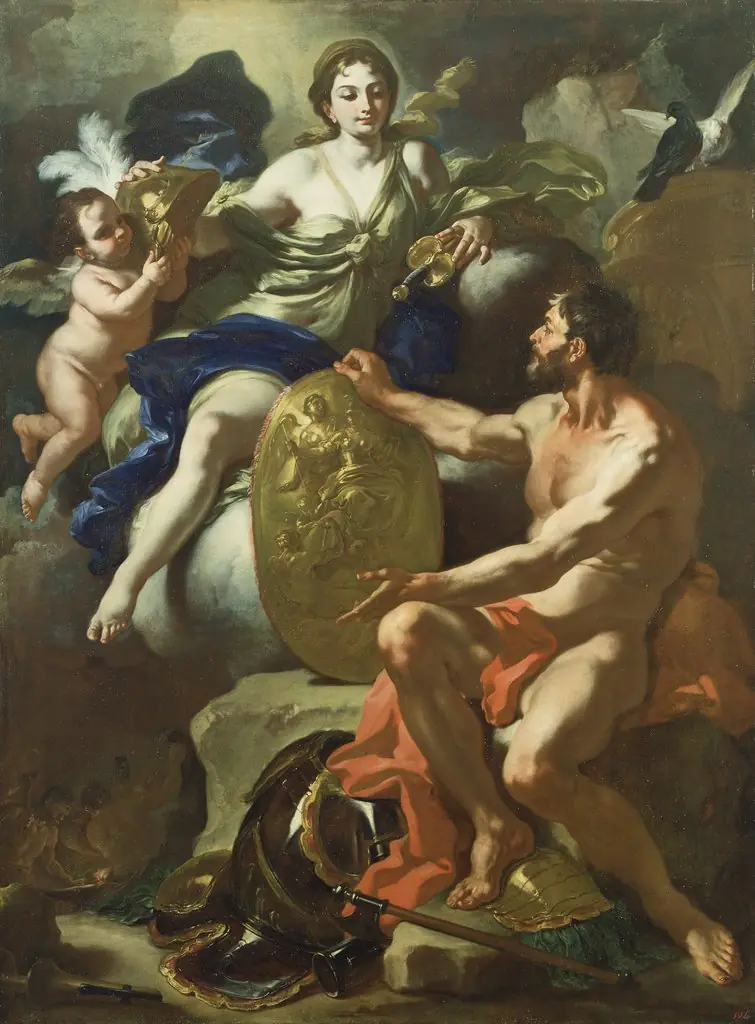 Venus at the Forge of Vulcan
 Allegory of Magnanimity
 Venere e Amore nel segno dei Gemelli