Artwork
Kennack Sands, Cornwall, at Low Tide
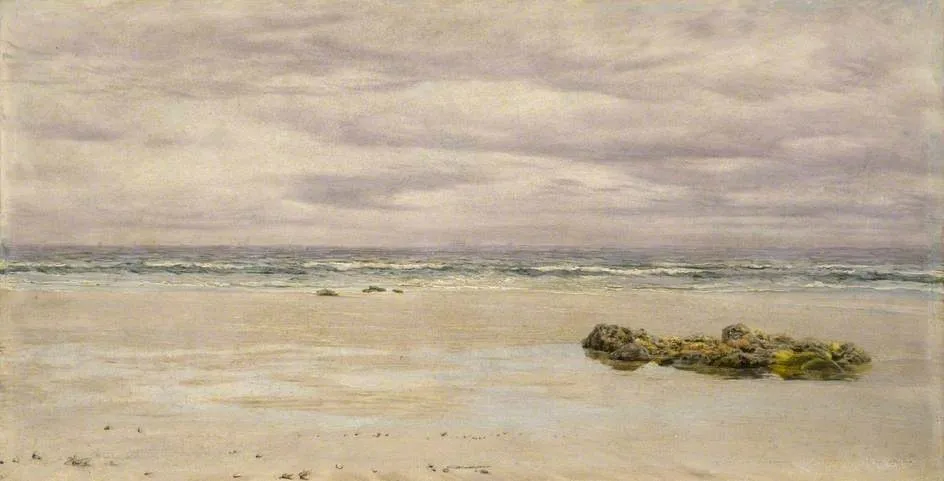
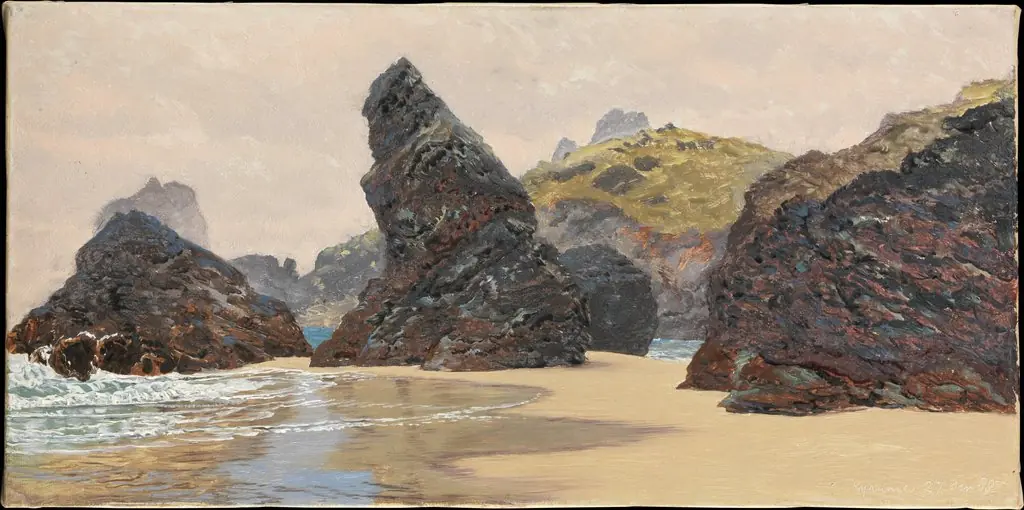
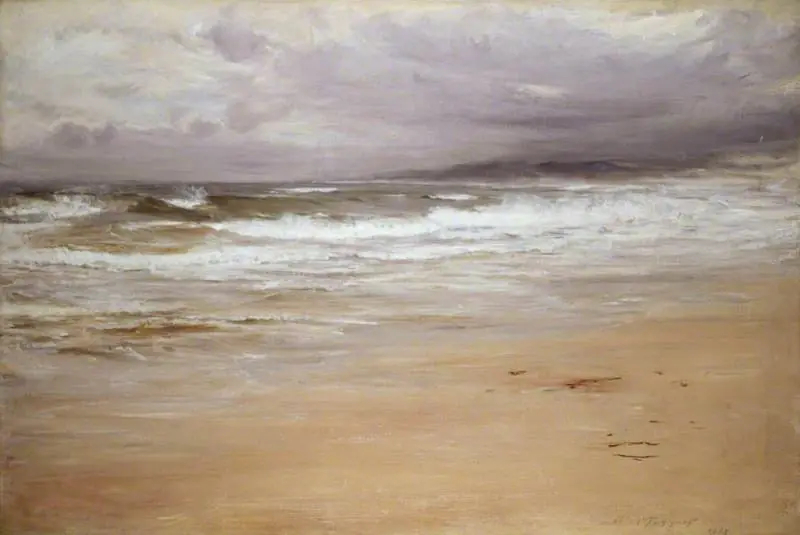
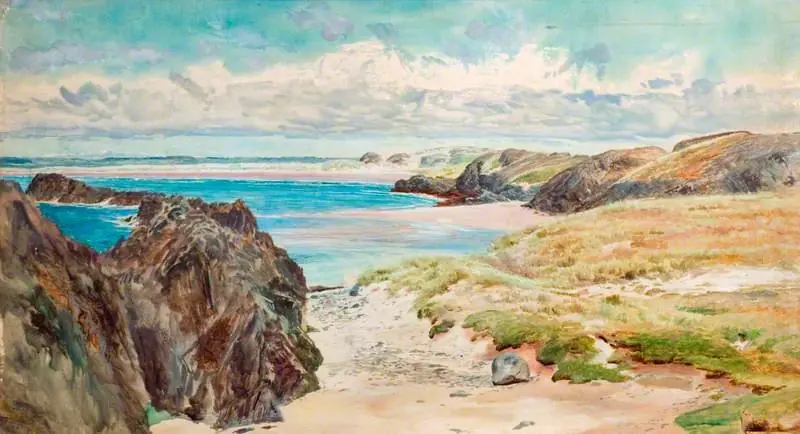
Kennack Sands, Cornwall, at Low Tide is an unspecified painting by John Brett. It dates from 1889 and is held in the collection of the Ashmolean Museum.
About this work
Overview
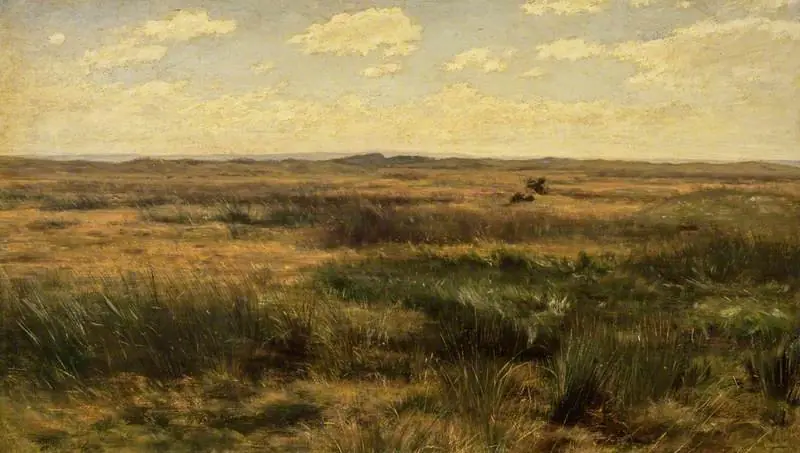
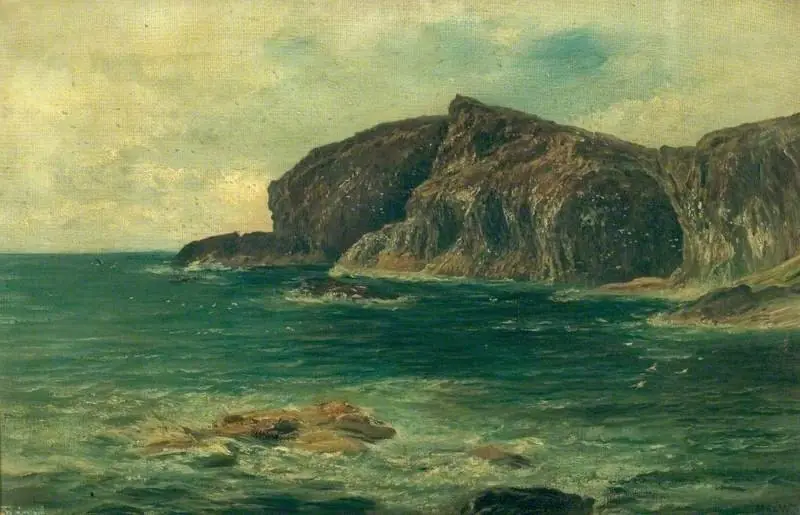
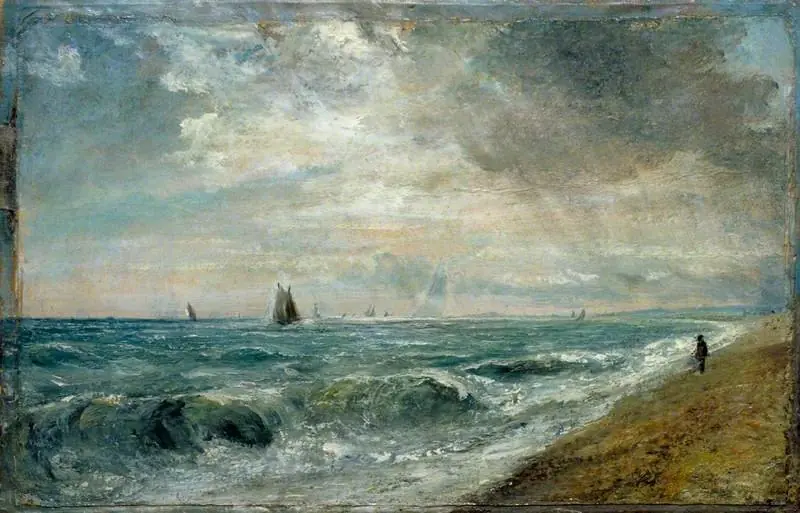
John Brett’s 1889 oil painting captures a low‑tide view of Kennack Sands on Cornwall’s coast. The composition presents an expansive, flat beach under an overcast sky, its muted palette echoing the subdued light of the sea and clouds. A cluster of weathered rocks breaks the sand’s uniformity, guiding the eye toward the distant horizon.
Subject & Meaning
The work records a moment of quiet on the shoreline, emphasizing the natural rhythm of tide and atmosphere. By portraying the beach at low water, Brett highlights the exposed geological forms and the subtle interplay between land and sea, inviting contemplation of the landscape’s transient states.
Technique & Style
Brett applies the Pre‑Raphaelite commitment to exact observation, rendering sand, rock and cloud with fine, almost scientific detail. His careful modulation of tone and restrained color scheme convey the muted ambience of an overcast day, while precise brushwork delineates texture without sacrificing overall harmony.
History & Provenance
Created in the late Victorian period, the painting entered the Ashmolean Museum’s collection, where it remains on view. Its acquisition reflects the museum’s interest in British landscape painting and the Pre‑Raphaelite movement’s influence on 19th‑century visual culture.
Context
Brett’s coastal scenes belong to a broader Victorian fascination with the British shoreline, a subject explored by contemporaries seeking scientific accuracy and aesthetic fidelity. Kennack Sands exemplifies this trend, situating the work within both regional topography and the era’s artistic debates about realism and detail.
Artist & collection
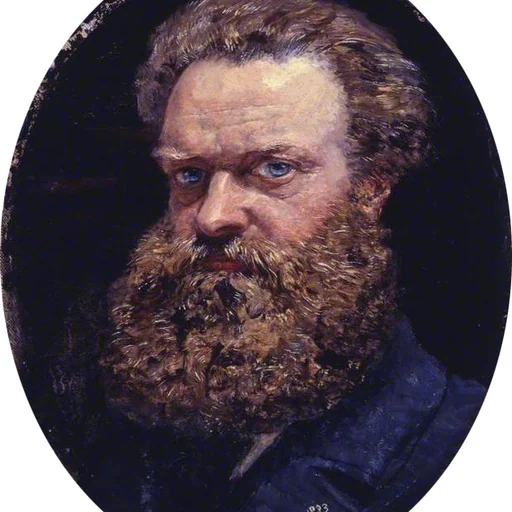
Artist
John Brett (8 December 1831 – 7 January 1902) was a British artist associated with the Pre-Raphaelite movement, mainly notable for his highly detailed landscapes.