Artwork
Glacier of Rosenlaui
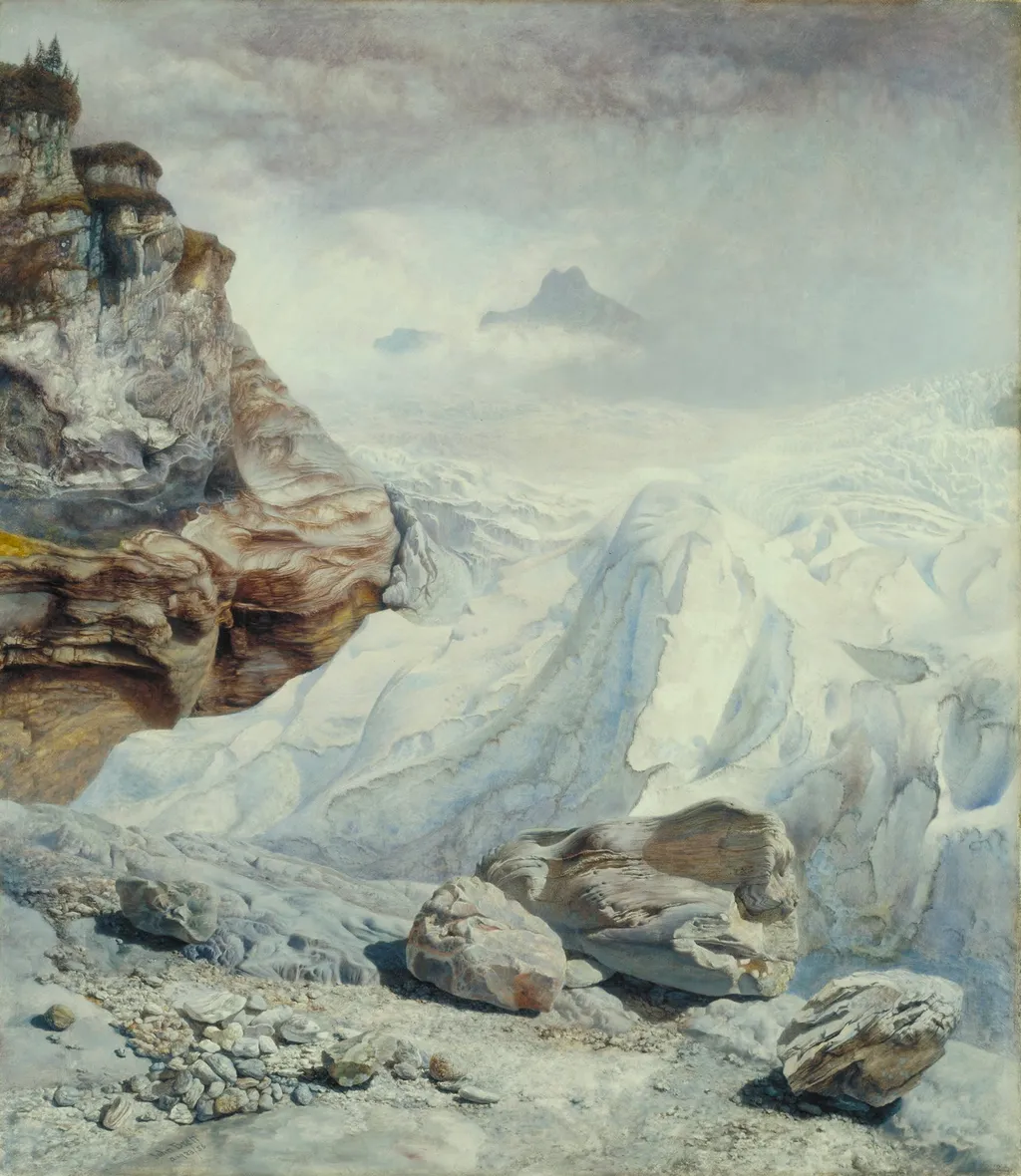
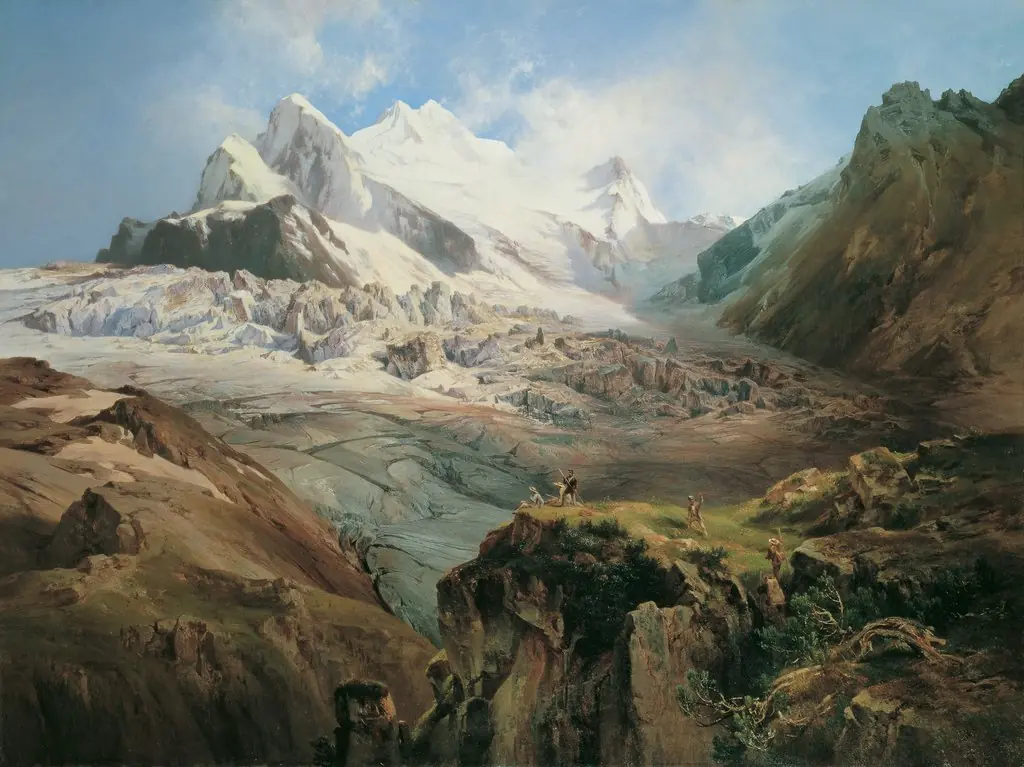
Glacier of Rosenlaui is an oil painting by the British Romanticist artist John Brett. It dates from 1856 and is held in the collection of the National Gallery.
About this work
Overview
The work reflects his commitment to detailed observation and naturalistic representation, qualities that aligned him with the Pre-Raphaelite circle.
John Brett painted *Glacier of Rosenlaui* in 1856 using oil on canvas, capturing a view of the Rosenlaui Glacier in the Swiss Alps. The work reflects his commitment to detailed observation and naturalistic representation, qualities that aligned him with the Pre-Raphaelite circle. Though not overtly narrative, the painting conveys a quiet reverence for untouched nature, grounded in direct study of the landscape rather than idealized composition.
Subject & Meaning
The painting presents a vast, silent expanse of glacial ice framed by steep, weathered mountains and a brooding sky. There is no human presence, emphasizing the scale and indifference of natural forces. The glacier, rendered with scientific precision, becomes a symbol of geological time and endurance, contrasting with the fleeting atmosphere above. The scene invites contemplation rather than emotional drama, reflecting a 19th-century fascination with nature’s sublime stillness.
Technique & Style
Brett employed fine brushwork and layered glazes to achieve luminous textures in the ice and rock surfaces. He used subtle shifts in tone and careful chiaroscuro to model forms, enhancing the illusion of depth. The sky, painted with loose, atmospheric strokes, contrasts with the sharp edges of the terrain. His method combined topographical accuracy with a sensitivity to light, resulting in a quiet but immersive realism that distinguished his approach from more theatrical Romantic landscapes.
History & Provenance
Brett completed the work after a trip to Switzerland in 1855, where he sketched the glacier on site. It was exhibited in London in 1856 and acquired by the Tate collection in the 20th century. The painting remained relatively private in its early years, admired by peers for its technical discipline rather than public acclaim. Its current placement at Tate Britain situates it within a broader narrative of British landscape painting’s engagement with European scenery.
Context
Created during a period when British artists increasingly traveled to the Alps for study, *Glacier of Rosenlaui* reflects a growing interest in geology and natural science. While Romanticism emphasized emotional awe, Brett’s approach leaned toward empirical observation, aligning with emerging scientific attitudes. His work stood apart from the more dramatic Alpine scenes of contemporaries, favoring quiet precision over theatrical grandeur.
Legacy
The painting is recognized as an early example of British landscape art that merged artistic discipline with scientific curiosity. Though Brett’s reputation waned in the 20th century, *Glacier of Rosenlaui* remains a key reference for understanding the transition from Romantic idealism to naturalist representation. Its presence in Tate Britain underscores its role in documenting how 19th-century artists engaged with the physical world through careful, patient observation.
Own this work as a print
Artist & collection
Artist
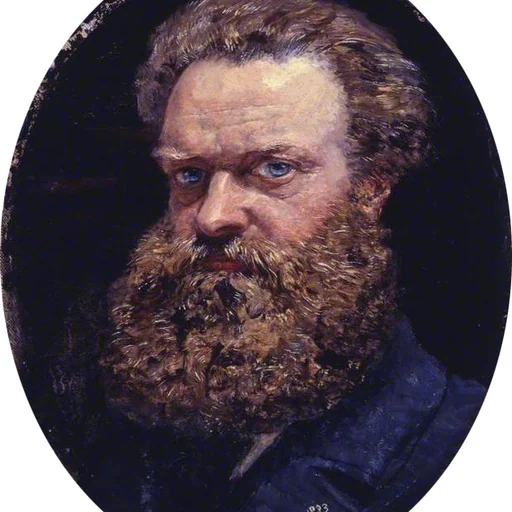
John Brett (8 December 1831 – 7 January 1902) was a British artist associated with the Pre-Raphaelite movement, mainly notable for his highly detailed landscapes.

 Der Stubaiferner in Tirol
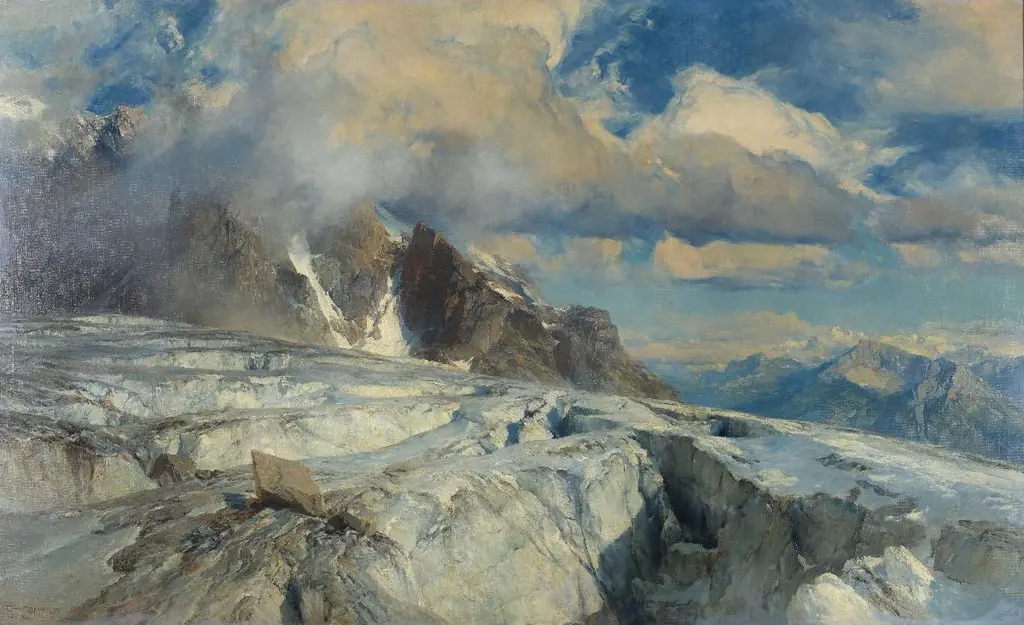 Saleinaz-Gletscher im Mont-Blanc-Gebiet
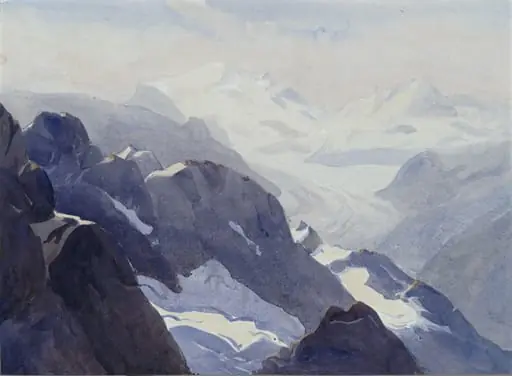 In the Alps
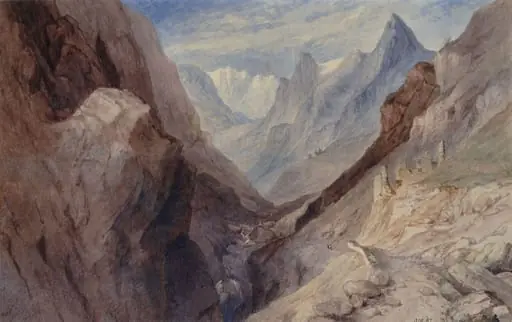 An Alpine pass
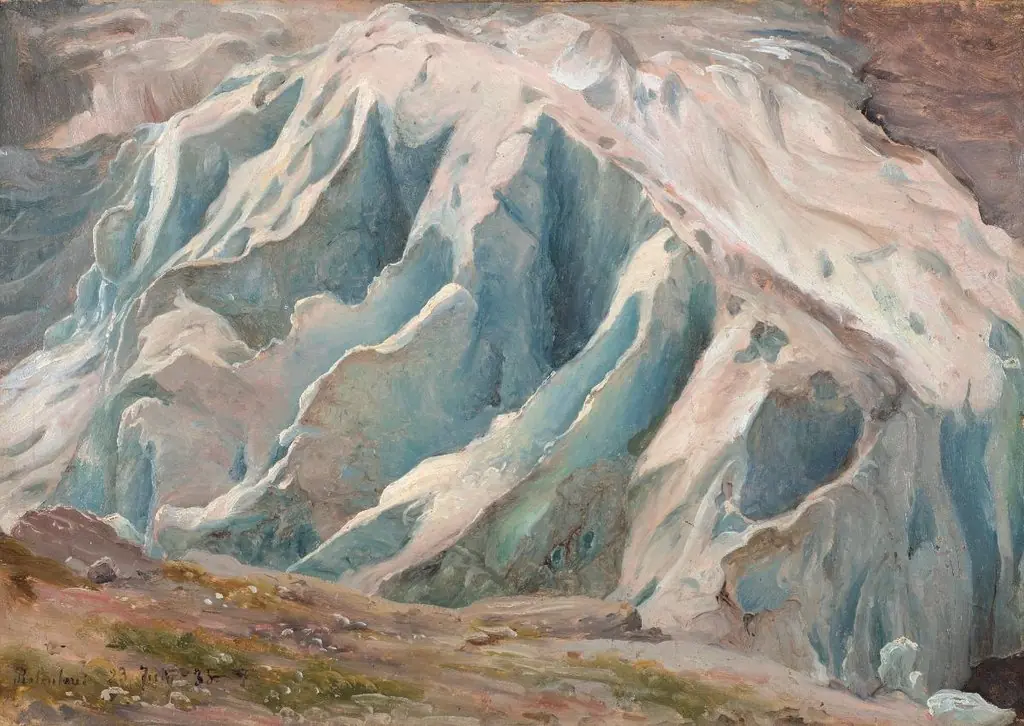 Studie zum Rosenlauigletscher
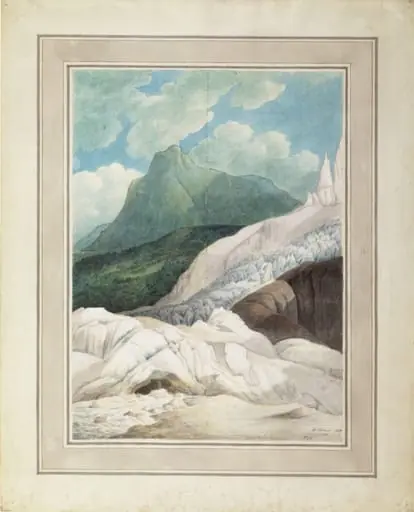 The Source of the Arveiron, with Mont Blanc in the Background
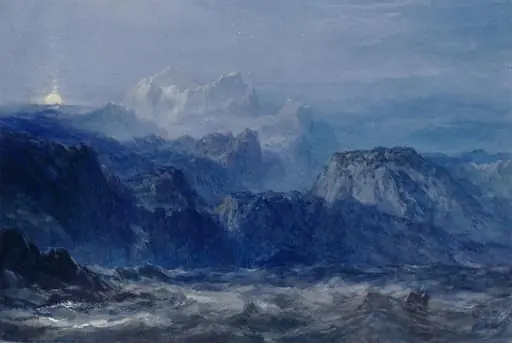 Dante's Dream
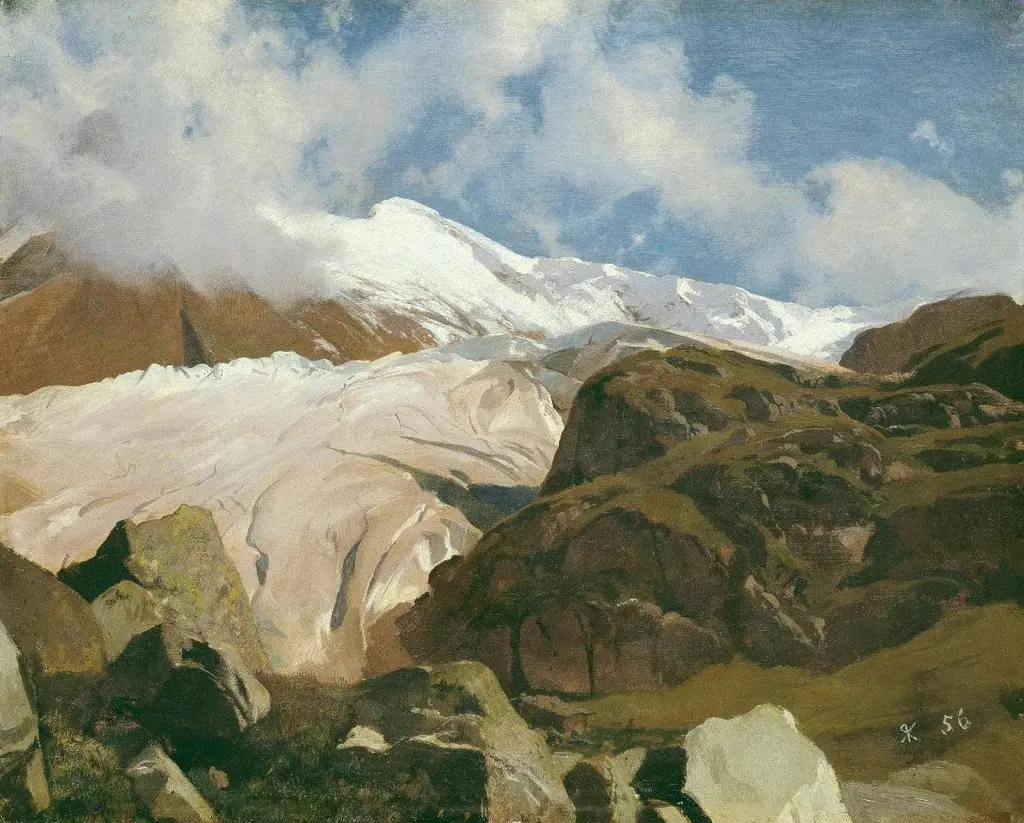 Gletscher am Sustenpass
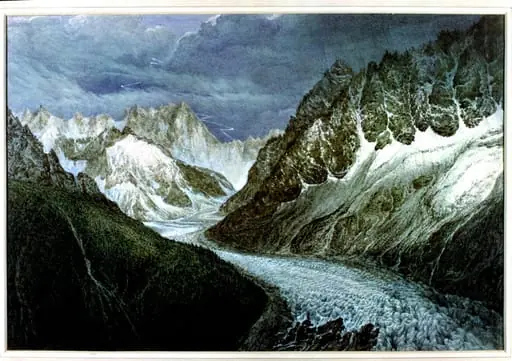 View of the Mer de Glace, with the Aiguille du Moine on the left, and the Grandes Forasses in distance to right
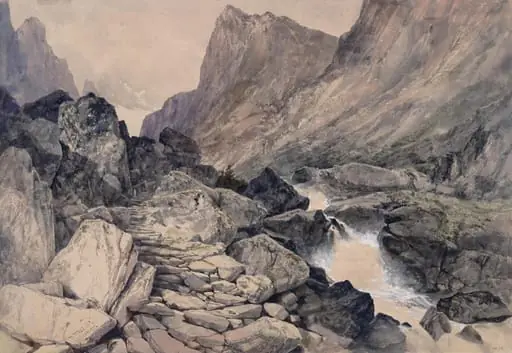 Mountain pass, Norway
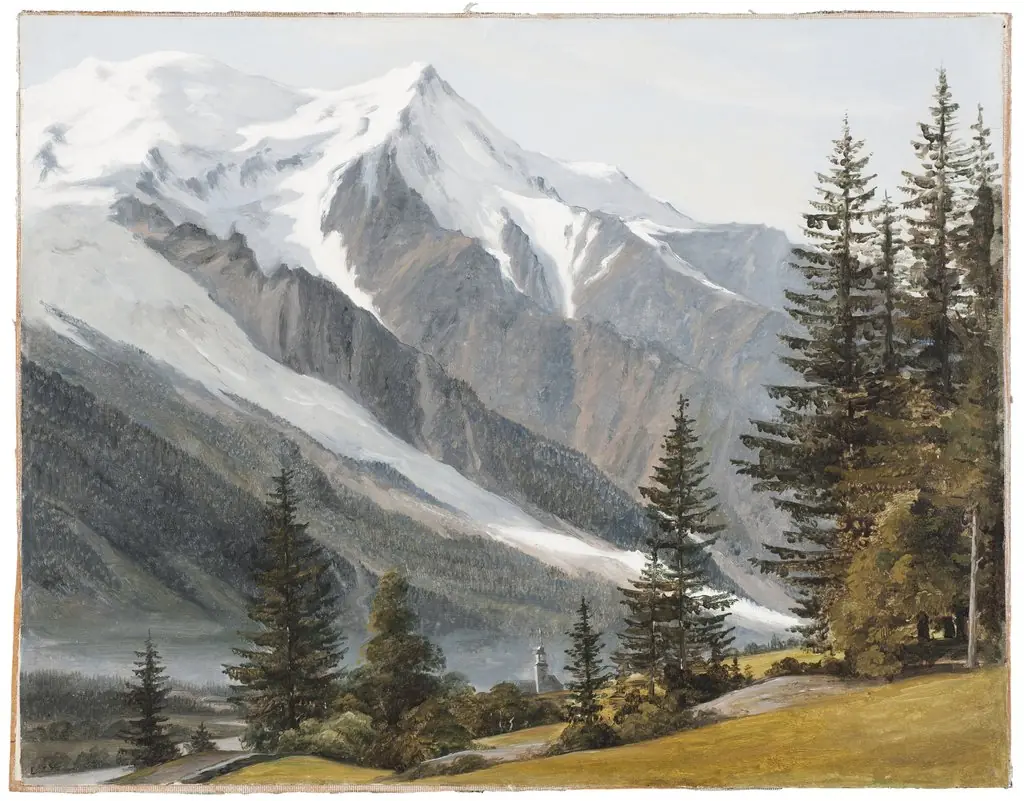 View of Chamonix-Mont-Blanc
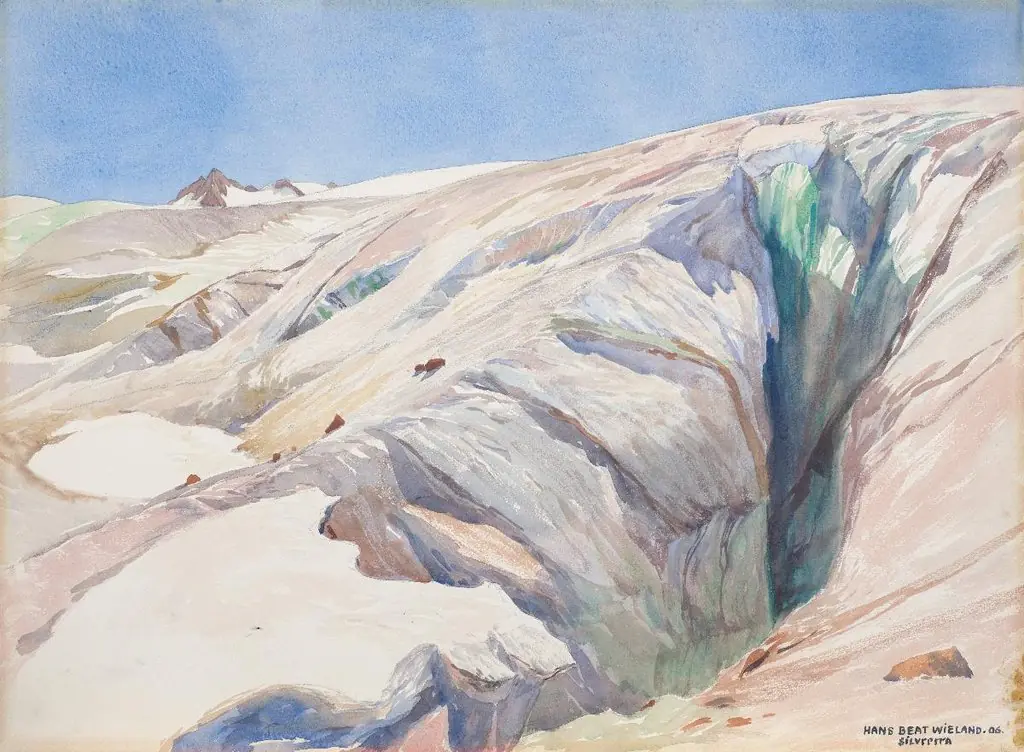 Silvrettagletscher