Artwork
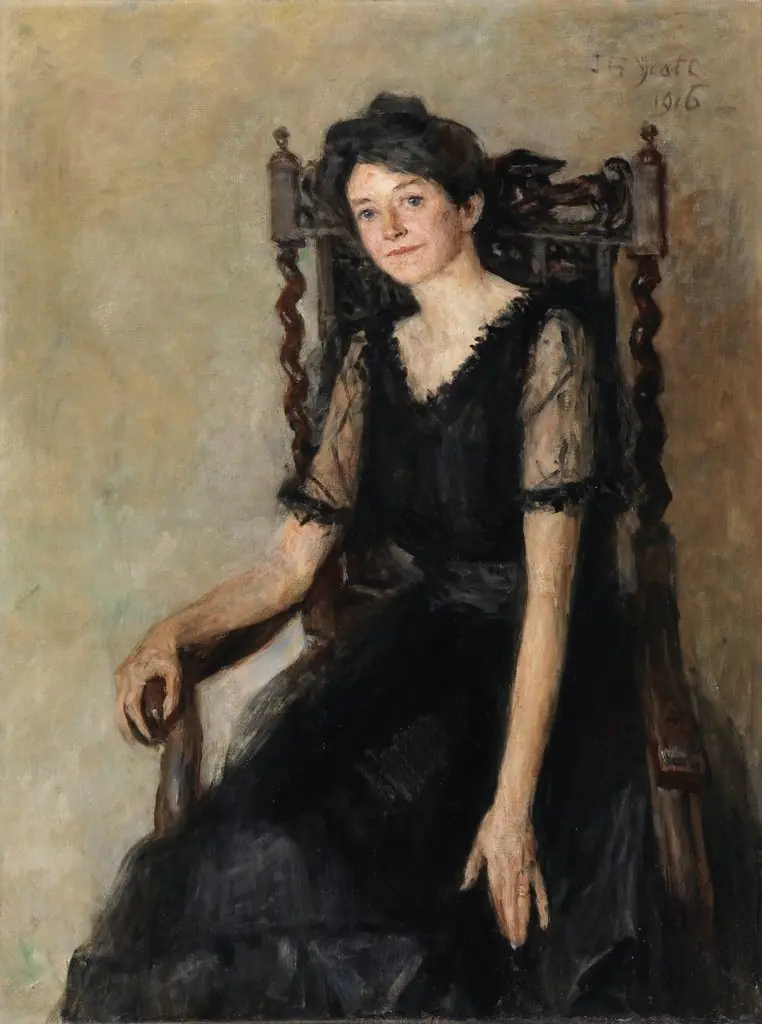
Portrait of Mrs Caughey
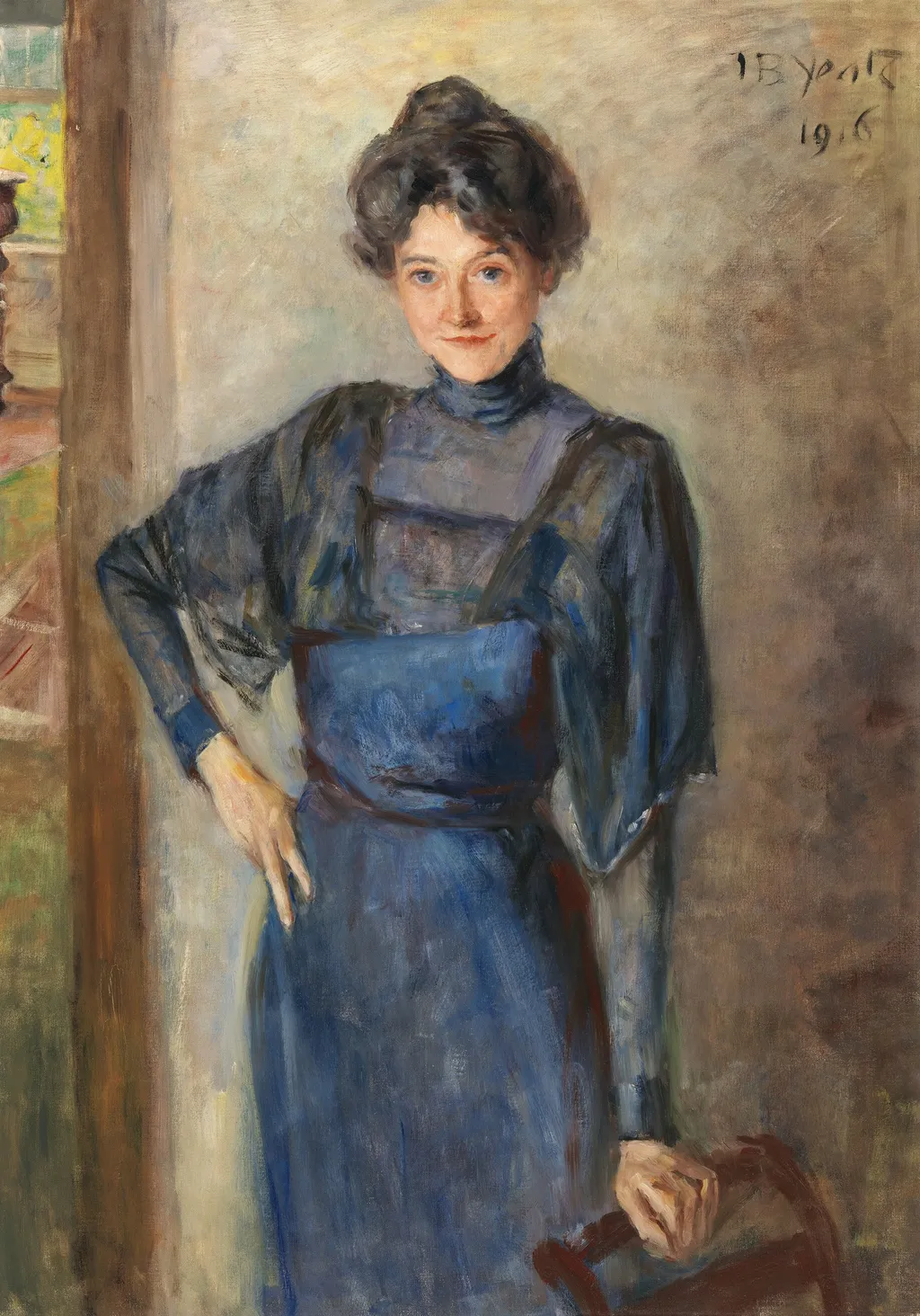
Portrait of Mrs Caughey is an oil painting by the American Impressionist artist John Butler Yeats. It dates from 1916 and is held in the collection of the National Gallery of Ireland.
About this work
Overview
Executed with loose brushwork and muted tones, the work reflects the artist’s engagement with late 19th- and early 20th-century portraiture traditions.
Painted in 1916 by John Butler Yeats, this oil portrait depicts Mrs. Caughey in a composed, upright stance. Executed with loose brushwork and muted tones, the work reflects the artist’s engagement with late 19th- and early 20th-century portraiture traditions. It resides in the National Gallery of Ireland, where it is recognized as part of Yeats’s broader exploration of character through intimate, unidealized representation.
Subject & Meaning
Mrs. Caughey is portrayed with quiet authority, her left hand resting on her hip and right hand lightly touching a chair back. The stillness of her posture and direct gaze suggest self-possession rather than performative elegance. The absence of ornate surroundings or symbolic props directs focus to her demeanor, implying a personal, rather than social, statement about identity and presence.
Technique & Style
Yeats employed broad, fluid brushstrokes to define form, avoiding sharp contours in favor of tonal transitions. The dark blue dress contrasts subtly with the pale wall behind, creating spatial depth without linear perspective. Color is restrained, with soft highlights on skin and fabric suggesting natural light. The technique prioritizes atmospheric effect over精细 detail, aligning with impressionist sensibilities adapted to portraiture.
History & Provenance
The painting was completed during Yeats’s later years, after he had settled in New York but maintained ties to Ireland. It entered the National Gallery of Ireland’s collection in the mid-20th century, likely through donation or bequest. Its provenance remains modest, with no documented exhibition history prior to its acquisition, reflecting its status as a private commission rather than a public statement.
Context
Created in 1916, the portrait coincides with Yeats’s increasing focus on psychological depth in portraiture amid the rise of modernist movements. Though often associated with American Impressionism due to his residence in the U.S., his style remained distinct—less concerned with light effects than with capturing inner stillness. The work reflects a transatlantic artistic milieu where European traditions met American realism.
Legacy
Though not widely exhibited, the portrait contributes to understanding John Butler Yeats’s role as a bridge between 19th-century academic portraiture and early modernist approaches. It stands as a quiet example of his ability to convey character through restraint. His influence extended indirectly through his son, W. B. Yeats, but this work endures on its own terms as a thoughtful study of individual presence.
Own this work as a print
Artist & collection
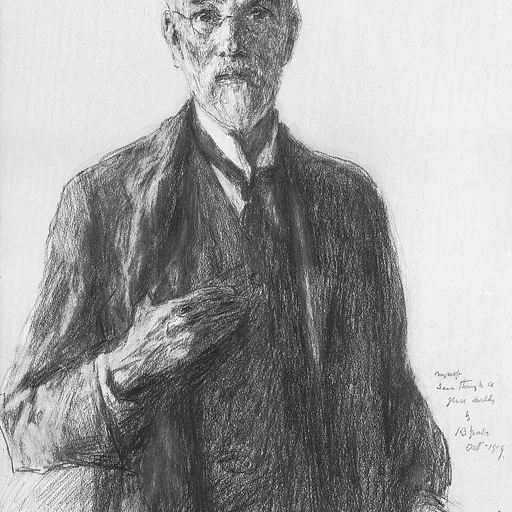
Artist
John Butler Yeats RHA (16 March 1839 – 3 February 1922) was an Irish artist and the father of W.

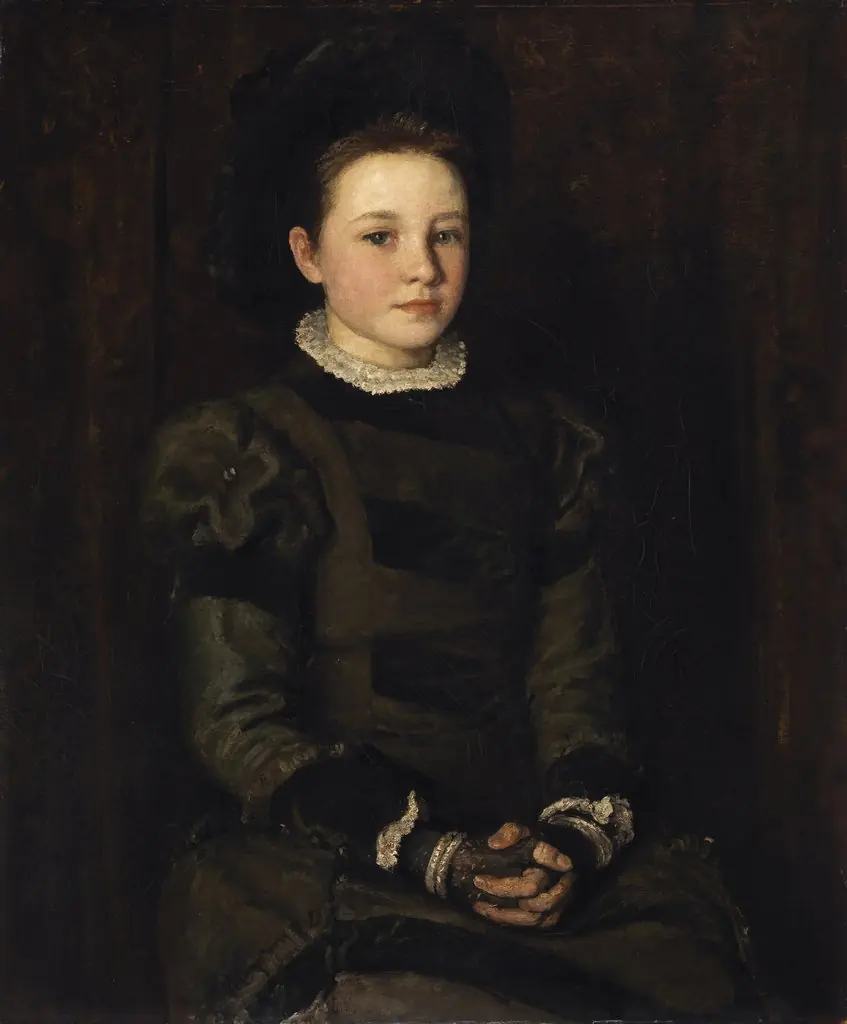 Portrait of Hester Dowden as a Child
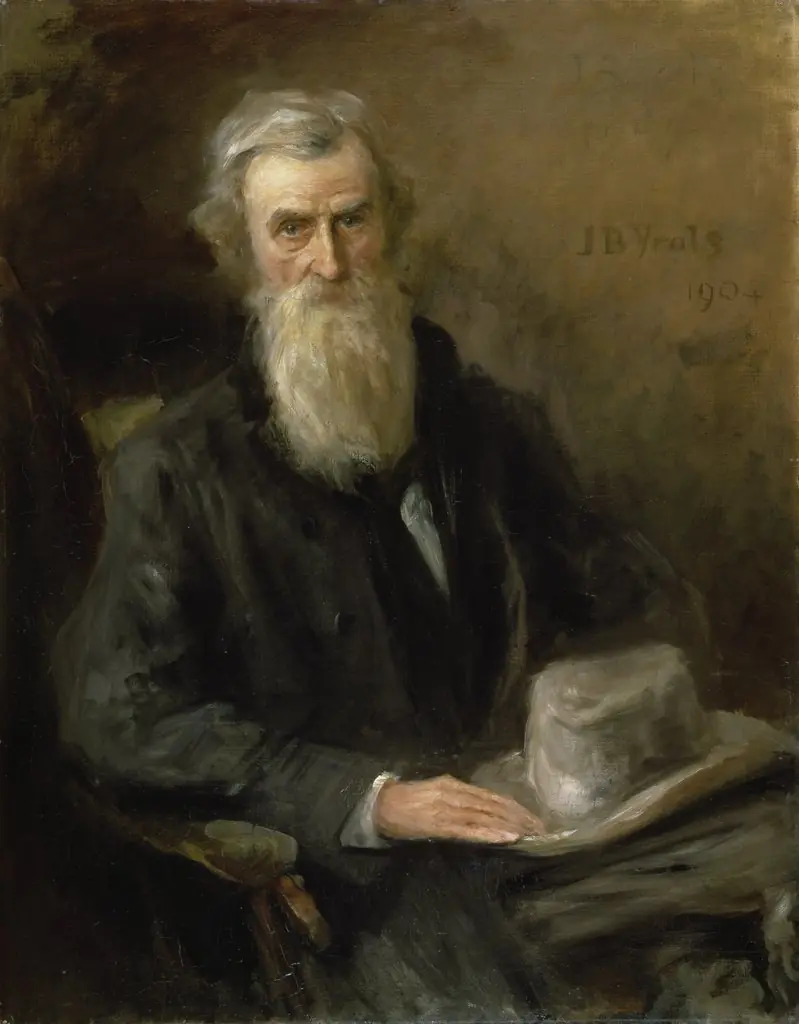 Portrait of John O'Leary (1830-1907), Nationalist and Journalist
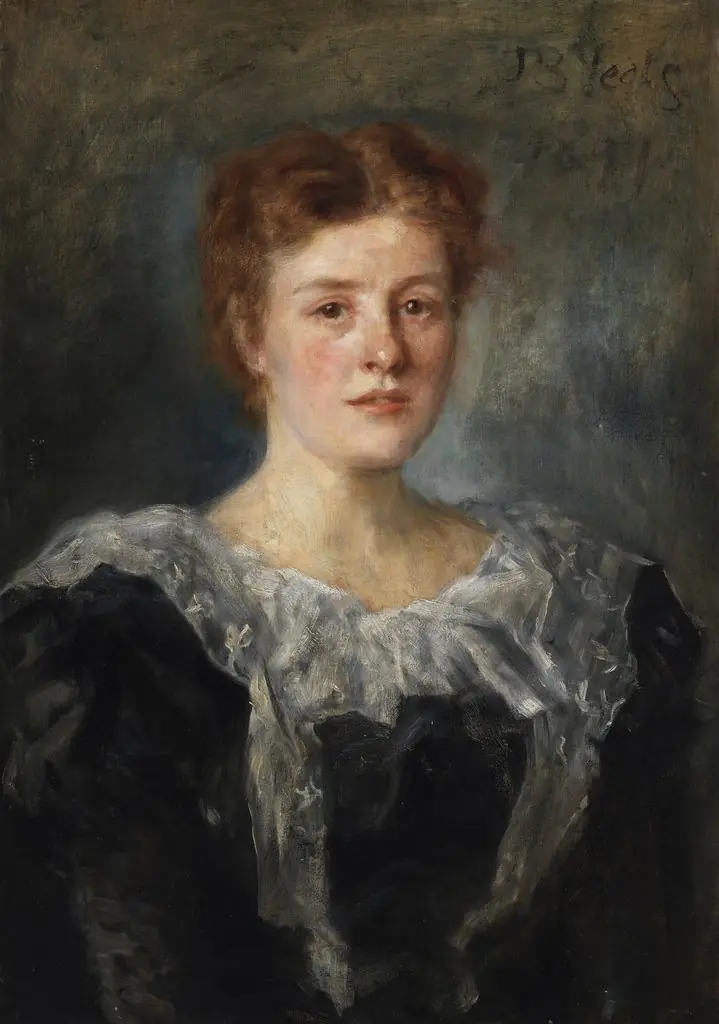 Portrait of Susan Mitchell (1866-1926), Poet
 Portrait of The Artist's Wife, Susan Mary Pollexfen (1841-1900)
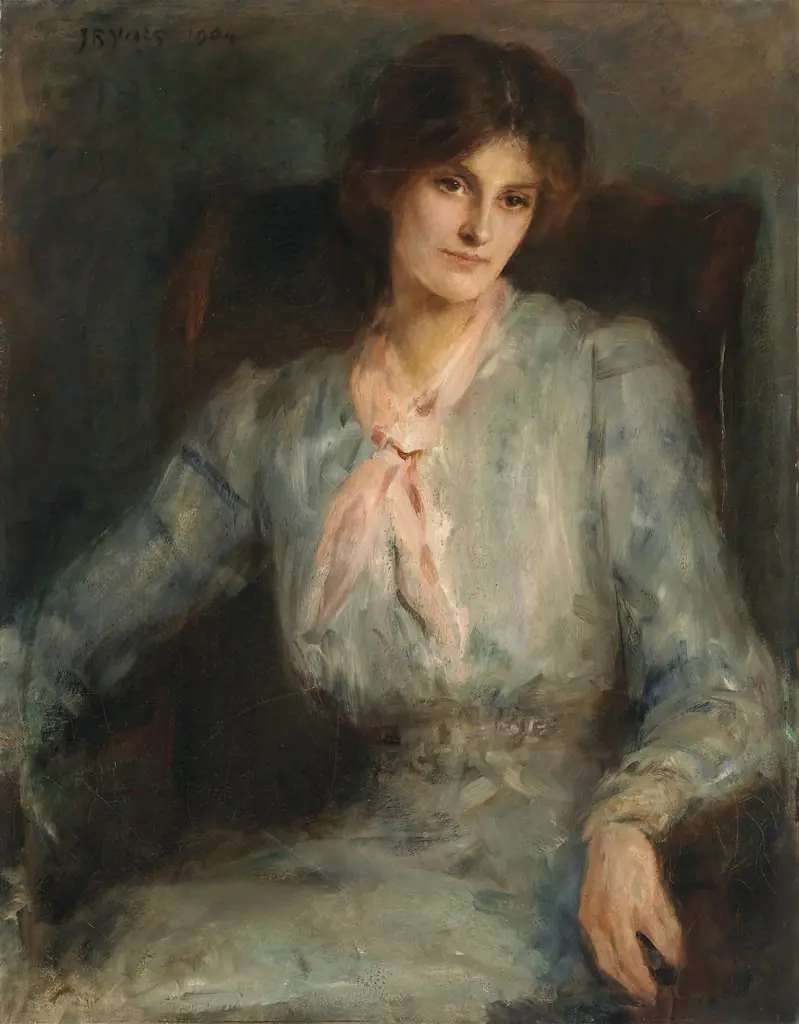 Portrait of Maire Nic Shiubhlaigh (1883-1958), Actress
 Portrait of Jack B. Yeats (1871-1957)
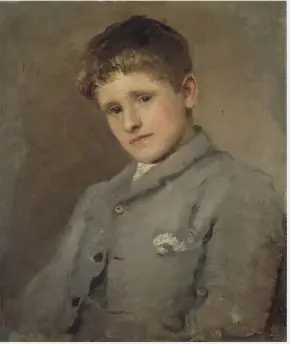 Portrait of Jack B. Yeats (1871-1957) as a Boy
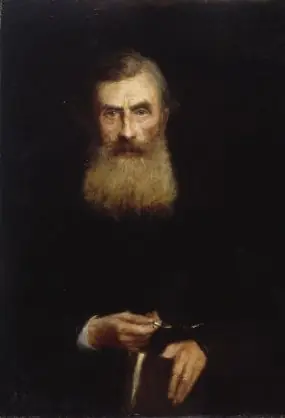 Portrait of John O'Leary (1830-1907) Nationalist and Journalist
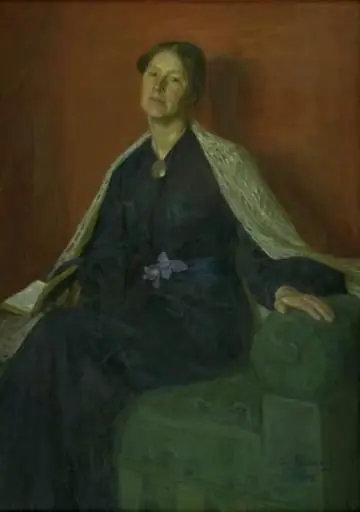 Portrait of a Lady
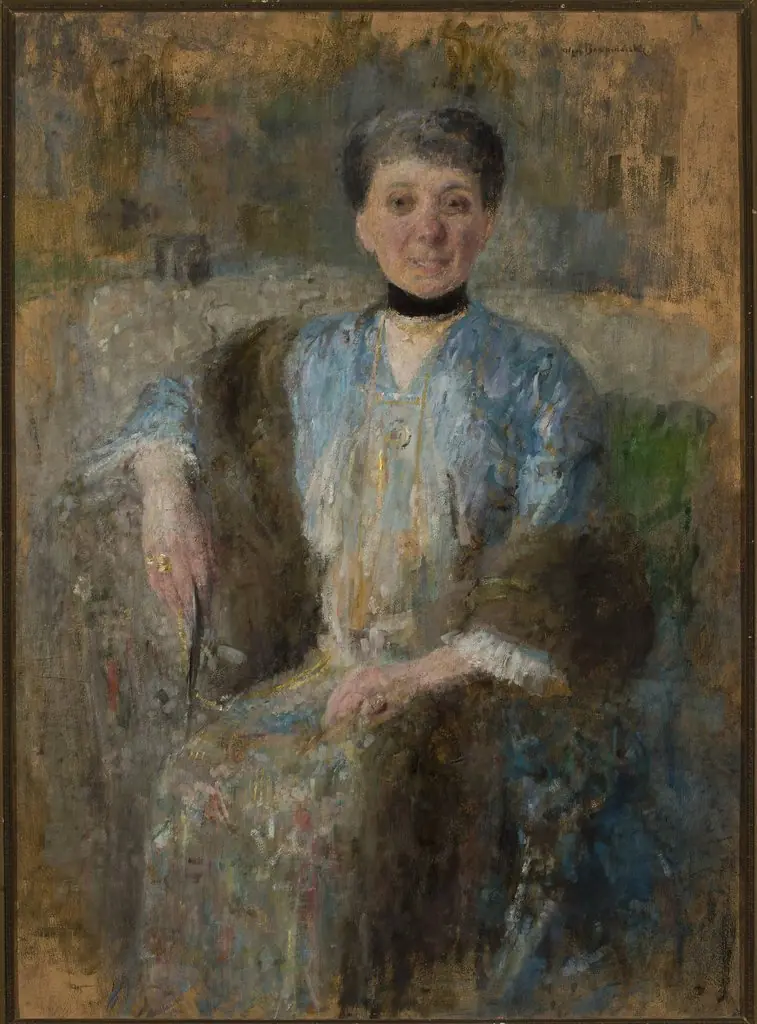 Portrait of Maria Morzycka
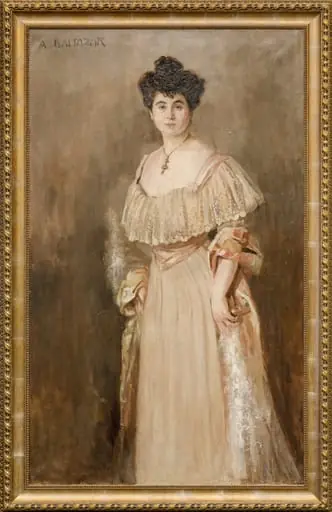 Portret de femeie
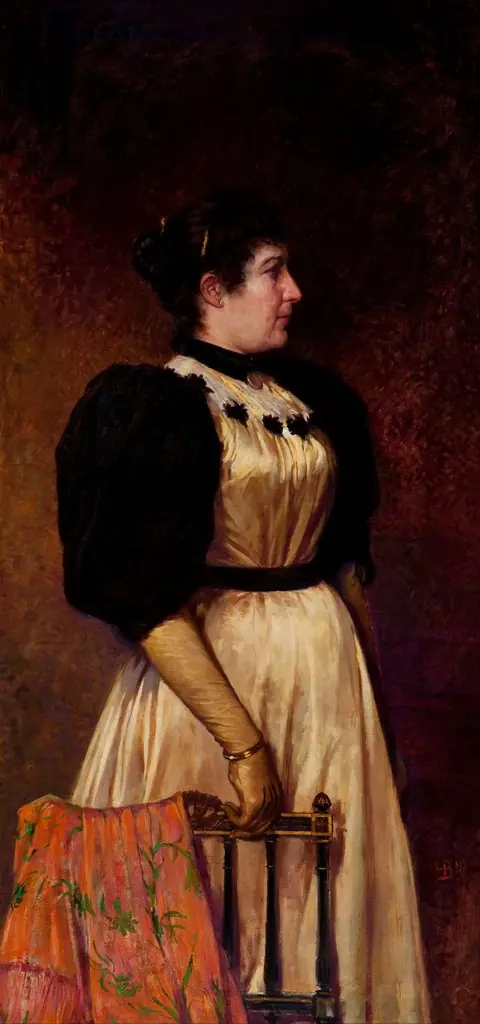 Portrait of a Lady
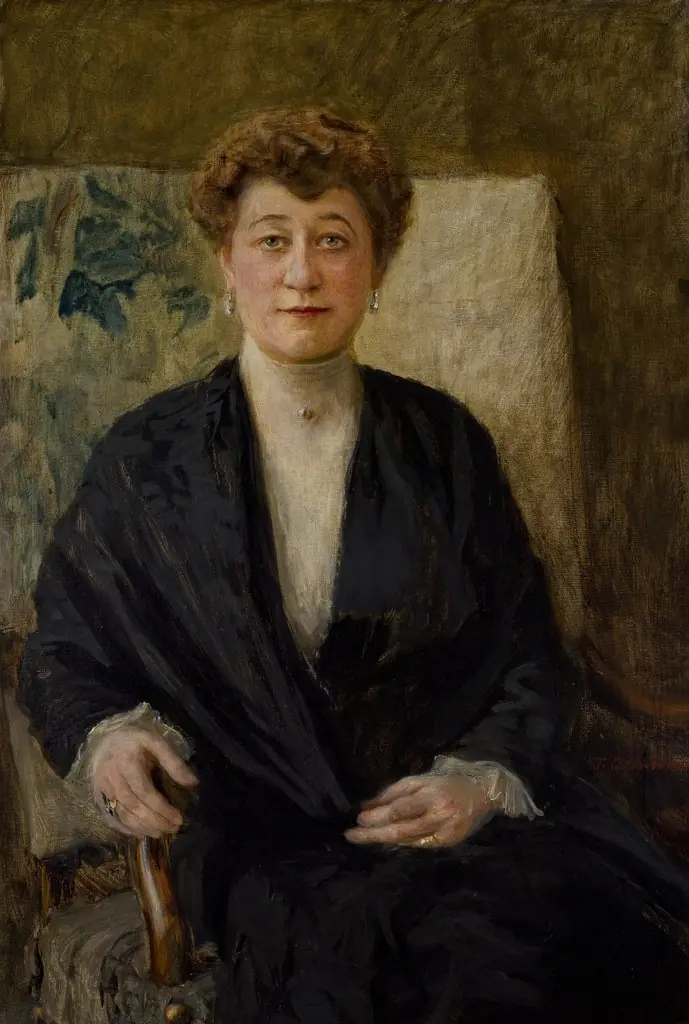 Portrait of Zofia Dolińska née Niesiołowska
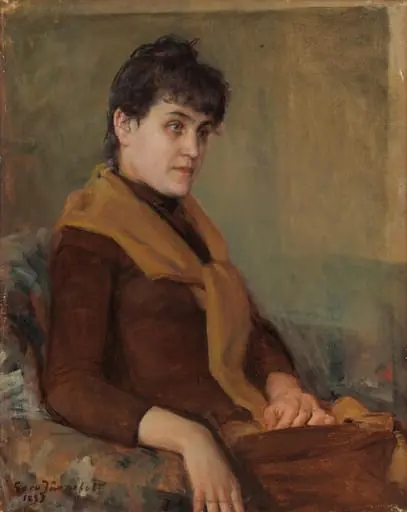 Saimin kihlajaismuotokuva
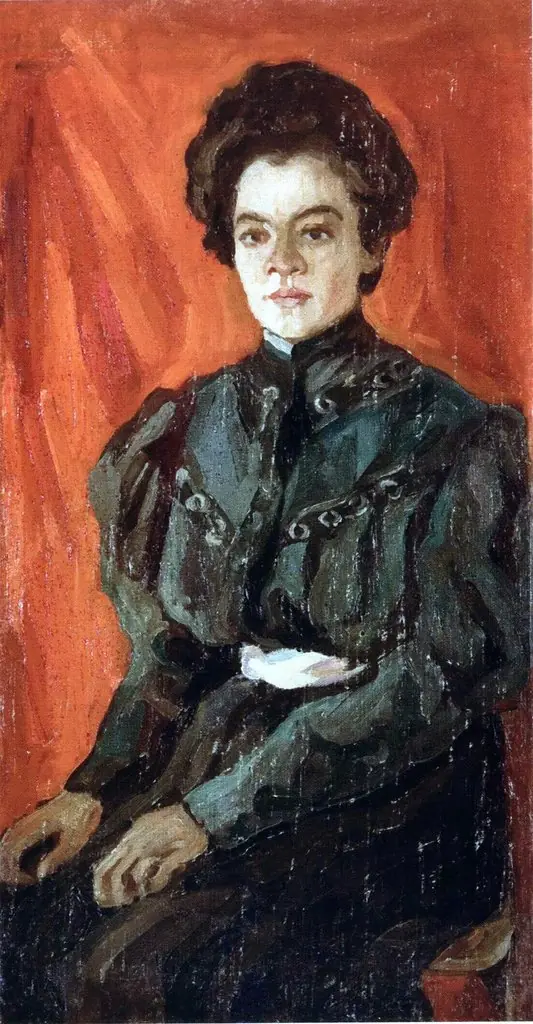 Female Portrait
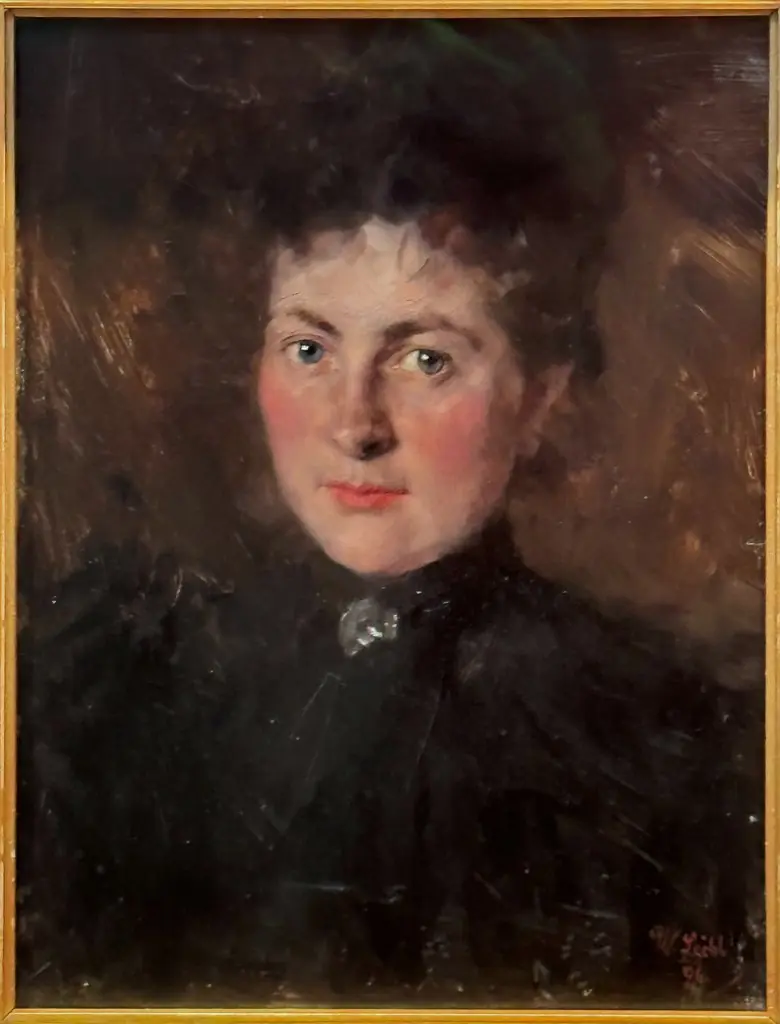 Felicia Kirchdorffer, die Nichte des Künstlers
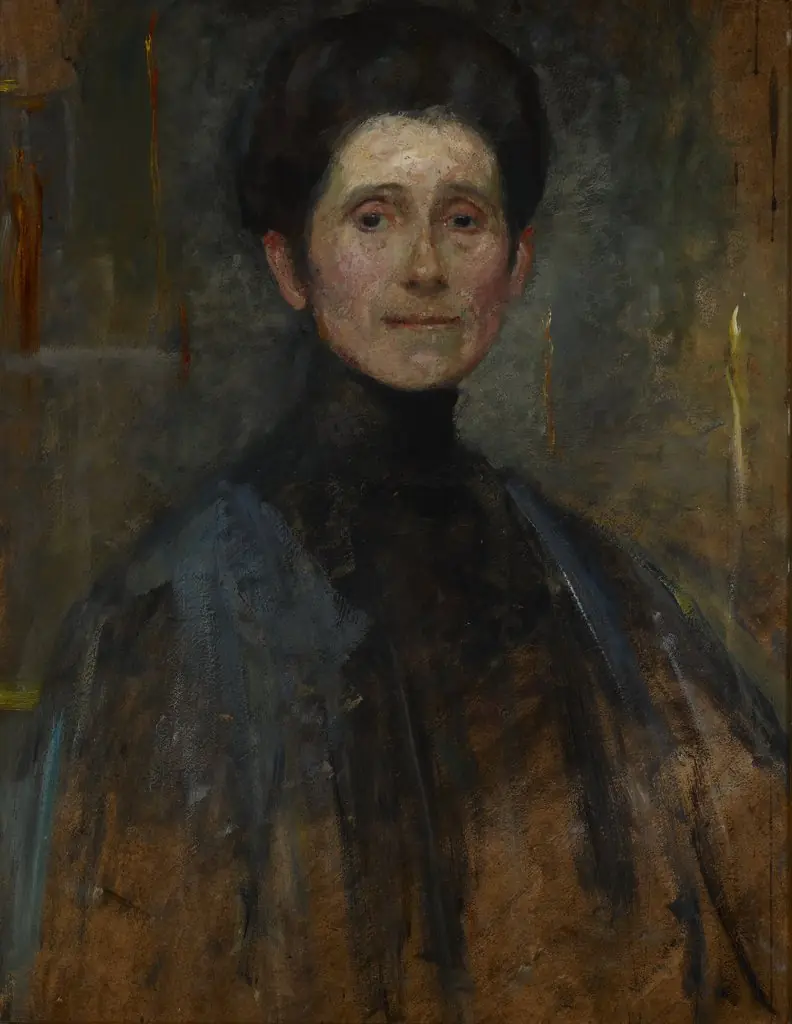 Self-Portrait
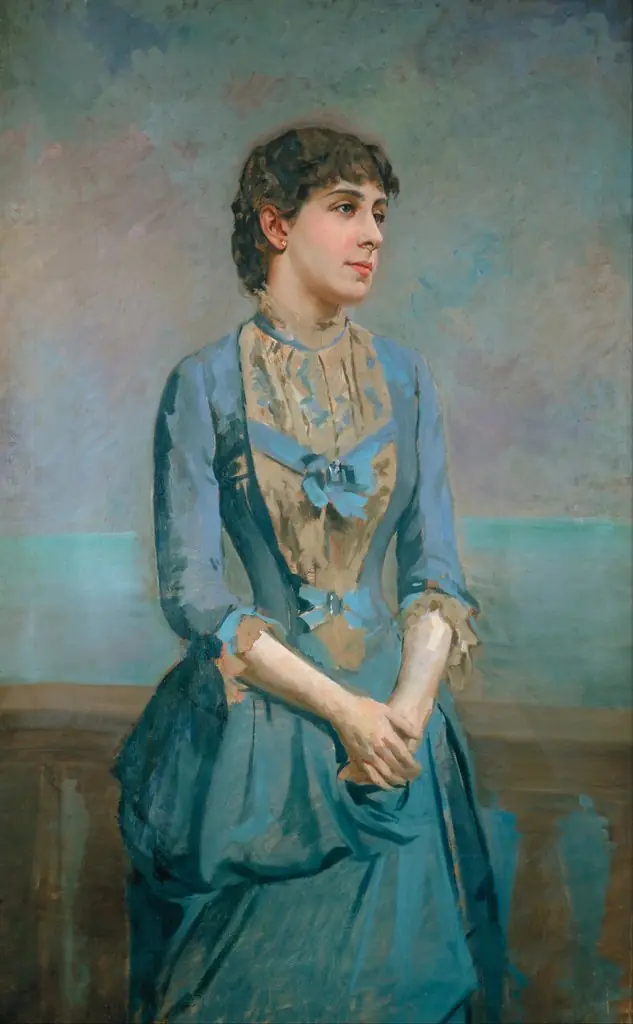 Portrait of Lluïsa Dulce i Tresserra, Marquise of Castellflorite
 Portrait of Mrs Caughey