Artwork
Portrait of Reverend P.S. Dineen (1860-1934), Lexicographer
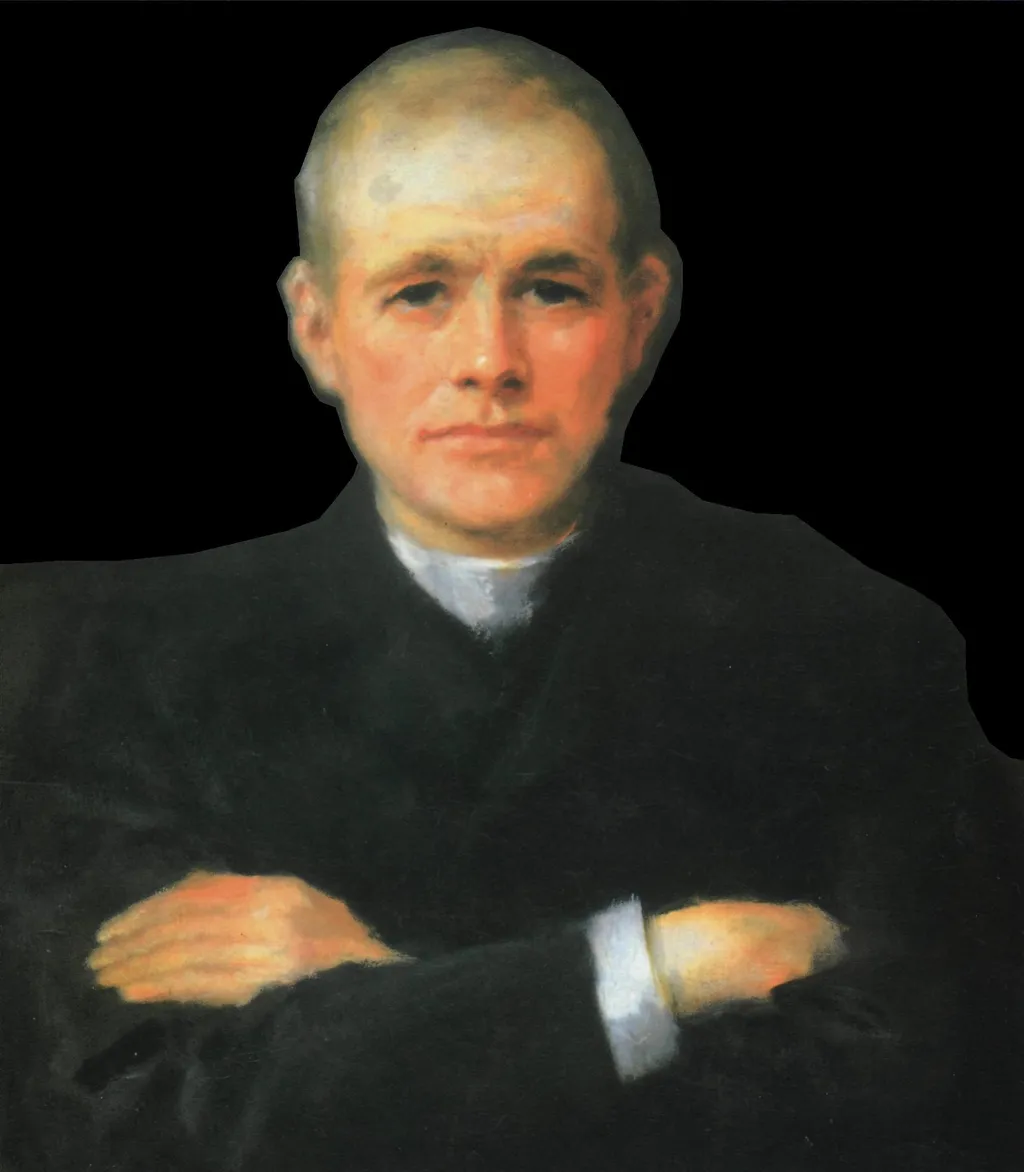
Portrait of Reverend P.S. Dineen (1860-1934), Lexicographer is an oil painting by the Post-Impressionist artist John Butler Yeats. It dates from 1905 and is held in the collection of the National Gallery of Ireland.
About this work
Overview
The composition is tightly focused on the sitter, set against a flat black background that eliminates contextual distractions.
Painted in 1905 by John Butler Yeats, this oil portrait depicts Reverend P.S. Dineen, an Irish scholar known for his work on Irish lexicography. The composition is tightly focused on the sitter, set against a flat black background that eliminates contextual distractions. Yeats, an Irish artist and father of W.B. Yeats, employed a direct, expressive style that emphasized psychological presence over decorative detail.
Subject & Meaning
Reverend Dineen, a Catholic priest and linguist, is portrayed with quiet intensity. His shaved head and clerical attire signal his religious role, while his crossed arms and steady gaze suggest contemplation and intellectual resolve. The absence of symbolic objects or setting shifts attention entirely to his demeanor, inviting the viewer to consider the inner life of a man devoted to language and scholarship.
Technique & Style
Yeats used broad, deliberate brushwork and a restrained palette dominated by dark tones with accents of white and gray. The solid black background enhances the sculptural quality of the figure, while the textured rendering of fabric and skin conveys tactile presence. His approach aligns with post-impressionist tendencies, prioritizing emotional resonance over naturalistic detail, and revealing his interest in character over convention.
History & Provenance
The portrait entered the National Gallery of Ireland’s collection in the 20th century, where it remains part of its permanent holdings. It was likely acquired following Yeats’s growing recognition in Irish artistic circles. No record suggests the painting was commissioned; its creation may have stemmed from personal or intellectual connection between artist and subject.
Context
In early 20th-century Ireland, portraits of scholars and clergy often served as cultural markers, affirming the value of intellectual life amid political change. Yeats, though not formally trained, was part of a circle that included writers and thinkers invested in Irish identity. This portrait reflects a broader effort to visually document the nation’s intellectual figures with dignity and depth.
Legacy
The portrait endures as a quiet testament to Yeats’s ability to capture inner life through minimal means. While less known than his son’s literary achievements, John Butler Yeats’s portraits are now recognized for their psychological acuity. This work contributes to a modest but significant body of Irish portraiture that values substance over spectacle.
Artist & collection
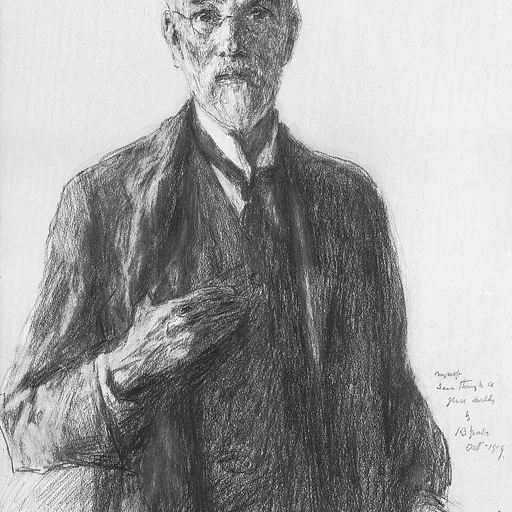
Artist
John Butler Yeats RHA (16 March 1839 – 3 February 1922) was an Irish artist and the father of W.

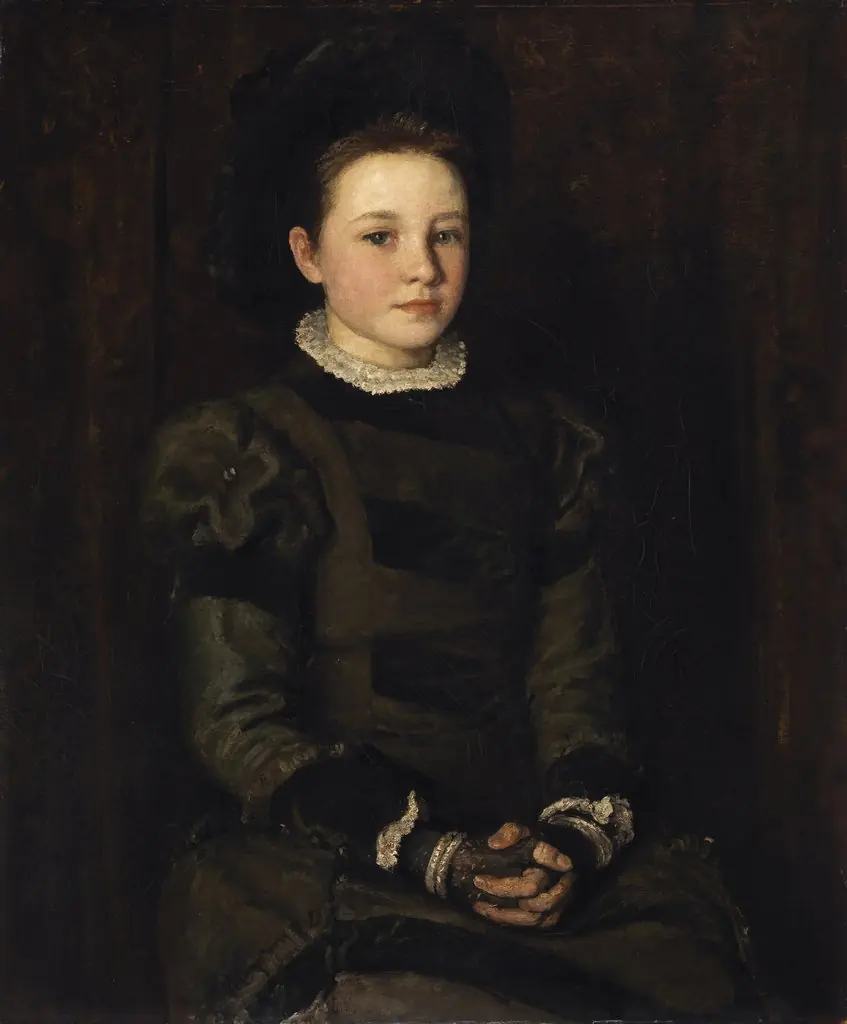 Portrait of Hester Dowden as a Child
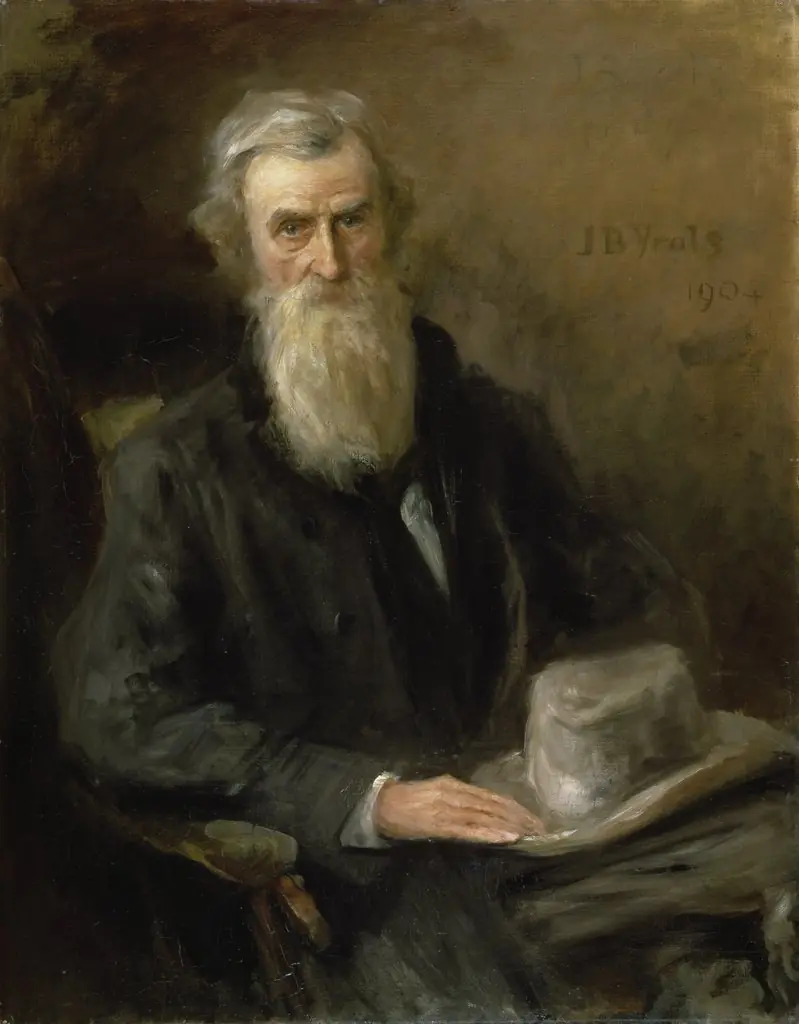 Portrait of John O'Leary (1830-1907), Nationalist and Journalist
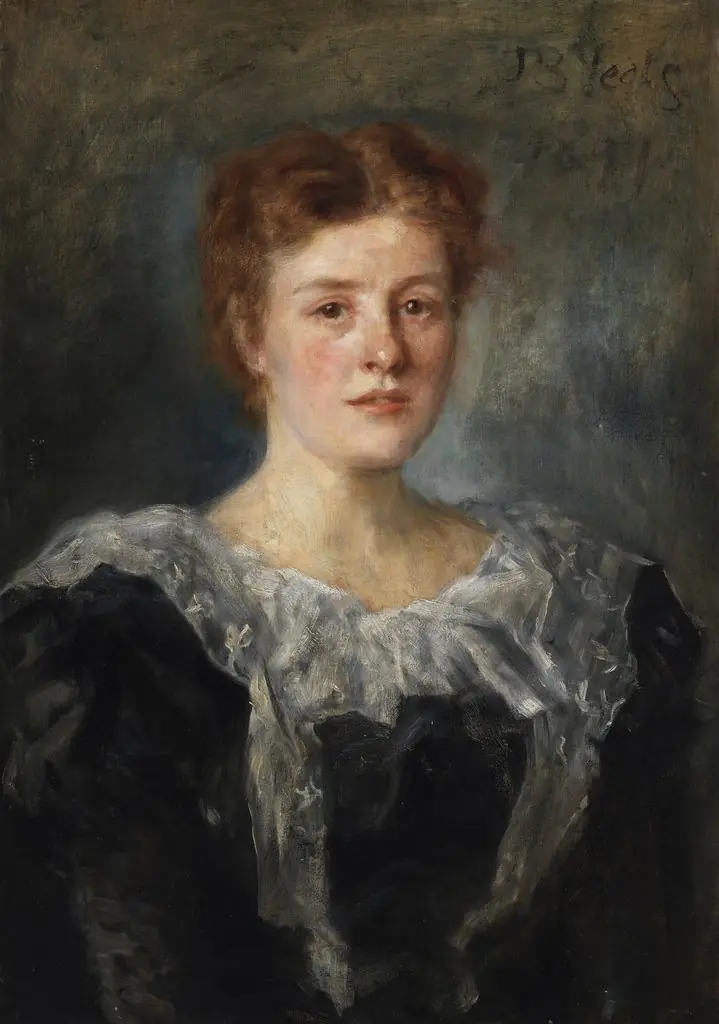 Portrait of Susan Mitchell (1866-1926), Poet
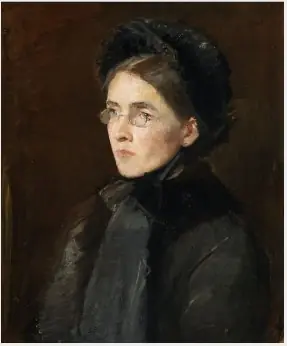 Portrait of The Artist's Wife, Susan Mary Pollexfen (1841-1900)
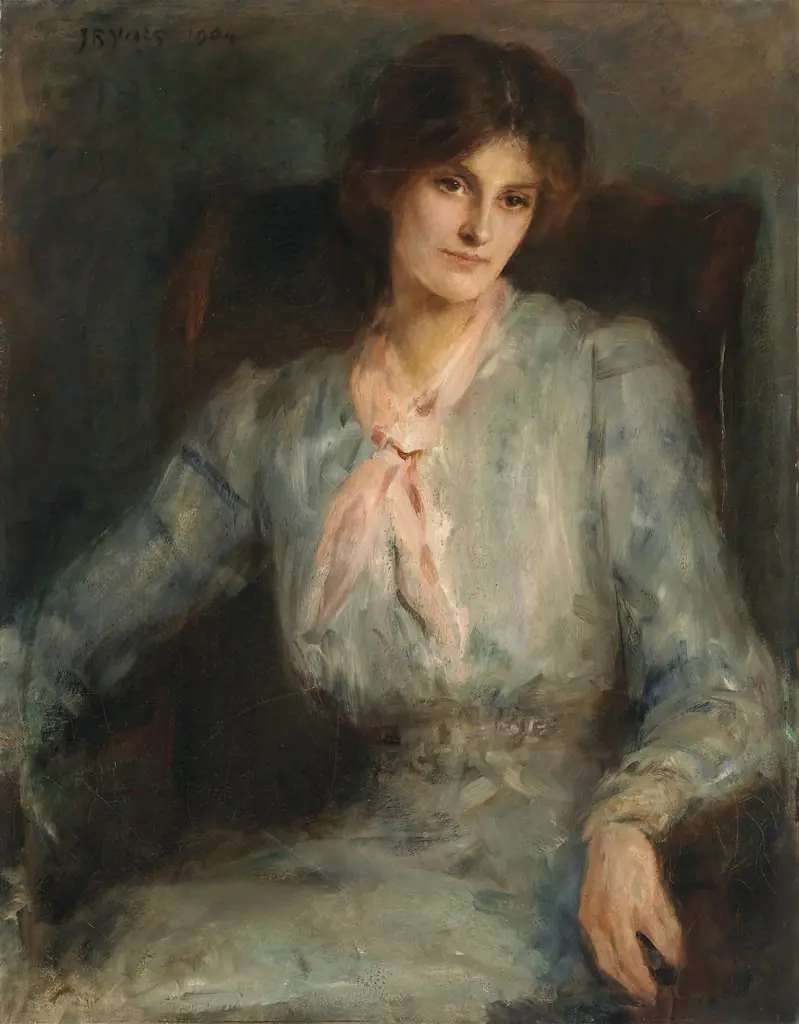 Portrait of Maire Nic Shiubhlaigh (1883-1958), Actress
 Portrait of Jack B. Yeats (1871-1957)
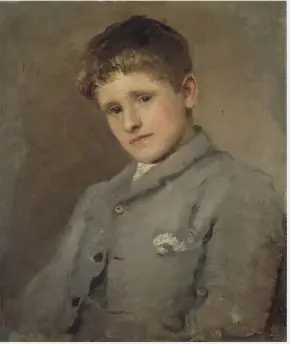 Portrait of Jack B. Yeats (1871-1957) as a Boy
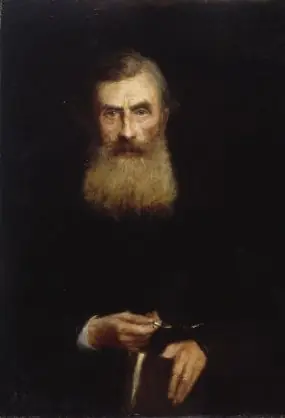 Portrait of John O'Leary (1830-1907) Nationalist and Journalist
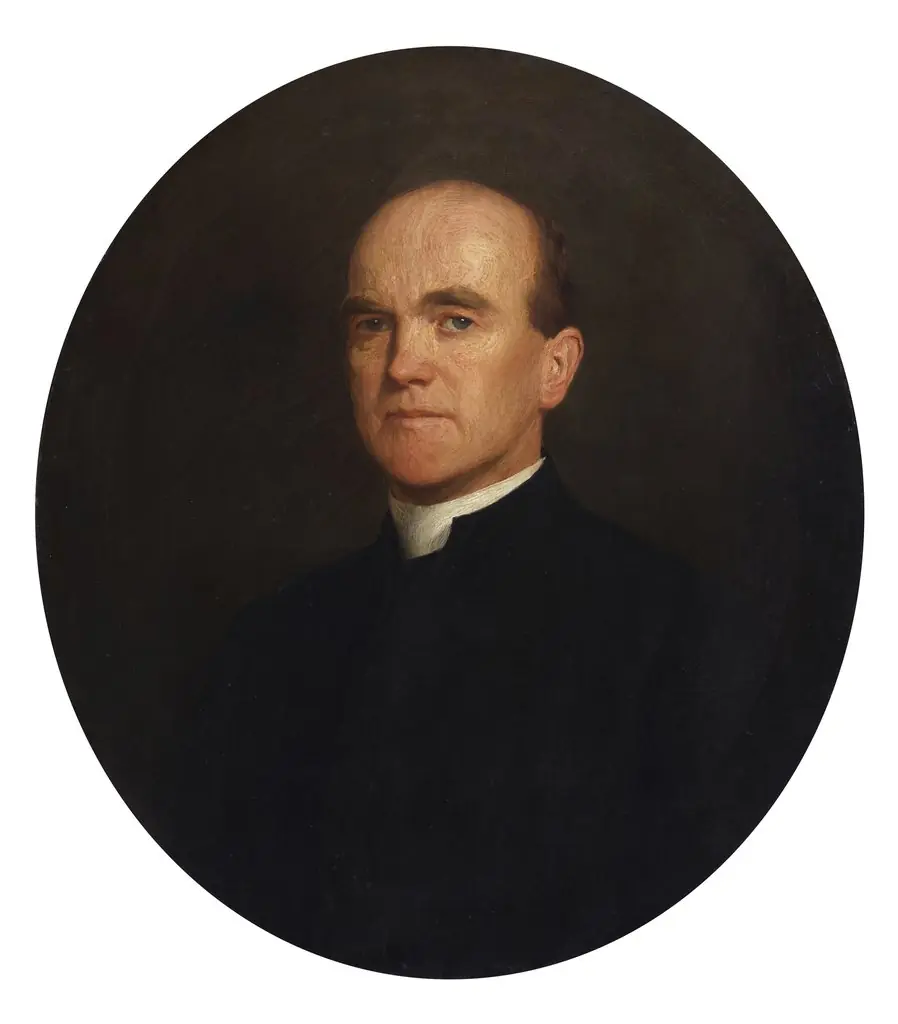 Gerald (Jeremiah) O’Donovan (1871-1942), Novelist, Political Essayist and Irish Revivalist
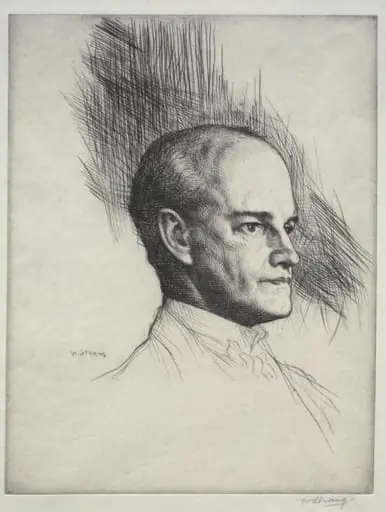 John Galsworthy
 Dom Prosper Gueranger, Abbe of Solesmes
 The Rt. Reverend William Lawrence
 Portret van Augustinus Gerardus Hubertus van Rijckevorsel (1828 - ’s-Hertogenbosch - 1891)
 Portrait
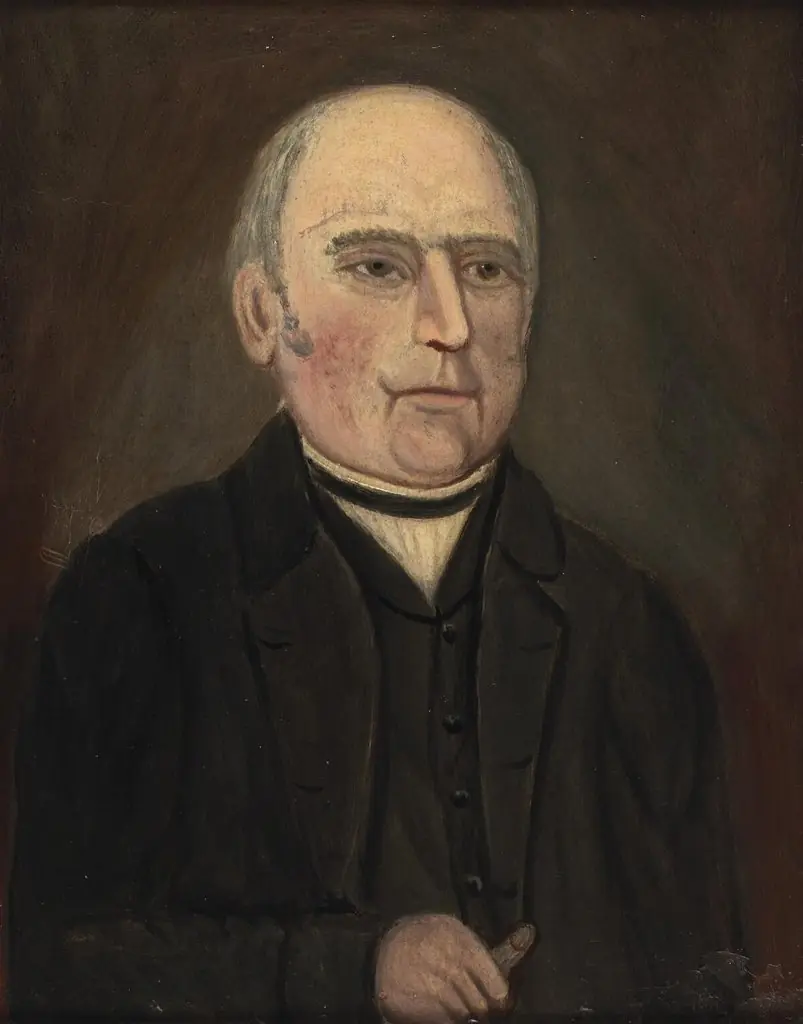 Reverend John Jones, Talysarn, Carnarvon
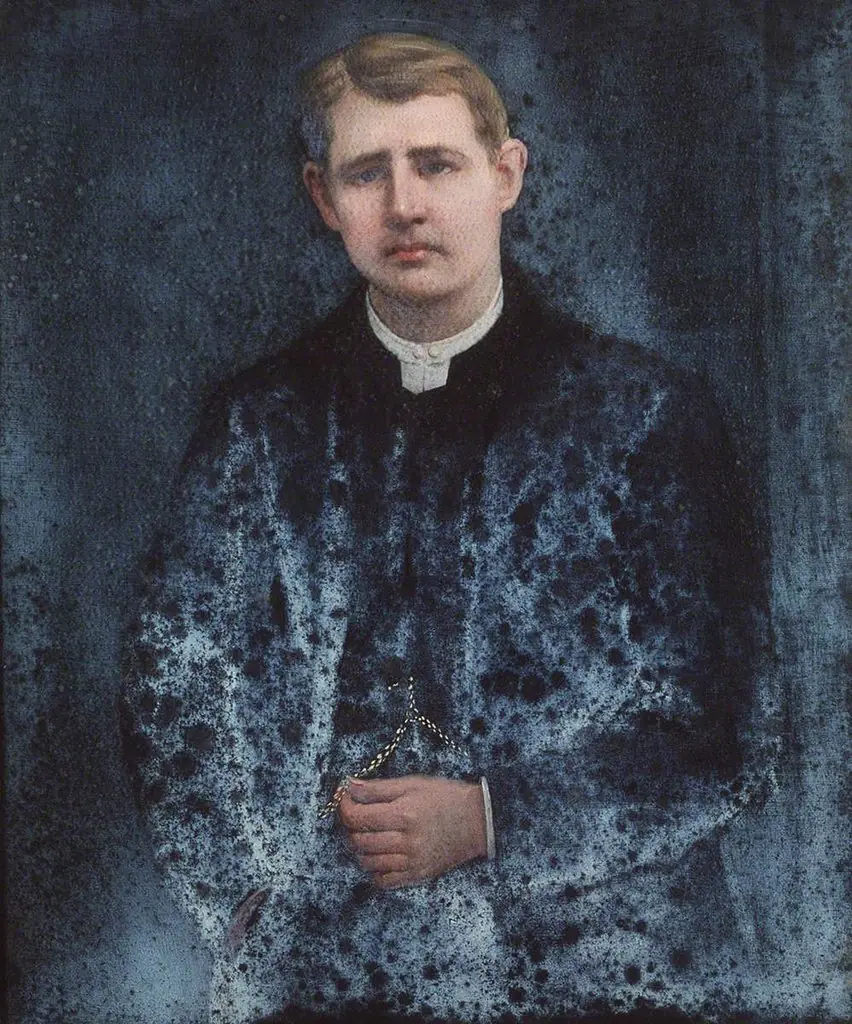 Portrait of a Young Minister of Religion
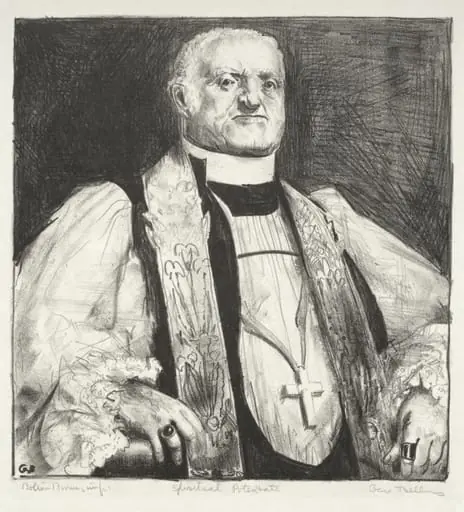 Spiritual Potentate
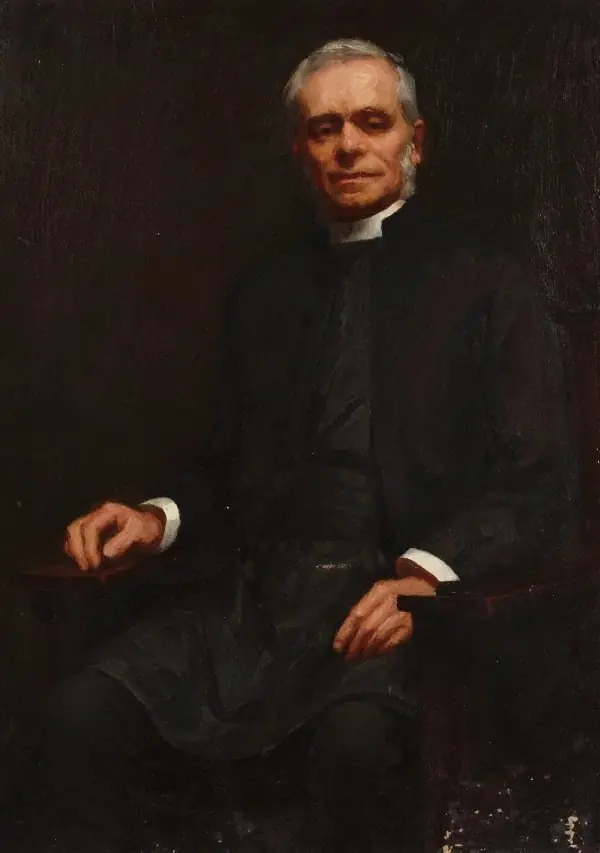 The Reverend Canon Boyce
 Portret van Eugeen Lefébure
 Dziatzko, Karl