Artwork
The Leaping Horse (full-scale study)
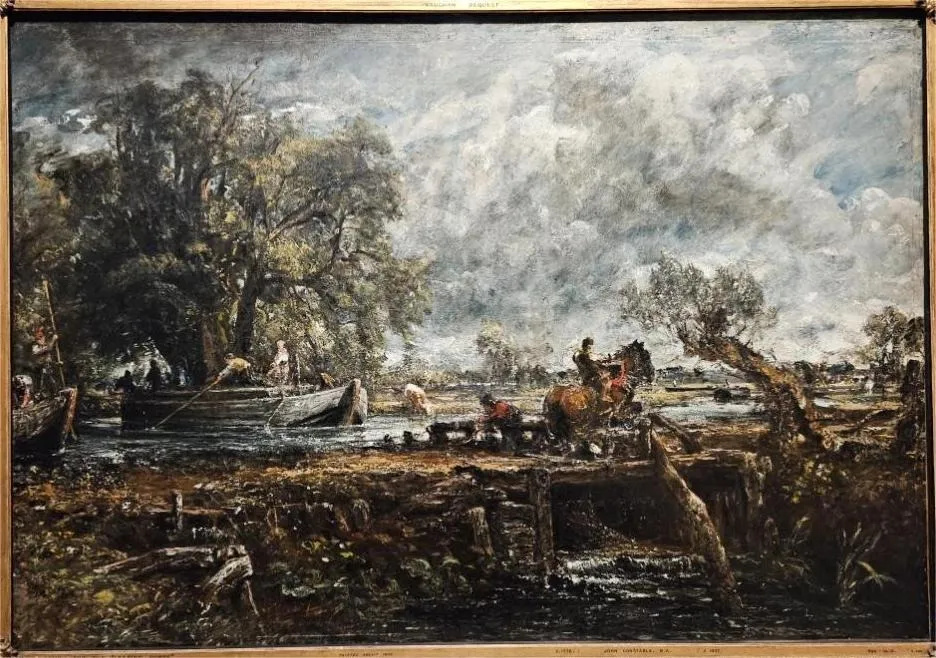
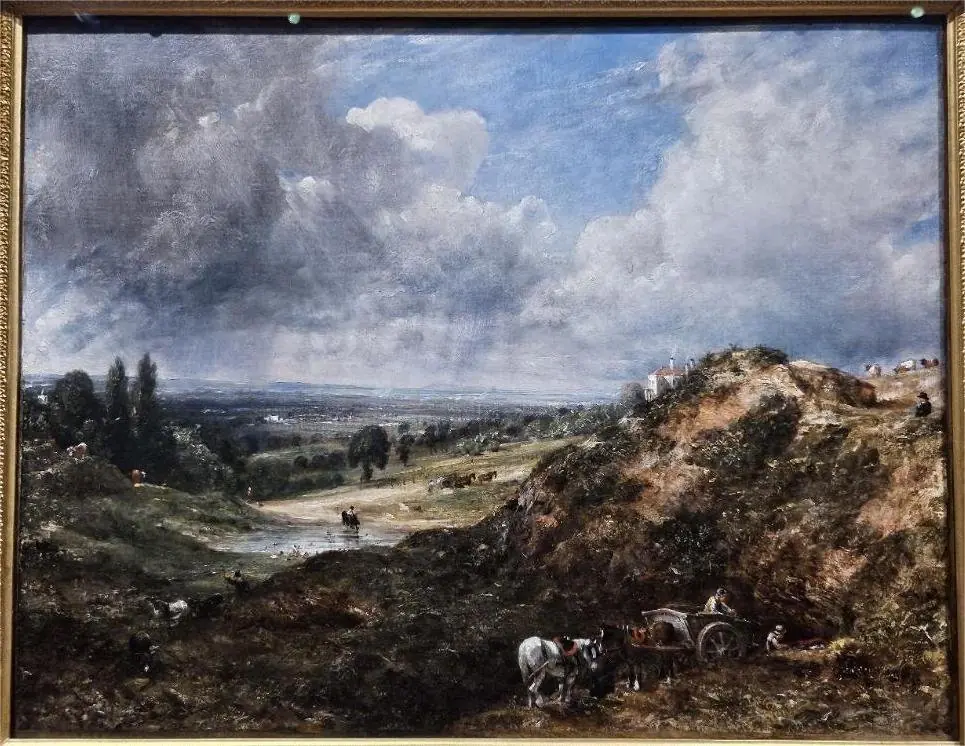
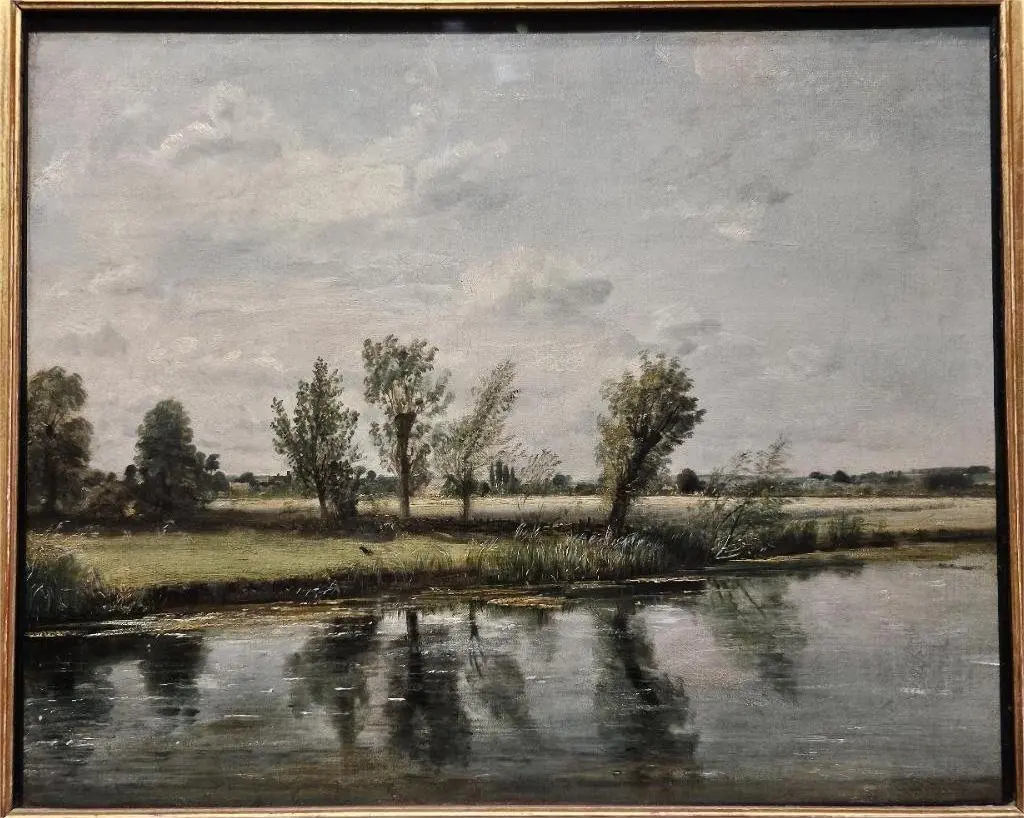
The Leaping Horse (full-scale study) is an oil painting by John Constable. It dates from 1825 and is held in the collection of the Victoria and Albert Museum.
About this work
Overview
This full-scale oil study by John Constable, completed in 1825, was prepared as a preparatory work for his exhibited painting The Leaping Horse.
This full-scale oil study by John Constable, completed in 1825, was prepared as a preparatory work for his exhibited painting The Leaping Horse. It captures a moment of motion within a rural English landscape, emphasizing naturalism over idealization. The painting is part of the Victoria and Albert Museum’s collection, where it is valued for its role in understanding Constable’s working process and his commitment to direct observation of nature.
Subject & Meaning
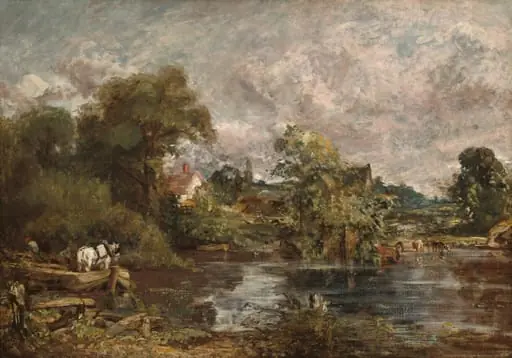
The scene portrays a horse mid-leap over a narrow stream, its rider guiding it through the water. The moment is unembellished, reflecting Constable’s interest in everyday rural life. Rather than dramatizing the event, he presents it with quiet dignity, aligning the horse’s motion with the natural rhythms of wind, water, and light. The composition suggests harmony between human activity and the landscape, without romanticizing it.
Technique & Style
Constable applied oil paint with energetic, visible brushwork to convey texture and movement. The sky, rendered in layered strokes of white and gray, suggests shifting clouds, while the foliage and water are built from broken touches of color. The horse’s muscles and the spray of water are suggested rather than meticulously detailed, emphasizing immediacy over finish. This technique reflects his belief in painting from life, not studio conventions.
History & Provenance
Created in 1825, the painting was one of several full-scale studies Constable made to refine compositions before final exhibition pieces. It remained in his possession until his death and later passed through private hands before entering the Victoria and Albert Museum’s collection. Its survival as a study rather than a finished work offers rare insight into his method of working outdoors and revising forms on the canvas.
Context
During the 1820s, Constable was challenging academic traditions by prioritizing direct observation of the English countryside over classical or historical themes. This study emerged amid his broader effort to elevate landscape painting to the status of serious art. His focus on transient weather and rural labor contrasted with the idealized scenery favored by contemporaries, positioning him as a pioneer of naturalistic representation.
Legacy
The Leaping Horse study exemplifies Constable’s influence on later landscape painters who valued authenticity over polish. His method of working from nature, using rapid brushwork to capture light and motion, prefigured aspects of Impressionism. Though not widely celebrated in his lifetime, such studies are now recognized as pivotal in shifting the trajectory of 19th-century British art toward empirical observation.
Artist & collection
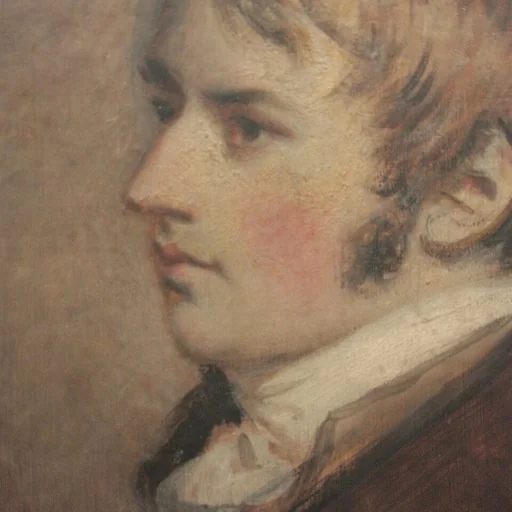
Artist
John Constable (; 11 June 1776 – 31 March 1837) was an English landscape painter in the Romantic tradition.