Artwork
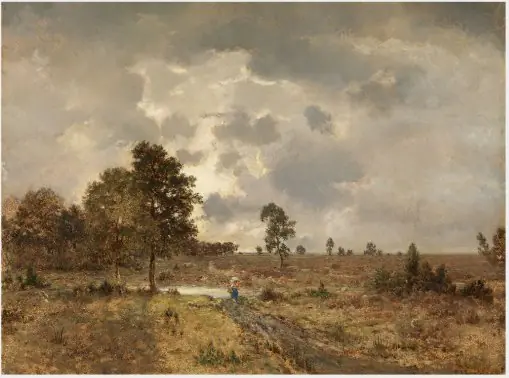
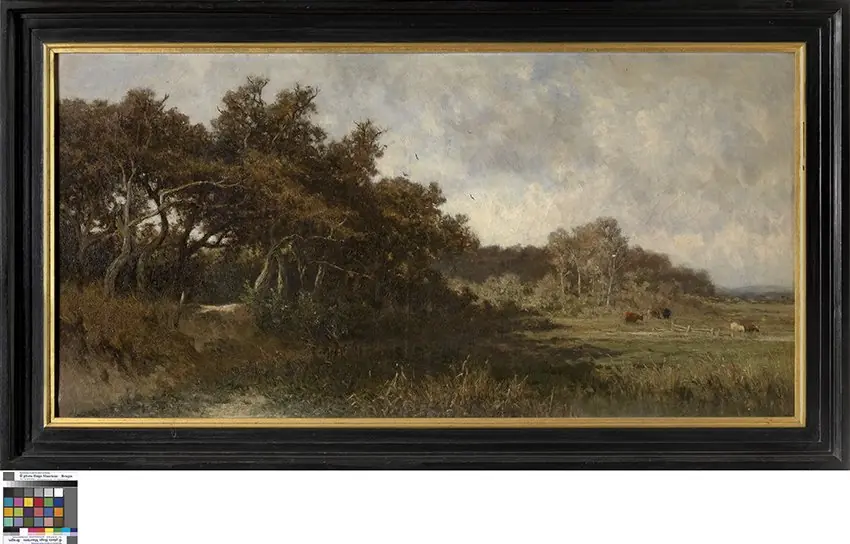
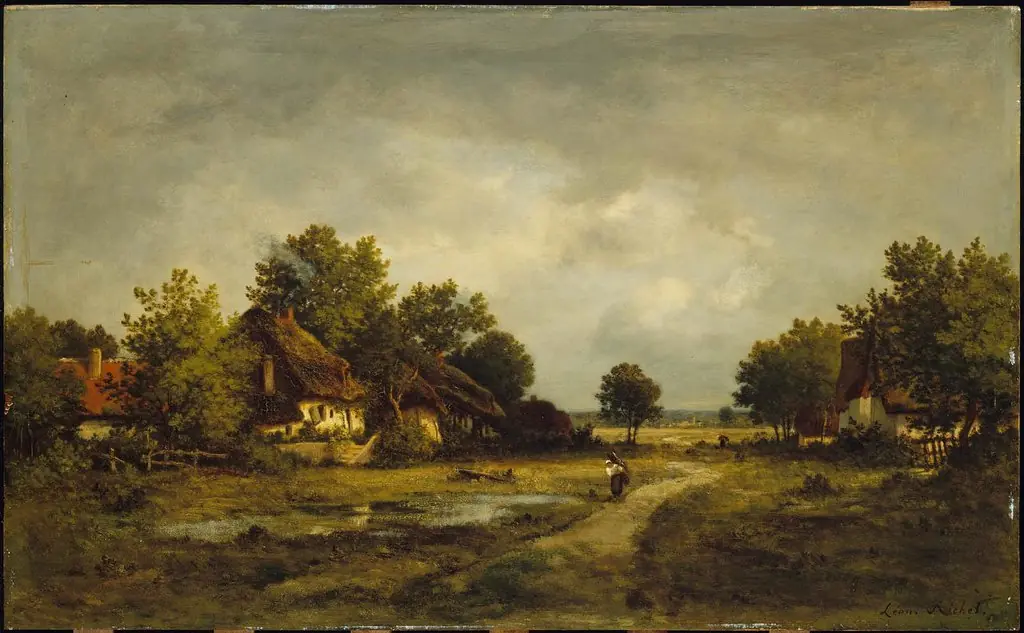
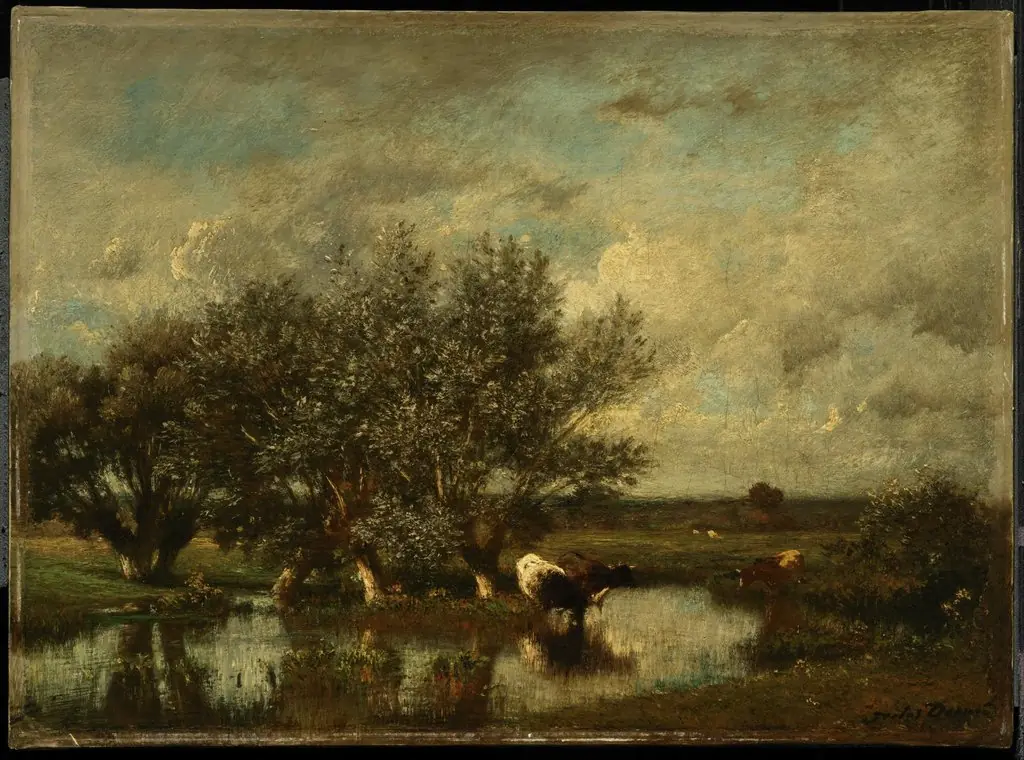
Summer landscape with a cottage on marshland
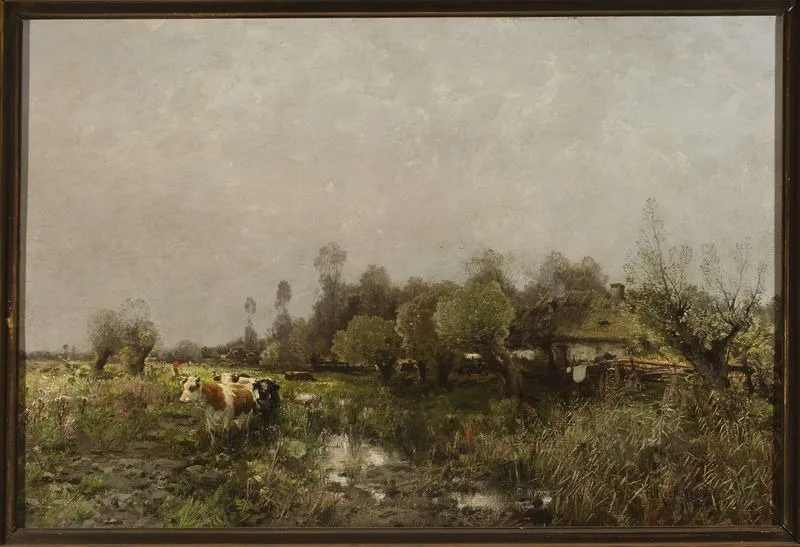
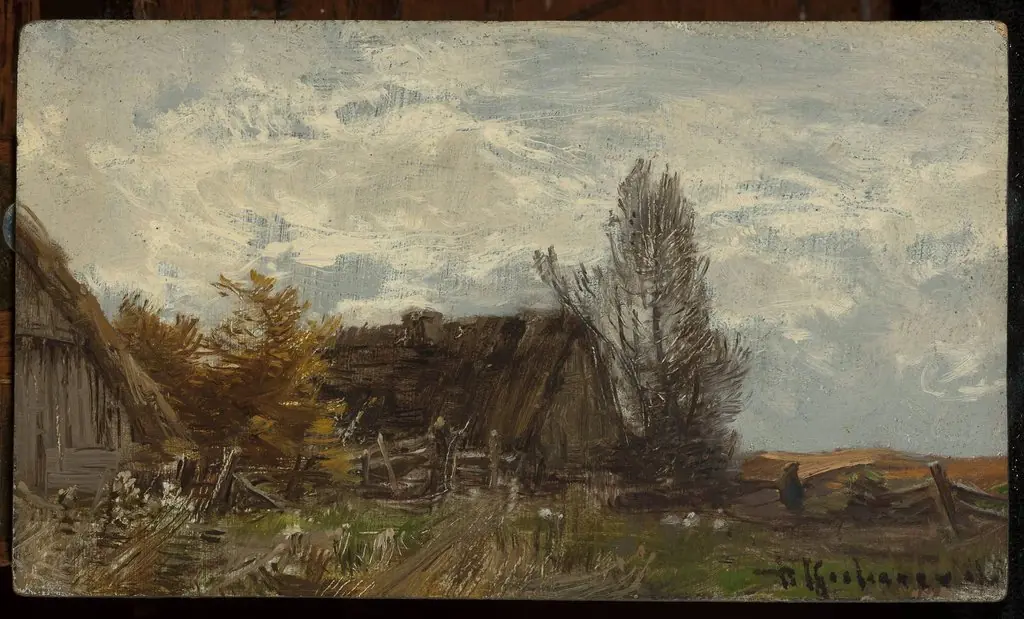
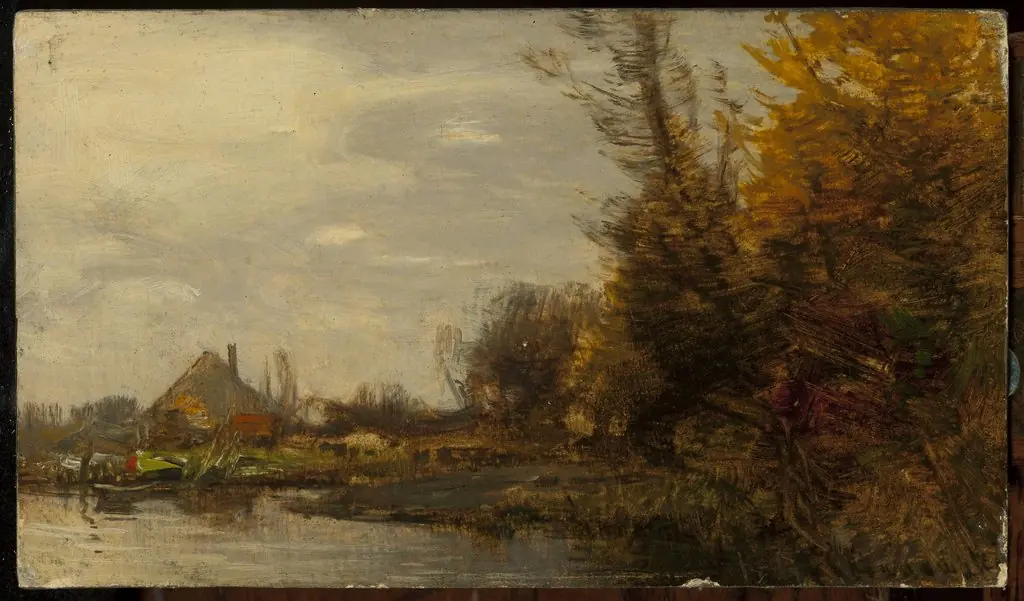
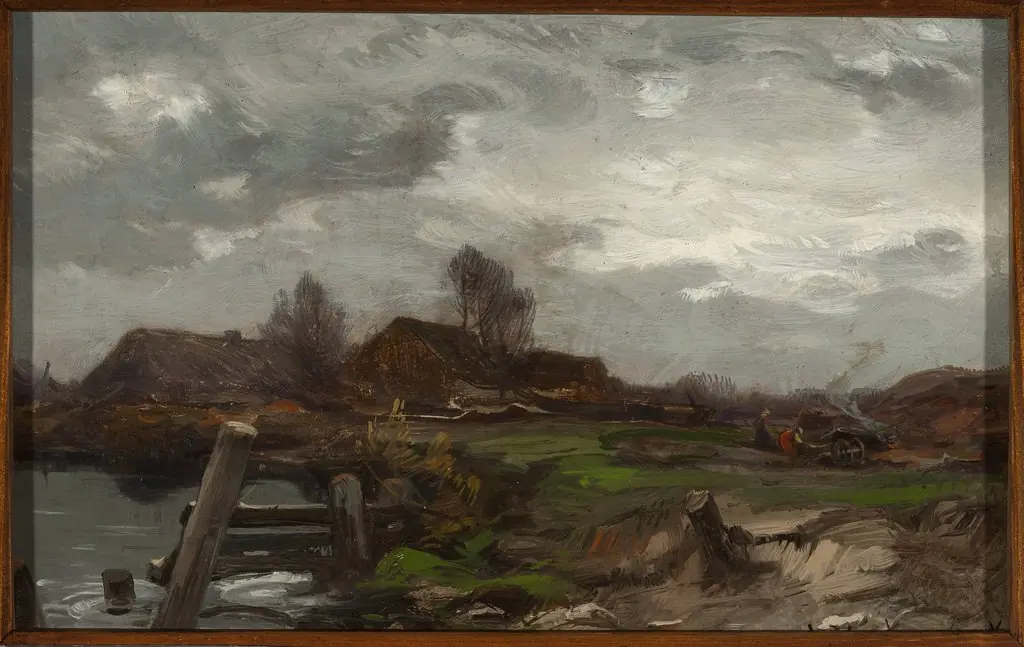
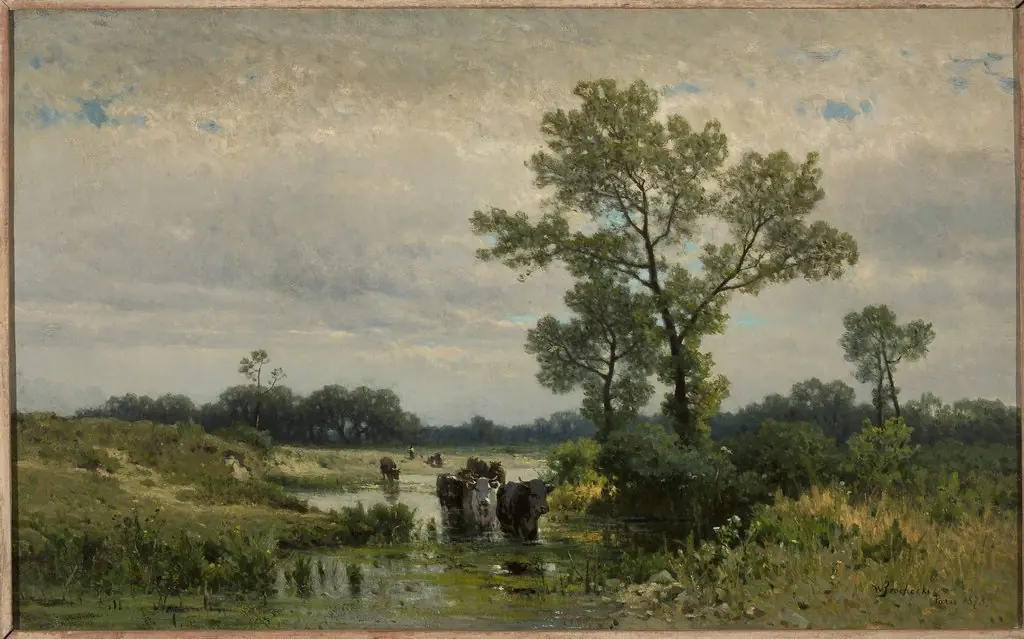
Summer landscape with a cottage on marshland is an oil painting by the Impressionist artist Roman Kochanowski. It dates from 1898 and is held in the collection of the National Museum in Warsaw.
About this work
Overview
The work is part of the National Museum in Warsaw’s permanent collection, where it is recognized as a representative example of his landscape practice.
Roman Kochanowski, a Polish artist active in Germany, completed this oil painting in 1898. It belongs to a series of rural landscapes he produced during the late 19th century, reflecting his interest in natural environments. The work is part of the National Museum in Warsaw’s permanent collection, where it is recognized as a representative example of his landscape practice. Though he also painted portraits, his enduring focus remained on the quiet rhythms of the countryside.
Subject & Meaning
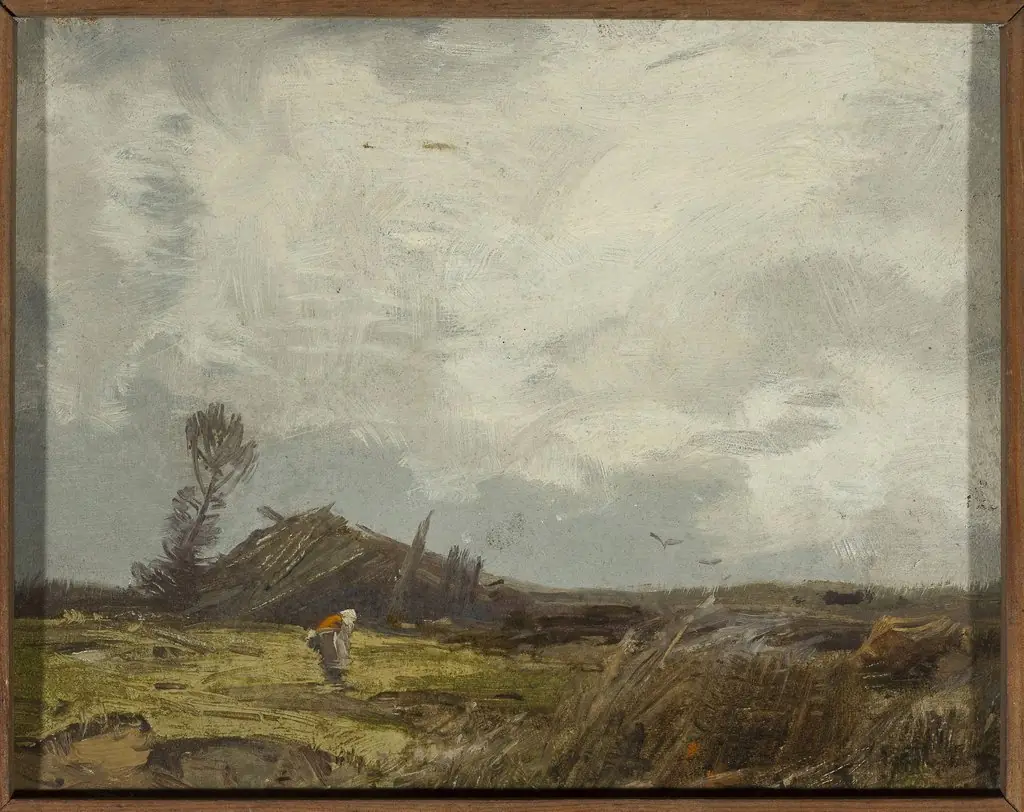
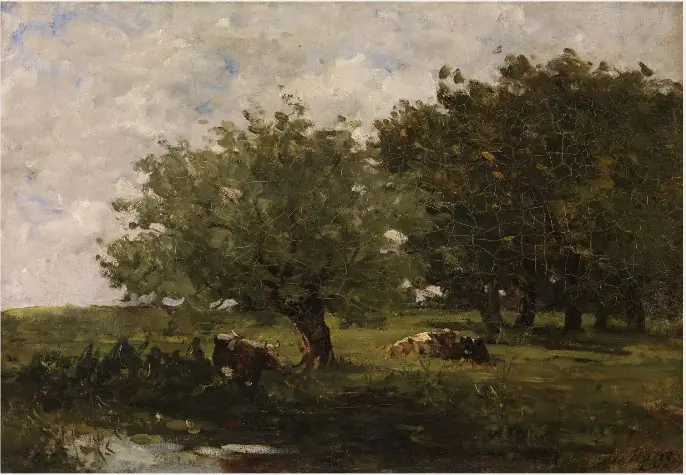
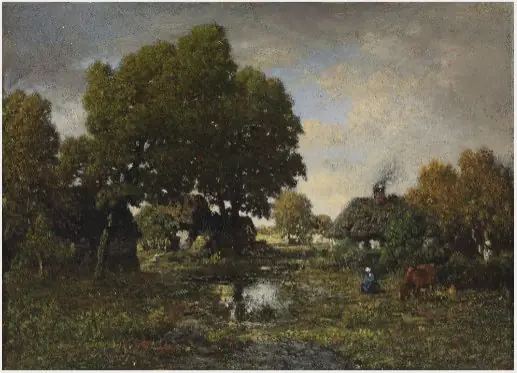
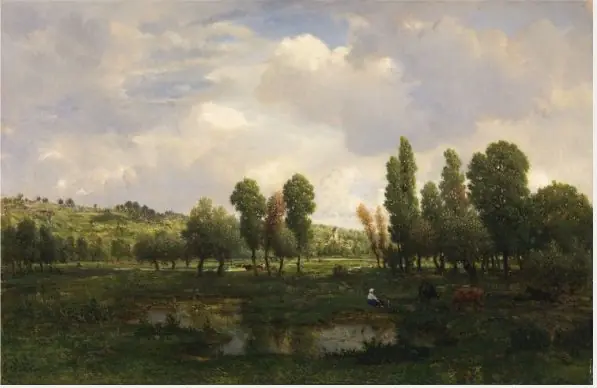
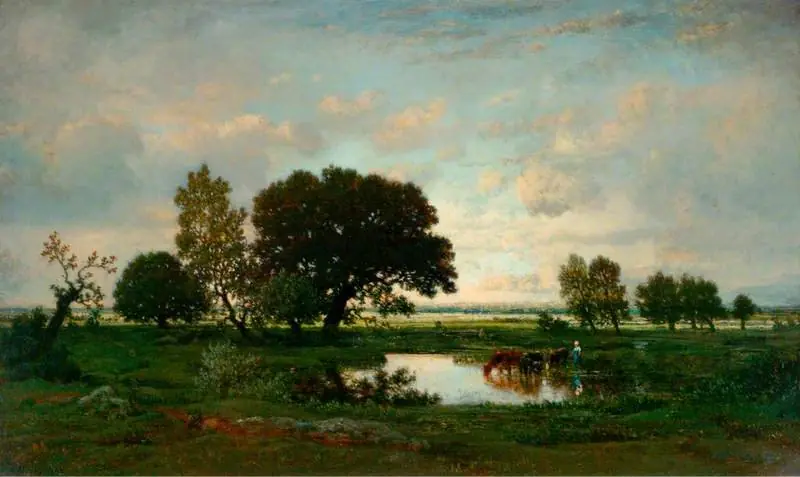
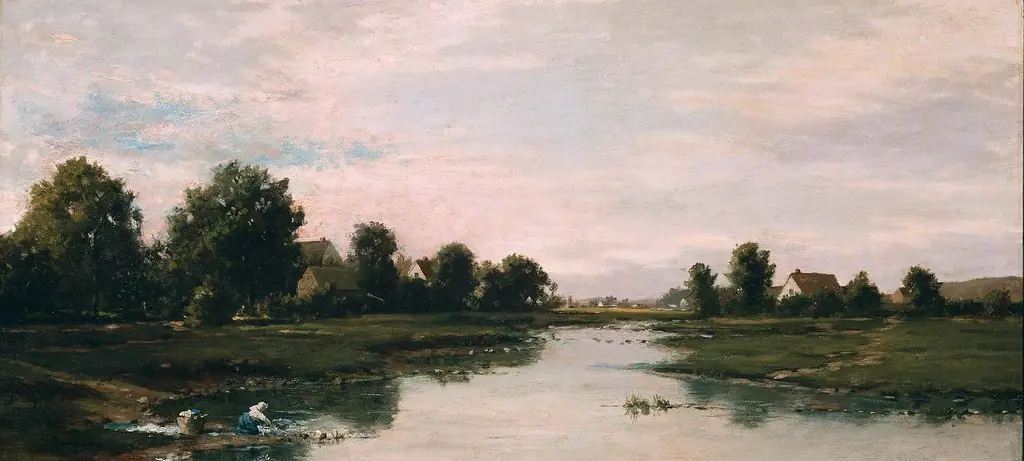
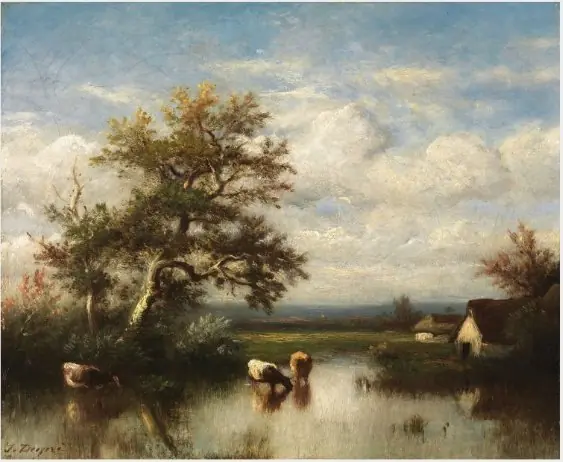
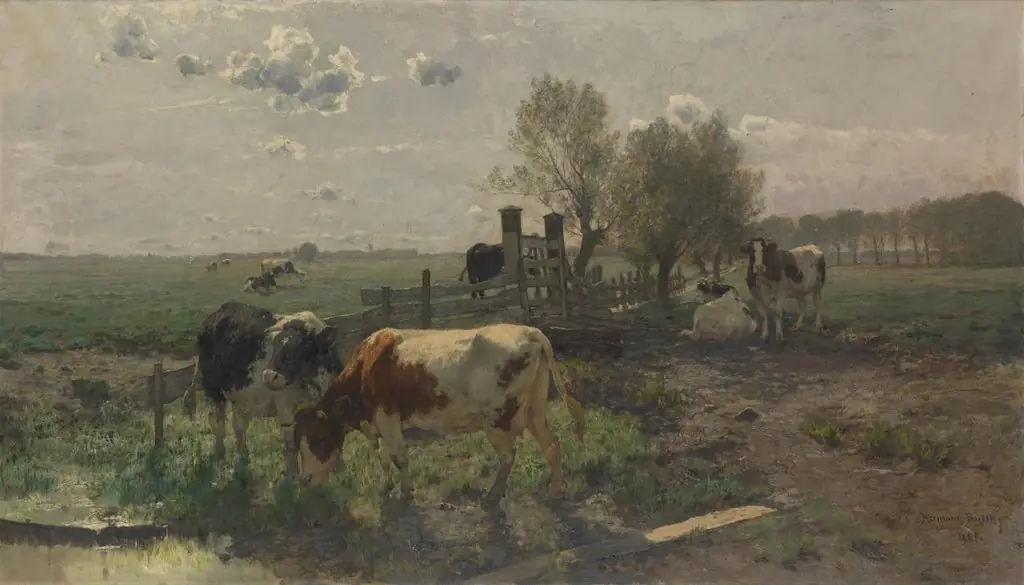
The scene portrays a modest cottage situated on damp, vegetated marshland, surrounded by dense foliage and open sky. In the foreground, cattle graze near a still pond, their presence suggesting quiet rural life. There is no narrative or human activity beyond this gentle coexistence with nature. The composition conveys stillness and solitude, emphasizing harmony between architecture, animals, and the wetland environment without idealization or drama.
Technique & Style
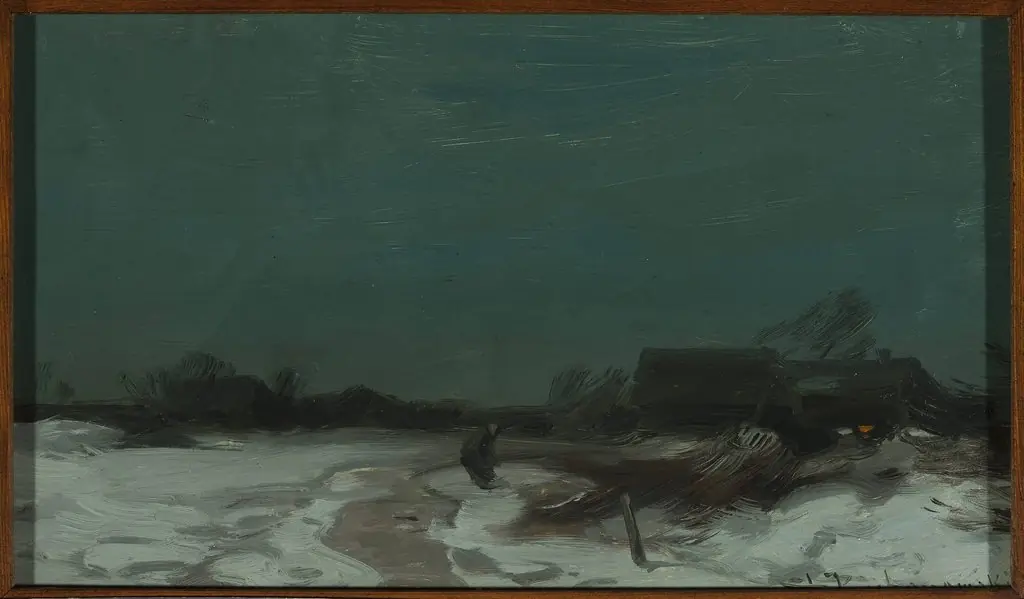
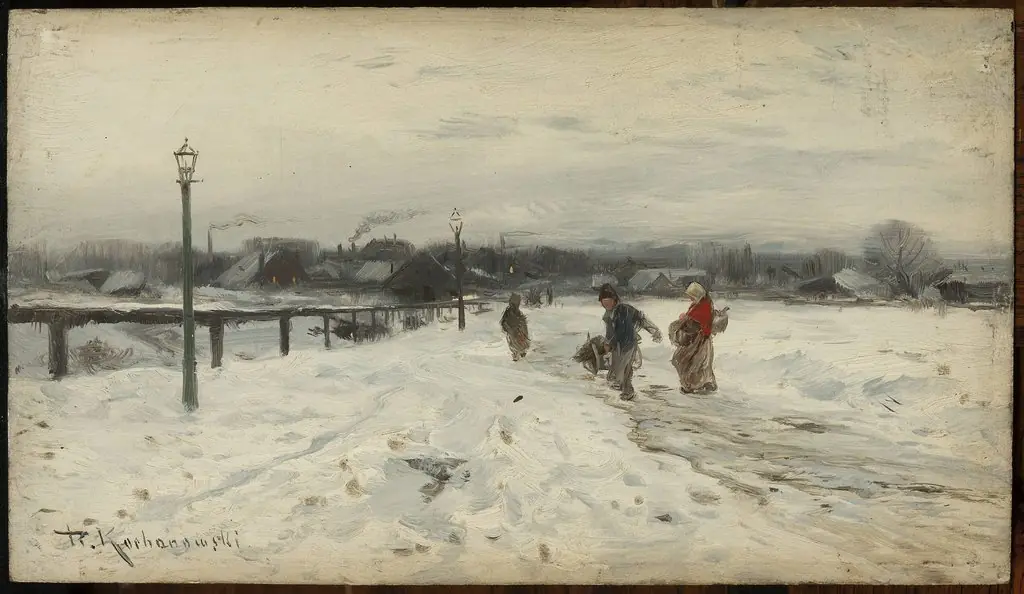
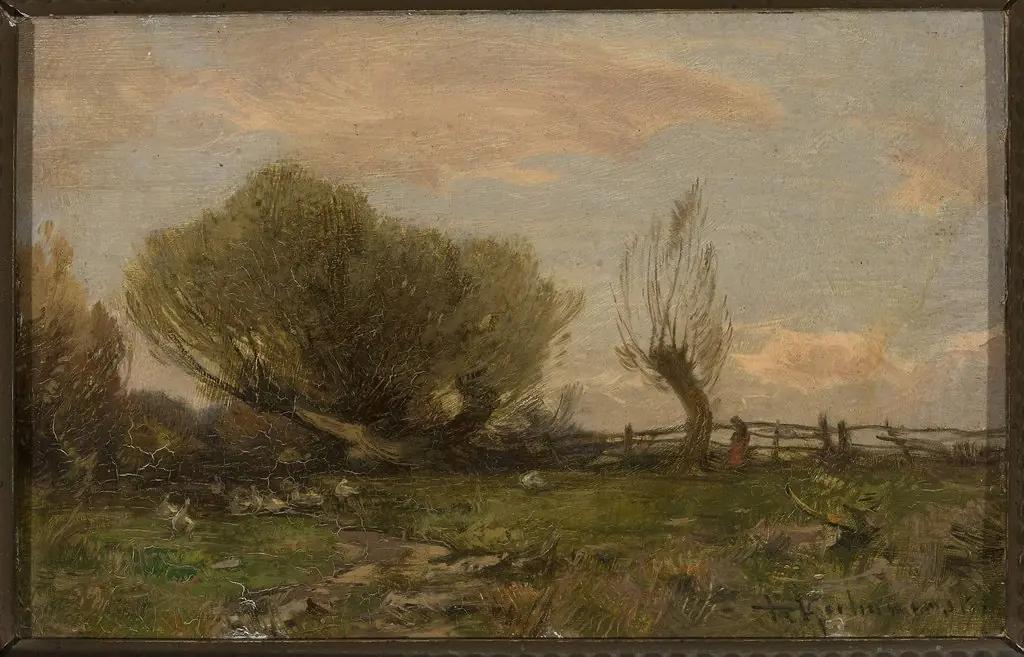
Kochanowski employed loose, visible brushwork typical of late Impressionist approaches, using oil paint to capture shifting light and surface texture. The wetland’s reflective pools and the soft edges of trees are rendered with layered strokes that suggest atmosphere rather than precise detail. Color remains subdued—greens, browns, and pale blues—enhancing the painting’s calm tone. The technique prioritizes sensory impression over structural clarity, aligning with contemporary European landscape traditions.
History & Provenance
Painted in 1898, the work entered the National Museum in Warsaw’s collection in the early 20th century, likely through acquisition or donation following Kochanowski’s return to Poland. Its preservation reflects institutional interest in Polish artists working abroad during the partitions. No significant alterations or restorations are documented, and its provenance remains unbroken since its acquisition by the museum.
Context
Kochanowski worked during a period when Polish artists, often living outside partitioned Poland, engaged with international movements like Impressionism. His landscapes echo the broader European trend of turning to rural subjects as industrialization advanced. Though not politically charged, such works subtly affirmed cultural identity through depictions of native terrain, offering a quiet counterpoint to urban modernity.
Legacy
Kochanowski’s landscapes, including this one, are regarded as modest but sincere contributions to Polish art of the era. While not widely exhibited outside Poland, they remain important for understanding how regional artists adapted Impressionist techniques to local environments. His work continues to be studied for its understated observation of nature, influencing later generations focused on Polish rural realism.
Artist & collection
Artist
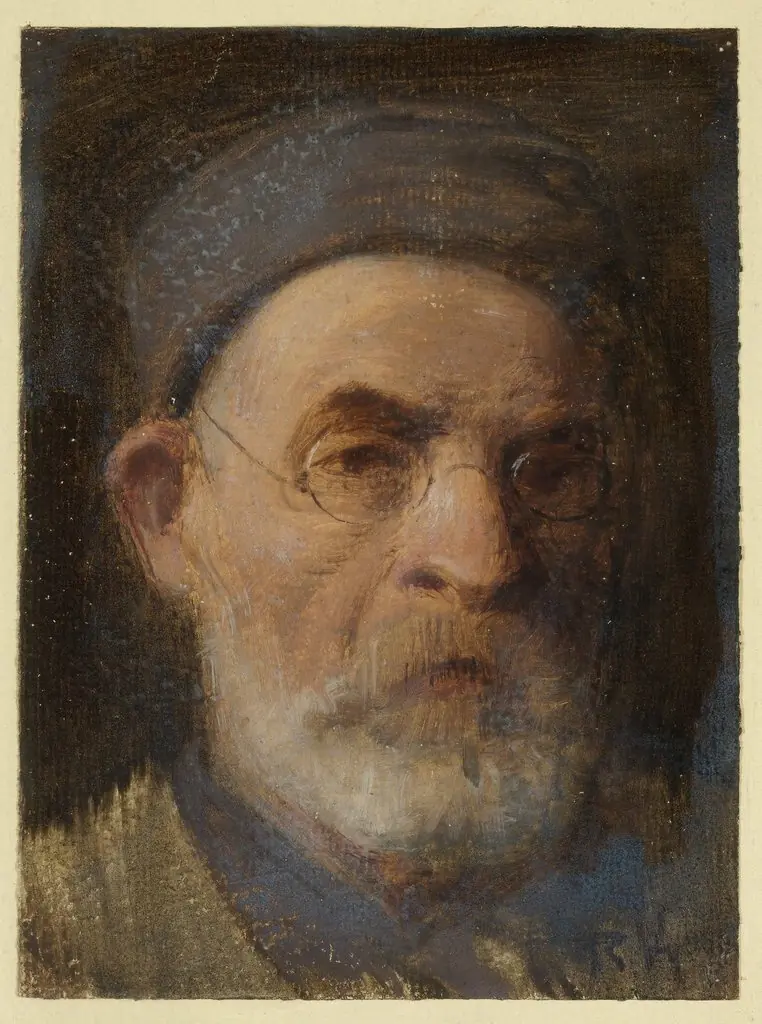
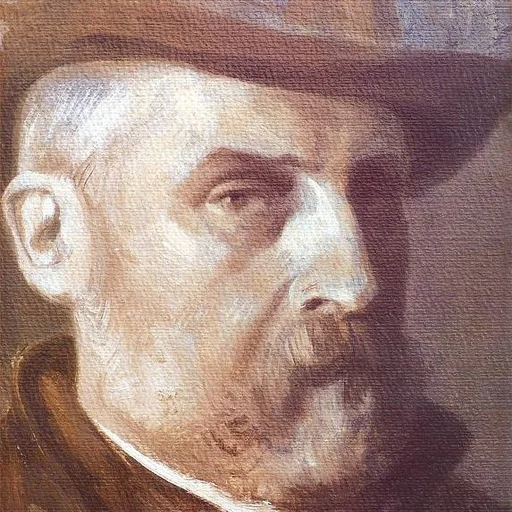
Roman Kochanowski (28 February 1857 – 3 August 1945) was a Polish painter and illustrator who lived in Germany. He is mostly known for his landscapes, although he occasionally did portraits as well.