Artwork
Landscape with a pond
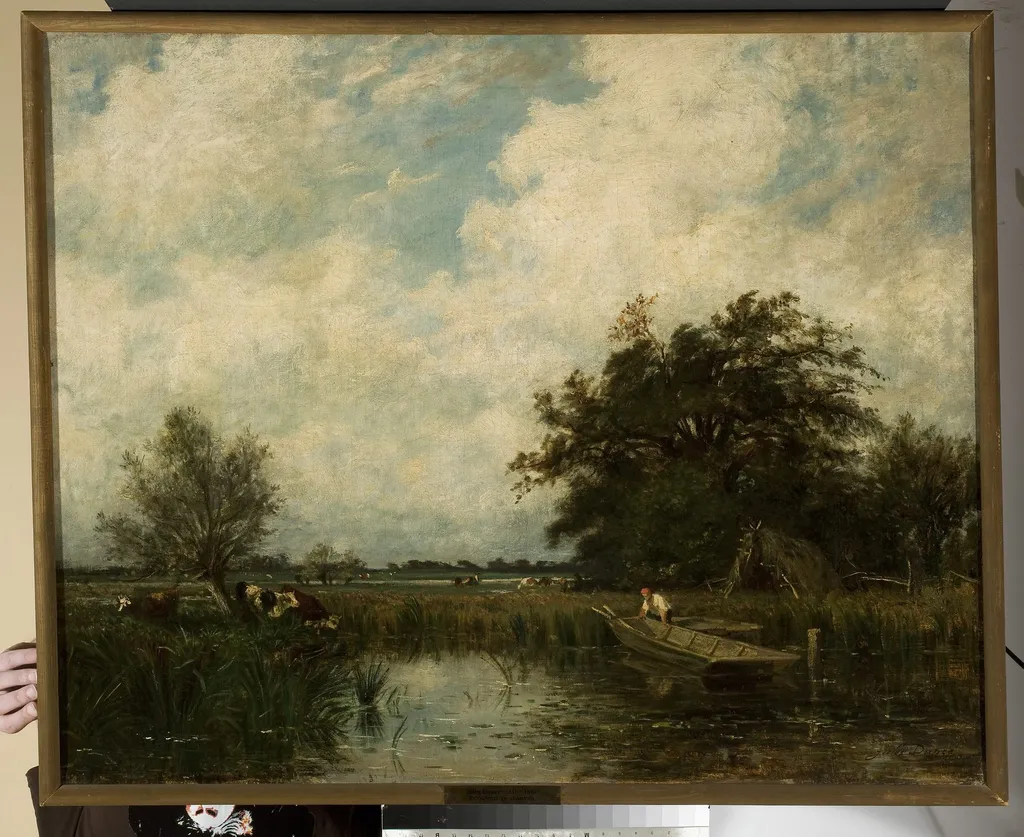
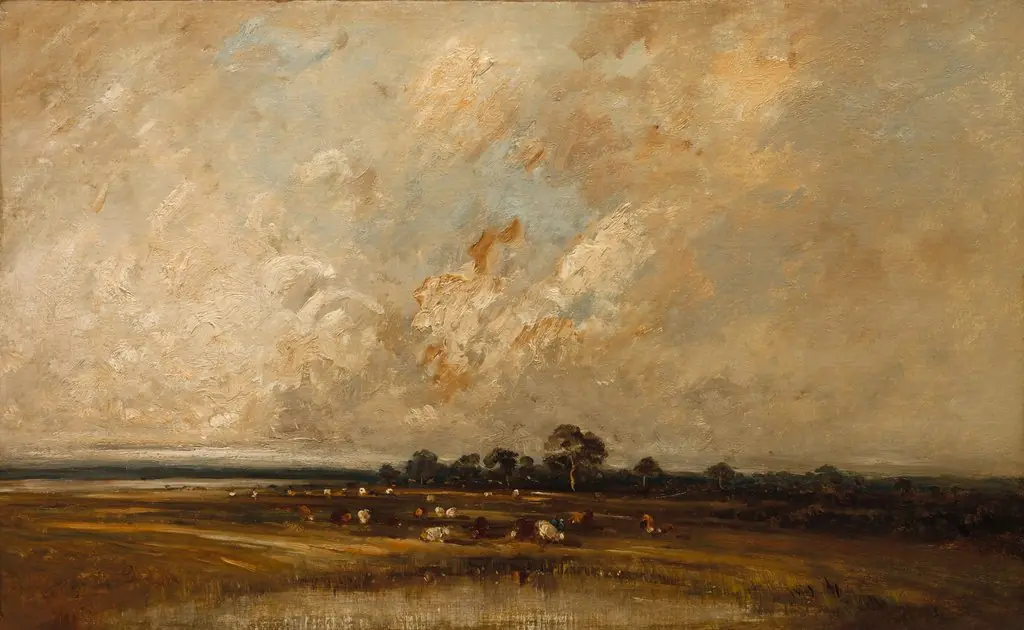
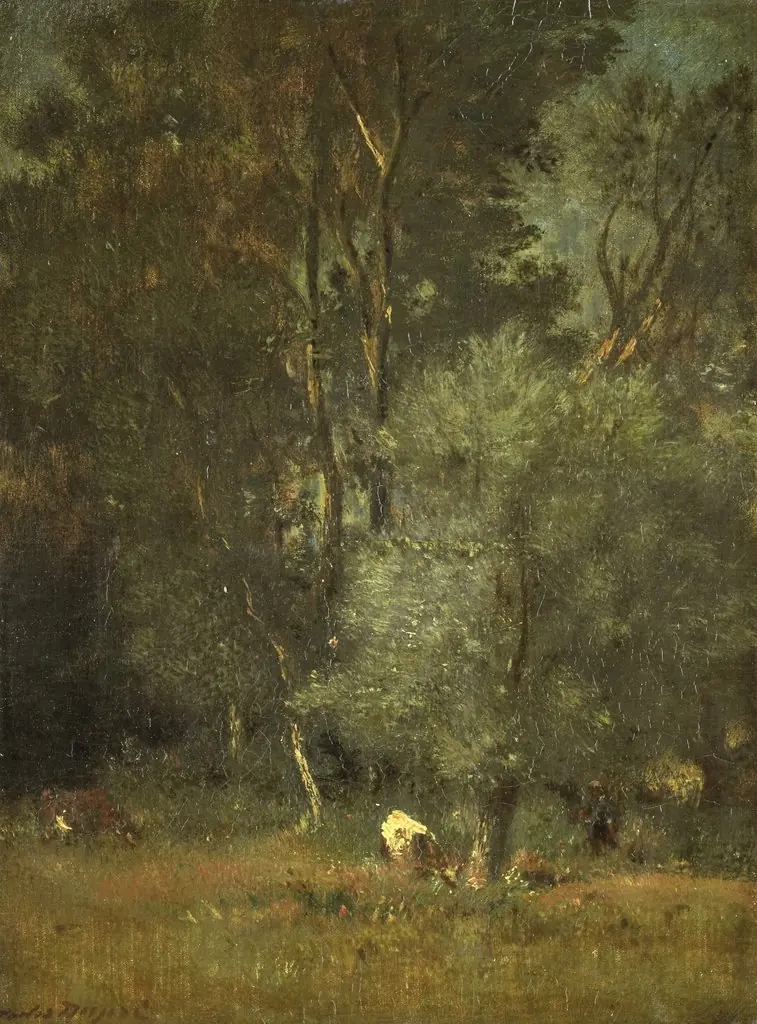
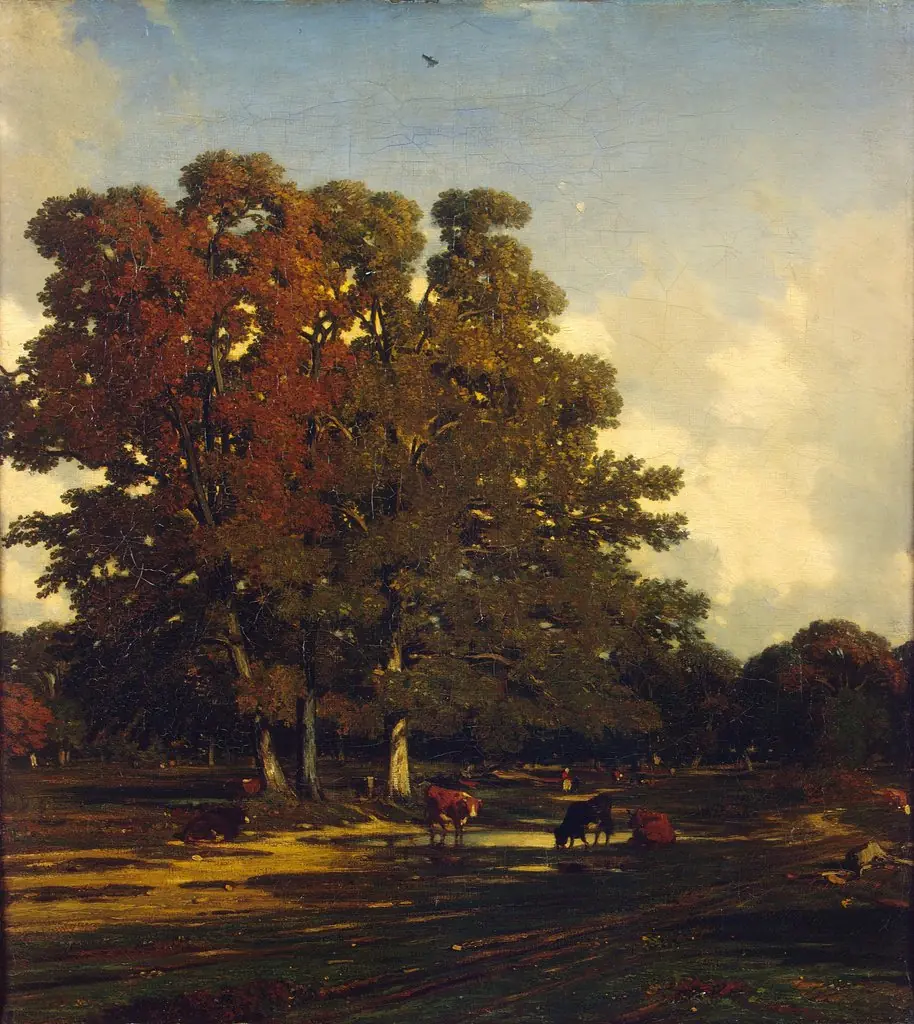
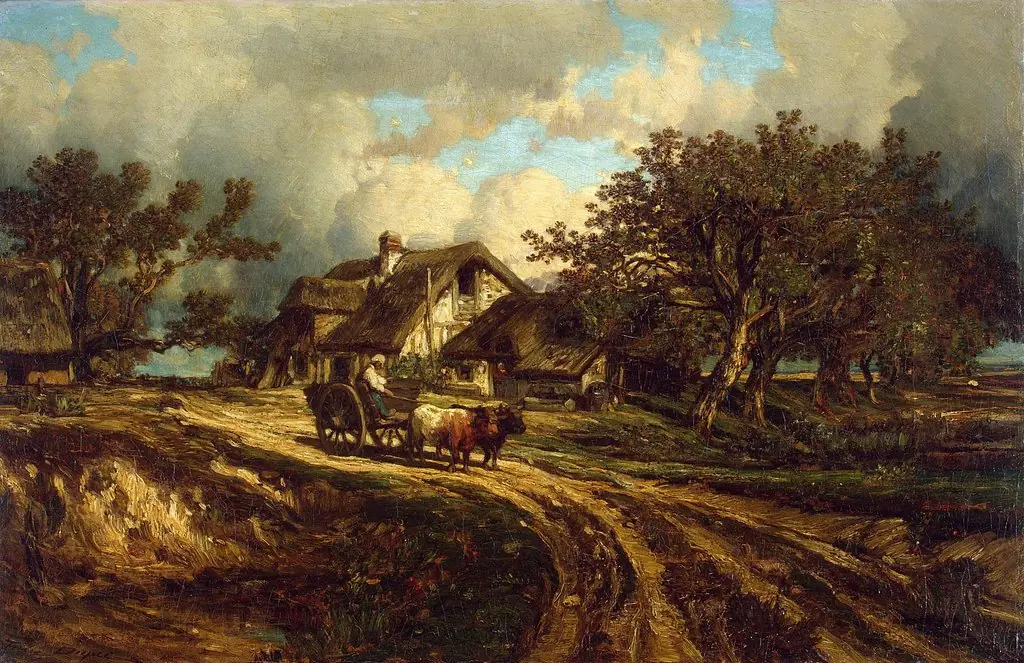
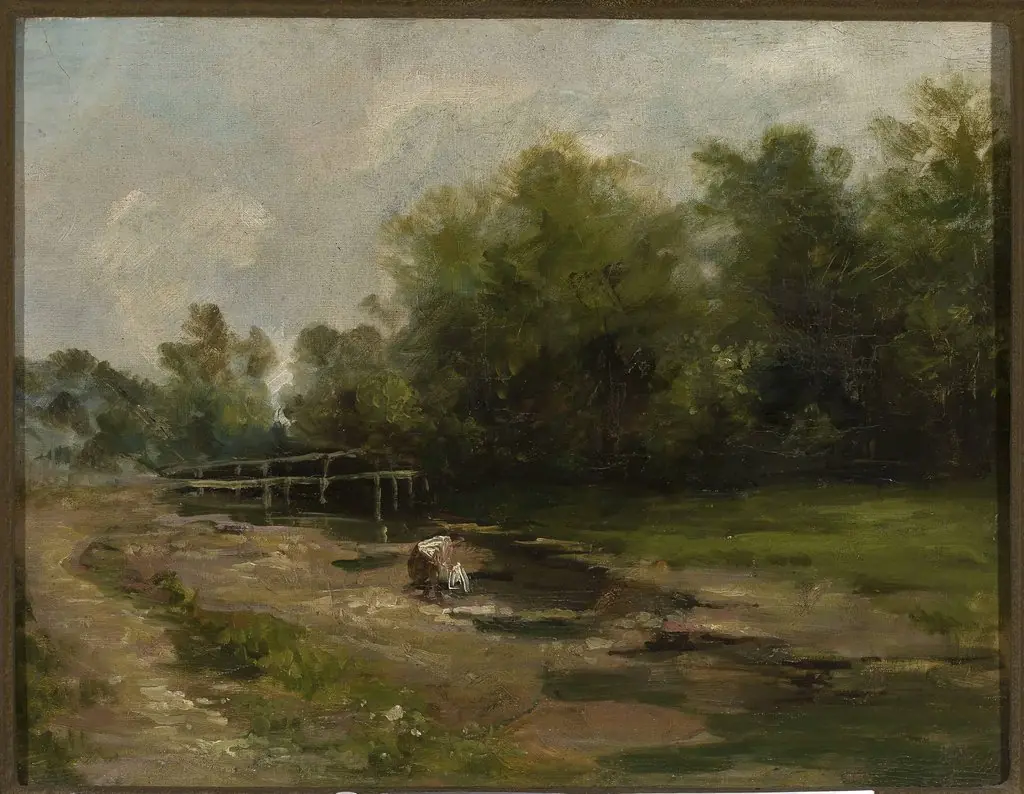
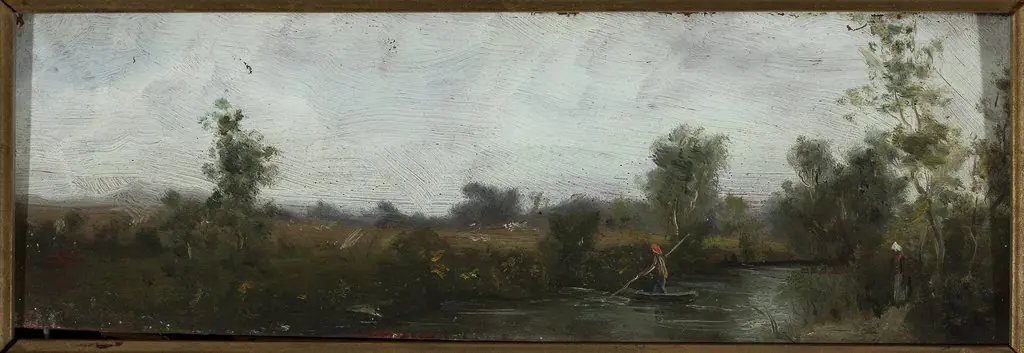
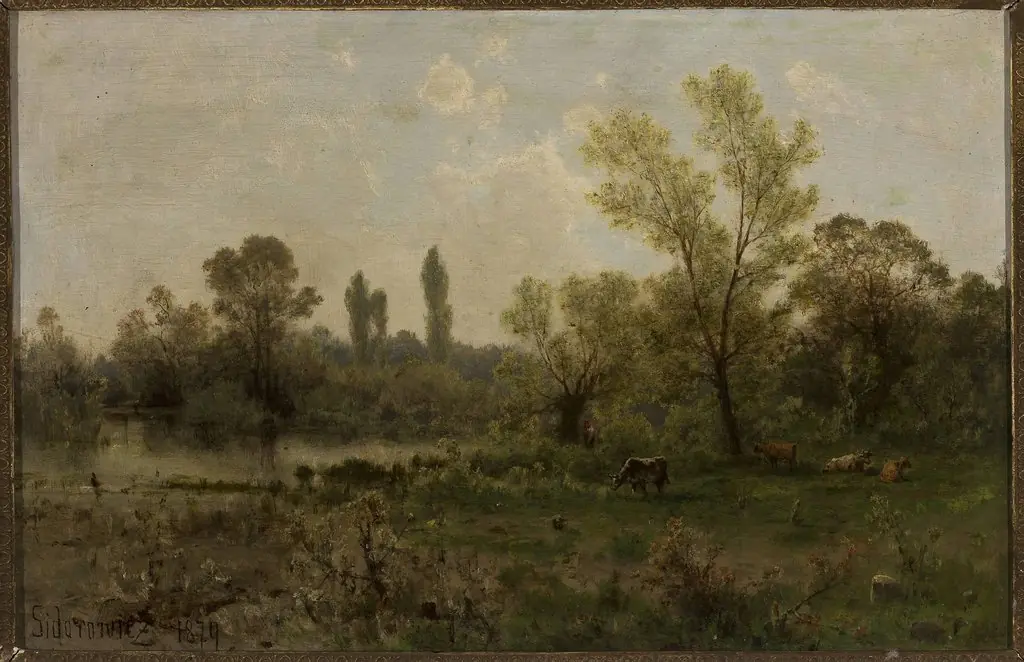
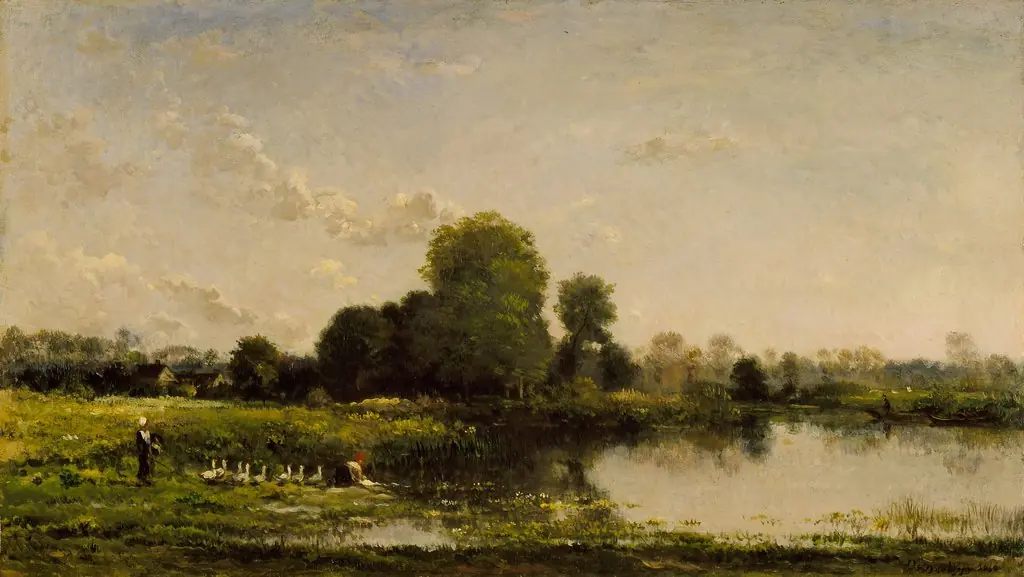
Landscape with a pond is an oil painting by the Barbizon school artist Jules Dupré. It dates from 1855 and is held in the collection of the National Museum in Warsaw.
About this work
Overview
As a central figure in the Barbizon school, Dupré rejected idealized classical compositions in favor of direct engagement with nature.
Jules Dupré painted *Landscape with a Pond* in 1855 using oil on canvas, capturing a quiet rural scene in the French countryside. As a central figure in the Barbizon school, Dupré rejected idealized classical compositions in favor of direct engagement with nature. This work reflects the movement’s commitment to portraying everyday landscapes with honesty and emotional resonance, grounded in close observation rather than artistic convention.
Subject & Meaning
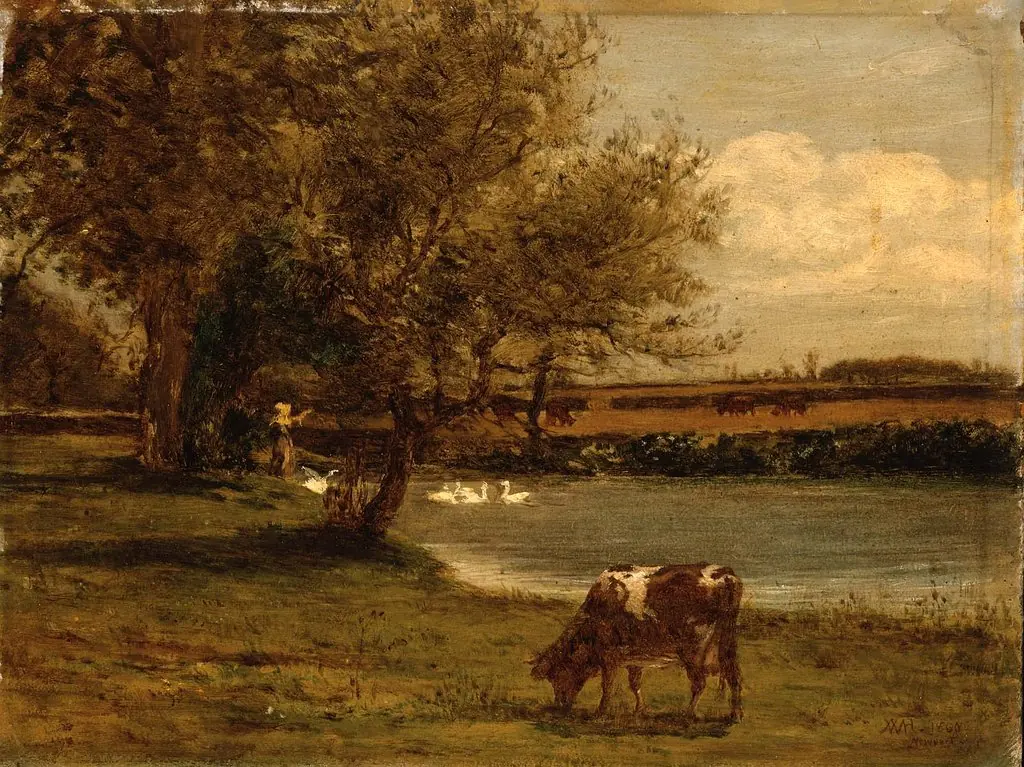
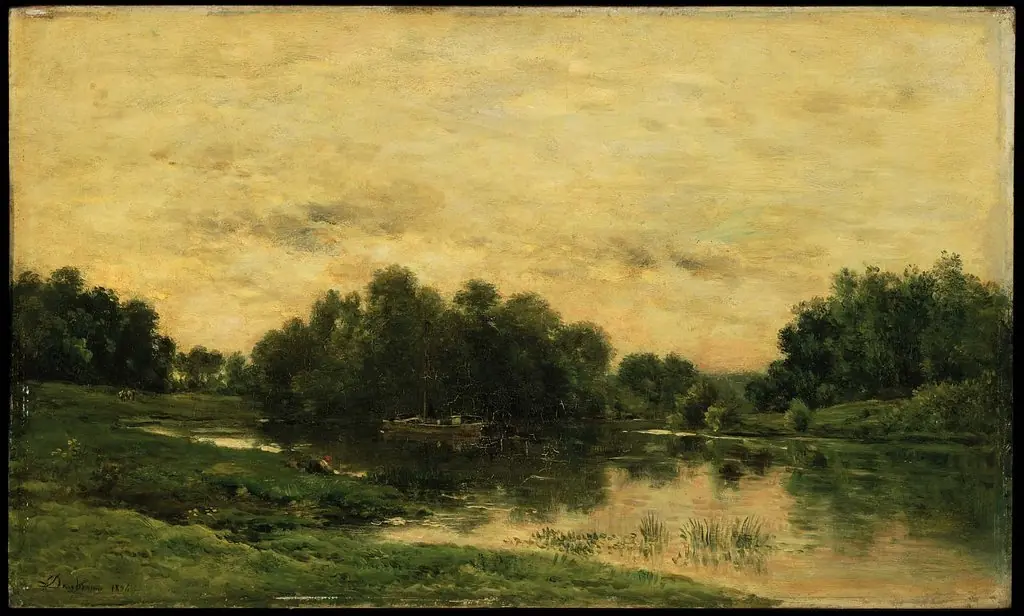
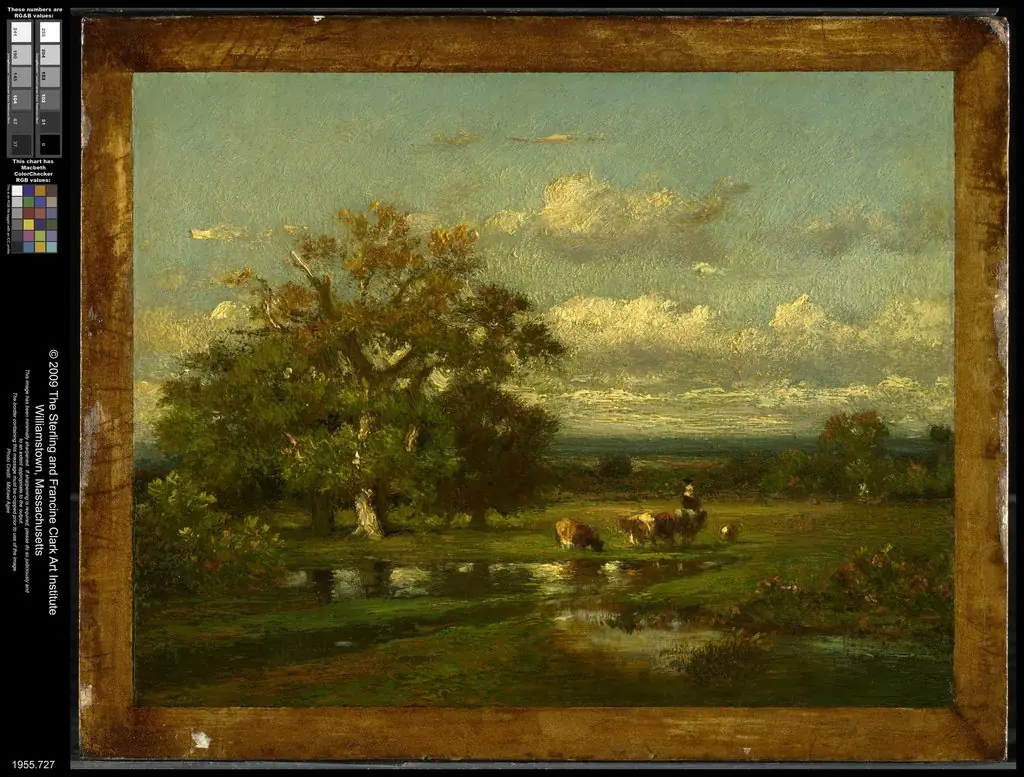
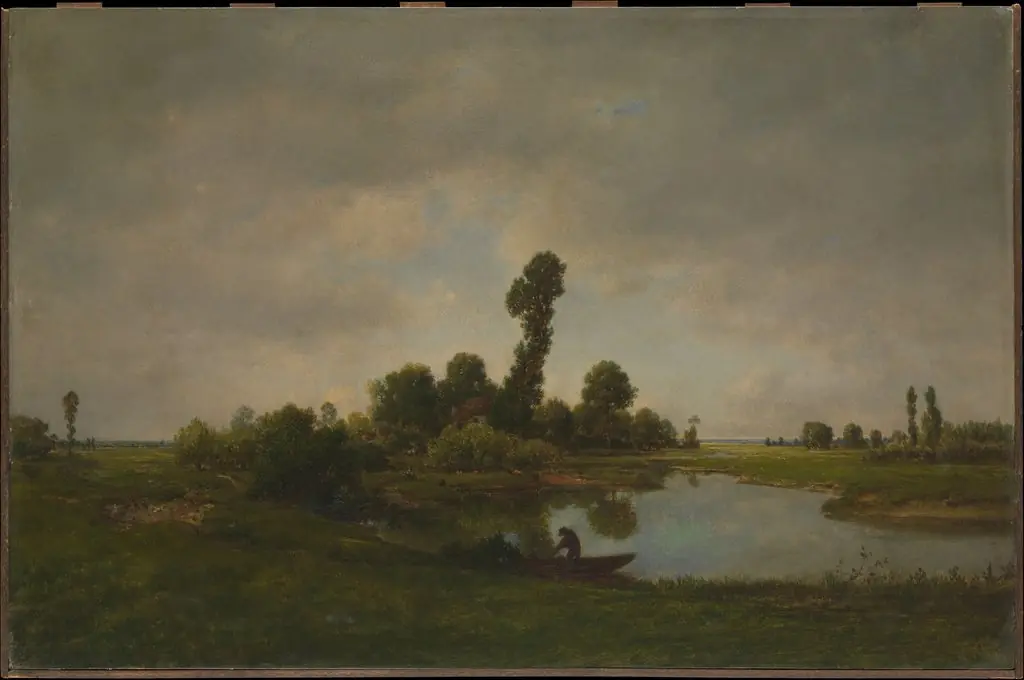
The painting presents a still pond bordered by dense vegetation, with a lone figure near the water’s edge and a small boat resting nearby. In the distance, cattle graze under a soft sky, reinforcing a sense of undisturbed rural life. There is no narrative drama—only the quiet rhythm of nature. The scene invites contemplation, emphasizing harmony between human presence and the natural world without sentimentality or symbolism.
Technique & Style
Dupré employed thick, textured brushwork to render the play of light on water and the varied surfaces of foliage. His handling of oil paint allows for subtle transitions between tones, creating atmospheric depth without sharp outlines. The visible strokes suggest movement in the grass and ripples on the pond, enhancing the painting’s tactile quality. This approach prioritizes sensory experience over precise detail, aligning with Barbizon principles of naturalism.
History & Provenance
Completed in 1855, the painting entered the collection of the National Museum in Warsaw at some point in the 20th century. Its journey from France to Poland reflects broader patterns of European art circulation during a period of shifting political and cultural boundaries. While its early ownership is undocumented, its presence in Warsaw underscores the international appreciation for Barbizon landscapes beyond France’s borders.
Context
In mid-19th-century France, artists increasingly turned away from academic traditions to paint en plein air, responding to the natural world with fresh eyes. The Barbizon school, centered near the Forest of Fontainebleau, championed this shift. Dupré’s work emerged alongside contemporaries like Théodore Rousseau, contributing to a broader cultural reevaluation of rural life as worthy of artistic attention, independent of myth or grandeur.
Legacy
Dupré’s *Landscape with a Pond* exemplifies the Barbizon school’s enduring influence on later movements, including Impressionism. Its emphasis on light, atmosphere, and direct observation helped dismantle rigid academic hierarchies in landscape painting. Though less widely known than some peers, Dupré’s quiet, observant works remain important for their role in redefining how nature could be represented—not as a backdrop, but as a subject in its own right.
Artist & collection
Artist
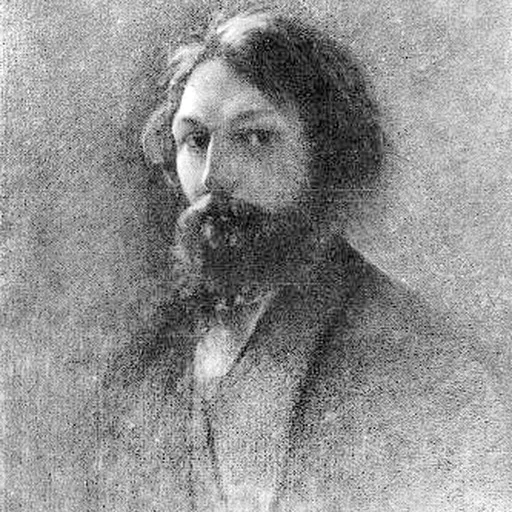
Jules Louis Dupré (French pronunciation: ; April 5, 1811 – October 6, 1889) was a French painter, one of the chief members of the Barbizon school of landscape painters.