Artwork
Waterloo Bridge from Whitehall Stairs
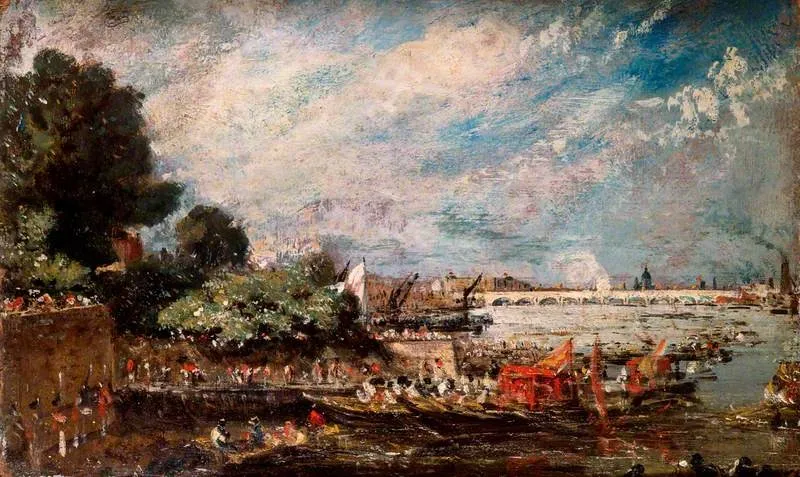
Waterloo Bridge from Whitehall Stairs is an unspecified painting by John Constable. It dates from 1819 and is held in the collection of the Victoria and Albert Museum.
About this work
Overview
Painted in 1819, this landscape by John Constable captures a view of Waterloo Bridge as seen from Whitehall Stairs along the River Thames.
Painted in 1819, this landscape by John Constable captures a view of Waterloo Bridge as seen from Whitehall Stairs along the River Thames. The composition emphasizes quiet observation rather than dramatic action, focusing on the bridge’s structure, the river’s surface, and the subtle interplay of light and atmosphere. It is part of Constable’s broader exploration of London’s urban riverscape during a period of rapid change.
Subject & Meaning
The scene presents a moment of everyday calm: a few figures and boats move gently along the water, while the bridge stands as a steady, architectural presence. Constable avoids grandeur, instead highlighting the ordinary rhythms of city life. The painting reflects an interest in the relationship between human infrastructure and natural elements, suggesting harmony rather than conflict between the two.
Technique & Style
Constable employed loose, observational brushwork to render the sky and water, using layered washes of pale blue and white to suggest shifting cloud cover and reflected light. The bridge and buildings are rendered with restrained detail, allowing atmospheric effects to dominate. His approach prioritizes tonal harmony over sharp definition, creating a sense of moist, diffused air characteristic of his mature style.
History & Provenance
Completed in 1819, the painting entered the Victoria and Albert Museum’s collection in the 19th century, where it remains today. It was painted during Constable’s early engagement with London subjects, following his success with rural scenes. Unlike his more famous Suffolk landscapes, this work reflects his attempt to document the evolving character of the capital’s waterfront.
Context
Waterloo Bridge, completed in 1817, was a new public structure symbolizing post-Napoleonic peace. Constable’s depiction avoids political symbolism, focusing instead on the quiet presence of the bridge within its environment. The painting aligns with early 19th-century shifts in British art toward everyday observation and the emotional resonance of ordinary places.
Legacy
Though less celebrated than his rural works, this painting contributes to understanding Constable’s versatility and his commitment to recording contemporary life. It influenced later artists interested in urban landscapes and atmospheric realism, demonstrating how even transient city views could carry quiet emotional weight through careful observation.
Artist & collection

Artist
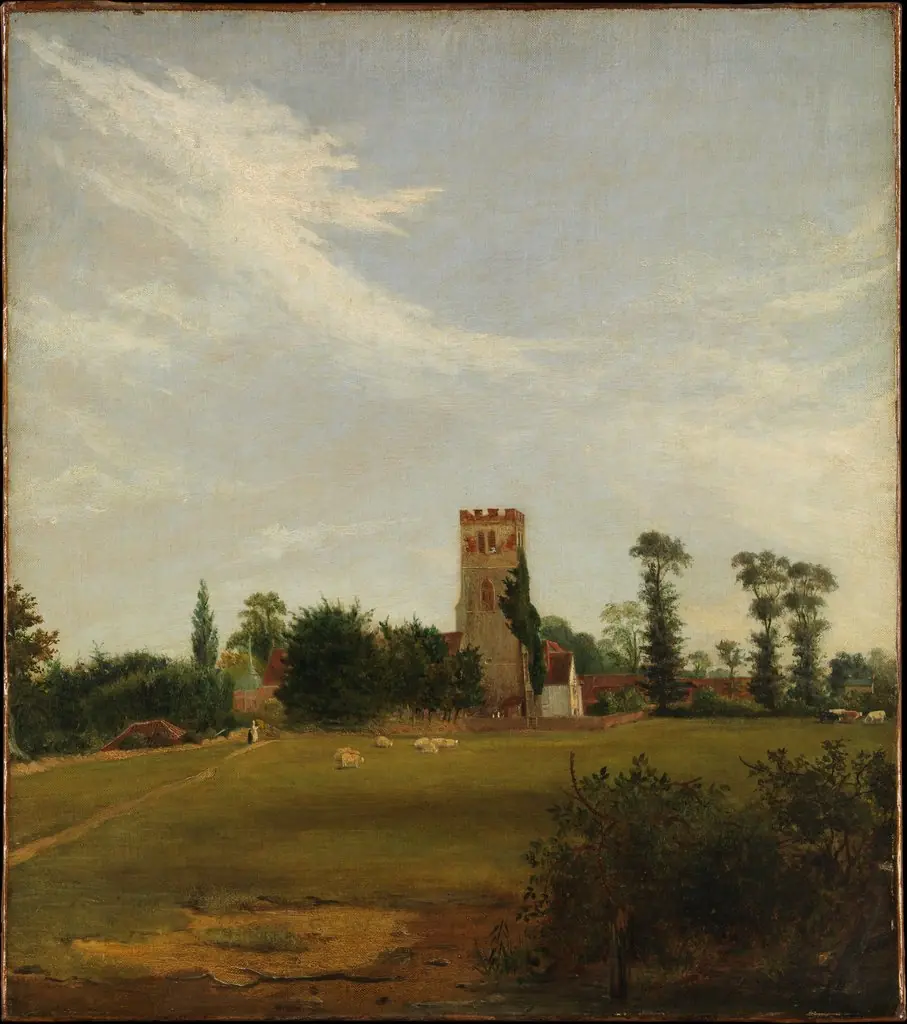
John Constable (; 11 June 1776 – 31 March 1837) was an English landscape painter in the Romantic tradition.




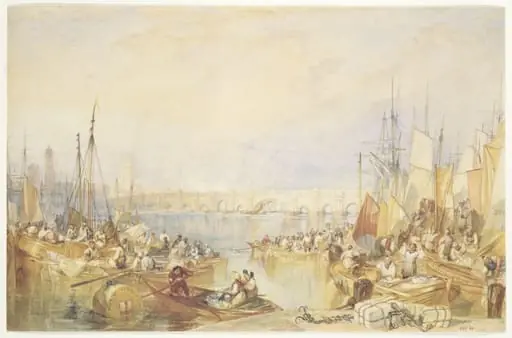 The Port of London
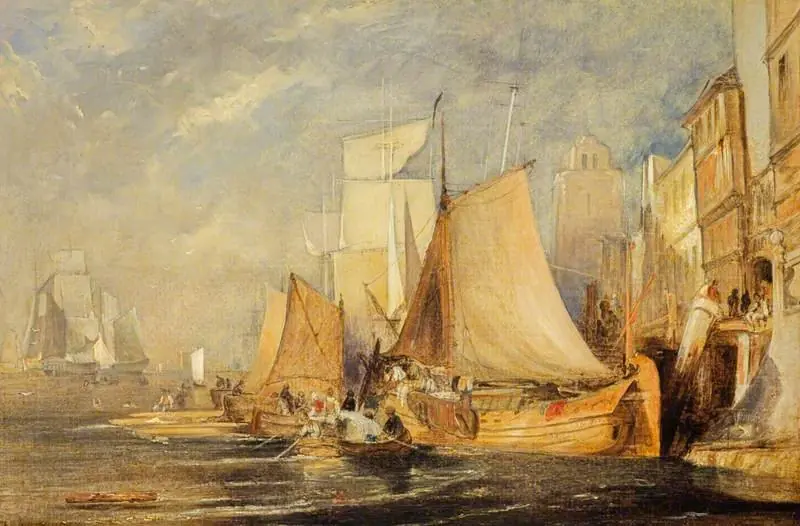 A Harbour Scene with Shipping
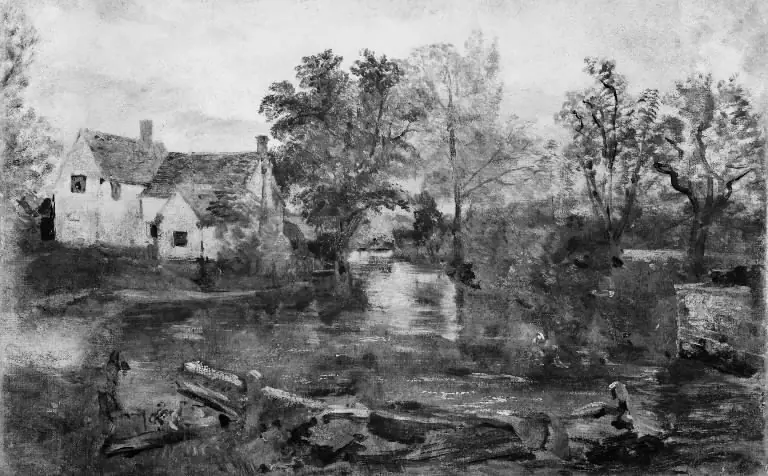
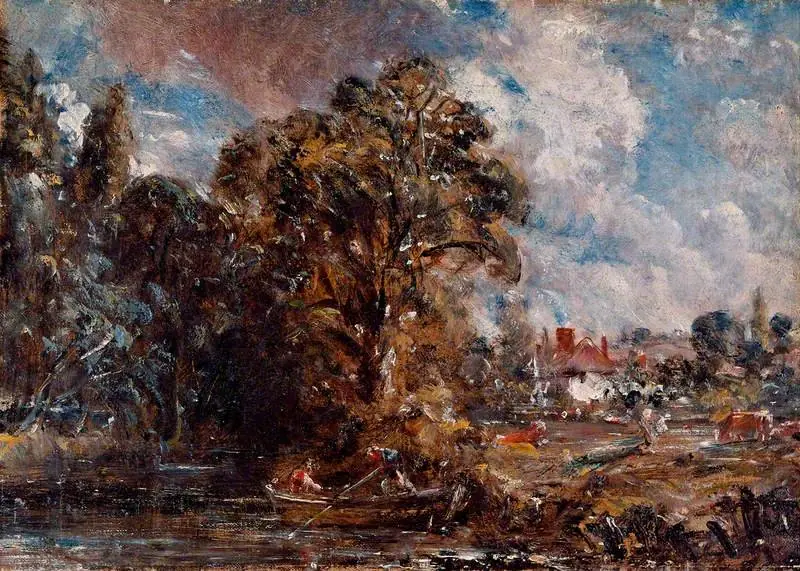 A River Scene with a Farmhouse near the Water's Edge
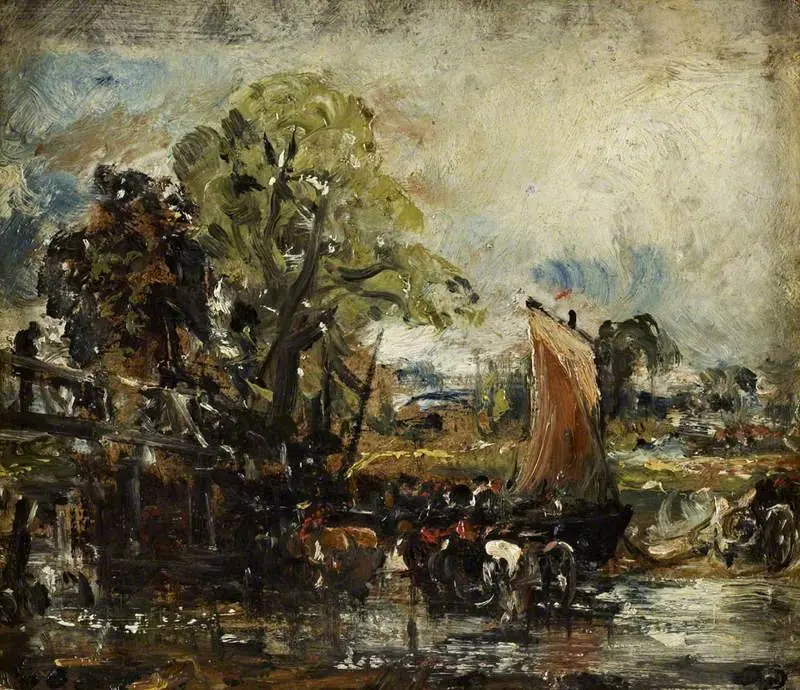 On the Stour (Reverse: Study of Cows)
 The Meuse at Dordrecht
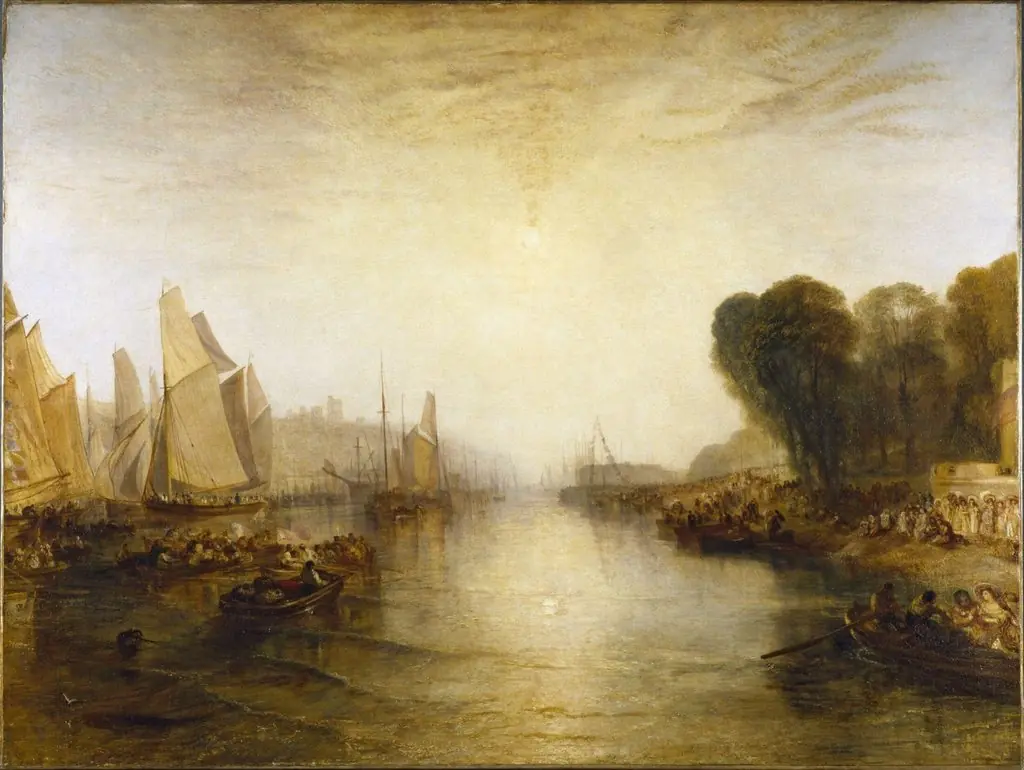 East Cowes Castle, the Seat of John Nash, Esq.; the Regatta Starting for their Moorings.
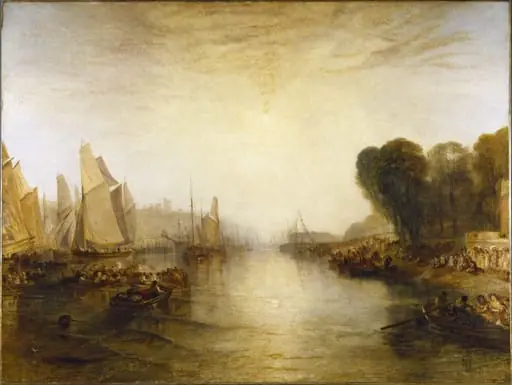 East Cowes Castle
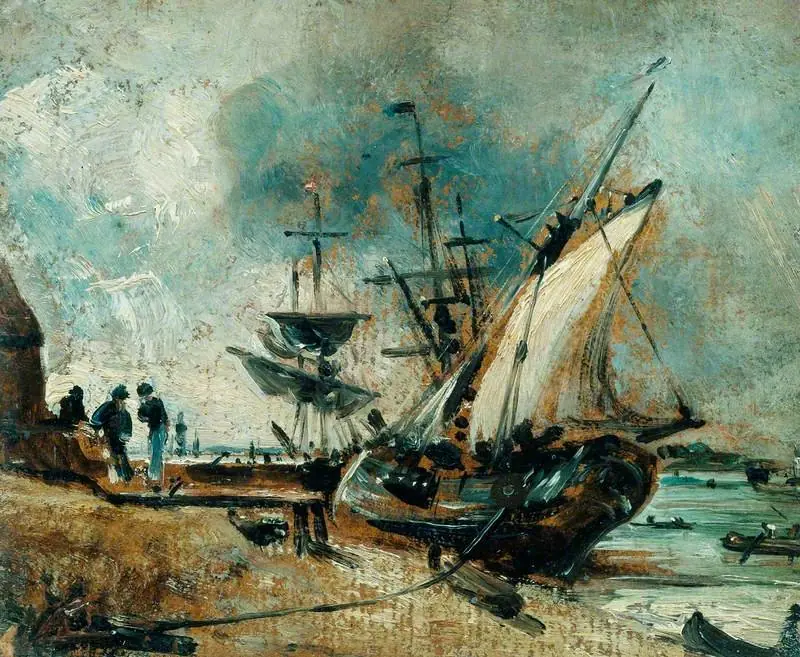 Shipping in the Orwell, near Ipswich
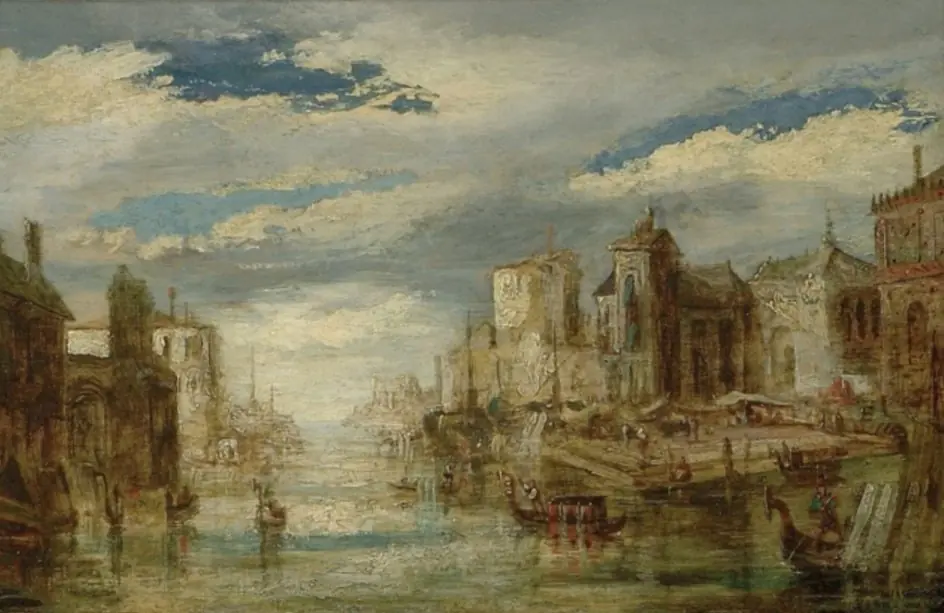 A View of Venice
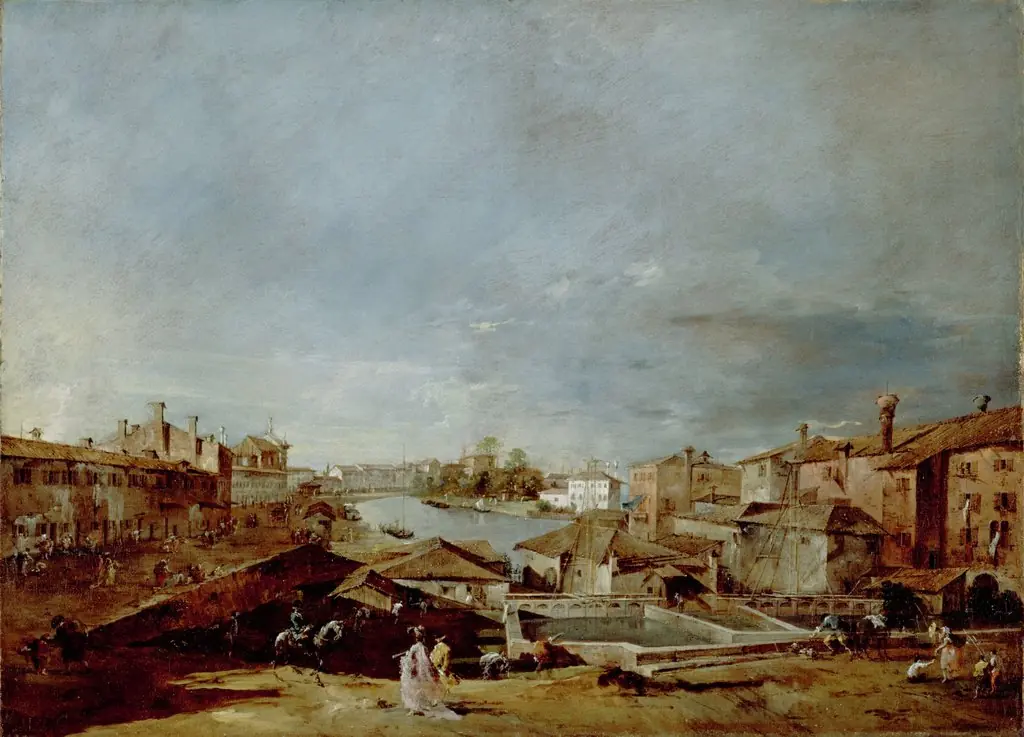 View of Dolo on the Brenta