Artwork
Sir William Beechey
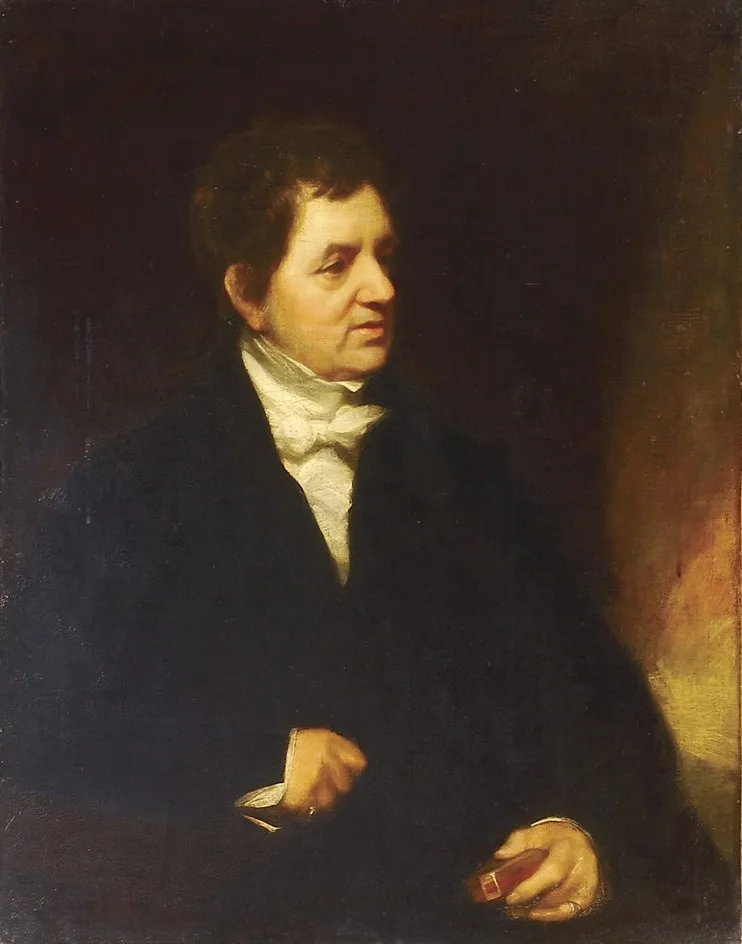
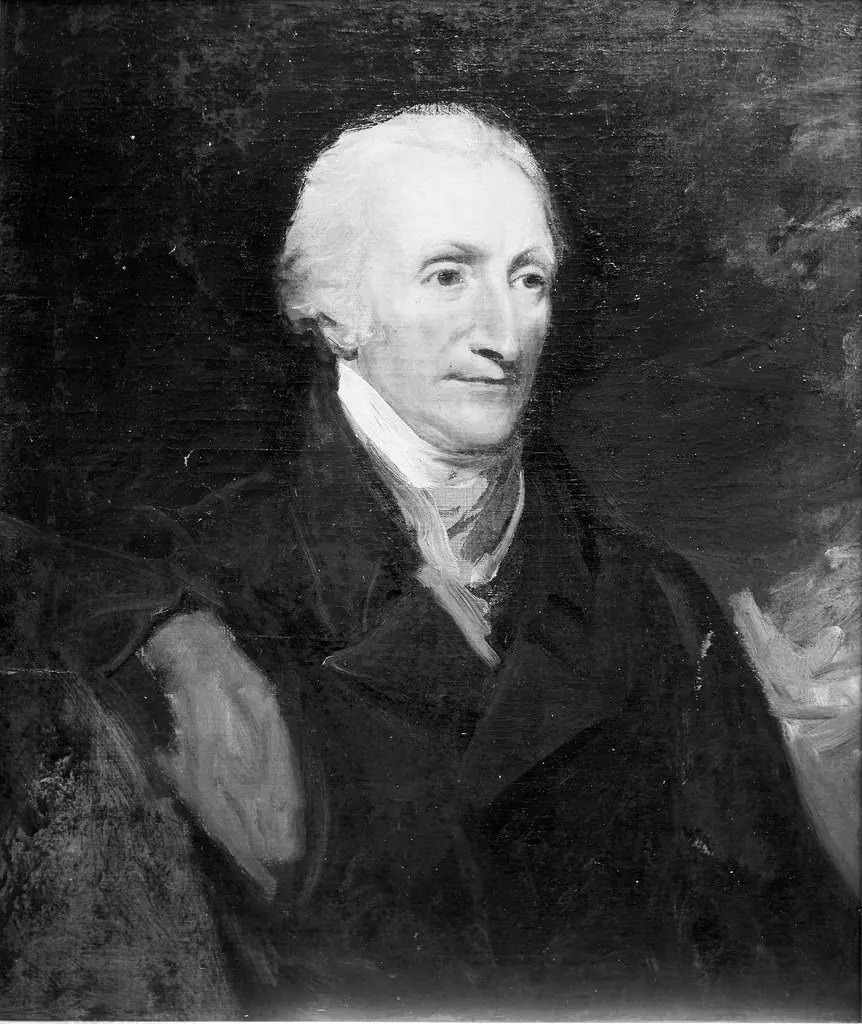
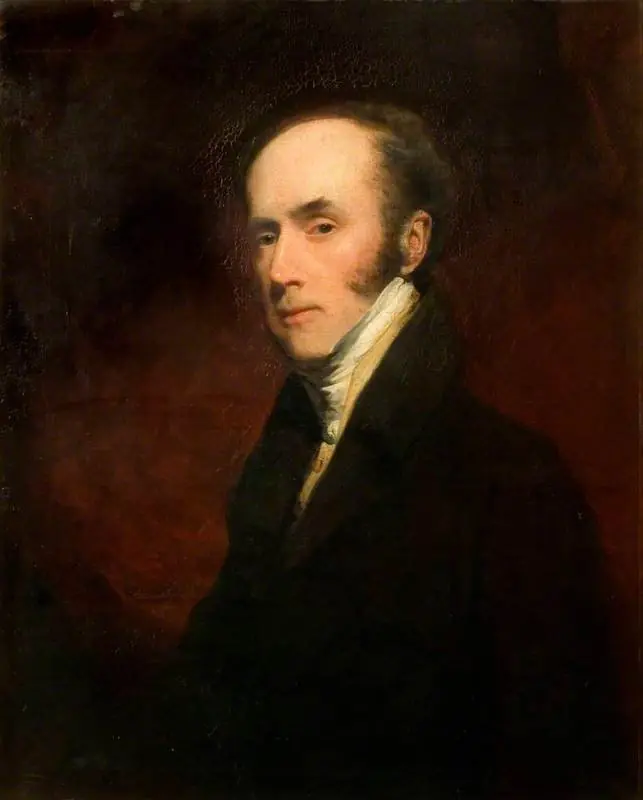
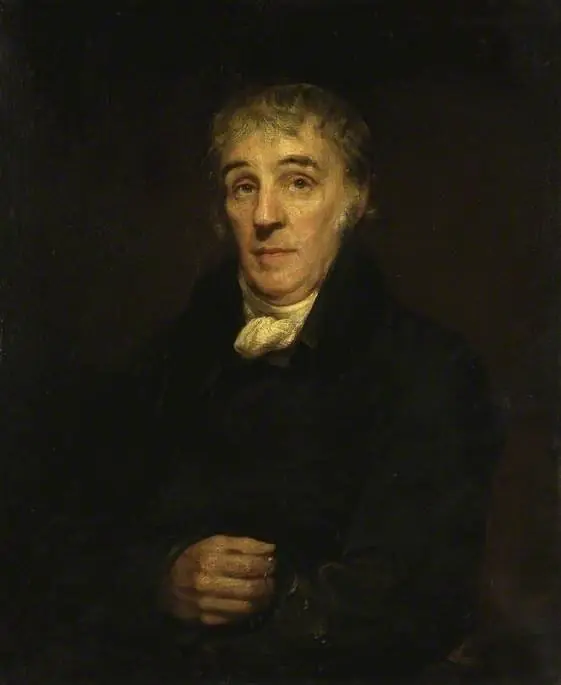
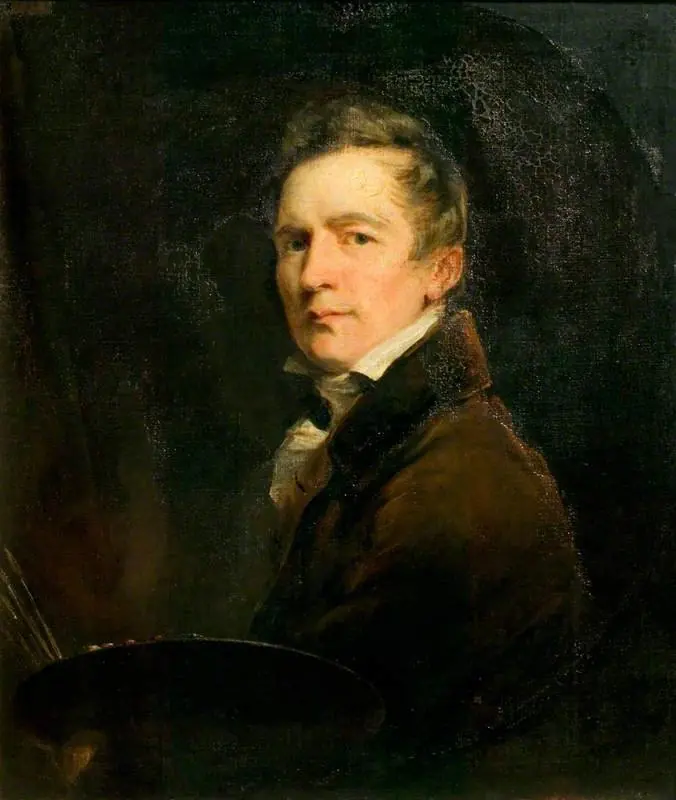
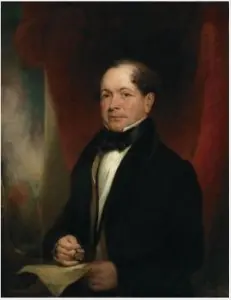
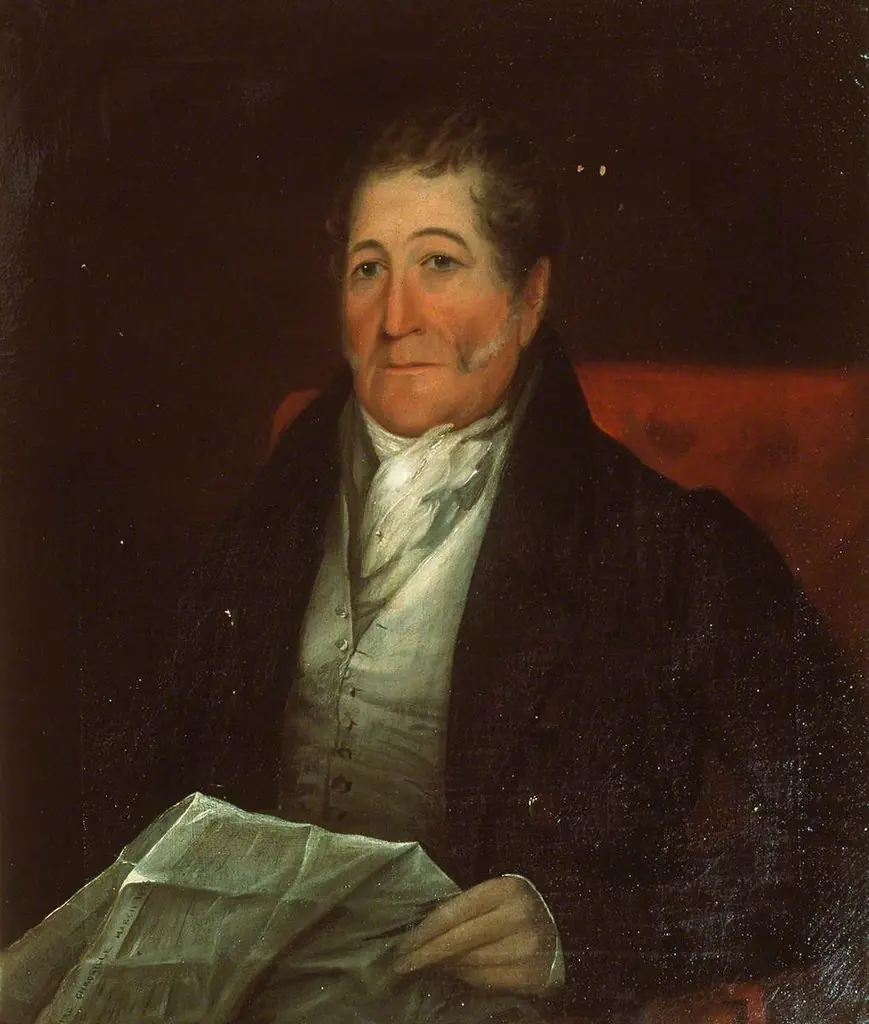
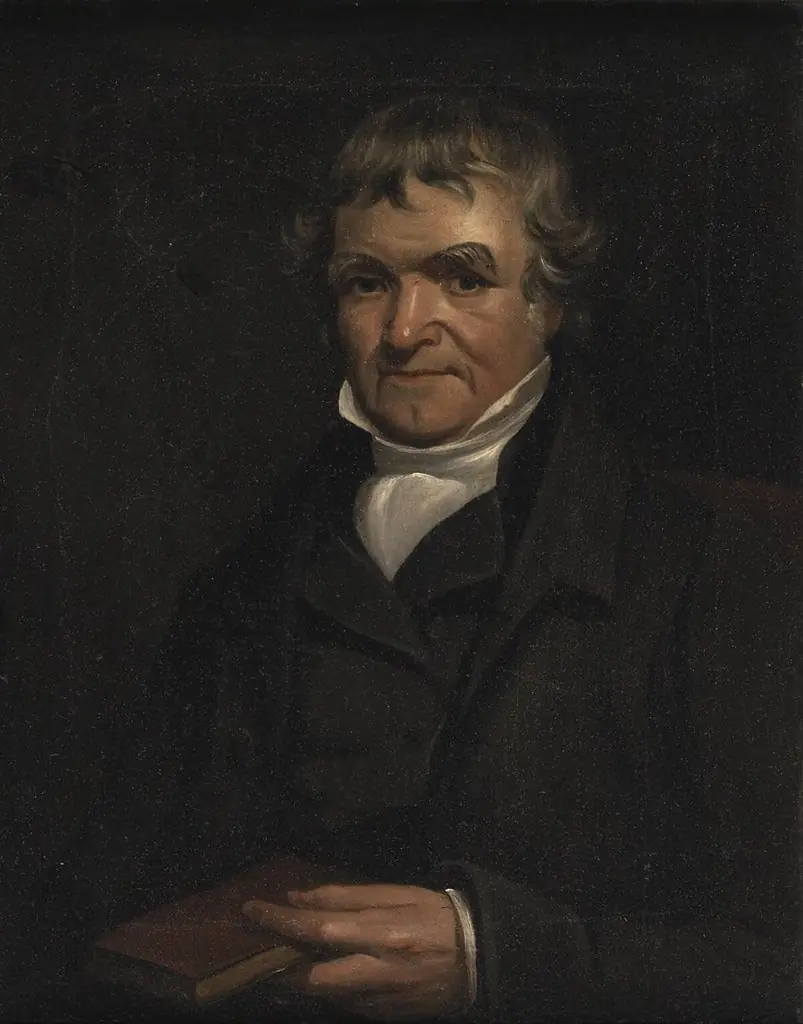
Sir William Beechey is an oil painting by John Jackson. It dates from 1814 and is held in the collection of the Ashmolean Museum.
About this work
Overview
The work is part of the Ashmolean Museum’s collection and presents Beechey in a half-length composition, rendered with quiet formality.
This oil painting, completed around 1814 by John Jackson, portrays Sir William Beechey, a prominent British portraitist. The work is part of the Ashmolean Museum’s collection and presents Beechey in a half-length composition, rendered with quiet formality. The dark background and restrained palette focus attention on the subject’s posture and expression, reflecting the conventions of early 19th-century British portraiture.
Subject & Meaning
Sir William Beechey, depicted from the waist up and facing right, holds a book in his right hand, suggesting intellectual engagement and professional identity. His dark coat and white shirt convey modest dignity, while his direct gaze and still posture evoke introspection. The absence of ornate surroundings or symbolic props emphasizes character over status, aligning with a growing preference for psychological depth in portraiture during this period.
Technique & Style
John Jackson employs chiaroscuro to model Beechey’s form, using subtle contrasts between light and shadow to define the contours of his face, neck, and hands. The brushwork is precise yet unobtrusive, favoring tonal harmony over decorative flourish. The dark, neutral background enhances the three-dimensionality of the figure, reinforcing a sense of quiet presence without distraction.
History & Provenance
Painted around 1814, the portrait likely originated as a personal or professional commission, possibly to commemorate Beechey’s standing in the art world. It entered the Ashmolean Museum’s collection in the 19th century, where it has remained since. Its preservation reflects its value as a record of artistic relationships among British painters of the era.
Context
During the early 1800s, British portraiture increasingly favored naturalism over grandeur. Beechey, a respected Royal Academy member, was himself a sought-after portraitist, making Jackson’s depiction of him a rare instance of one artist portraying another. This work exemplifies the mutual respect among practitioners and the shift toward intimate, psychologically nuanced representations in academic circles.
Legacy
The portrait endures as a quiet testament to the professional culture of British artists in the Regency period. It offers insight into how artists viewed one another—not as celebrities, but as thoughtful individuals engaged in their craft. Its restrained aesthetic continues to inform scholarly understanding of portraiture beyond royal or aristocratic subjects.
Artist & collection