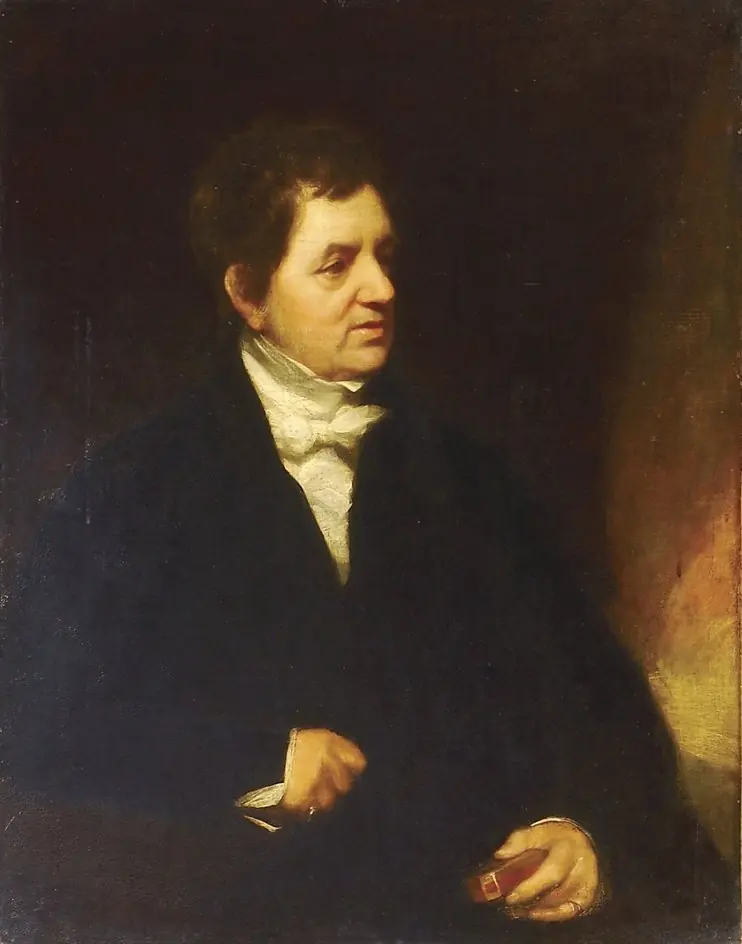
Artwork
Sir William Beechey
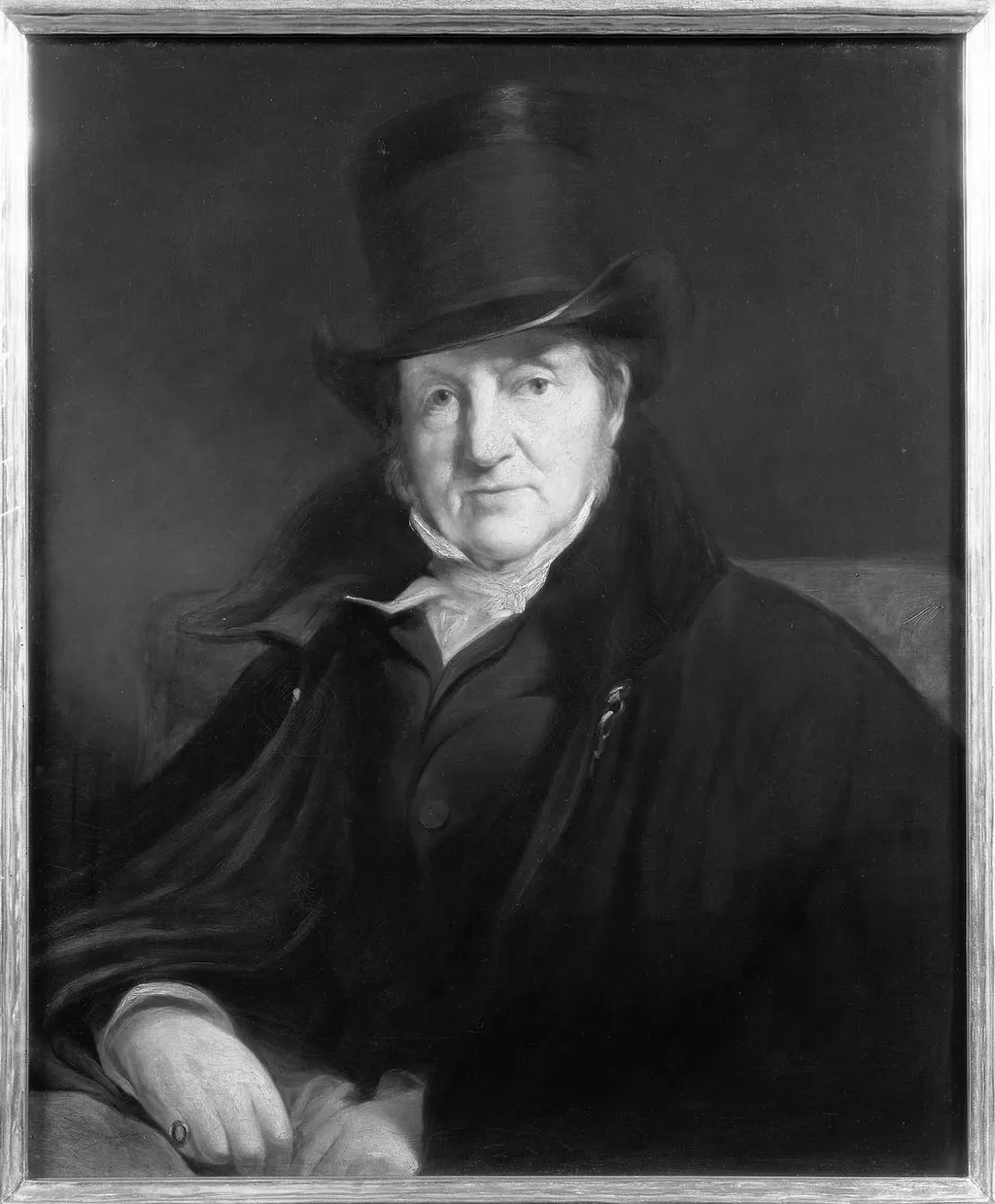
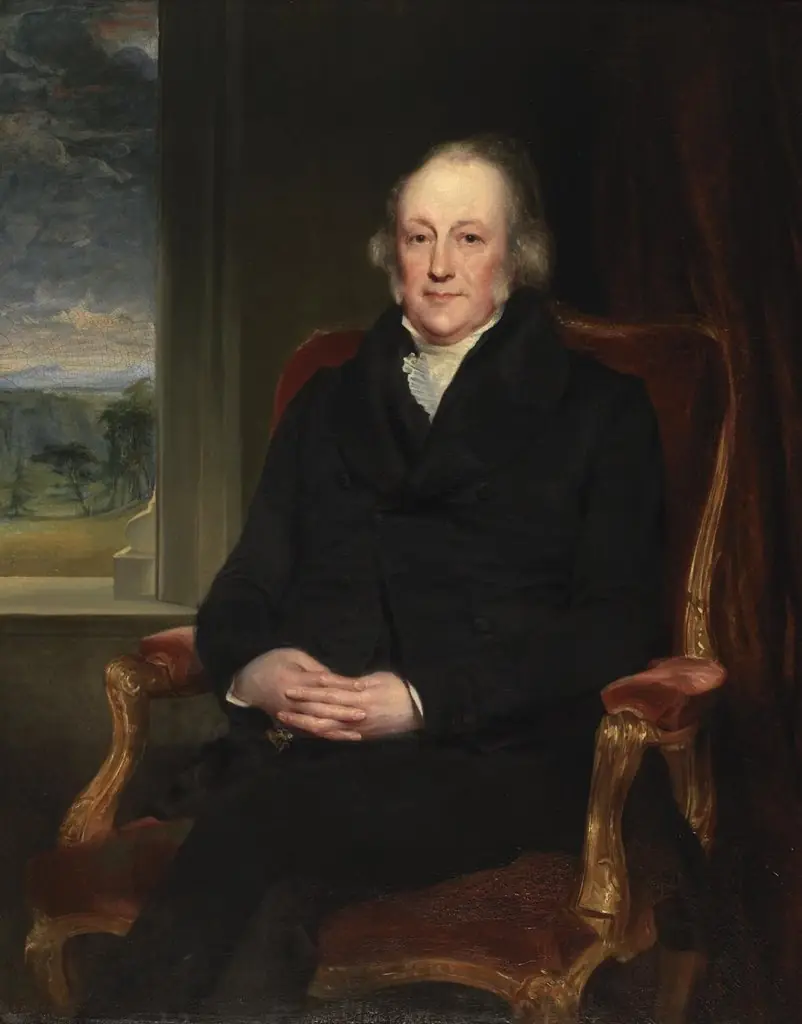
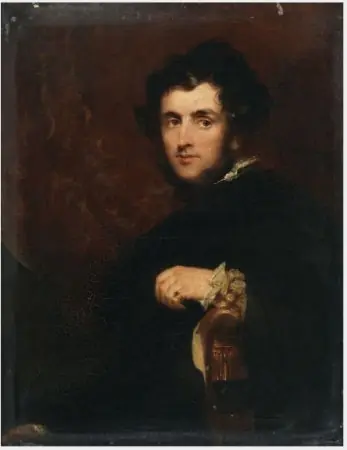
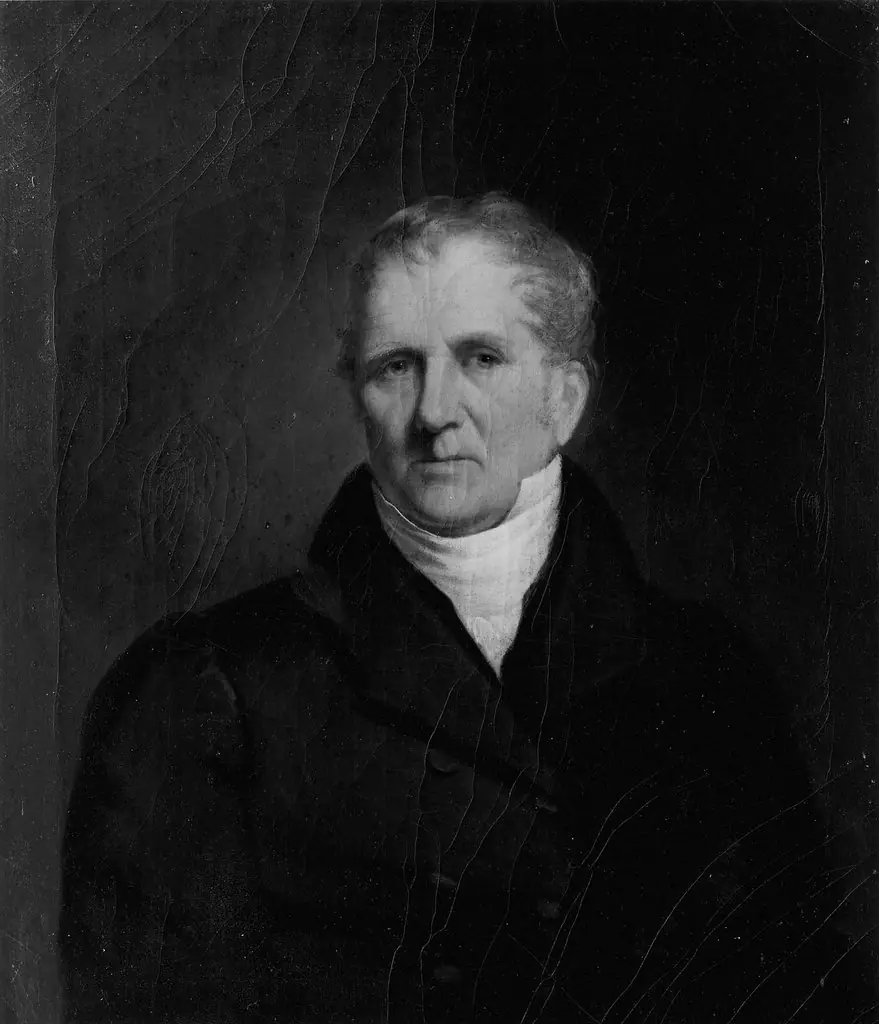
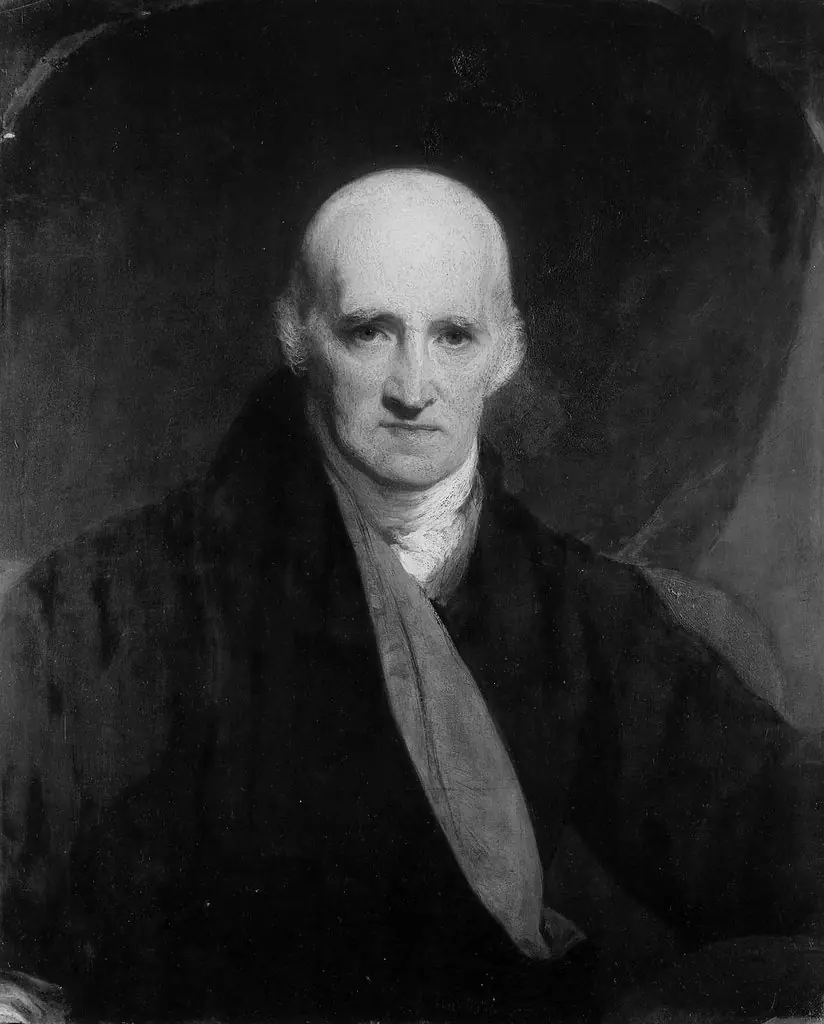
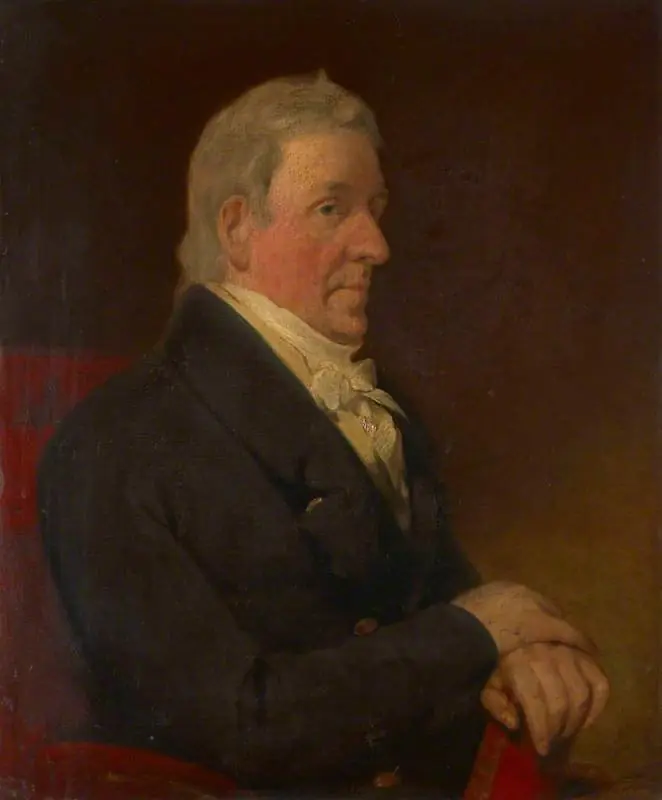
Sir William Beechey is an oil painting by Richard Rothwell. It dates from 1844 and is held in the collection of the Museum of Fine Arts Boston.
About this work
Overview
This oil painting, completed around 1844 by Richard Rothwell, portrays the British portraitist Sir William Beechey. The work is part of the collection at the Museum of Fine Arts, Boston. It presents Beechey in a seated pose, rendered with quiet restraint and attention to subtle detail. The composition avoids decorative elements, directing focus entirely to the figure and his demeanor.
Subject & Meaning
The subject, Sir William Beechey, was a respected royal portraitist of the late 18th and early 19th centuries. Here, he is depicted not in ceremonial attire but in everyday dress, suggesting a contemplative, private moment. His hand resting on his chest and the faint frown convey introspection rather than authority, offering a humanizing glimpse beyond his public role.
Technique & Style
Rothwell employs soft chiaroscuro to model Beechey’s face, creating a sense of volume through gentle gradations of light and shadow. The dark, unadorned background enhances the three-dimensionality of the figure. Brushwork is controlled and precise, particularly in the rendering of the coat’s texture and the small button on the cuff, emphasizing quiet realism over theatricality.
History & Provenance
Painted in 1844, several decades after Beechey’s peak career, the portrait likely served as a posthumous tribute or commemorative piece. It entered the Museum of Fine Arts, Boston’s collection in the 19th century, where it has remained in public view. Its provenance reflects 19th-century interest in preserving the likenesses of notable cultural figures.
Context
In the mid-19th century, British artists often turned to earlier generations of painters for subject matter, especially those associated with the Royal Academy. Rothwell’s portrait aligns with a broader trend of historical commemoration, where artists honored predecessors through restrained, psychologically nuanced depictions rather than grandiose iconography.
Legacy
The portrait endures as a quiet record of one artist’s reflection on another. It does not seek to elevate Beechey’s status but to capture his presence with dignity and restraint. As such, it contributes to the visual archive of British artistic lineage, preserving the likeness of a figure whose influence shaped portrait painting in his time.
Artist & collection