Artwork
First Steamboat on the Clyde
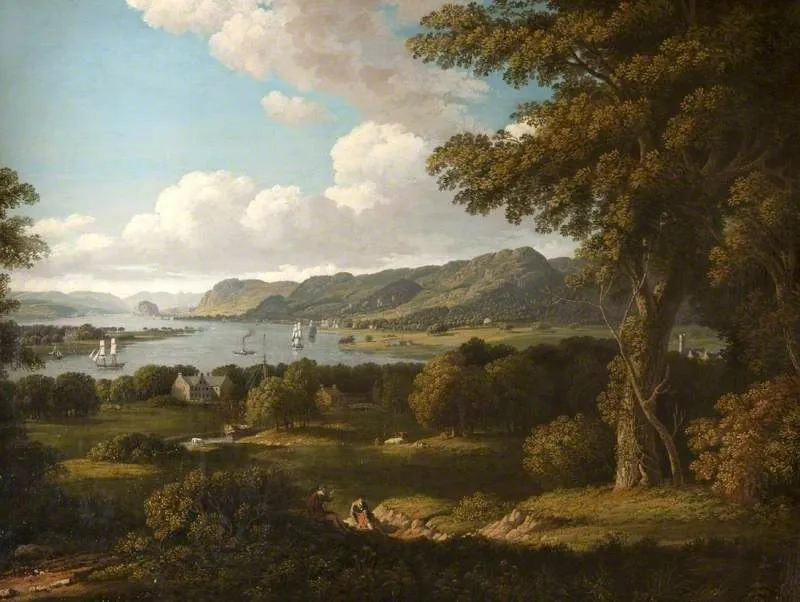
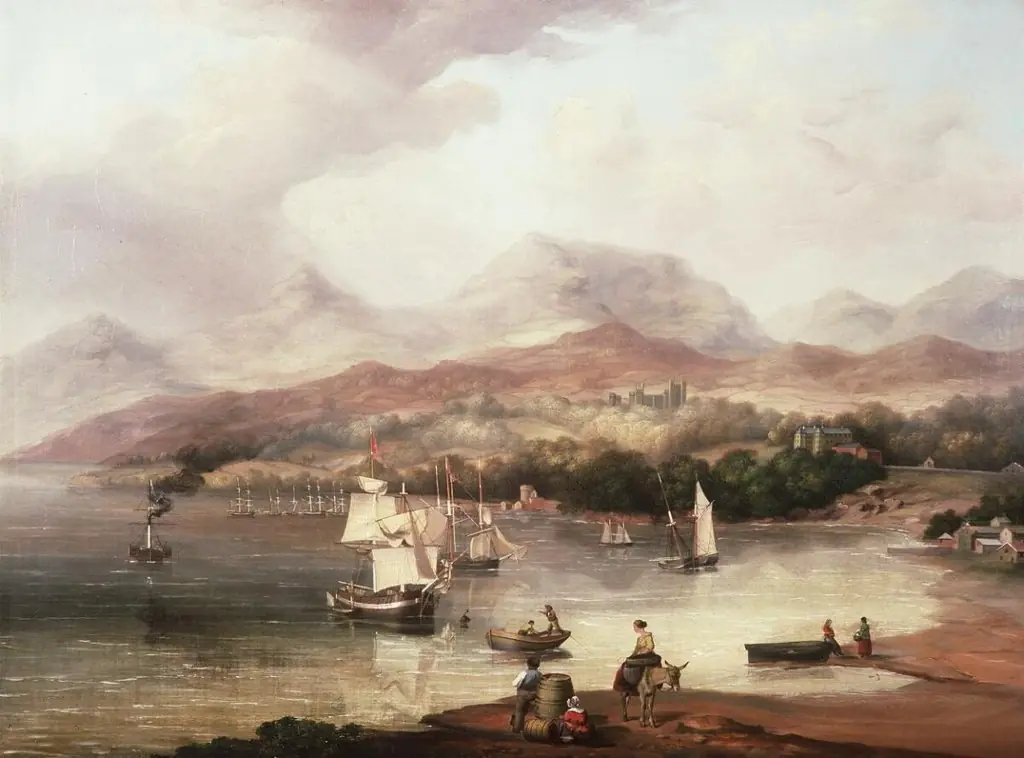
First Steamboat on the Clyde is an oil painting by the British Romanticist artist John Knox. It dates from 1820 and is held in the collection of the Kelvingrove Art Gallery and Museum.
About this work
Overview
Painted in 1820 by Scottish artist John Knox, this oil on canvas depicts the early presence of steam-powered navigation on the River Clyde.
Painted in 1820 by Scottish artist John Knox, this oil on canvas depicts the early presence of steam-powered navigation on the River Clyde. The work captures a quiet moment along the riverbank, where human figures observe the vessel from the shore. Its composition balances natural tranquility with the emerging machinery of industry, reflecting a pivotal shift in transportation and regional economy during the early Industrial Revolution.
Subject & Meaning
The painting portrays a steamboat as a novel intrusion into a rural riverscape. Figures on the bank, seemingly curious or contemplative, underscore the cultural moment of encountering mechanized progress. The vessel, small yet distinct, symbolizes technological change without dominating the scene. The calm atmosphere suggests neither celebration nor alarm, but quiet observation — a neutral record of transition in a society adapting to new forms of motion and commerce.
Technique & Style
Knox employs chiaroscuro to model form and suggest depth, particularly in the river’s surface and the contours of the steamboat. Soft transitions between light and shadow enhance the atmospheric quality of the sky and water. Brushwork is precise yet unobtrusive, favoring clarity over dramatic flair. The palette is restrained, dominated by blues, greens, and earth tones, reinforcing the painting’s documentary tone and its focus on natural harmony amid mechanical change.
History & Provenance
Created shortly after the first commercial steamboat services began on the Clyde, the painting was likely commissioned or acquired as a record of local innovation. It entered the collection of the Kelvingrove Art Gallery and Museum in Glasgow, where it remains today. Its preservation reflects early 19th-century interest in documenting Scotland’s industrial transformation through visual art, though little is known about its initial exhibition or ownership history.
Context
In the 1820s, the River Clyde was becoming a hub of shipbuilding and steam navigation, with vessels like the PS Comet revolutionizing transport. Knox’s painting emerges from this context, offering a visual counterpart to engineering advancements. Unlike later industrial scenes that glorify machinery, this work presents the steamboat as a subtle, almost incidental presence — a sign of change embedded within familiar landscapes, not a disruption of them.
Legacy
The painting stands as an early example of British art engaging with industrialization not as spectacle, but as lived reality. It influenced later Scottish landscape painters who sought to reconcile nature with modernity. While not widely known outside regional collections, it remains a quiet but significant document of how ordinary people encountered technological change — observed, not yet fully understood, but undeniably present.
Artist & collection
Artist
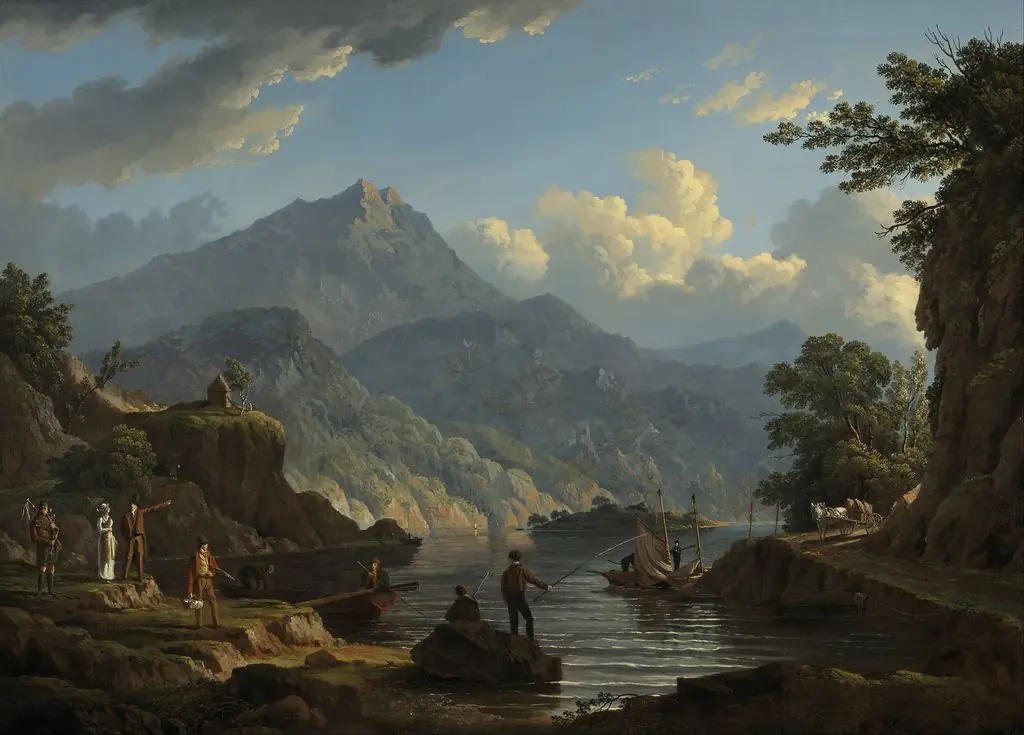
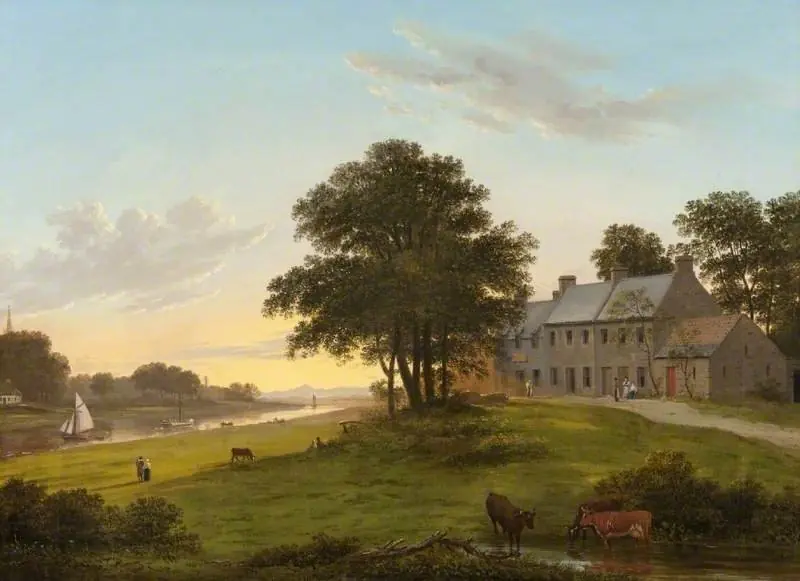
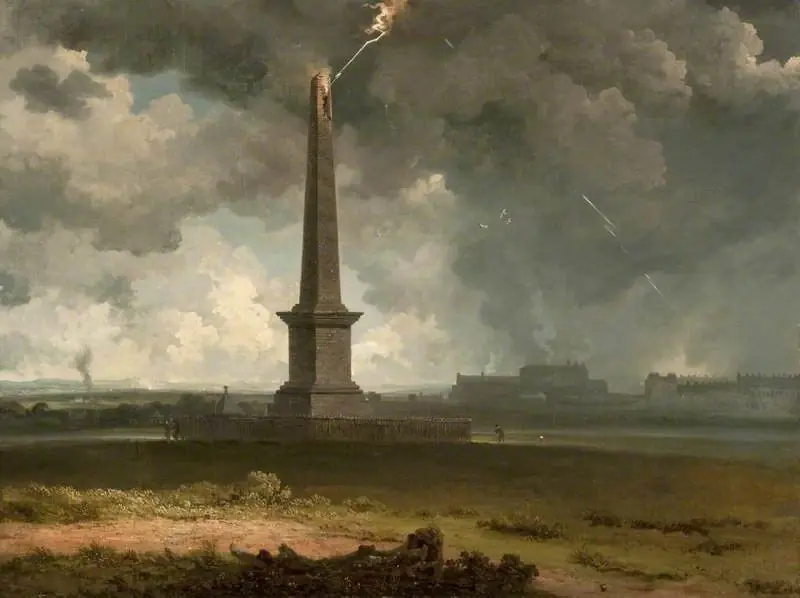
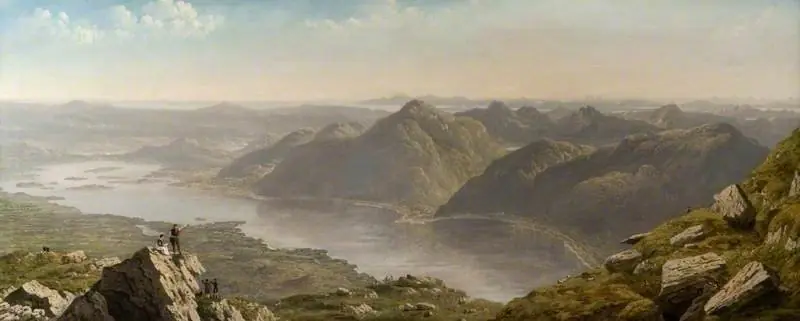
John Knox painted sweeping Scottish landscapes in oil, often from high vantage points.