Artwork
A Rishi Stirring Up a Storm
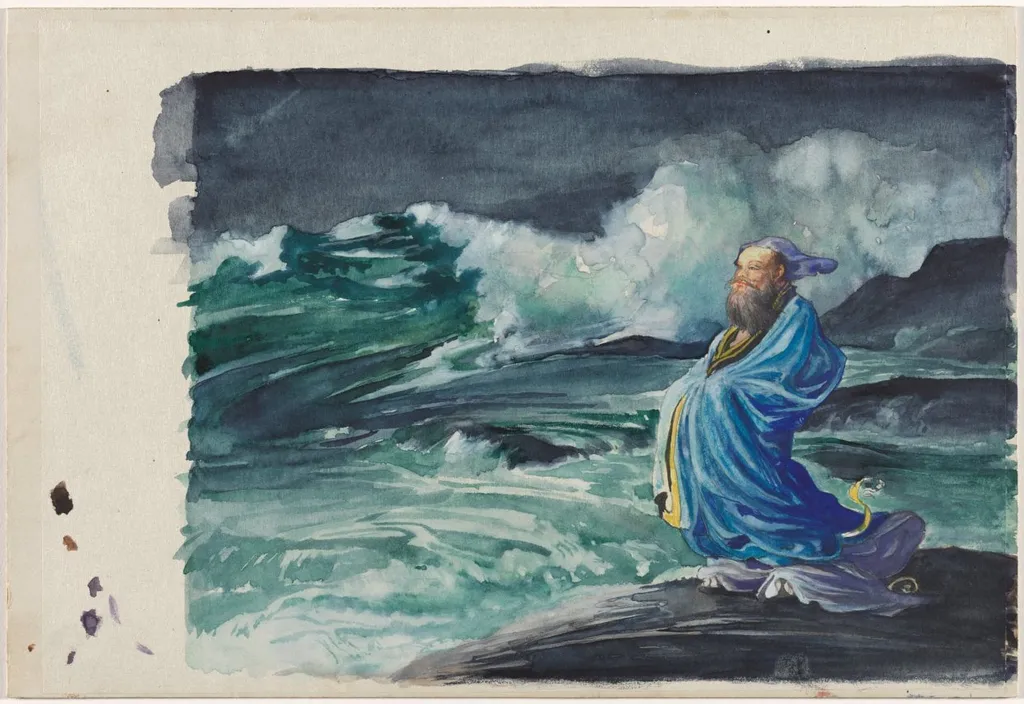
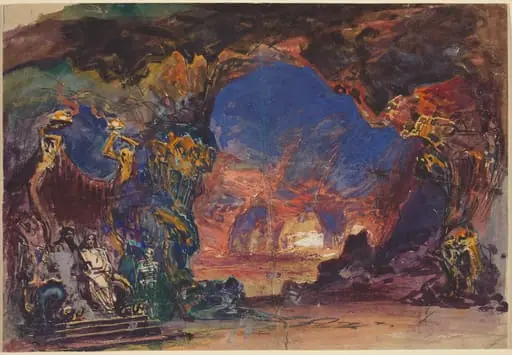
A Rishi Stirring Up a Storm is a drawing by the Impressionist artist John La Farge. It dates from 1897 and is held in the collection of the Cleveland Museum of Art.
About this work
Overview
Though rooted in Western watercolor techniques, the work incorporates compositional and chromatic principles drawn from Japanese woodblock prints.
Created in the late 1880s, this watercolor by John La Farge reflects his engagement with East Asian aesthetics following a trip to Japan in 1886. Though rooted in Western watercolor techniques, the work incorporates compositional and chromatic principles drawn from Japanese woodblock prints. It depicts a solitary figure interacting with a turbulent sea, suggesting a philosophical dialogue between human will and natural forces.
Subject & Meaning
The figure is interpreted as a rishi—a Daoist immortal who transcends mortal limits through spiritual discipline. La Farge associated the figure with the legendary philosopher Liezi, known for riding the wind. The man’s staff stirs the ocean, visually aligning his inner power with the sea’s motion. The image conveys Daoist ideals of harmony with nature, not domination, as the figure becomes an extension of the elements he commands.
Technique & Style
La Farge layered transparent watercolor washes to model the ocean’s volume, using subtle gradations of blue to suggest depth and movement. Simultaneously, he adopted Japanese compositional asymmetry and a restricted, vivid palette dominated by cerulean and cobalt. The figure’s robes, rendered in dense gouache, contrast with the fluid washes of water, creating a tension between solidity and dissolution that mirrors the theme of spiritual transformation.
History & Provenance
The drawing was made after La Farge’s 1886 journey to Japan, during which he studied under Okakura Kakuzō and immersed himself in Daoist texts. It belongs to a series of works from this period where he experimented with Eastern motifs and philosophies. The piece remained in his personal collection until his death, later entering a public institution through bequest or acquisition by a collector familiar with his late oeuvre.
Context
In the 1880s, American artists increasingly looked to Japan as a source of formal innovation, drawn to its flattened perspectives and emphasis on atmosphere. La Farge’s work stood apart by integrating Daoist philosophy, not merely decorative elements. His synthesis of Western modeling and Japanese sensibility reflected broader cultural exchanges, yet remained deeply personal, shaped by his own readings and spiritual inquiries.
Legacy
This work exemplifies La Farge’s role in bridging transpacific artistic traditions during a formative era of American modernism. Though not widely exhibited in his lifetime, it influenced later artists exploring cross-cultural aesthetics. Its quiet fusion of Eastern thought and Western technique remains a quiet testament to the possibilities of artistic dialogue beyond surface ornamentation.
Artist & collection

Artist
John La Farge (March 31, 1835 – November 14, 1910) was an American artist whose career spanned illustration, murals, interior design, painting, and popular books on his Asian travels and other art-related topics.

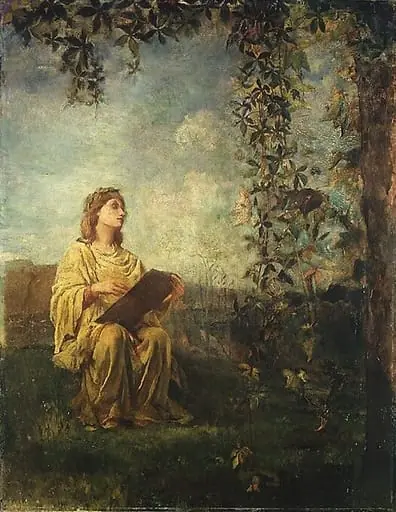 The Muse of Painting
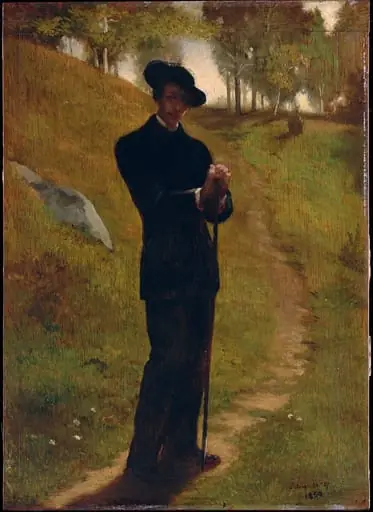 Portrait of the Painter
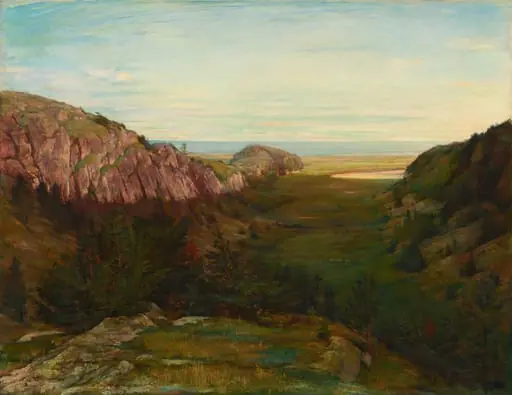 The Last Valley - Paradise Rocks
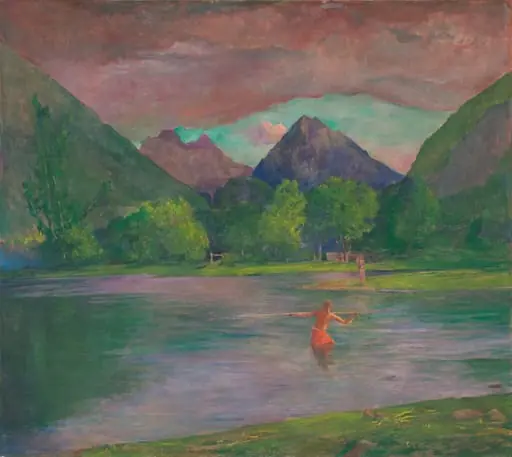 The Entrance to the Tautira River, Tahiti. Fisherman Spearing a Fish
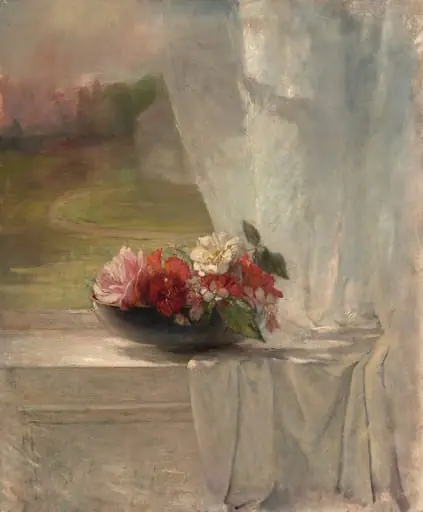 Flowers on a Window Ledge
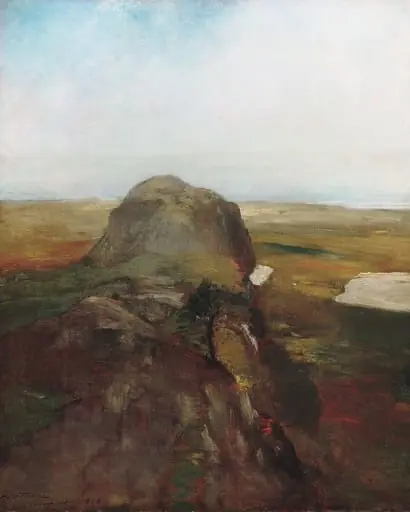 Autumn Study, View over Hanging Rock, Newport, R.I.
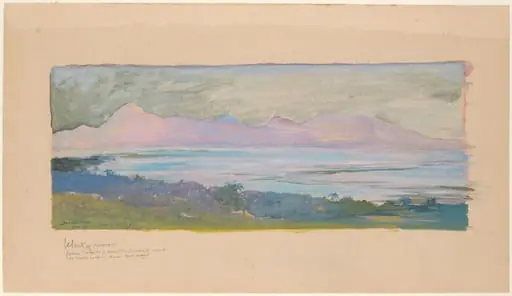 The Island of Moorea Looking across the Strait from Tahiti, January 1891
 Double Study of Dawn, Moorea Seen across the Water, Tahiti
 Studie efter Dürer: Den Hellige Christoforus II
 The Wandering Jew: Cover
 Untitled
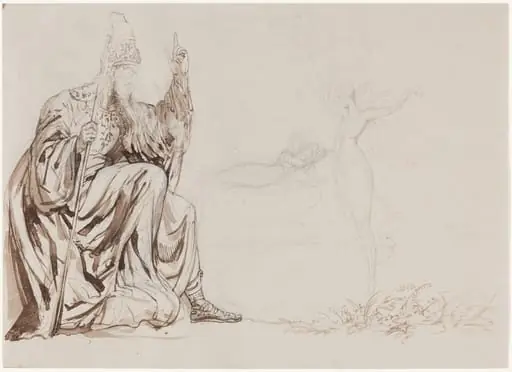 A Magician
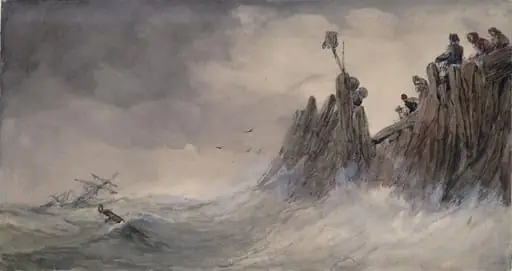 Wreck off Appledore, North Devon
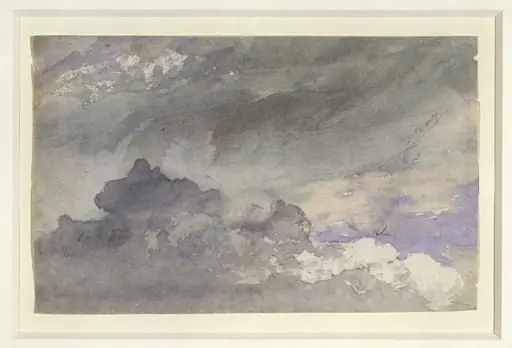 Cloud study
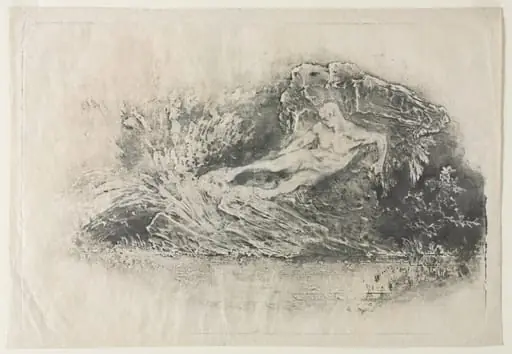 Prometheus
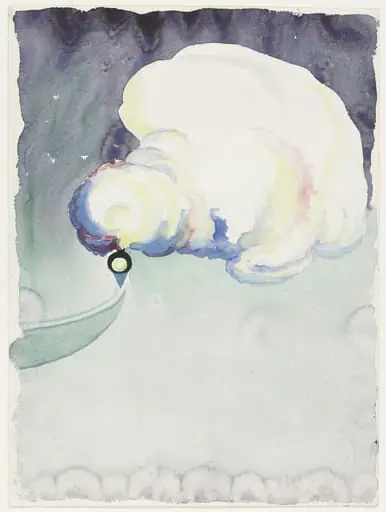 Untitled
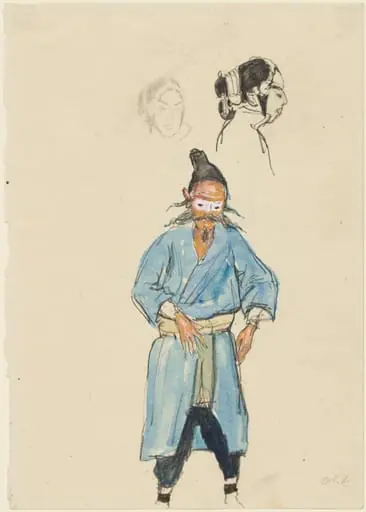 Chinese Actor and Two Sketches of a Woman's Head
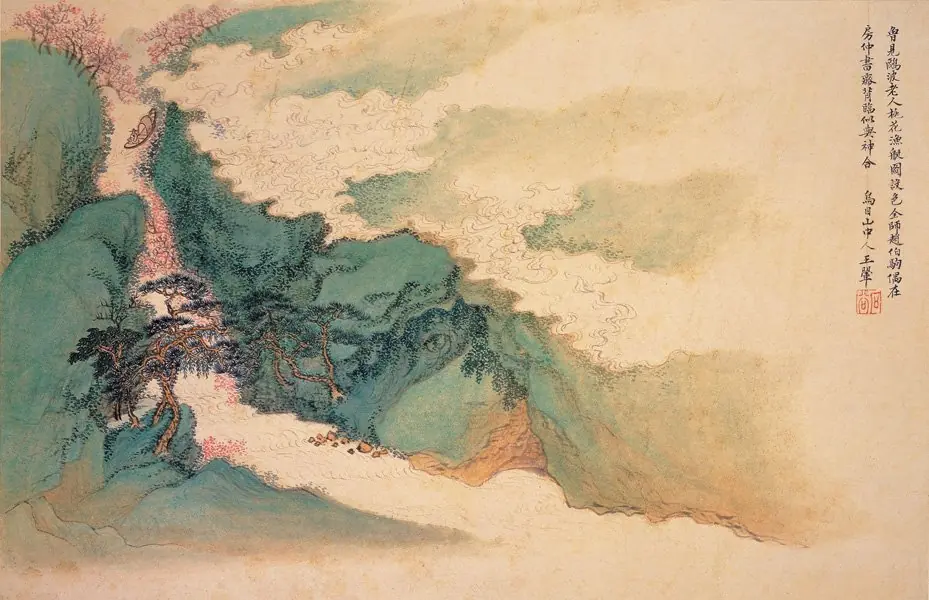 Imitating Zhao Mengfu's Landscape
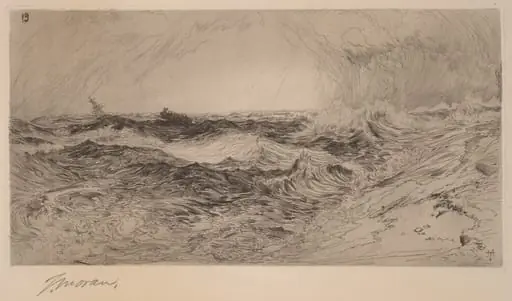 The Resounding Sea
 Underworld Scene with a Man and Woman Enthroned and Death Standing Guard