Artwork
The Opening of the Modern Foreign and Sargent Galleries at the Tate Gallery, 26 June 1926
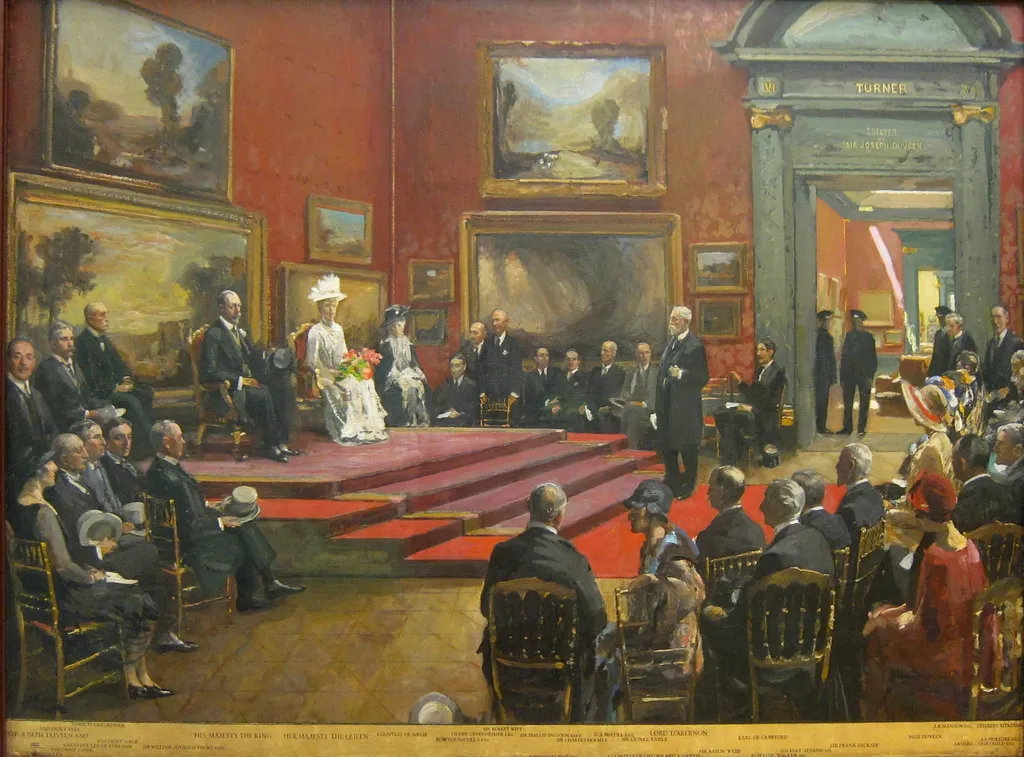
The Opening of the Modern Foreign and Sargent Galleries at the Tate Gallery, 26 June 1926 is an oil painting by the Impressionist artist John Lavery. It dates from 1926 and is held in the collection of the National Gallery.
About this work
Overview
Though rooted in realism, its brushwork and lighting reflect an affinity with Impressionist approaches to atmosphere and movement.
John Lavery’s 1926 oil painting documents the ceremonial opening of new gallery spaces at the Tate Gallery in London. Executed in a refined, observational style, the work records a moment of institutional significance in British art culture. Though rooted in realism, its brushwork and lighting reflect an affinity with Impressionist approaches to atmosphere and movement. The painting remains part of Tate Britain’s permanent collection.
Subject & Meaning
The scene captures the formal unveiling of the Modern Foreign and Sargent Galleries, attended by artists, patrons, and dignitaries. A speaker stands before a seated group of officials, while guests in evening attire observe from the surrounding space. The composition emphasizes hierarchy and ritual, framing the event as a milestone in the Tate’s commitment to modern and international art, rather than a mere social gathering.
Technique & Style
Lavery employed loose, fluid brushwork to render light across the red-walled interior and the textures of formal wear, balancing detail with atmospheric suggestion. The arrangement of figures avoids rigid symmetry, creating a sense of spontaneous presence. His handling of light—falling through an open doorway—adds depth and directs attention toward the speaker, reinforcing the event’s ceremonial tone without overt dramatization.
History & Provenance
Commissioned to commemorate the 1926 gallery opening, the painting was completed the same year and entered the Tate’s collection shortly thereafter. It has remained in public ownership since, with no documented changes in custody. Its preservation reflects the institution’s interest in documenting its own institutional evolution through commissioned art.
Context
The opening marked a shift in the Tate’s mission, expanding its scope to include modern British and foreign works beyond its traditional 19th-century focus. Lavery, known for portraiture and wartime imagery, was chosen for his established reputation and ability to capture elite social settings. The event coincided with broader postwar efforts to position Britain as a center for contemporary art.
Legacy
The painting serves as a visual archive of early 20th-century art institutionalization in Britain. While not widely exhibited, it remains a key record of how cultural institutions legitimized modern art through ceremony and public display. Lavery’s approach—neither celebratory nor critical—offers a quiet, observational record of institutional transition.
Own this work as a print
Artist & collection
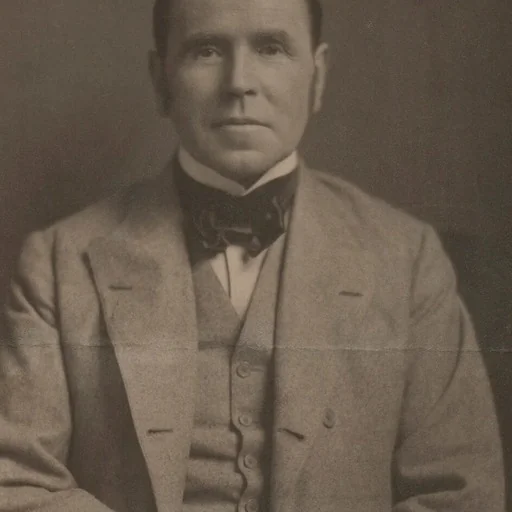
Artist
Sir John Lavery (20 March 1856 – 10 January 1941) was an Irish painter best known for his portraits and wartime depictions.

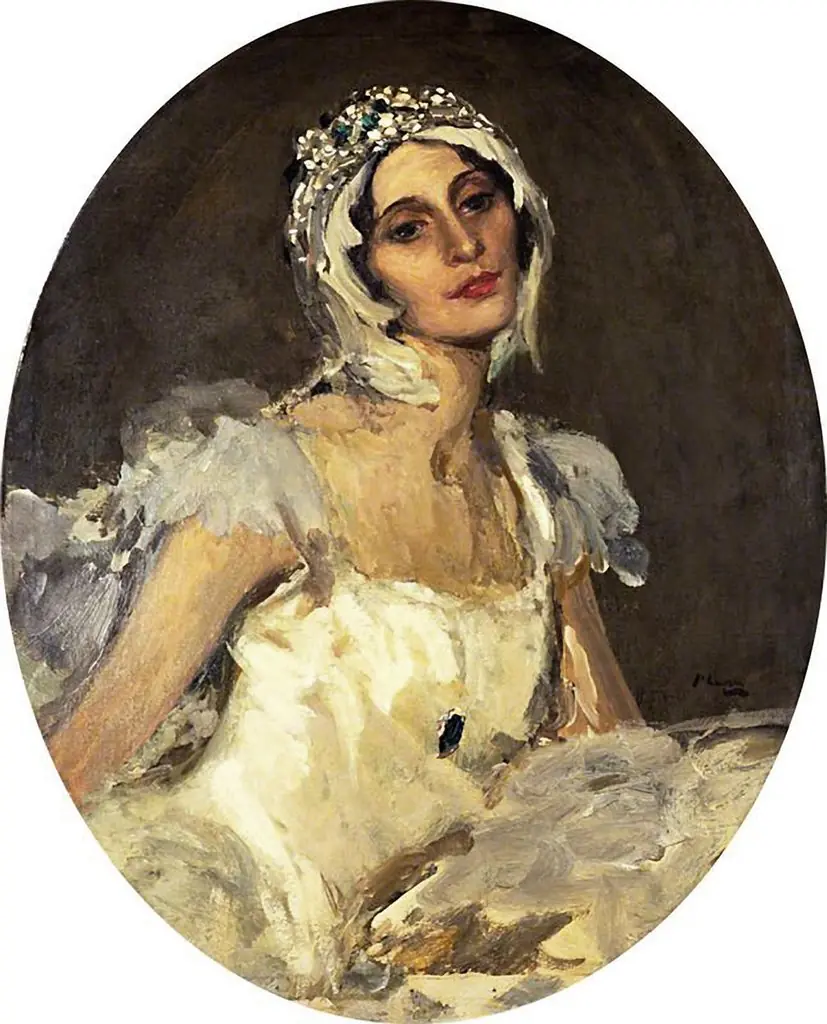 Anna Pavlova (1881–1931), as 'The Dying Swan'
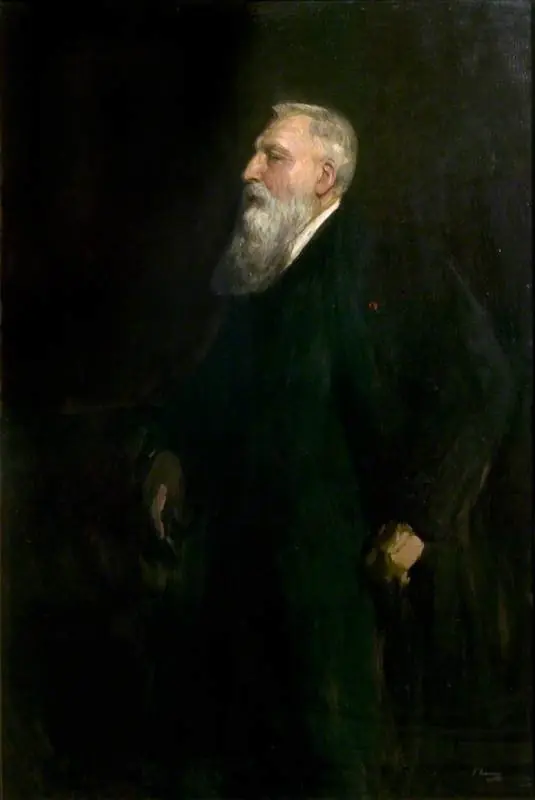 Auguste Rodin (1840–1917)
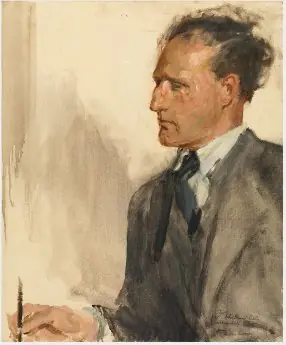 Portrait of John Stewart Collis (1900-1984), Author
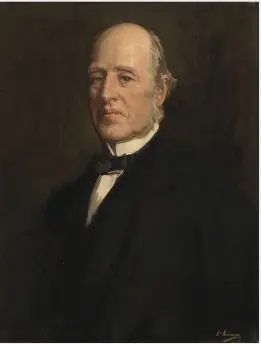 Portrait of W.E.H. Lecky (1838-1903), Historian
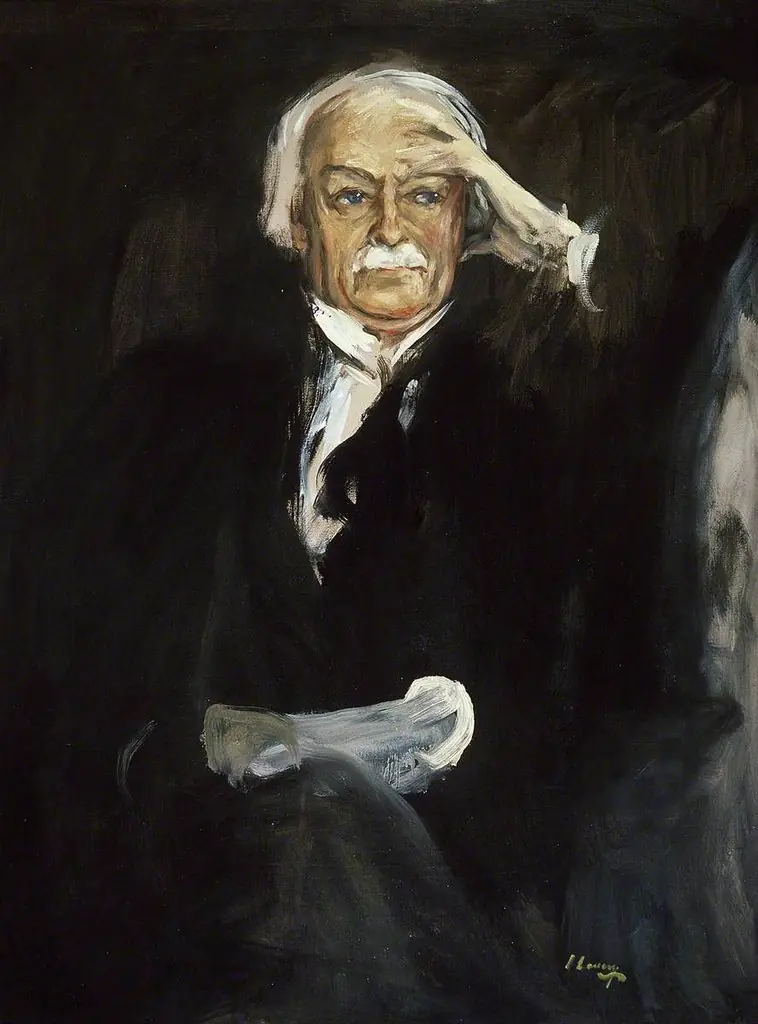 David Lloyd George (1863–1945)
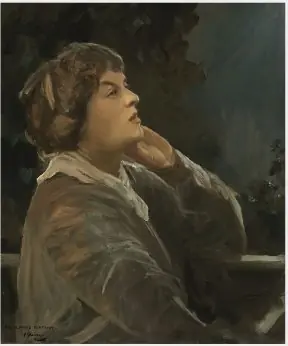 Portrait of Dora Sigerson (Mrs Shorter) (c.1870-1918), Poet
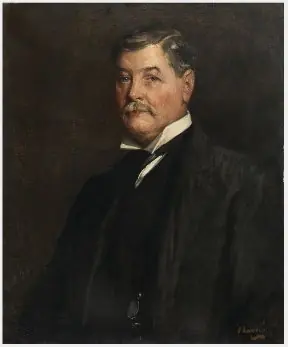 Portrait of T.P. O'Connor, Parliamentarian and Journalist
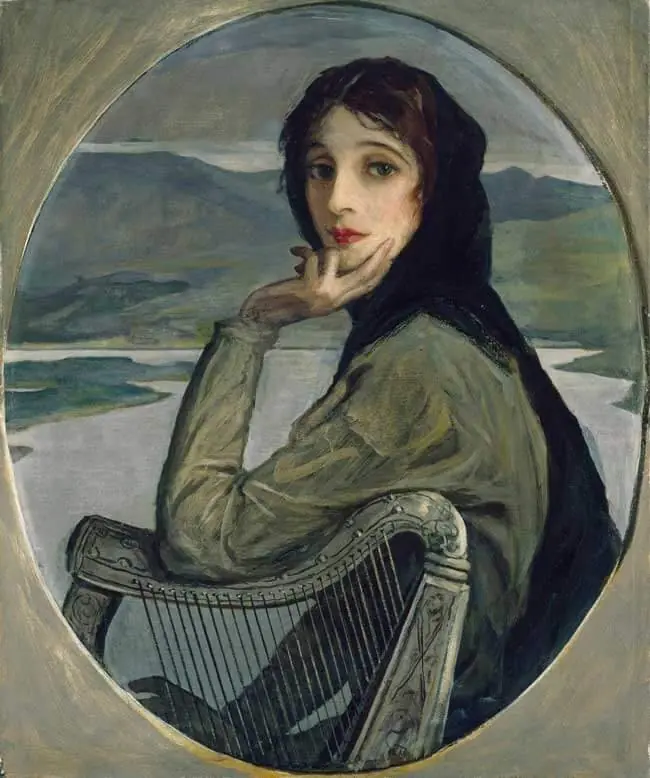 Portrait of Lady Lavery as Kathleen Ni Houlihan
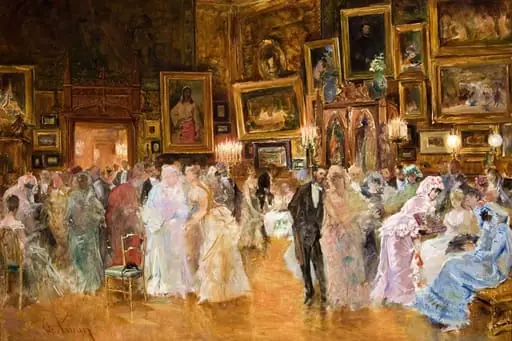 Bal mascat în atelier - Serată
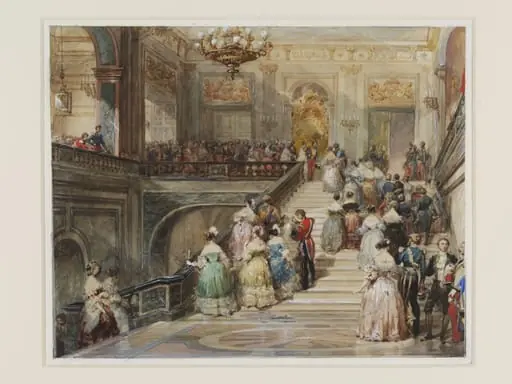 Fete at the Chateau de Versailles in 1837
 The convalescent
 The first cloud
 Auction Sale in Clinton Hall, New York, 1876
 Bal mascat
 En akademirådsforsamling på Charlottenborg i 1904
 En akademirådsforsamling på Charlottenborg i 1904
 The Baptism
 Fete at the Chateau de Versailles in 1745 on the occasion of the marriage of the Dauphin
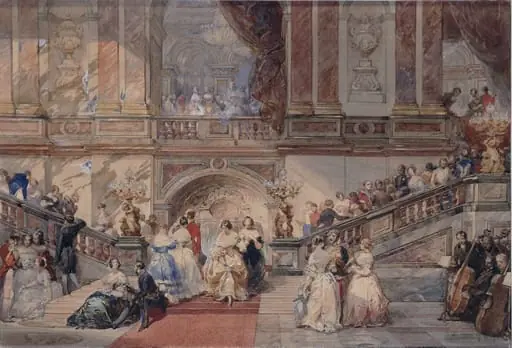 Ball at the Hotel de Ville, Paris
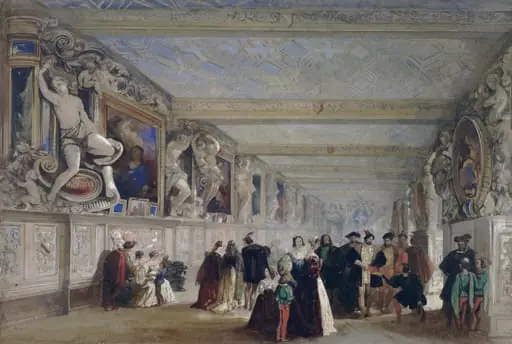 Gallery of Francis I at Fontainebleau