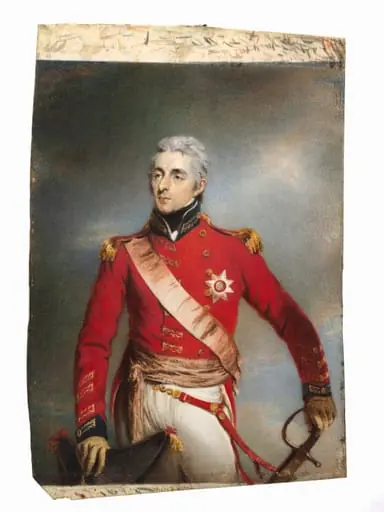
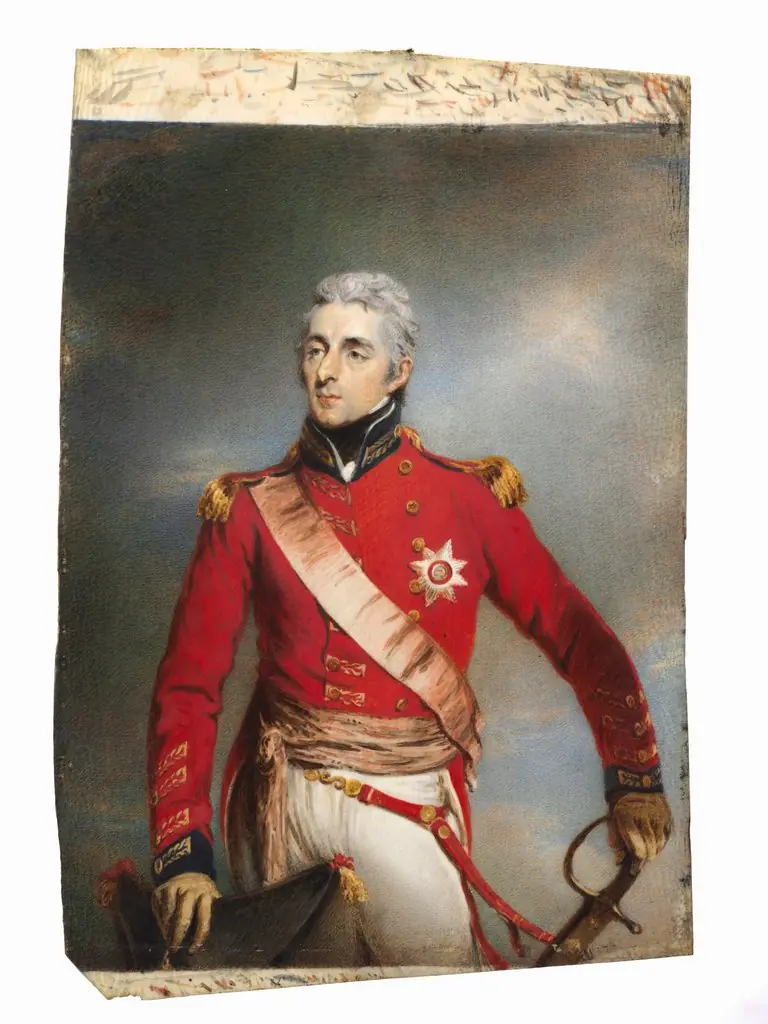
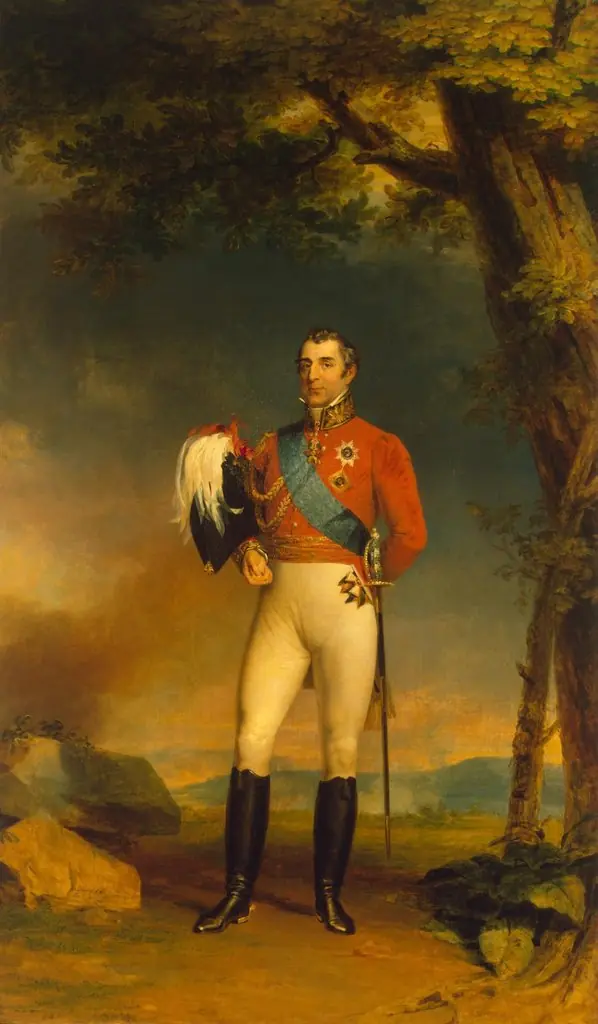
Artwork
Portrait of Arthur Wellesley, 1st Duke of Wellington (1769-1852)
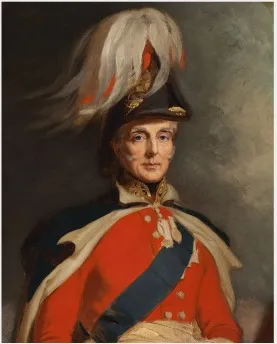
Portrait of Arthur Wellesley, 1st Duke of Wellington (1769-1852) is an oil painting by the Realist artist John Lucas. It is held in the collection of the National Gallery of Ireland.
About this work
Overview
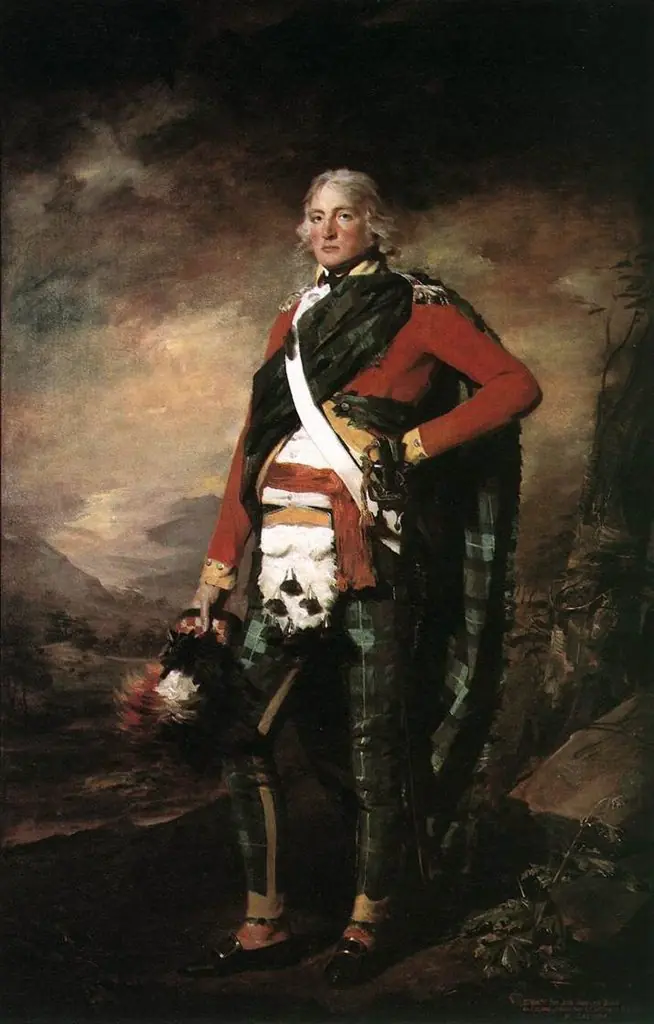
This oil painting by John Lucas presents Arthur Wellesley, 1st Duke of Wellington, in full military regalia. Executed with careful attention to detail, the portrait captures the duke in a composed, authoritative stance. It is part of the collection at the National Gallery of Ireland, where it remains a key representation of early 19th-century British military leadership in visual form.
Subject & Meaning
The portrait portrays Wellington not as a battlefield commander but as a statesman in repose. His uniform, adorned with the sash of a high honor and a plumed hat, signals rank and service. The subdued smile and downward gaze suggest introspection rather than triumph, reflecting his later years as a public figure shaped by war yet committed to duty and restraint.
Technique & Style
Lucas employs chiaroscuro to model the duke’s form against a neutral background, emphasizing texture in the fabric of his coat and the sheen of gold buttons. The brushwork is precise but not overly ornate, favoring clarity over flourish. The white cape and red accents contrast subtly with the gray-brown surroundings, directing focus to the figure’s face and bearing without theatricality.
History & Provenance
Commissioned during Wellington’s later life, the portrait was likely intended for public or institutional display. It entered the National Gallery of Ireland’s collection in the 19th century, possibly through donation or acquisition by a patron connected to the duke’s legacy. Its preservation reflects ongoing interest in his role within British and Irish history.
Context
Painted in the decades following the Napoleonic Wars, this portrait aligns with a broader trend of depicting military leaders as dignified civic figures. While Wellington was celebrated for victory, this image avoids glorification, instead presenting him as a composed elder statesman—reflecting the era’s shift from martial triumph to institutional authority.
Legacy
The portrait endures as a quiet testament to Wellington’s enduring presence in British and Irish public memory. Unlike more flamboyant military portraits, its restraint underscores his reputation for discipline and gravitas. It continues to inform how later generations visualize leadership shaped by service, not spectacle.
Artist & collection
Artist
John Lucas kept painting the same man’s face for decades, but not because he lacked ideas—he just couldn’t stop noticing how the years carved new lines around Wellington’s mouth.

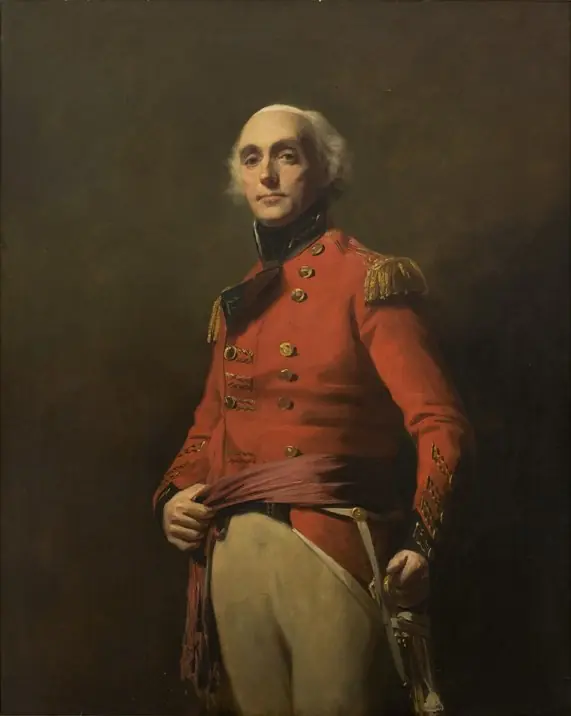 General Sir William Maxwell
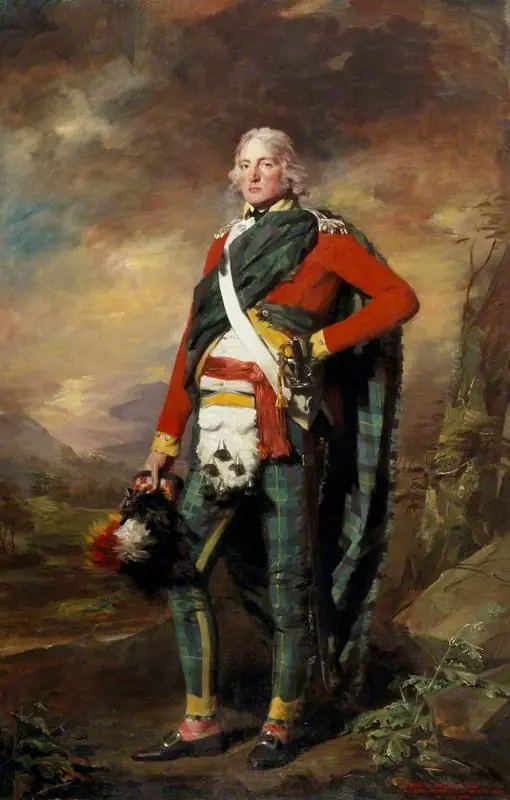 Sir John Sinclair, 1st Bart of Ulbster (1754 - 1835)
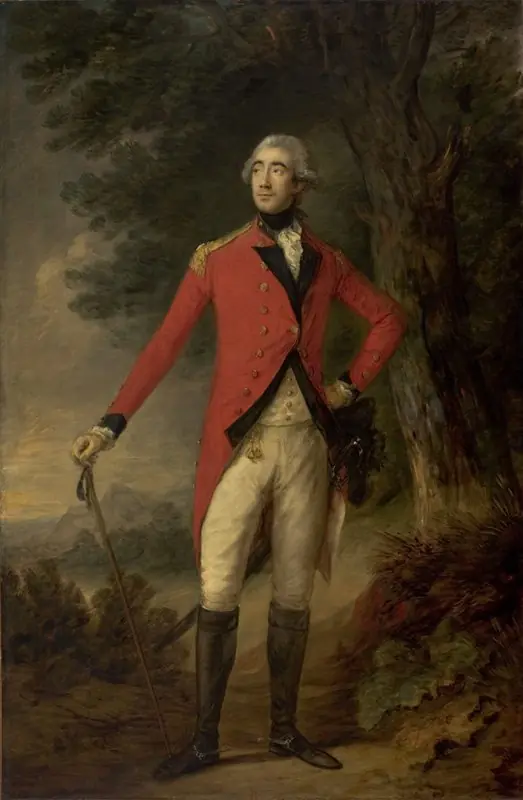 Francis Rawdon, 1st Marquess of Hasting and 2nd Earl of Moira
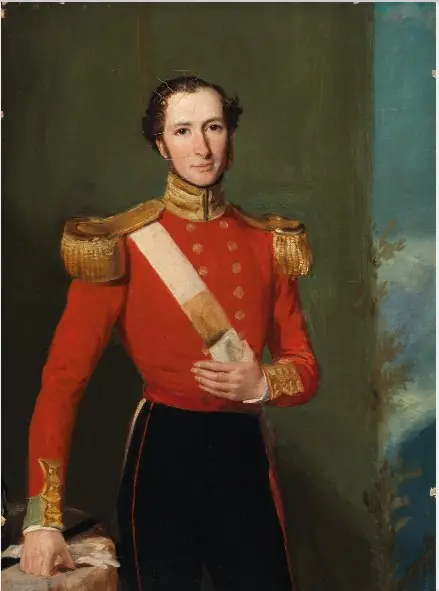 Portrait of G.A. Taylor, Founder of Taylor Art Prizes and Scholarships
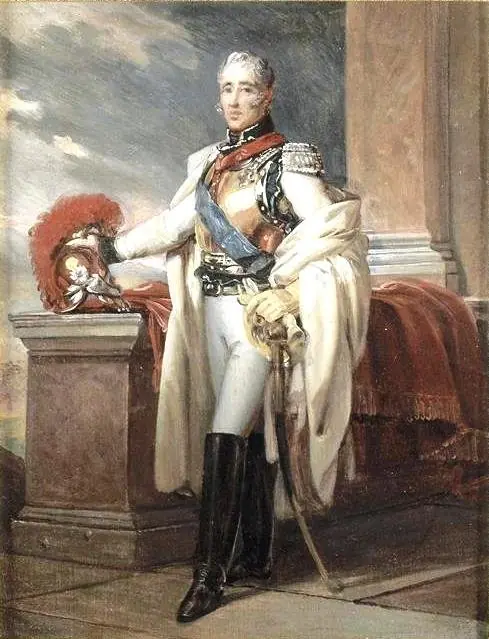 Charles-Philippe de France (1757-1836), comte d'Artois, en uniforme de colonel général des Carabiniers, vers 1815 (esquisse)
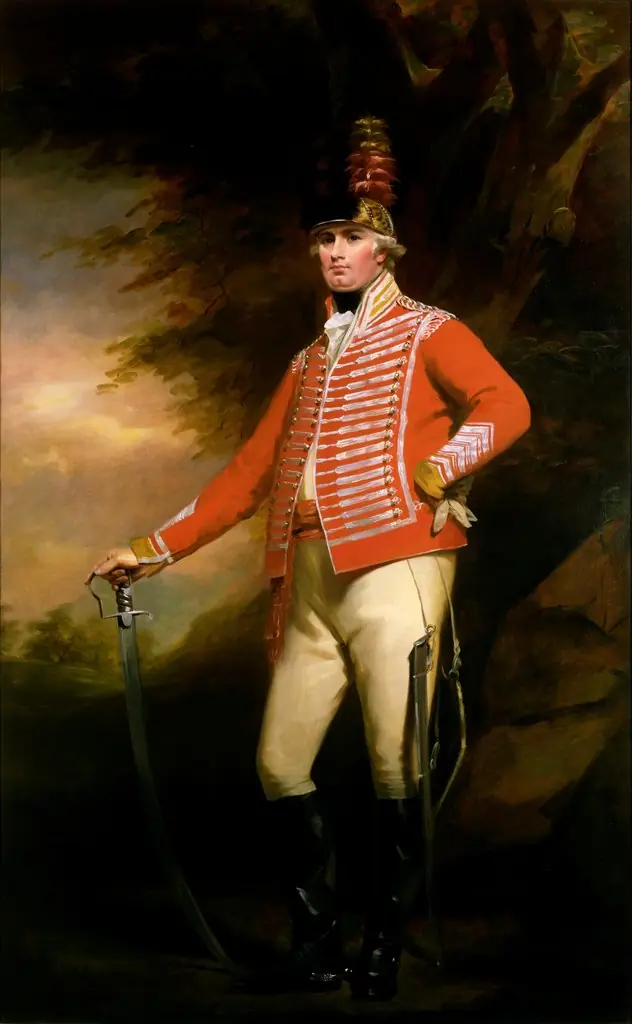 Portrait of Lieutenant Colonel William Shirriff, H.E.I.C.S. (1759/1760-1802)
 Portrait of James Caulfield, 1st Earl of Charlemont (1728-1799)
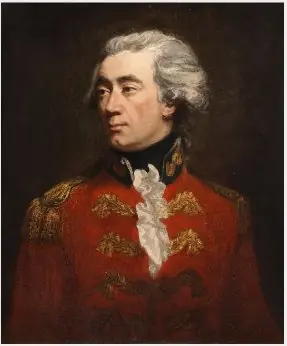 Portrait of Francis Rawdon, 2nd Earl of Moira, later 1st Marquess of Hastings (1754 - 1826)
 Porträt des Sir John Sinclair