Artwork
On Morse Mountain, No. 6, Maine
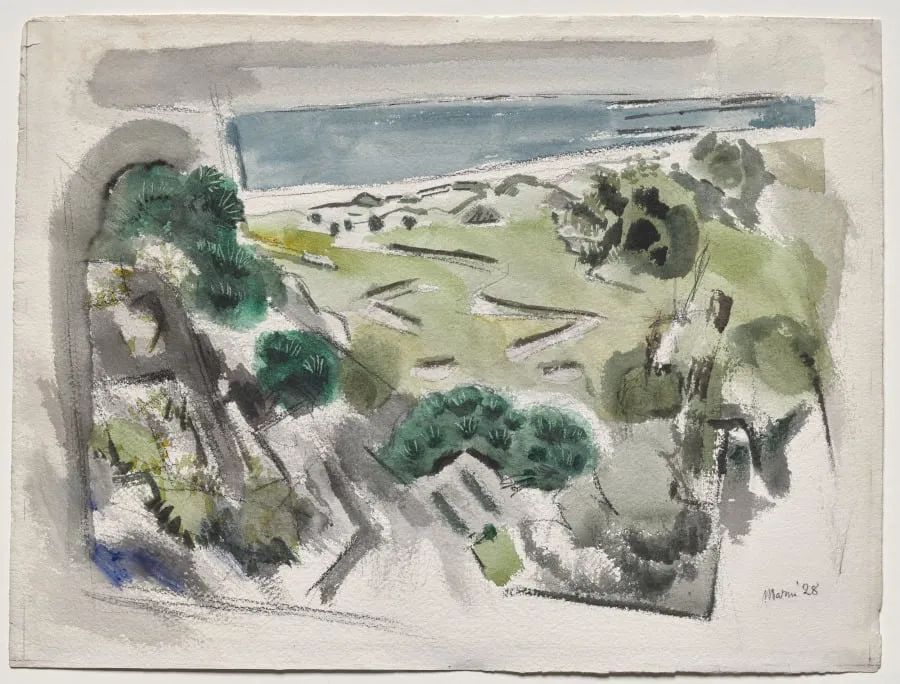
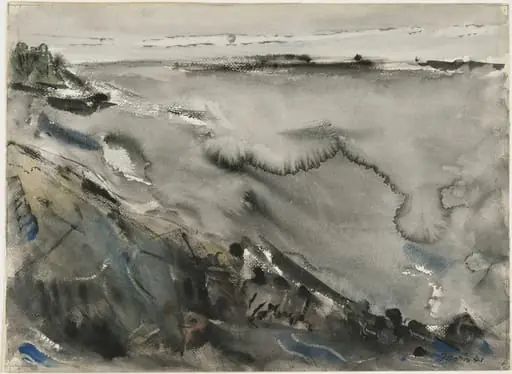
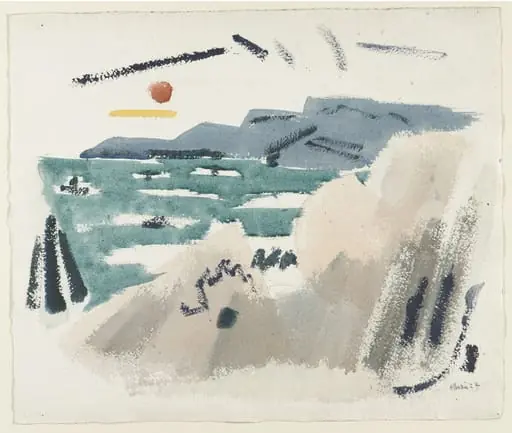
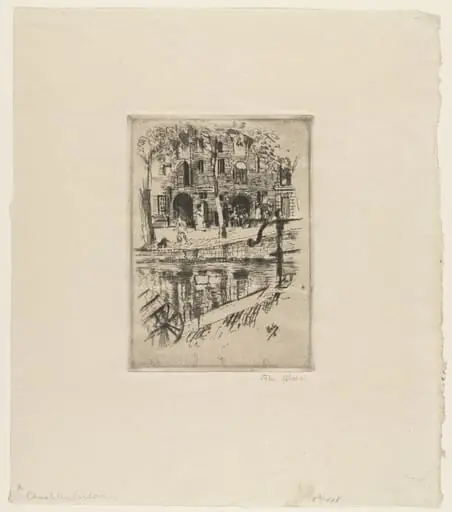
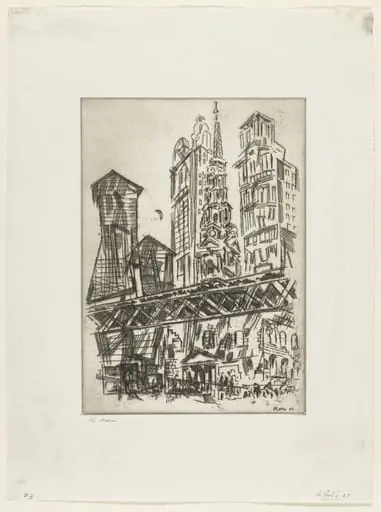
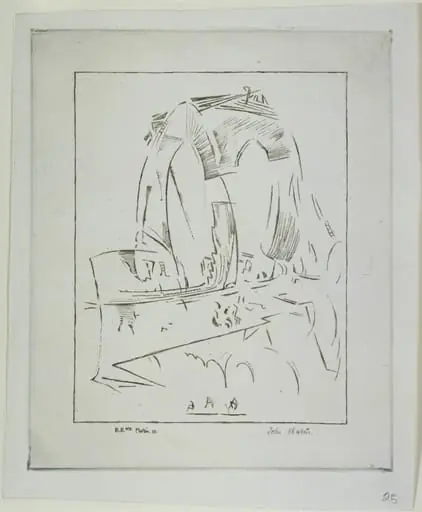
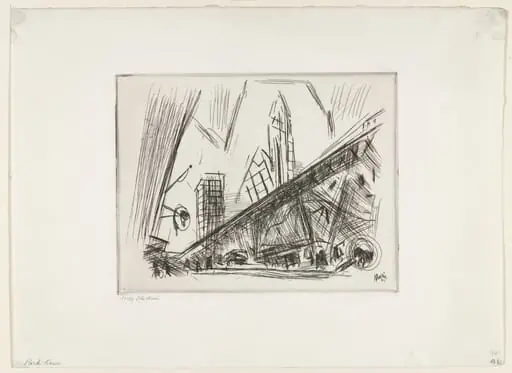
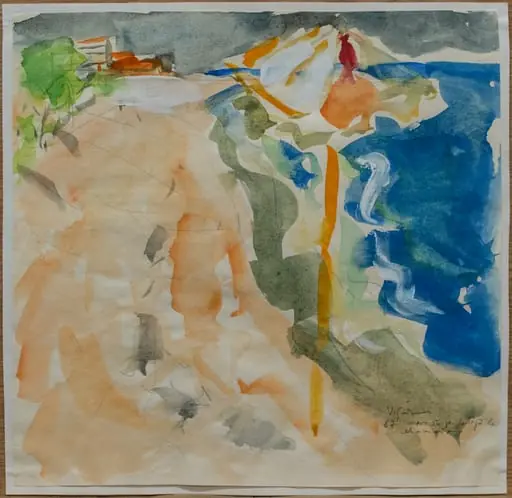
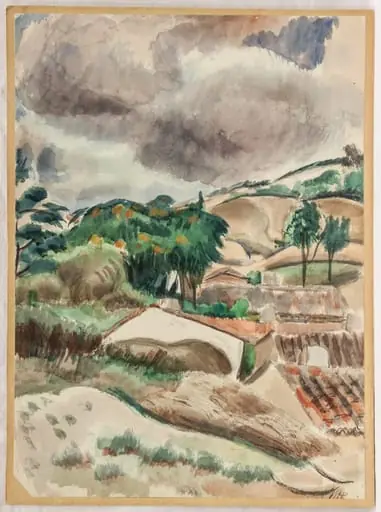
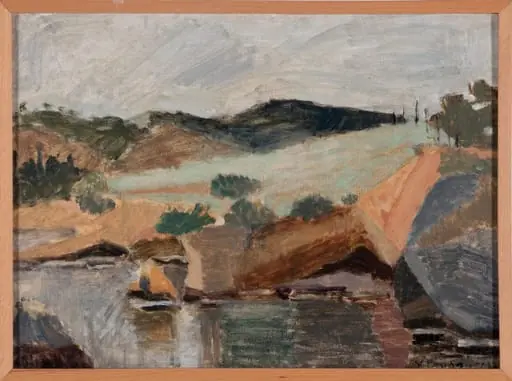
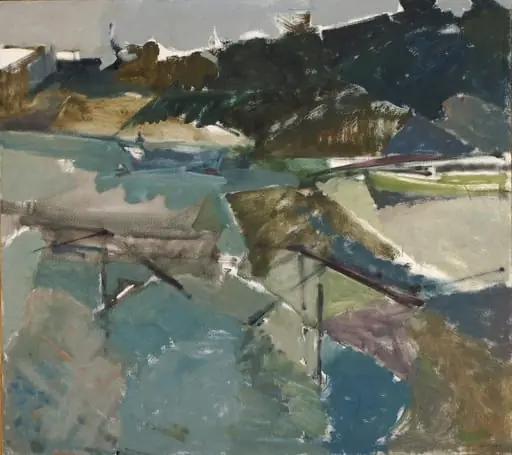
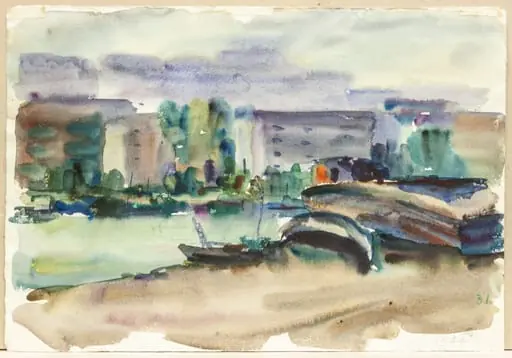
On Morse Mountain, No. 6, Maine is a drawing by John Marin. It dates from 1928 and is held in the collection of the Cleveland Museum of Art.
About this work
Overview
Created in the late 1920s, this drawing by John Marin reflects his sustained engagement with the Maine landscape during annual summer visits.
Created in the late 1920s, this drawing by John Marin reflects his sustained engagement with the Maine landscape during annual summer visits. Unlike his earlier, more fluid coastal studies, this piece embraces stark contrasts and aggressive mark-making. Executed in dry charcoal and ink wash, it departs from traditional watercolor delicacy, introducing a new physicality to the medium through layered, dense black forms.
Subject & Meaning
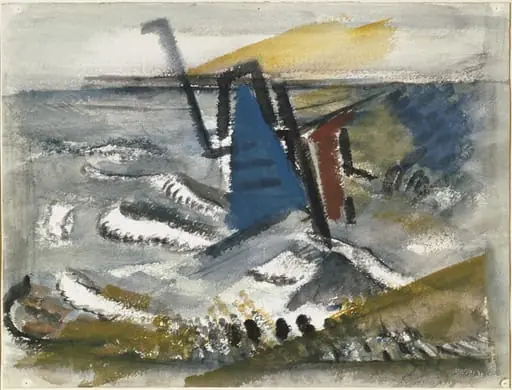
The work depicts a rugged coastal terrain, likely inspired by Morse Mountain’s rocky outcrops and turbulent sea. Rather than offering a literal view, Marin distills the scene into elemental forces—dark, angular shapes suggest cliffs and waves, while the white paper implies sky and foam. The composition avoids narrative, instead evoking the raw energy and spatial tension of the Maine coast through abstraction.
Technique & Style
Marin applied dry charcoal directly to the paper, creating sharp, fractured lines that mimic the jaggedness of rock. He then swept diluted ink over these marks, allowing the pigment to pool and bleed unpredictably. The result is a textured surface where black areas act as both form and frame, directing attention inward. This method pushed watercolor beyond transparency, embracing opacity and gestural intensity.
History & Provenance
Marin made this drawing during a period of intense experimentation, following over a decade of annual trips to Maine. It belongs to a series from the late 1920s where he increasingly favored bold black elements and unconventional framing. While specific ownership details prior to institutional acquisition are not documented, its stylistic evolution aligns with his broader shift toward abstraction in this phase of his career.
Context
In the 1920s, American modernists were redefining traditional media through expressive means. Marin’s use of charcoal and ink in watercolor responded to broader trends in abstraction and expressive line, while remaining rooted in direct observation. His work stood apart from European modernism by focusing on the American landscape as a site for formal innovation rather than symbolic content.
Legacy
This drawing exemplifies Marin’s role in expanding the boundaries of watercolor as a serious medium for modern expression. His willingness to embrace darkness, texture, and improvisation influenced later generations of American artists who sought to merge spontaneity with structural rigor. The work remains a key example of how personal observation could fuel radical formal experimentation.
Artist & collection
Artist
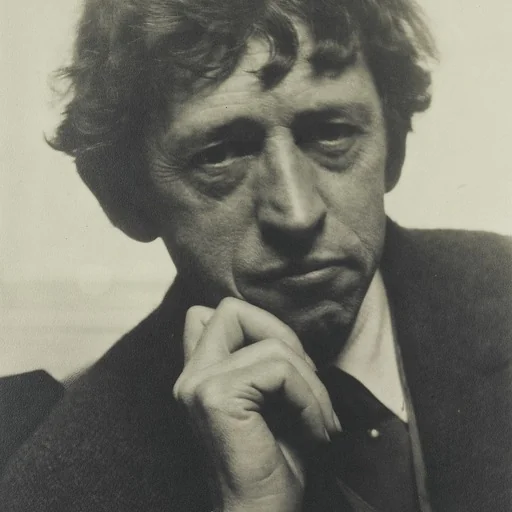
John Marin (December 23, 1870 – October 2, 1953) was an early American modernist visual artist. He is known for his abstract landscape paintings and watercolors.