Artwork
Αρετσού - Χαμόδρακας
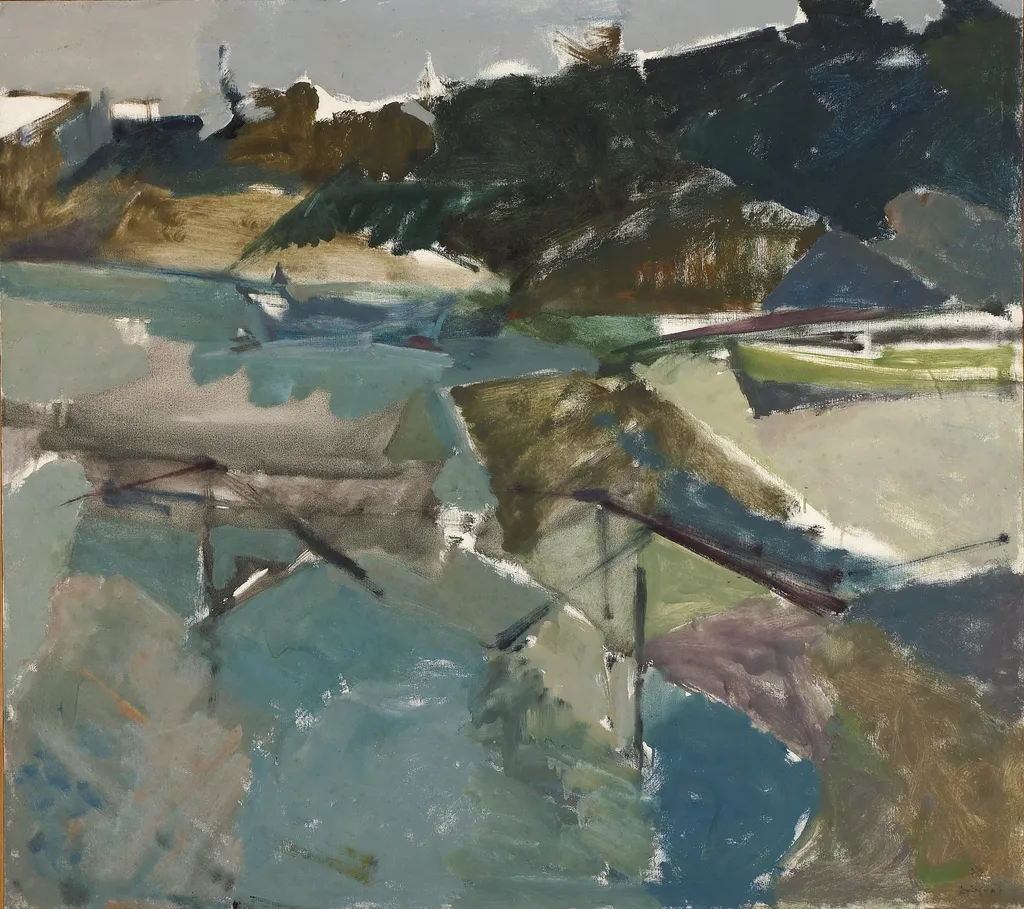
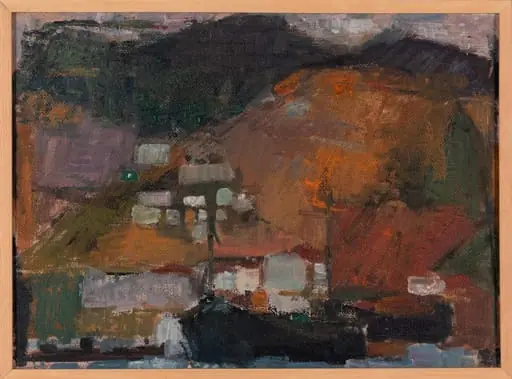
Αρετσού - Χαμόδρακας is an unspecified painting by Kostas Loustas. It dates from 1970 and is held in the collection of the Metropolitan Organisation of Museums of Visual Arts of Thessaloniki – MOMus.
About this work
Overview
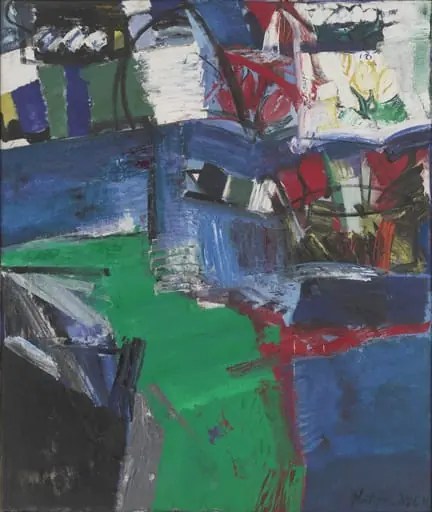
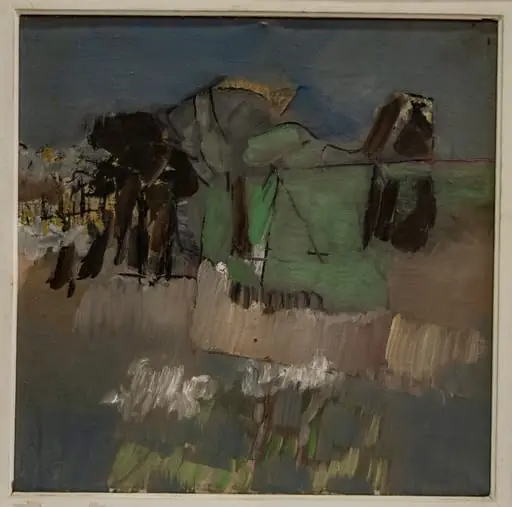
Created in 1970 by Greek artist Kostas Loustas, the work titled Αρετσού – Χαμόδρακας is part of the collection of the Museum of Ethnography. It is an image that presents a densely layered surface, inviting close visual inspection of its materiality.
Subject & Meaning
The composition depicts an abstracted landscape of muted blues, greens and earth tones that merge into one another, suggesting a natural environment rendered in a non‑representational manner. The interplay of darker forms at the upper part of the image adds a sense of movement and depth, hinting at atmospheric conditions or shifting terrain.
Technique & Style
Loustas employed a pronounced impasto technique, applying paint in thick, sculptural layers that catch light and create a tactile surface. Bold, gestural brushstrokes convey dynamism, while the blending of colors within the heavy application emphasizes texture over precise detail, aligning the piece with mid‑20th‑century expressive tendencies.
History & Provenance
Since its completion in 1970, the artwork has remained within the holdings of the Museum of Ethnography, where it is displayed as part of the institution’s representation of contemporary Greek visual culture. No record of prior private ownership or exhibition history is noted.
Context
The piece emerges from a period in Greek art when artists increasingly explored materiality and abstraction, often drawing on the country’s varied landscapes. Loustas’s use of impasto reflects broader European trends of the 1960s and 1970s, where texture became a vehicle for expressing emotional and environmental resonance.
Artist & collection
Artist
Museum
Metropolitan Organisation of Museums of Visual Arts of Thessaloniki – MOMus
Continue through works from the same source collection.