Artwork
The blind Beggar of Bethnal Green and his Daughter
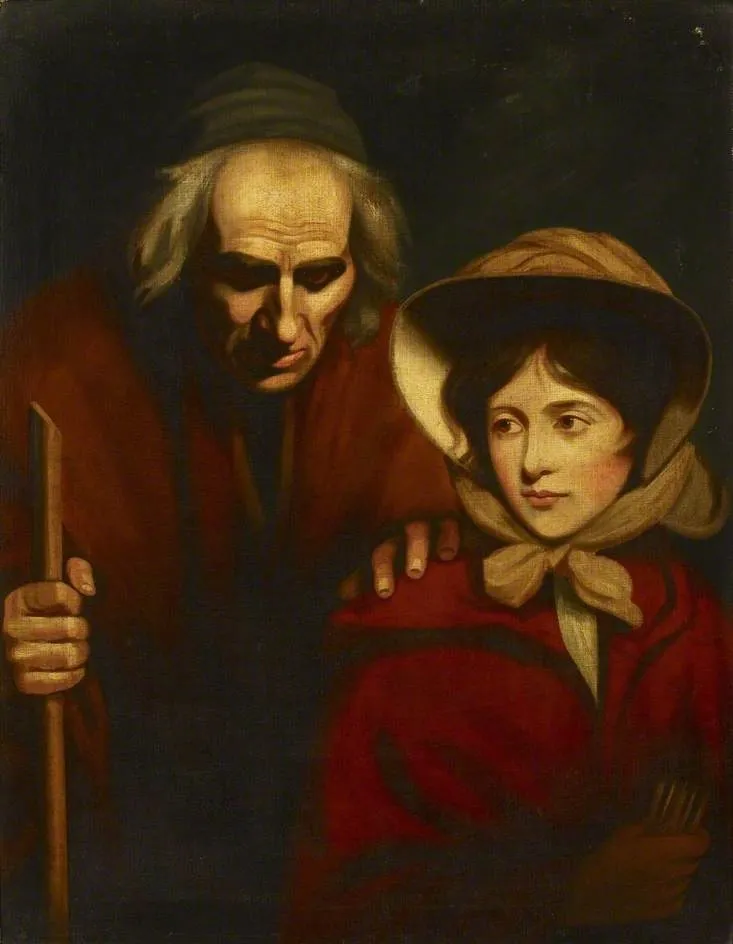
The blind Beggar of Bethnal Green and his Daughter is an oil painting by John Opie. It dates from 1794 and is held in the collection of the Ashmolean Museum.
About this work
Overview
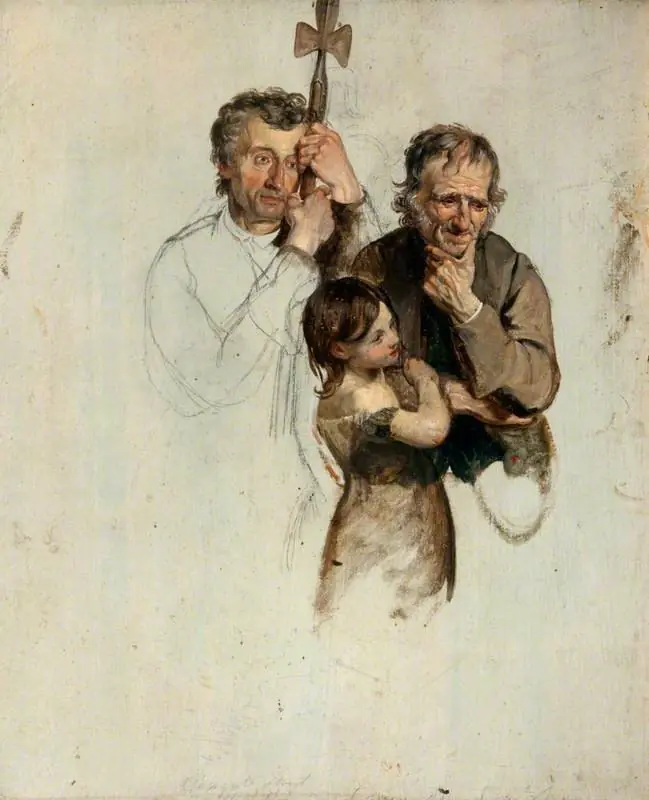
Painted around 1794, this oil work by John Opie portrays a blind elderly man and his daughter in a quiet, intimate moment. Though Opie was known for portraits of the elite, this piece turns toward ordinary lives, capturing vulnerability without sentimentality. The figures stand against a dark, undefined background, emphasizing their isolation and the gravity of their circumstances.
Subject & Meaning
Their matching red coats link them visually, reinforcing their shared fate in a world that offers little visibility to the marginalized.
The blind beggar, leaning on his staff, rests his hand gently on his daughter’s shoulder, suggesting dependence and quiet solidarity. She gazes outward, her expression unreadable—neither pleading nor defiant. The composition avoids overt drama, instead inviting reflection on dignity amid poverty. Their matching red coats link them visually, reinforcing their shared fate in a world that offers little visibility to the marginalized.
Technique & Style
Opie employs chiaroscuro to model the figures with soft, directional light, lifting them from the shadowed background. The warm reds of their clothing contrast with the cool darkness, drawing focus to their forms without theatricality. Brushwork is restrained, favoring texture over detail—fabric folds, weathered skin, and the staff’s grain are rendered with quiet precision, reinforcing the painting’s somber tone.
History & Provenance
Created during Opie’s mature period, the painting entered the Ashmolean Museum’s collection in the 19th century. Its survival as a work of social observation is notable, given that many such subjects were overlooked by collectors of the time. The piece remained relatively unremarked upon until later scholarly interest in 18th-century British genre painting revived its significance.
Context
In late 18th-century London, poverty and homelessness were increasingly visible, especially around areas like Bethnal Green. While many artists depicted beggars as picturesque or moralizing figures, Opie’s approach avoids caricature. His choice to portray this pair with psychological depth reflects a broader shift toward humanizing the poor in art, influenced by Enlightenment ideals and emerging social awareness.
Legacy
The painting stands as a quiet counterpoint to the grand narratives of its era. It contributed to a growing body of work that treated everyday hardship with dignity rather than spectacle. Though not widely exhibited in its time, its presence in a major museum affirms its role as an early example of empathetic realism in British art, influencing later social observers in painting.
Artist & collection
Artist
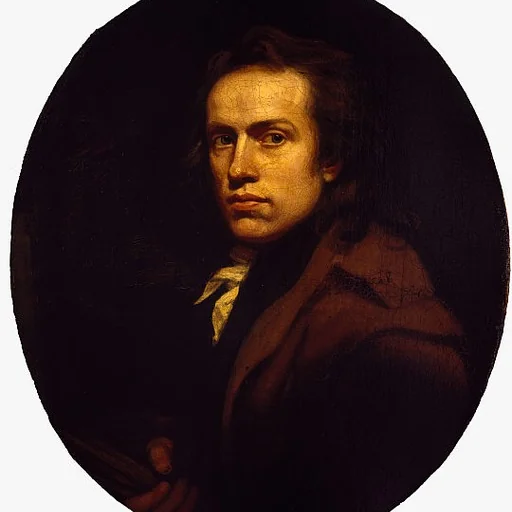
John Opie (16 May 1761 – 9 April 1807) was a British painter whose subjects included many prominent men and women of his day, members of the British royal family and others who were notable in the artistic and literary careers.

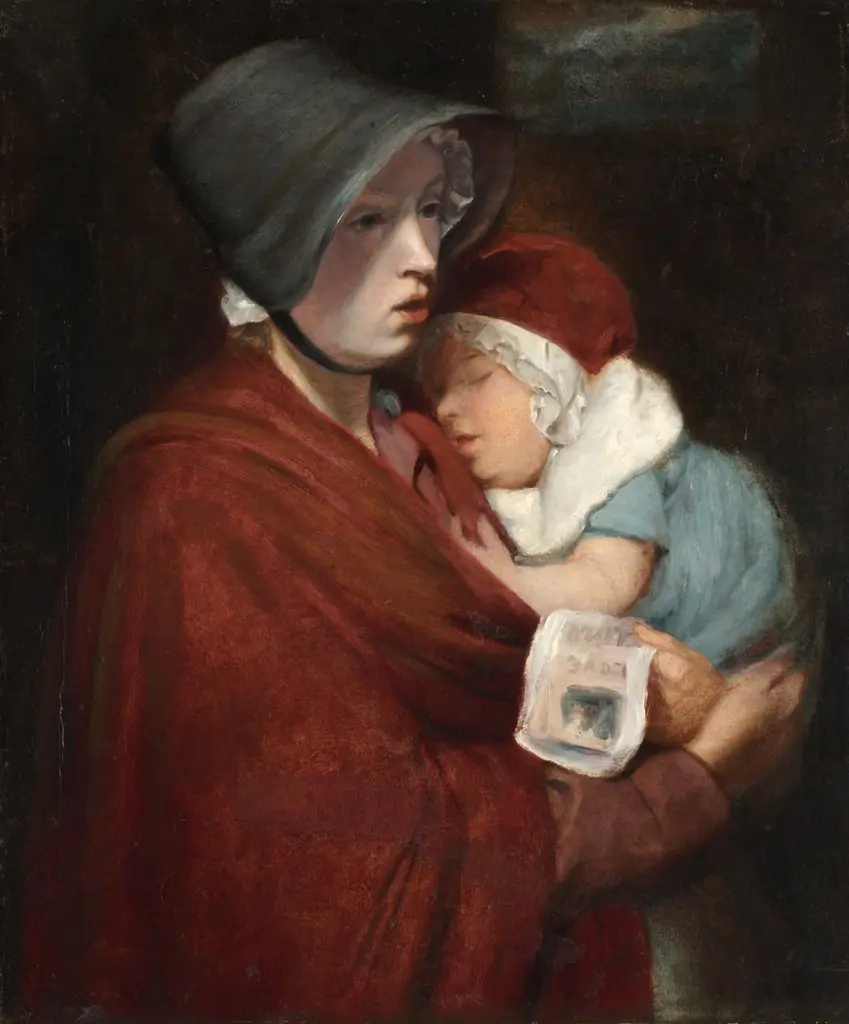 Street Singer and Child
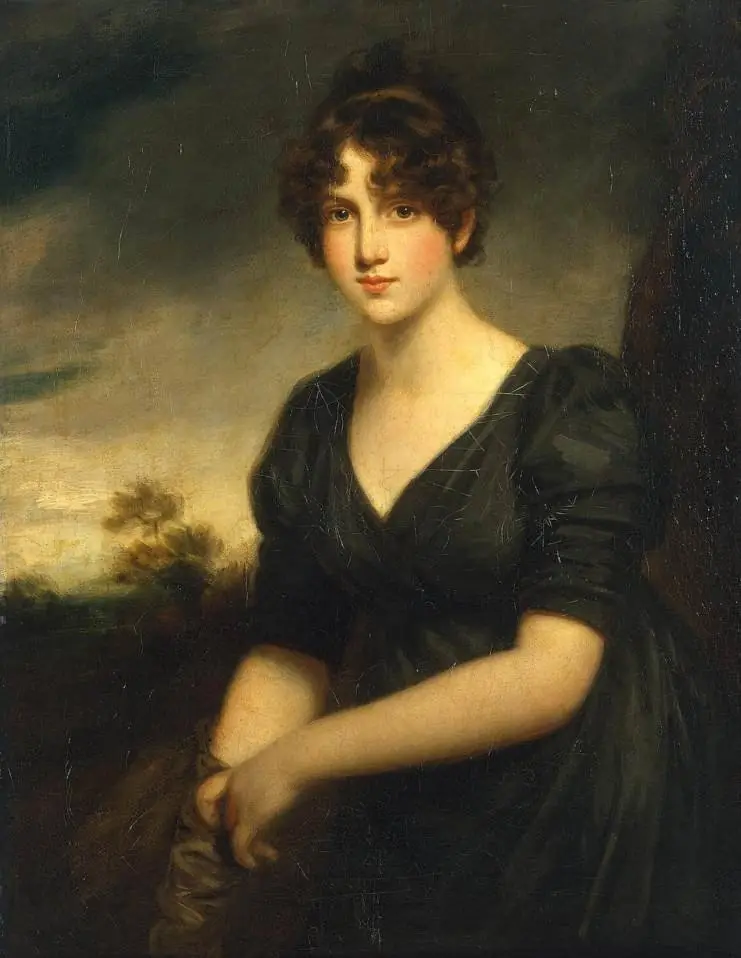 Portrait of a Woman (Miss Frances Winnicobe ?)
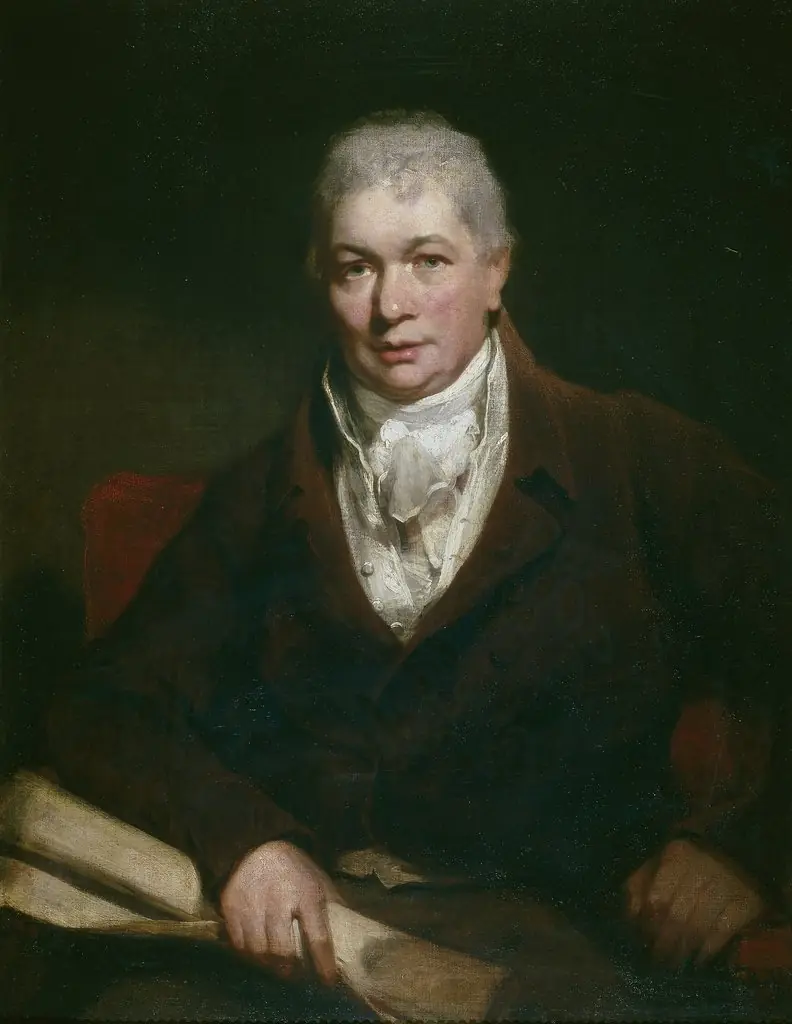 Portrait of a Man
 Portrait of ?Josias Rowley (1765-1842), later Vice-Admiral and Baronet
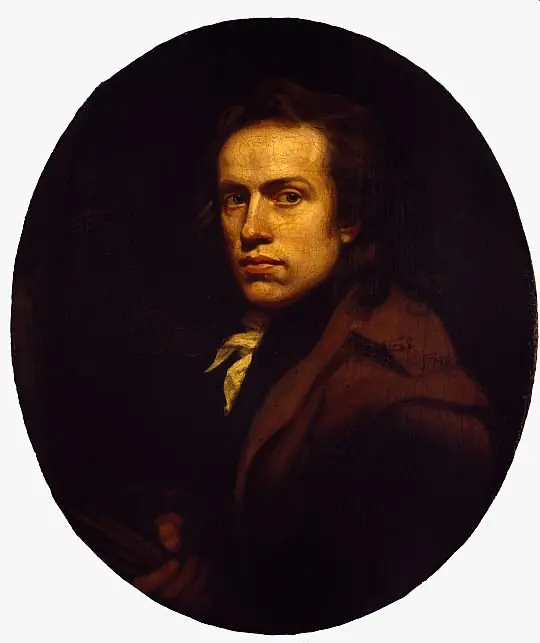 Self-portrait
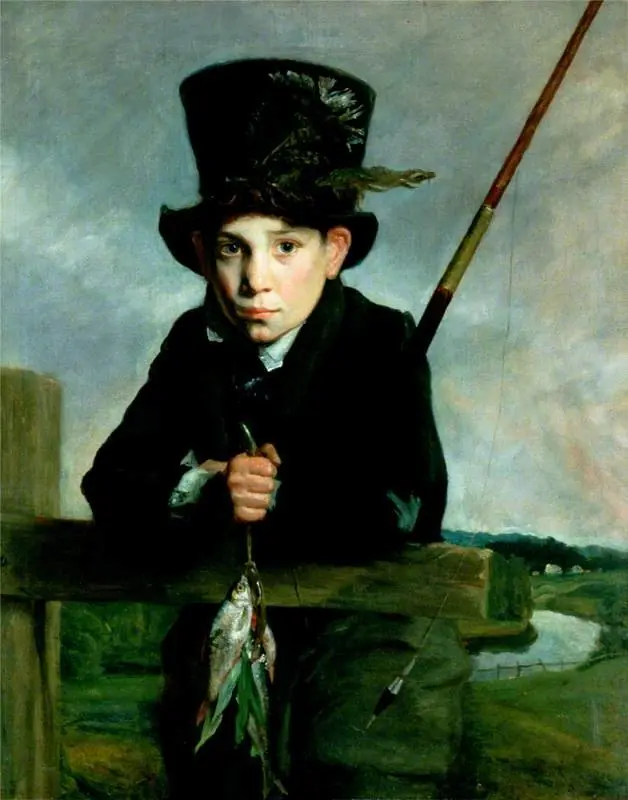 Portrait of a Boy in a Top Hat with Flies
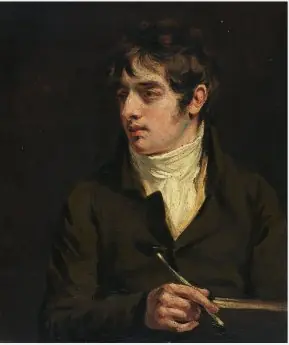 Presumed Portrait of Thomas Girtin (1775-1802), Artist
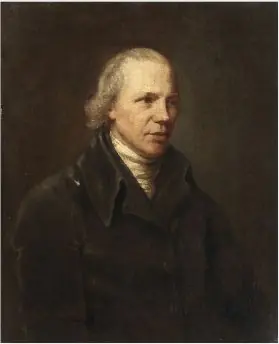 Supposed Portrait of James Barry (1741-1806), Artist