Artwork
Self-portrait
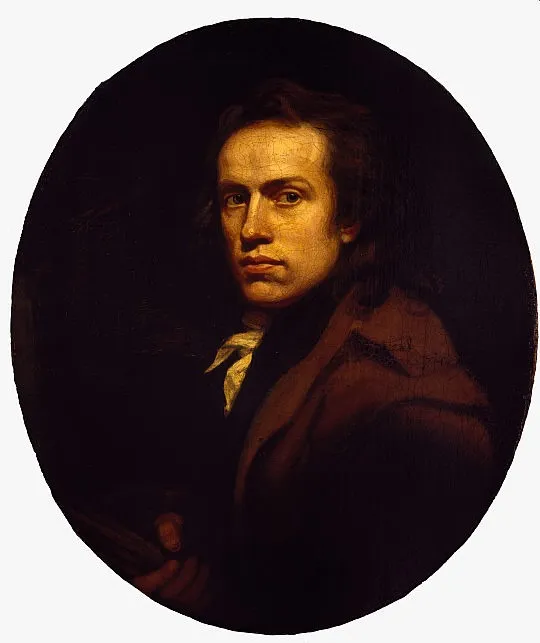
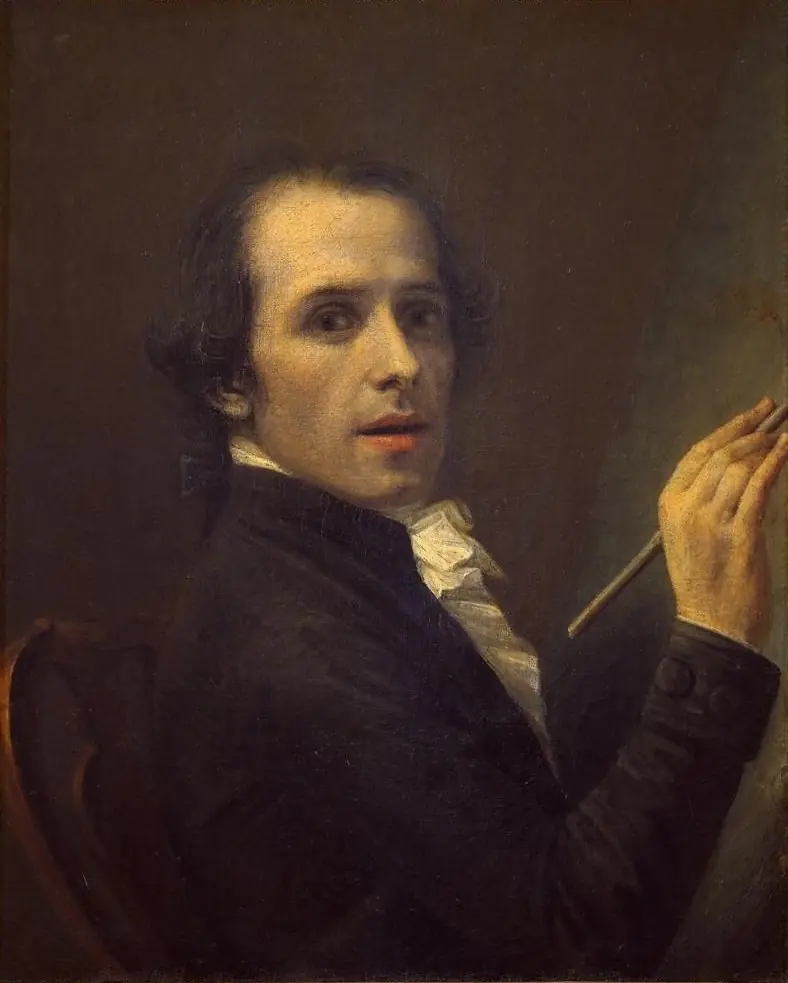
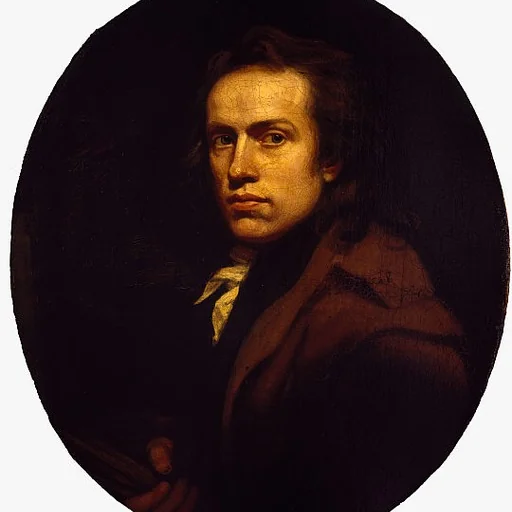
Self-portrait is an oil painting by the Neoclassicist artist John Opie. It dates from 1795 and is held in the collection of the National Galleries Scotland.
About this work
Overview
John Opie created this oil painting in 1795 as a personal reflection during his established career as a British portraitist.
John Opie created this oil painting in 1795 as a personal reflection during his established career as a British portraitist. The work is rendered with deliberate simplicity, focusing on the artist’s likeness without ornamental distraction. It resides today in the Scottish National Gallery, where it serves as a quiet testament to his technical discipline and introspective approach to self-representation.
Subject & Meaning
The portrait presents Opie in formal attire—a dark coat, high collar, and pale cravat—suggesting professional dignity rather than flamboyance. His direct gaze and restrained expression convey seriousness, possibly signaling intellectual resolve. The object held in his left hand, likely a rolled document, hints at his engagement with literary or artistic discourse, reinforcing his identity as a man of ideas rather than mere image-maker.
Technique & Style
Opie employed smooth brushwork to achieve a polished surface, typical of late 18th-century academic practice. Deep chiaroscuro models his face with strong contrasts, isolating it against a void-like black background. This dramatic lighting enhances volume and psychological depth, aligning with neoclassical ideals of clarity and emotional restraint, while subtly evoking the gravitas associated with Enlightenment portraiture.
History & Provenance
Painted during a period of rising prominence, the self-portrait likely served as a statement of artistic identity for Opie, who was then active in London’s cultural circles. It entered the Scottish National Gallery’s collection in the 19th century, possibly through acquisition or bequest, and has remained there since, preserved as part of Britain’s artistic heritage without significant alteration or reattribution.
Context
In the 1790s, British portraiture increasingly valued psychological presence over aristocratic display. Opie, though known for depictions of literary figures, turned inward here, reflecting a broader trend among artists to assert individuality through self-representation. The absence of symbolic props or elaborate settings underscores a shift toward sincerity and minimalism in self-portraiture during this era.
Legacy
Though not widely exhibited as a centerpiece, the painting endures as a representative example of British neoclassical self-portraiture. Its understated composition and controlled emotion distinguish it from more theatrical contemporaries, offering insight into how artists of the time balanced personal expression with formal discipline. It remains a quiet anchor in the gallery’s collection of 18th-century British art.
Artist & collection
Artist
John Opie (16 May 1761 – 9 April 1807) was a British painter whose subjects included many prominent men and women of his day, members of the British royal family and others who were notable in the artistic and literary careers.

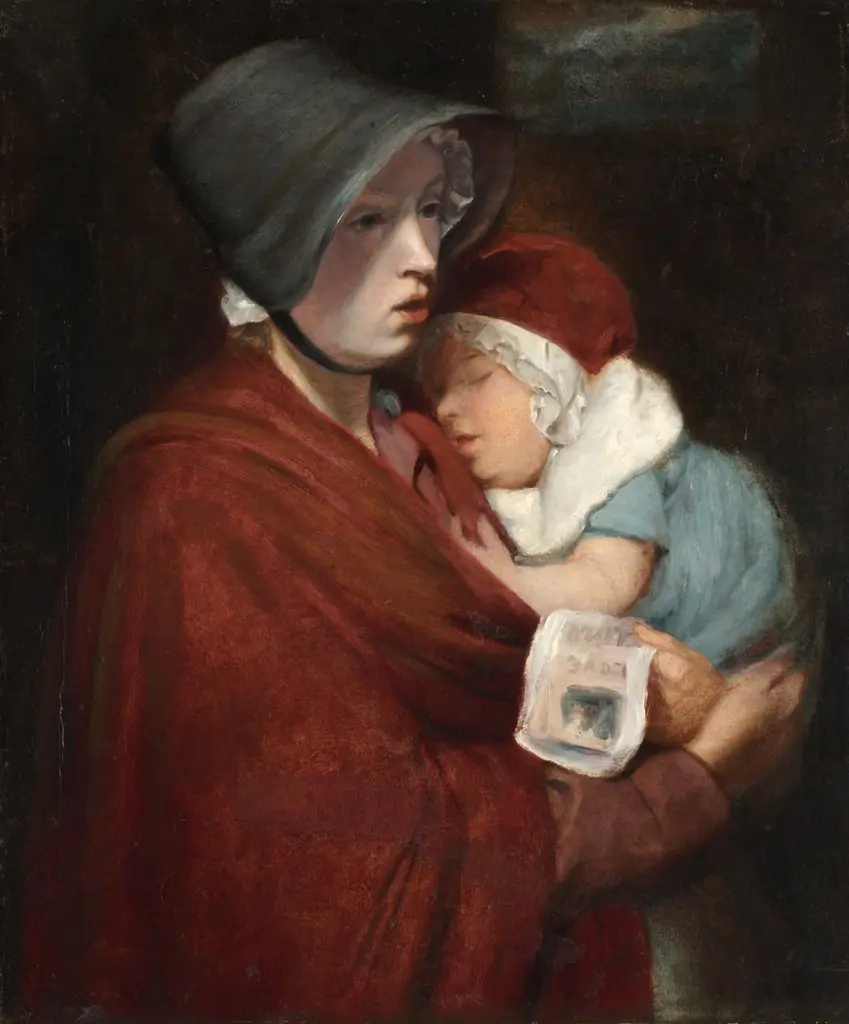 Street Singer and Child
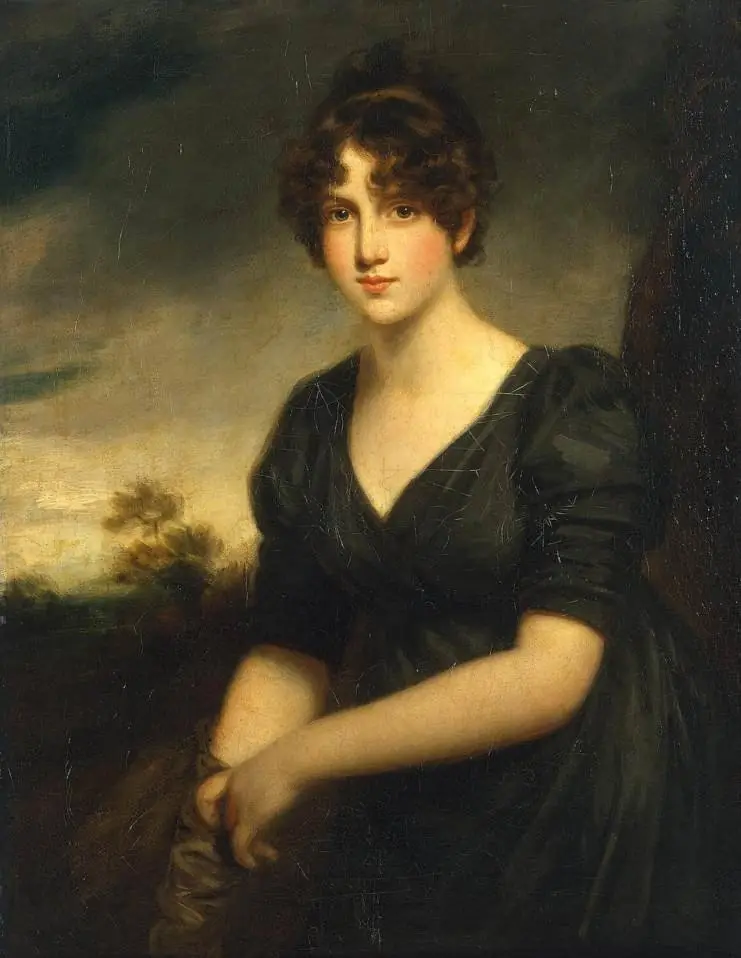 Portrait of a Woman (Miss Frances Winnicobe ?)
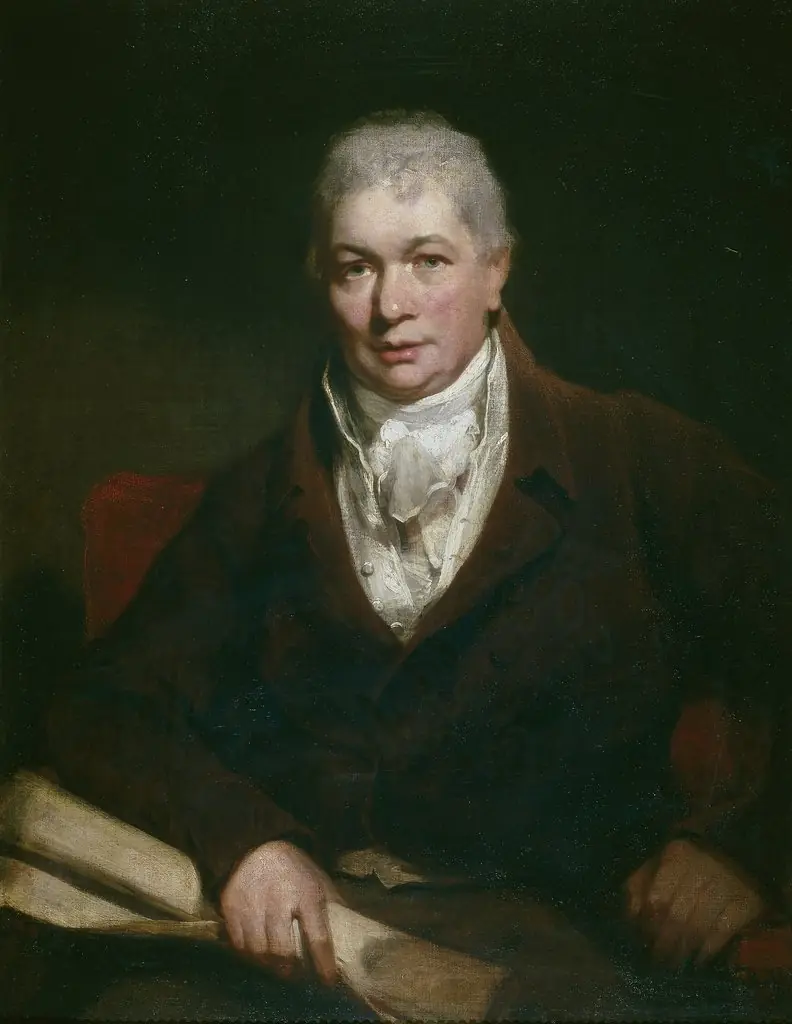 Portrait of a Man
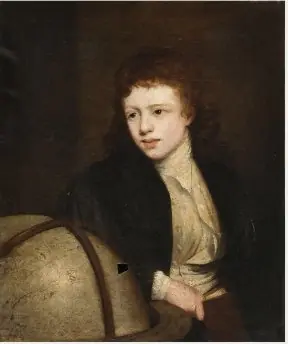 Portrait of ?Josias Rowley (1765-1842), later Vice-Admiral and Baronet
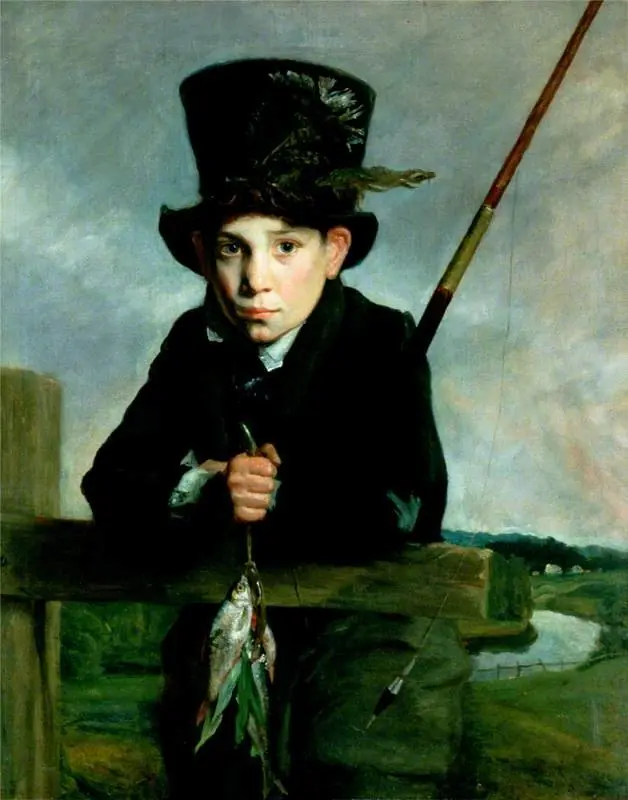 Portrait of a Boy in a Top Hat with Flies
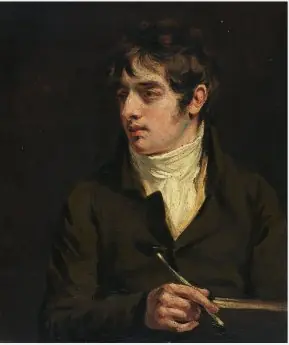 Presumed Portrait of Thomas Girtin (1775-1802), Artist
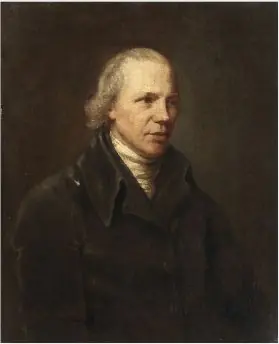 Supposed Portrait of James Barry (1741-1806), Artist
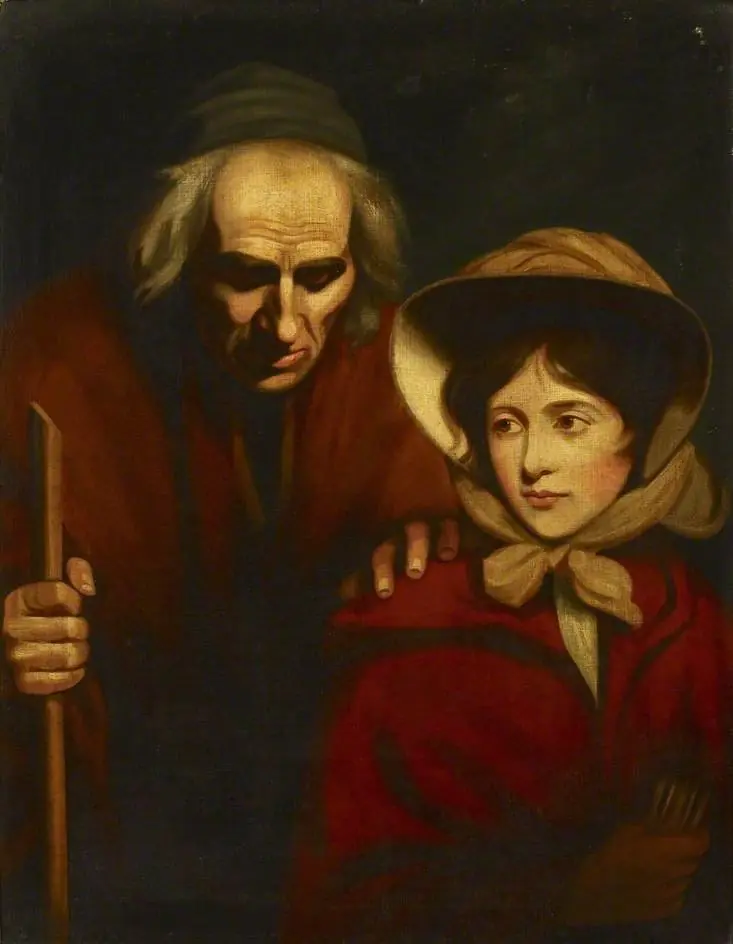 The blind Beggar of Bethnal Green and his Daughter