Artwork
William Borthwick Johnstone (1804 - 1868)
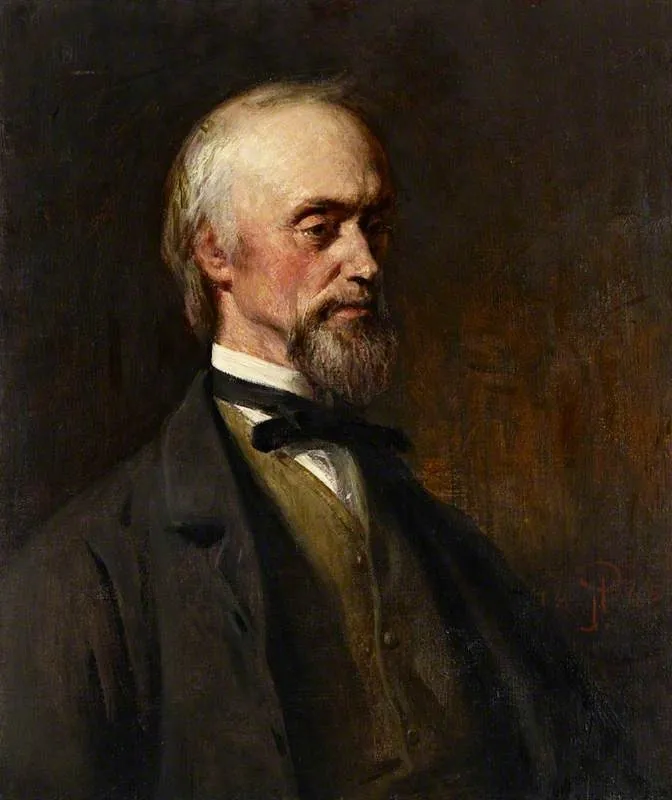
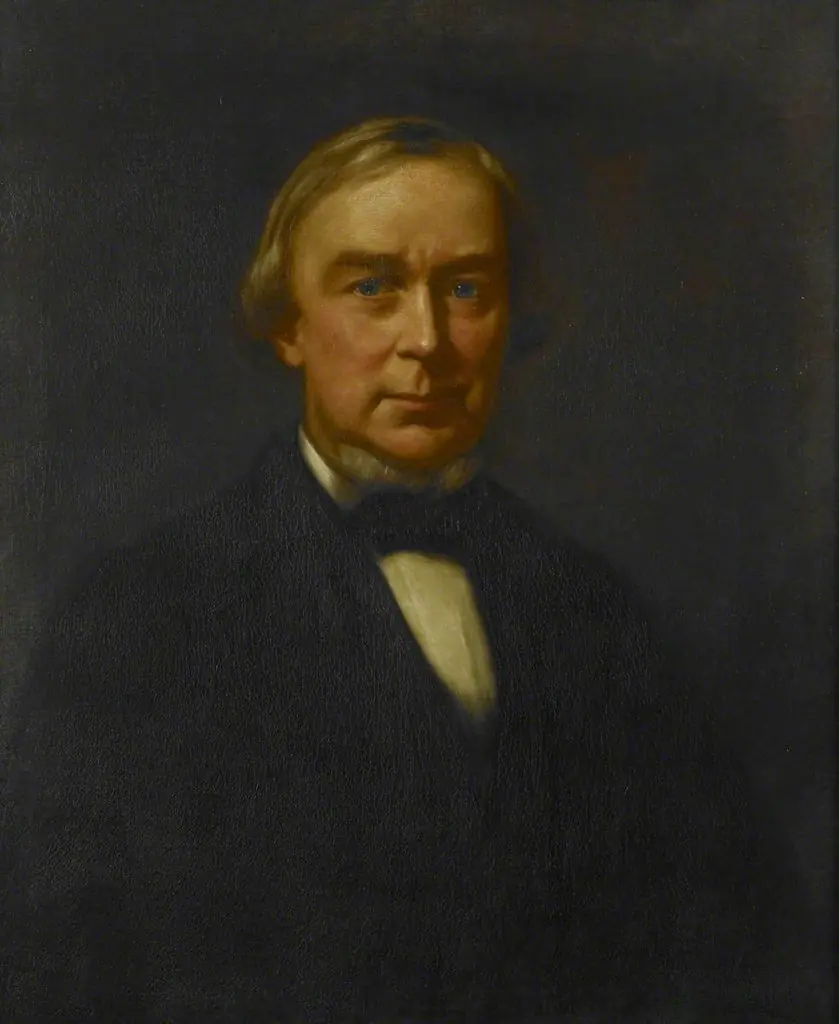
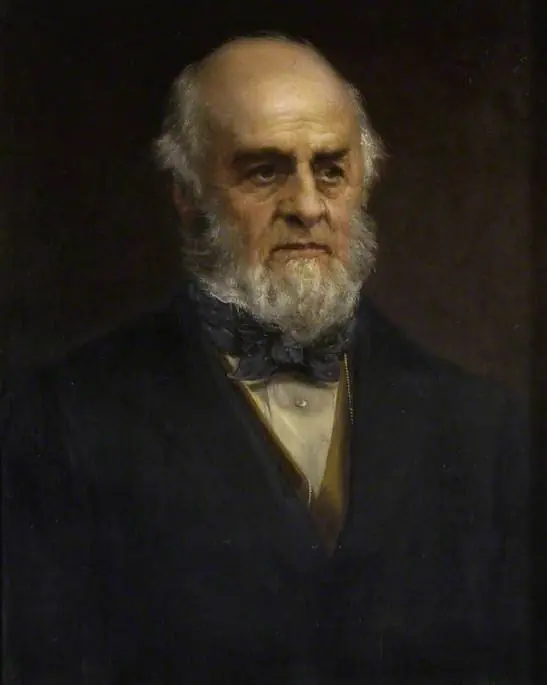
William Borthwick Johnstone (1804 - 1868) is an oil painting by John Phillip. It dates from 1865 and is held in the collection of the National Galleries Scotland.
About this work
Overview
Painted in 1865 by John Phillip, this oil portrait depicts William Borthwick Johnstone, a Scottish figure of note. The work is held in the Scottish National Gallery and exemplifies Phillip’s shift toward formal portraiture in his later years, following his earlier focus on Spanish scenes. The composition is restrained, emphasizing the sitter’s presence through careful lighting and muted tones.
Subject & Meaning
William Borthwick Johnstone was a Scottish landowner and politician. The portrait captures him in middle or later life, with white hair and a composed, solemn demeanor. His attire—dark coat, white shirt, and black bow tie—suggests formal status without ostentation. The lack of contextual elements directs attention to his character, conveying dignity through stillness rather than symbolism.
Technique & Style
Phillip employs traditional portraiture techniques, using chiaroscuro to model the face and fabric with subtle gradations of light.
Phillip employs traditional portraiture techniques, using chiaroscuro to model the face and fabric with subtle gradations of light. The dark background isolates the figure, enhancing three-dimensionality. Brushwork is precise yet unobtrusive, particularly in the rendering of hair and the sheen of the vest. The palette is limited to earth tones and neutrals, reinforcing the portrait’s quiet gravity.
History & Provenance
The painting entered the Scottish National Gallery’s collection shortly after its completion. It was likely commissioned by Johnstone’s family or associates, reflecting his standing in Scottish society. Phillip, though best known for Spanish themes, produced several portraits during this period, possibly as a response to shifting patronage or personal artistic evolution.
Context
By the 1860s, John Phillip had moved away from the vibrant Spanish genre scenes that defined his earlier career. His return to Scottish subjects coincided with a broader trend among Victorian artists to focus on domestic portraiture. This work reflects a quieter, more introspective phase in his practice, aligned with the tastes of Scotland’s professional class.
Legacy
While not among Phillip’s most widely recognized works, this portrait remains a significant example of his later style. It illustrates his technical adaptability and the transition from exoticism to intimate representation in his oeuvre. The painting contributes to the understanding of 19th-century Scottish portraiture and the career trajectory of an artist navigating changing artistic currents.
Artist & collection
Artist
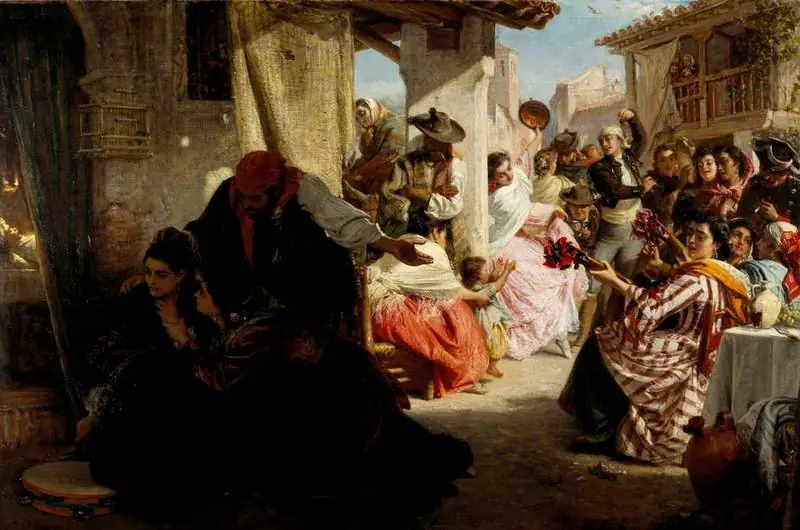
John Phillip (19 April 1817 – 27 February 1867) was a Scottish painter best known for his portrayals of Spanish life. He started painting these studies after a trip to Spain in 1851. He was nicknamed John 'Spanish' Phillip.

 Study of the Reverend Robert Harvey Charsley (1826–1907)
 John Winter Jones (1805–1881), Principal Librarian (1866–1878) (after William Salter Herrick)
 Edward, 3rd Earl of Powis
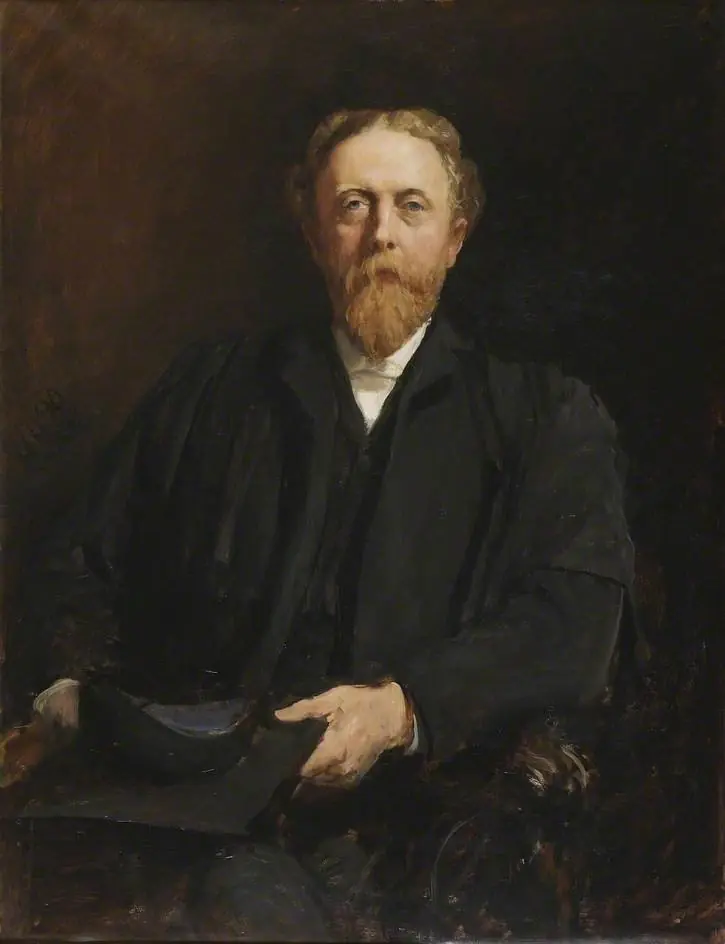 Study of the Revd Henry George Woods, D.D.
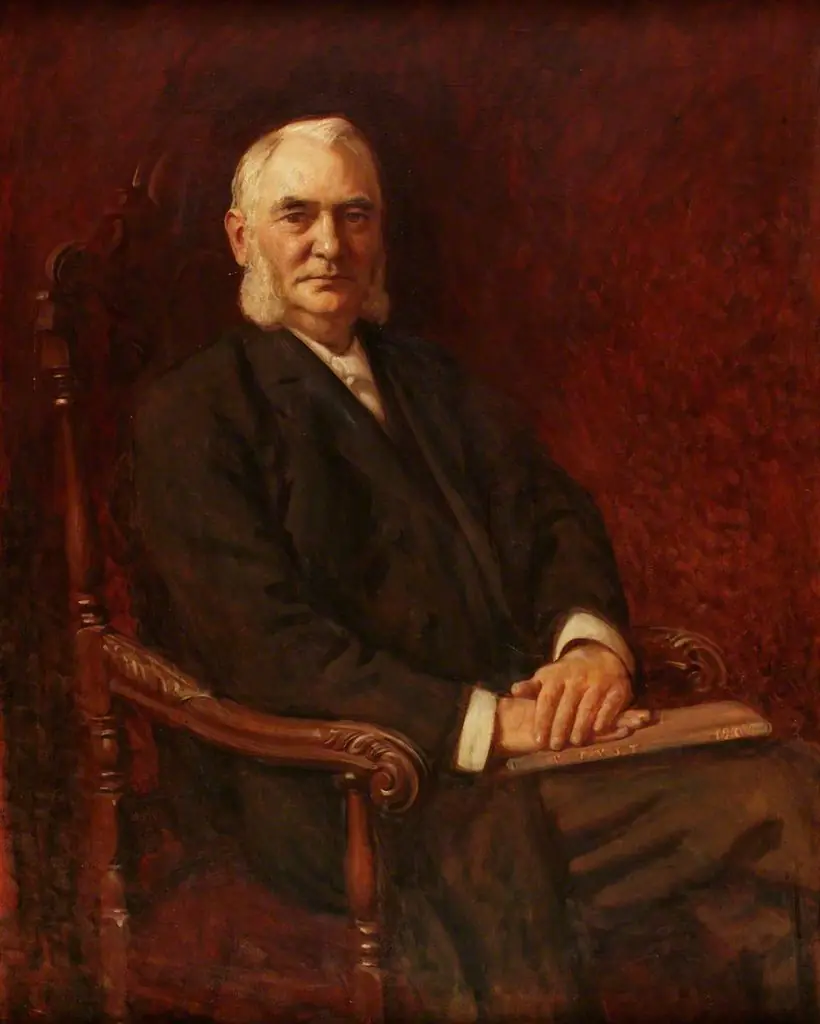 Parchedig J. Thomas
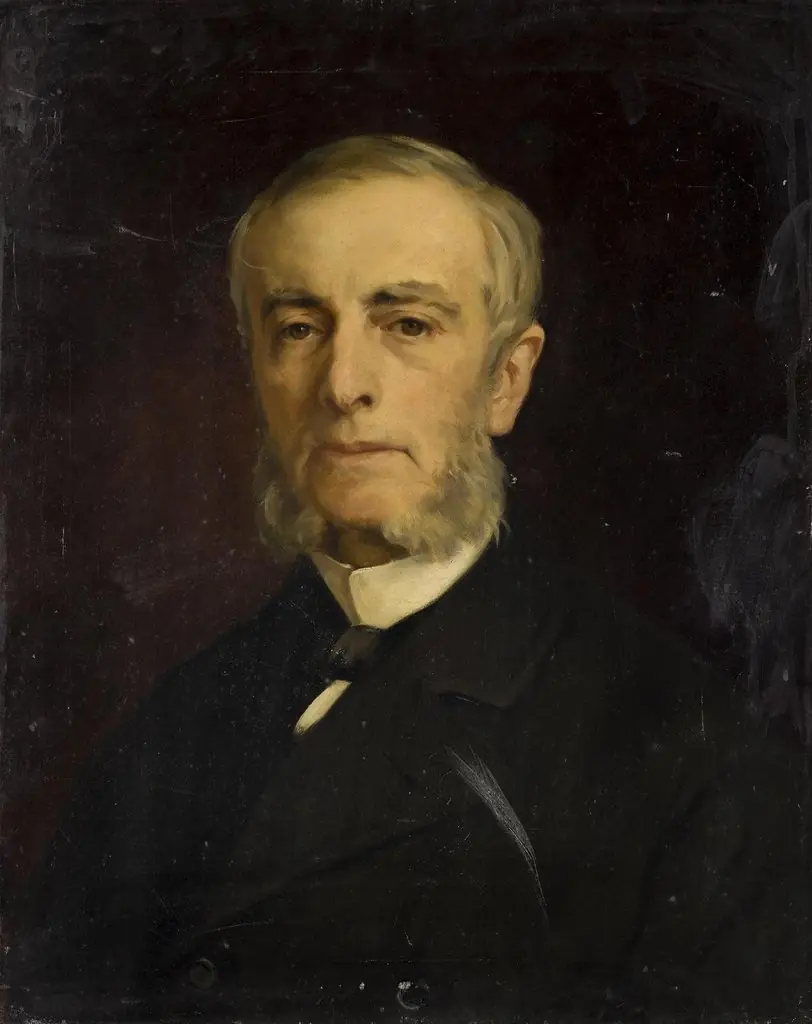 Portrait of Count Piotr P. Shuvalov (1820 - 1900)
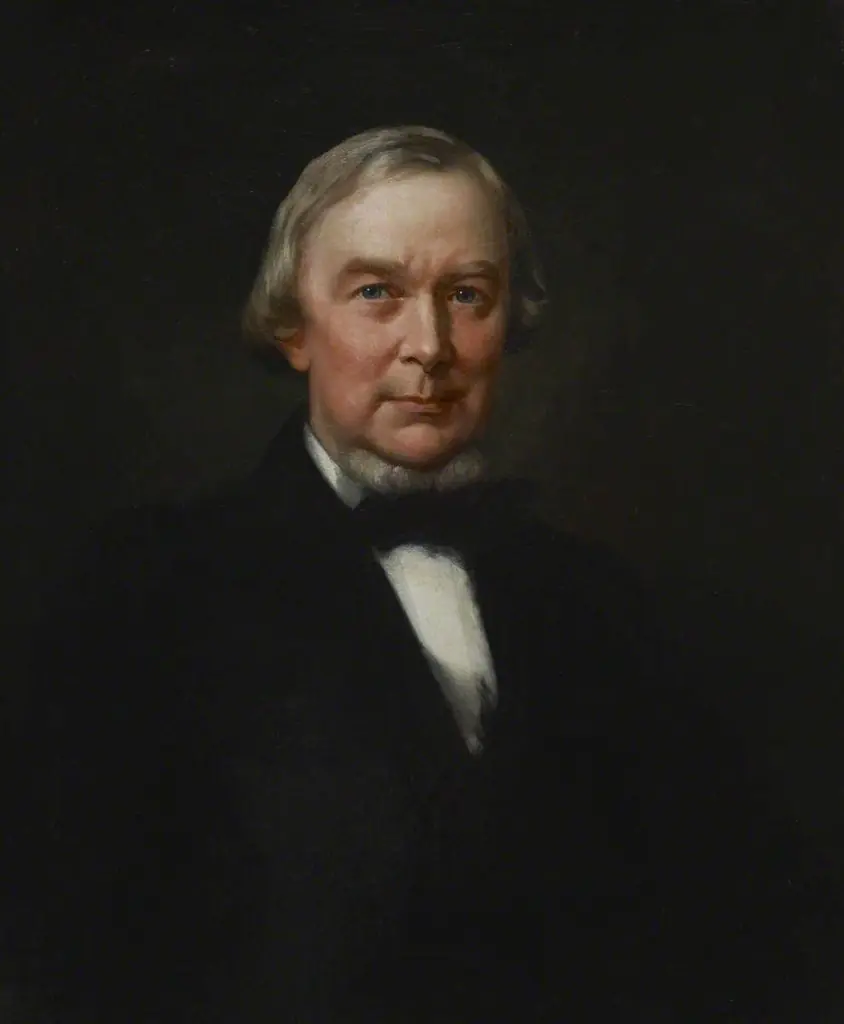 John Winter Jones (1805–1881), Principal Librarian (1866–1878)
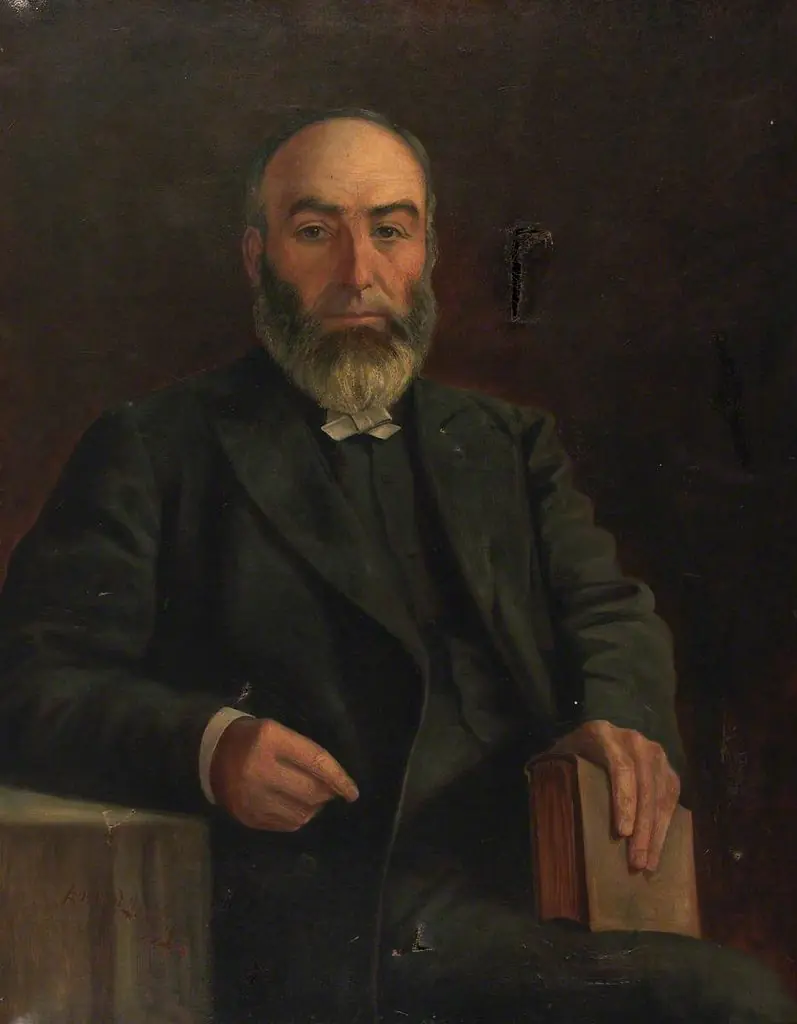 Portrait of an Unidentified Minister
 Portrait of W.E.H. Lecky (1838-1903), Historian
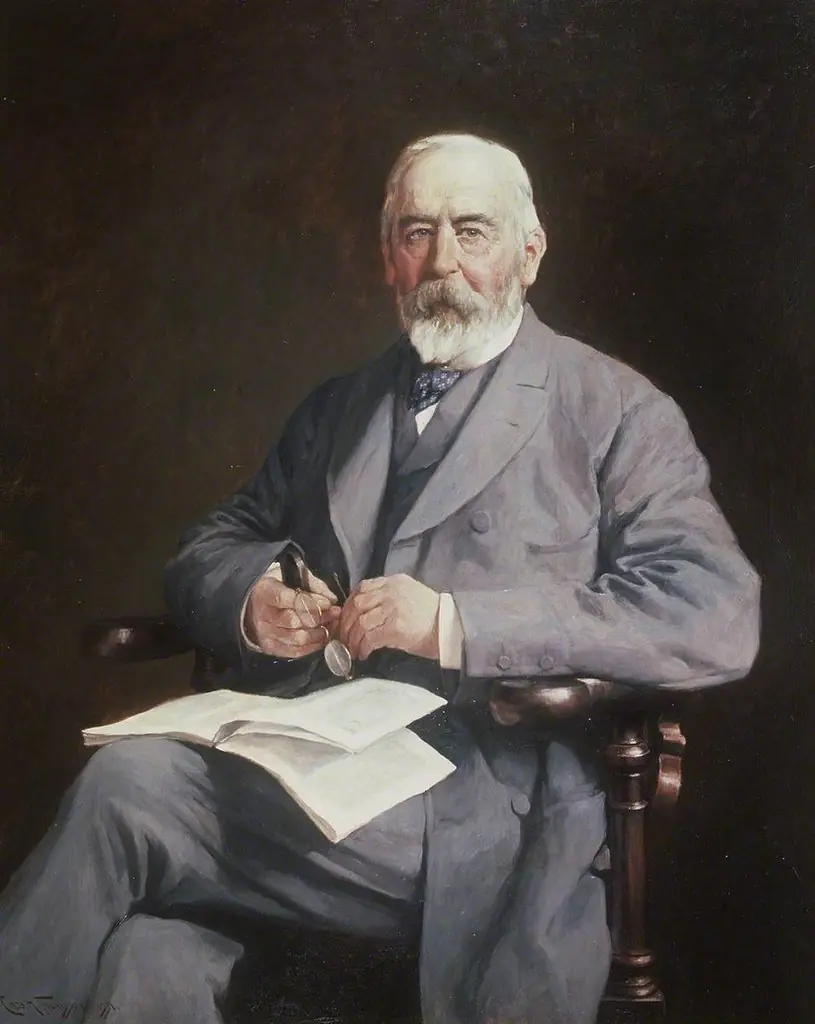 The Right Honourable Stuart Rendel (1834–1913), 1st Baron Rendel