Artwork
Spanish Carnival
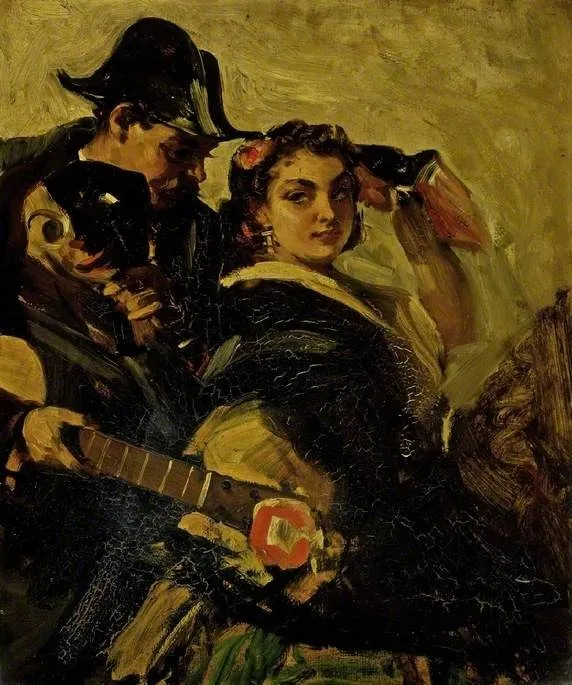
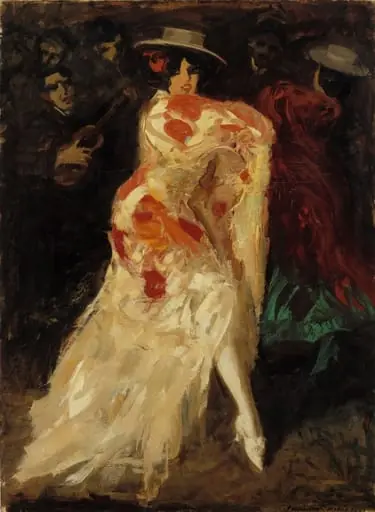
Spanish Carnival is an unspecified painting by John Phillip. It dates from 1852 and is held in the collection of the Fitzwilliam Museum.
About this work
Overview
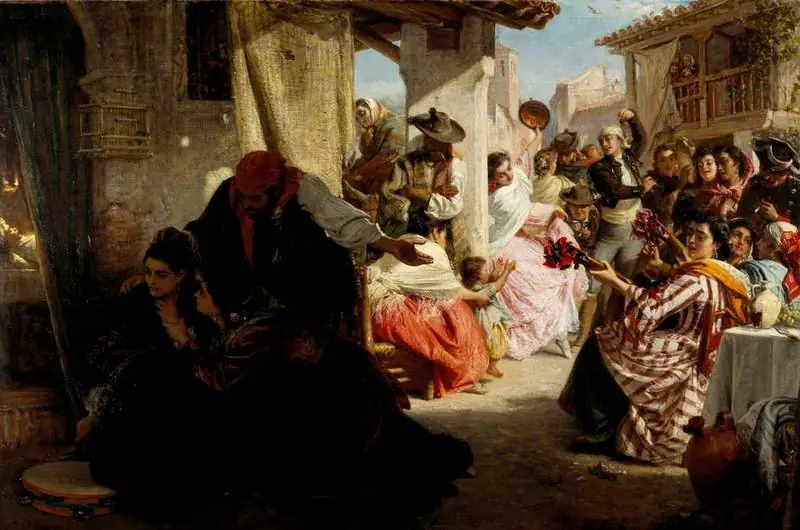
Painted around 1852 by the Scottish artist John Phillip, *Spanish Carnival* emerged after his first visit to Spain in 1851. The work captures a moment of public celebration, reflecting Phillip’s growing interest in Spanish daily life. It is held in the Fitzwilliam Museum’s collection and exemplifies his shift from British subjects to Iberian themes, a direction that defined his later career.
Subject & Meaning
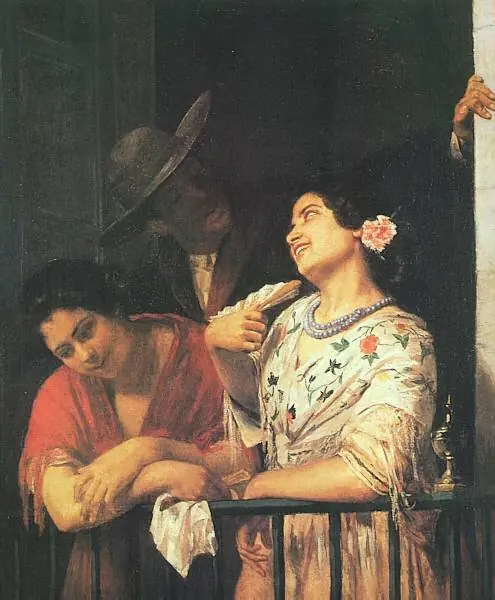
The painting centers on a woman in a black dress with a white collar and a red flower in her hair, positioned as the visual anchor.
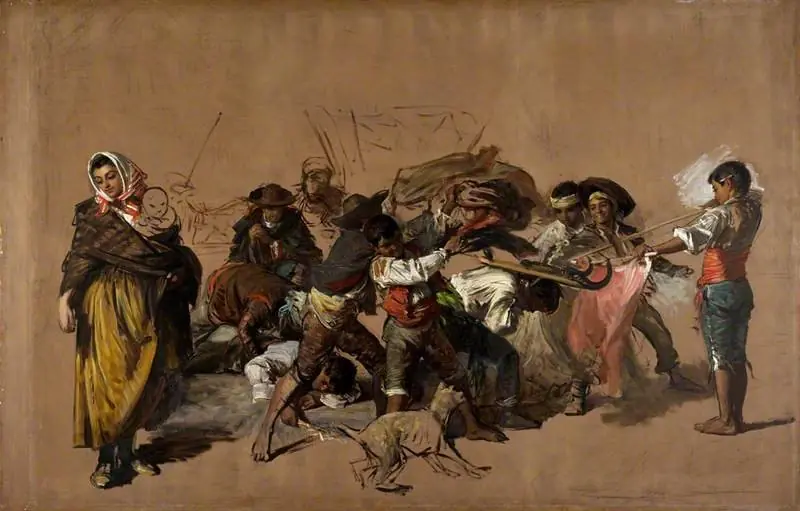
The painting centers on a woman in a black dress with a white collar and a red flower in her hair, positioned as the visual anchor. Behind her, a man holds a guitar, while another figure stands partially obscured to her right. The scene suggests a festive gathering, possibly during a local carnival, where music and costume mark communal joy. The focus on ordinary participants, rather than nobility, underscores a quiet dignity in everyday ritual.
Technique & Style
Phillip employs loose, energetic brushwork to convey motion and spontaneity. The warm, golden background enhances the sense of daylight and festivity, while the figures are rendered with attention to texture—fabric, hair, and instrument—without excessive detail. The composition avoids rigid symmetry, favoring a naturalistic arrangement that mirrors the unpredictability of a public celebration.
History & Provenance
Created shortly after Phillip’s 1851 journey to Spain, the painting is among the earliest of his Spanish-themed works. It entered the Fitzwilliam Museum’s collection in the 19th century, likely through acquisition or donation. Its preservation reflects early British institutional interest in European genre painting, particularly works that documented foreign customs with observational accuracy.
Context
In the mid-19th century, European artists increasingly turned to Spain as a source of exoticism and cultural authenticity. Phillip’s work aligned with this trend, though he avoided romanticized stereotypes by focusing on unidealized participants in local traditions. His paintings contributed to a broader Victorian fascination with Spanish life, distinct from Orientalist or theatrical portrayals common at the time.
Legacy
Phillip’s *Spanish Carnival* remains a representative example of his commitment to documenting Spanish social life with empathy and visual immediacy. While not widely known today, his body of work influenced later genre painters interested in non-British subjects. The painting endures as a quiet record of 19th-century Spanish festivity, valued for its restraint and observational honesty.
Artist & collection
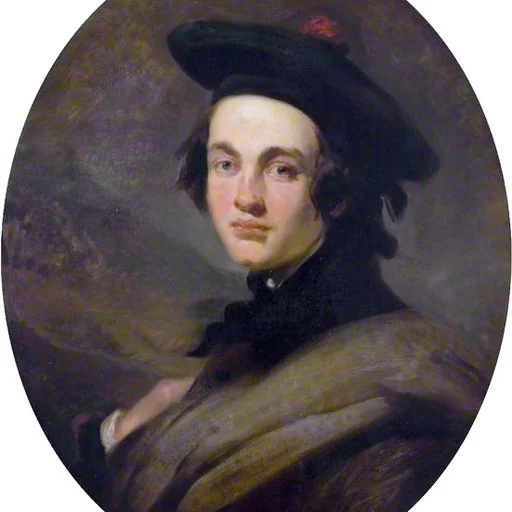
Artist
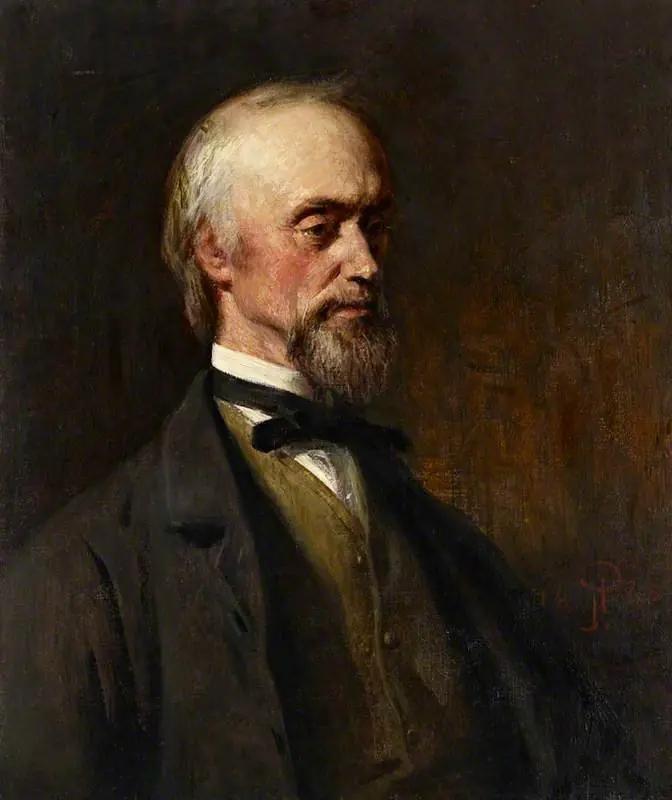
John Phillip (19 April 1817 – 27 February 1867) was a Scottish painter best known for his portrayals of Spanish life. He started painting these studies after a trip to Spain in 1851. He was nicknamed John 'Spanish' Phillip.