Artwork
Rip Van Winkle
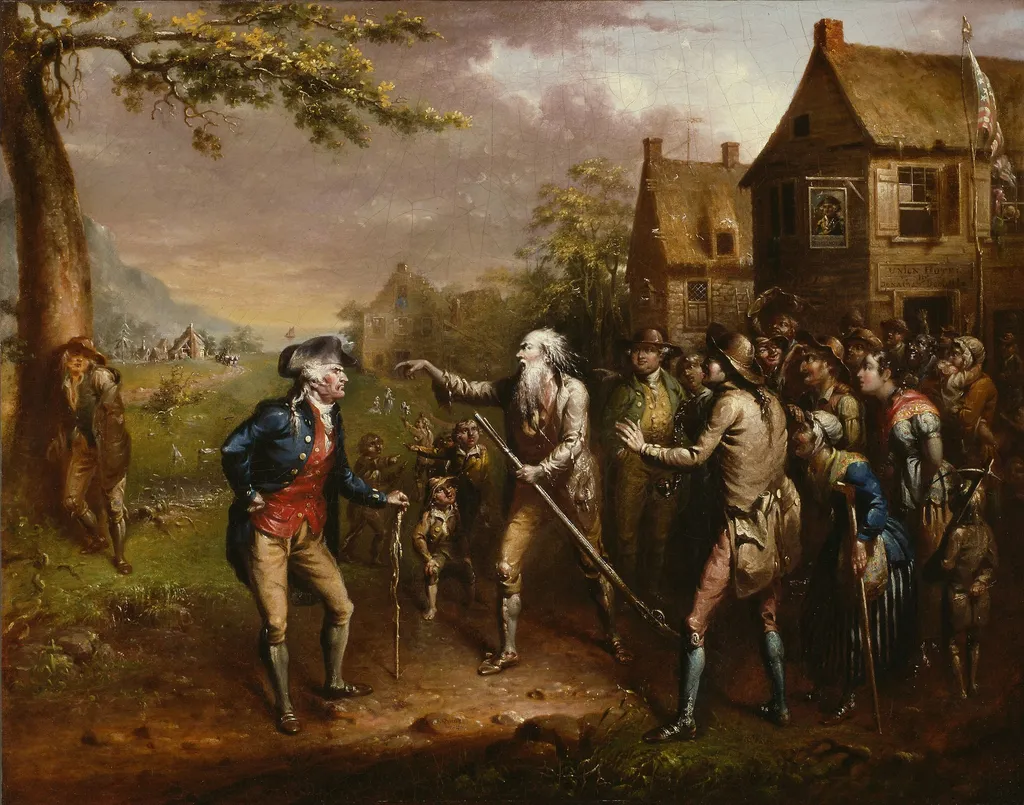
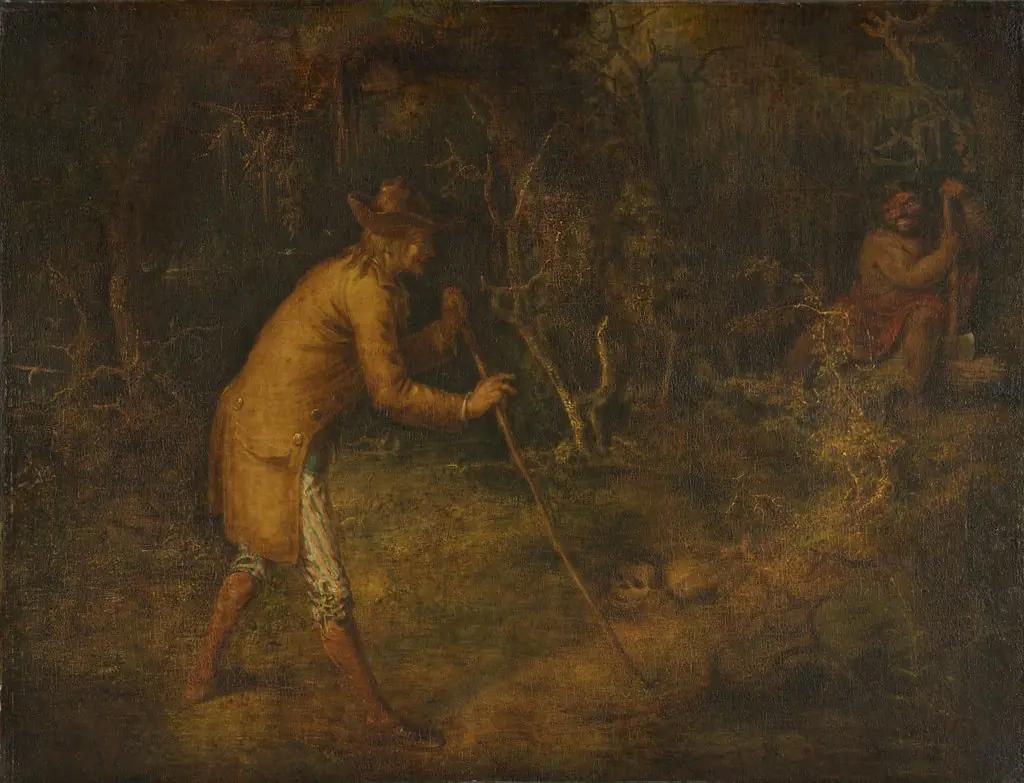
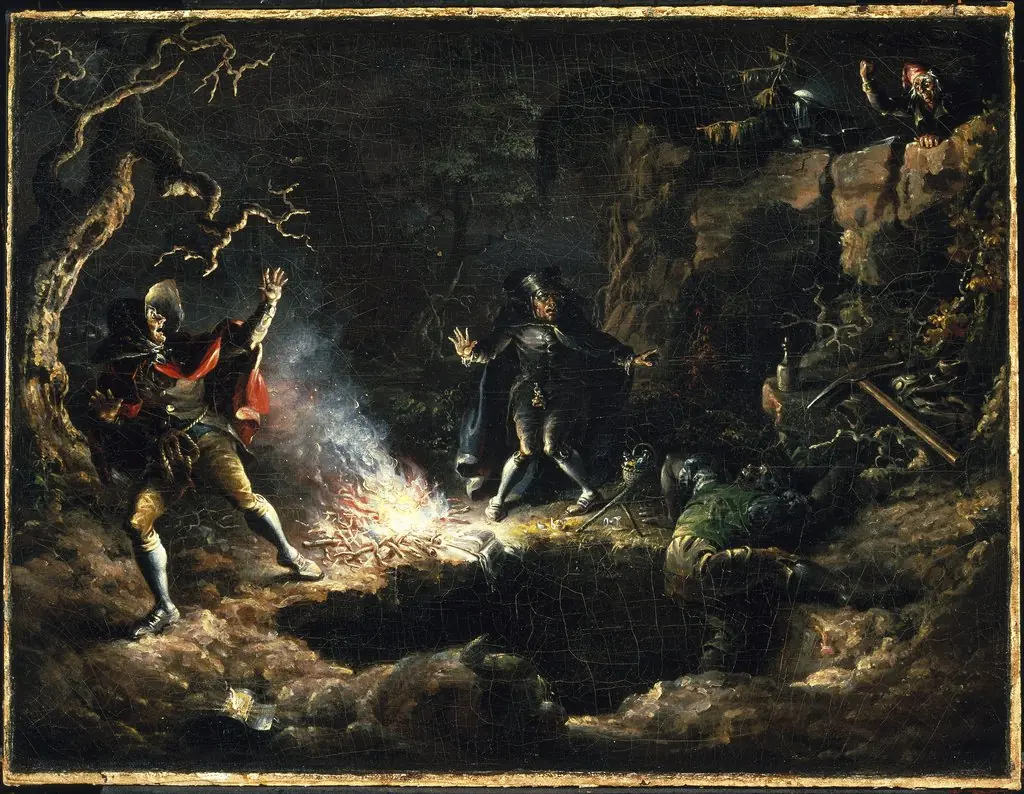
Rip Van Winkle is an oil painting by John Quidor. It dates from 1829 and is held in the collection of the Art Institute of Chicago.
About this work
Overview
John Quidor’s 1829 oil painting illustrates a moment from Washington Irving’s 1819 short story 'Rip Van Winkle.
John Quidor’s 1829 oil painting illustrates a moment from Washington Irving’s 1819 short story 'Rip Van Winkle.' Set in the Catskill Mountains, the scene captures the titular character’s return after a twenty-year sleep. Quidor, an American painter focused on literary themes, rendered the narrative with attention to regional detail and dramatic tension, aligning with early 19th-century interest in national folklore.
Subject & Meaning
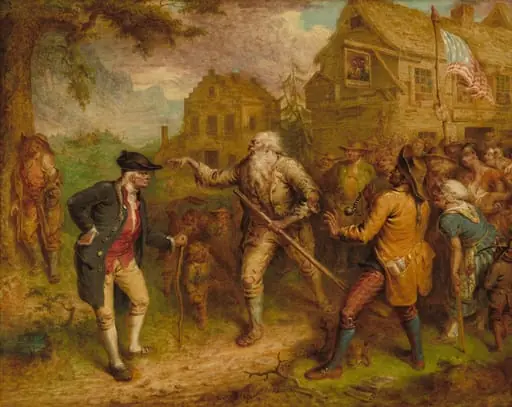
The painting shows Rip Van Winkle, identified by his long white beard and outdated attire, surrounded by villagers who no longer recognize him. His confusion contrasts with their startled reactions, emphasizing the theme of time’s passage and alienation. The American flag in the background signals the political transformation he has missed—colonial life replaced by the new republic—deepening the story’s commentary on change and loss.
Technique & Style
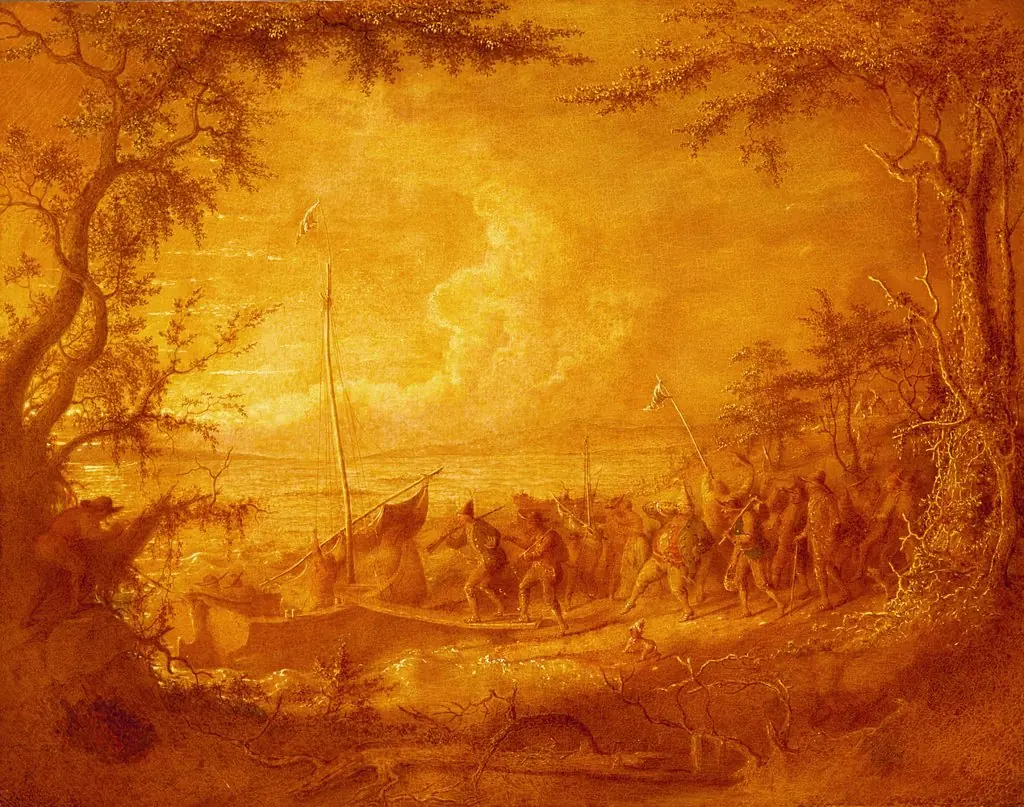
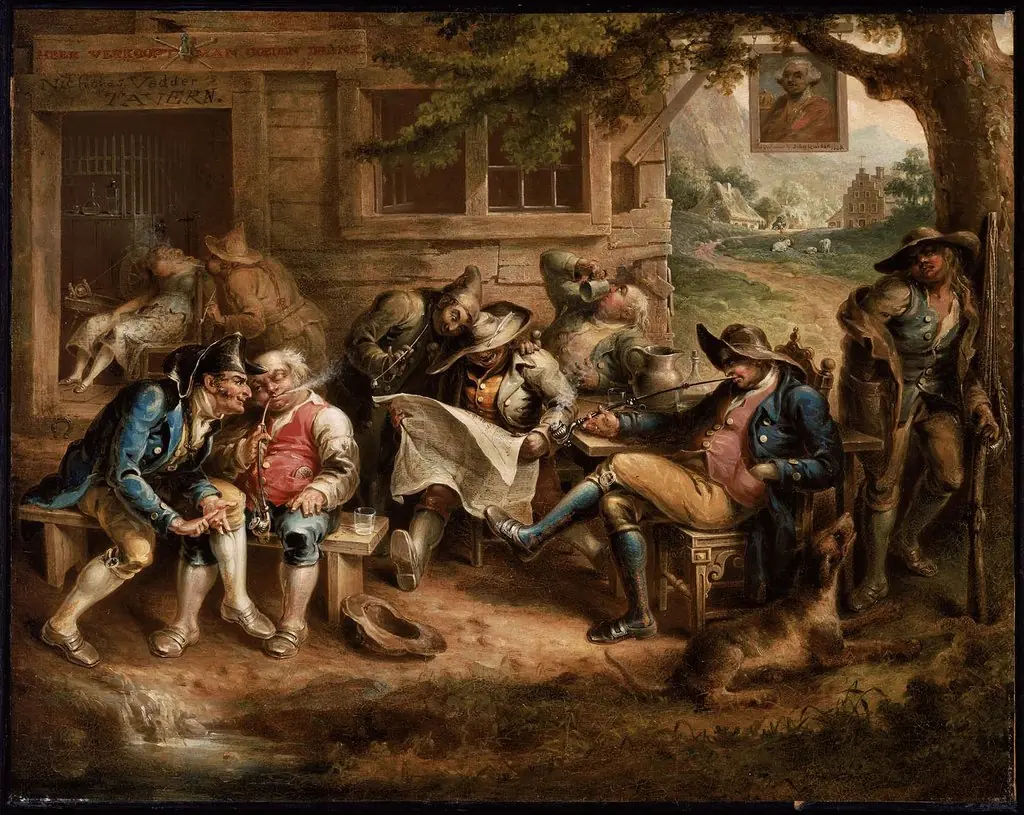
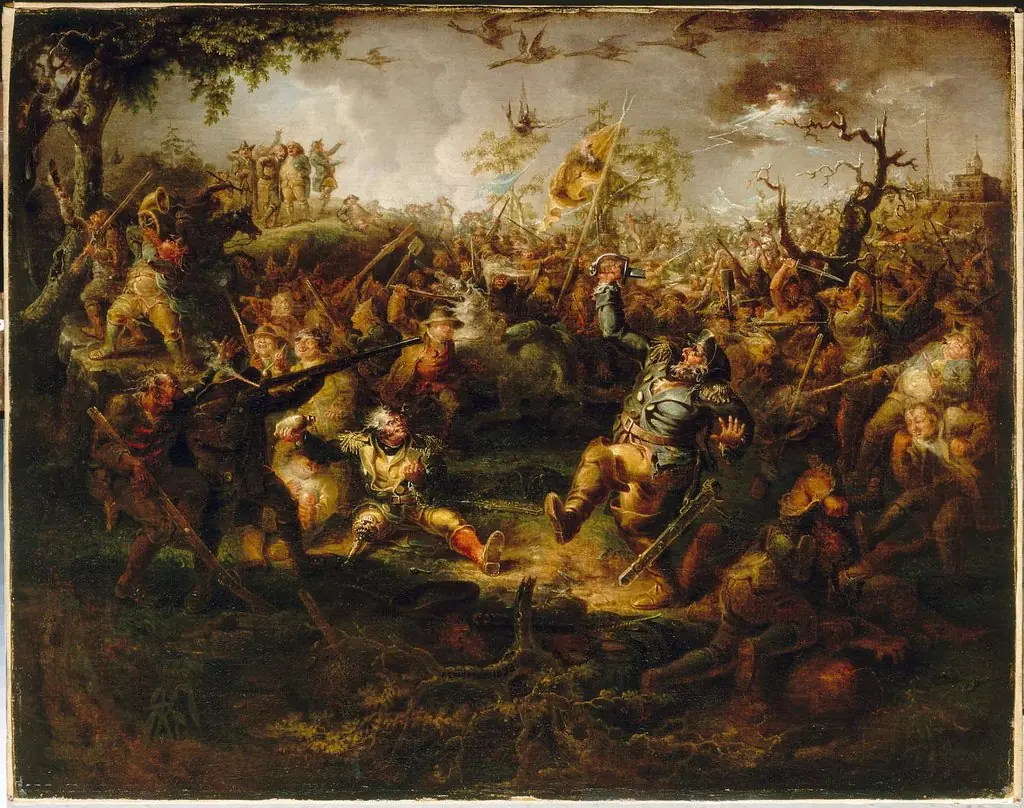
Quidor employed chiaroscuro to model forms and guide focus toward Rip’s figure, using warm, earthy tones to unify the composition. The figures are arranged in a loose, theatrical grouping, with gestures and glances creating narrative momentum. Details in clothing and architecture reflect historical accuracy, while the brushwork remains descriptive rather than polished, reflecting a genre-painting sensibility influenced by European satirical traditions.
History & Provenance
Painted in 1829, the work entered the collection of the Art Institute of Chicago in the early 20th century. It was among several paintings Quidor produced based on Irving’s tales, which were widely read in America at the time. Though not widely exhibited during his lifetime, the painting gained recognition as part of a broader movement to visualize American literary culture through visual art.
Context
In the 1820s, American artists increasingly turned to domestic literature for subject matter, seeking to establish a distinct cultural identity. Quidor’s work responded to this trend, adapting Irving’s Dutch-set tales into visual narratives that blended local history with familiar European compositional styles. The painting reflects a moment when storytelling and national myth-making converged in the visual arts.
Legacy
Quidor’s 'Rip Van Winkle' remains a key example of early American narrative painting, illustrating how literature shaped visual culture in the young republic. While not widely imitated, it contributed to a tradition of literary illustration that influenced later generations of artists seeking to ground national identity in shared stories rather than imported themes.
Own this work as a print
Artist & collection
Artist
John Quidor (January 26, 1801 – December 13, 1881) was an American painter of historical and literary subjects.

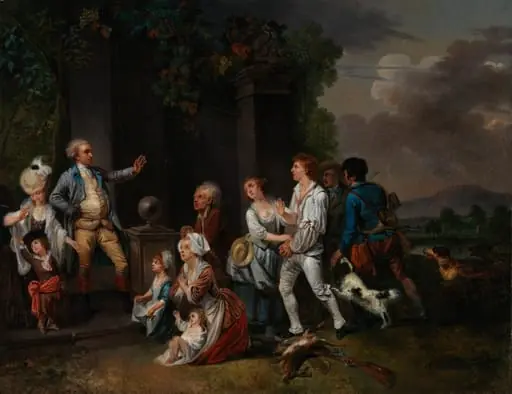 Salametsästäjän vapauttaminen
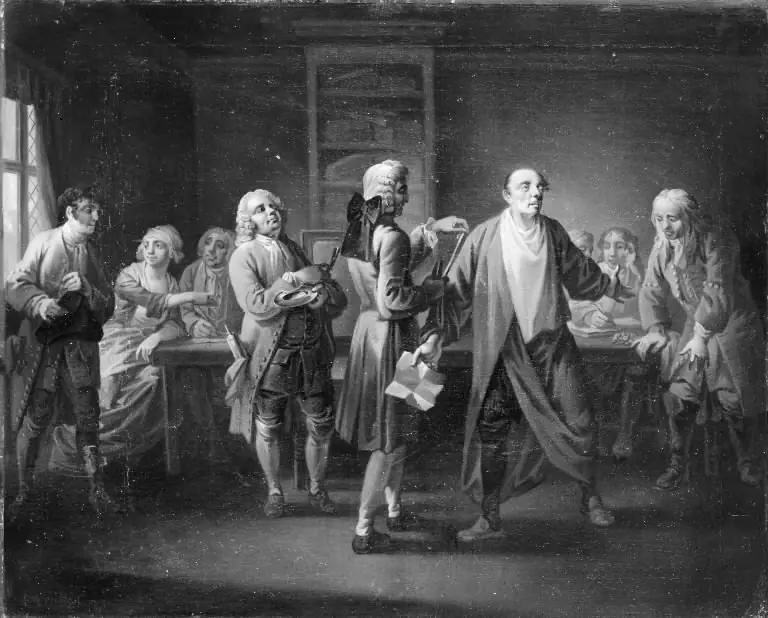
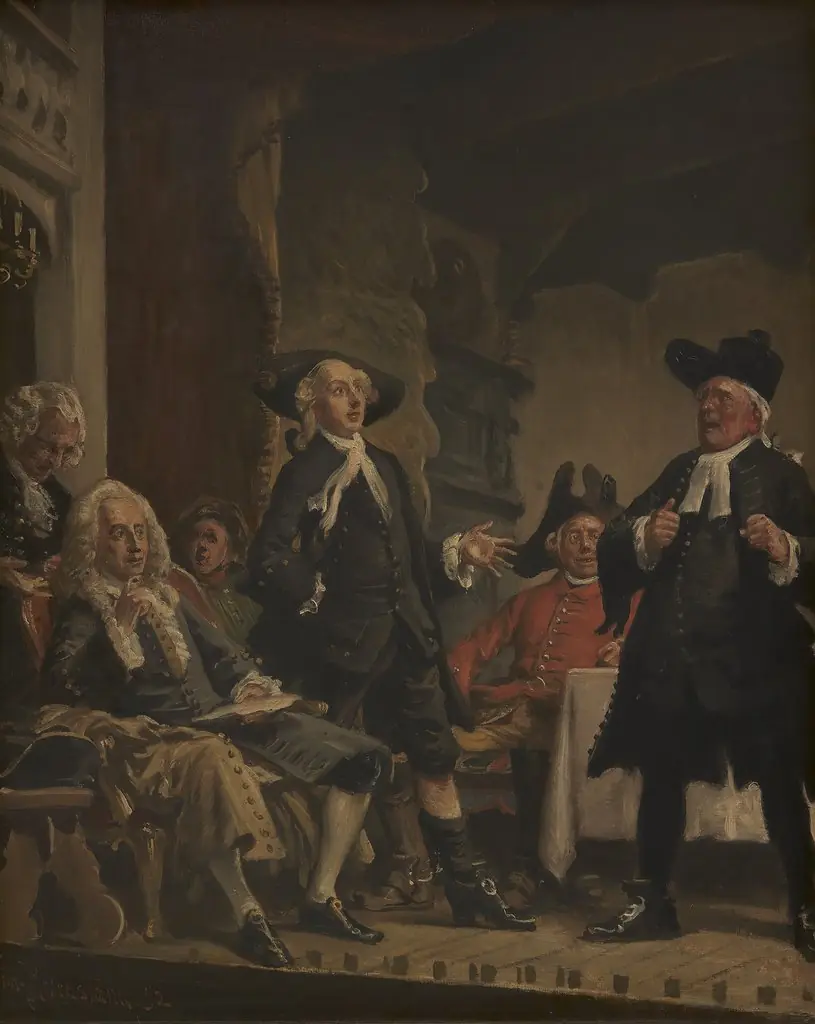 Holberg overværer en prøve på Erasmus Montanus
 Holberg overværer en prøve på Erasmus Montanus
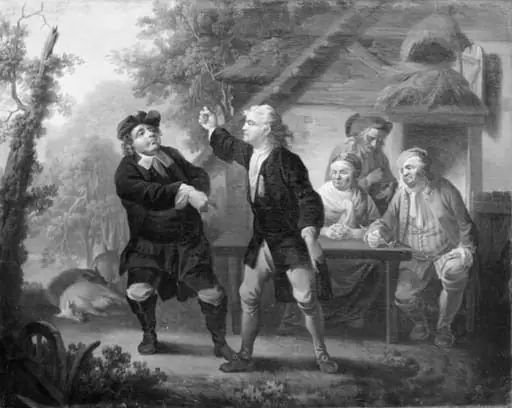 Erasmus Montanus, III akt, 3. scene
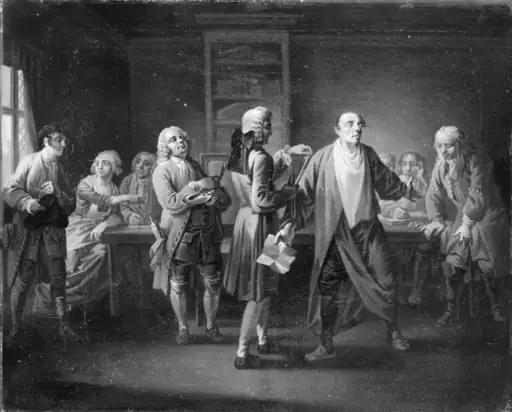 Den Stundesløse, I akt, 6. scene
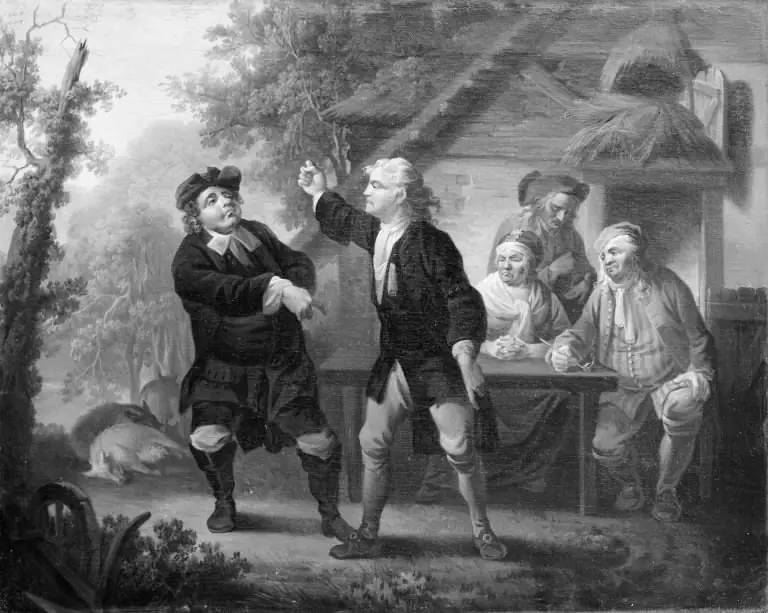 Erasmus Montanus, III akt, 3. scene
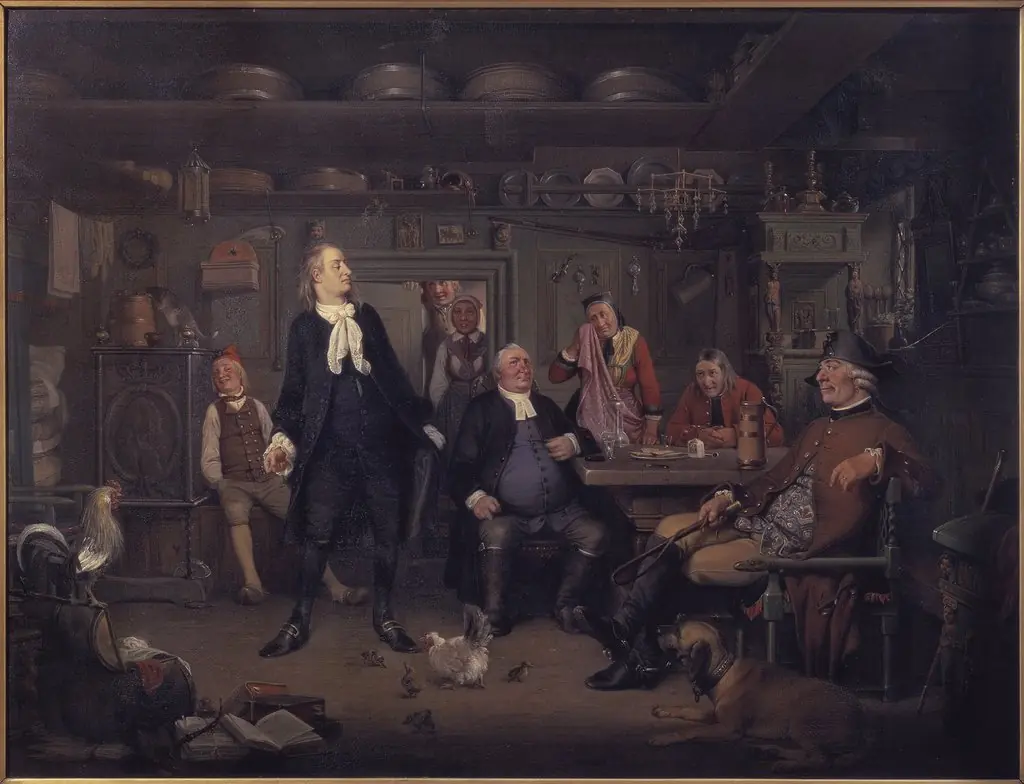 Fra Ludvig Holbergs "Erasmus Montanus", III akt, 3. scene
 Den Stundesløse, I akt, 6. scene