Artwork
Erasmus Montanus, III akt, 3. scene
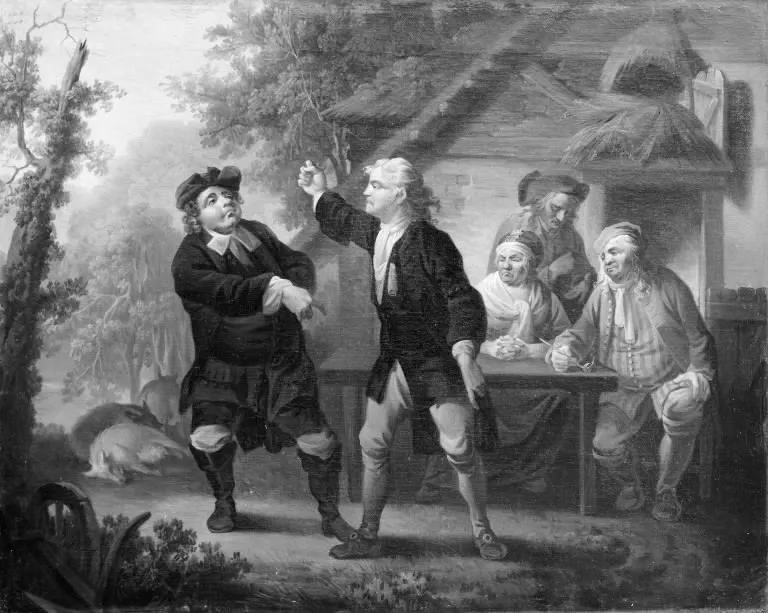
Erasmus Montanus, III akt, 3. scene is an oil painting by the Neoclassicist artist Christian August Lorentzen. It dates from 1798 and is held in the collection of the Statens Museum for Kunst.
About this work
Overview
Painted in 1798 by Christian August Lorentzen, this oil work captures a moment from the third act, third scene of Ludvig Holberg's comedy Erasmus Montanus.
Painted in 1798 by Christian August Lorentzen, this oil work captures a moment from the third act, third scene of Ludvig Holberg's comedy Erasmus Montanus. The painting is part of the collection at Statens Museum for Kunst in Copenhagen. It portrays a group of six figures in a domestic interior, their interactions frozen mid-conversation. The composition emphasizes social tension through posture and lighting, reflecting the play’s satirical tone.
Subject & Meaning
The scene illustrates a confrontation between Erasmus, a university-educated young man, and his rural community, who resist his pretensions to scholarly authority. The figure gesturing prominently is Erasmus, asserting his learned views against skeptical locals. The setting—a modest, rustic room—contrasts with his intellectual posturing, underscoring Holberg’s critique of misplaced elitism and the clash between urban education and rural tradition.
Technique & Style
Lorentzen employs chiaroscuro to model forms and direct attention toward the central figure, enhancing the dramatic tension of the moment. Brushwork is precise yet unobtrusive, rendering textures of wool, wood, and skin with quiet realism. The palette is muted, dominated by earth tones and darks, with subtle highlights guiding the viewer’s eye. The background, softly rendered, suggests depth without distracting from the figures’ psychological interplay.
History & Provenance
Commissioned shortly after the play’s renewed popularity in the 1790s, the painting was created as part of a series illustrating Holberg’s comedies. It entered the collection of Statens Museum for Kunst in the 19th century, where it has remained. Its preservation reflects Denmark’s 19th-century interest in national cultural heritage, particularly works tied to Holberg’s legacy as a foundational figure in Danish literature.
Context
Lorentzen painted this during a period of growing national identity in Denmark, when Holberg’s plays were being reevaluated as cultural touchstones. The scene reflects Enlightenment-era tensions between reason and tradition, education and social hierarchy. As a painter of historical and literary subjects, Lorentzen aligned himself with intellectual currents that valued art as a vehicle for moral and social commentary.
Legacy
The painting remains a key visual interpretation of Holberg’s satire, frequently referenced in studies of Danish theater and 18th-century visual culture. While not widely exhibited outside Denmark, it is recognized in academic circles for its nuanced depiction of social dynamics. Its quiet realism and psychological depth distinguish it from more theatrical contemporaries, offering a restrained yet potent commentary on class and intellect.
Artist & collection
Artist
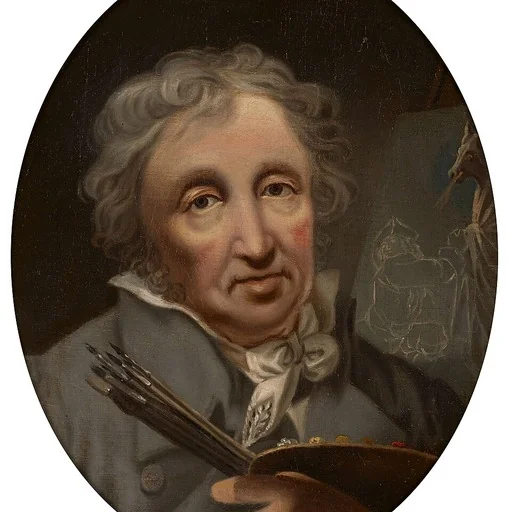
Christian August Lorentzen (1749–1828) was an artist, born in Sønderborg.

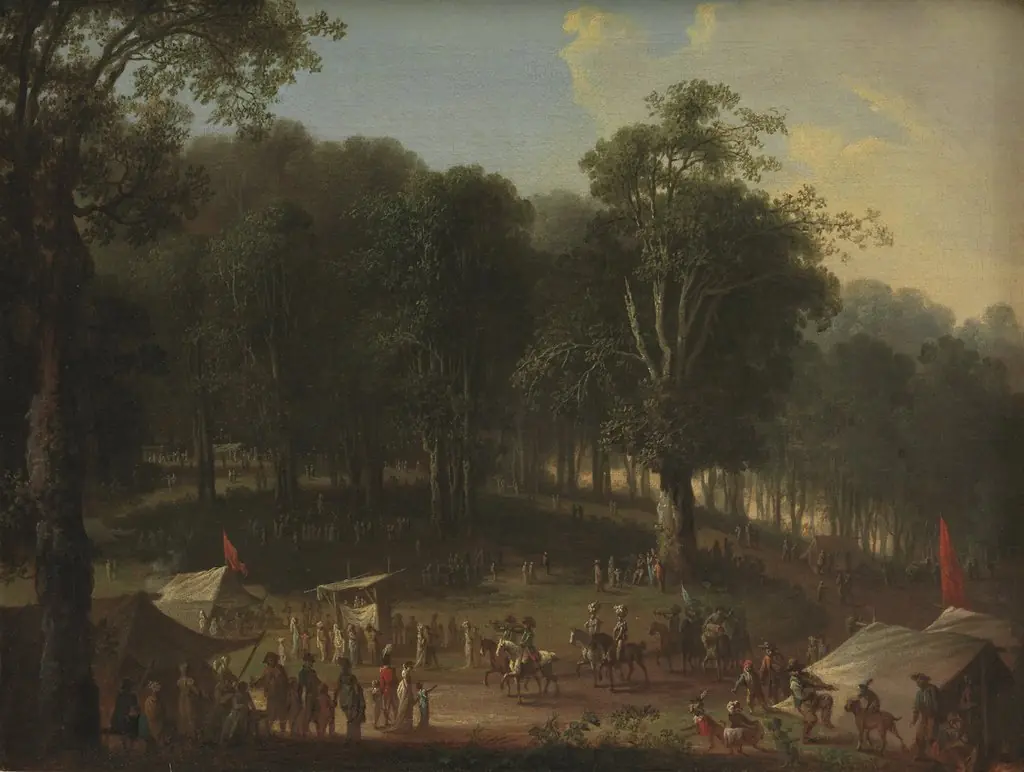 A Troup of Performers Arriving at the Fair at Dyrehavsbakken Near the Deer Park, North of Copenhagen
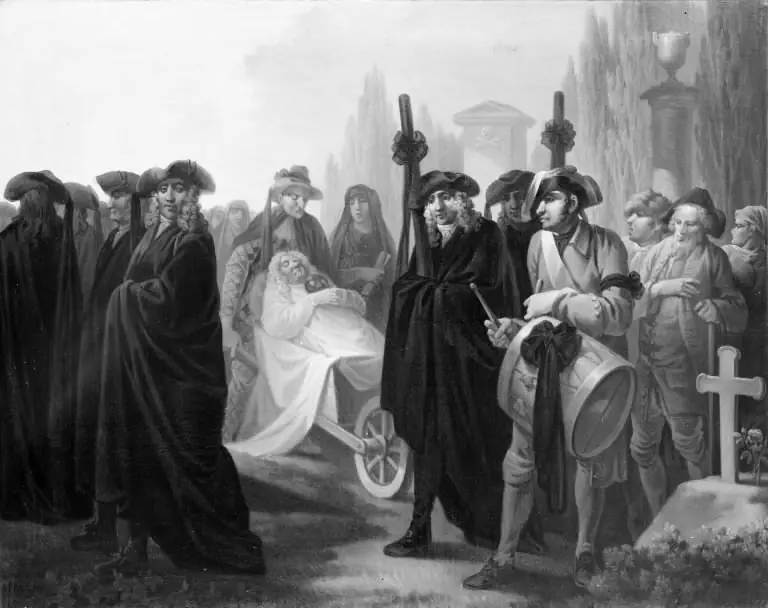 Den danske Comedies Ligbegængelse, 5. scene
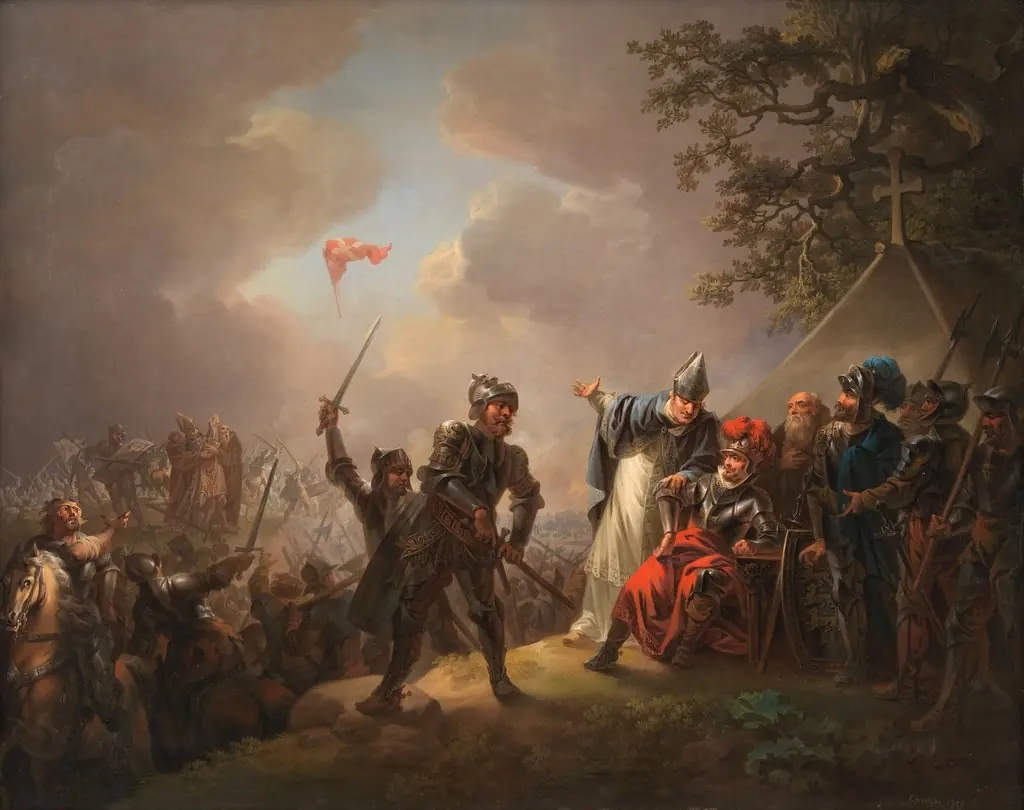 The Legend of the Danish Flag (the Dannebrog) Falling from the Heavens during the Battle of Lyndanise in Estonia in 1219
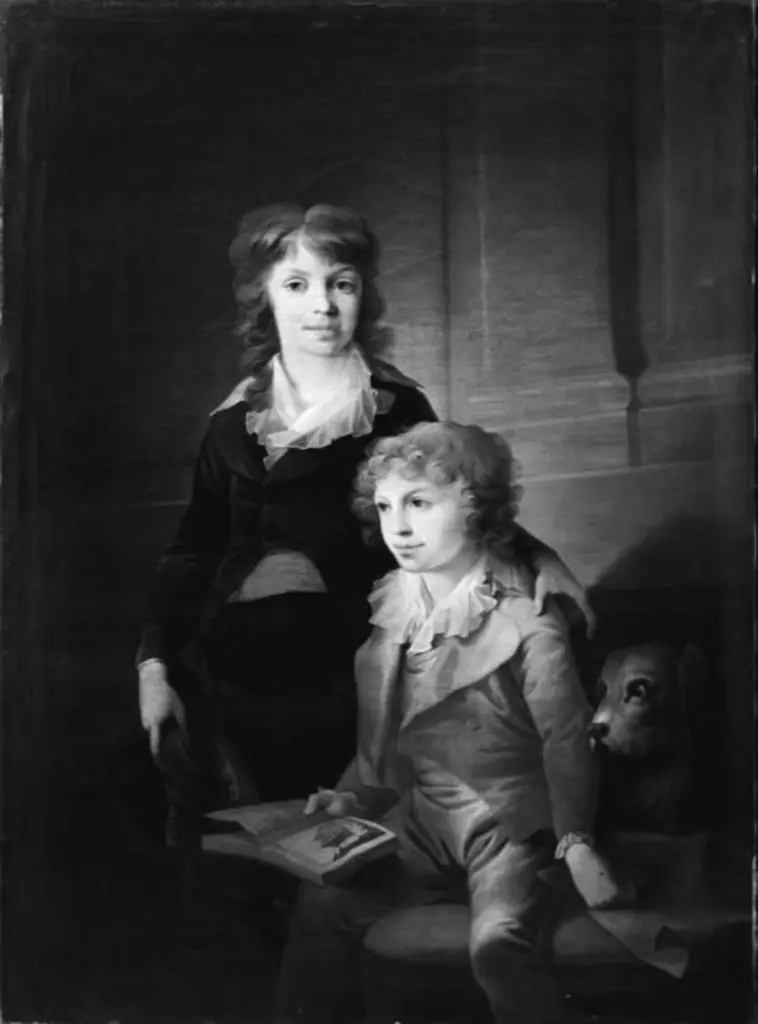 To ynglinge med en hund
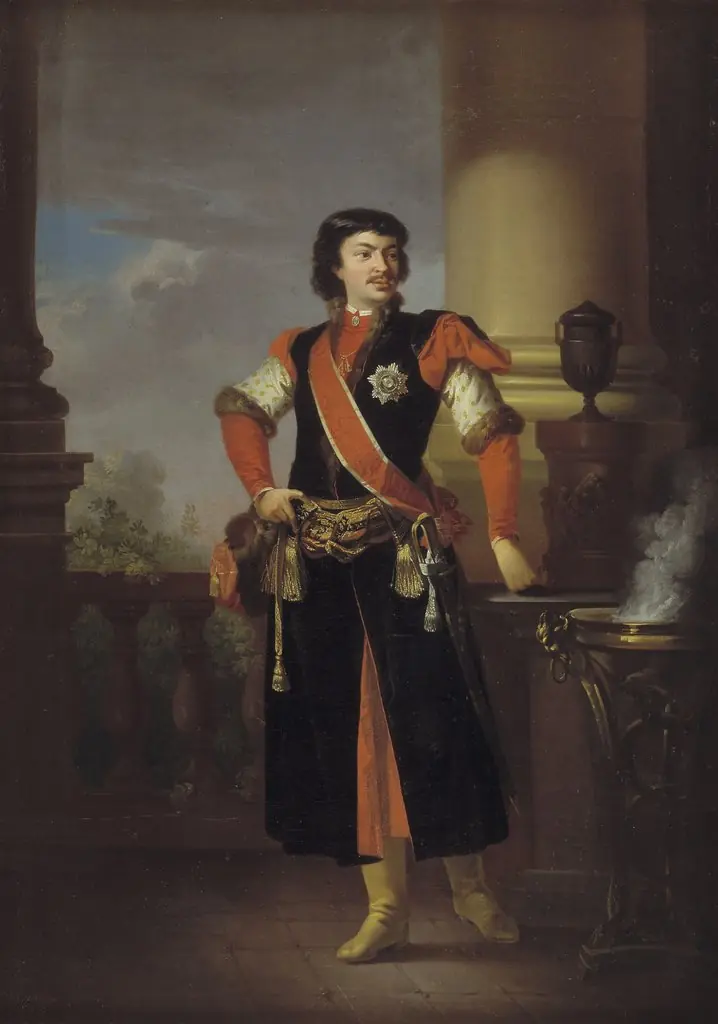 Portrait of Count Rzewuski, Polish Ambassador to Denmark
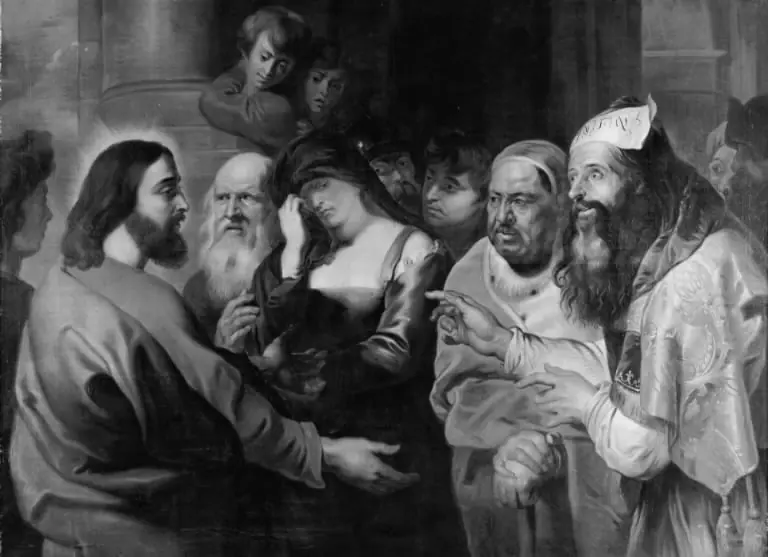 Kristus og synderinden
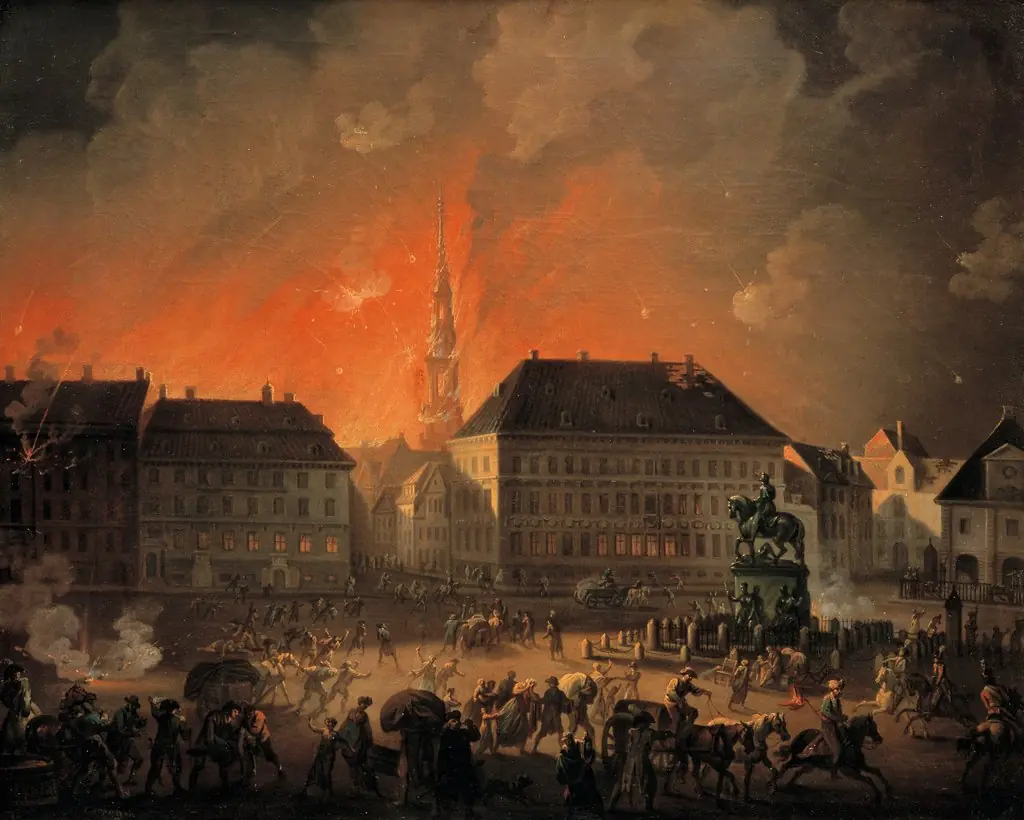 The Most Terrible Night. View of Kongens Nytorv in Copenhagen During the English Bombardement of Copenhagen at Night between 4 and 5 September 1807
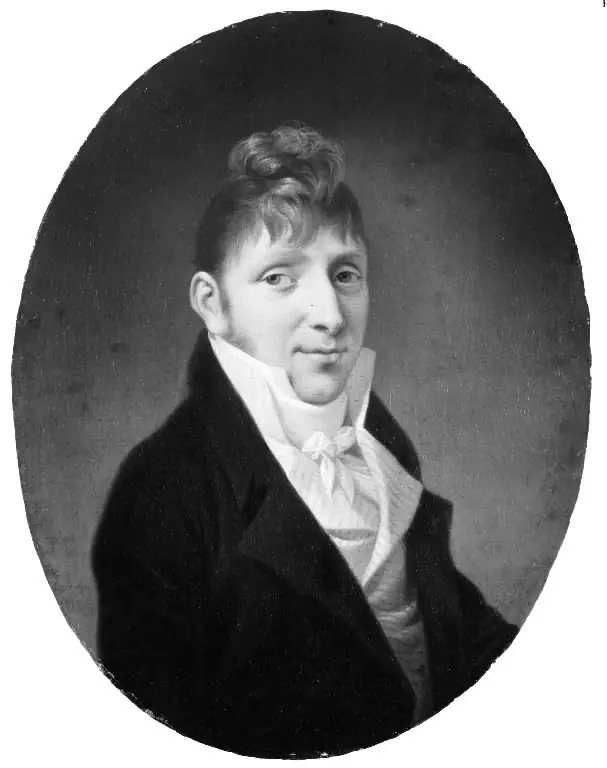 Mandsportræt
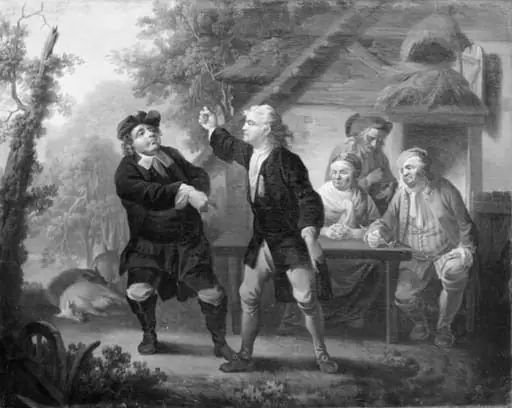 Erasmus Montanus, III akt, 3. scene
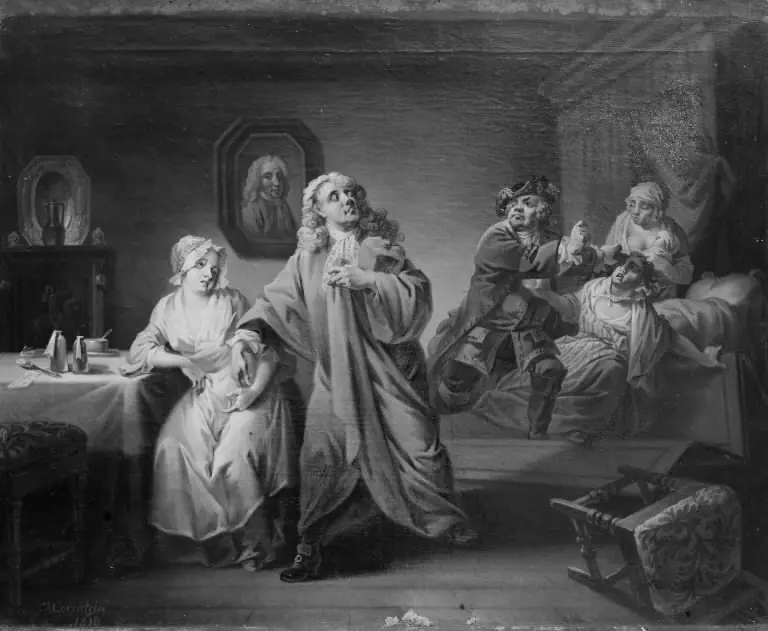 Barselstuen, III akt, 6. scene
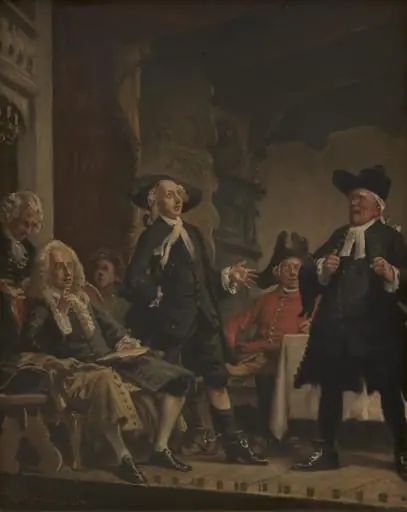 Holberg overværer en prøve på Erasmus Montanus
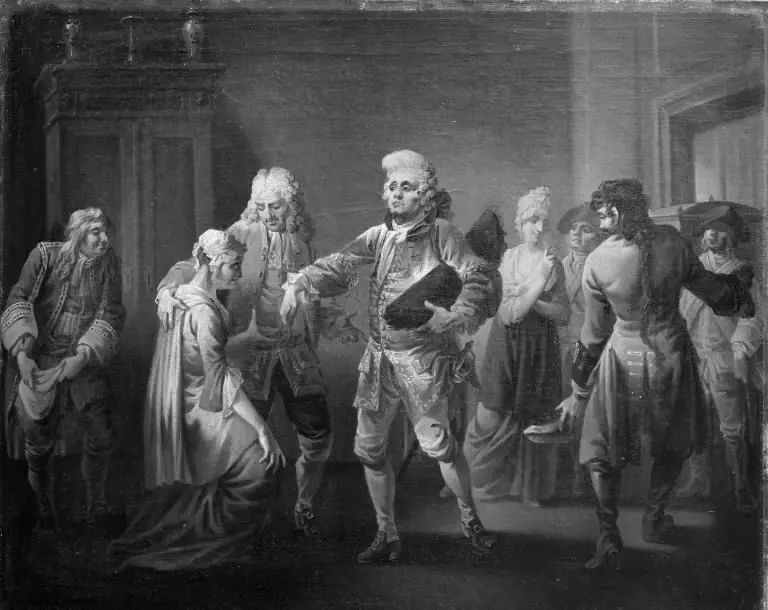 Den honette Ambition, III akt, 5. scene
 Den honette Ambition, III akt, 5. scene
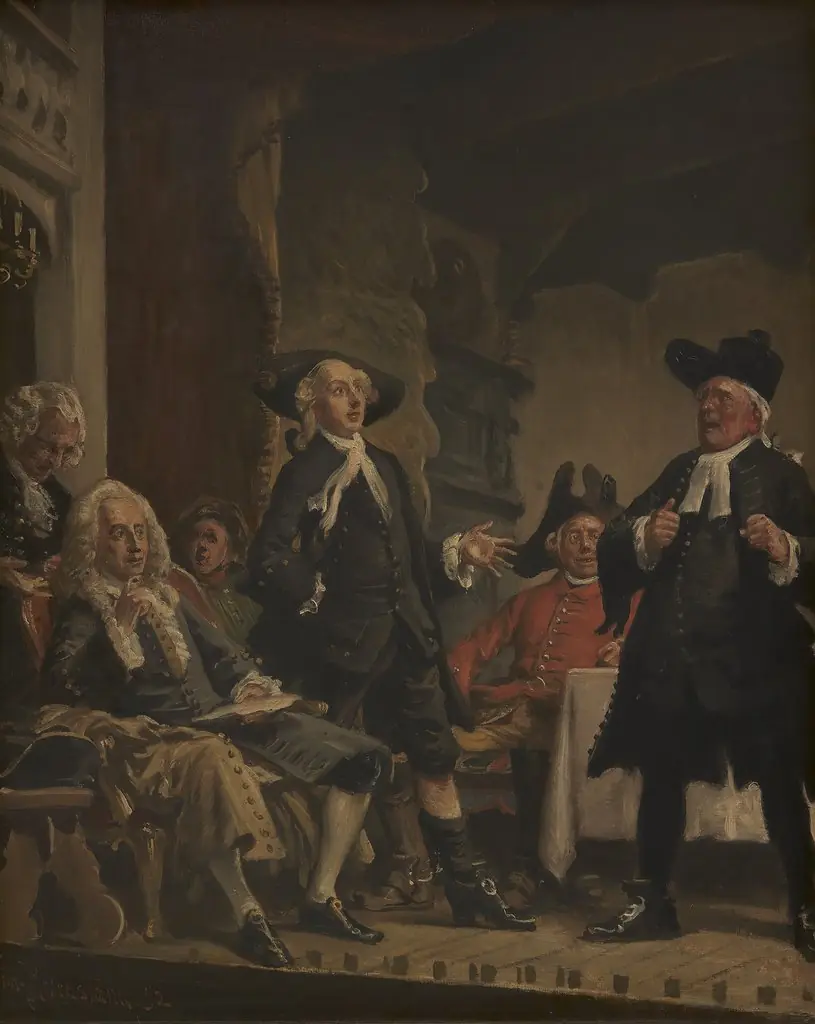 Holberg overværer en prøve på Erasmus Montanus
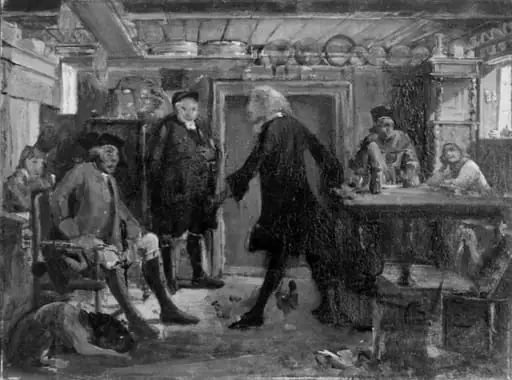 Fra Ludvig Holbergs "Erasmus Montanus", III akt, 3. scene
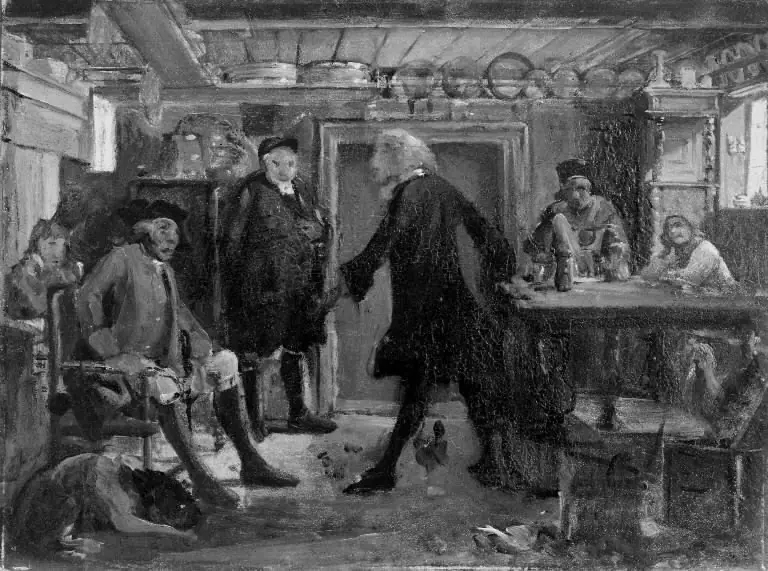 Fra Ludvig Holbergs "Erasmus Montanus", III akt, 3. scene
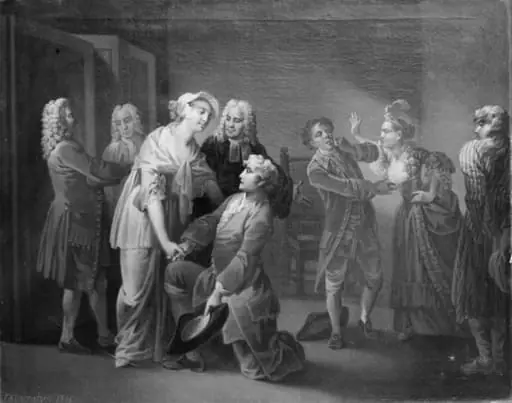 Henrik og Pernille, III akt, 13. scene
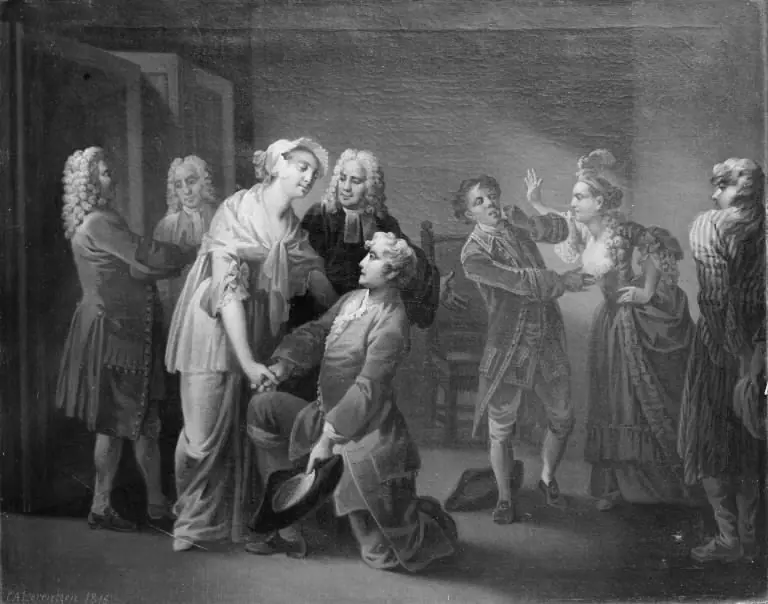 Henrik og Pernille, III akt, 13. scene