Artwork
The Captive Slave
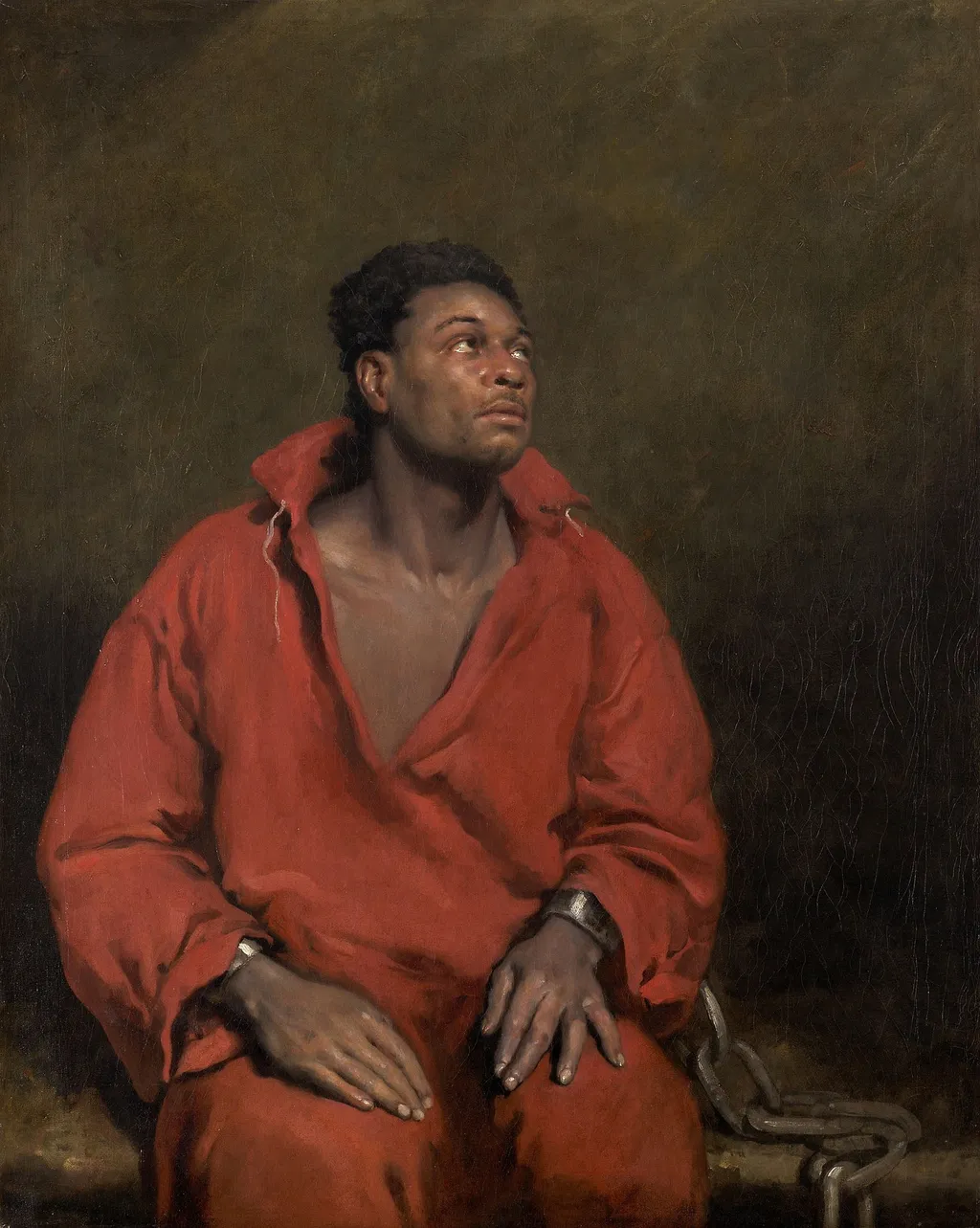
The Captive Slave is an oil painting by the British Romanticist artist John Simpson. It dates from 1827 and is held in the collection of the Art Institute of Chicago.
About this work
Scholars think Simpson meant it as an abolitionist statement, using the subject and the time to comment on slavery.
The Captive Slave is an oil painting by British artist John Simpson, dated 1827. It shows a man in chains sitting on a stone bench, looking upward with a thoughtful expression.
The work was first shown in London in 1827. Scholars think Simpson meant it as an abolitionist statement, using the subject and the time to comment on slavery. Its quiet mood strongly adds weight to the message.
You can see it at the museum: Art Institute of Chicago.
Overview
The Captive Slave is an oil painting created by British artist John Simpson in 1827. It is now part of the Art Institute of Chicago's collection.
Subject & Meaning
The painting depicts a manacled man seated on a stone bench, gazing upward with a contemplative expression. The work's subject and historical context suggest it was intended as a commentary on the issue of slavery.
Technique & Style
Simpson's use of oil paint and subdued tone creates a somber atmosphere, underscoring the gravity of the subject matter.
History & Provenance
First exhibited in London in 1827, The Captive Slave has been interpreted by scholars as an abolitionist statement, with its quiet mood lending weight to the message.
Own this work as a print
Artist & collection
Artist
British painter John Simpson made large oil paintings that put human figures in quiet, dramatic scenes.

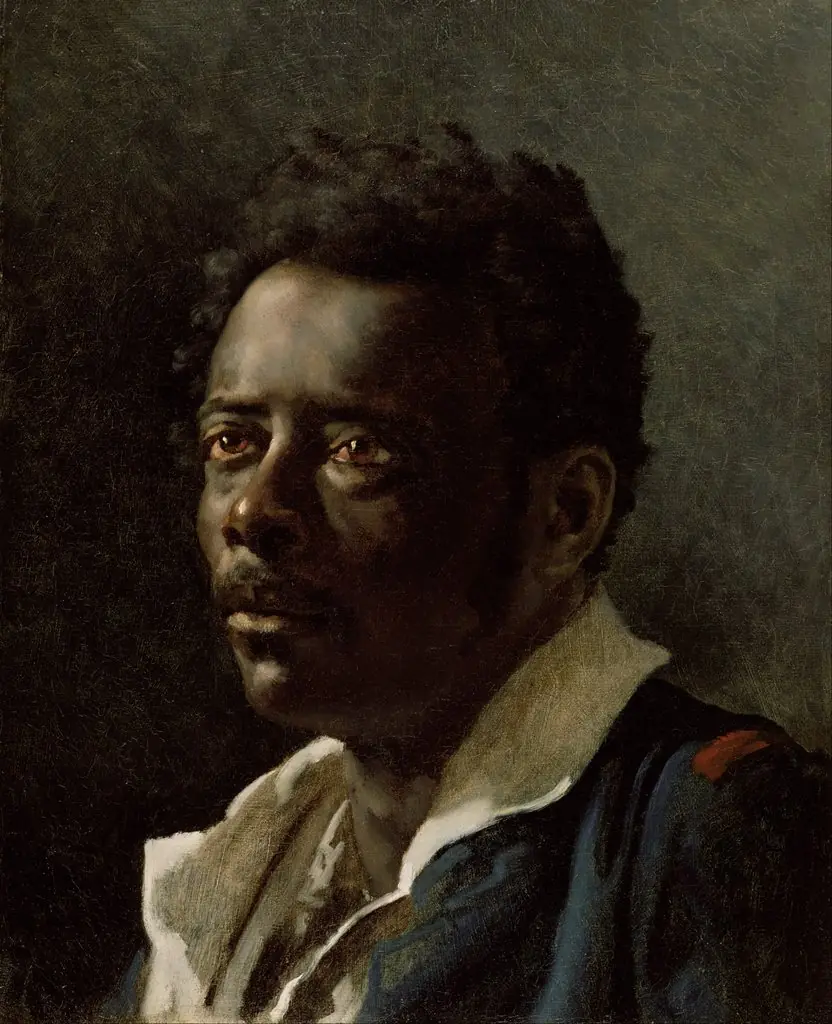 Study of a Model
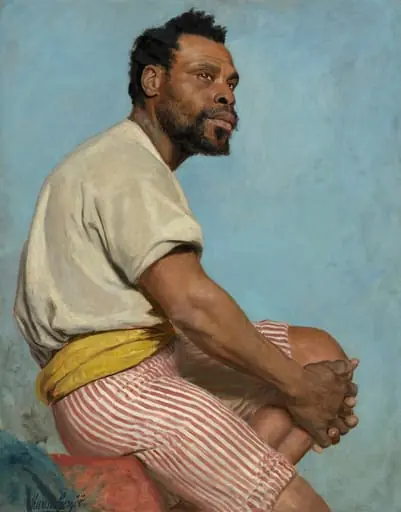 Pierre Louis Alexandre
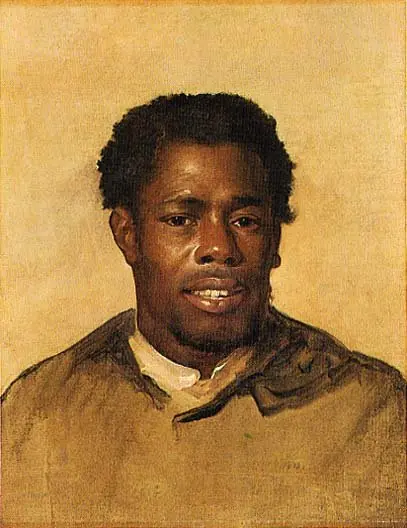 Head of a man
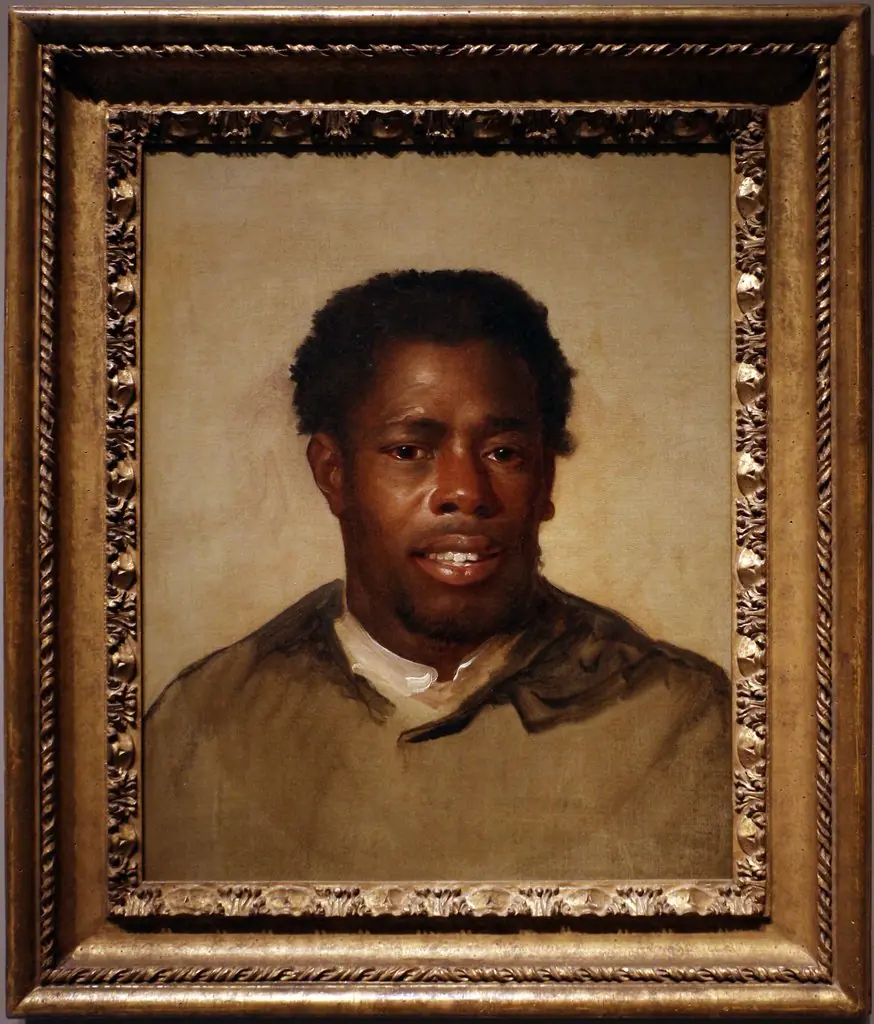 Head of a Negro
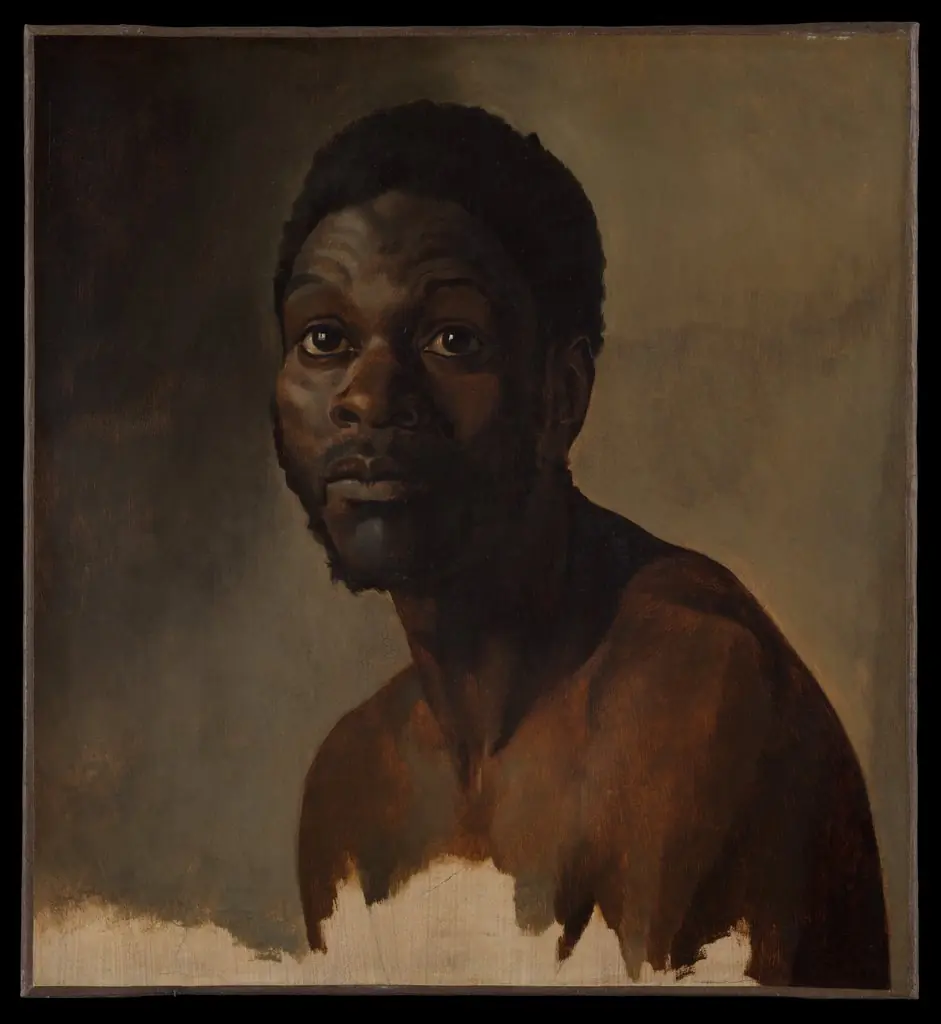 Bust-Length Study of a Man
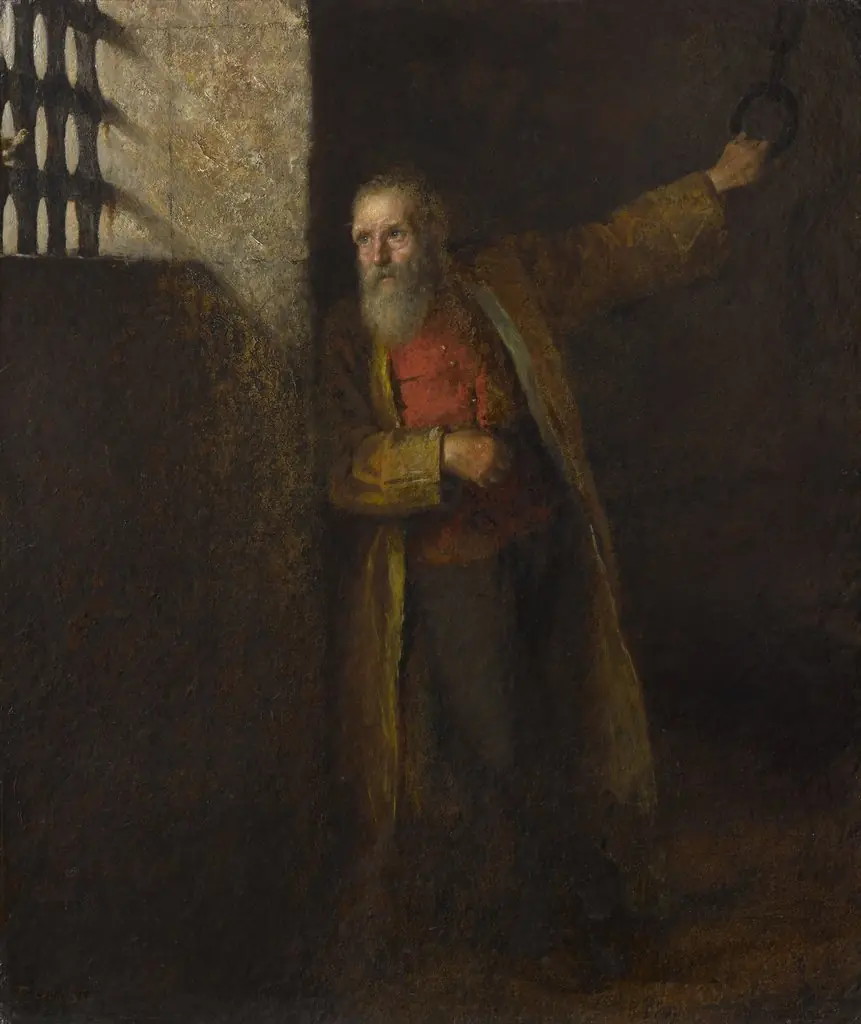 A Prisoner of the State
 A Chief of Abyssinia
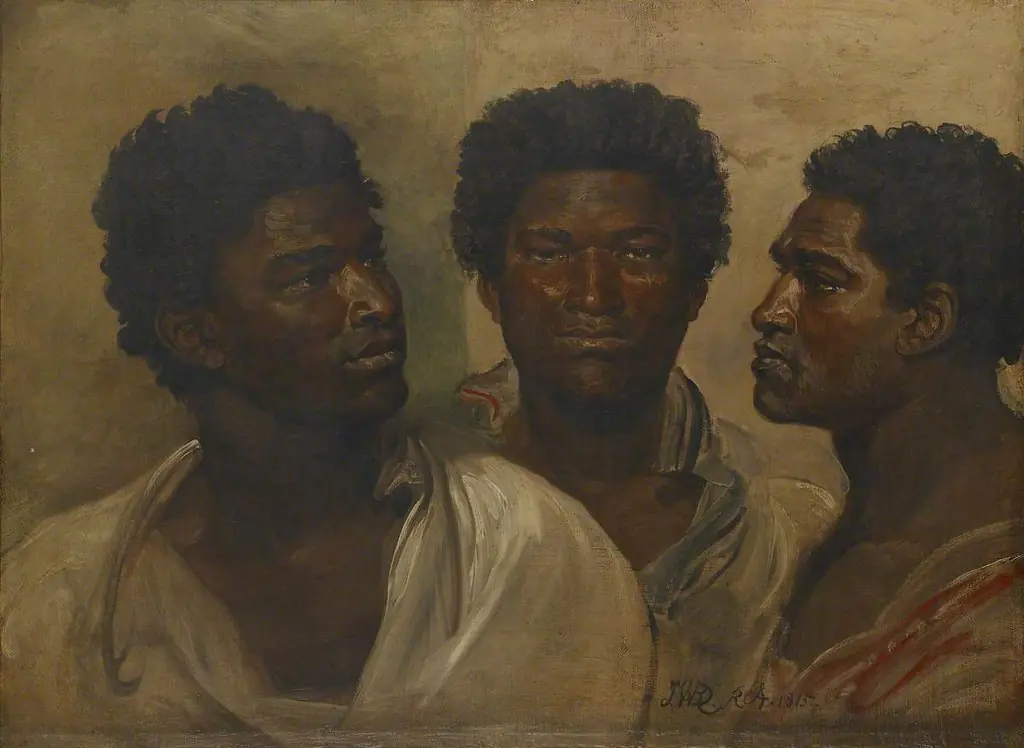 Three Views of the Head of a Native (probably a Sakalava), Madagascar
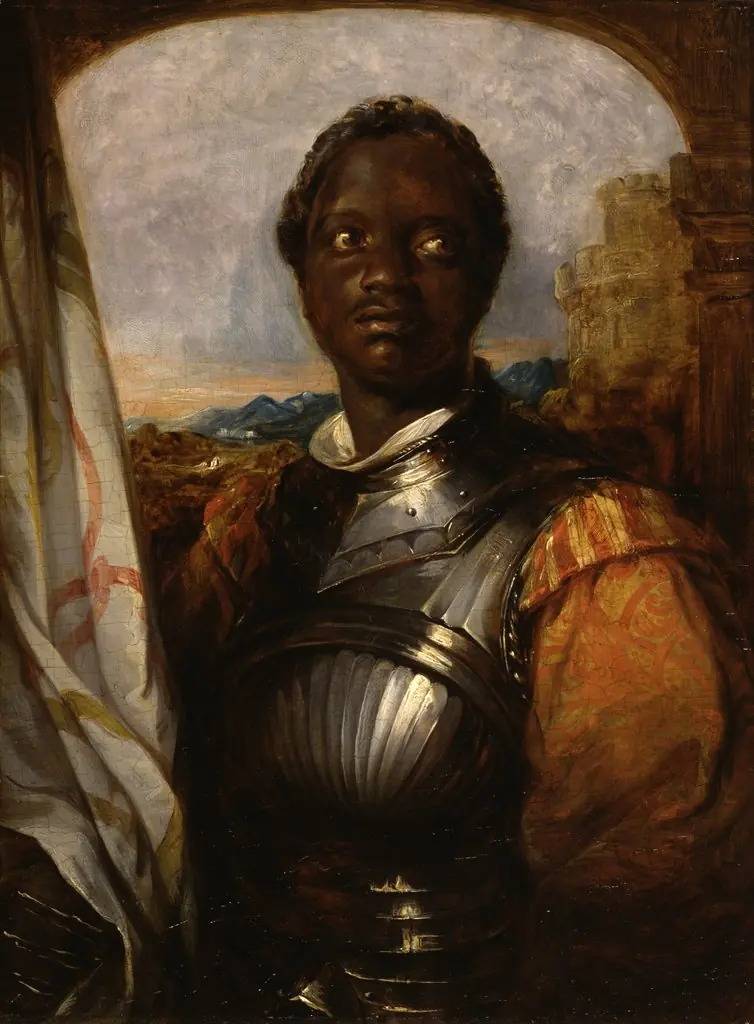 Ira Aldridge, Possibly in the Role of Othello
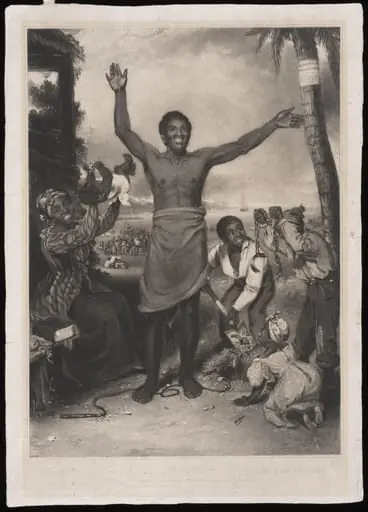 To the Friends of Negro Emancipation
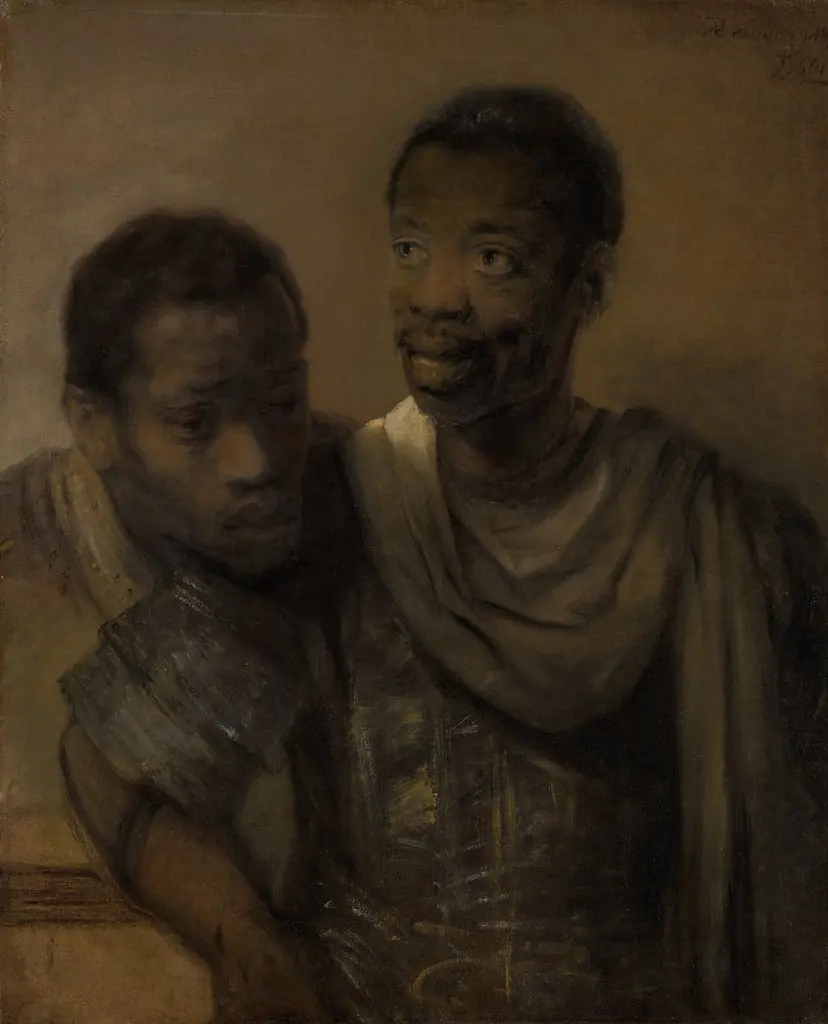 Two African men
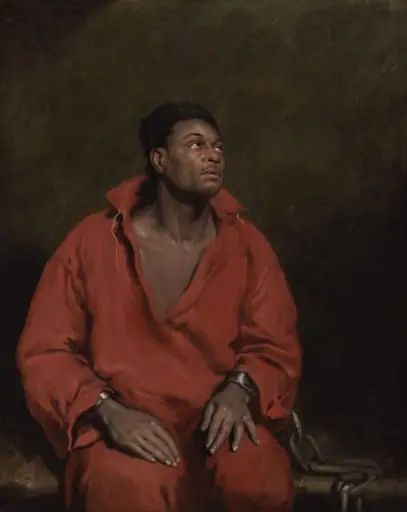 The Captive Slave (Ira Aldridge)