Artwork
Carnation, Lily, Lily and Rose
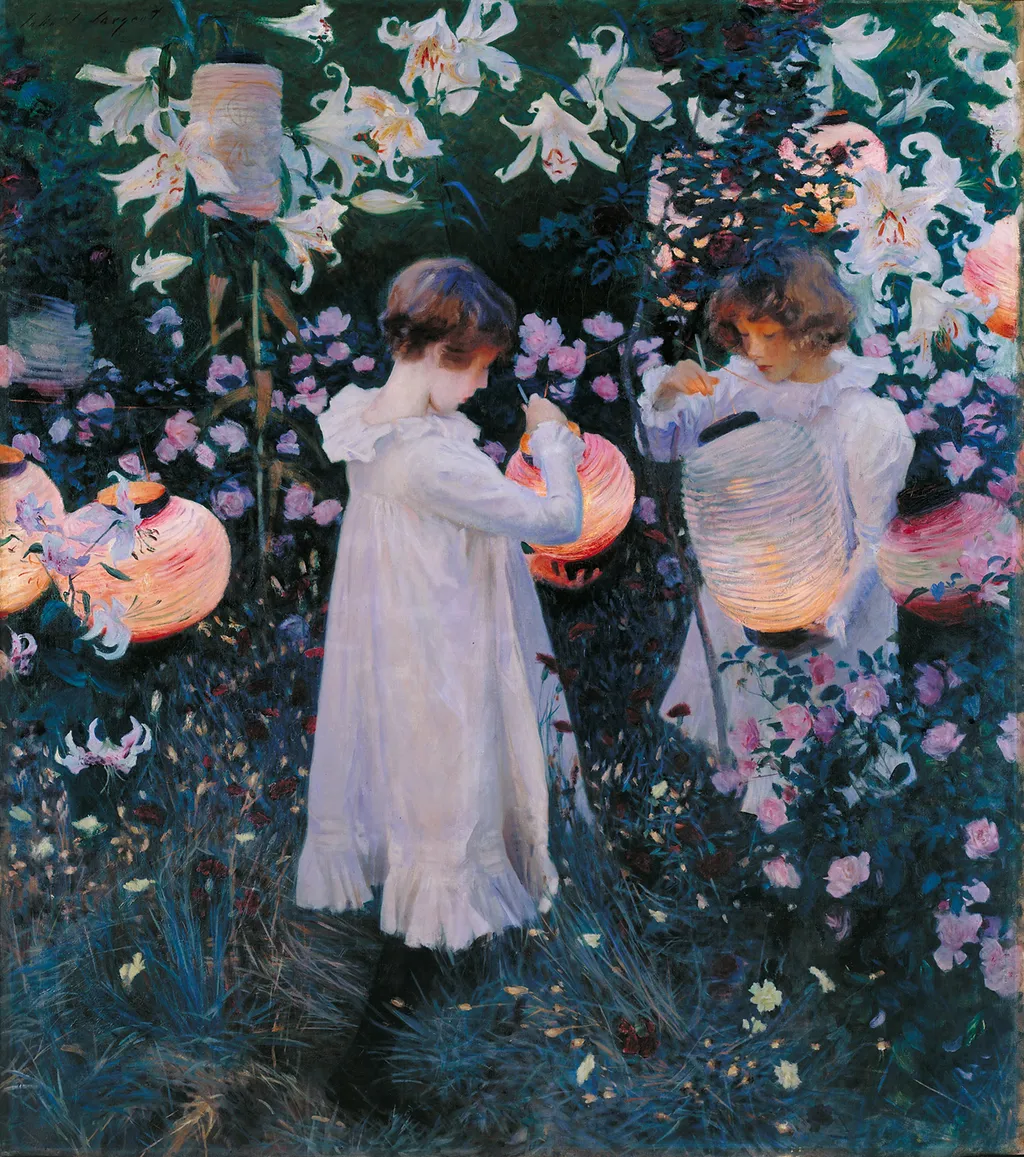
Carnation, Lily, Lily and Rose is an oil painting by the Impressionist artist John Singer Sargent. It dates from 1893 and is held in the collection of the National Gallery.
About this work
Overview
John Singer Sargent’s oil on canvas, executed in 1885–86, captures a twilight scene in an English garden.
John Singer Sargent’s oil on canvas, executed in 1885–86, captures a twilight scene in an English garden. Two young girls in white dresses light paper lanterns as daylight fades, surrounded by a profusion of pink roses, yellow carnations and tall white lilies, likely Lilium auratum. The composition is dominated by lush green foliage, lacking a clear horizon, placing the viewer at the children’s eye level while also looking slightly downward.
Subject & Meaning
The figures are Dolly and Polly Barnard, daughters of illustrator Frederick Barnard and friends of Sargent. Dolly, eleven, stands on the left; Polly, seven, on the right. Their blonde hair replaces an earlier, darker-haired model. The act of lighting lanterns suggests a gentle transition from day to evening, evoking a pastoral innocence tied to the refrain of the 19th‑century song “Ye Shepherds Tell Me,” which mentions a floral wreath of carnation, lily, lily, rose.
Technique & Style
Sargent employs a loose, expressive brushwork for the floral elements, rendering the roses and lilies with vibrant pinks and whites. The girls’ garments are painted with smooth, flowing strokes that contrast with the more spontaneous treatment of the foliage. The absence of a linear perspective and the emphasis on color and light create a sense of immediacy rather than spatial depth.
History & Provenance
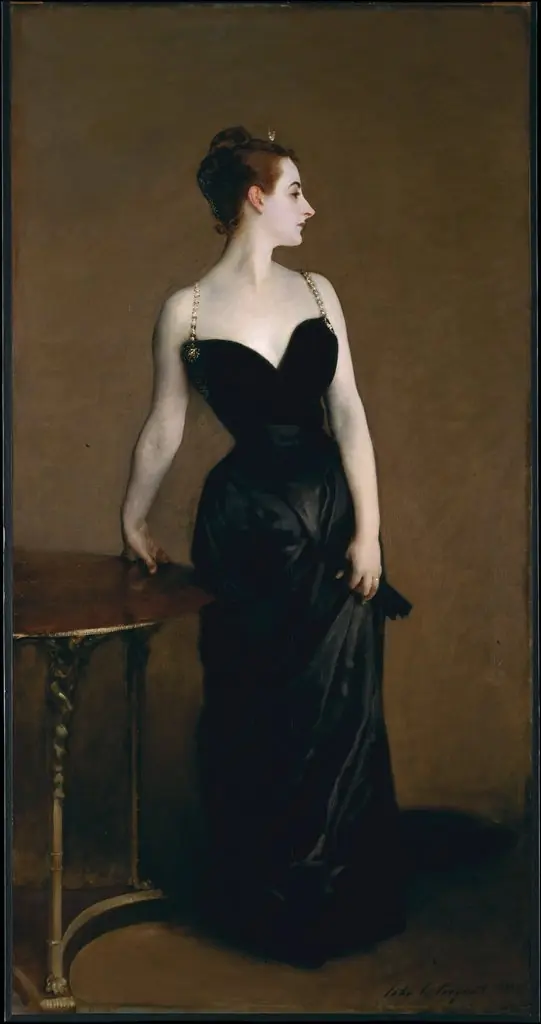
The work was created at Farnham House in Broadway, Cotswolds, where Sargent spent the summer of 1885 with fellow artist Francis Davis Millet, shortly after relocating to England to escape the scandal surrounding his 1884 portrait of Madame X. The writer Robert Louis Stevenson was also residing there at the time, working on A Child’s Garden.
Context
Set against the backdrop of the English countryside, the painting reflects Sargent’s temporary retreat from Parisian society and his engagement with the pastoral aesthetic popular in late‑Victorian Britain. The choice of garden setting and the inclusion of Japanese lilies hint at contemporary interests in horticulture and Japonisme.
Own this work as a print
Artist & collection

Artist
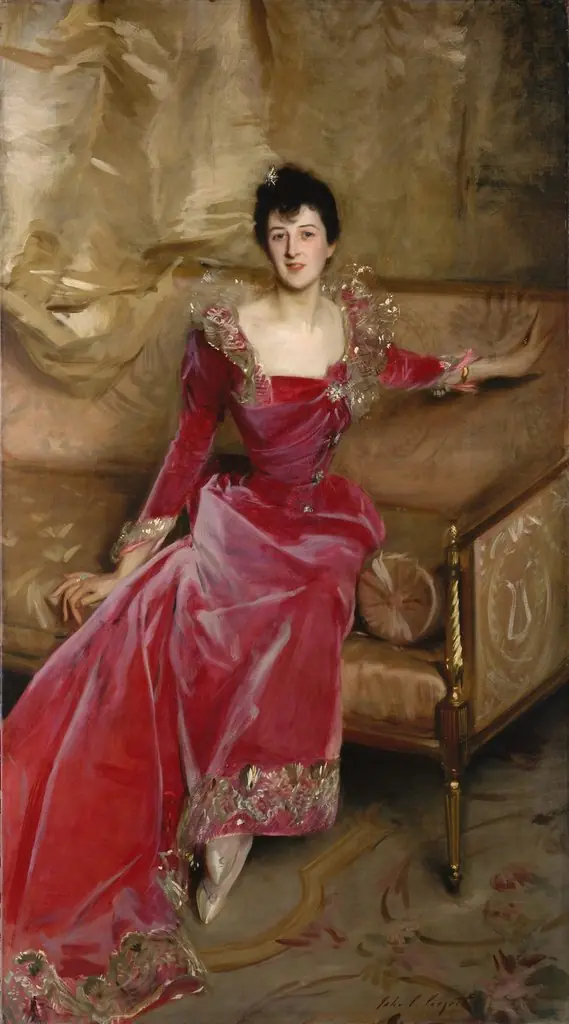
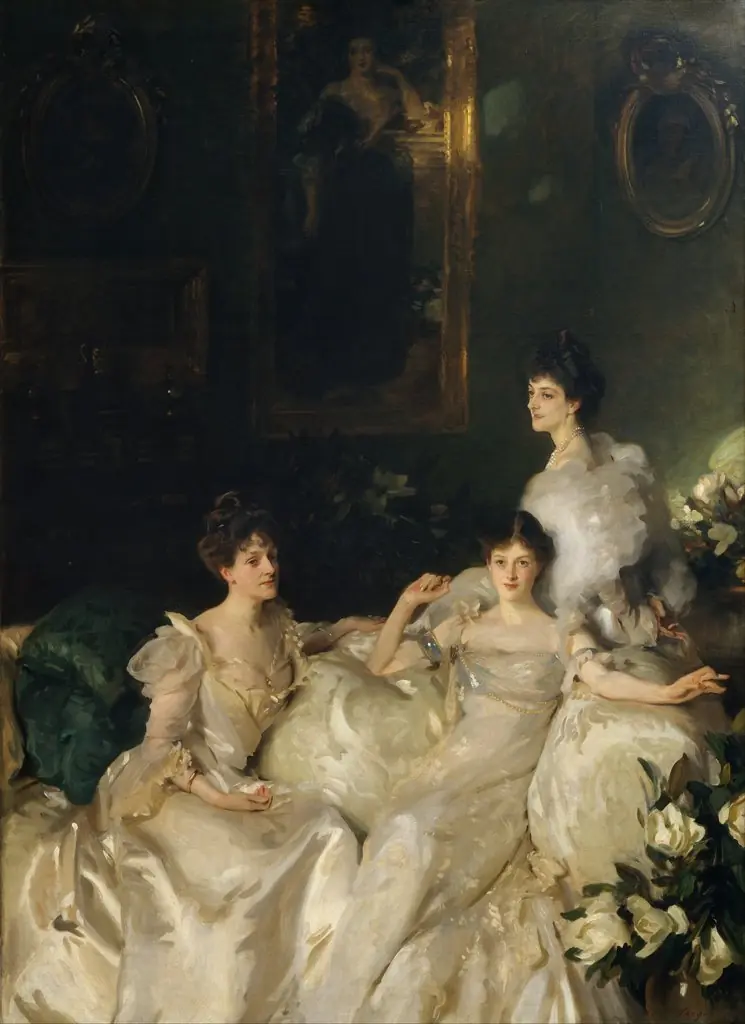
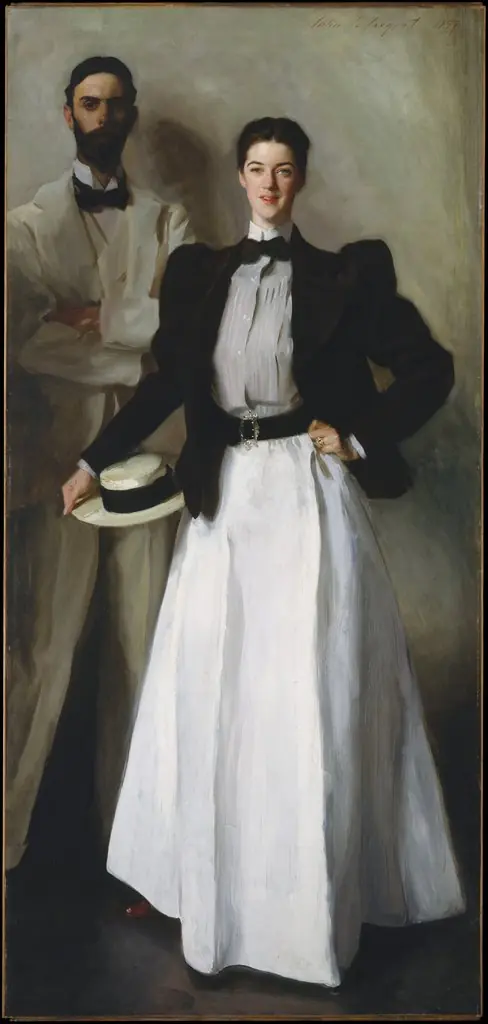
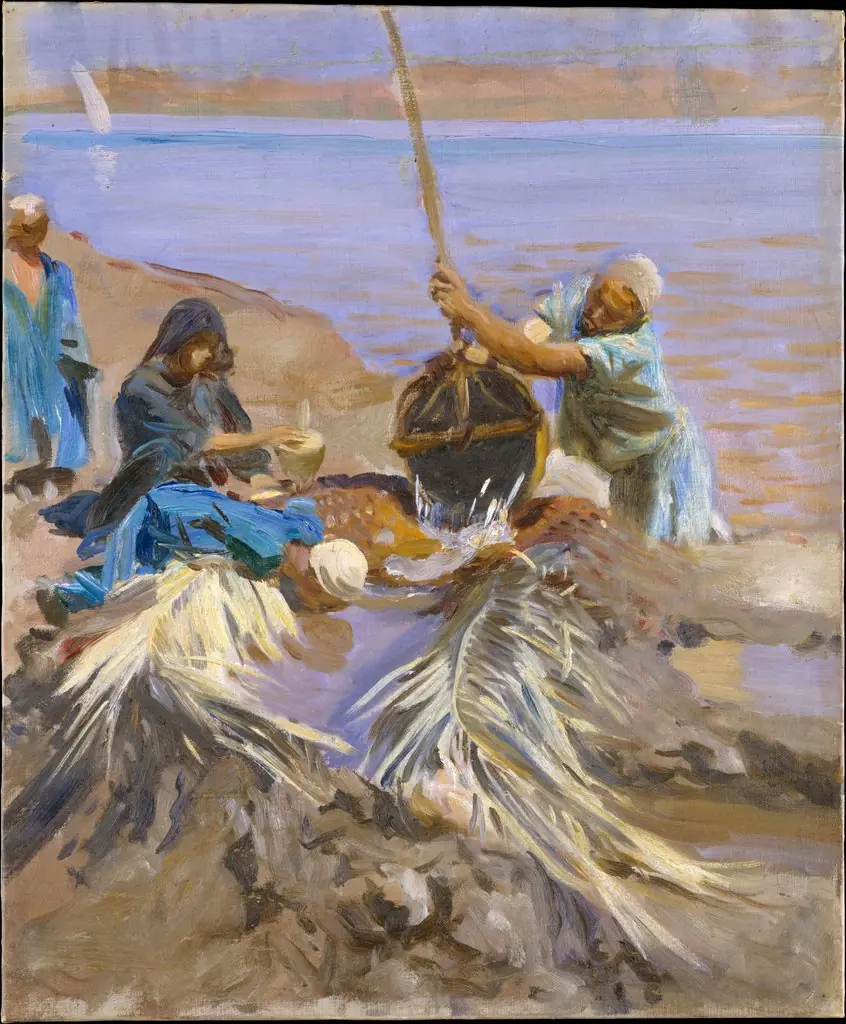
John Singer Sargent (; January 12, 1856 – April 15, 1925) was an American expatriate artist, considered the "leading portrait painter of his generation" for his evocations of Belle Époque and Edwardian-era luxury.