Artwork
Garden Study of the Vickers Children
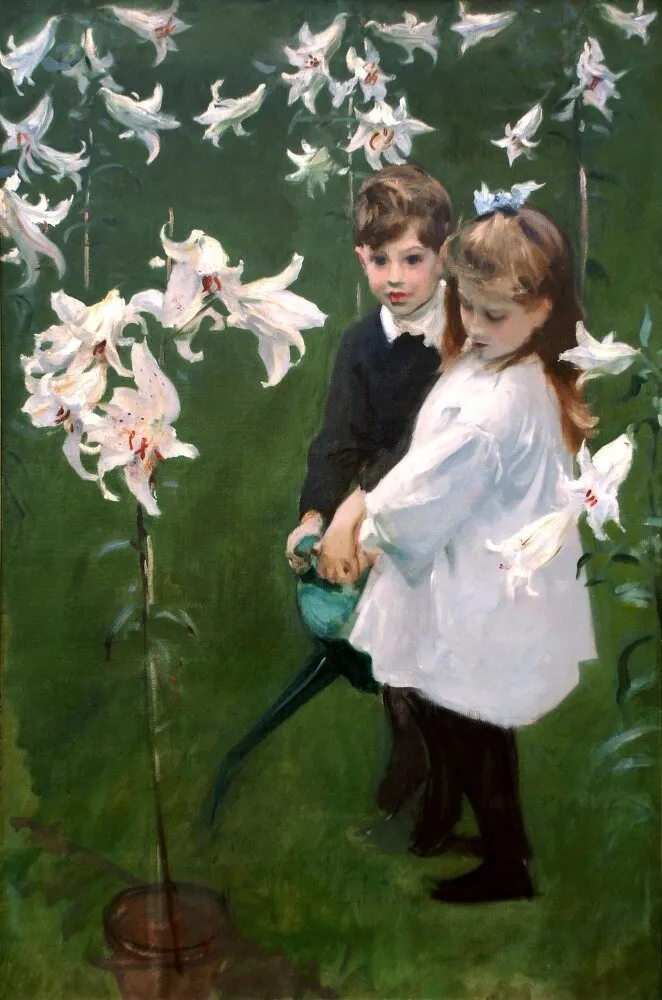
Garden Study of the Vickers Children is an oil painting by the American Impressionist artist John Singer Sargent. It dates from 1892 and is held in the collection of the Flint Institute of Arts.
About this work
Overview
Garden Study of the Vickers Children is an 1892 oil painting by John Singer Sargent, depicting two children in a garden setting. It exemplifies American Impressionism, characterized by its outdoor location and emphasis on light.
Subject & Meaning
The painting portrays two Vickers children in a serene garden, surrounded by white lilies. The boy wears a dark sweater and white collar, while the girl, holding a watering can, is dressed in a white dress and black leggings. The scene conveys a sense of warmth and intimacy.
Technique & Style
Sargent employed Impressionist techniques, utilizing light and shadow to create depth. The muted green background accentuates the vibrant whites of the lilies, drawing the viewer's focus to the central figures.
History & Provenance
Created in 1892, the painting is now part of the Nationalmuseum's collection. Sargent, though American-born in Florence, was based in London, where he established himself as a prominent portrait painter.
Context
Garden Study of the Vickers Children reflects Sargent's ability to balance portraiture with Impressionist themes, common among his works during the late 19th century. His European training and London practice influenced his style.
Legacy
As part of Sargent's oeuvre, the painting contributes to the broader legacy of American Impressionism in Europe, highlighting the transatlantic artistic exchange of his time.
Artist & collection
Artist
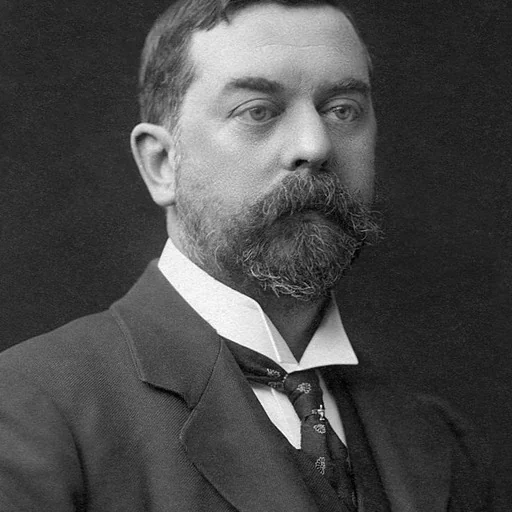
John Singer Sargent (; January 12, 1856 – April 15, 1925) was an American expatriate artist, considered the "leading portrait painter of his generation" for his evocations of Belle Époque and Edwardian-era luxury.

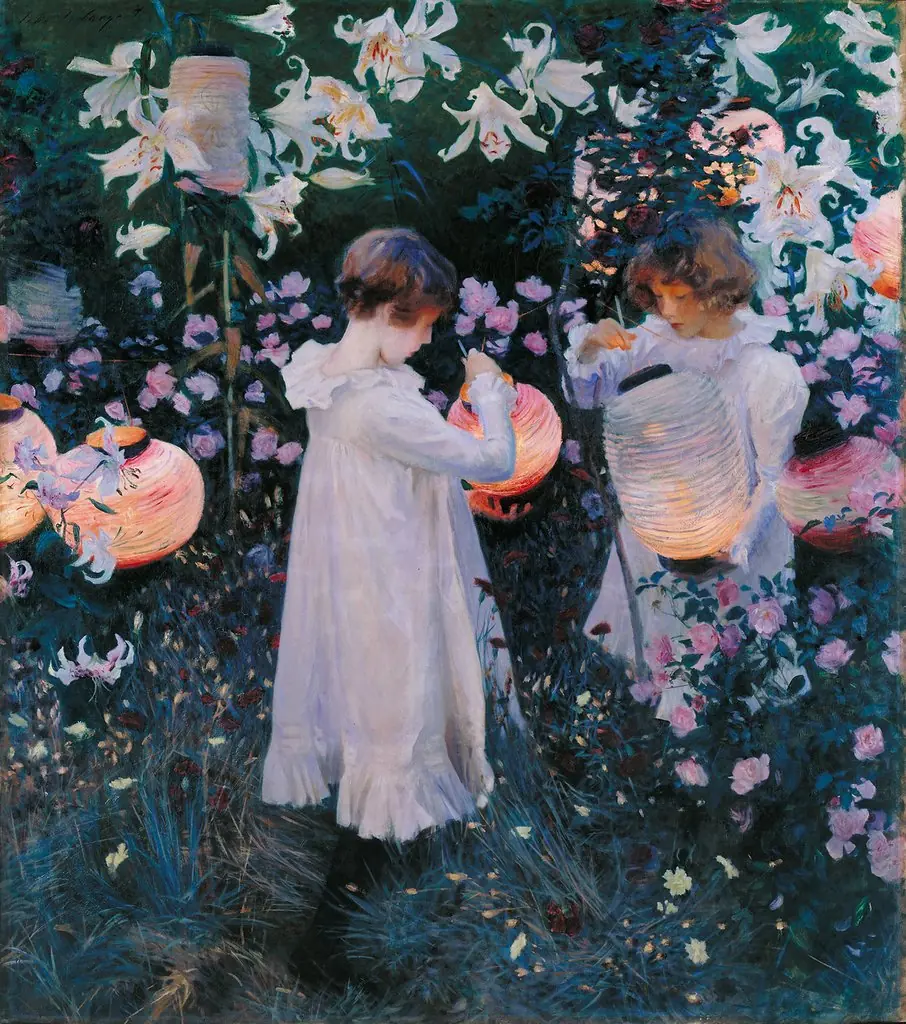 Carnation, Lily, Lily and Rose
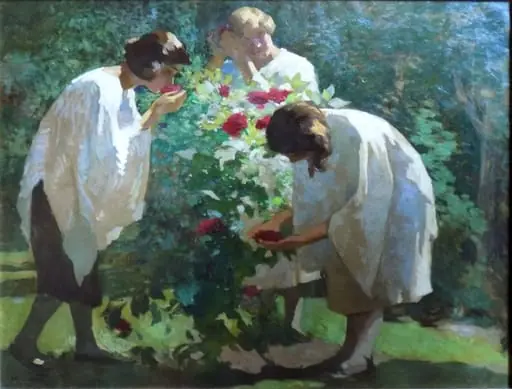 Fete cu trandafiri
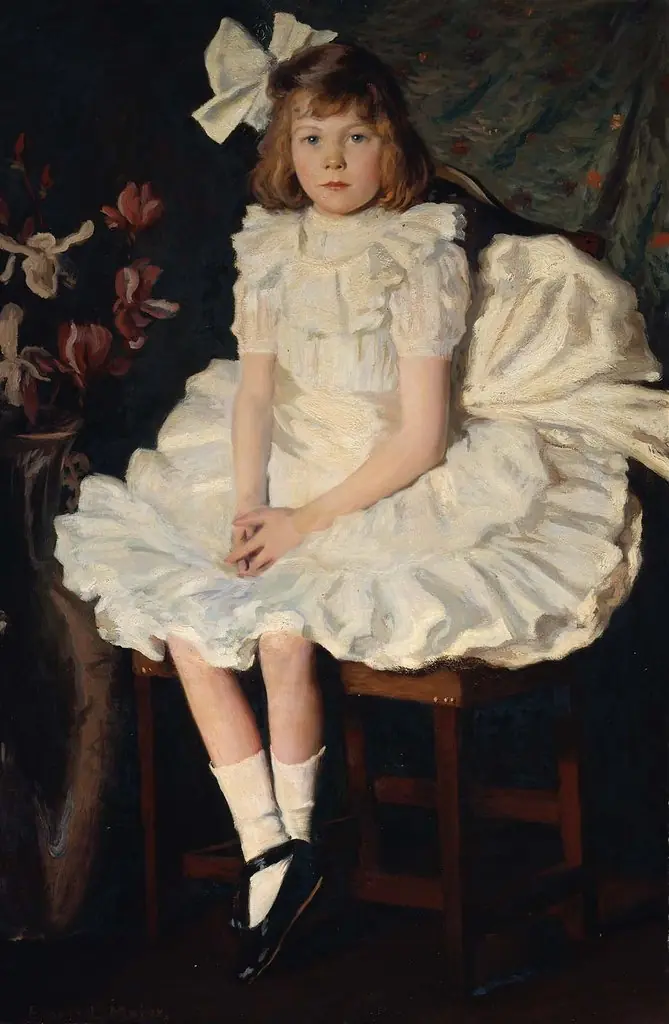 Marion Pond (Mrs. Kenneth Bacon Bond)
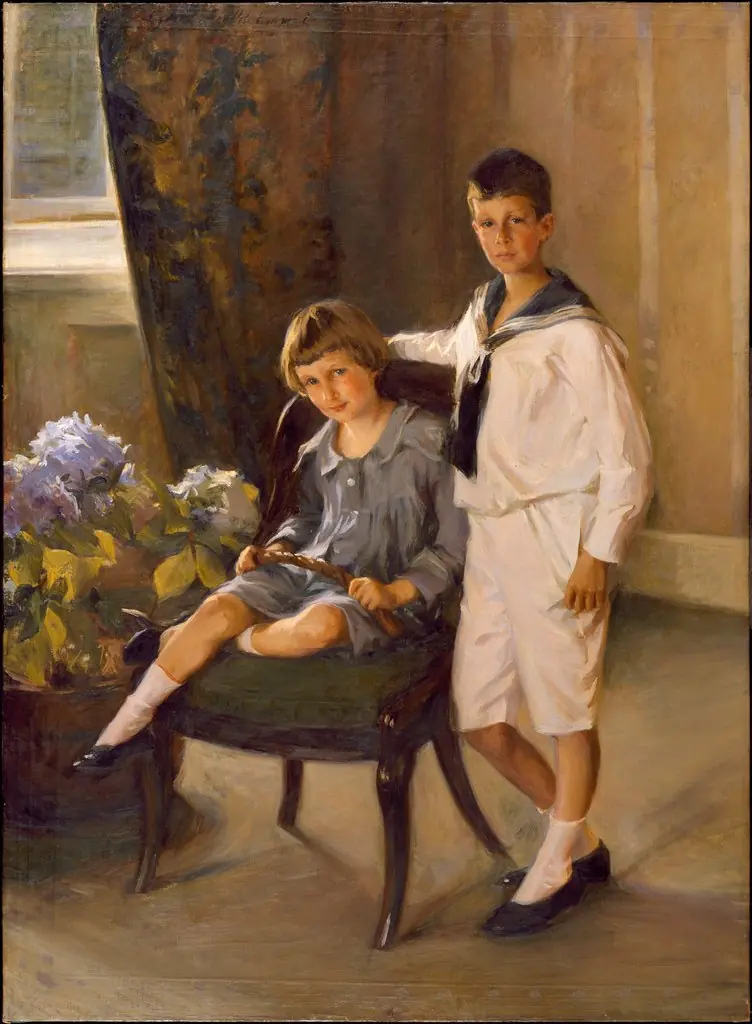 The Brothers
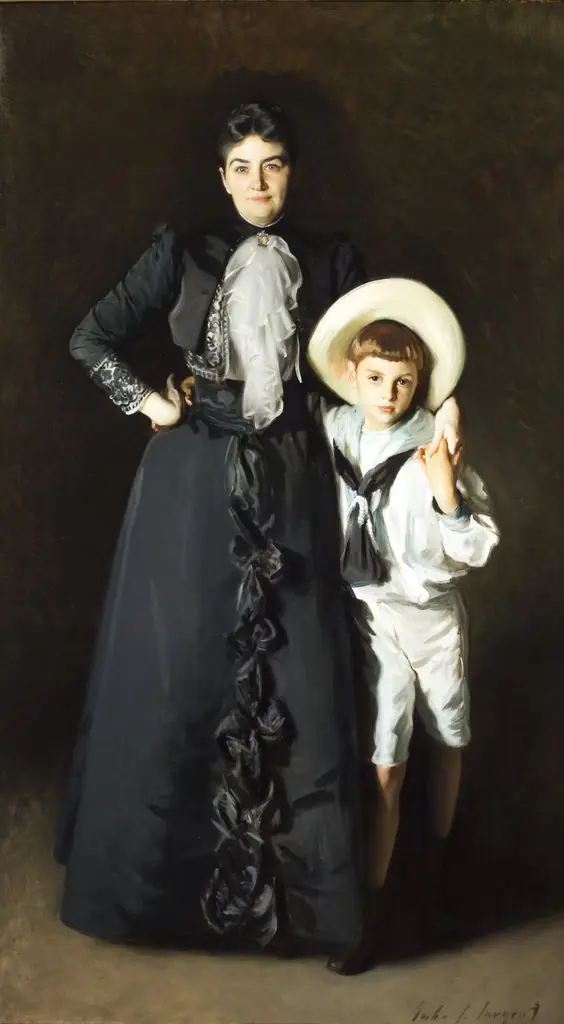 Portrait of Mrs. Edward L. Davis and Her Son, Livingston Davis
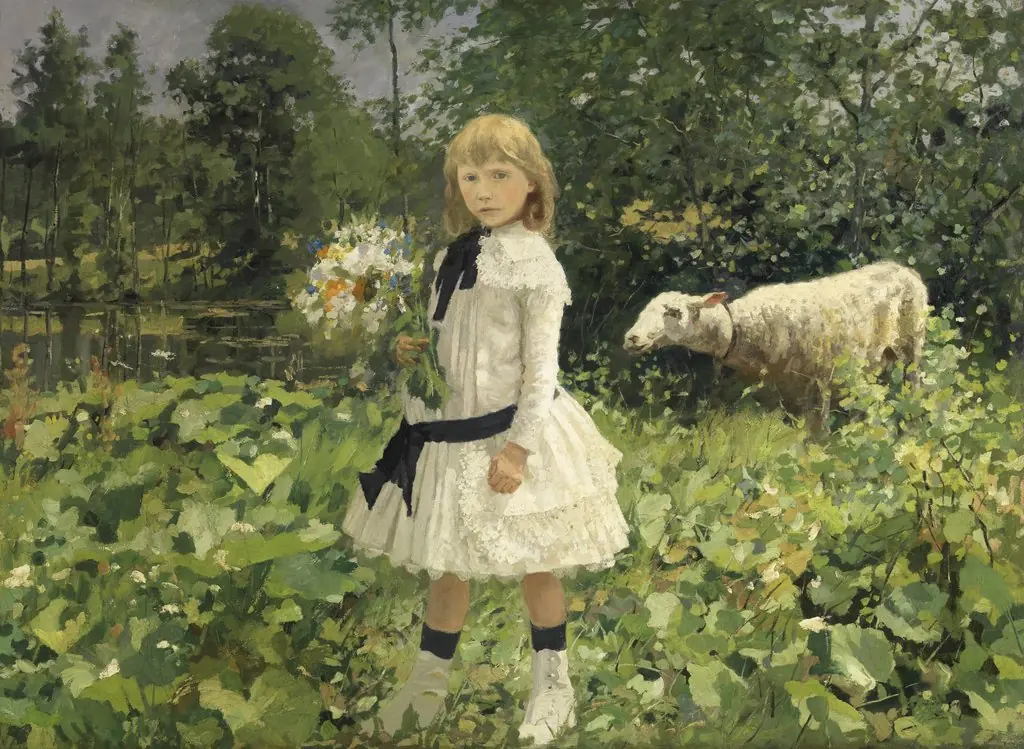 Miss Strobbe in a Park
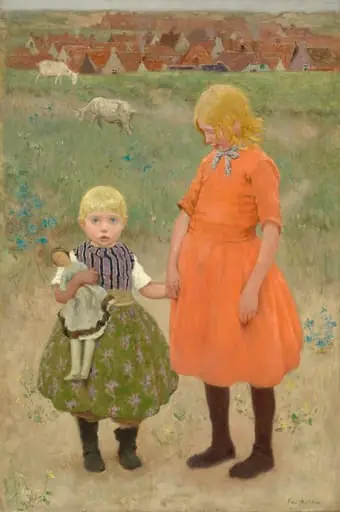 The Sisters
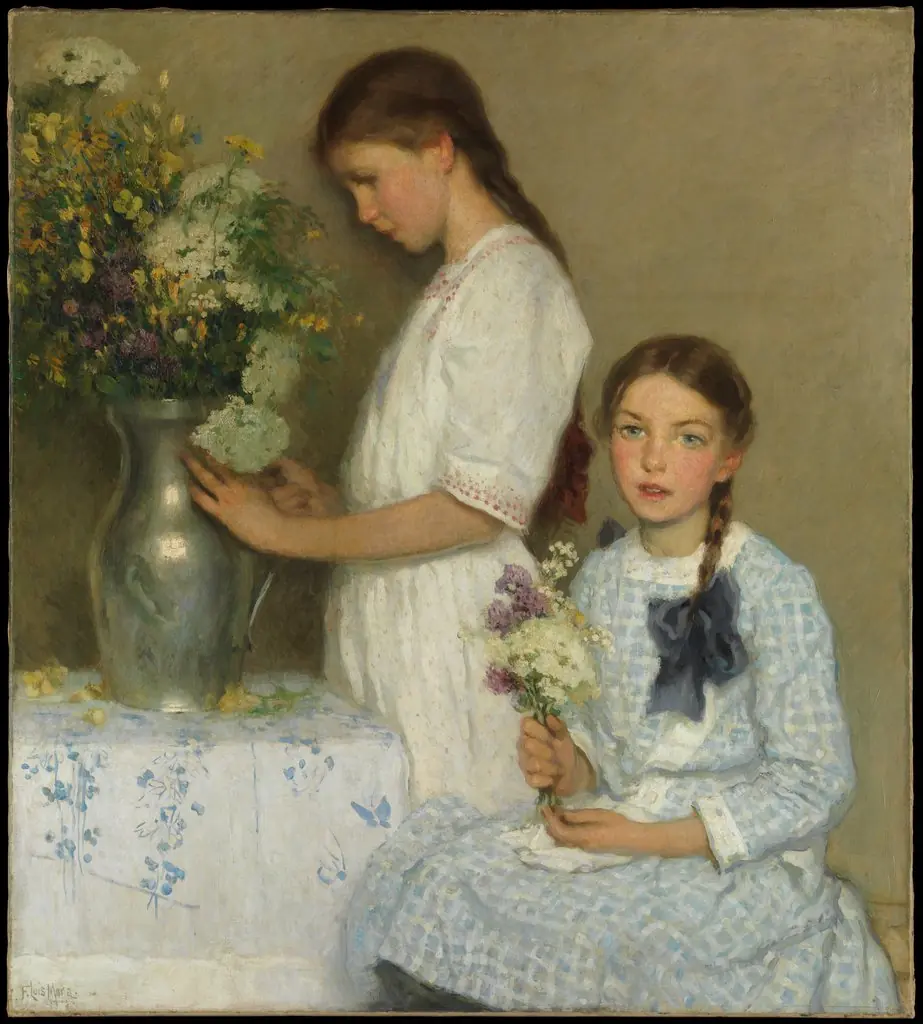 Flowers of the Field
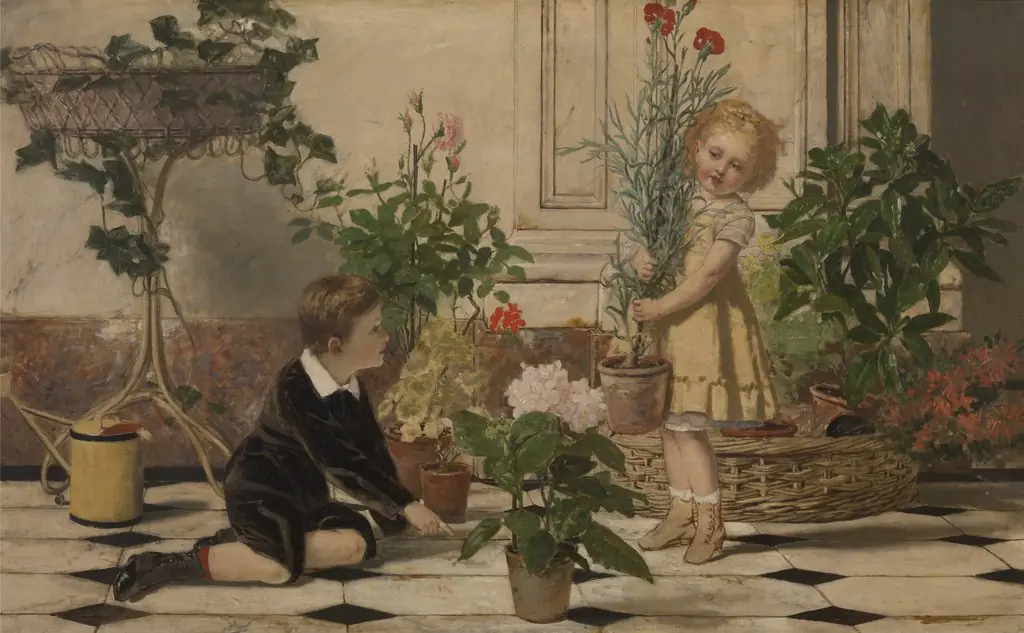 Two Children
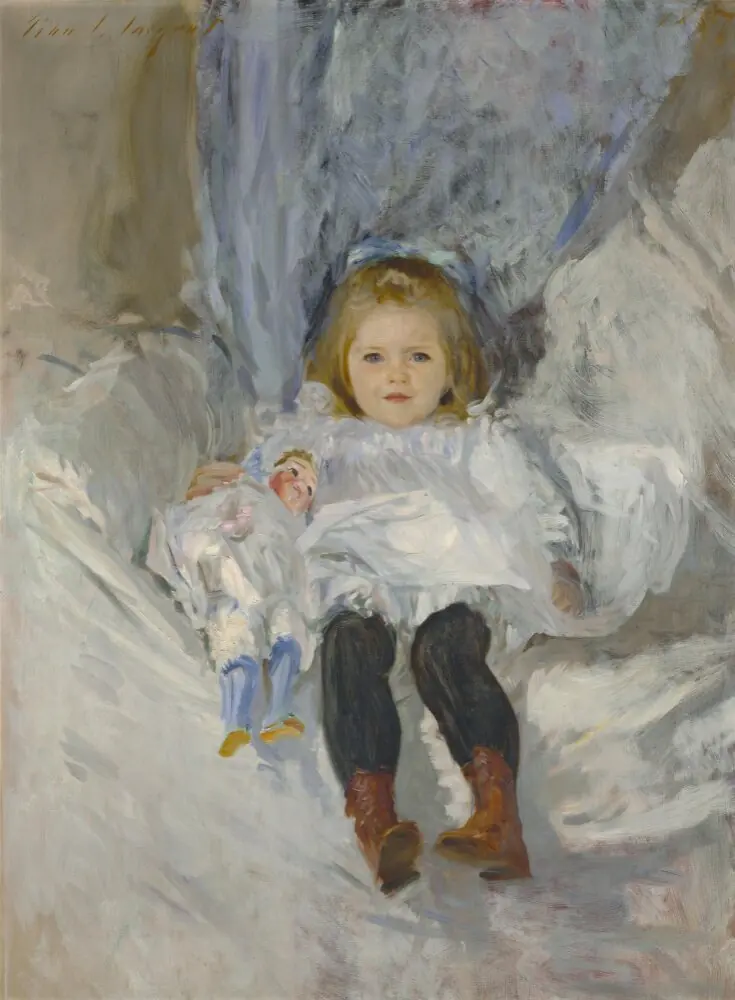 Ruth Sears Bacon
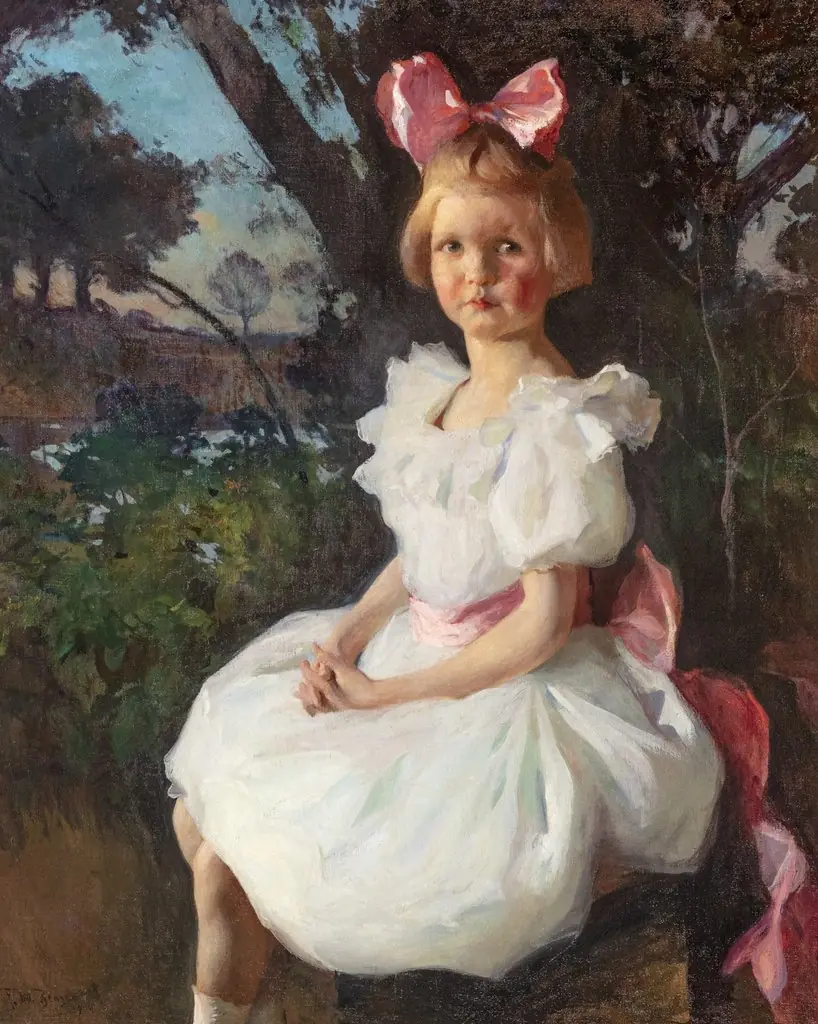 Portrait of Jane Shattuck
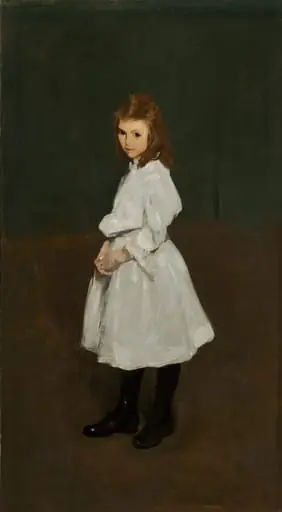 Little Girl in White (Queenie Burnett)