Artwork
Courtyard, Tétouan, Marocco
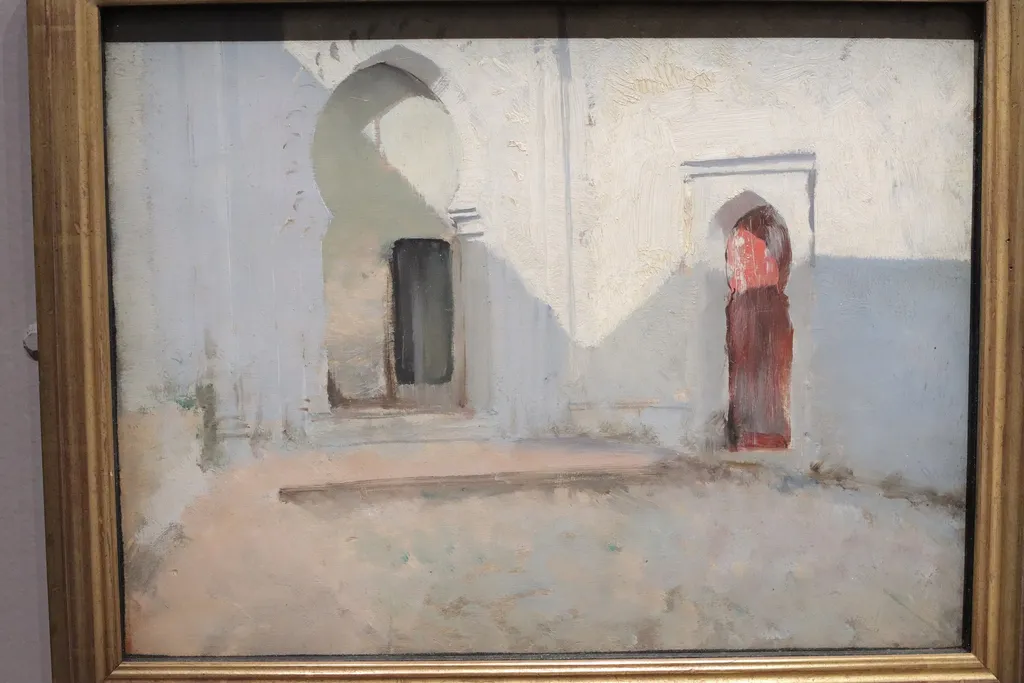
Courtyard, Tétouan, Marocco is an oil painting by the Impressionist artist John Singer Sargent. It dates from 1890 and is held in the collection of the Metropolitan Museum of Art.
About this work
Overview
Unlike his formal portraits, this piece captures an intimate, everyday space in the Moroccan city of Tétouan.
Painted in 1890, *Courtyard, Tétouan, Morocco* is an oil work by American artist John Singer Sargent, created during a period of extensive travel through North Africa and the Mediterranean. Unlike his formal portraits, this piece captures an intimate, everyday space in the Moroccan city of Tétouan. It reflects his interest in documenting architectural environments beyond the European elite circles he typically portrayed, offering a quiet counterpoint to his more celebrated commissions.
Subject & Meaning
The painting presents a secluded courtyard framed by two arched doorways, one prominent in vivid red, the other more subdued. The absence of figures enhances the sense of stillness, suggesting a moment suspended between use and repose. The red arch draws attention without disrupting the harmony of the scene, hinting at cultural specificity without overt narrative. The work conveys observation rather than commentary, inviting contemplation of place rather than storytelling.
Technique & Style
Sargent employed loose, fluid brushwork to render the weathered walls and rough ground, emphasizing texture over detail. Muted earth tones dominate, with the red arch serving as a deliberate focal point through chromatic contrast. The composition is carefully balanced, using architectural lines to guide the eye inward. His approach aligns with Impressionist sensibilities in its attention to light and atmosphere, yet retains a structural clarity rooted in his academic training.
History & Provenance
Created during Sargent’s 1890 journey through Morocco, the painting was likely made on-site, as part of a series of sketches and studies from his travels. It entered The Metropolitan Museum of Art’s collection in the early 20th century, acquired as part of a broader effort to expand its holdings of international travel art. Its provenance remains unbroken since its acquisition, preserved as a record of Sargent’s engagement with non-European locales.
Context
In the late 19th century, European and American artists increasingly turned to North Africa and the Middle East for subject matter, drawn by perceived exoticism and architectural richness. Sargent’s work in Morocco was part of this trend, though his focus remained on quiet observation rather than romanticized spectacle. His depictions of Tétouan contrast with the more theatrical Orientalist paintings of contemporaries, favoring restraint and authenticity.
Legacy
Though less known than his portraits, *Courtyard, Tétouan* exemplifies Sargent’s versatility and his commitment to recording the visual world beyond formal commissions. The painting contributes to a broader understanding of his artistic range and the role of travel in shaping his visual language. It remains a quiet but significant example of cross-cultural observation in American art of the period.
Artist & collection
Artist
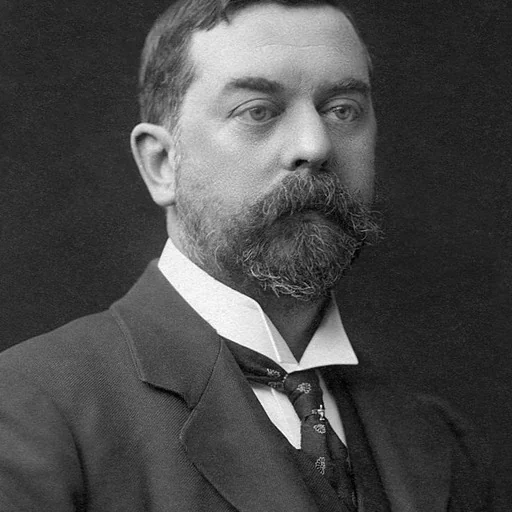
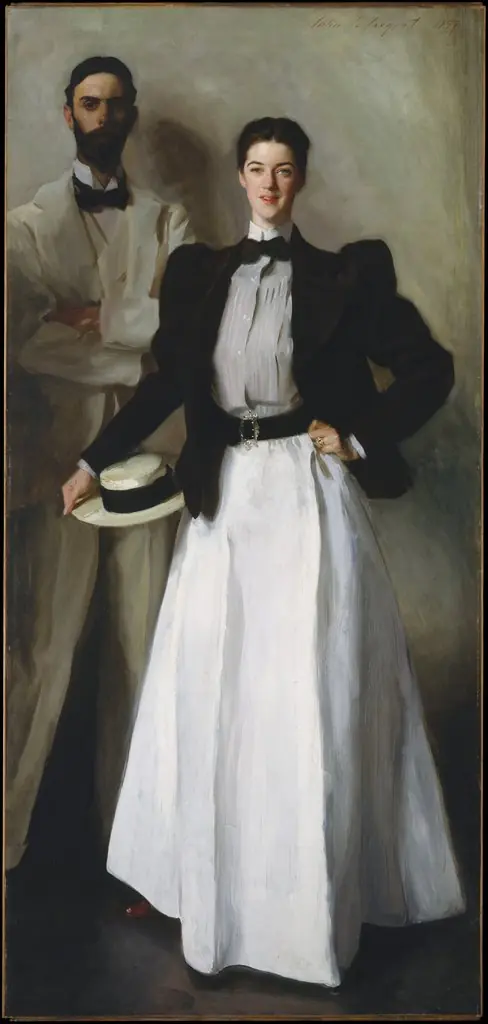
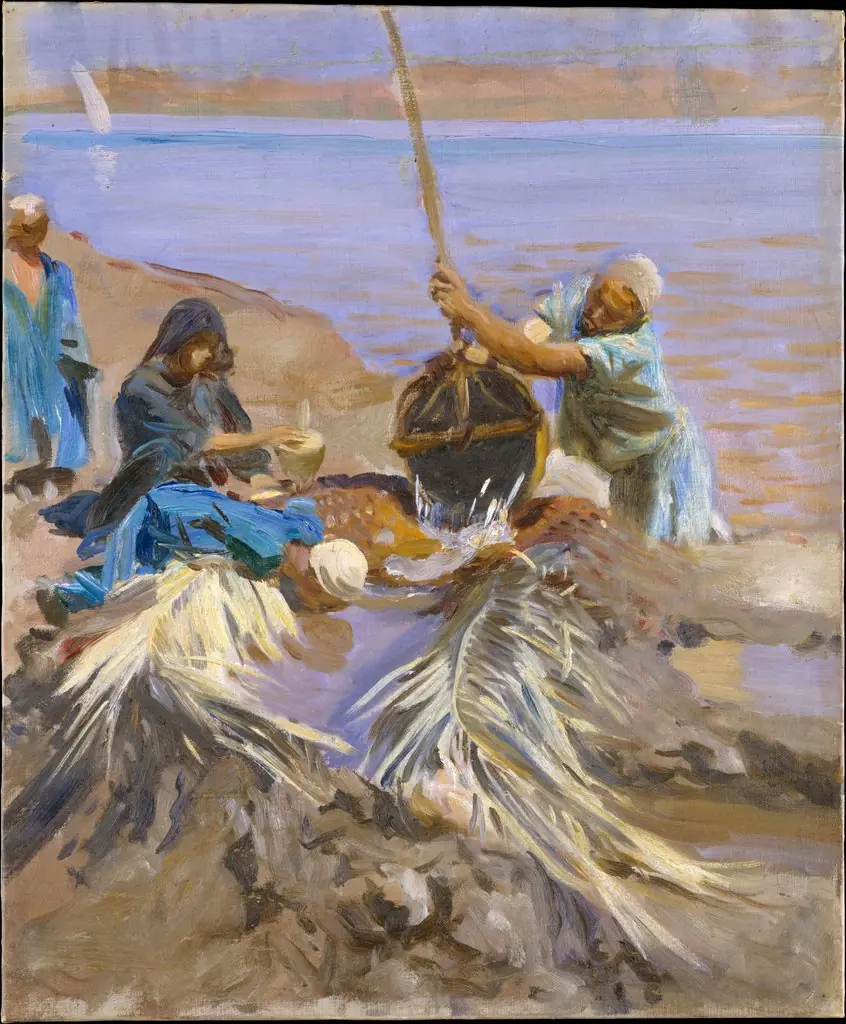
John Singer Sargent (; January 12, 1856 – April 15, 1925) was an American expatriate artist, considered the "leading portrait painter of his generation" for his evocations of Belle Époque and Edwardian-era luxury.

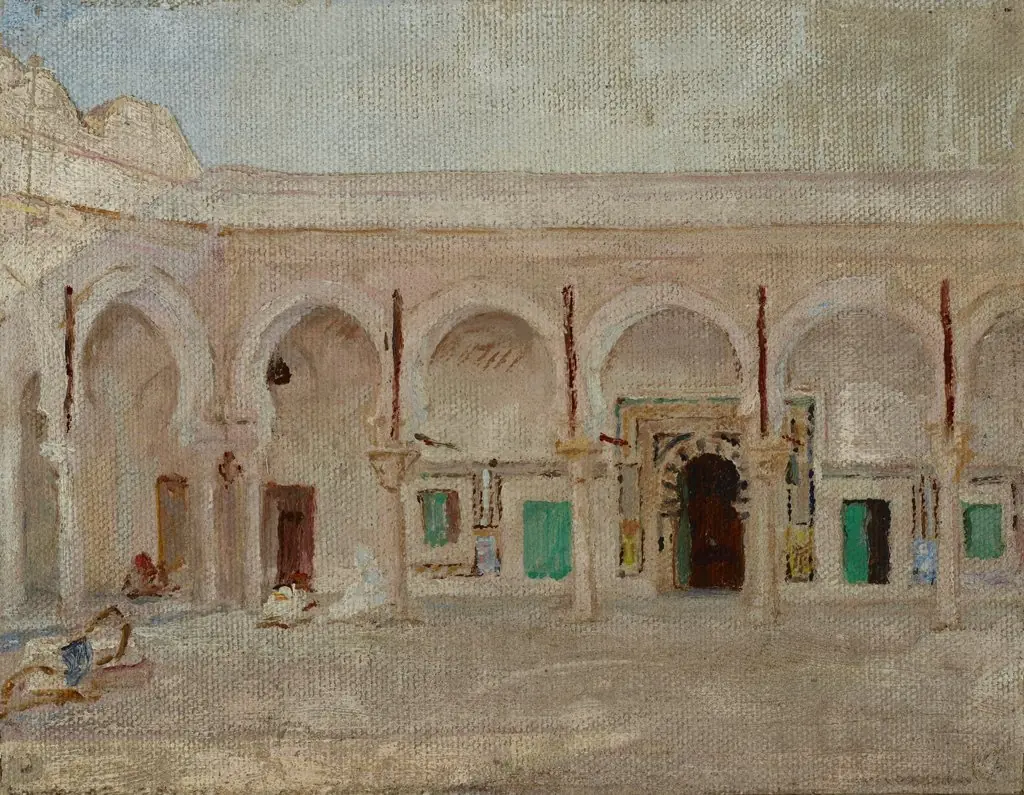 Kairouan (Courtyard in the Mosque of the Sword)
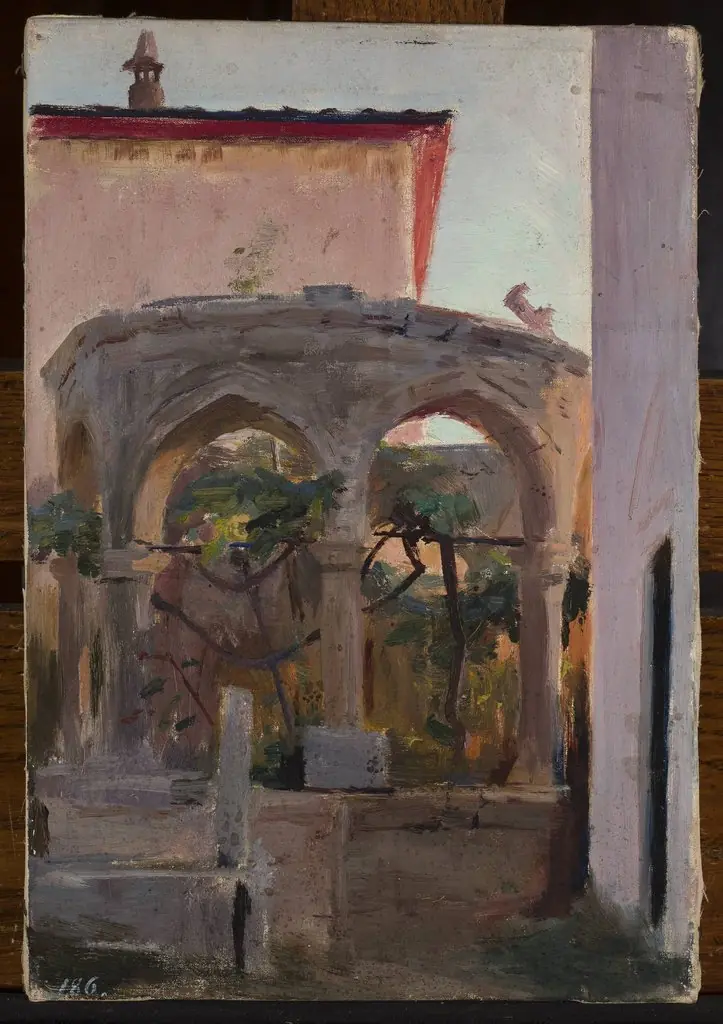 View from Bakhchisaray. From the journey to Crimea
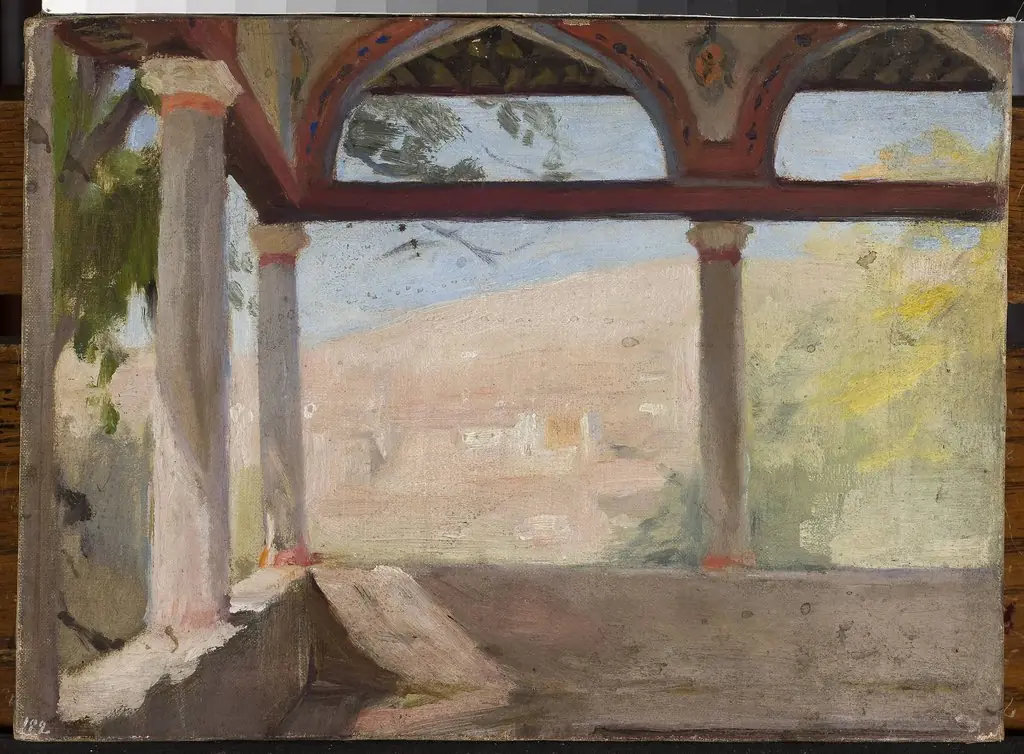 Summer house of Maria Potocka in Bakhchisaray. From the journey to Crimea
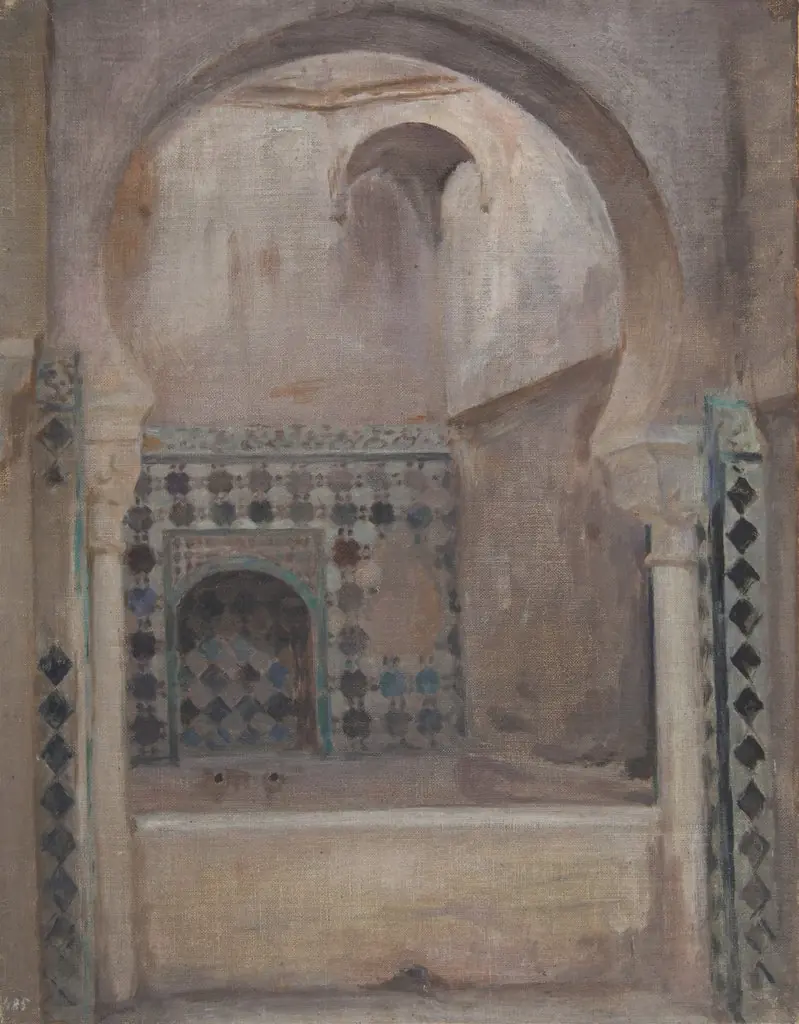 Granada (Alhambra)
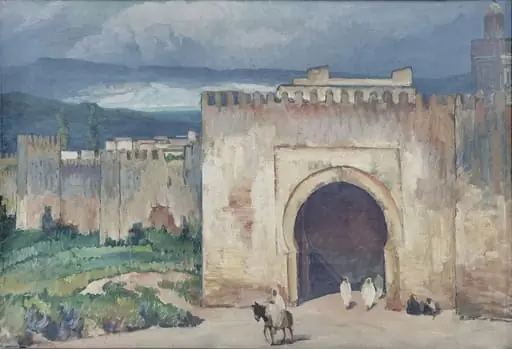 Poarta
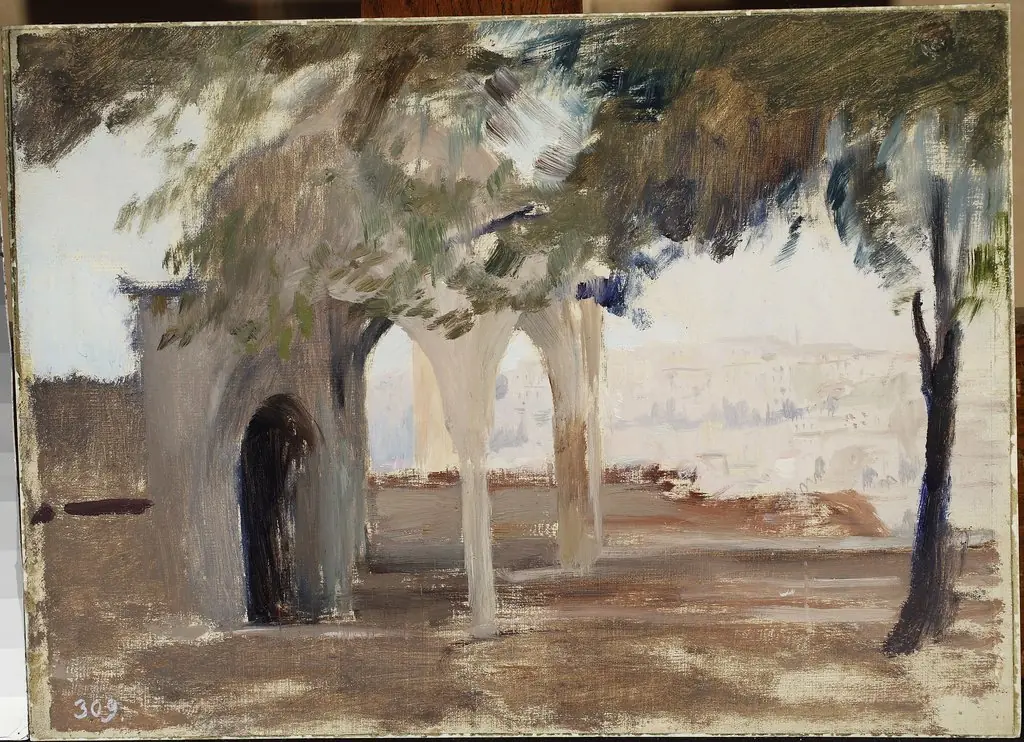 View of Pera from Istanbul. From the journey to Constantinople
 Kairouan (Entrance to the Mosque of the Barber)
 Street in the southern city. From the journey to Constantinople
 At the Gate of the Seraglio