Artwork
Summer house of Maria Potocka in Bakhchisaray. From the journey to Crimea
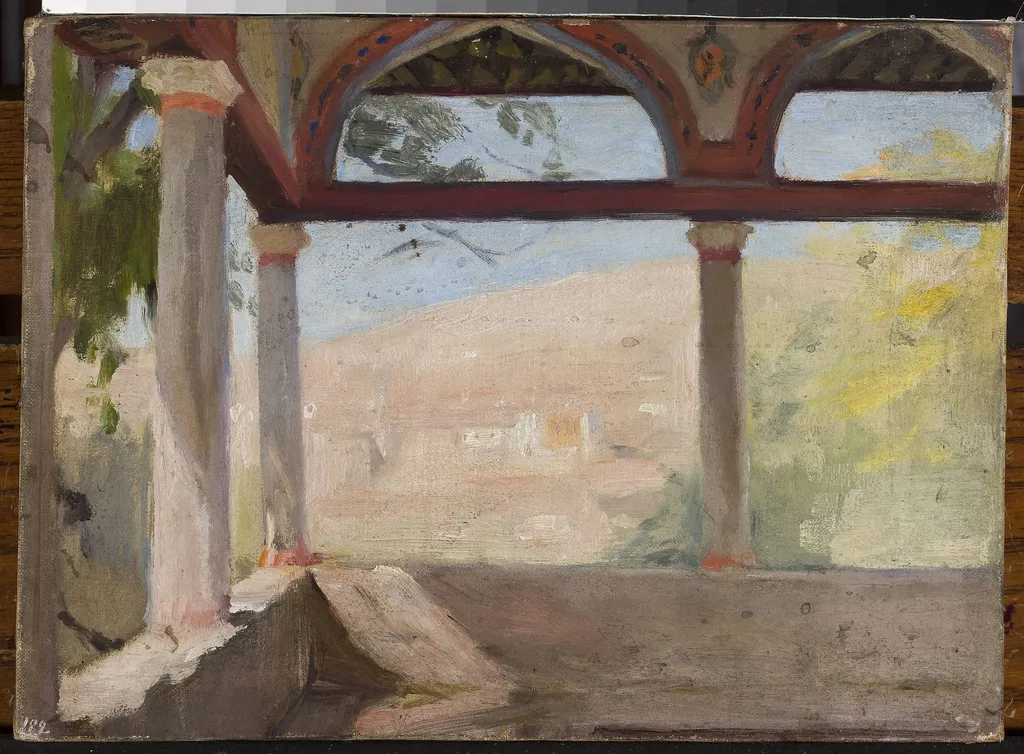
Summer house of Maria Potocka in Bakhchisaray. From the journey to Crimea is an oil painting by the Impressionist artist Jan Ciągliński. It dates from 1897 and is held in the collection of the National Museum in Warsaw.
About this work
Overview
Painted in 1897 by Polish artist Jan Ciągliński, this oil work captures a summer residence in Bakhchisaray, Crimea, during a journey the artist undertook across the region. The painting belongs to a series documenting his travels and reflects his interest in translating light and atmosphere into quiet, observational scenes. It is now part of the National Museum in Warsaw’s collection.
Subject & Meaning
The subject is the summer estate of Maria Potocka, a noblewoman connected to the Polish aristocracy in the Russian Empire. The pavilion, set among trees and open sky, suggests a retreat from urban life. Rather than emphasizing grandeur, the painting conveys stillness and private contemplation, aligning with the era’s romanticized view of Crimea as a place of rest and cultural refuge.
Technique & Style
Ciągliński employed a restrained palette of warm browns, soft ochres, and pale blues, avoiding bold contrasts. Brushwork is precise yet fluid, capturing architectural details like arches and columns without excessive ornamentation. The influence of Impressionism is evident in the handling of natural light and atmospheric depth, though the composition retains a structured, observational realism.
History & Provenance
Created during Ciągliński’s time in St. Petersburg, the painting emerged from his travels to Crimea in the late 1890s. It was likely completed shortly after his visit and remained within private or institutional collections in Poland. Its eventual placement in the National Museum in Warsaw reflects its significance as a record of Polish artistic engagement with the broader imperial landscape.
Context
In the late 19th century, Crimea attracted Polish intellectuals and artists seeking respite from political tensions in partitioned Poland.
In the late 19th century, Crimea attracted Polish intellectuals and artists seeking respite from political tensions in partitioned Poland. The region’s blend of Ottoman, Tatar, and Russian architectural elements offered rich visual material. Ciągliński’s work contributes to a broader trend among Polish artists who used landscape to explore identity, displacement, and cultural memory under imperial rule.
Legacy
Ciągliński’s painting is one of several works that helped introduce Impressionist sensibilities to Russian and Polish art circles. While not widely exhibited internationally, it remains a key example of how Polish artists navigated imperial spaces through quiet, personal observation. The work endures as a document of a specific time and place, valued for its understated elegance and historical resonance.
Artist & collection
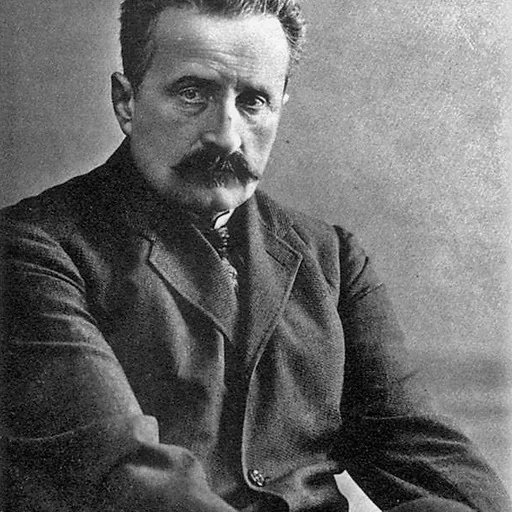
Artist
Jan Ciągliński (Polish: ; Russian: Ян/Иван Францевич Ционглинский, romanized: Yan/Ivan Frantsevich Tsionglinskiy; 20 February 1858 – 6 January 1913) was a Polish painter, active in St.

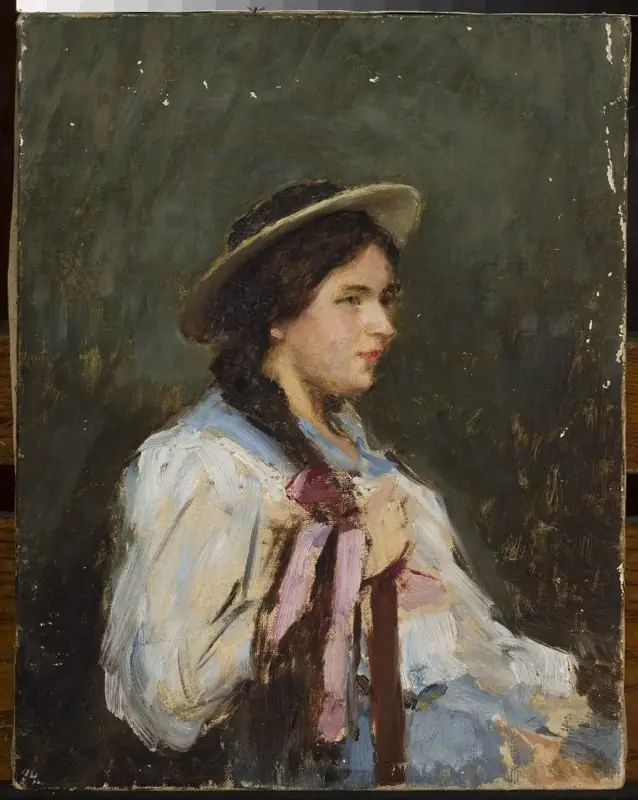
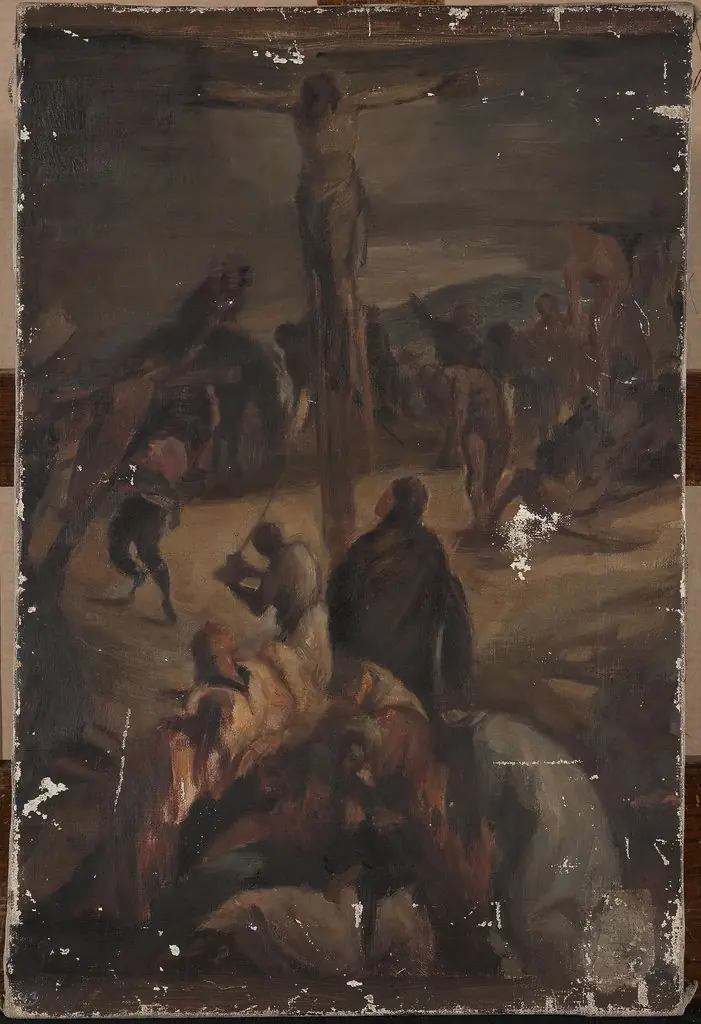
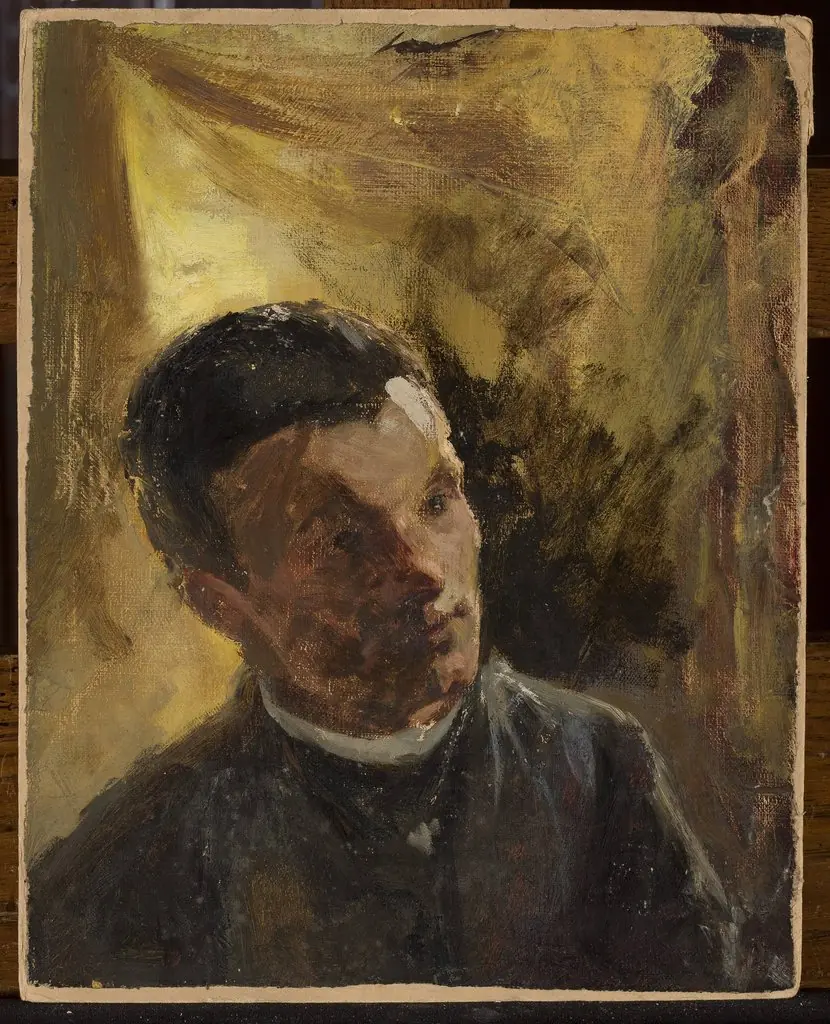
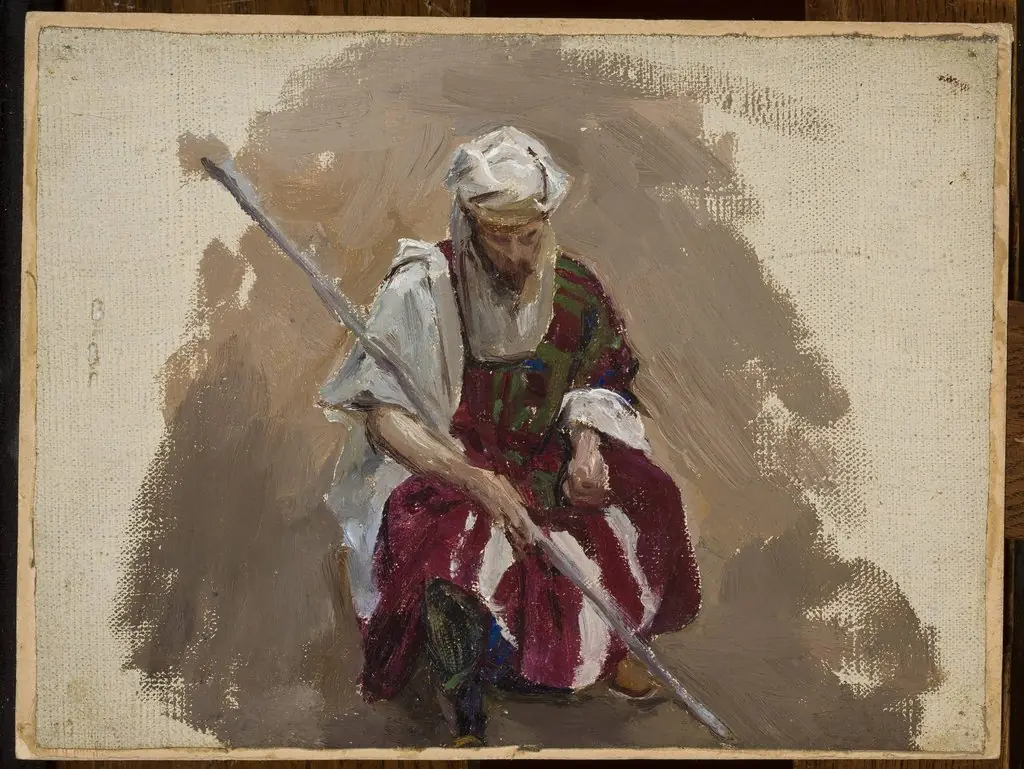
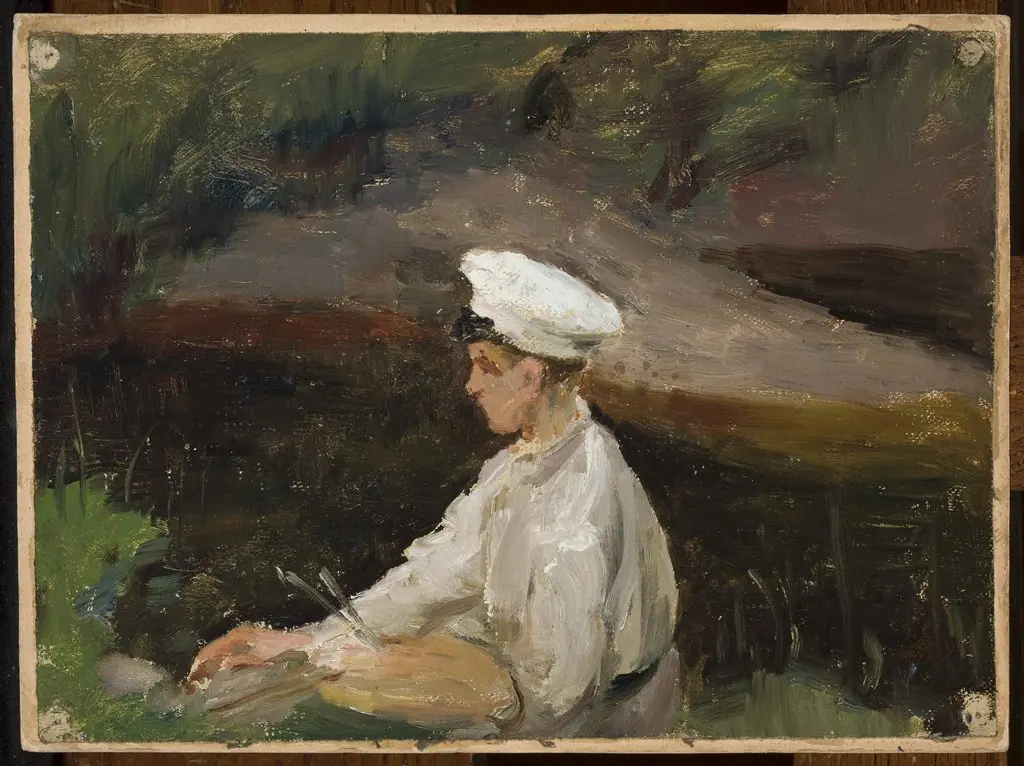
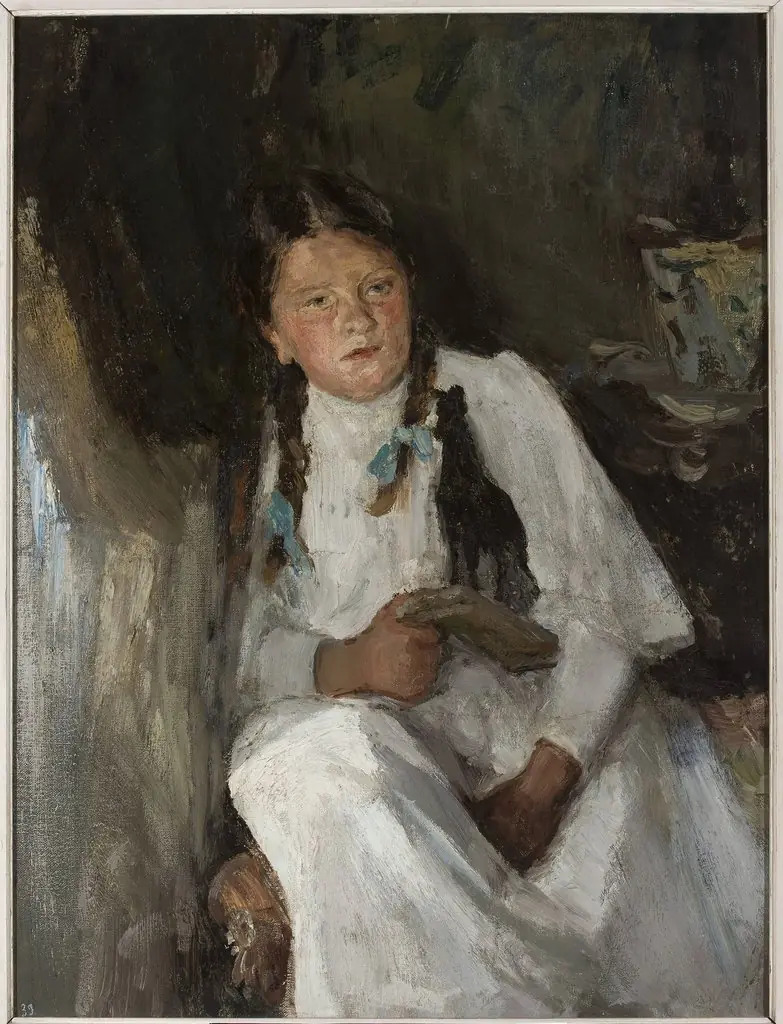
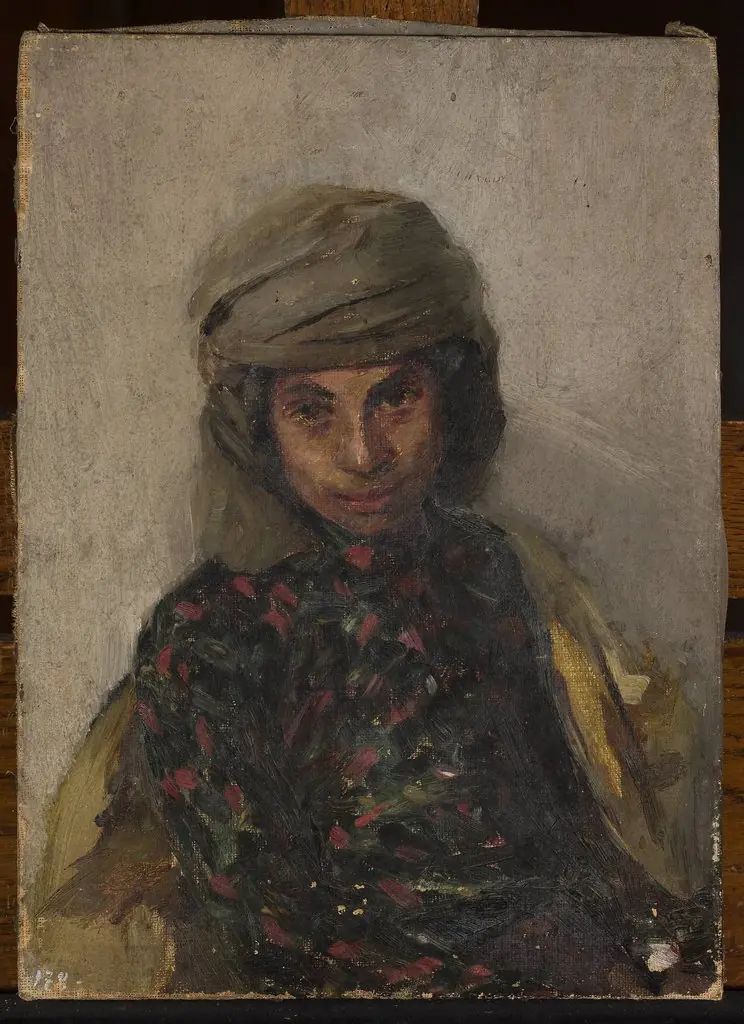
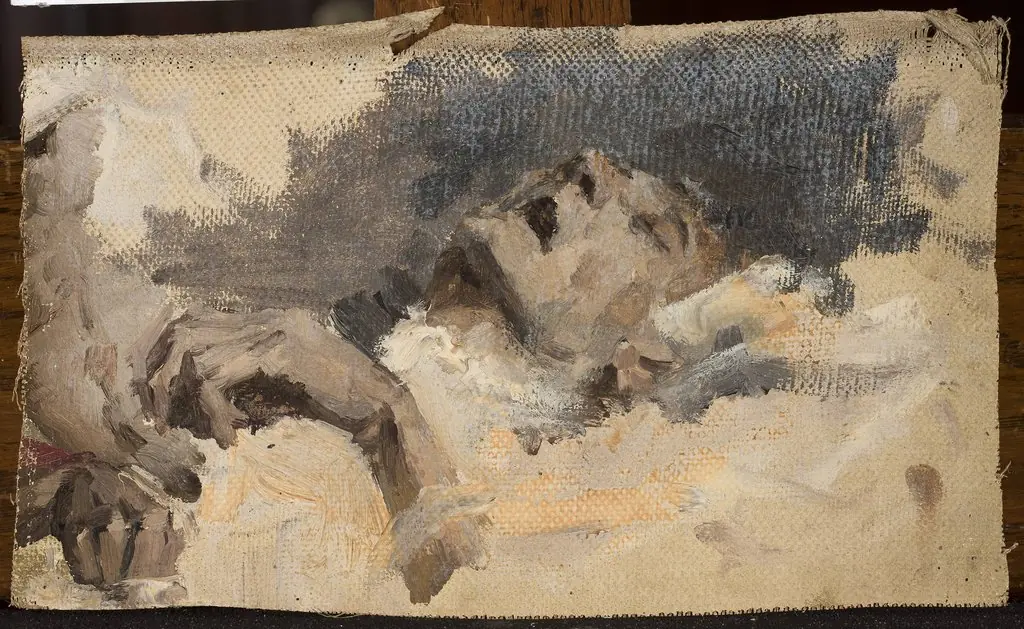
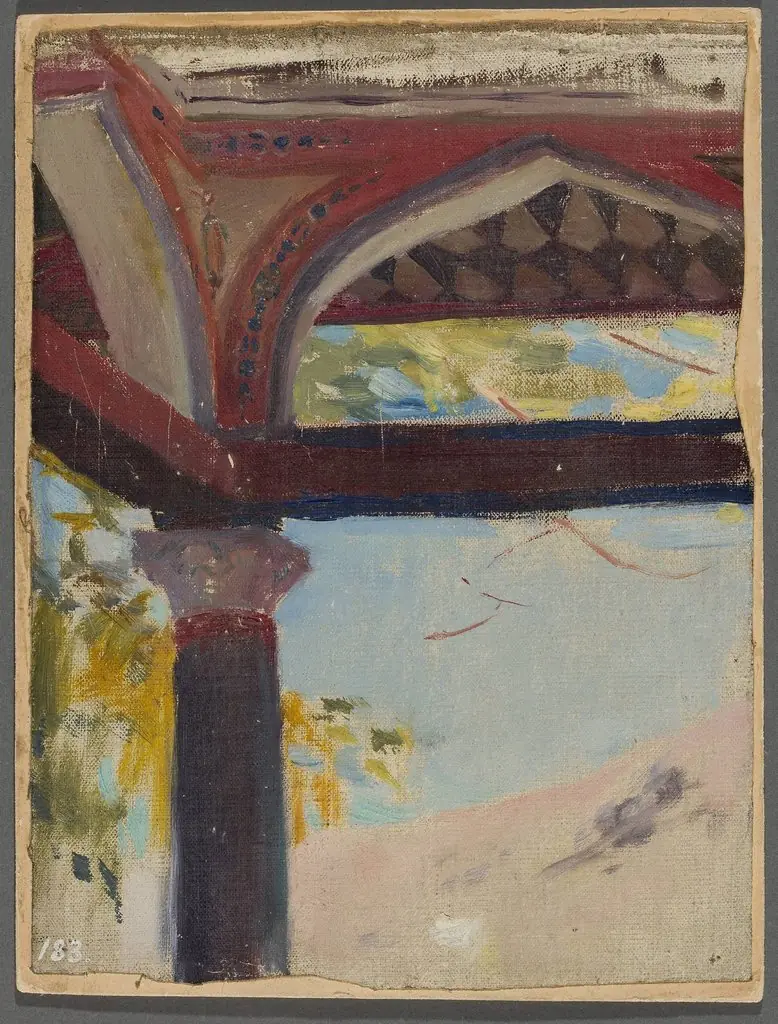 Fragment of summer house of Maria Potocka in Bakhchisaray. From the journey to Crimea
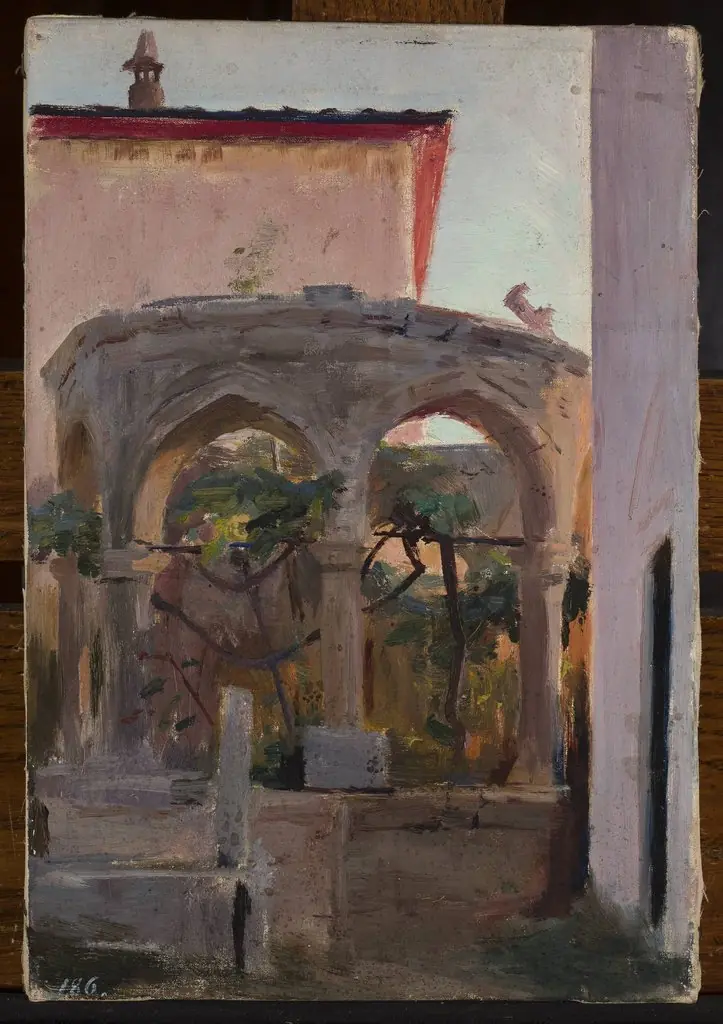 View from Bakhchisaray. From the journey to Crimea
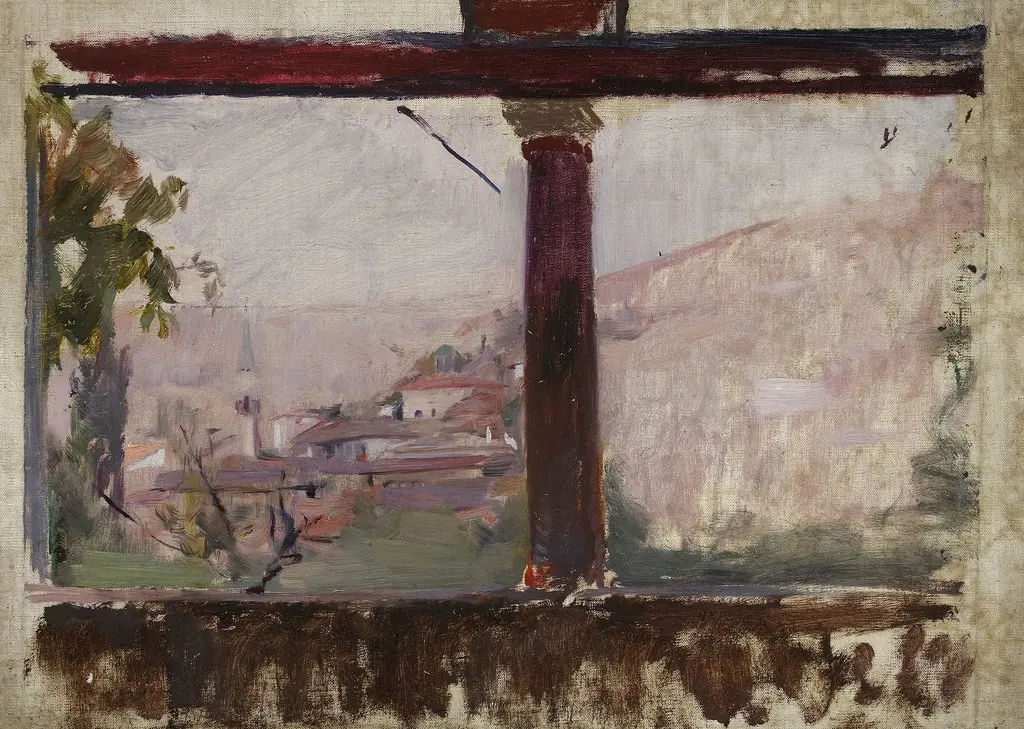 Summer house of Maria Potocka in Bakhchisaray. From the journey to Crimea
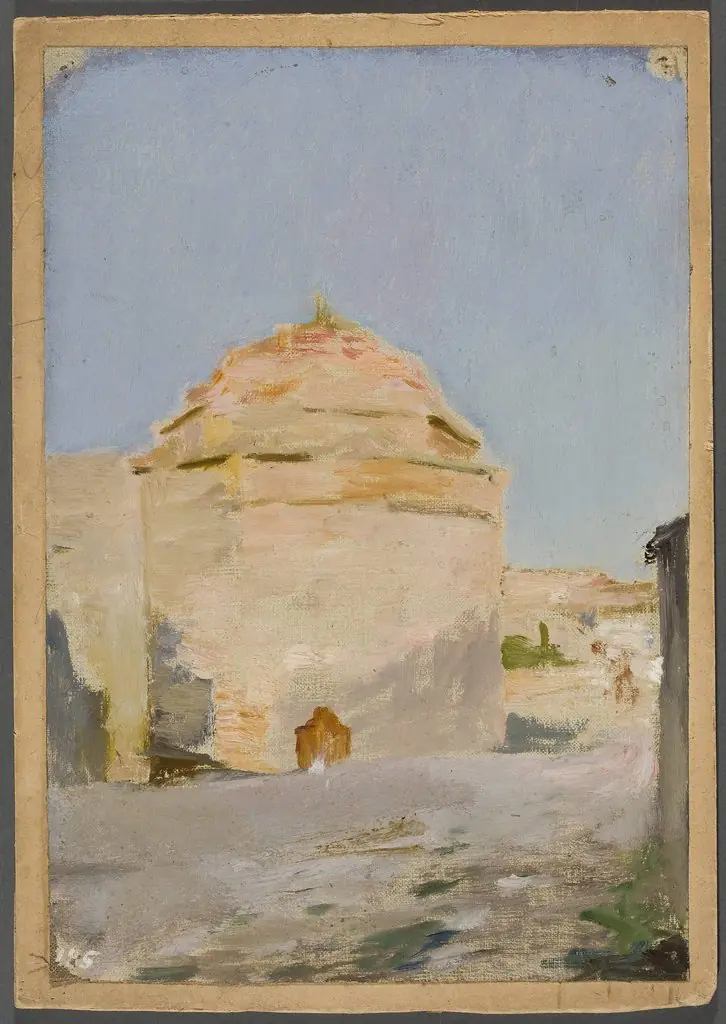 Grave of Maria Potocka in Bakhchisaray. From the journey to Crimea
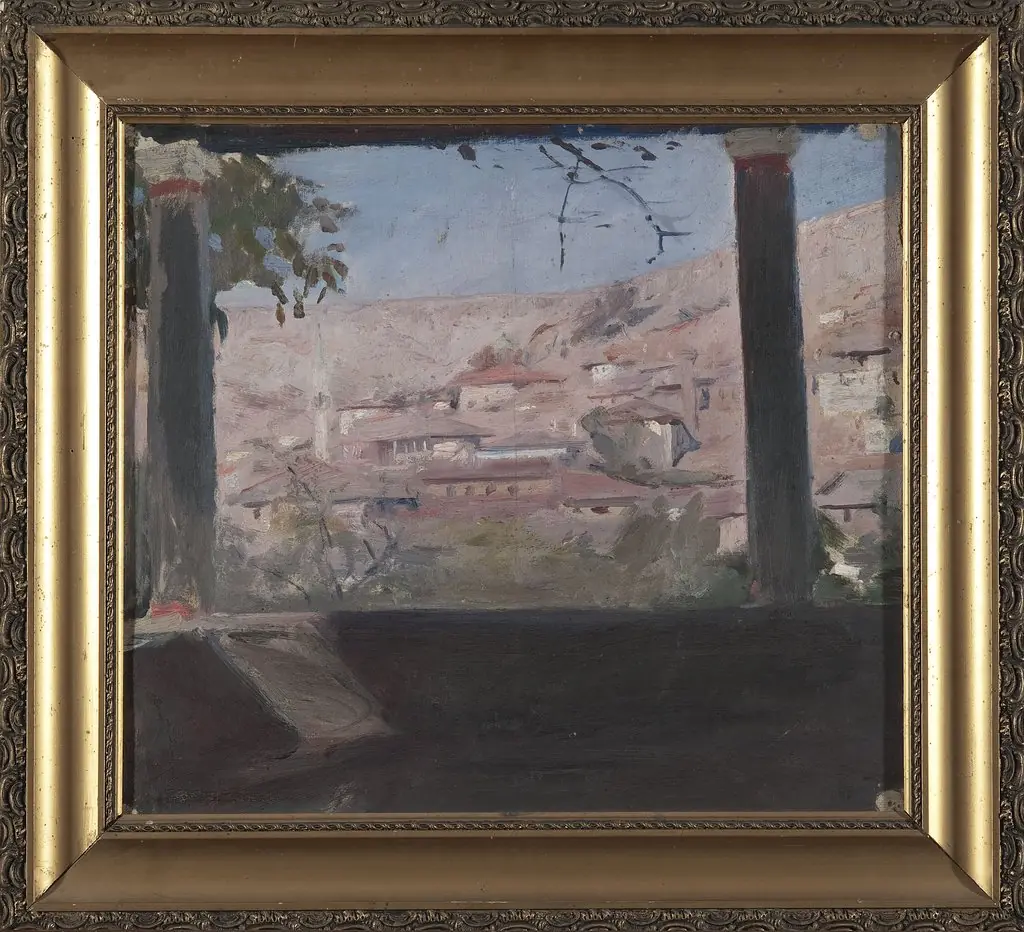 Summer house of Maria Potocka in Bakhchisaray. From the journey to Crimea
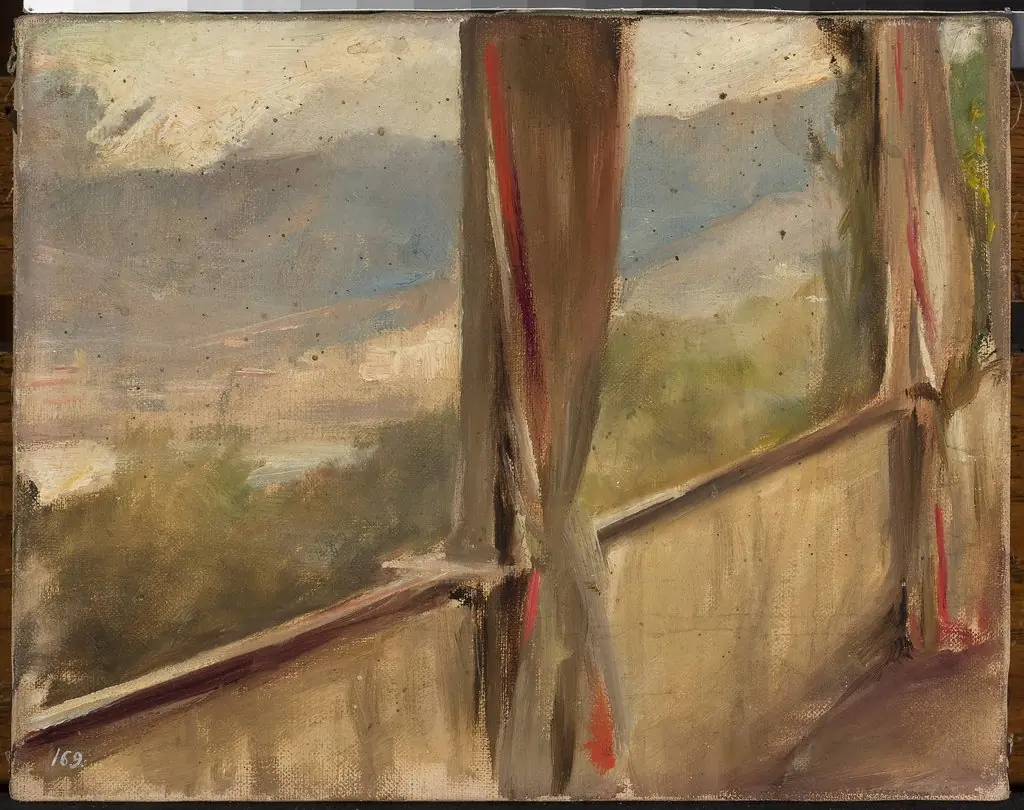 View from Yalta. From the journey to Crimea
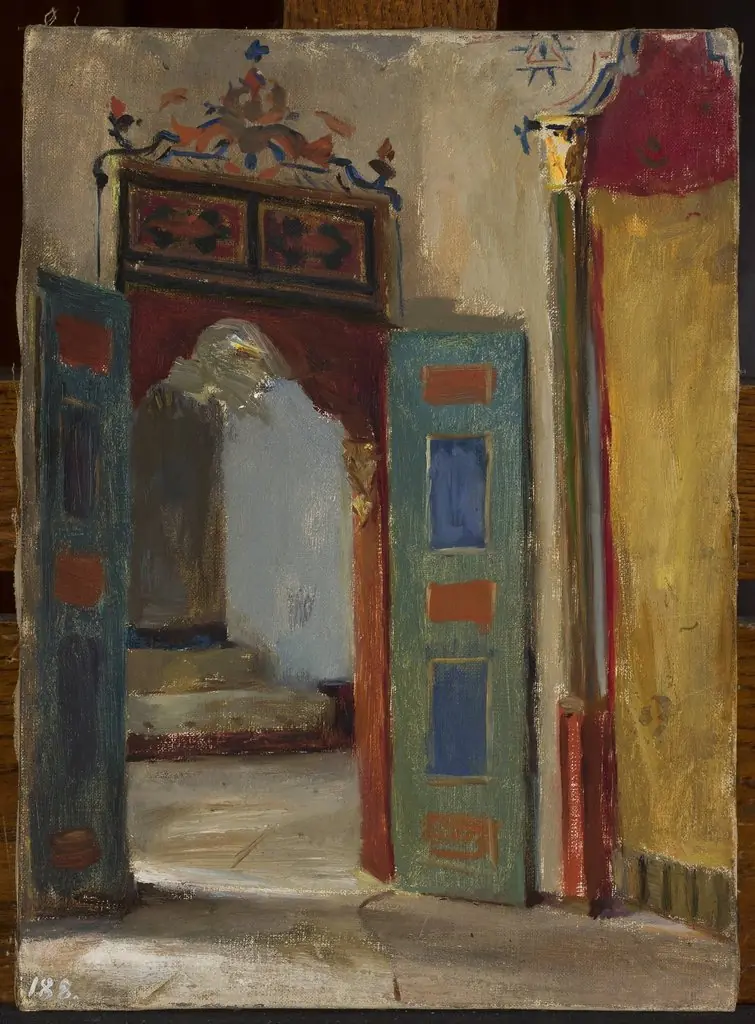 Interior of the khan’s palace in Bakhchisaray. From the journey to Crimea
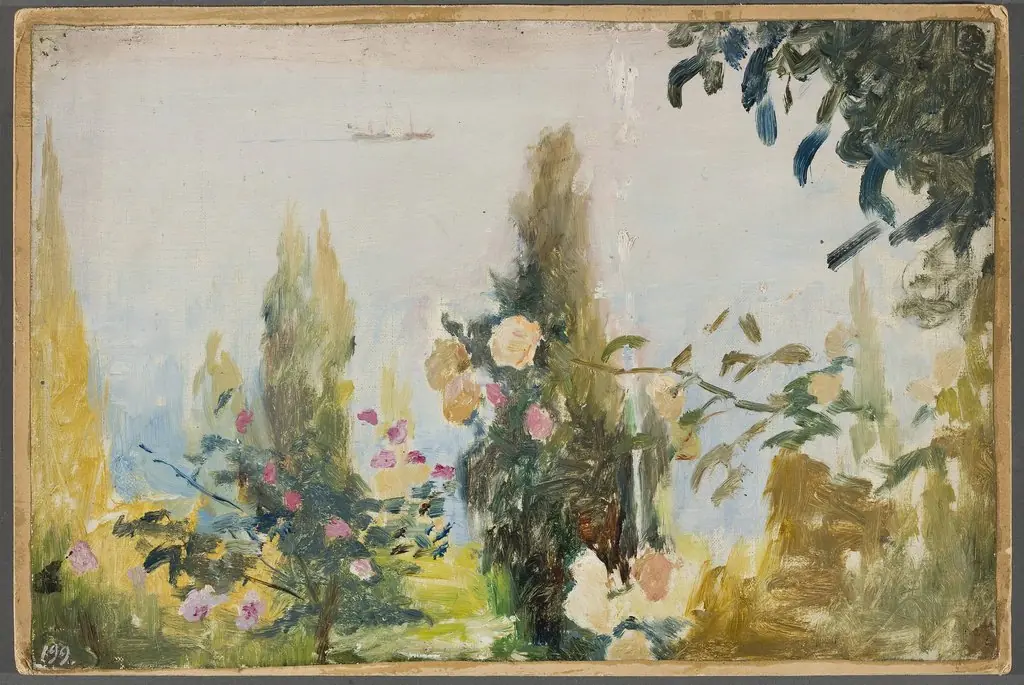 Garden of the Bakhchi-Dere villa in Yalta. From the journey to Crimea
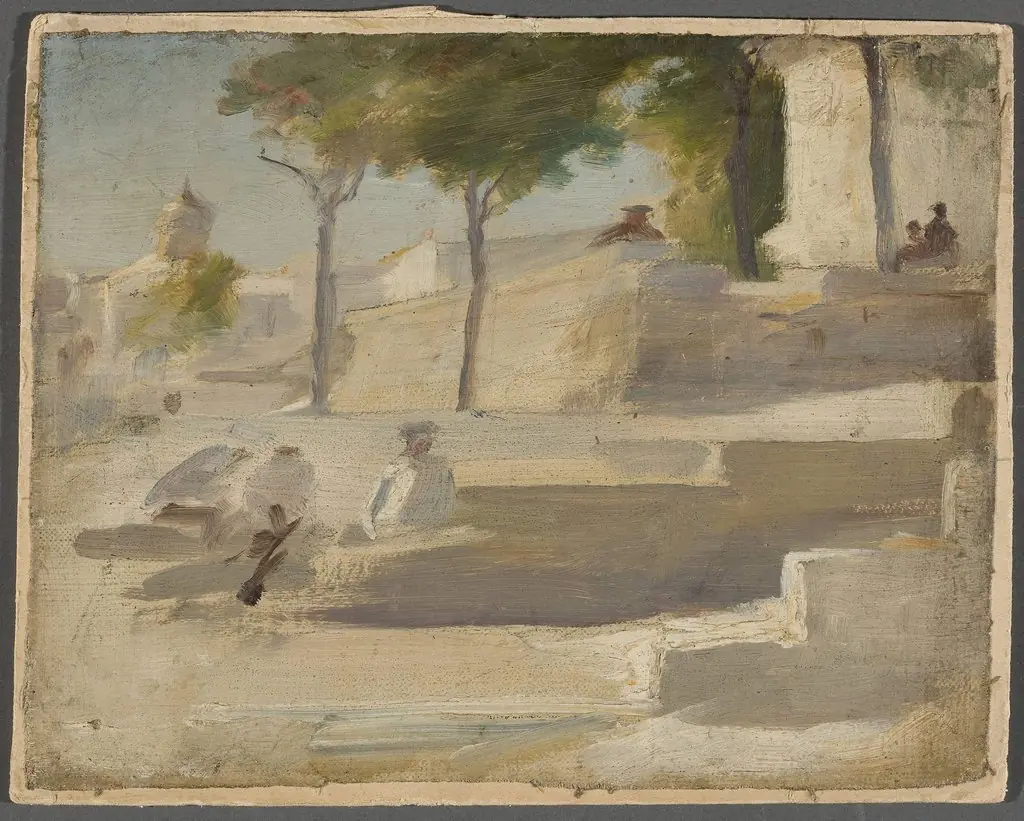 Study. From the journey to Crimea
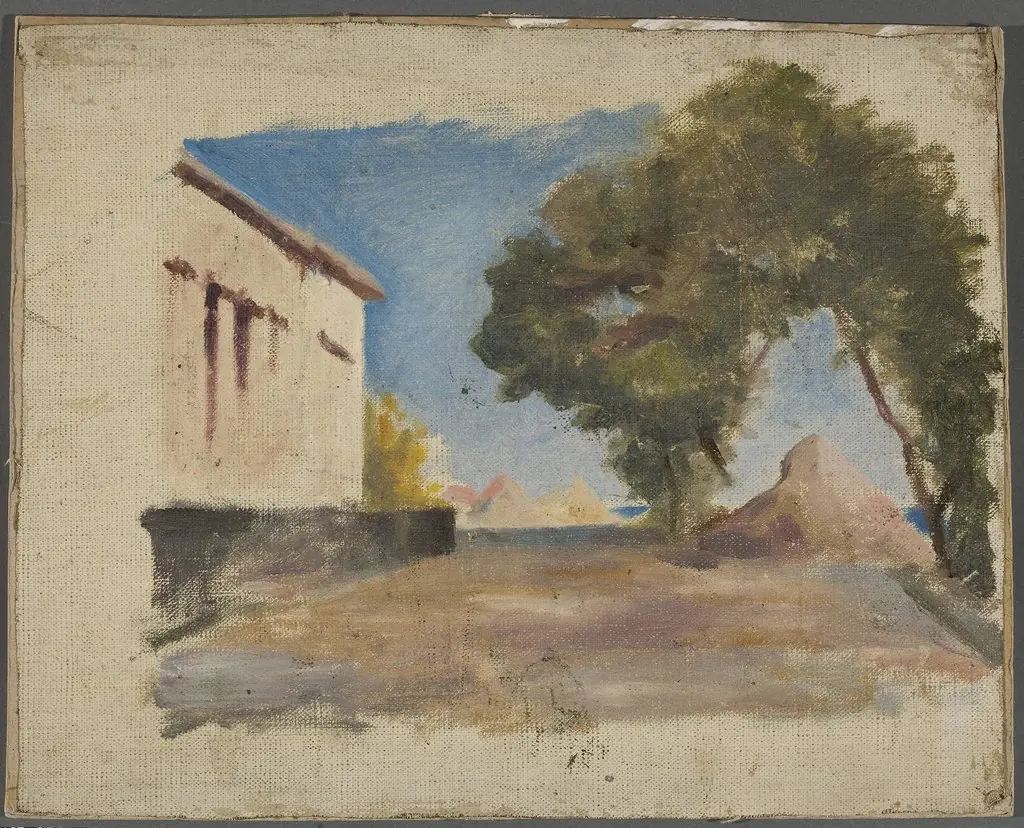 Crimea. From the journey to Crimea
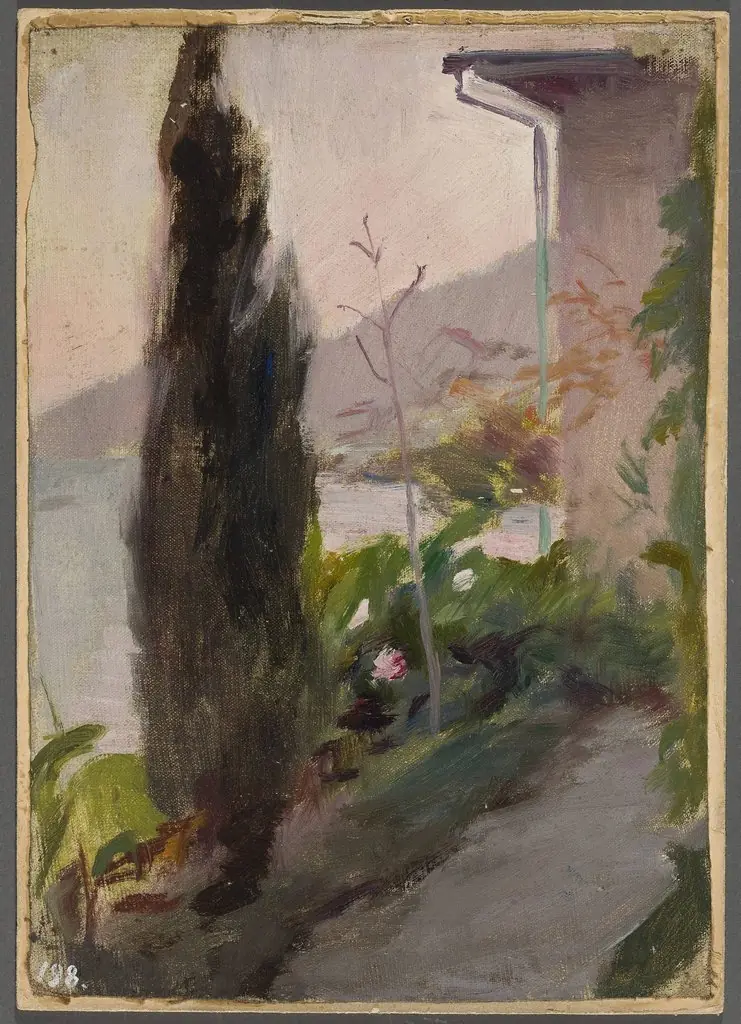 Garden of the Bakhchi-Dere villa in Yalta. From the journey to Crimea
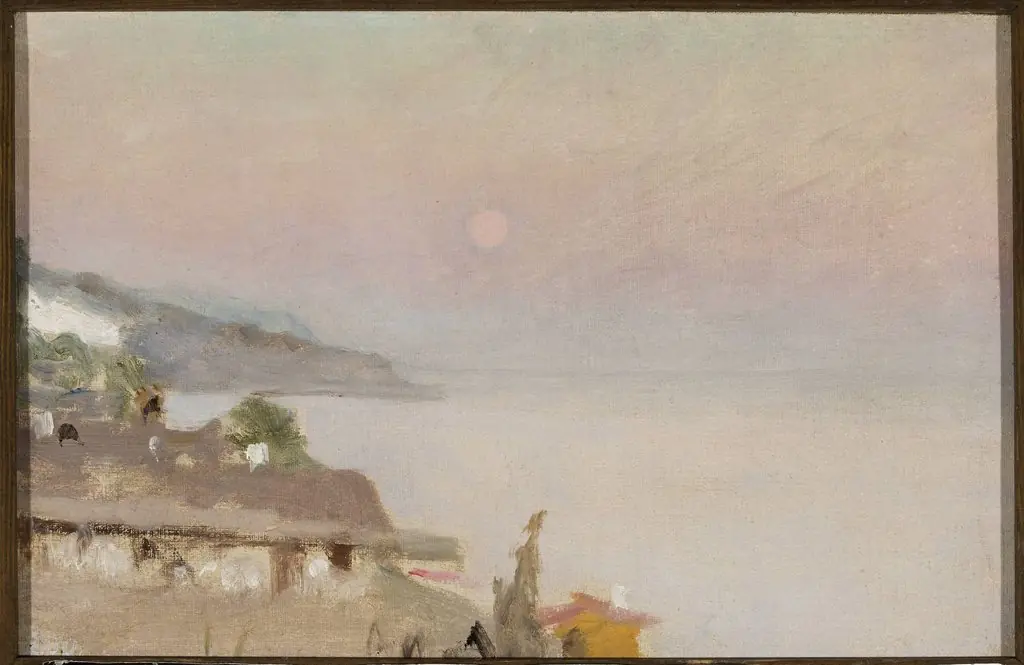 Moonlit evening in Yalta. From the journey to Crimea