Artwork
Study for 'Carnation, Lily, Lily, Rose'
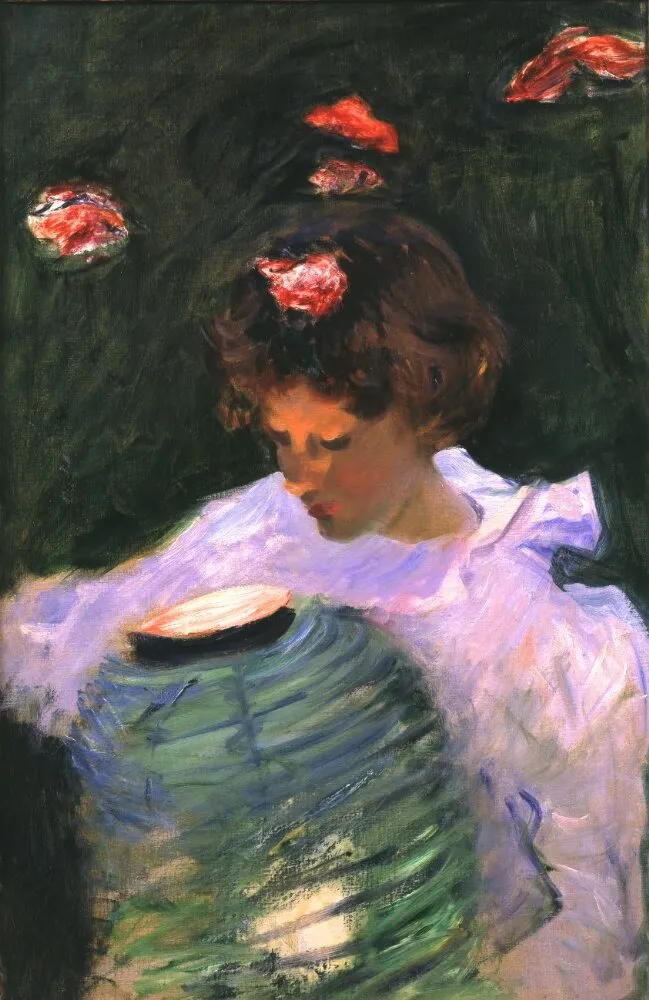
Study for 'Carnation, Lily, Lily, Rose' is an oil painting by the Impressionist artist John Singer Sargent. It dates from 1893 and is held in the collection of the Nationalmuseum.
About this work
Overview
John Singer Sargent’s 1893 oil painting, *Study for ‘Carnation, Lily, Lily, Rose’*, is part of the Nationalmuseum’s collection. Executed during the artist’s prolific period, it serves as a preparatory work for the larger garden scene that would later become famous.
Subject & Meaning
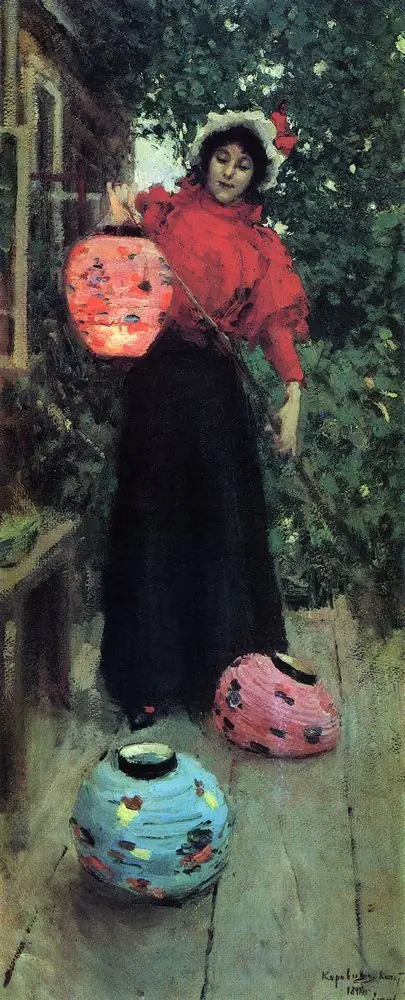
The canvas portrays a young girl in a white dress, her dark hair framing a downward gaze at a lantern she holds. The lantern, painted with a green exterior, black top and white interior, dominates the composition, its glow suggesting a quiet, intimate moment in an outdoor setting.
Technique & Style
Sargent employs a restrained palette and delicate brushwork to model the translucent quality of the dress, allowing the lantern’s light to filter through. Subtle variations of green in the background and the use of chiaroscuro create depth, while the impasto on the lantern’s rim hints at the artist’s tactile approach.
History & Provenance
Created as a study for the later, larger work *Carnation, Lily, Lily, Rose*, the piece reflects Sargent’s practice of working en plein air during his travels in England. After remaining in the artist’s studio, it entered the Nationalmuseum’s holdings, where it has been displayed as part of the museum’s representation of late‑19th‑century Impressionist‑influenced painting.
Context
The study belongs to a period when Sargent, though best known for society portraits, explored outdoor scenes and the effects of light, aligning his work with contemporary Impressionist concerns. The subject—a child illuminated by a lantern—echoes the era’s fascination with fleeting moments and the interplay of artificial and natural illumination.
Artist & collection
Artist
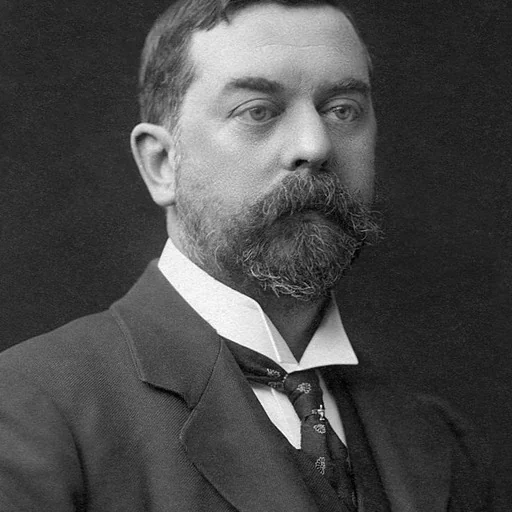
John Singer Sargent (; January 12, 1856 – April 15, 1925) was an American expatriate artist, considered the "leading portrait painter of his generation" for his evocations of Belle Époque and Edwardian-era luxury.