Artwork
Under the Willows
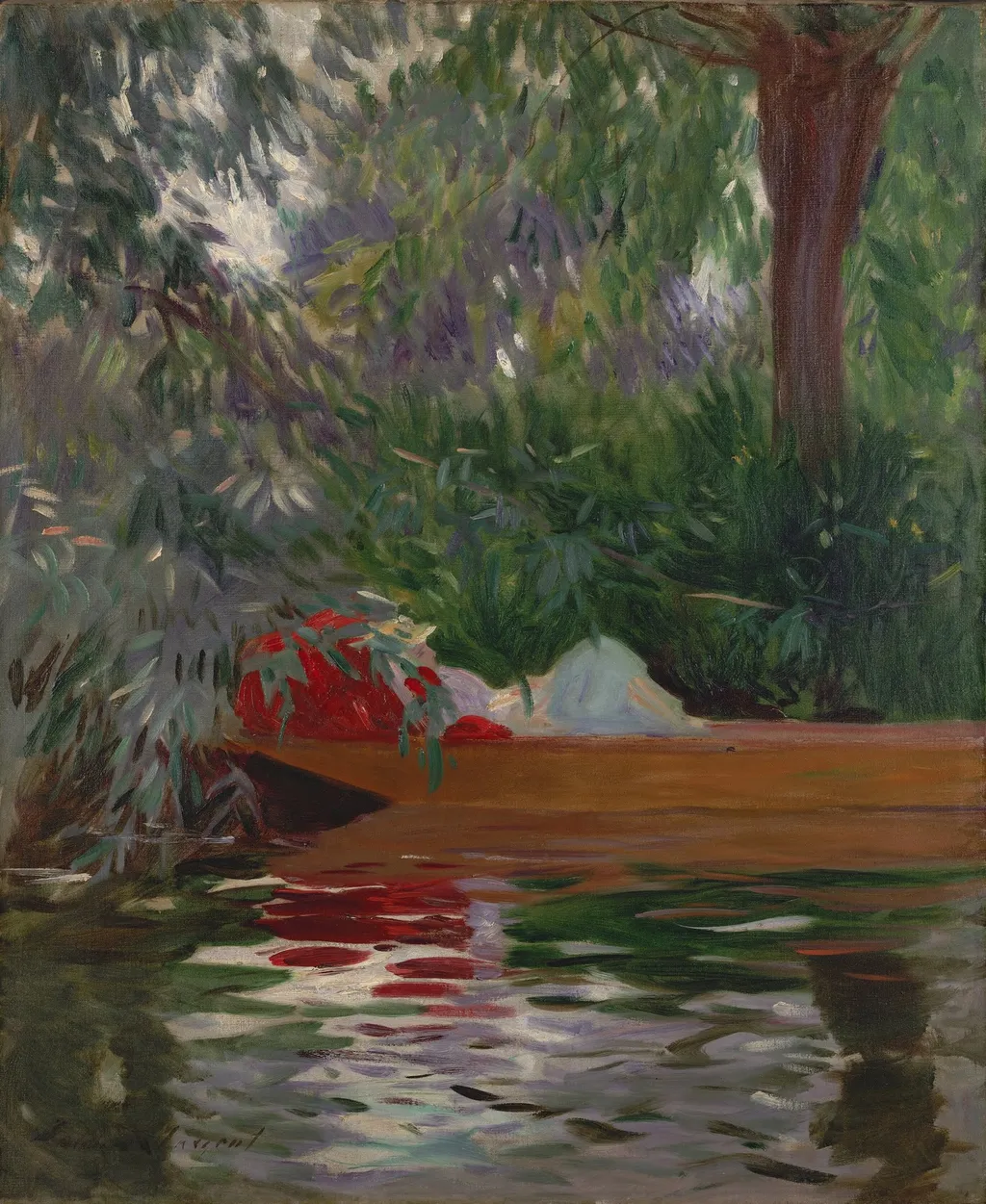
Under the Willows is an oil painting by John Singer Sargent. It dates from 1894 and is held in the collection of the Crystal Bridges Museum of American Art.
About this work
Overview
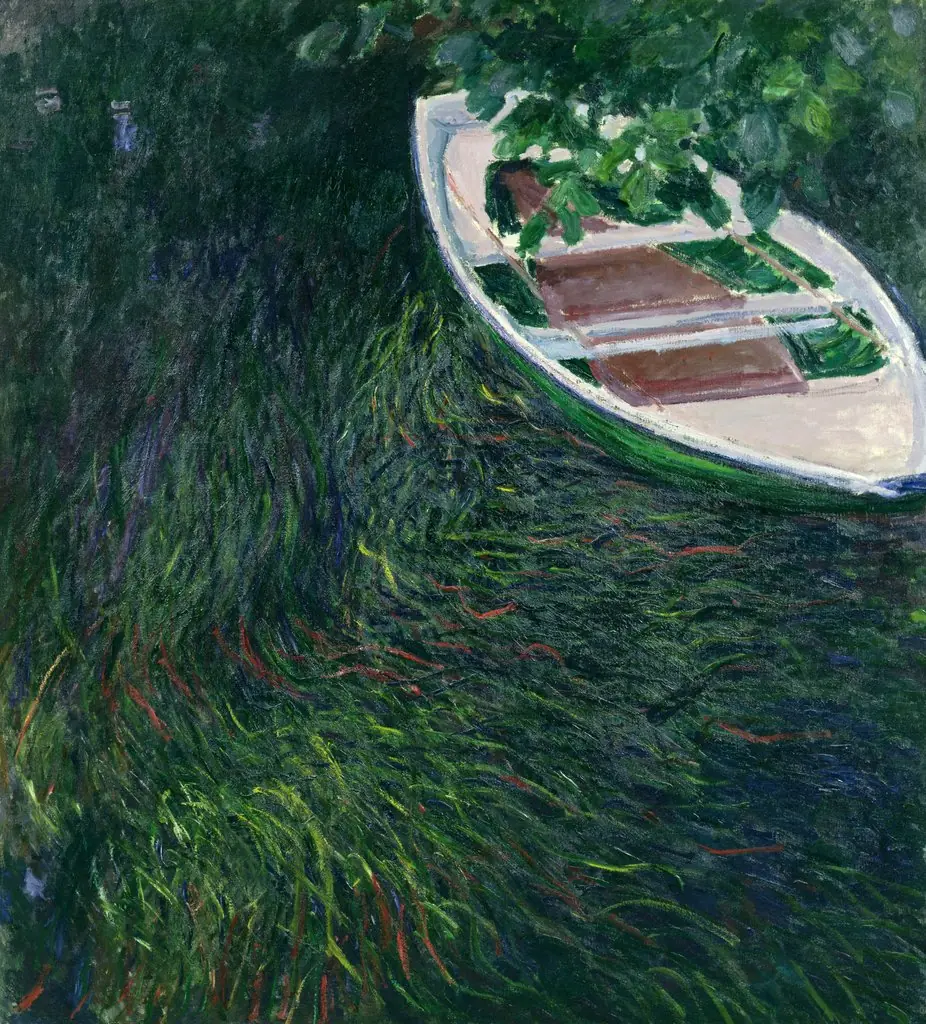
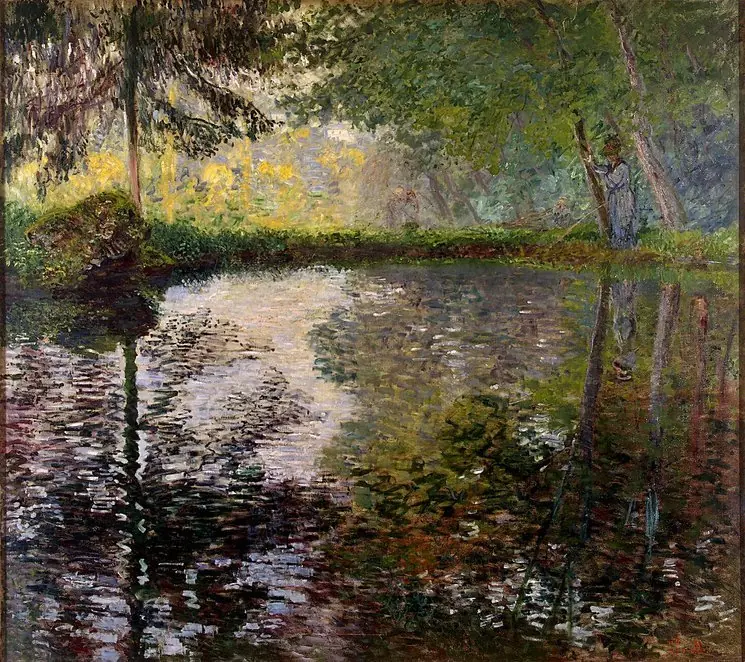
John Singer Sargent’s 1894 oil painting *Under the Willows* captures a quiet riverside moment. A woman in a white dress reclines in a small boat, her posture relaxed amid gentle water ripples. Overhead, drooping willow branches frame the scene, their foliage lending a soft, shaded canopy. The work is part of the Crystal Bridges Museum of American Art’s collection.
Subject & Meaning
The composition centers on a solitary figure, suggesting leisure and contemplation within a natural setting. Her white attire contrasts with the surrounding greenery, while a red accessory—perhaps a hat or bag—adds a subtle focal point. The tranquil atmosphere evokes a pause in travel, reflecting Sargent’s interest in documenting the serene aspects of his journeys.
Technique & Style
Sargent employs a loose, expressive brushwork that conveys both texture and movement. His handling of light creates depth: the dappled illumination filtering through the willows highlights the water’s surface and the folds of the dress. The palette balances cool greens with warm reds and whites, reinforcing the painting’s calm yet vibrant mood.
History & Provenance
Created during a period when Sargent was traveling extensively across Europe, the Middle East, and the United States, the painting exemplifies his broader practice of recording landscapes encountered on his trips. After changing hands several times, *Under the Willows* entered the Crystal Bridges Museum of American Art, where it remains on view for public study.
Own this work as a print
Artist & collection

Artist
John Singer Sargent (; January 12, 1856 – April 15, 1925) was an American expatriate artist, considered the "leading portrait painter of his generation" for his evocations of Belle Époque and Edwardian-era luxury.

Museum
Crystal Bridges Museum of American Art
Continue through works from the same source collection.