Artwork
The row boat
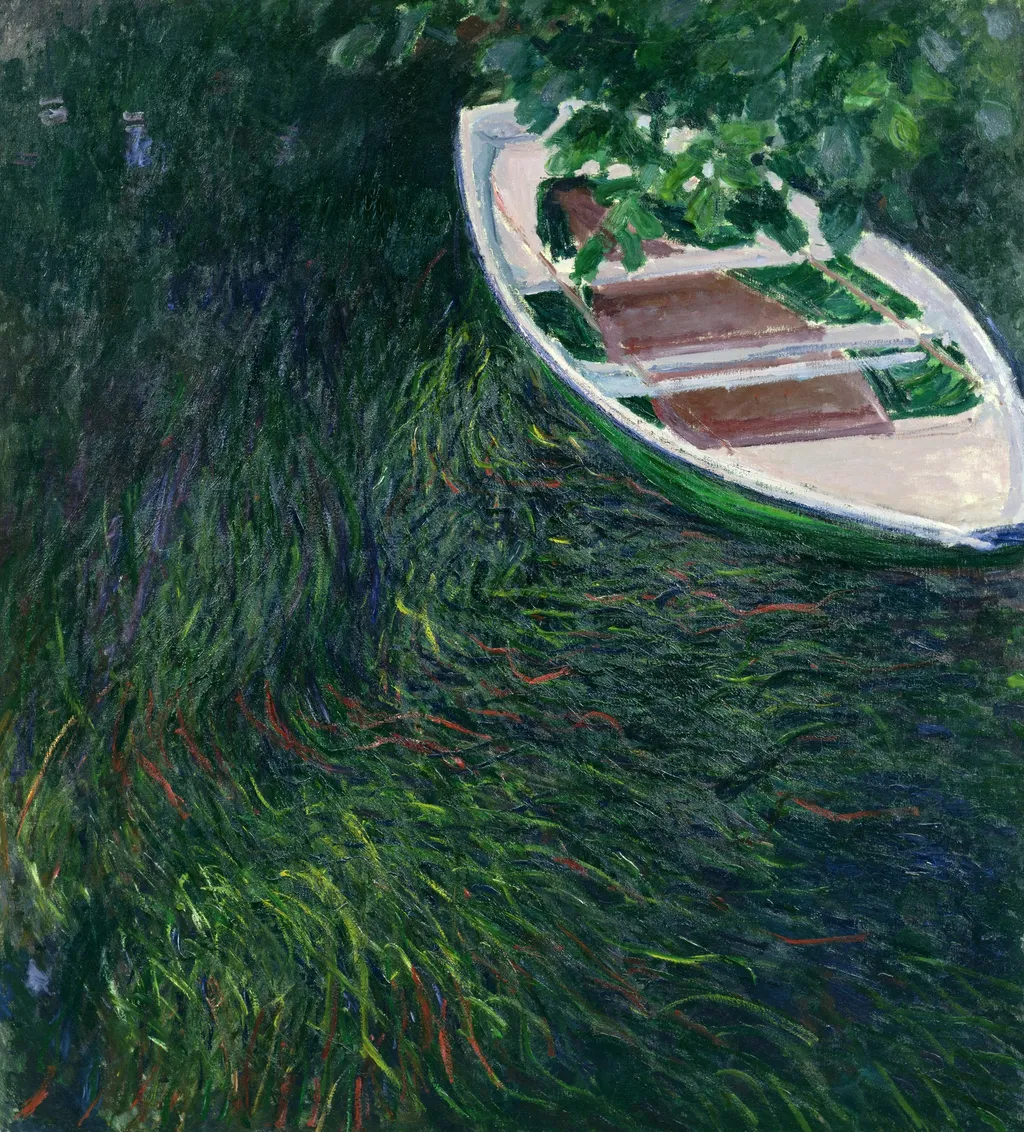
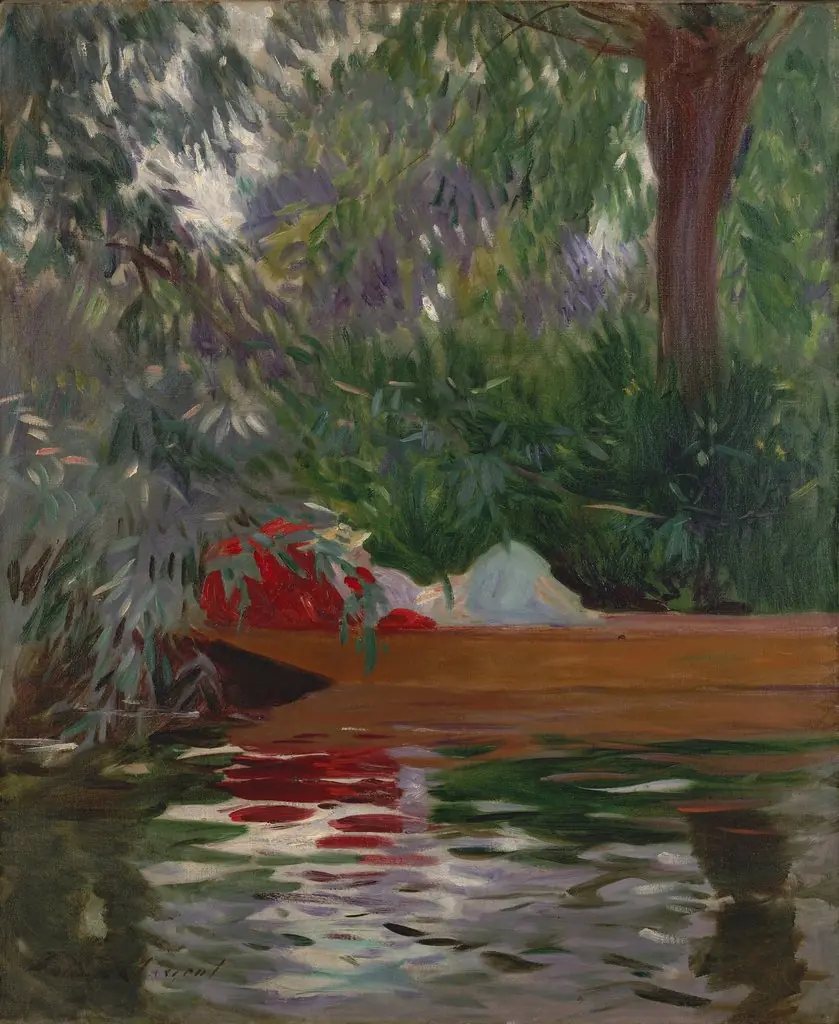
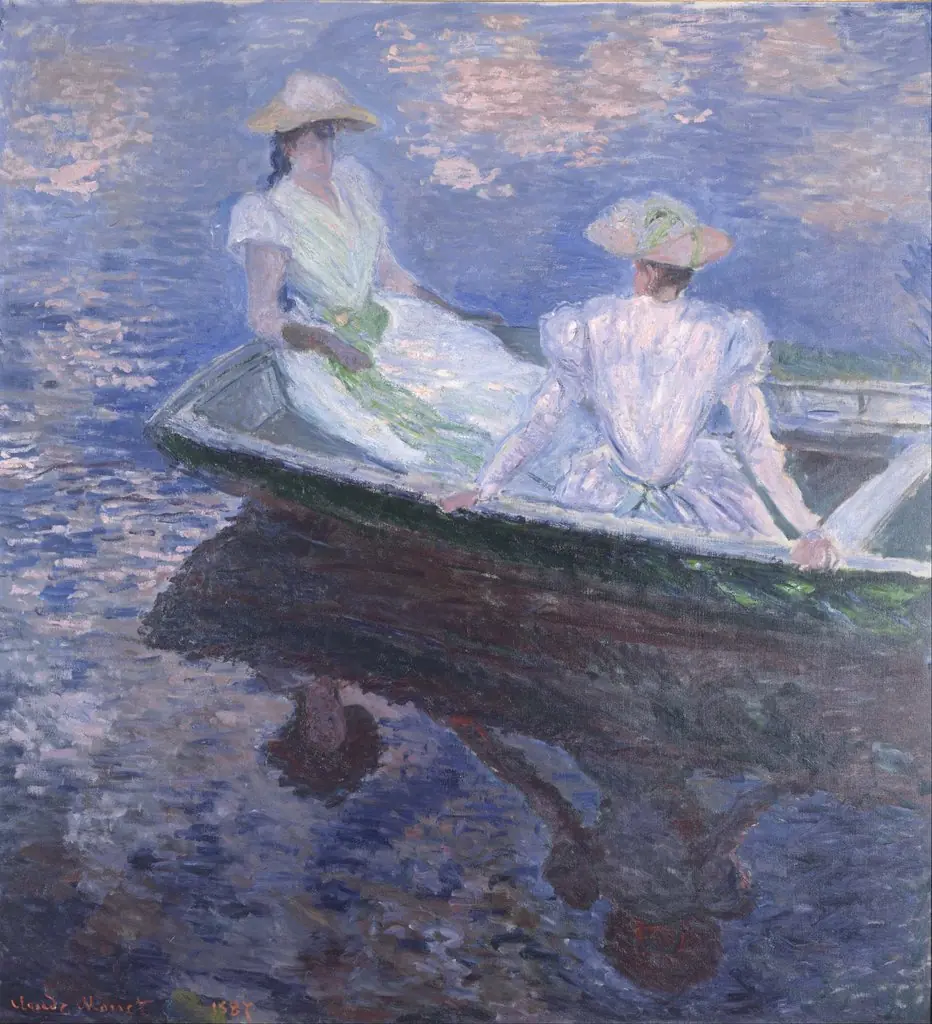
The row boat is an oil painting by the Impressionist artist Claude Monet. It dates from 1894 and is held in the collection of the Musée Marmottan Monet.
About this work
Overview
Painted in 1894, The Row Boat is an oil on canvas work by Claude Monet, capturing a quiet moment on water. It belongs to the collection of the Musée Marmottan Monet in Paris, where it is displayed among other late 19th-century pieces by the artist. The painting reflects Monet’s continued exploration of light and movement in natural settings during his later years.
Subject & Meaning
The painting depicts a small rowboat gently drifting on a body of water, with no figures visible. The absence of human presence emphasizes solitude and the quiet rhythm of nature. Monet focuses on the interplay of water, sky, and reflected light, suggesting a meditative observation of the environment rather than a narrative scene.
Technique & Style
Monet applied thin, broken brushstrokes to convey shifting light and surface texture. Colors are muted yet nuanced, with soft blues, grays, and hints of green blending to suggest atmosphere. The composition is loose and open, avoiding sharp outlines, characteristic of his Impressionist approach refined through decades of practice.
History & Provenance
Created during Monet’s time in Giverny, the painting was likely made from his studio or a nearby vantage point overlooking the water. It remained in his personal collection until his death, later passing to his son Michel. The Musée Marmottan Monet acquired it in 1966 through the bequest of Michel Monet.
Context
In the 1890s, Monet increasingly turned to intimate water scenes, often painted from his garden’s pond or nearby rivers. This period followed his series of haystacks and cathedrals, reflecting a shift toward quieter, more repetitive subjects. The Row Boat aligns with his growing interest in the transient effects of light on water, a theme that would dominate his later work.
Legacy
The painting exemplifies Monet’s enduring commitment to observing nature through direct, sensory experience. Though less celebrated than his water lilies, works like The Row Boat reveal the quiet discipline behind his later style. It remains a key example of how Impressionism evolved into a more contemplative, atmospheric form in the artist’s final decades.
Own this work as a print
Artist & collection
Artist
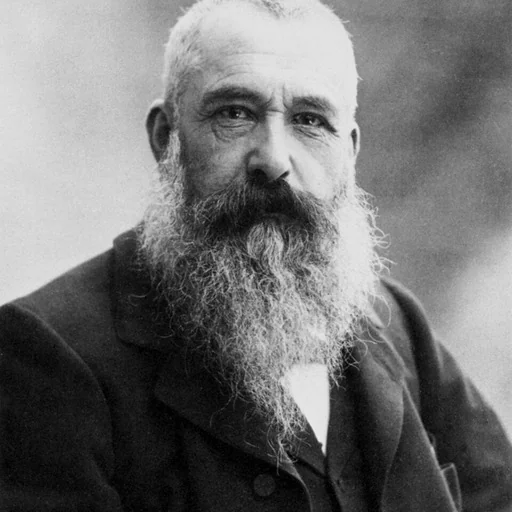
Oscar-Claude Monet was born in Paris on November 14, 1840, and raised from the age of five in Le Havre, where he began selling charcoal caricatures as a teenager.