Artwork
Robert Hyde, Squire of Hyde
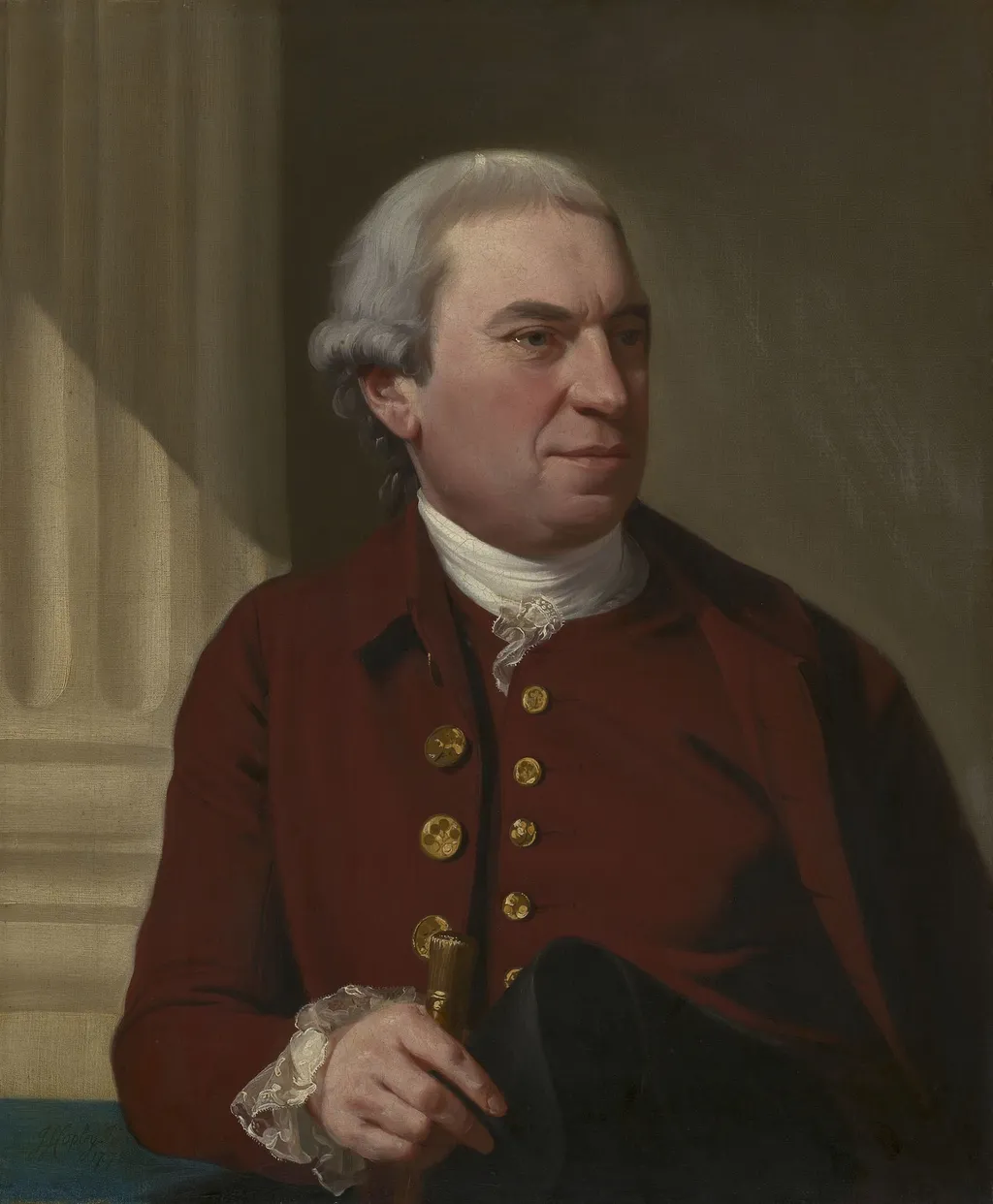
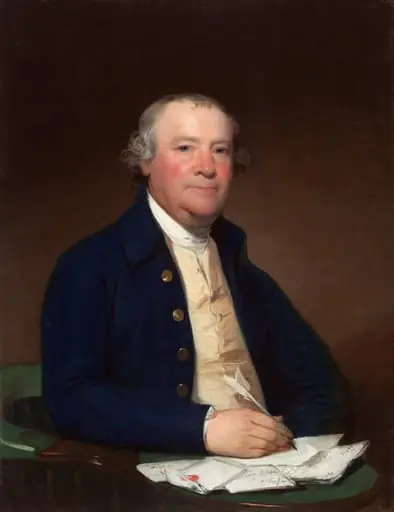
Robert Hyde, Squire of Hyde is an oil painting by the Rococo painting artist John Singleton Copley. It dates from 1790 and is held in the collection of the Art Institute of Chicago.
About this work
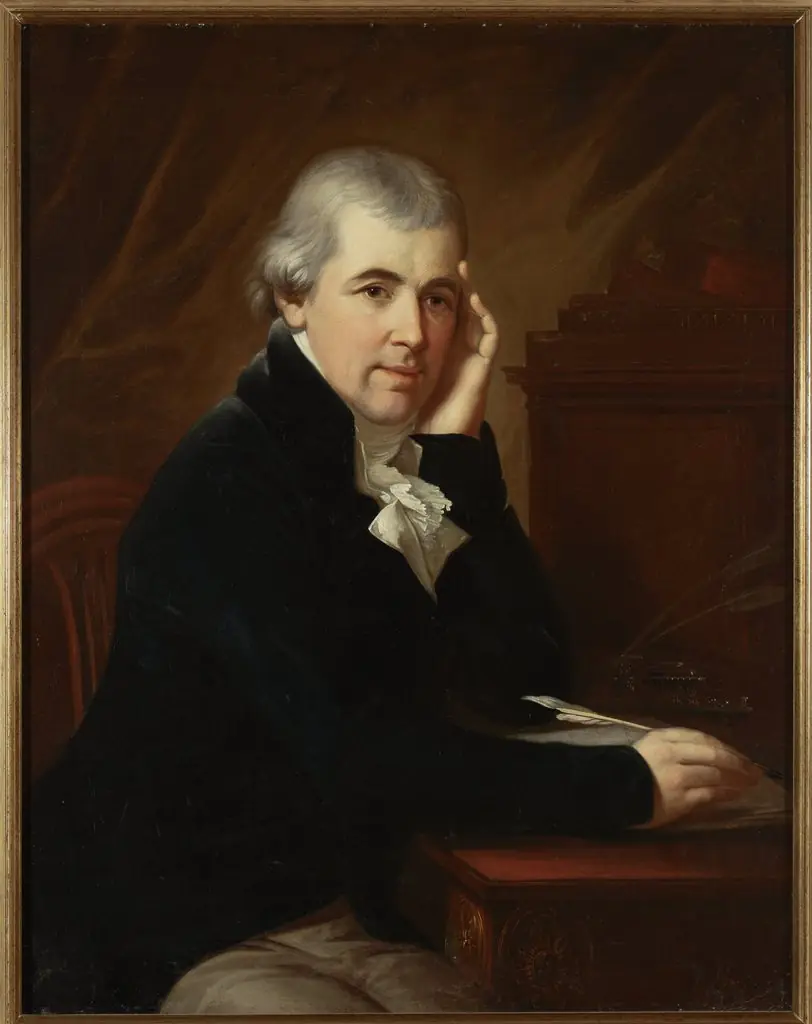
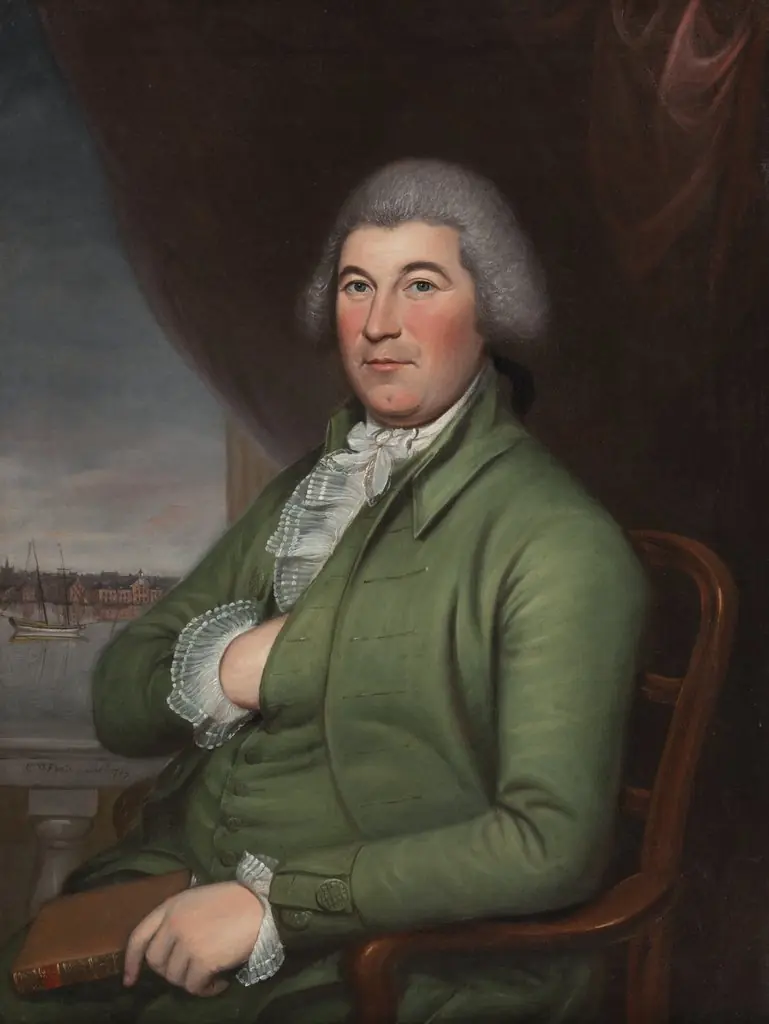
This portrait painting depicts a man with white hair, dressed in a red coat adorned with gold buttons and a white lace collar.
This portrait painting depicts a man with white hair, dressed in a red coat adorned with gold buttons and a white lace collar. He is seated, holding a black hat and a gold-tipped cane in his right hand.
The man's attire and hairstyle suggest a formal setting, likely from the 18th century. The artist has used chiaroscuro to create a sense of depth and volume in the subject's face and clothing.
The painting is a fine example of John Singleton Copley's skill in capturing the likeness and character of his sitters. To learn more about the artist's techniques and other works, explore the art of John Singleton Copley.
Overview
John Singleton Copley completed this oil portrait in 1790 during his mature period in London, following his earlier success in colonial America. The painting presents Robert Hyde, a landowner from Hyde, in formal attire, rendered with careful attention to texture and presence. Copley’s transition from American colonial portraiture to British academic style is evident in the composition’s restraint and polished execution.
Subject & Meaning
Robert Hyde, identified as a squire, is portrayed not as a nobleman but as a landed gentleman of modest rank. His attire—red coat, lace collar, and gold-tipped cane—signals social standing without ostentation. The black hat held loosely suggests a moment of pause, conveying quiet dignity rather than theatrical grandeur. The image reflects the values of English rural gentry: propriety, composure, and inherited status.
Technique & Style
Copley employs chiaroscuro to model the sitter’s face and fabric with subtle gradations of light, enhancing three-dimensionality. The brushwork is precise yet unobtrusive, particularly in the rendering of lace, wool, and metal details. While the composition follows formal portraiture conventions, the naturalism of Hyde’s expression and the softness of his gaze distinguish it from rigid academic norms of the time.
History & Provenance
The painting was created in London, where Copley had settled after achieving fame in Boston. It remained in private hands for much of its history before entering the Art Institute of Chicago’s collection. Its documented lineage is limited, but its stylistic consistency with Copley’s late works supports its attribution and dating to 1790.
Context
In late 18th-century England, portraiture served as a tool for affirming social identity among the landed class. Copley, though American-born, adapted to British tastes by emphasizing refinement over emotional intensity. This portrait aligns with contemporaneous works by Reynolds and Romney, yet retains Copley’s signature attention to individual character and material detail.
Legacy
The portrait exemplifies Copley’s ability to bridge transatlantic artistic traditions, merging American realism with British formality. While not among his most celebrated works, it remains a representative example of his later output and offers insight into how portraitists of the era conveyed social standing through understated elegance and meticulous technique.
Own this work as a print
Artist & collection

Artist
John Singleton Copley (July 3, 1738 – September 9, 1815) was an American-born British painter active in both the Thirteen Colonies and England.