Artwork
Muhammad Ali Khan, Nawab of Arcot
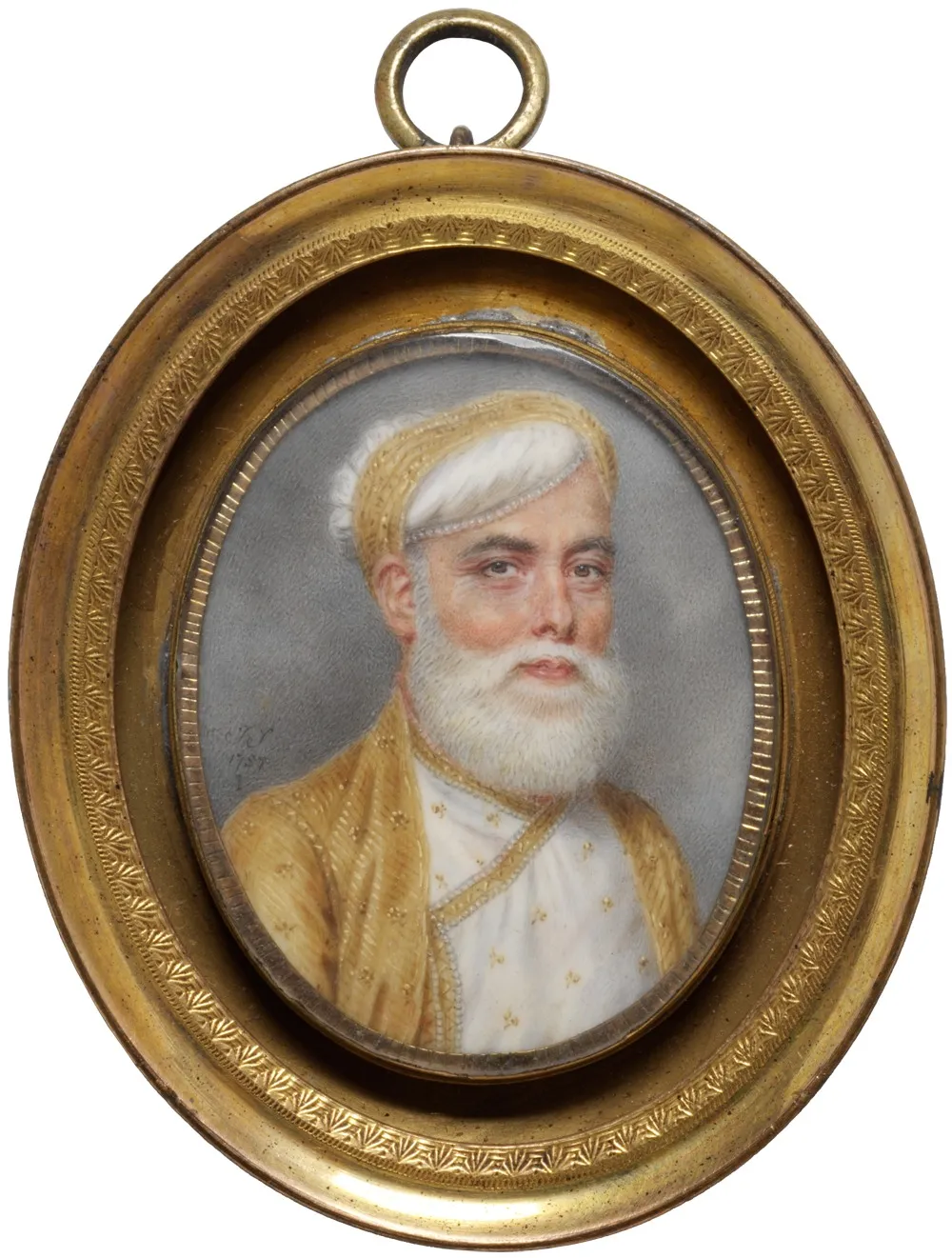
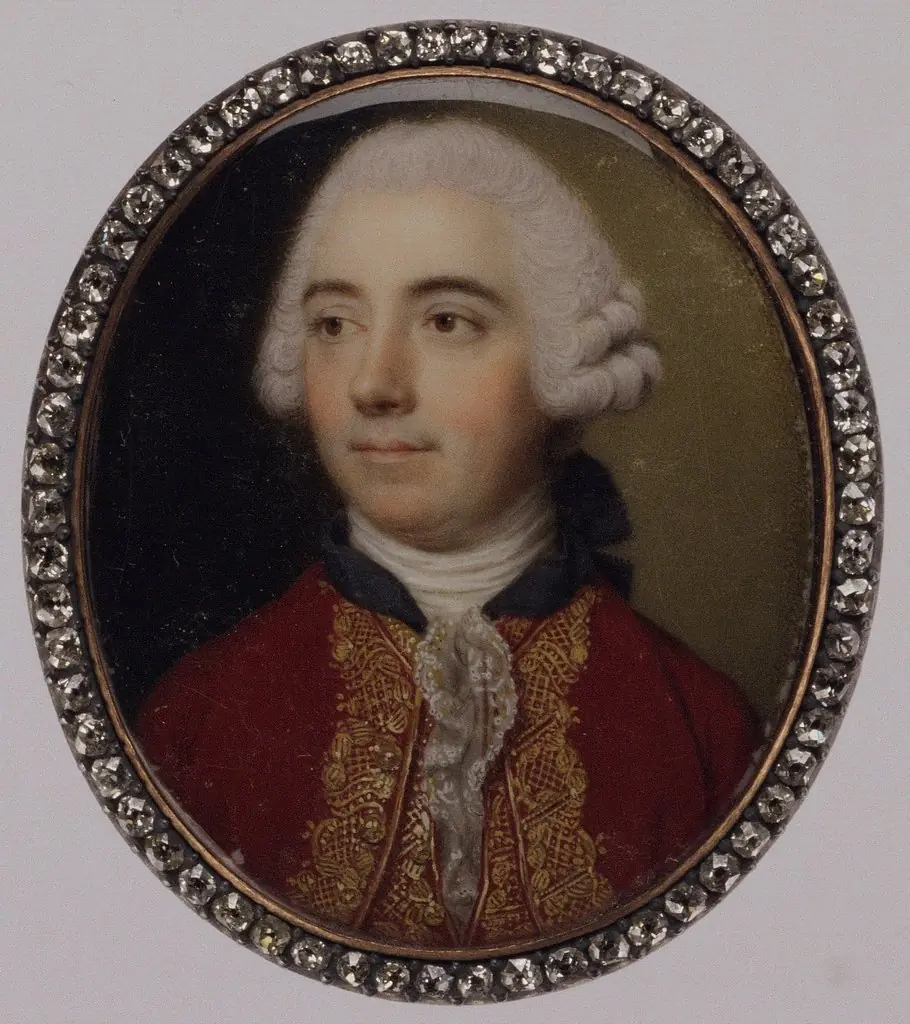
Muhammad Ali Khan, Nawab of Arcot is a watercolor painting by the Rococo painting artist John Smart. It dates from 1794 and is held in the collection of the Victoria and Albert Museum.
About this work
Overview
John Smart, an English miniature painter active in the late eighteenth century, created a portrait of Muhammad Ali Khan, the Nawab of Arcot, in 1794. Executed on a small ivory support, the work exemplifies the delicate scale and refined finish typical of British portrait miniatures of the period. It is part of the Victoria and Albert Museum’s collection.
Subject & Meaning
The sitter is Muhammad Ali Khan Wallajah, the eighteenth‑century ruler of the Carnatic region in South India. He is shown with a long white beard, a solemn expression, and dressed in a gold‑trimmed white costume topped by an elaborate turban, emphasizing his status and cultural identity.
Technique & Style
Smart employed the traditional watercolor‑on‑ivory technique, allowing for subtle tonal transitions and a luminous skin quality. The side lighting creates a gentle glow on the face, while the plain background isolates the figure, directing attention to the intricate details of clothing and facial features. The composition reflects Rococo influences in its elegance and decorative framing.
History & Provenance
Painted during the height of the British miniature tradition, the portrait was likely commissioned to commemorate the Nawab’s diplomatic relations with the East India Company. After changing hands over the centuries, it entered the Victoria and Albert Museum, where it remains on display as an example of cross‑cultural portraiture from the late 1700s.
Artist & collection
Artist
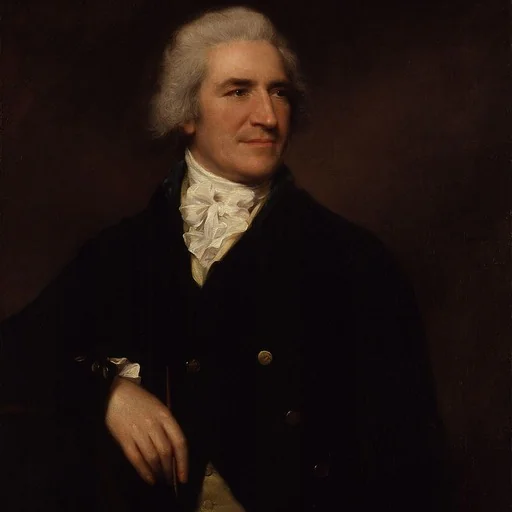
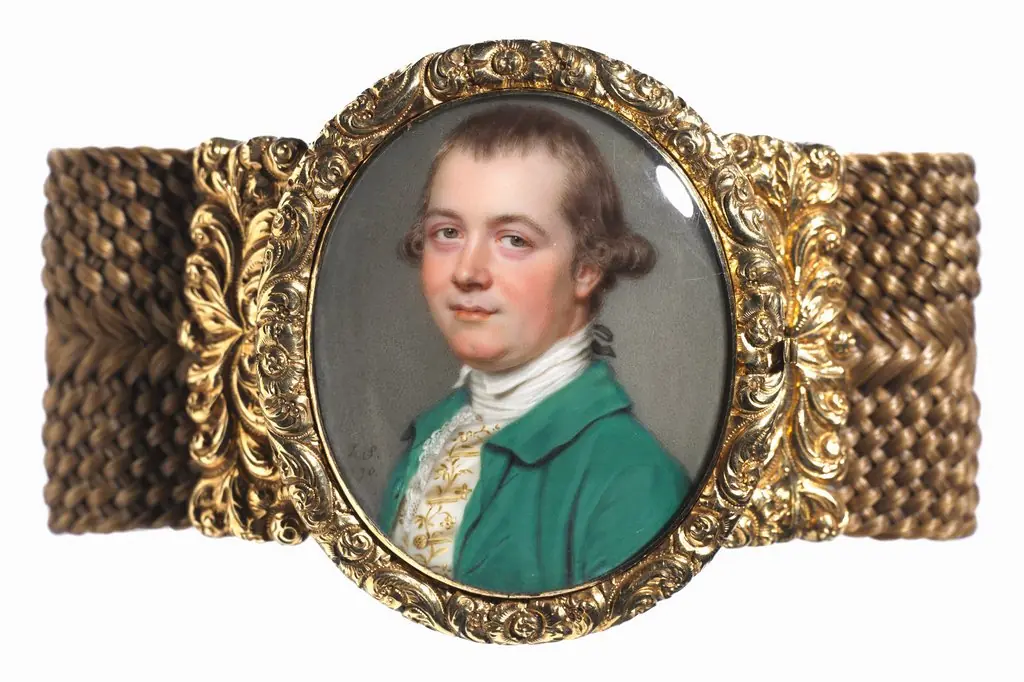
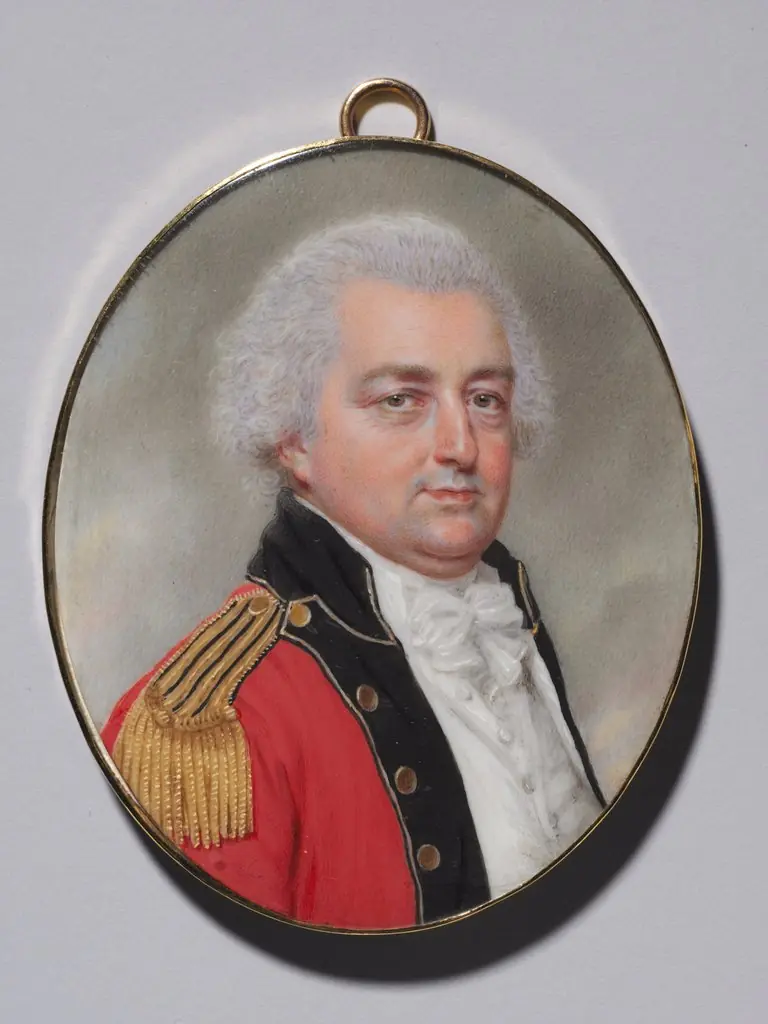
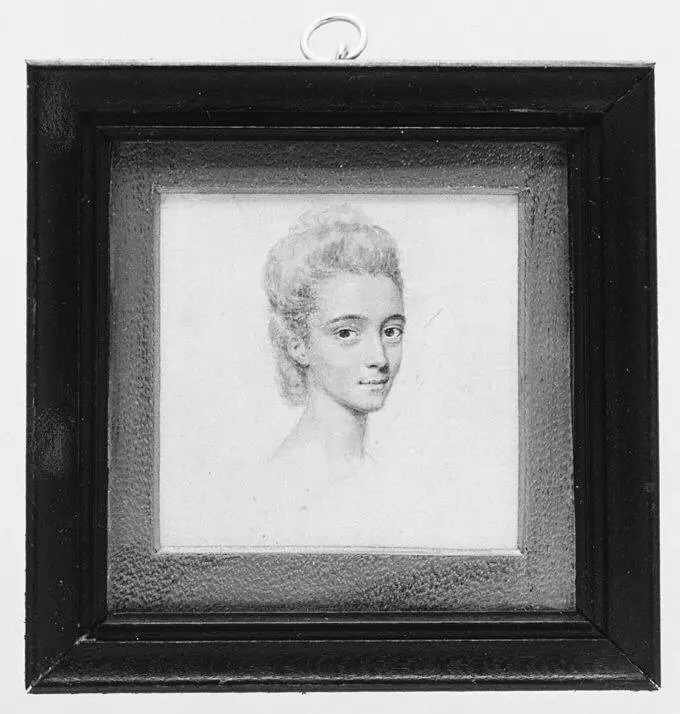
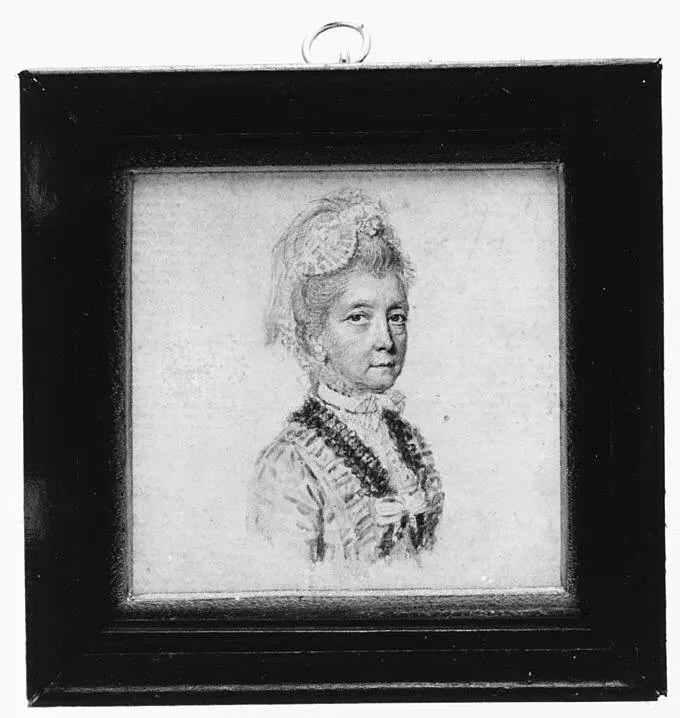
John Smart (1 May 1741 – 1 May 1811) was an English painter who specialised in portrait miniatures. He was a contemporary of Richard Cosway, George Engleheart, William Wood and Richard Crosse.

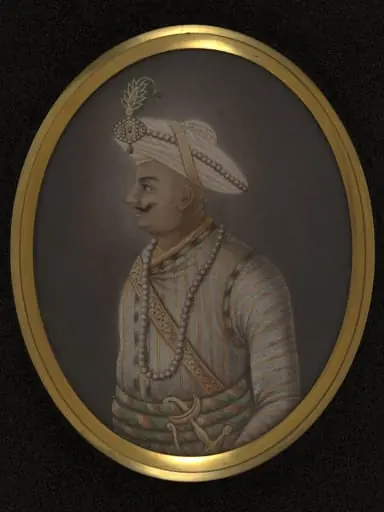 Half-length portrait of Tipu Sultan of Mysore (r.1782-99)
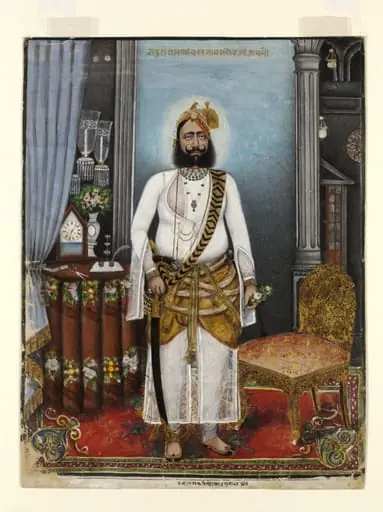 Portrait of Thakur Raja Bakhtawar Singh, standing in a European-style interior.
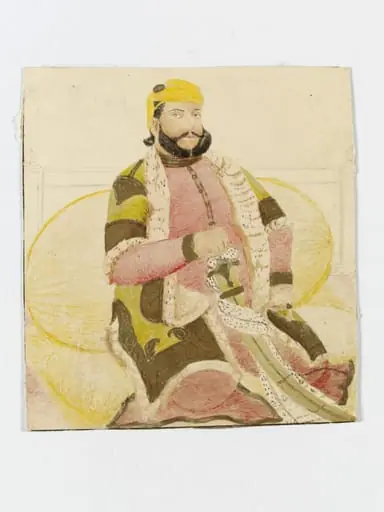 Raja Prithi Singh
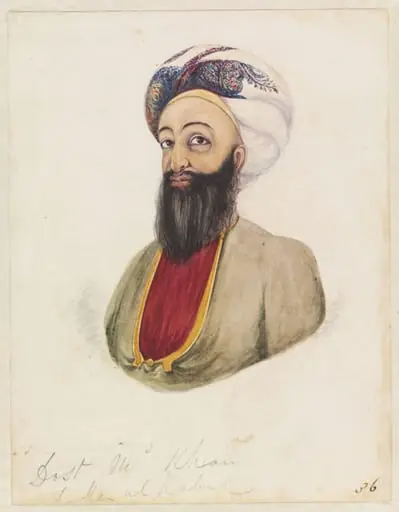 Dost Md Khan taken at Kabul
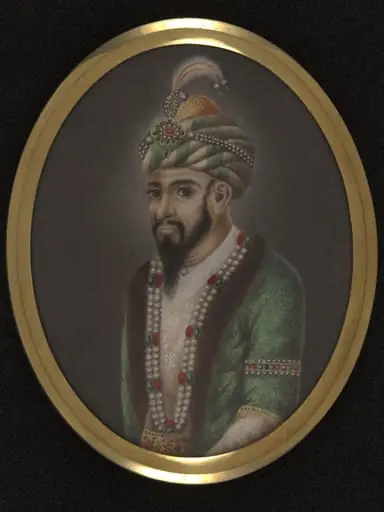 One of twelve miniatures depicting Mughal rulers of India; head and shoulders in profile.
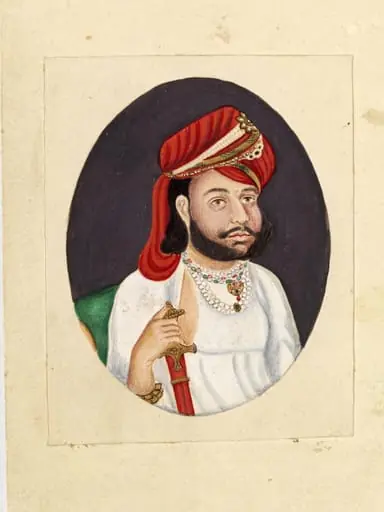 Raja Dalapat Singh
 Portrait of a Prince