Artwork
Surrender of Cornwallis at Yorktown
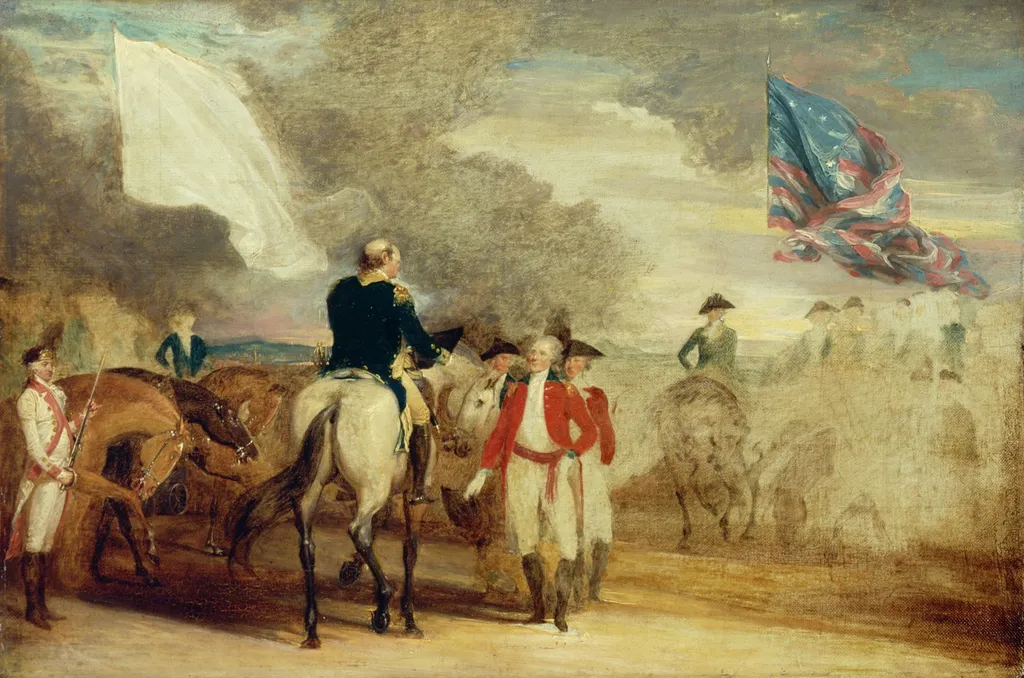
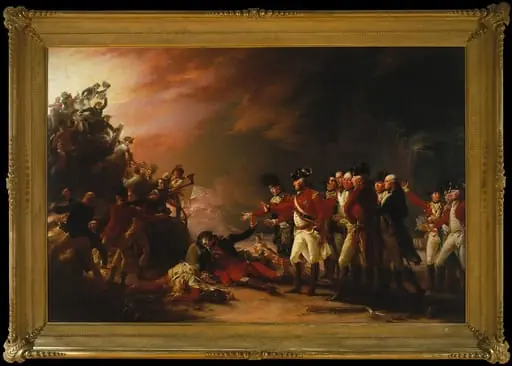
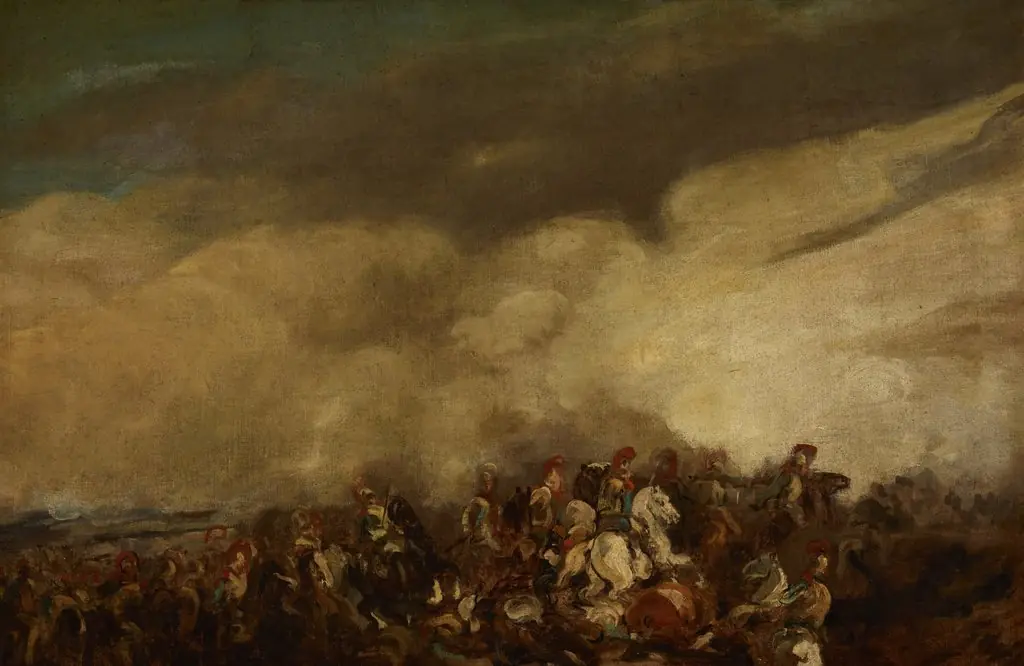
Surrender of Cornwallis at Yorktown is an oil painting by the Neoclassicist artist John Trumbull. It dates from 1794 and is held in the collection of the Detroit Institute of Arts.
About this work
Overview
The painting is one of several historical compositions he produced, and it resides today in the collection of the Detroit Institute of Arts.
Painted in 1794 by John Trumbull, this oil-on-canvas work captures the British surrender at Yorktown in 1781, a decisive event in the American Revolutionary War. Trumbull, who served as an officer during the conflict, sought to document key moments of the nation’s founding. The painting is one of several historical compositions he produced, and it resides today in the collection of the Detroit Institute of Arts.
Subject & Meaning
The scene portrays the formal handover of authority following the British defeat. The central figure, American General George Washington, remains mounted, observing the surrender rather than participating directly. British Lieutenant General Charles Cornwallis, absent from the scene, is represented by his subordinate, who offers the surrender document. The composition emphasizes order and restraint, framing the moment as a solemn transition rather than a celebration.
Technique & Style
Trumbull employed a restrained palette and precise draftsmanship characteristic of neoclassicism. Figures are arranged in a frieze-like formation, their postures deliberate and balanced. The sky is muted, with diffuse light softening the scene’s gravity. Clothing and equipment are rendered with attention to military detail, reinforcing historical accuracy over dramatic flair. The lack of overt emotion underscores the painting’s documentary intent.
History & Provenance
Trumbull began the work shortly after the war, drawing on his firsthand experience and sketches made during the campaign. Completed in 1794, it was among the earliest large-scale historical paintings produced in the United States. The painting entered the Detroit Institute of Arts’ collection in the early 20th century, having previously been held in private and institutional collections in the Northeast.
Context
In the 1790s, the young American republic sought to define its identity through visual narratives of its founding. Trumbull’s series of Revolutionary scenes, including this one, responded to that need by elevating military events into civic mythology. Unlike European historical painting, which often glorified monarchs, Trumbull’s works centered on collective action and institutional legitimacy.
Legacy
Though less widely reproduced than other Revolutionary images, this painting contributed to the development of American historical art. Trumbull’s commitment to accuracy influenced later artists and historians. Its presence in a major public collection ensures continued scholarly attention, serving as a reference for understanding how early Americans chose to remember their struggle for independence.
Own this work as a print
Artist & collection

Artist
John Trumbull (June 6, 1756 – November 10, 1843) was an American painter and military officer best known for his historical paintings of the American Revolutionary War, of which he was a veteran.

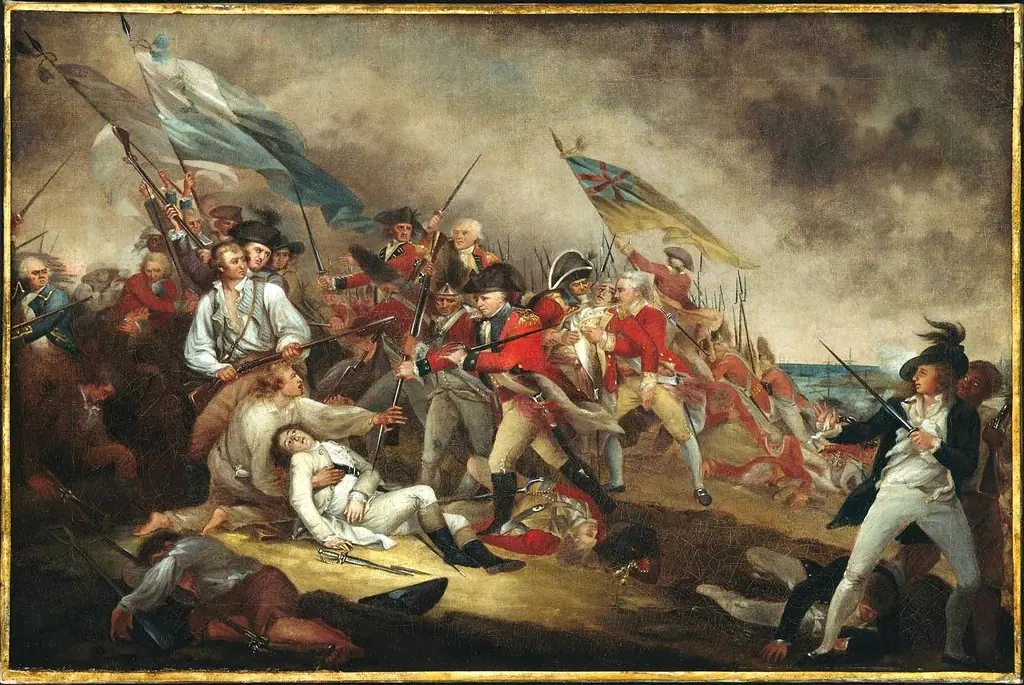 The Death of General Warren at the Battle of Bunker's Hill, 17 June, 1775
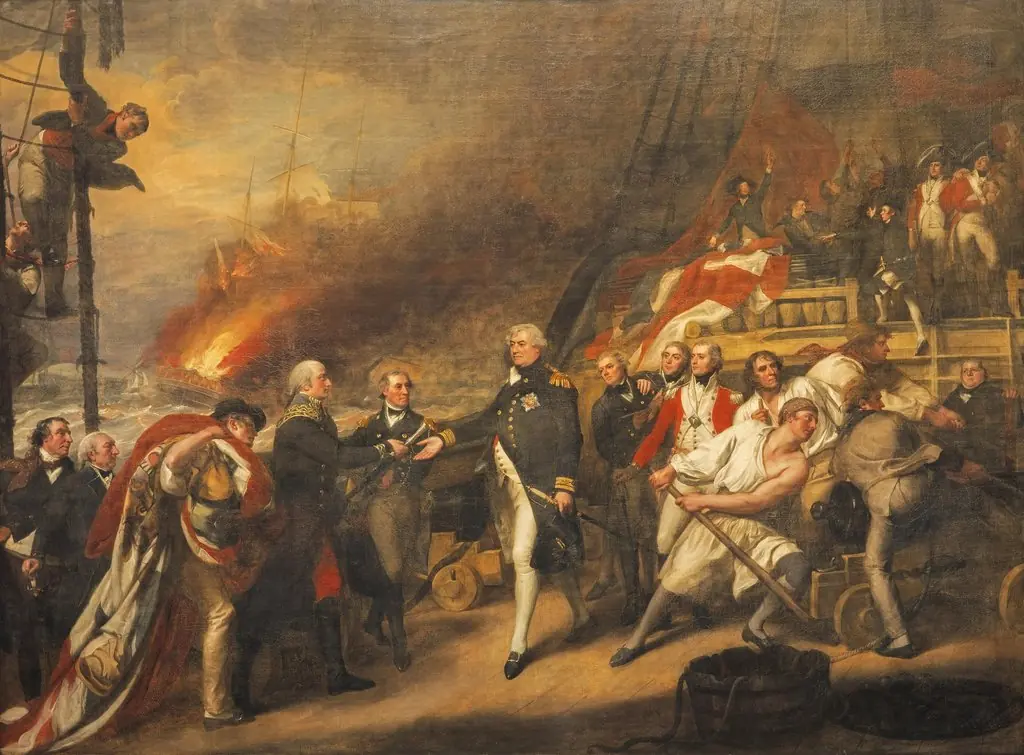 The Surrender of the Dutch Admiral de Winter to Admiral Duncan at the Battle of Camperdown (The Victory of Lord Duncan)
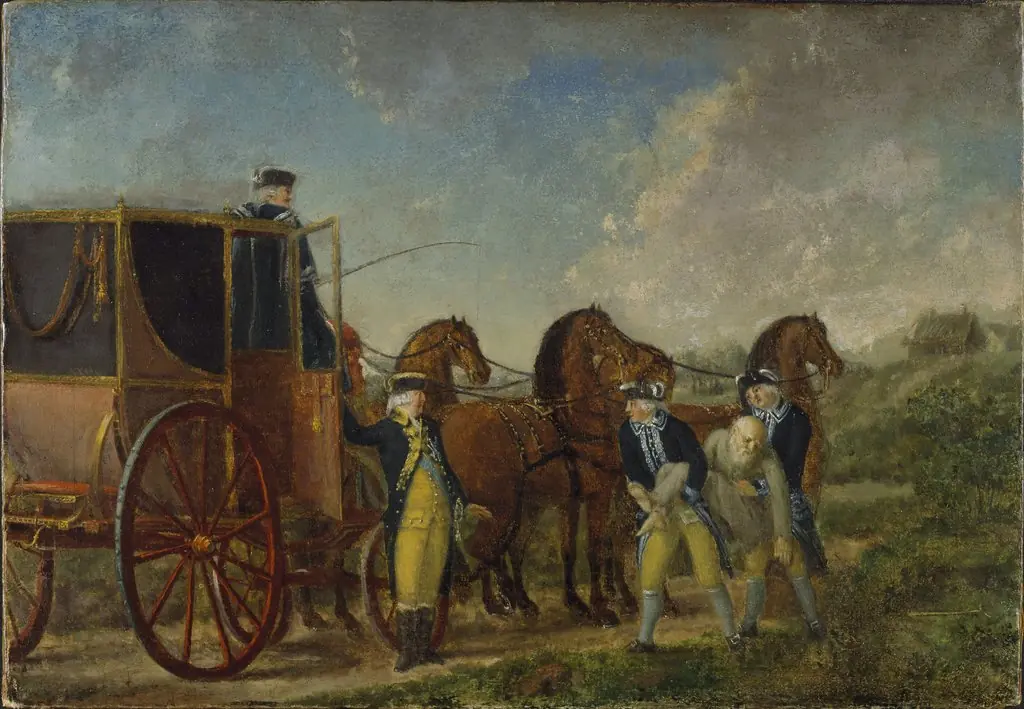 Konung Adolf Fredrik (1710-1771) vid Loka Brunn 1762
 Untitled
 Queen Victoria at a review in Cobham
 The Whiskey Rebellion
 Artillery Crossing a Stream
 Battle