Artwork
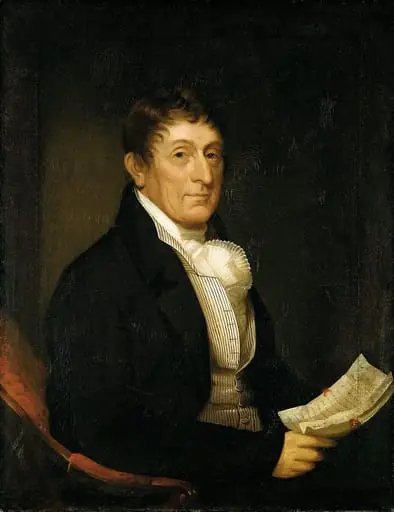
Portrait of Isaac Van der Beek
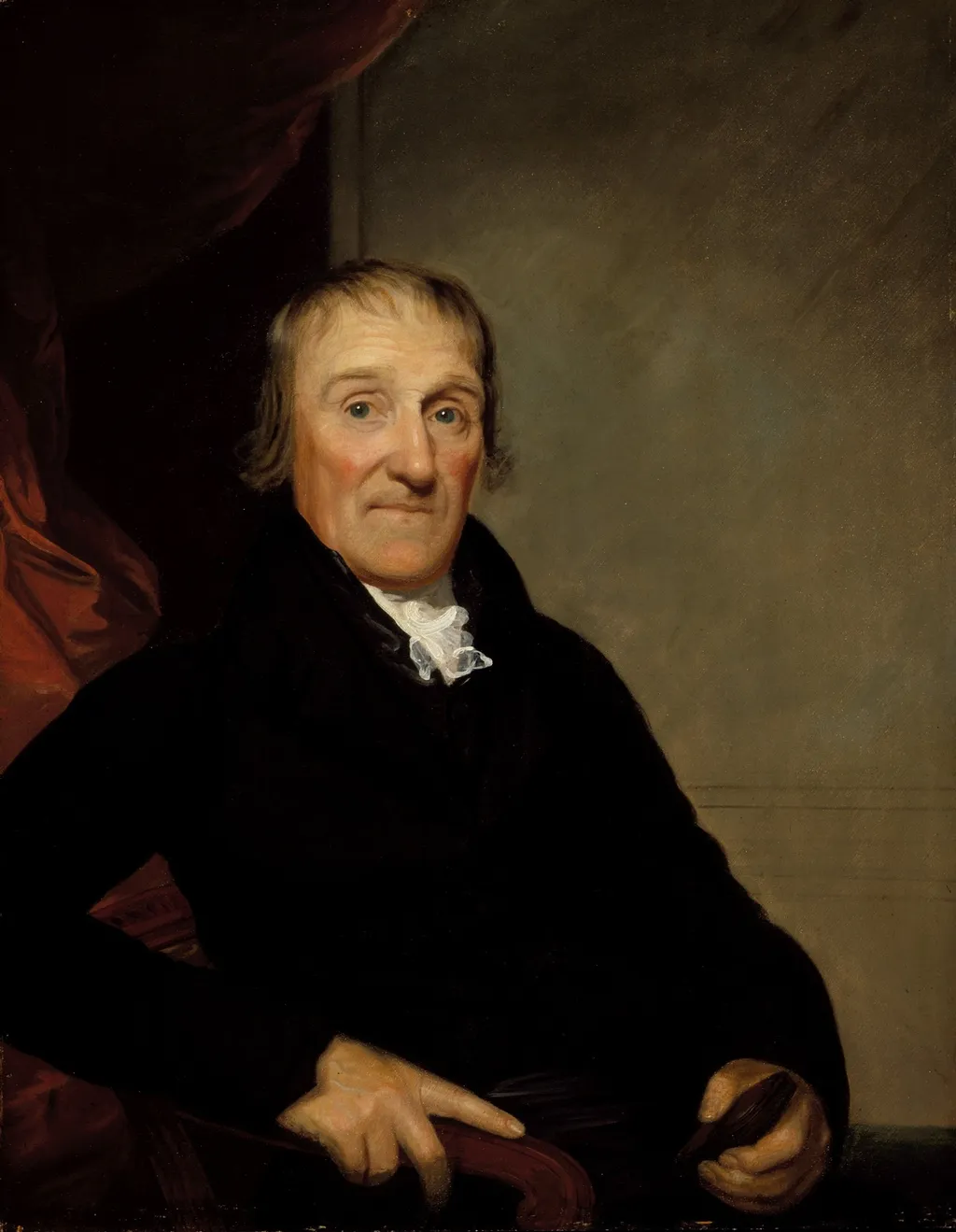
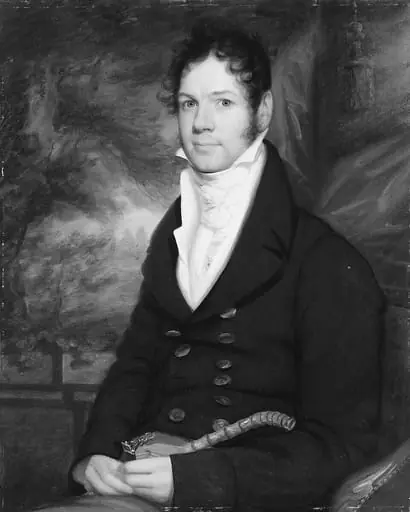
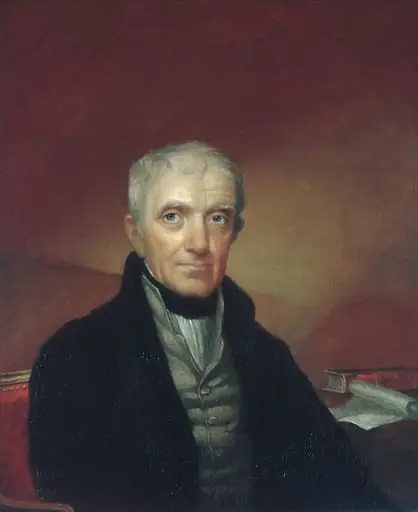
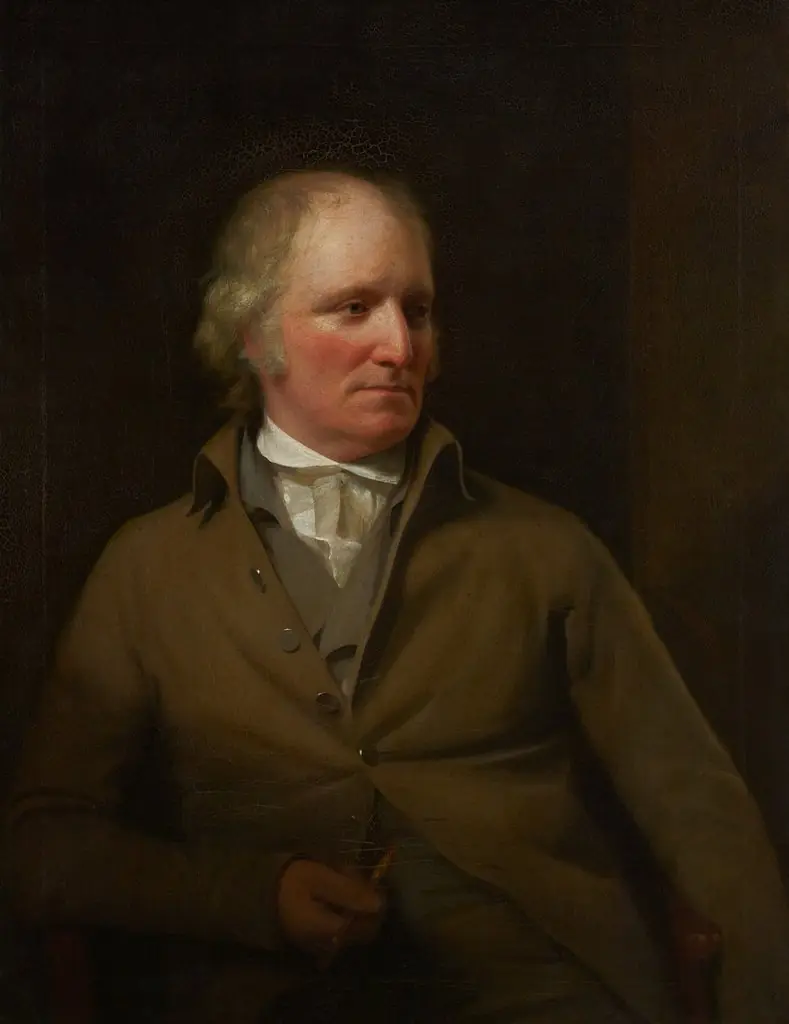
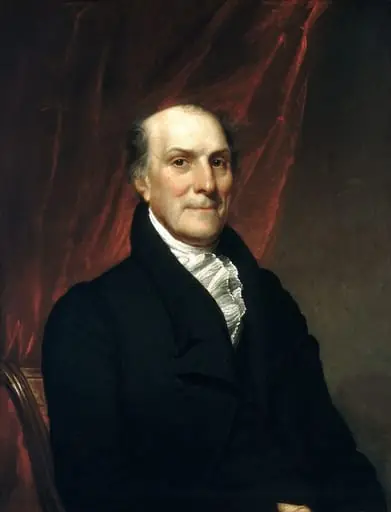
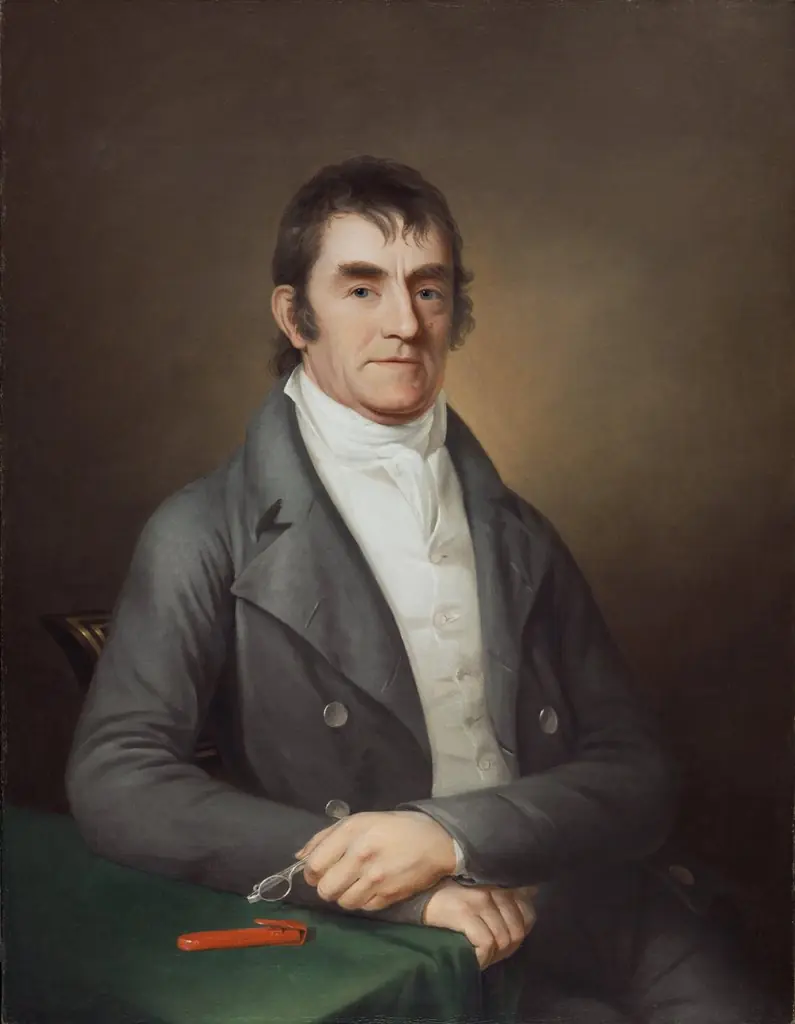
Portrait of Isaac Van der Beek is an unspecified painting by the American Folk Art artist John Wesley Jarvis. It dates from 1809 and is held in the collection of the Los Angeles County Museum of Art.
About this work
Overview
The work is part of the Los Angeles County Museum of Art’s collection and exemplifies early 19th-century American portraiture.
Painted in 1809 by John Wesley Jarvis, this portrait captures Isaac Van der Beek, a figure of modest social standing. The work is part of the Los Angeles County Museum of Art’s collection and exemplifies early 19th-century American portraiture. Jarvis rendered his subject with restrained elegance, avoiding theatricality in favor of quiet dignity. The composition centers on the sitter’s stillness and introspective presence.
Subject & Meaning
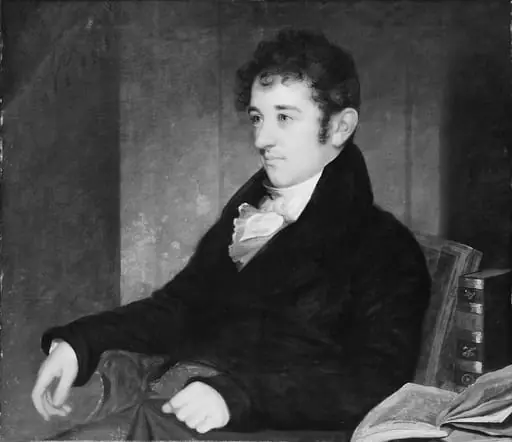
Isaac Van der Beek is depicted in a moment of quiet reflection, his gaze directed away from the viewer, suggesting inward thought. The object in his right hand—likely a book or letter—hints at intellectual or personal engagement. His attire, a dark coat with a crisp white collar, signals respectability without ostentation. The composition conveys a sense of private contemplation rather than public performance.
Technique & Style
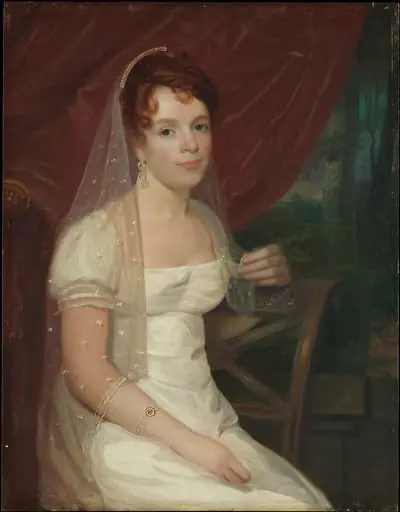
Jarvis employed soft modeling and a muted palette to emphasize the sitter’s form against a neutral background. The red chair and curtain provide subtle contrast without dominating the scene. Brushwork is precise but unobtrusive, favoring clarity over flourish. Light falls gently across the face and hands, drawing attention to expression and gesture while maintaining a calm, unified tone.
History & Provenance
The painting remained in private hands for much of its early history before entering the Los Angeles County Museum of Art’s collection. Its journey through collectors is not fully documented, but its preservation reflects its status as a representative work of early American portraiture. Jarvis’s reputation as a portraitist in New York during this period lends context to its creation and survival.
Context
Created during a time when American artists were establishing a distinct visual identity, Jarvis’s portrait reflects the growing middle class’s desire for dignified representation. Unlike grand European traditions, this work avoids symbolic allegory, focusing instead on individual presence. The subdued setting and restrained palette align with emerging American tastes favoring sincerity over ornamentation.
Legacy
Though not widely known outside regional art circles, the portrait stands as a quiet example of early American portraiture’s evolution. Jarvis’s ability to convey character through restraint influenced later artists seeking authenticity over grandeur. The painting endures as a testament to the everyday dignity captured in domestic and professional life during the early republic.
Own this work as a print
Artist & collection

Artist
John Wesley Jarvis (1781–1839) was an American artist, born in South Shields.