Artwork
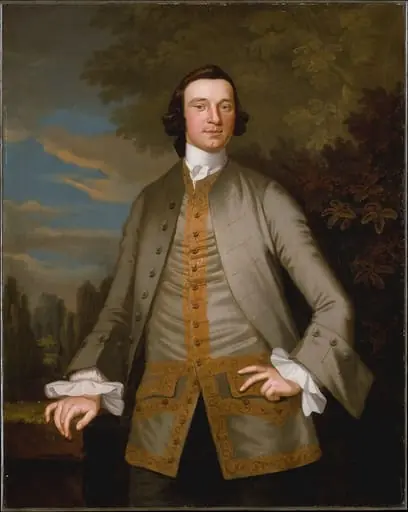
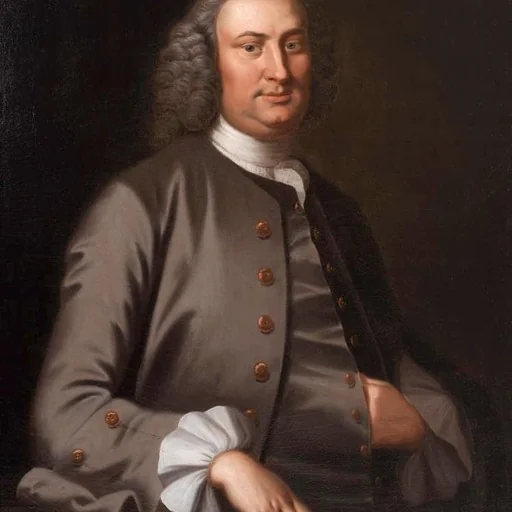
Portrait of a Young Man
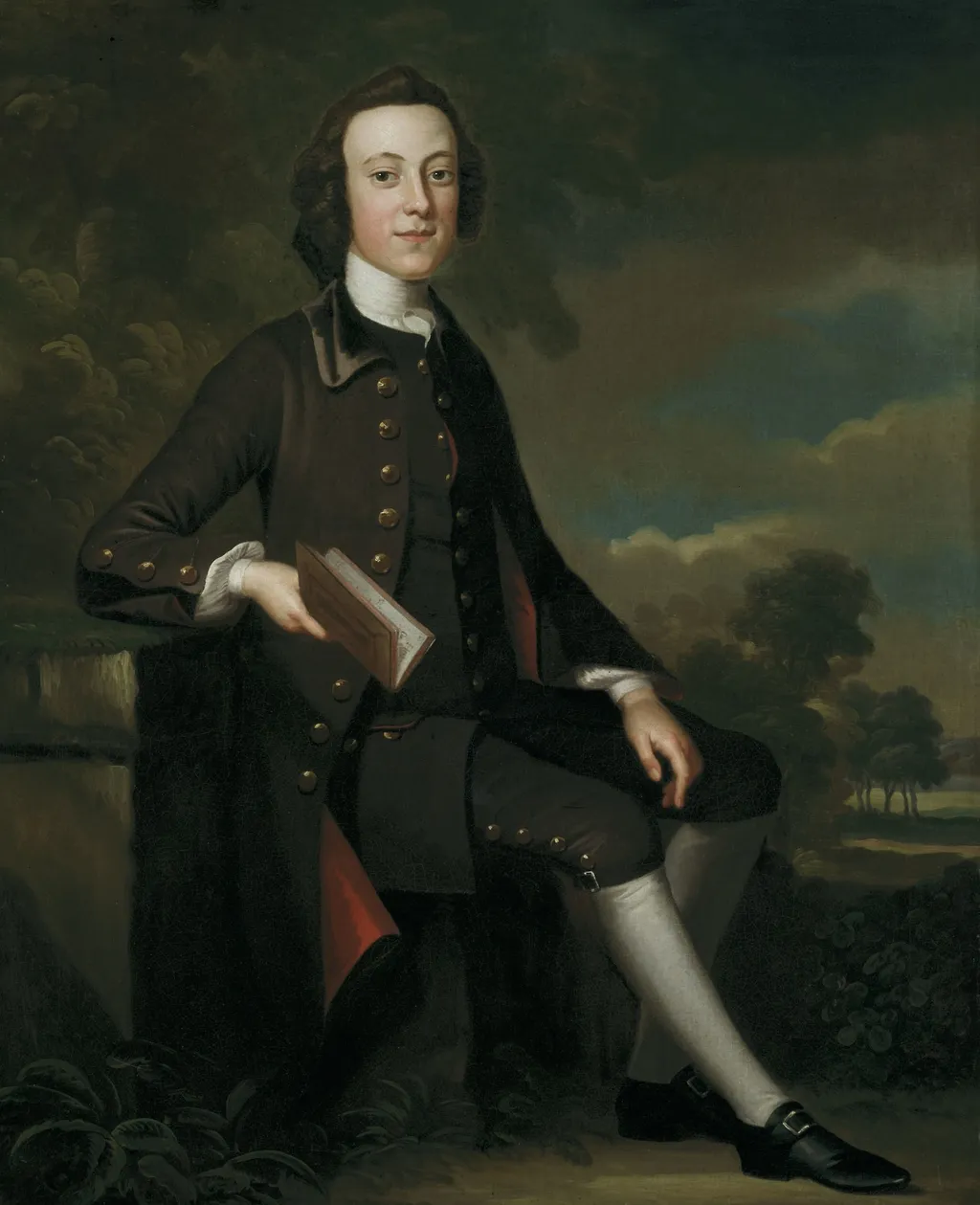
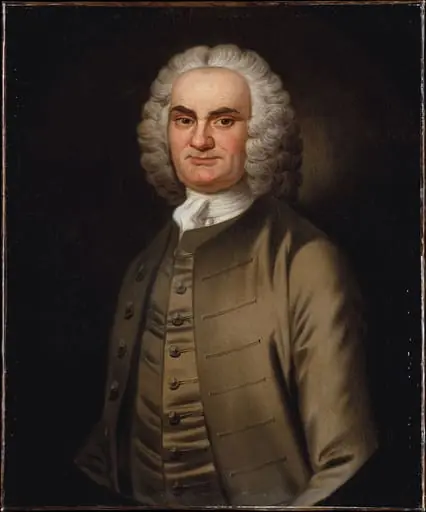
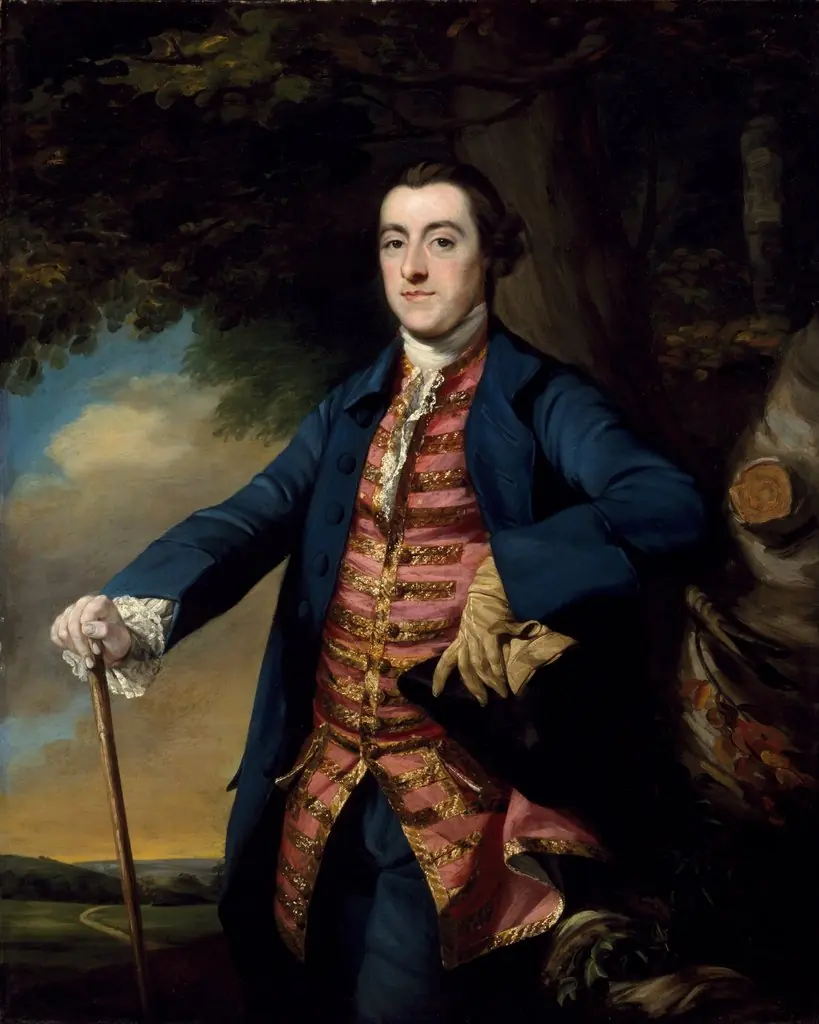
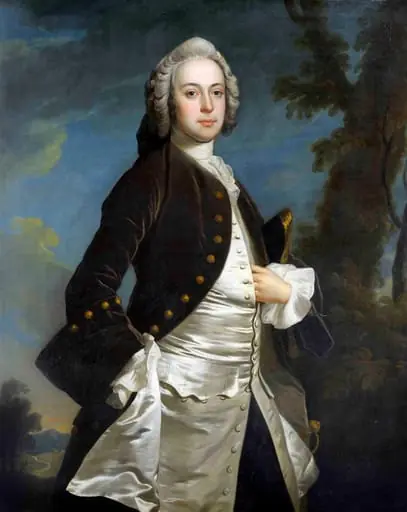
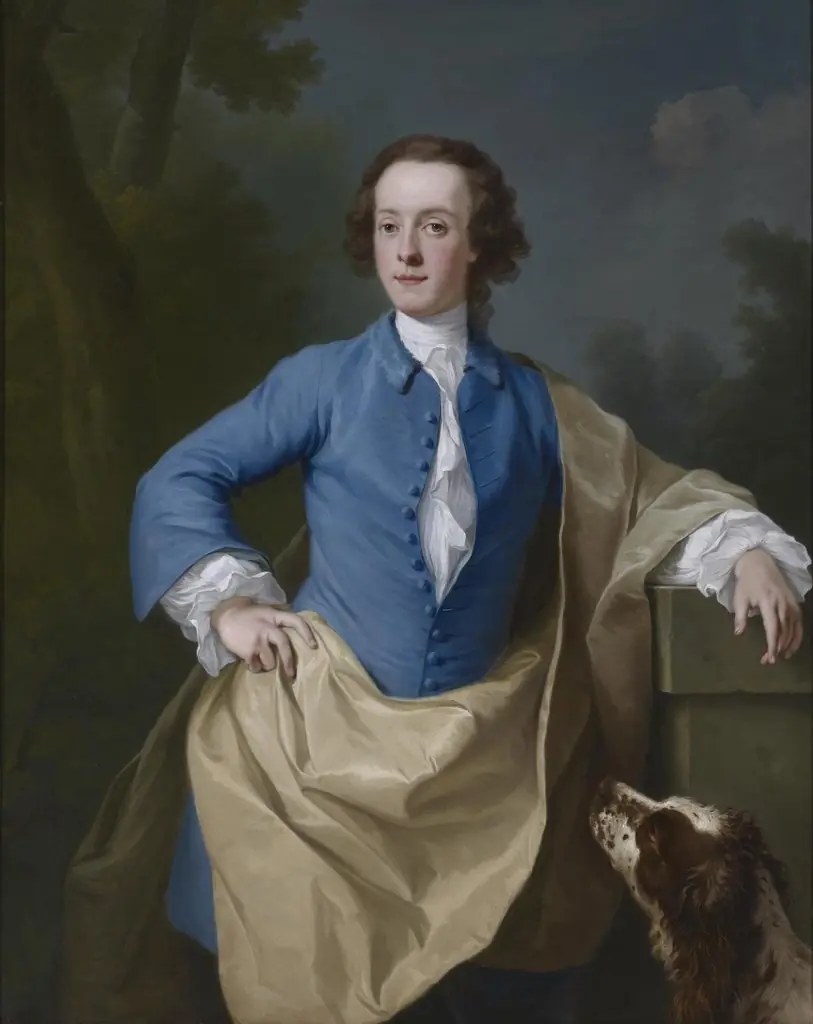
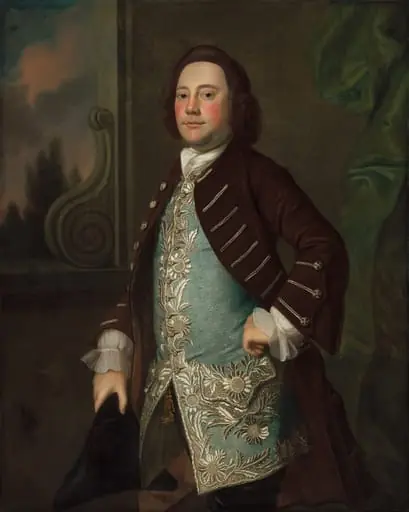
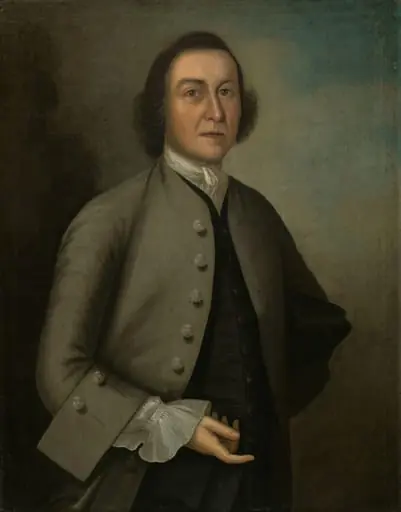
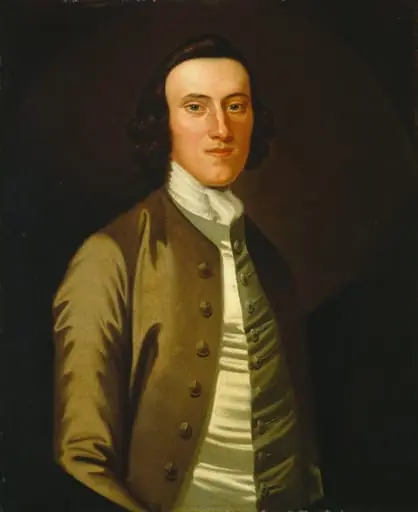
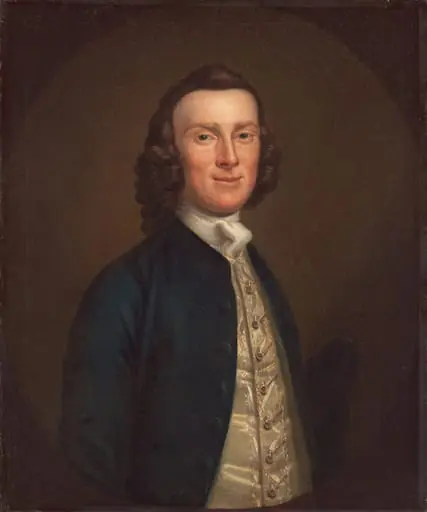
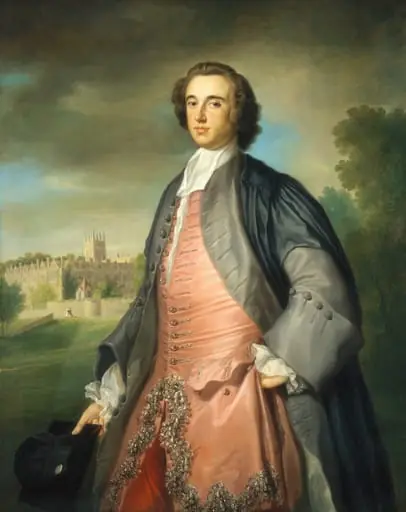
Portrait of a Young Man is an oil painting by the Rococo painting artist John Wollaston. It dates from 1750 and is held in the collection of the Art Institute of Chicago.
About this work
Overview
Wollaston, an English-born artist active in British North America, specialized in portraiture and introduced elements of English Rococo to colonial audiences.
Painted circa 1750, this oil portrait by John Wollaston the Younger captures a young man in formal attire against a subdued landscape. Wollaston, an English-born artist active in British North America, specialized in portraiture and introduced elements of English Rococo to colonial audiences. The work reflects the period’s emphasis on refined presentation and social status, executed with careful attention to texture and light.
Subject & Meaning
The subject is a well-dressed young man, likely from a prosperous background, depicted holding a book to suggest education and intellectual refinement. His dark coat, white shirt, and stockings signal wealth and conformity to contemporary gentlemanly norms. The inclusion of the book and the calm landscape behind him imply cultivated tastes and moral seriousness, common themes in colonial portraiture meant to convey character as much as likeness.
Technique & Style
Wollaston employed chiaroscuro to model the figure with subtle gradations of light and shadow, enhancing the three-dimensionality of the face and hands. The Rococo influence appears in the delicate rendering of fabric, particularly the gold buttons and lace details, though the composition remains restrained compared to European examples. The background’s soft, atmospheric landscape contrasts with the sharp focus on the sitter, directing attention to his poised demeanor.
History & Provenance
Created during Wollaston’s decades-long career in the American colonies, the painting reflects his mobility and clientele among colonial elites. It entered the Art Institute of Chicago’s collection through documented acquisitions, though its early ownership history remains partially obscure. Its preservation offers insight into the transmission of British artistic conventions in 18th-century North America.
Context
In mid-18th-century North America, portraiture served as a marker of social identity for the emerging colonial gentry. Wollaston’s work responded to demand for images that aligned with English tastes, even as local materials and training limited technical sophistication. This portrait exemplifies how colonial artists adapted European styles to suit regional patrons seeking cultural legitimacy through visual representation.
Legacy
Wollaston’s portraits, including this one, remain among the most recognizable examples of colonial American art. While not revolutionary in technique, his consistent output helped standardize a visual language of gentility across the colonies. The painting endures as a quiet testament to the aspirations of a society shaping its own identity through the conventions of European portraiture.
Own this work as a print
Artist & collection
Artist
John Wollaston (fl. 1742 – 1775) was an English painter who specialised in portrait painting and was active mostly in British North America. He was one of a handful of painters to introduce English Rococo styles of…