Artwork
The Toilet
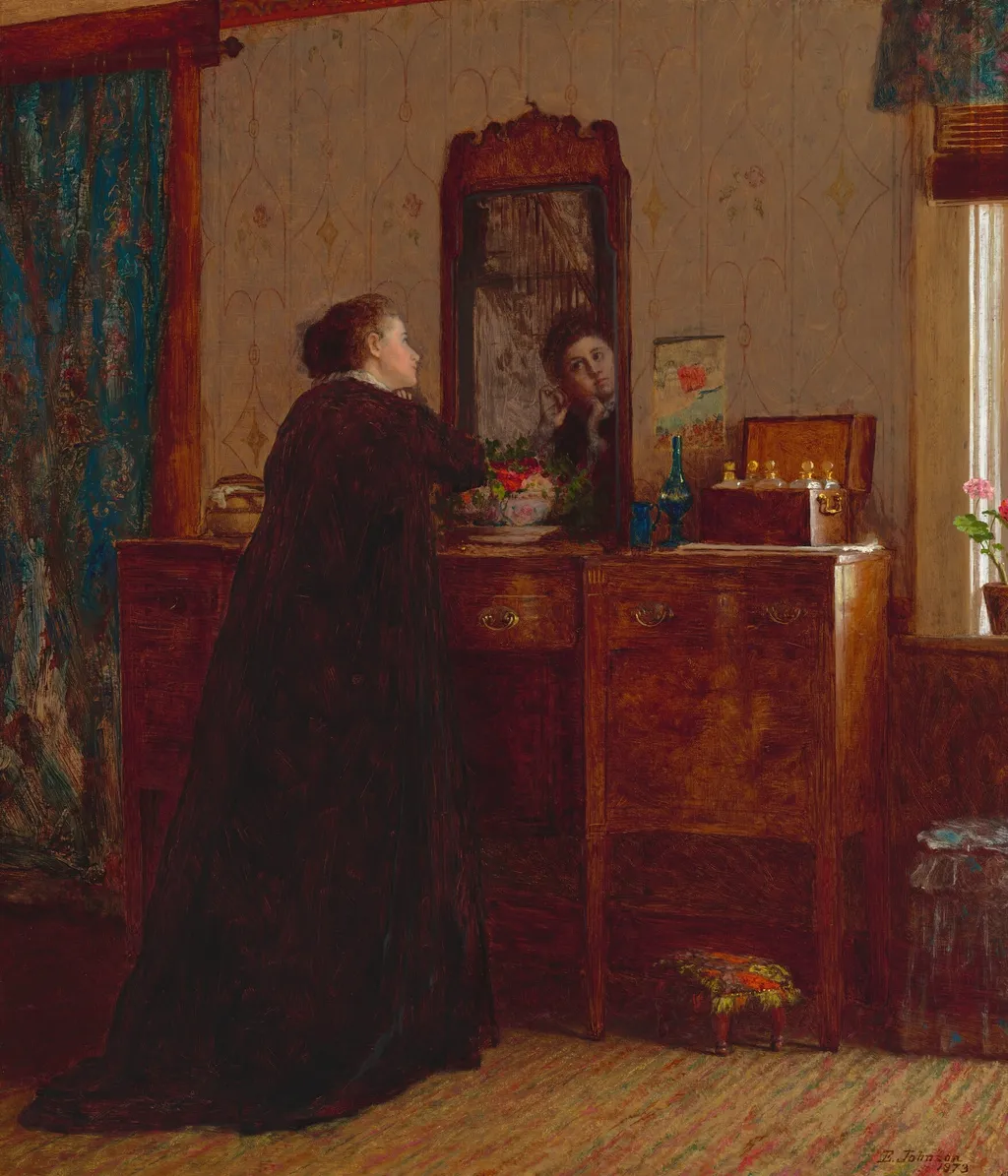
The Toilet is an oil painting by the American Impressionist artist Eastman Johnson. It dates from 1873 and is held in the collection of the National Gallery of Art.
About this work
Overview
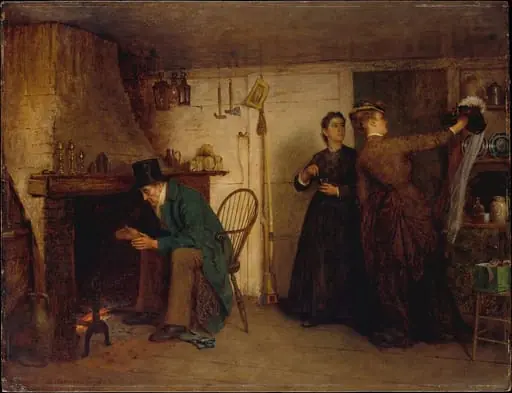
Eastman Johnson’s 1873 work titled The Toilet is executed in oil on paperboard. The composition captures a solitary woman in a dark, floor‑length dress as she stands before a dresser, gazing into a mirror. The setting is a modestly furnished interior, its wallpaper and curtains framing a quiet, personal moment.
Subject & Meaning
The figure’s attentive pose, reflected in the mirror, suggests a private ritual of self‑examination or preparation. Objects on the dresser—a vase of flowers, bottles, and a small box—hint at everyday domestic concerns, reinforcing the painting’s focus on intimate, everyday life rather than grand narrative.
Technique & Style
Johnson employs oil on paperboard, a medium that allows for fine detail and subtle tonal variation. The brushwork balances realistic rendering of textures—fabric, glass, and wood—with a softened atmospheric quality, aligning the piece with mid‑19th‑century American realism that occasionally touches on Impressionist sensibilities.
History & Provenance
Created in 1873, The Toilet reflects Johnson’s mature period, when he turned increasingly toward domestic scenes. While specific ownership records are limited, the work has been documented in several American collections and exhibitions that explore 19th‑century genre painting.
Artist & collection
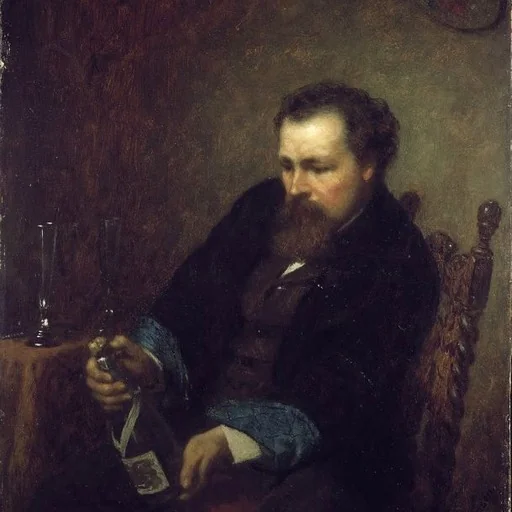
Artist
Jonathan Eastman Johnson (July 29, 1824 – April 5, 1906) was an American painter and co-founder of the Metropolitan Museum of Art, New York City, with his name inscribed at its entrance.