Artwork
HMS Steam-Powered Battleship Medusa Opening the Shimonoseki Straits
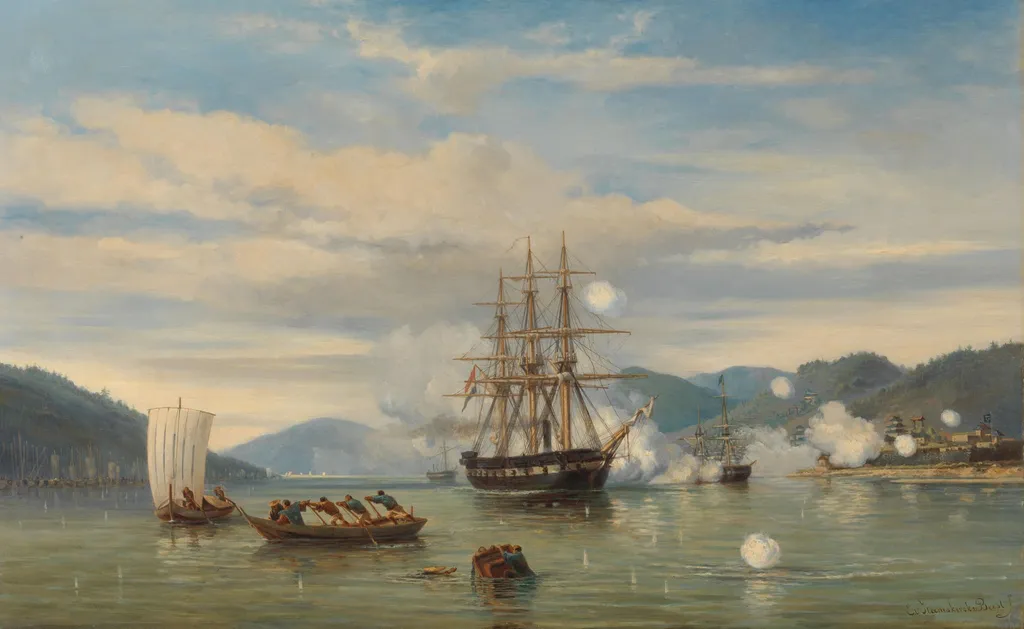
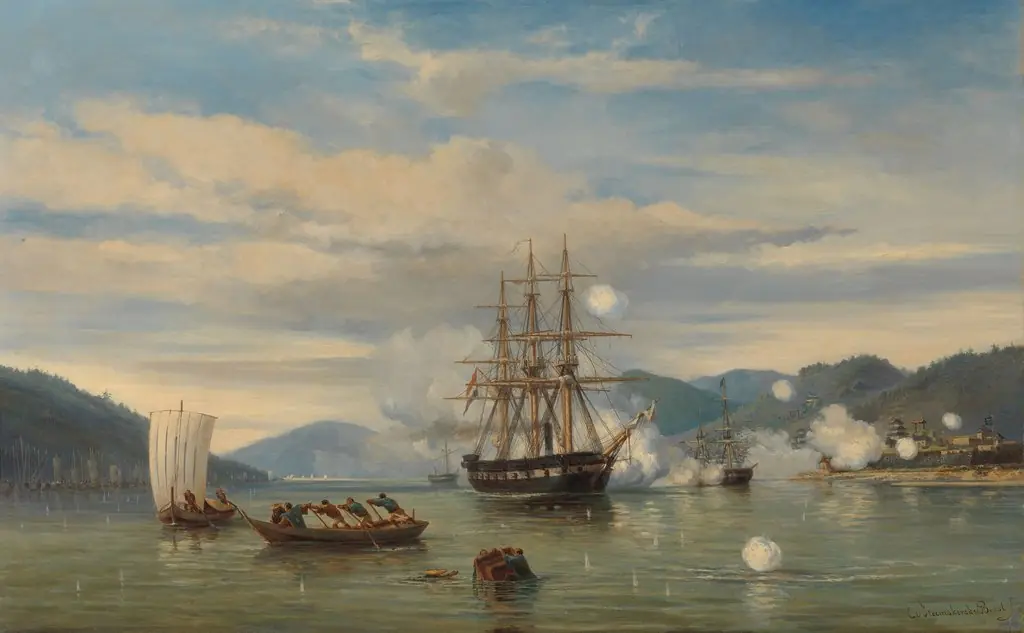
HMS Steam-Powered Battleship Medusa Opening the Shimonoseki Straits is an unspecified painting by the Realist artist Jacob Eduard van Heemskerck van Beest. It dates from 1864 and is held in the collection of the Rijksmuseum.
About this work
This painting shows a real moment in 1864, when Western ships forced Japan to open its ports.
A black steam warship cuts through choppy water under a stormy sky. Cannons poke from its sides, and tiny figures scurry on deck.
This painting shows a real moment in 1864, when Western ships forced Japan to open its ports. The artist probably saw the battle and painted it later. The ship, *Medusa*, was Dutch—one of the first steam-powered battleships in Asia.
To see more ships like this, visit the Rijksmuseum.
Overview
This painting depicts a pivotal naval event in 1864, when Western vessels, including the Dutch warship Medusa, navigated the Shimonoseki Straits.
Subject & Meaning
The artwork captures a moment in the conflict between Japan and Western powers over trade and isolationism, with the Medusa representing Western military intervention.
Technique & Style
The painting features a dramatic composition, with a black steam warship dominating the scene amidst turbulent water and a stormy sky, conveying the intensity of the naval action.
History & Provenance
The event commemorated in the painting occurred during a period of significant turmoil in Japan, with the Medusa playing a key role in the Western allies' military expedition to enforce the opening of Japanese ports.
Own this work as a print
Artist & collection
Artist
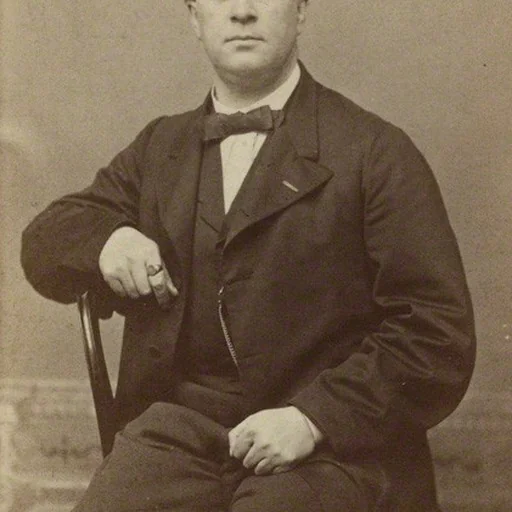
Jacob Eduard van Heemskerck van Beest
Jkhr. Jacob Eduard van Heemskerck van Beest (Dutch pronunciation: ; 28 February 1828 – 24 December 1894) was a Dutch painter.

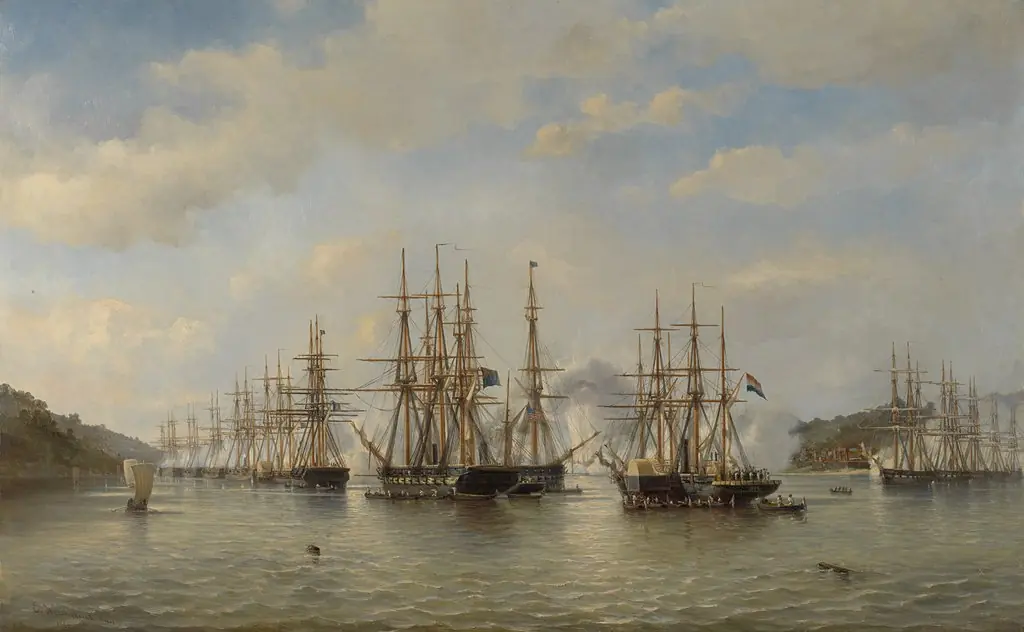
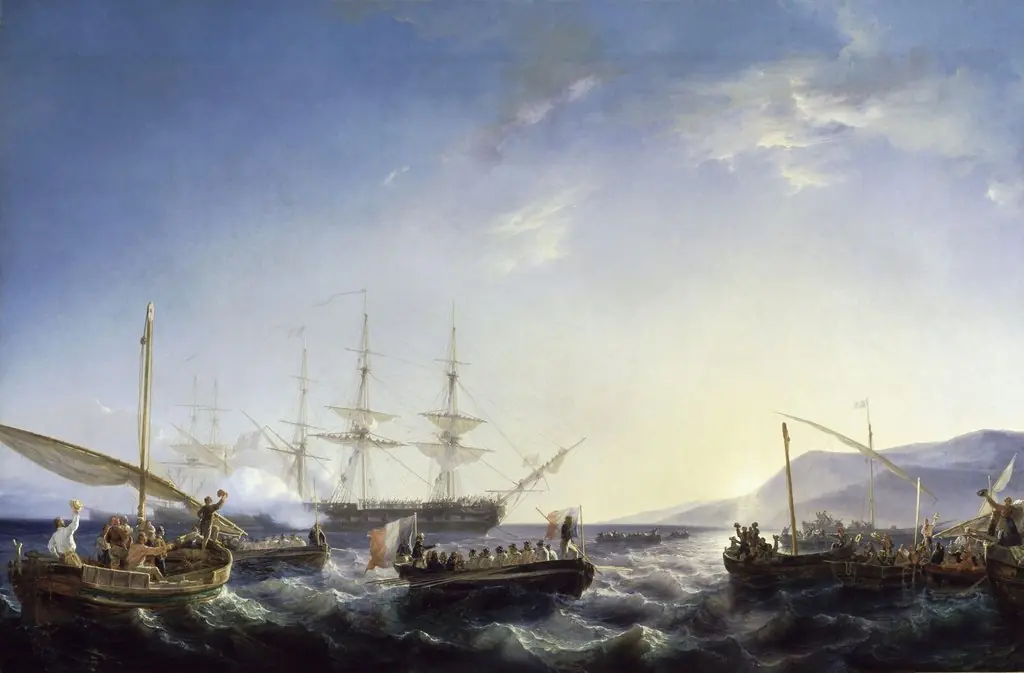 Bonaparte arriving in France back from Egypt on 9 October 1799
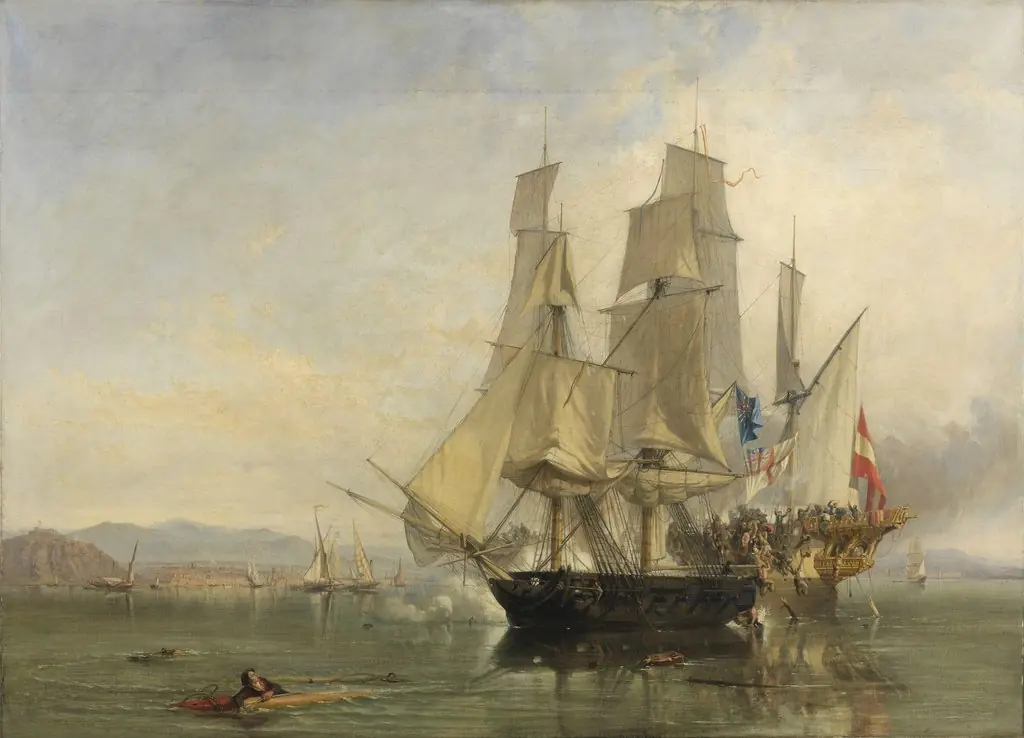 The Action and Capture of the Spanish Xebeque Frigate El Gamo
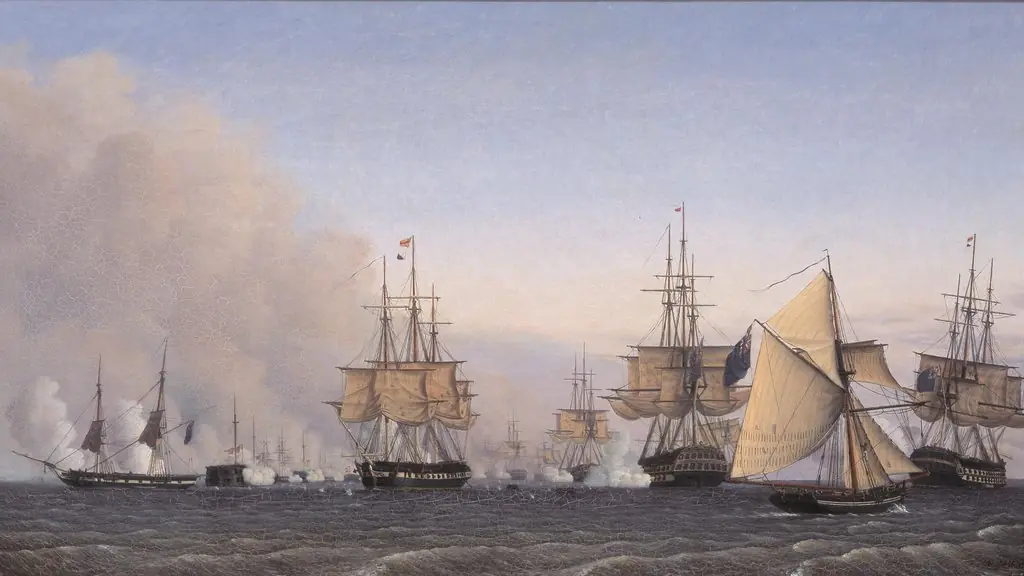 Slaget på Rheden den 2. april 1801
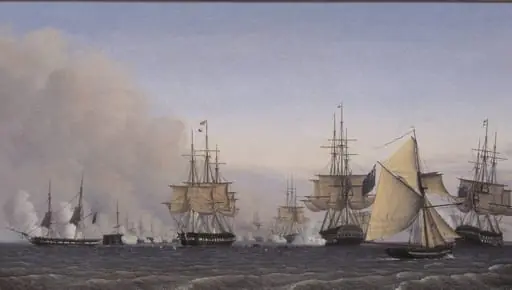 Slaget på Rheden den 2. april 1801
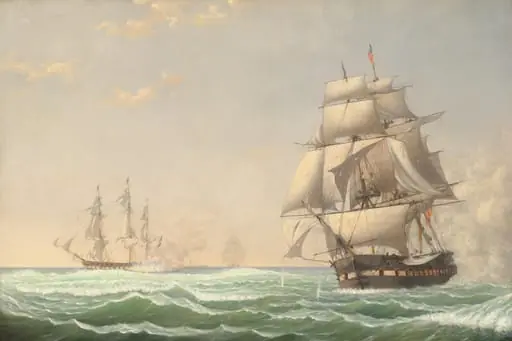 The United States Frigate "President" Engaging the British Squadron, 1815
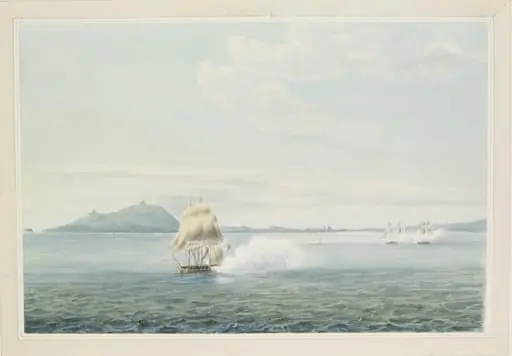 Gibraltar
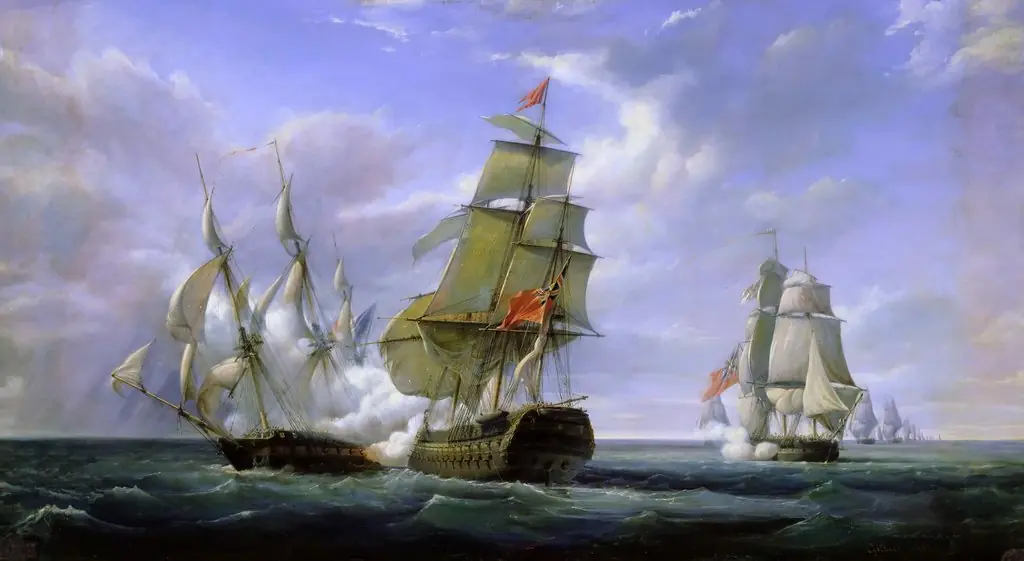 Fight of the British Third Rate 74-gun ship-of-the-line HMS Tremendous and HMS ''Hindostan against the French frigate Cannonière, 21 April 1806.
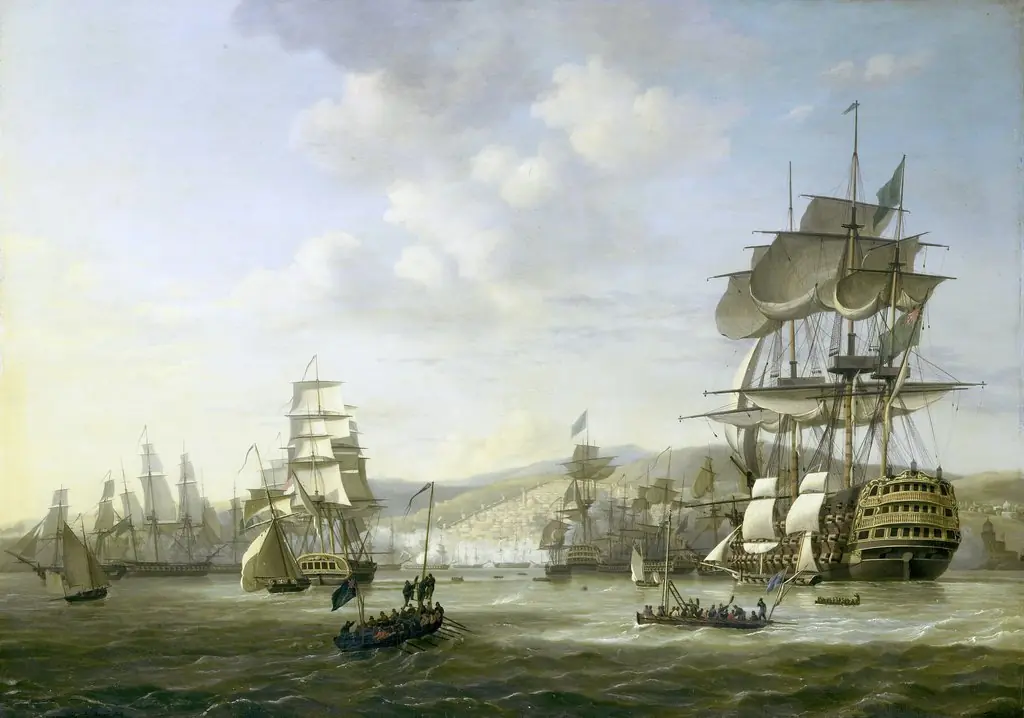 The Anglo-Dutch Fleet in the Bay of Algiers Backing up the Ultimatum to Release the Christian Slaves, 26 August 1816
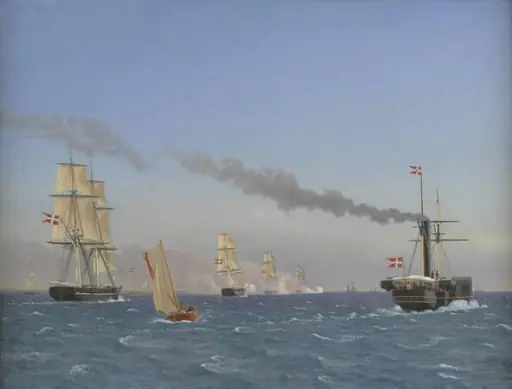 Christian VIII Aboard his Steamship "Ægir" Watching the Manoeuvres of a Squadron near Copenhagen