Artwork
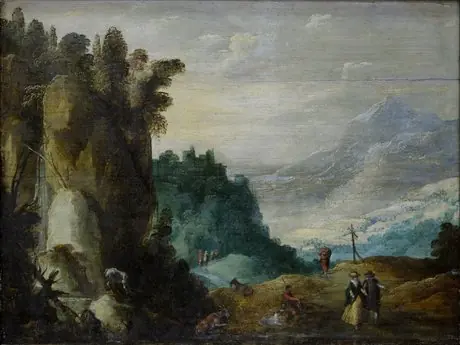
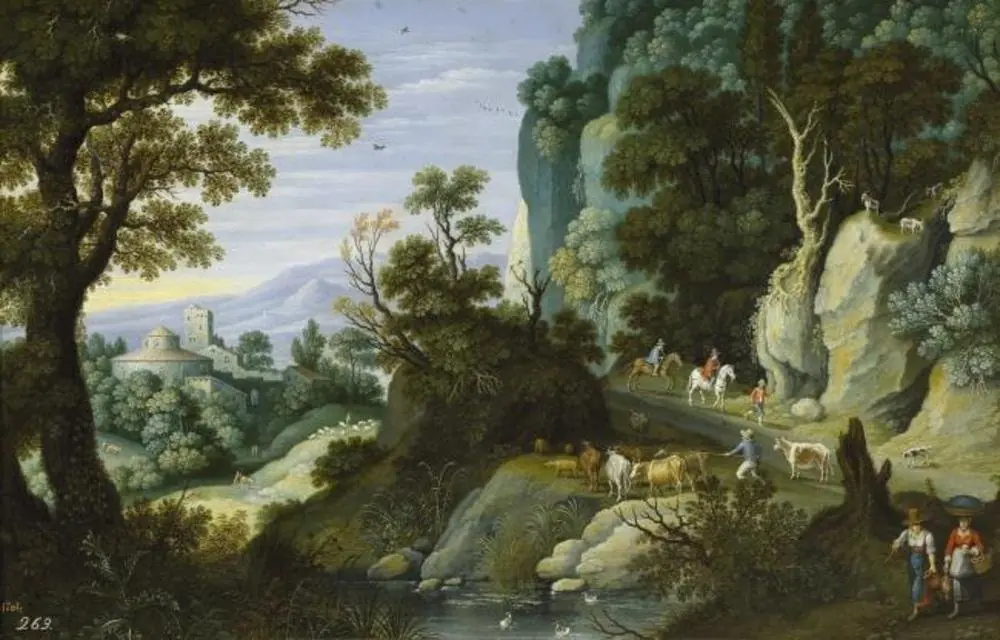
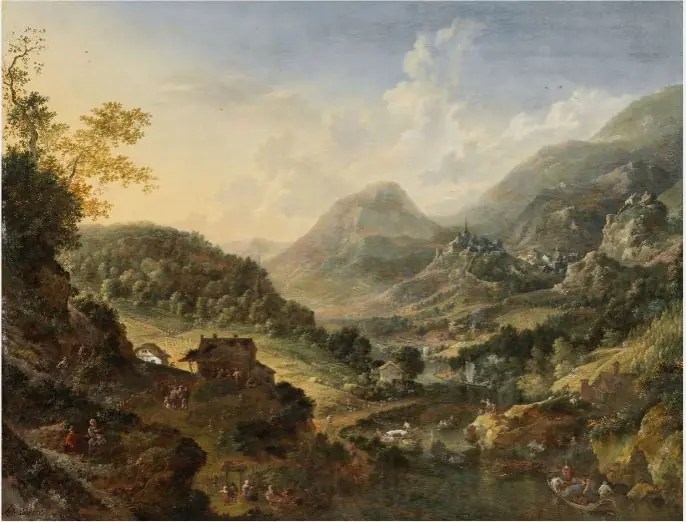
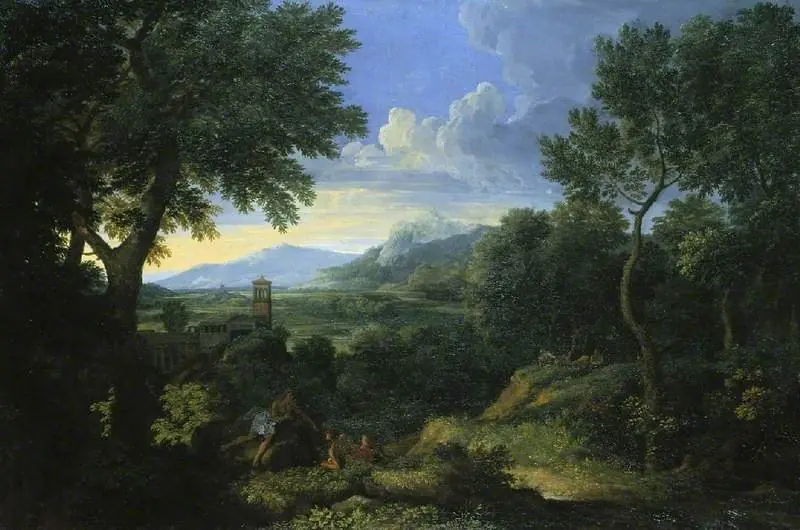
Große Gebirgslandschaft mit Reisenden
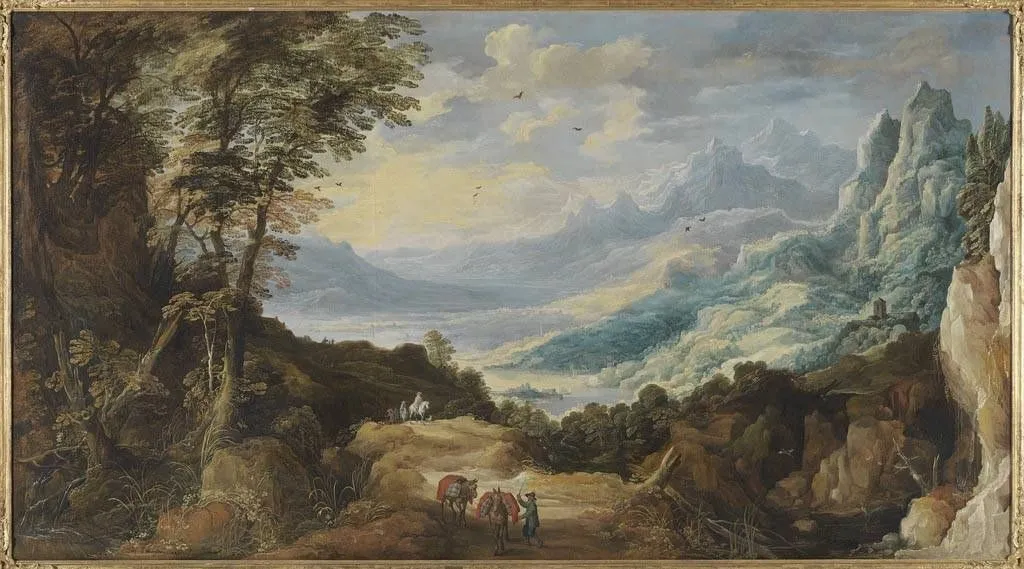
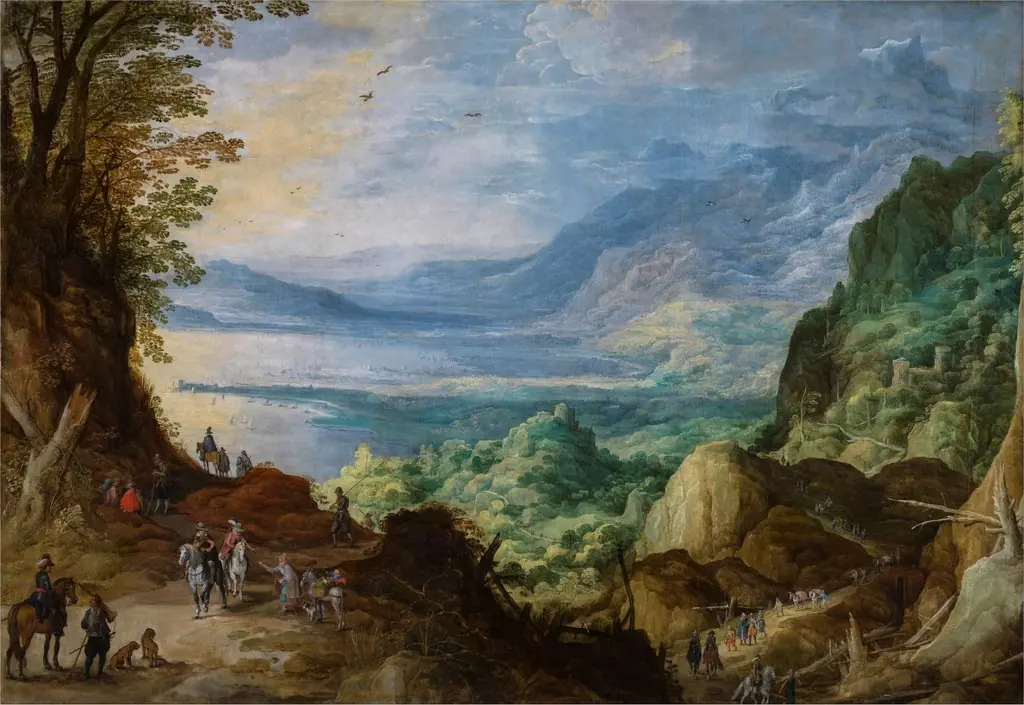
Große Gebirgslandschaft mit Reisenden is an oil painting by the Flemish Baroque painting artist Joos de Momper the Younger. It dates from 1623 and is held in the collection of the Bavarian State Painting Collections.
About this work
Overview
Created in 1623 by the Flemish painter Joos de Momper the Younger, this oil on canvas presents a broad mountainous landscape populated by travelers. The work is part of the collection of the Alte Pinakothek in Munich and exemplifies the early‑17th‑century shift toward more naturalistic scenery within the Flemish Baroque tradition.
Subject & Meaning
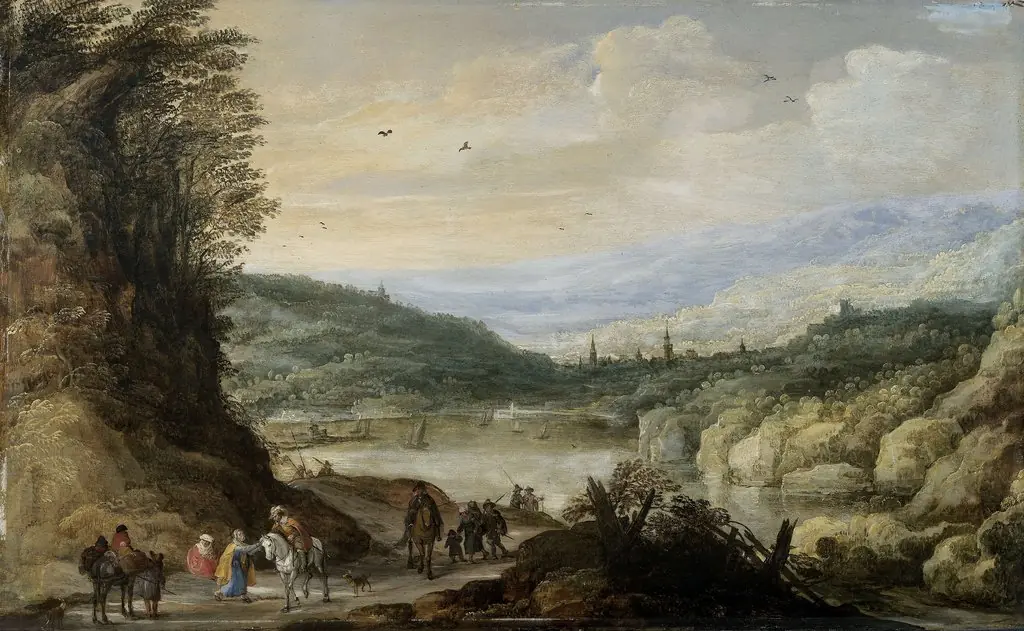
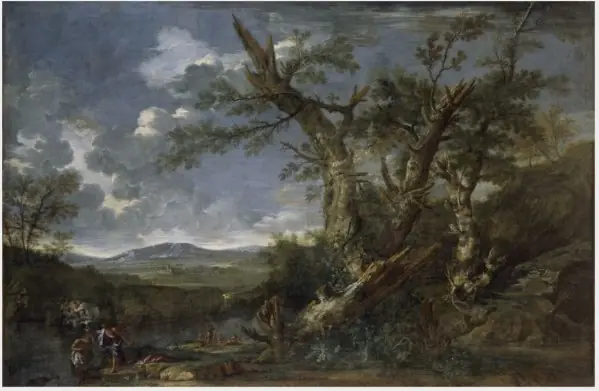
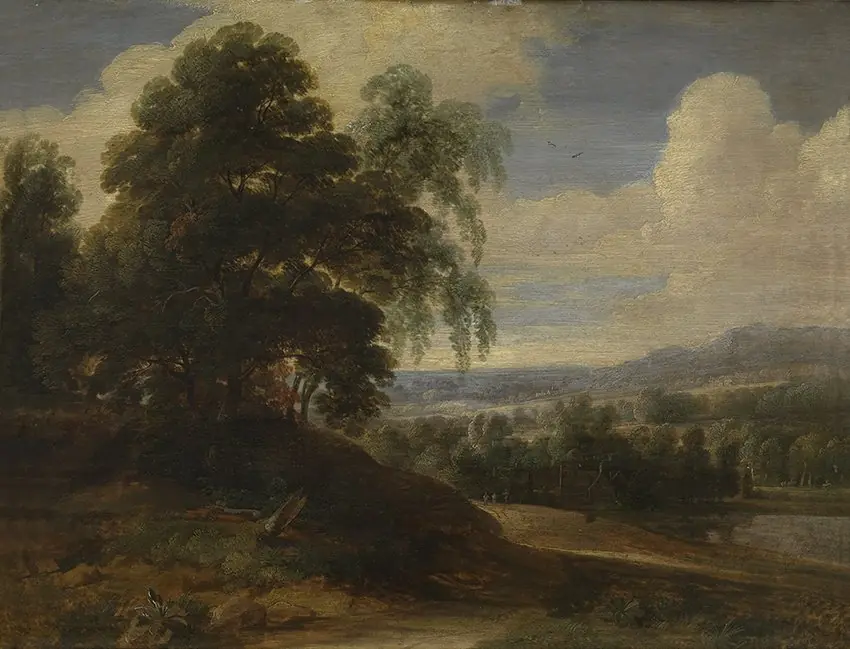
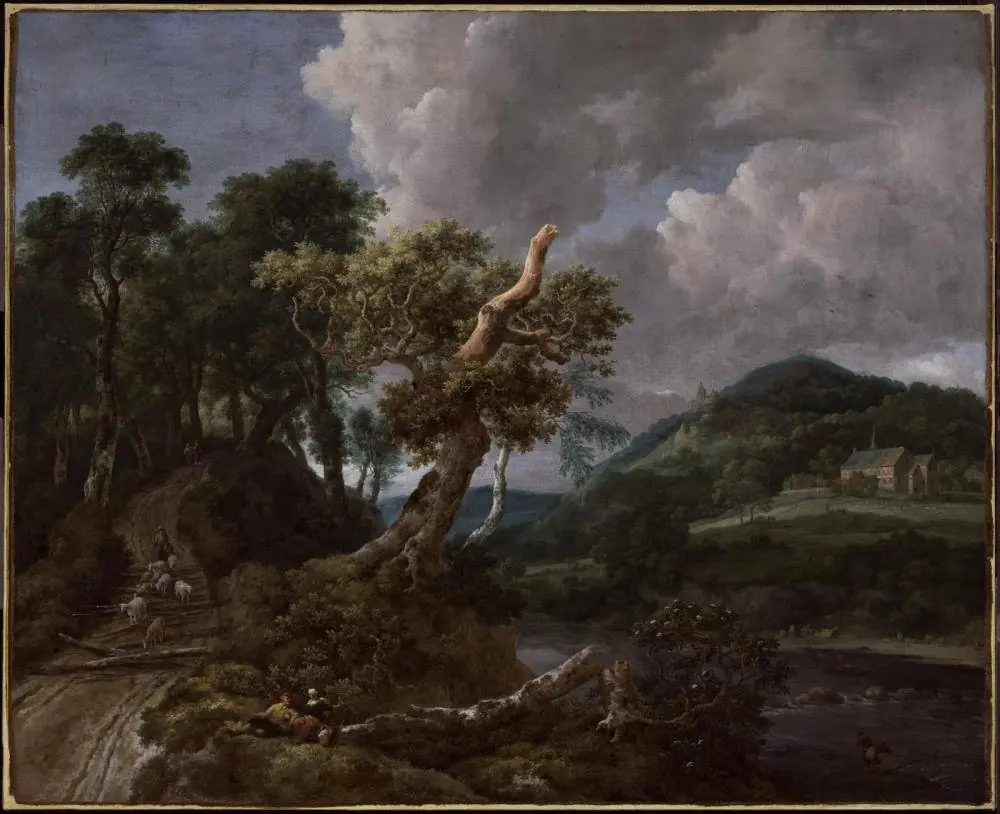
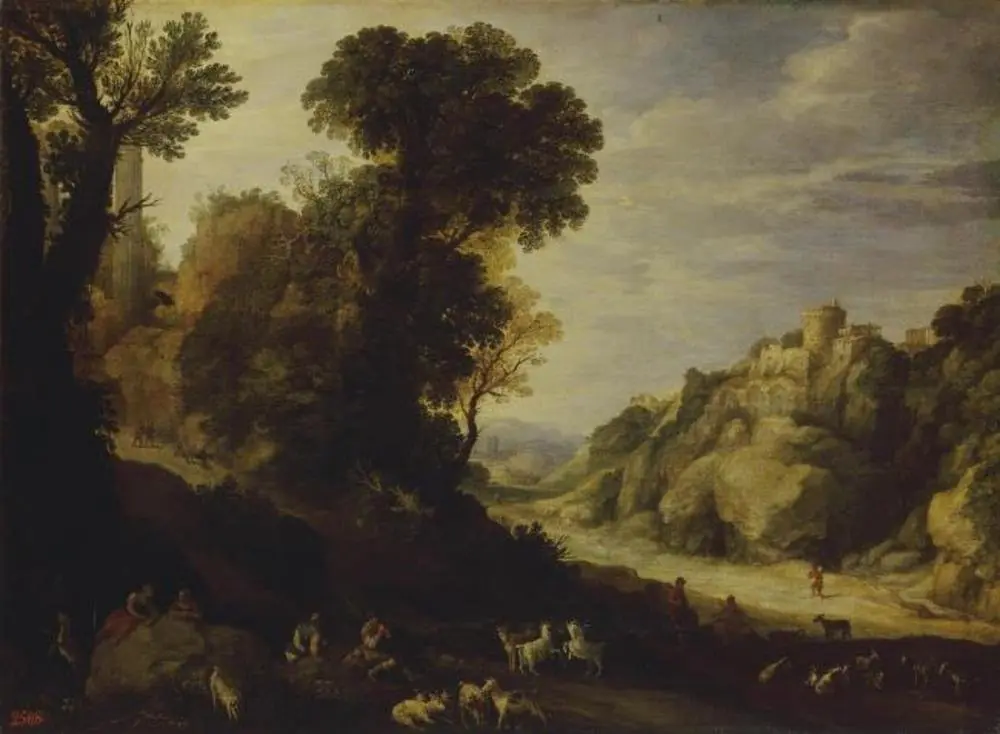
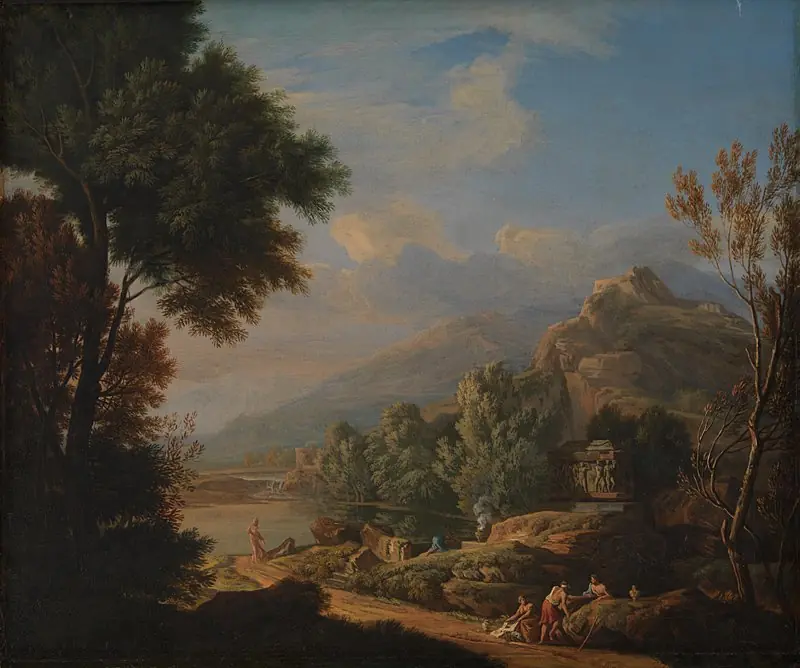
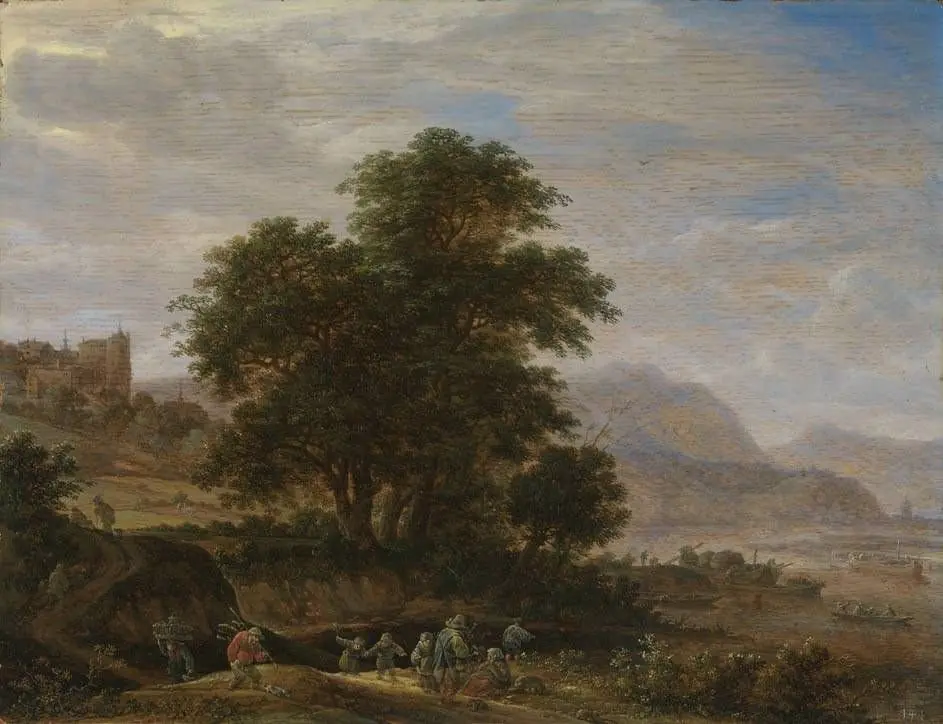
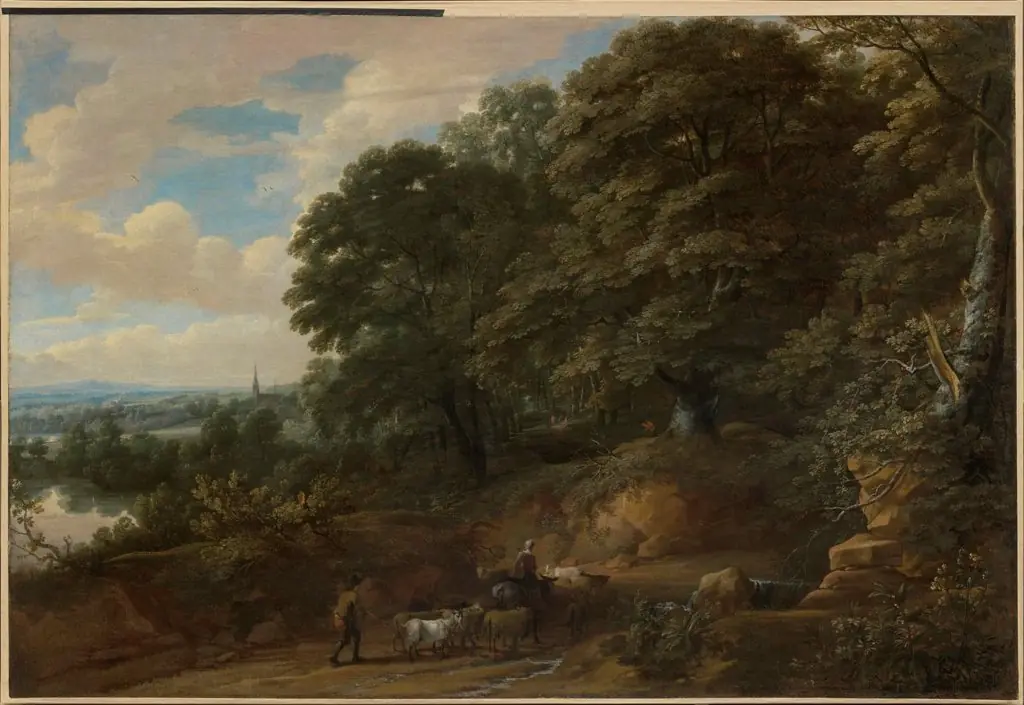
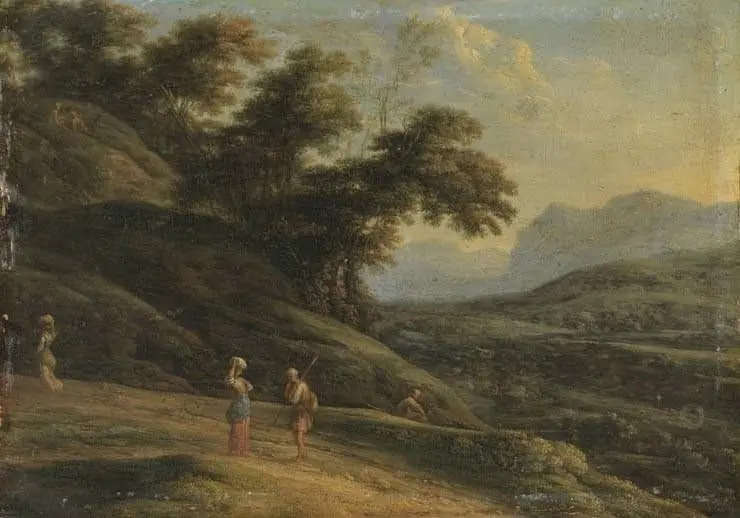
The composition shows a winding path that leads a man, a horse and a donkey through a foreground of trees toward a tranquil lake and distant peaks. Above, a cloud‑filled sky hosts a few birds, suggesting a calm journey through an expansive, yet orderly, natural world.
Technique & Style
De Momper employs a muted palette and graduated light to model forms, creating atmospheric depth through subtle chiaroscuro. The balanced arrangement of foreground, water, and mountains reflects the influence of Pieter Brueghel the Elder, while the handling of detail signals a move away from late Mannerist stylisation toward realistic observation.
History & Provenance
After its completion in Antwerp, the painting entered private collections before being acquired by the Bavarian state museum. It has remained in the Alte Pinakothek’s holdings since the 19th century, where it is displayed among other works of the Flemish Baroque period.
Context
During the early 1600s, Flemish artists increasingly emphasized natural landscapes as independent subjects. De Momper’s work illustrates this trend, integrating genre elements—travelers on a road—with a panoramic view that reflects contemporary interest in geography and exploration.
Artist & collection
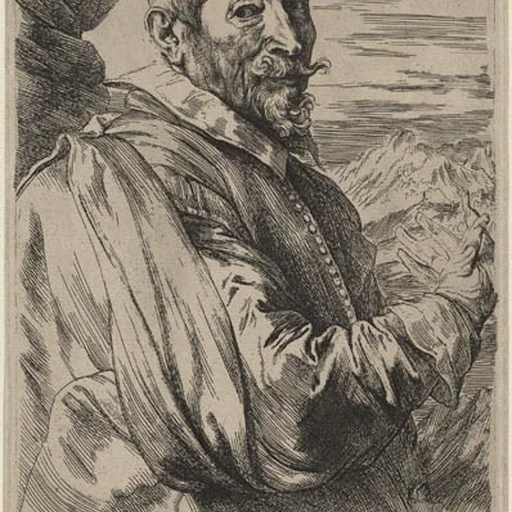
Artist
Joos de Momper the Younger or Joost de Momper the Younger (c. 1564 – 5 February 1635) was a Flemish landscape painter active in Antwerp between the late 16th century and the early 17th century. Brueghel's influence is…