Artwork
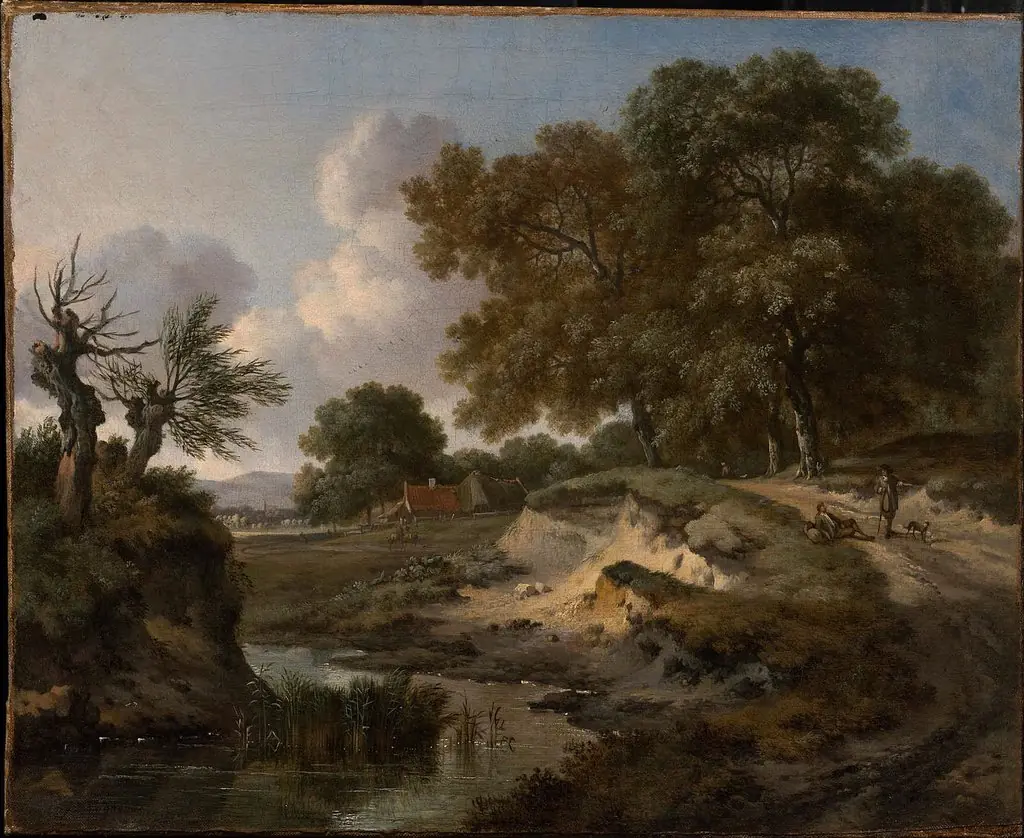
Road through a Forest
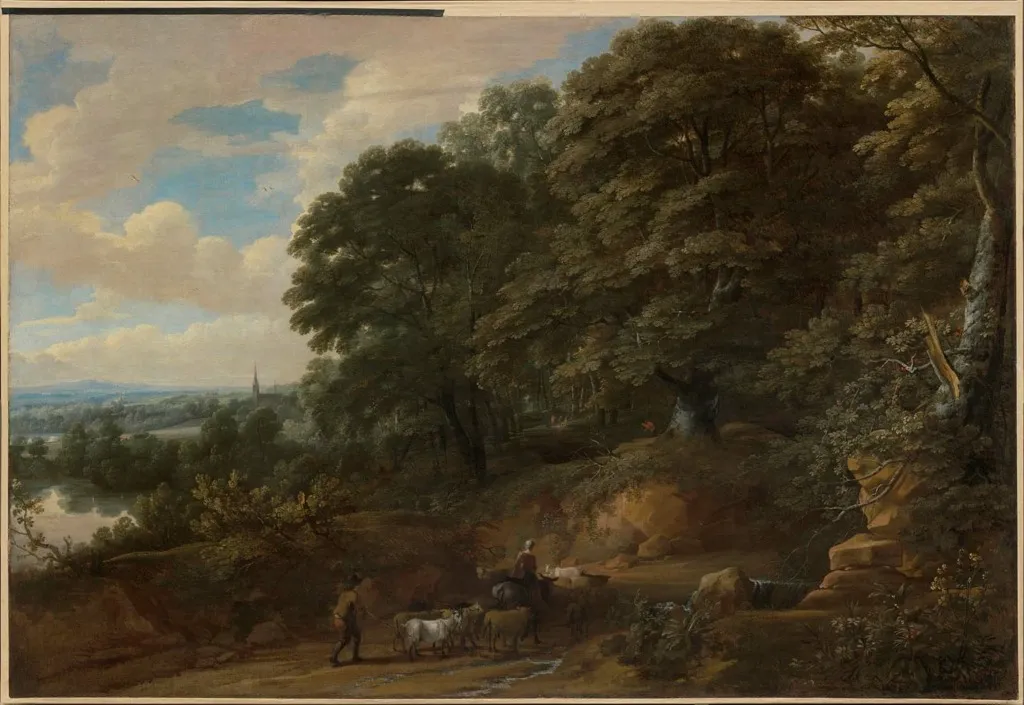
Road through a Forest is an oil painting by Jacques d'Arthois. It dates from 1659 and is held in the collection of the Museum of Fine Arts Boston.
About this work
Overview
Jacques d'Arthois, a 17th-century Flemish artist based in Brussels, produced this oil painting around 1659 as part of his focus on wooded landscapes.
Jacques d'Arthois, a 17th-century Flemish artist based in Brussels, produced this oil painting around 1659 as part of his focus on wooded landscapes. The work captures a rural path winding through dense trees, reflecting the natural surroundings of his hometown. Unlike grand historical scenes common in his era, d'Arthois favored quiet, observed moments in nature, often incorporating small human and animal figures to suggest life within the wilderness.
Subject & Meaning
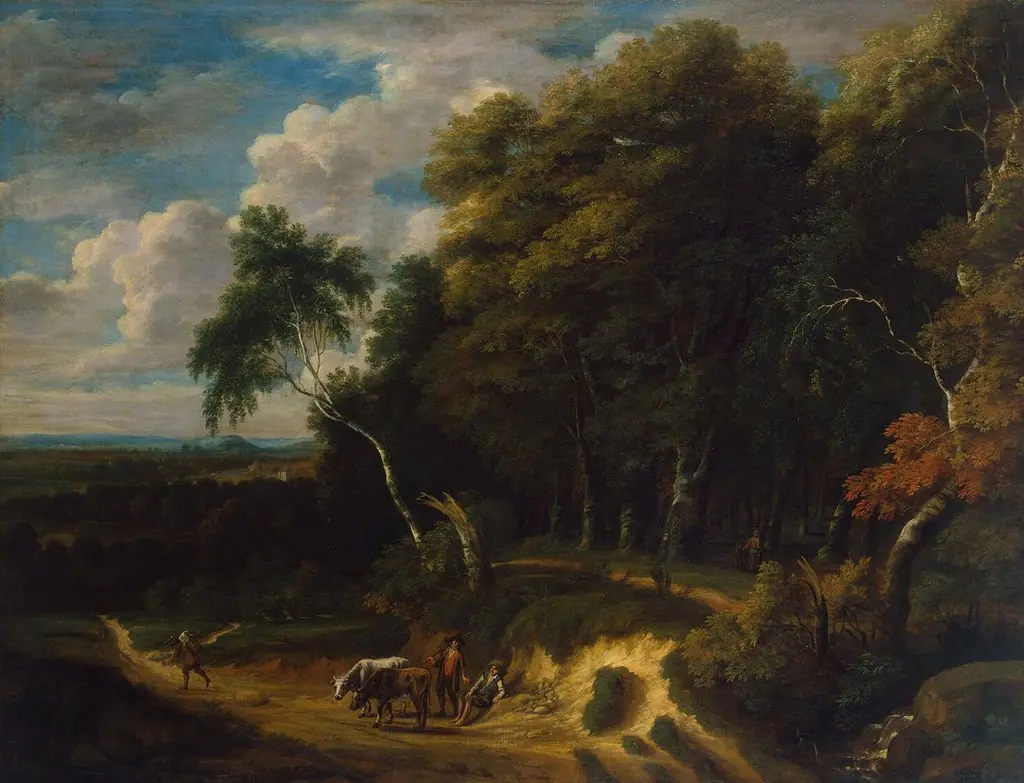
A solitary traveler, accompanied by a dog and a goat, moves along a narrow dirt road through thick woodland. The figures are modest in scale, emphasizing the forest’s dominance over human presence. The scene conveys neither narrative drama nor symbolic allegory but instead offers a contemplative view of rural movement and coexistence with nature. The animals suggest pastoral life, grounding the image in everyday experience rather than idealized romance.
Technique & Style
D'Arthois employed loose, energetic brushwork to render foliage and terrain, avoiding rigid detail in favor of atmospheric suggestion. Chiaroscuro is used subtly to model tree trunks and undergrowth, creating volume without harsh contrasts. The sky, partially obscured by branches, is rendered in muted tones with fleeting patches of light, enhancing the sense of depth and shifting weather. The composition guides the eye along the winding path, reinforcing the painting’s quiet rhythm.
History & Provenance
Created during d'Arthois’s mature period, the painting reflects his established reputation as a specialist in forest scenes. He was known locally for his landscape designs, which also informed his tapestry work. While specific ownership records from the 17th century are sparse, the painting aligns with the tastes of Brussels collectors who valued detailed, naturalistic depictions of nearby countryside. It remained within regional collections before entering public stewardship.
Context
In mid-17th-century Flanders, landscape painting was gaining ground as an independent genre, moving beyond mere background for religious or mythological scenes. D'Arthois contributed to this shift by focusing on the forests around Brussels, which were both familiar and increasingly threatened by urban expansion. His work resonated with contemporaries who sought to document the natural world with observational accuracy rather than fantasy.
Legacy
D'Arthois influenced a generation of Flemish landscape painters who followed his lead in depicting local woodlands with intimate detail. His approach—emphasizing atmosphere, subtle light, and quiet human presence—helped shape a regional tradition distinct from the grander Dutch landscapes of the same period. Though less widely known today, his paintings remain important for understanding how Flemish artists engaged with their immediate environment during a time of artistic transition.
Artist & collection
Artist
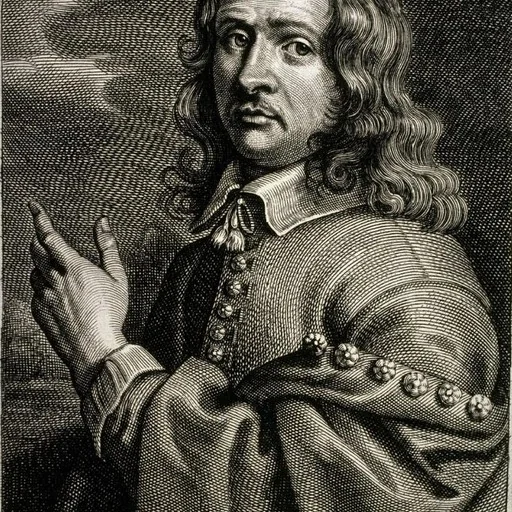
Jacques d'Arthois (12 October 1613 (baptised) – May 1686) was a Flemish painter and tapestry designer who specialized in wooded landscapes with figures.

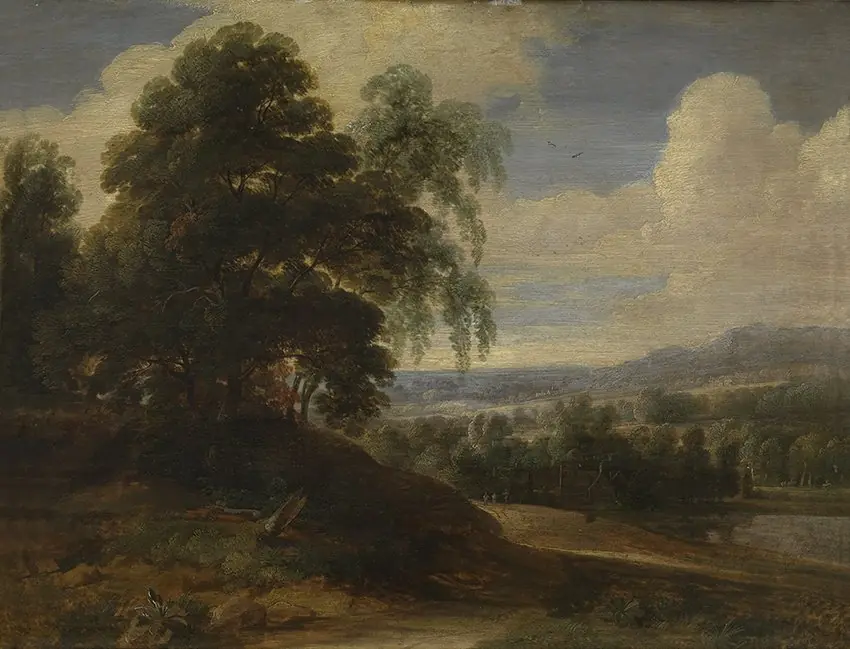
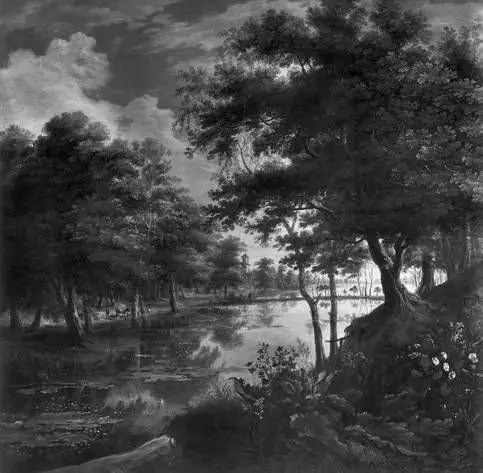
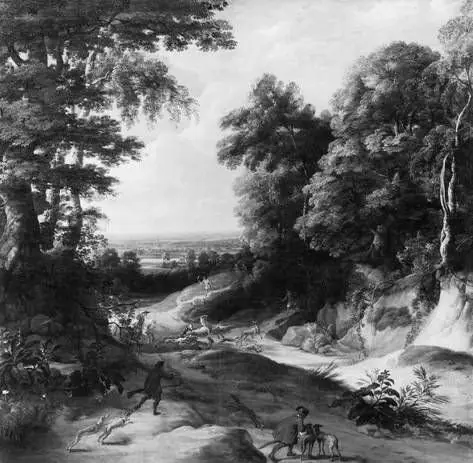
 Flussgegend
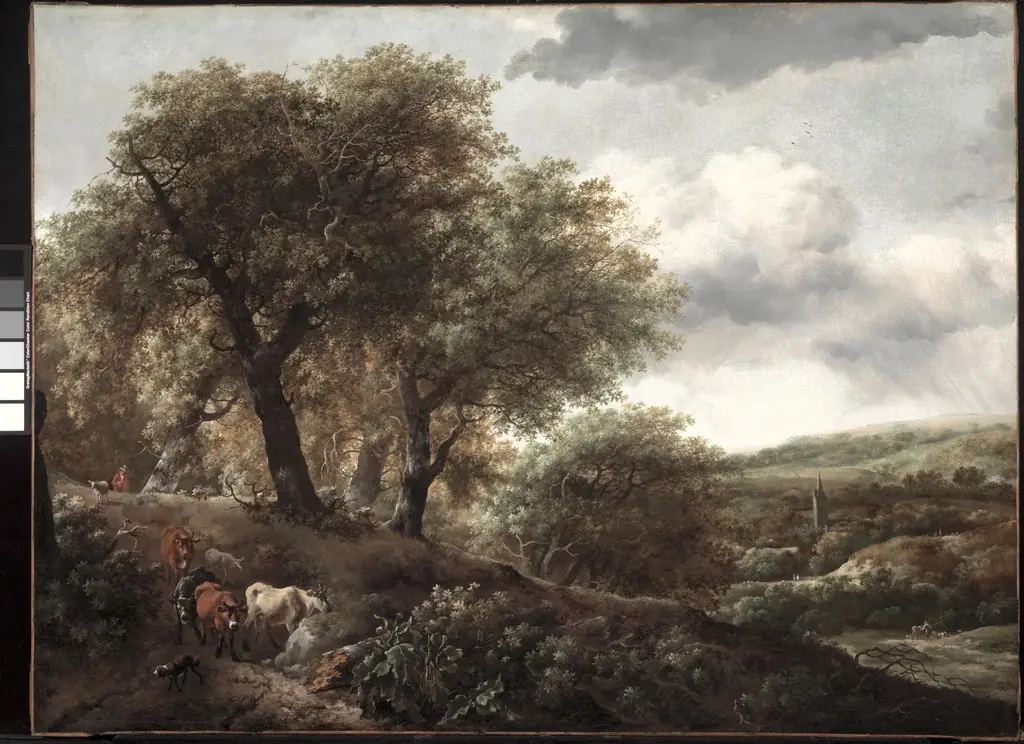 Wooded Hillside with Cattle
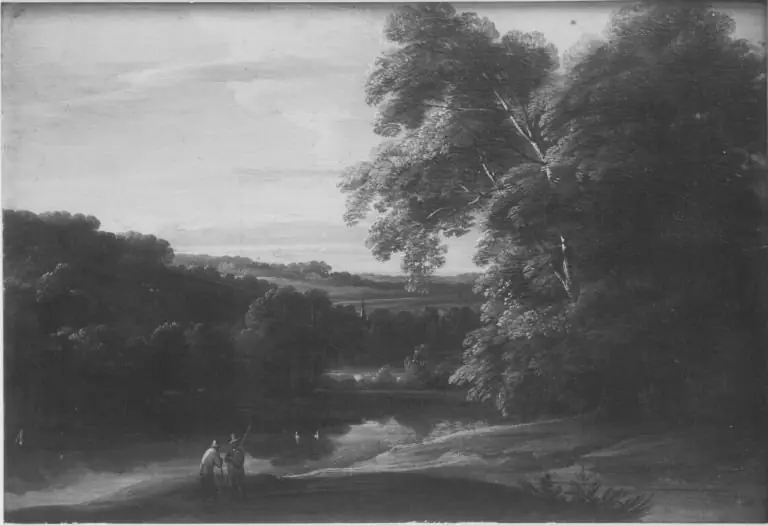
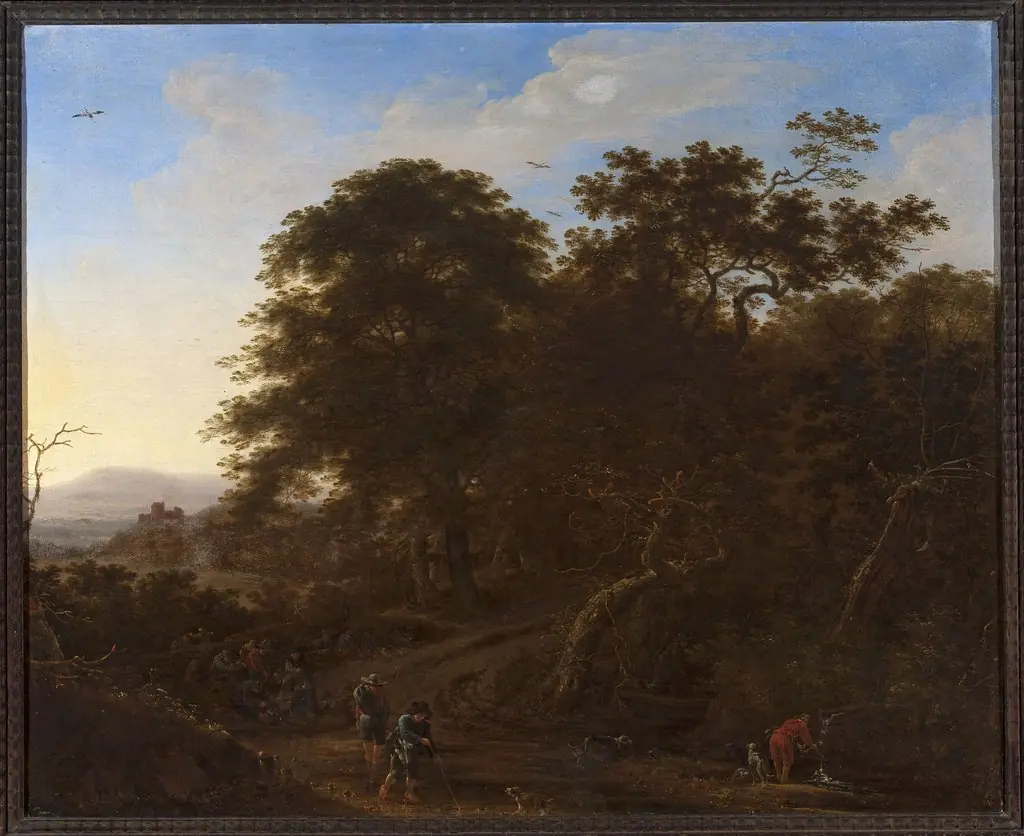 Landscape with travellers
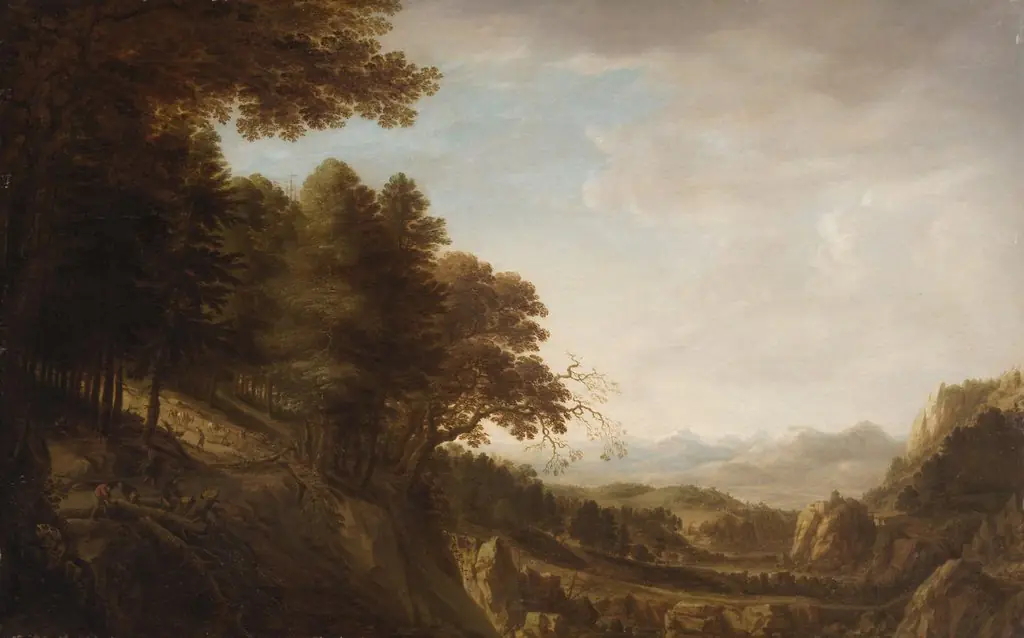 Wooded mountain landscape with lumberjacks
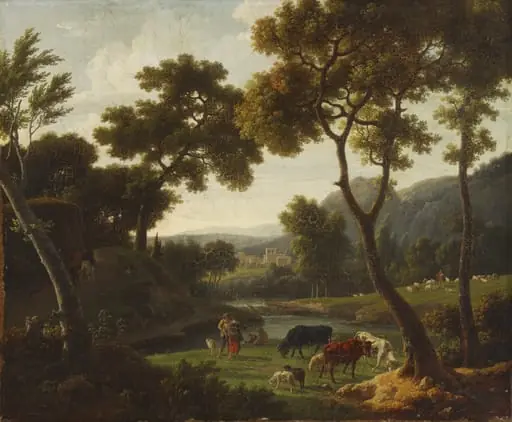 Ihanteellinen maisema
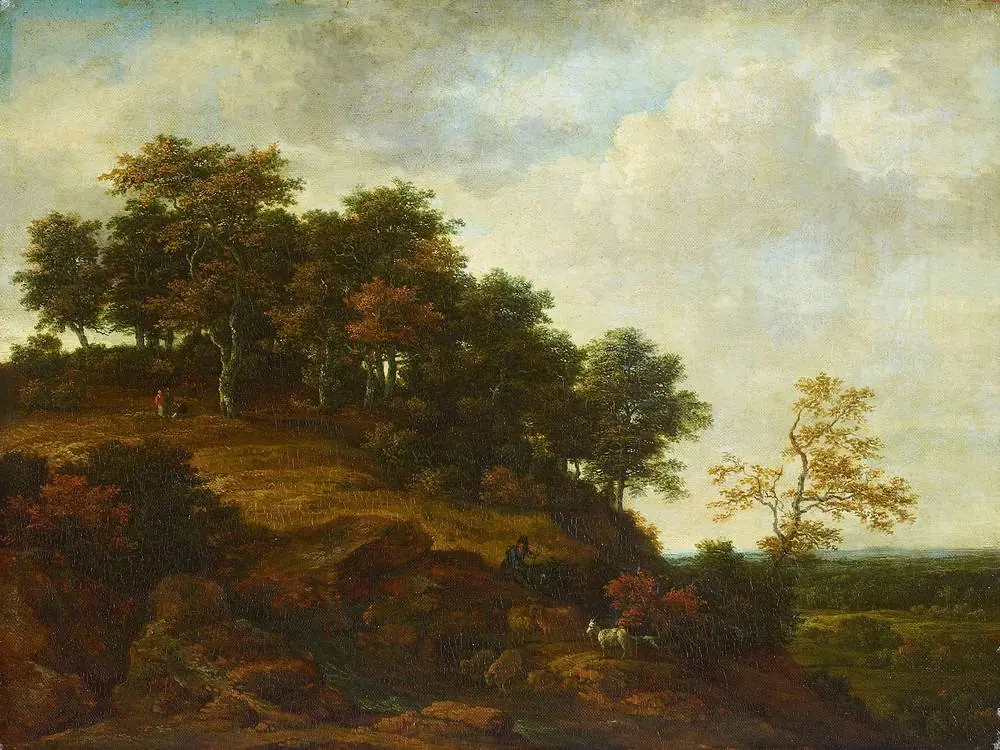 A hill with an oak wood and a little waterfall
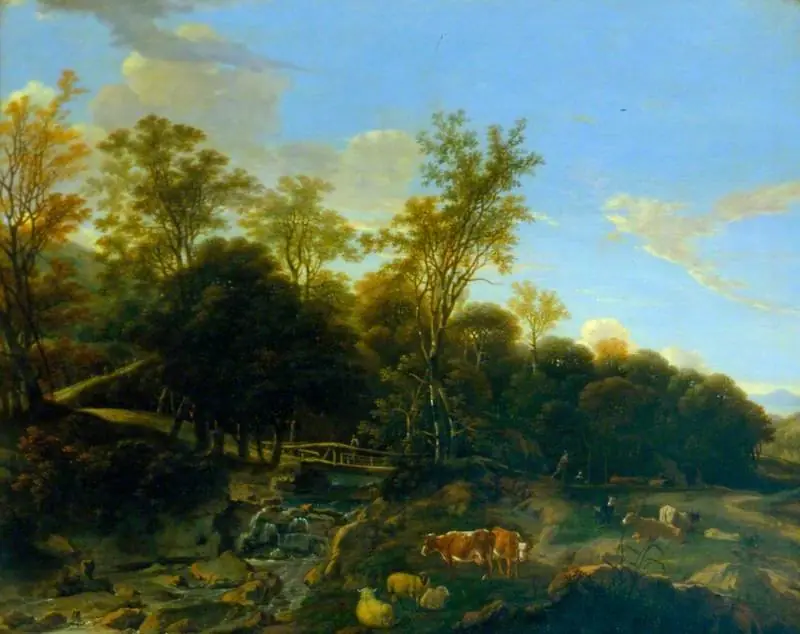 Landscape with a Rustic Bridge and Cattle
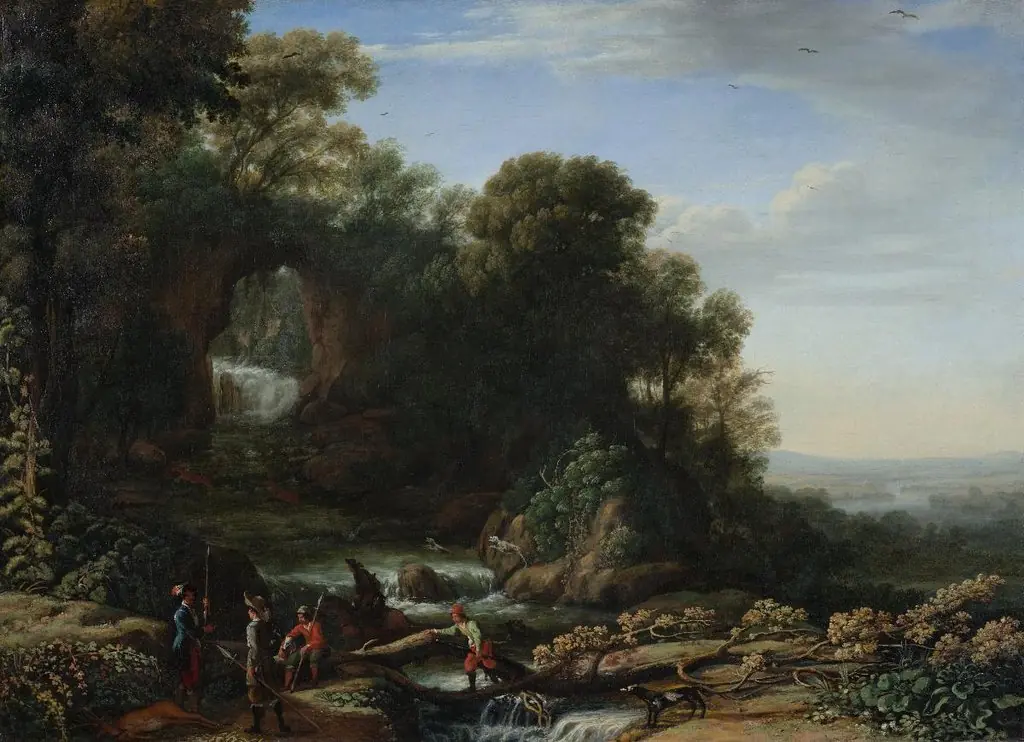 Paysage avec chute d’eau et chasseurs
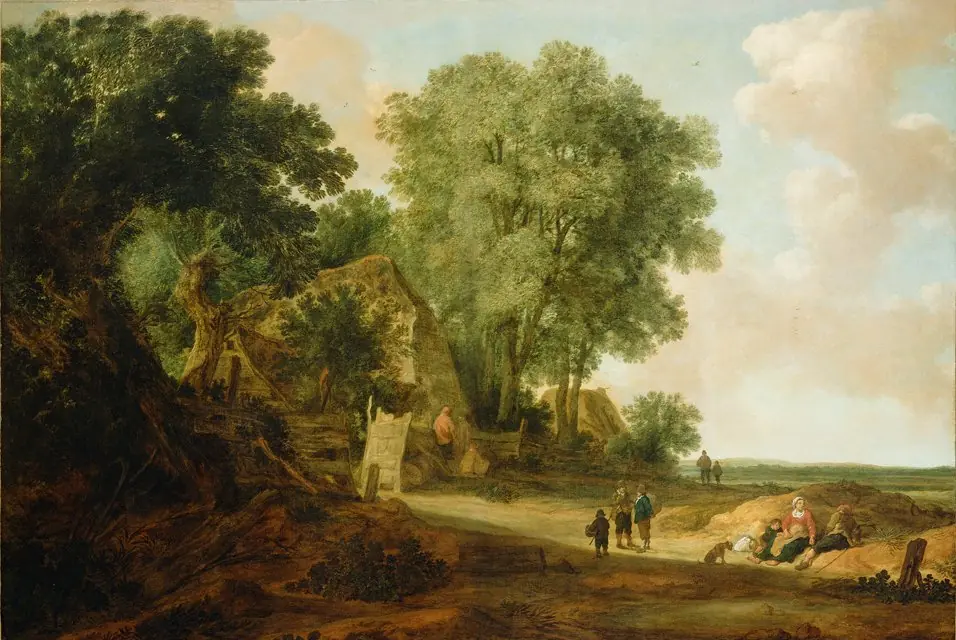 Landscape with Cottage and Figures
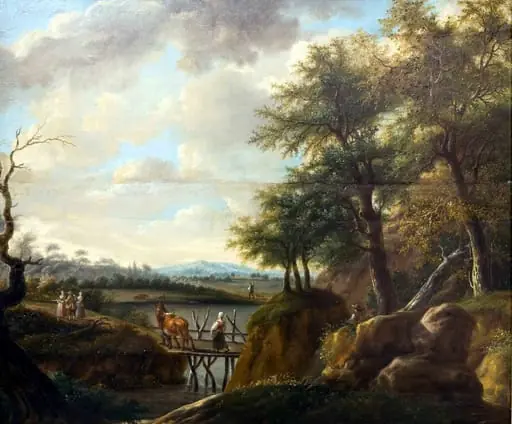 Peisaj cu figuri
 A Wooded Landscape with Travelers and a Dog on a Path