Artwork
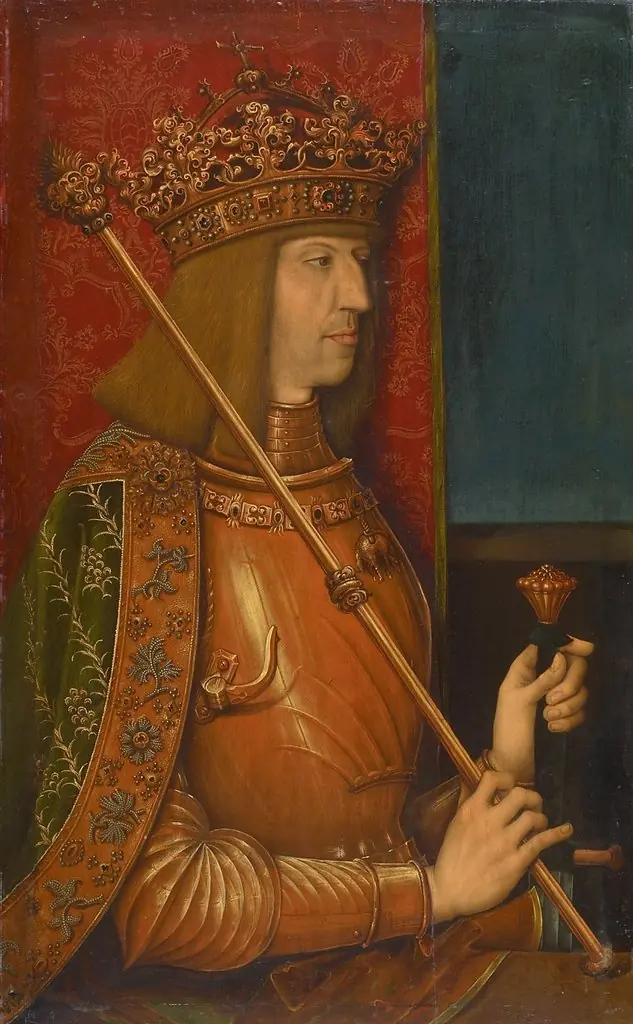
Emperor Maximilian I. (1459-1519)
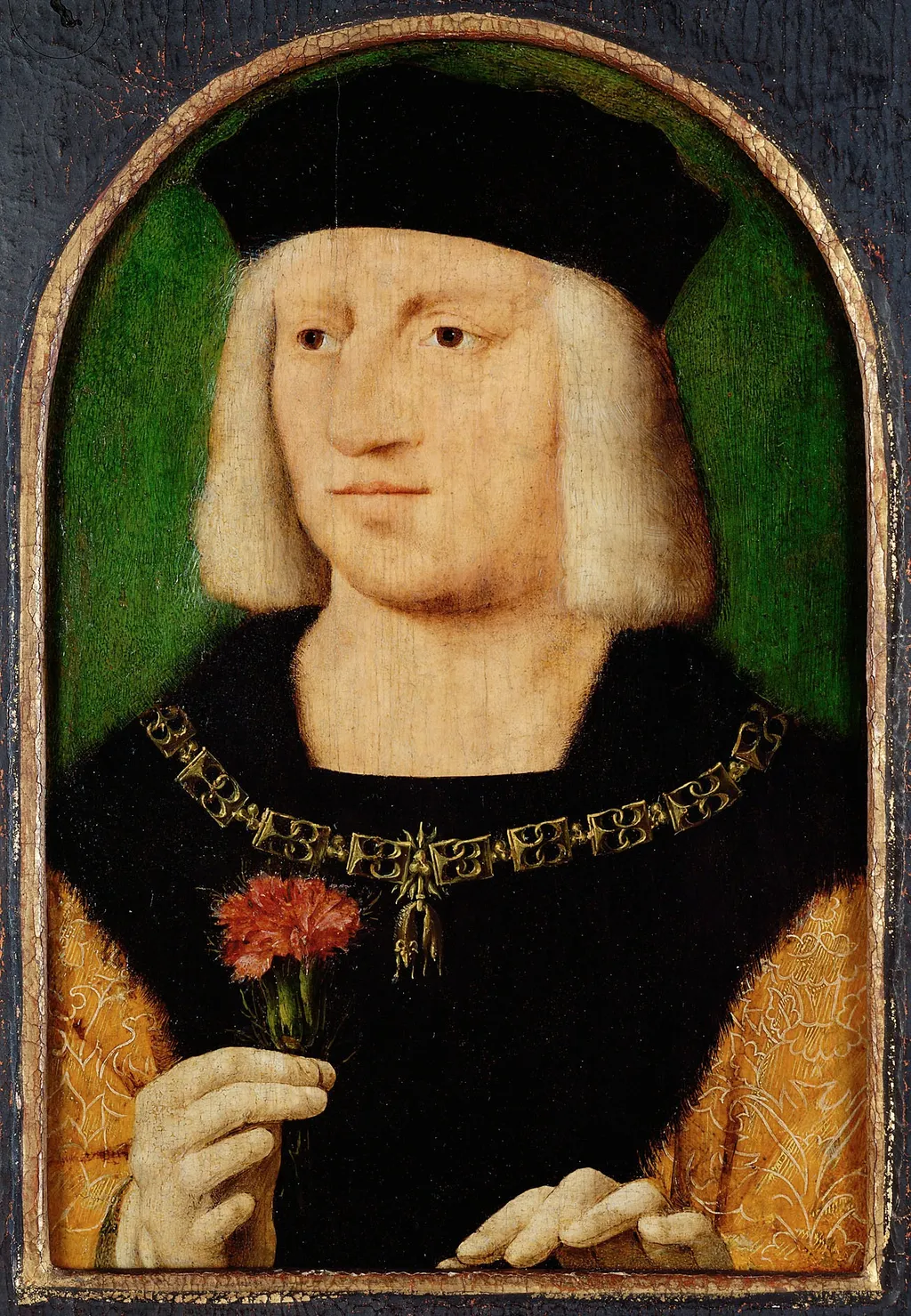
Emperor Maximilian I. (1459-1519) is a wood painting by the Northern Renaissance artist Joos van Cleve. It dates from 1508 and is held in the collection of the Kunsthistorisches Museum.
About this work
Overview
Emperor Maximilian I is a portrait painted on oakwood by Joos van Cleve in 1508, exemplifying the Northern Renaissance's blend of traditional and Renaissance elements.
Subject & Meaning
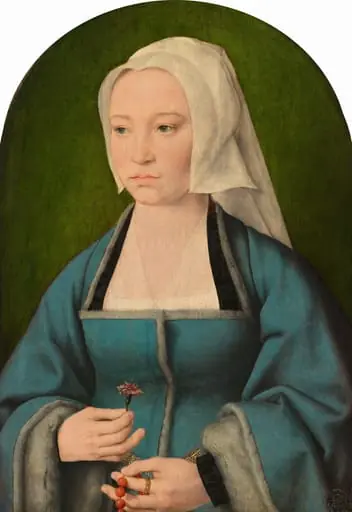
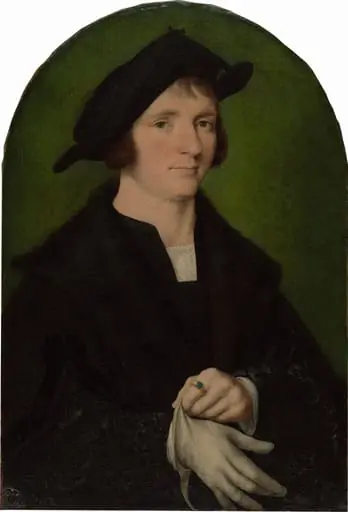
The subject, Holy Roman Emperor Maximilian I, is depicted with a solemn expression, direct gaze, and formal attire, conveying seriousness and authority. A small pink flower in his hand introduces a subtle, enigmatic element.
Technique & Style
Van Cleve's work showcases meticulous detail, intricate textures, and nuanced shading, characteristic of the Northern Renaissance's emphasis on lifelike representation. A muted green background contrasts with the subject's dark, intricately rendered clothing.
History & Provenance
Created in 1508 by Joos van Cleve, a prominent Antwerp painter and member of the Guild of Saint Luke, the portrait is now part of the Kunsthistorisches Museum's collection.
Context
As a product of Van Cleve's Antwerp workshop (active from circa 1511 until his death in 1540/1541), this portrait reflects the city's flourishing artistic scene, where traditional Northern techniques merged with Renaissance influences.
Legacy
While specific lasting impacts of this portrait on art history are not highlighted, it remains a notable example of Northern Renaissance portraiture and Van Cleve's contribution to the era's royal and religious imagery.
Artist & collection
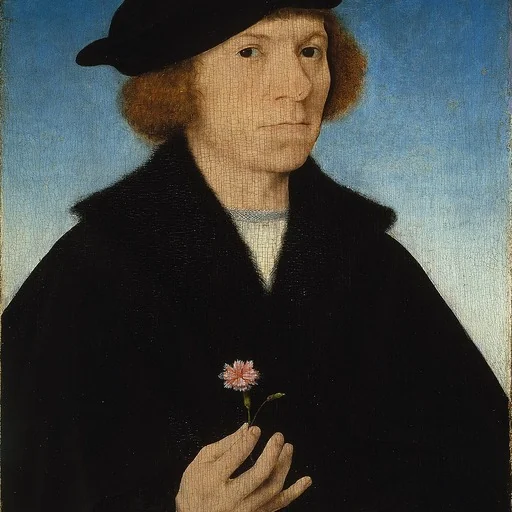
Artist
Joos van Cleve (; also Joos van der Beke; c. 1485–1490 – 1540/1541) was a leading painter active in Antwerp from his arrival there around 1511 until his death in 1540 or 1541. Within Dutch and Flemish Renaissance…

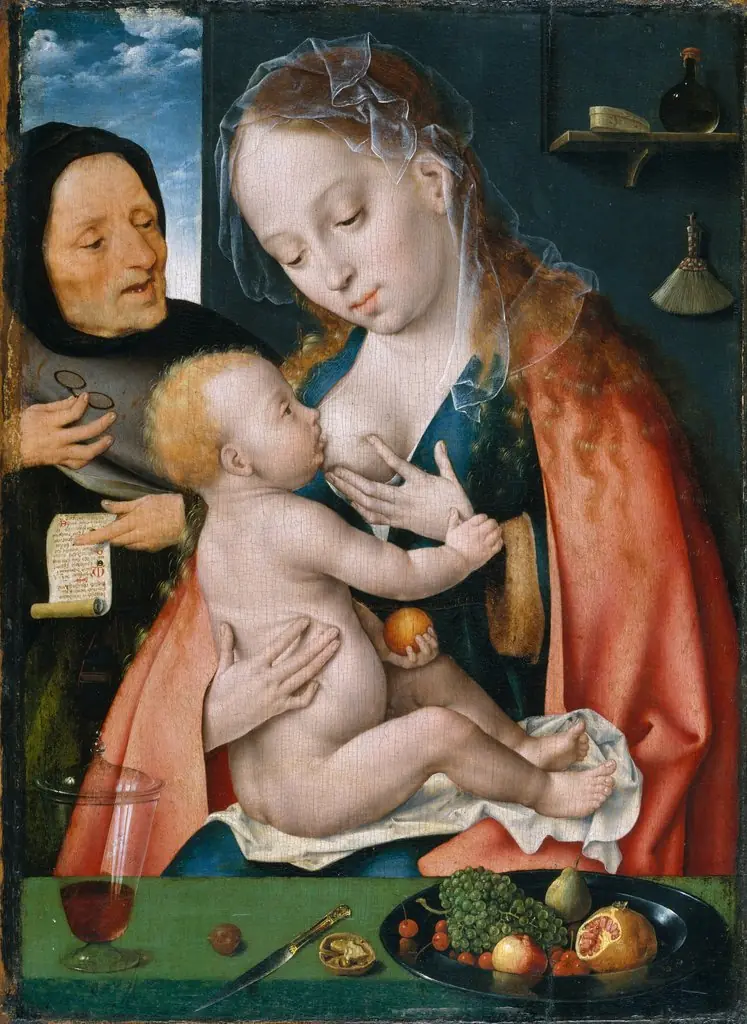
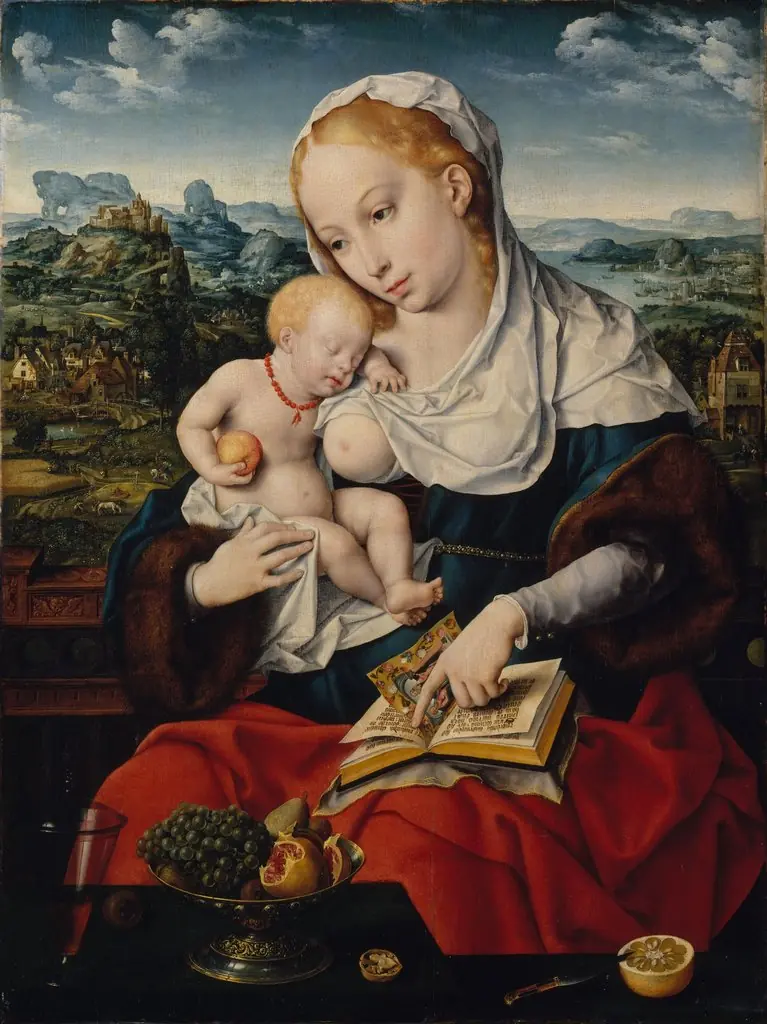
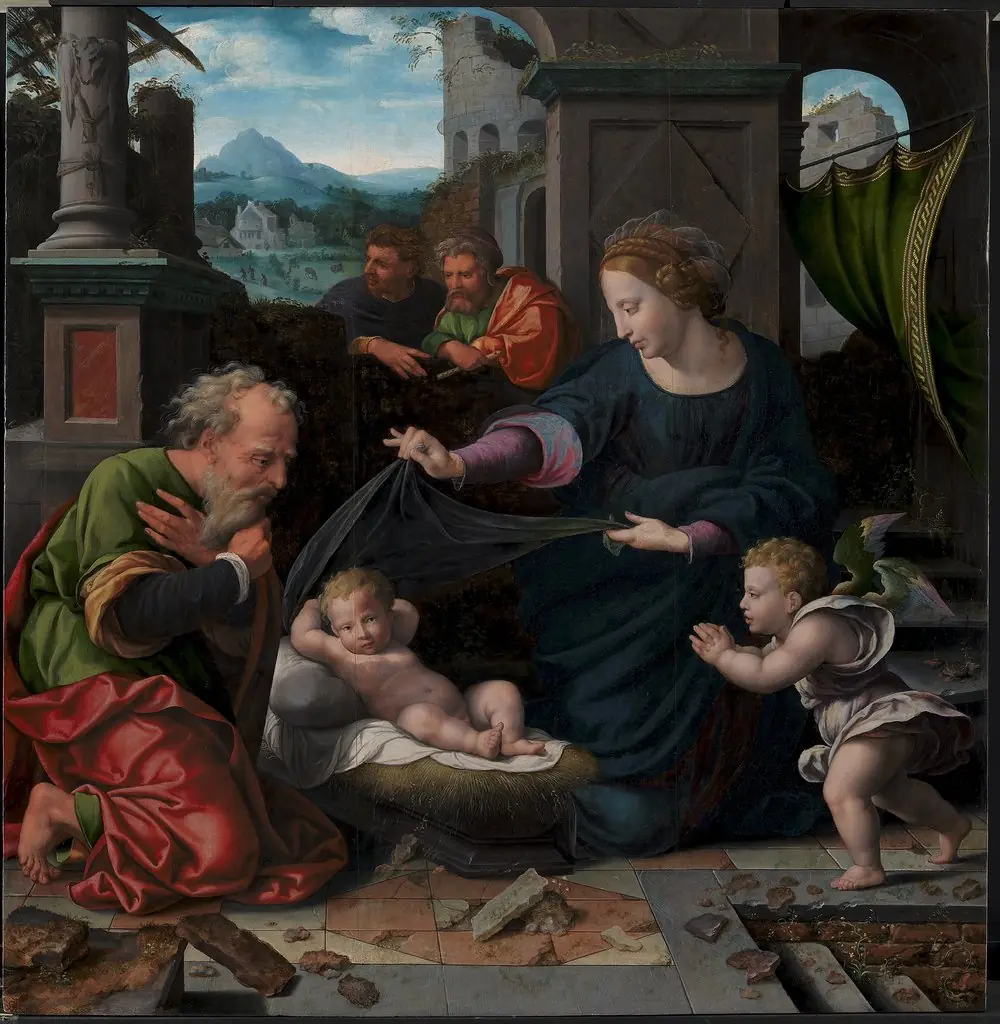
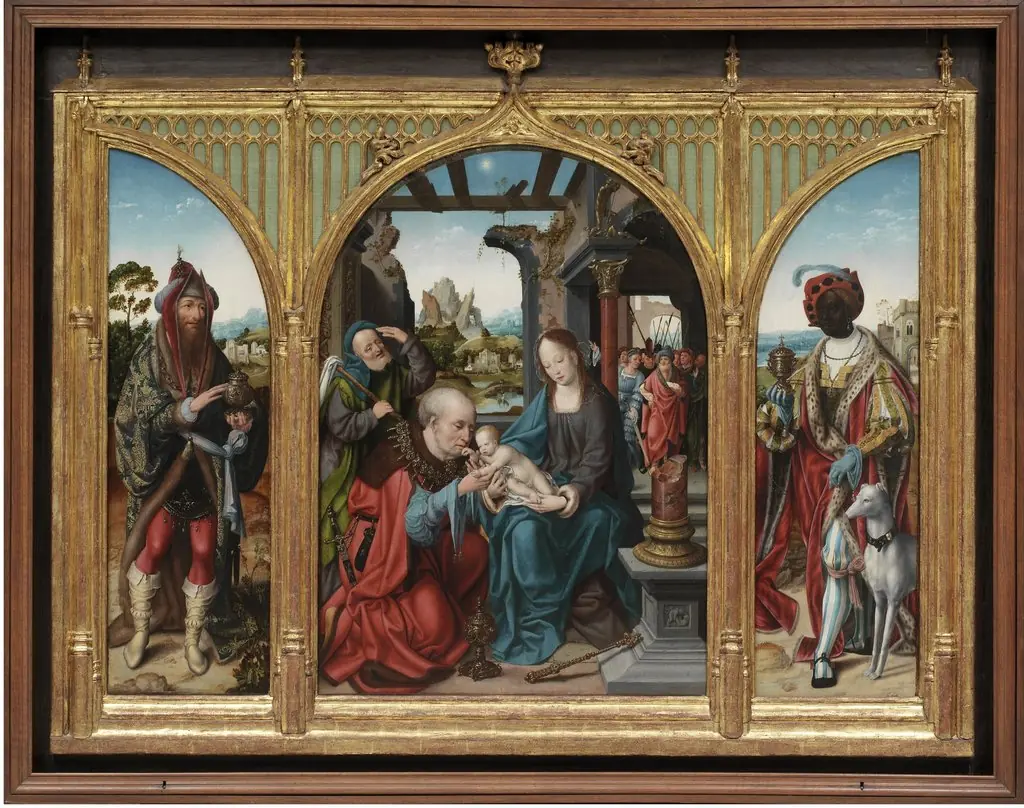
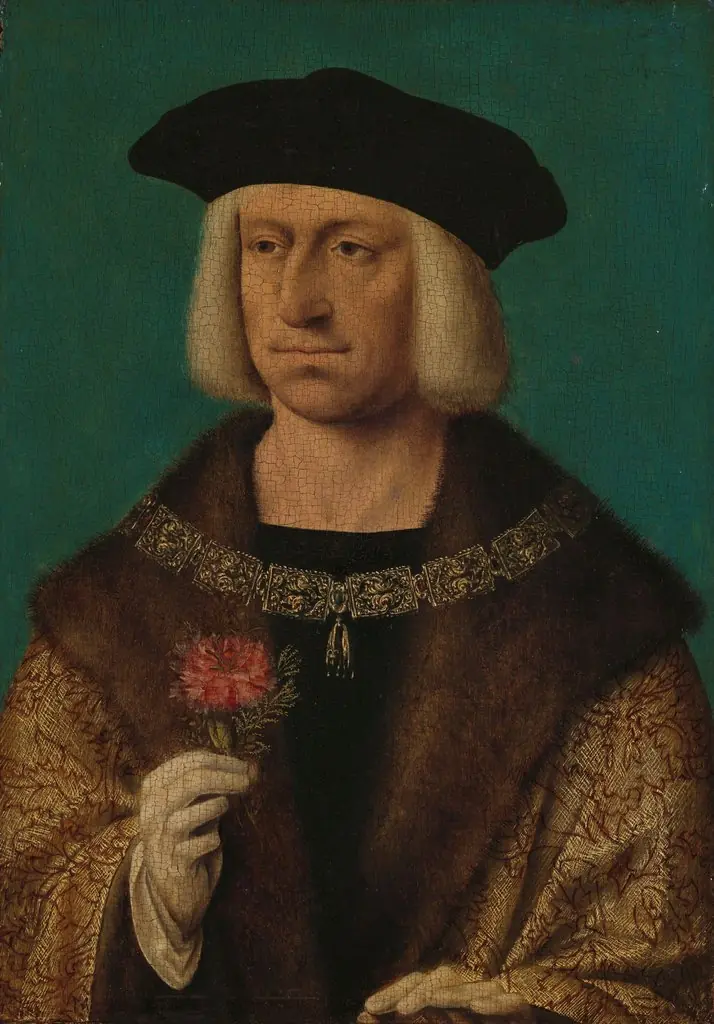 Portrait of Maximilian I (1459-1519)
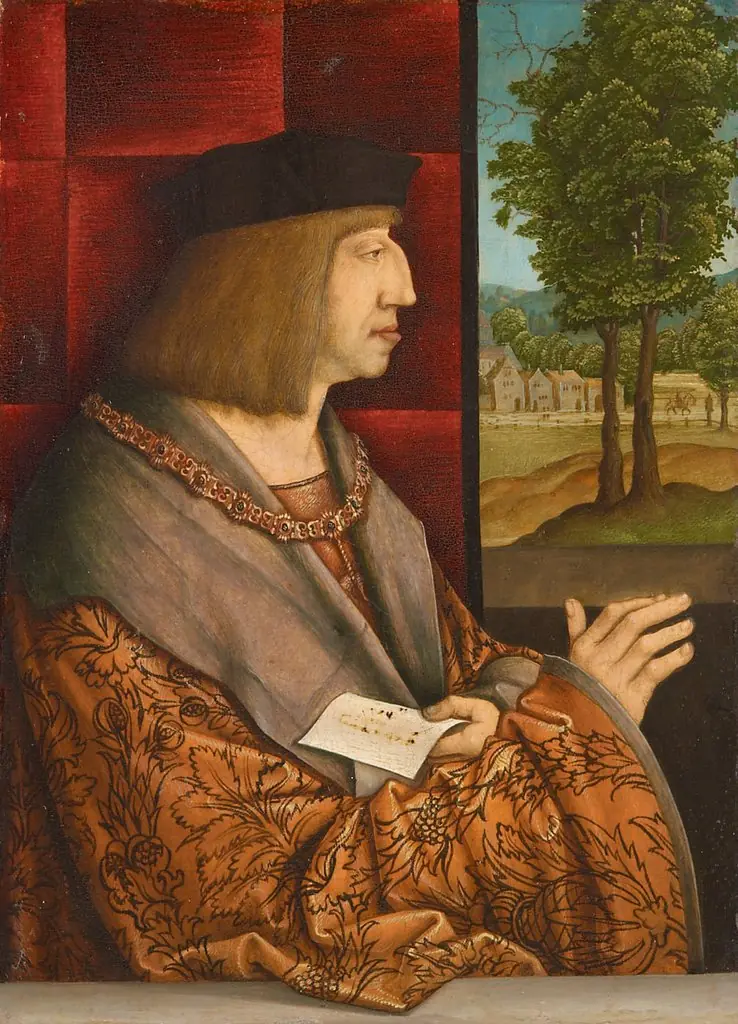 Portrait of Maximilian I (1459-1519)
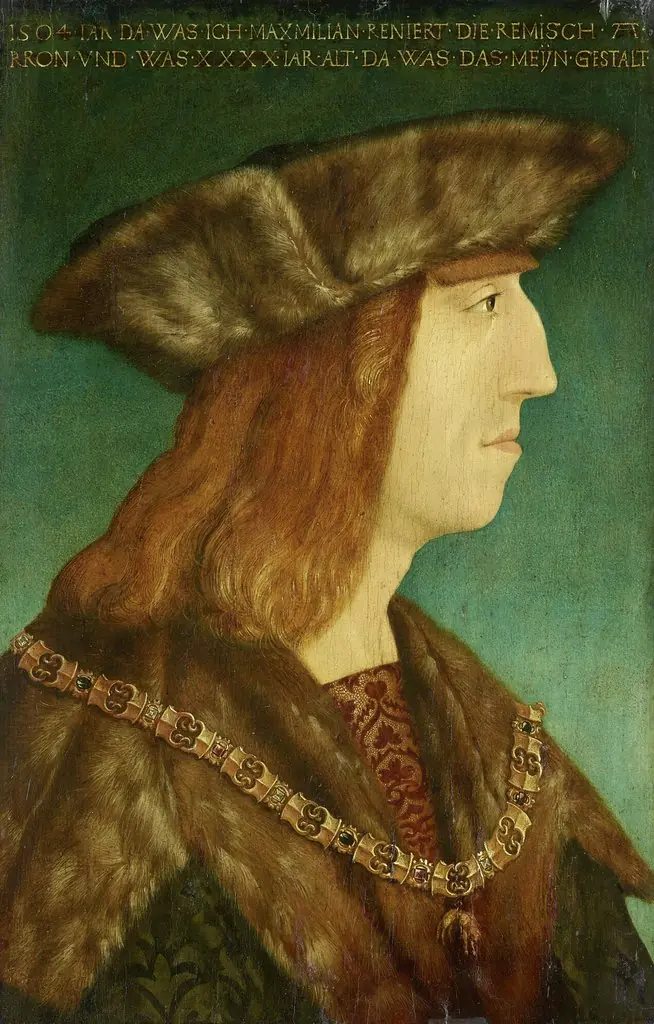 Emperor Maximilan I. (1459-1519)
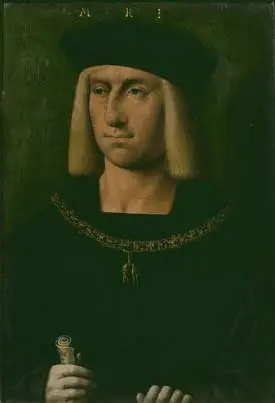 Portrait of Maximiliaan I (1459-1519), Keizer van het Heilige Roomse Rijk 1493-1519
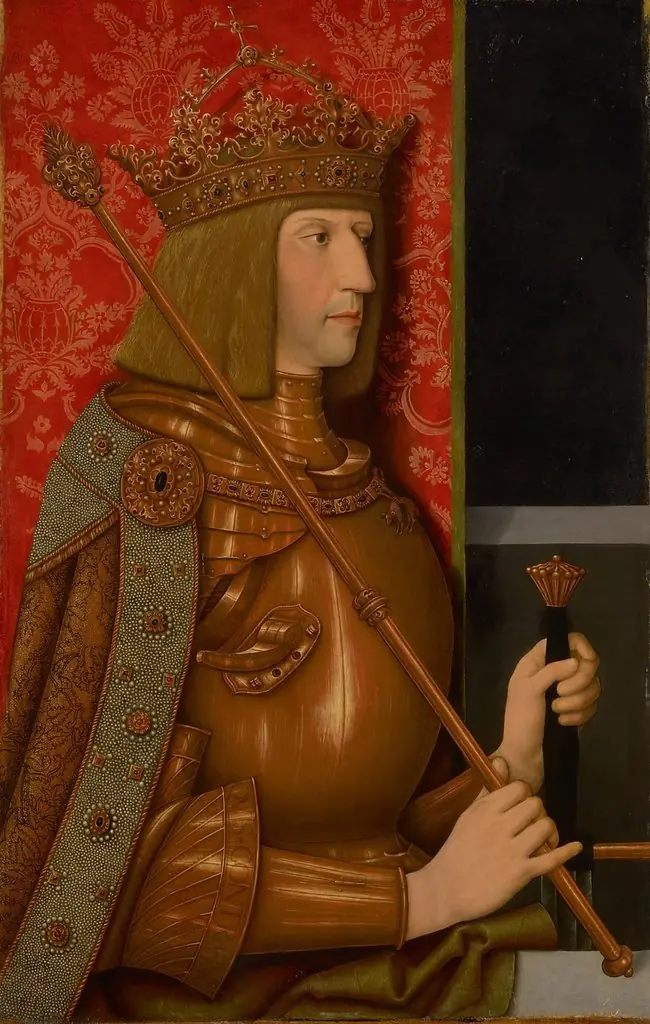 Portrait of Maximilian I, Holy Roman Emperor
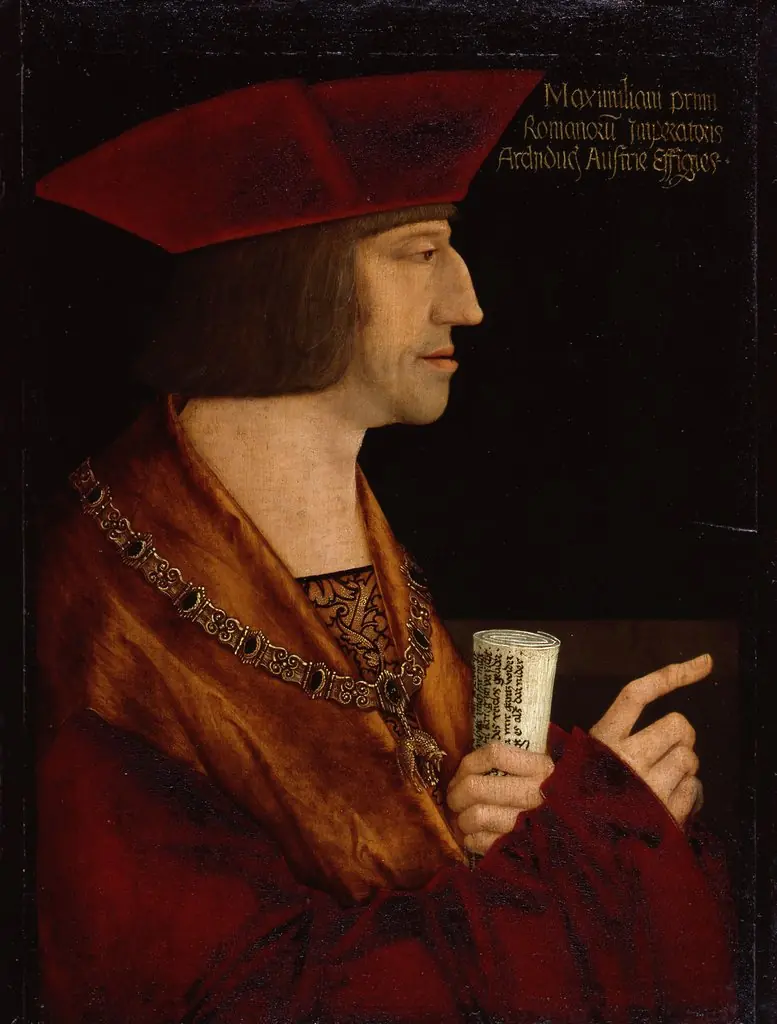 Emperor Maximilan I. (1459-1519) with a Scroll
 Portrait of Maximilian I, Holy Roman Emperor